
Can Chickens Eat Pasta? A Homesteader’s Guide to Safe Scraps
Published on: February 9, 2026 | Last Updated: February 9, 2026
Written By: Caroline Mae Turner
Howdy y’all. Staring at those leftover noodles and wondering if they can go to the hens? Yes, your chickens can absolutely eat plain, cooked pasta and noodles as an occasional treat, and they’ll come running for it. Welcome back to the barn. I’ve dished out many a bowl of cold spaghetti to a eager flock, and it’s a fine way to avoid waste.
What you’ll need:
- Plain, cooked pasta (any shape, fully cooled)
- A keen eye for moderation
- A clean feeding spot
Let’s sort your scrap bucket questions so you can get back to the rest of your chores with confidence.
Can Chickens Eat Pasta? The Straight Talk from the Coop
You bet your boots they can, but let’s not get carried away with the pasta pot just yet. I’ve been scattering leftover noodles in the run for more seasons than I can count, and my flock always acts like I’ve served up fine dining. Pasta is a perfectly safe treat for chickens when offered responsibly and in moderation. Macaroni and cheese or other dairy-based pastas should be offered only in tiny amounts. Dairy can upset some chickens’ digestion, so keep it plain and infrequent. Think of it like a slice of pie for us-a delightful occasional pleasure, not the main course.
Your birds will happily peck at spaghetti, macaroni, penne, or egg noodles. I recall one summer evening, after a big family supper, tossing a colander of plain cooled spaghetti into the yard. Those hens orchestrated a comical, waddling stampede that still makes me smile. Always skip pasta coated in heavy sauces, garlic, onions, or excessive salt, as those additives can harm your birds. Your thriftiness in using leftovers is commendable, but their health comes first.
Here’s my rule of thumb from the barnyard:
- Pasta is a treat, not feed. It should never replace their balanced layer or grower ration.
- Offer it sparingly-a handful scattered for a flock of six is plenty.
- Stick to plain, cooked varieties. Fancy flavored or seasoned packets are a no-go.
Observing your flock’s excitement is a joy, but stewardship means knowing the limits. A chicken’s diet needs to be built on quality feed, with treats like pasta making up no more than 10% of their total intake. That’s how you keep them clucking happily for the long haul. For healthy snack ideas and chicken favorites, you can rotate treats that fit within that 10% cap. In the next steps, we’ll link to practical ideas on what chickens eat as treats and which snacks are favorites.
Pasta Nutrition for Chickens: Carbs, Starch, and Flock Health
Now, let’s talk about what’s actually in that noodle. Pasta is primarily a heap of carbohydrates and cooked starch, which translates to quick energy for your birds. While that energy boost is fine for scratching and foraging, it’s empty calories compared to their complete feed. Their regular ration is carefully formulated with 16-18% protein for layers, plus calcium, vitamins, and minerals-things pasta sorely lacks.
I keep a close eye on my hens’ condition, and too many starchy treats can lead to pudgy poultry. An overweight hen might struggle with egg laying and general vitality. Balance is the cornerstone of good husbandry; think of pasta as the biscuit on the side of a nutrient-dense meal.
To put it in perspective, consider this simple breakdown:
- Primary Role: Carbohydrate source for energy.
- Protein Content: Negligible (about 5-7%, far below their needs).
- Key Consideration: Overfeeding can dilute nutrient intake from their main feed.
Beyond the feed bucket, I’ve found that tossing pasta into their deep litter or scattering it in the run encourages natural foraging behavior. This little bit of environmental enrichment is just as valuable as the snack itself, keeping their minds and bodies active. It’s a sustainable way to use kitchen scraps while respecting their natural instincts.
Raw vs. Cooked Pasta: What’s Easier on Their Digestion?
This is where barnyard experience really pays off. I tried giving my gals uncooked macaroni once, years ago. I watched as my boss hen, Mabel, worked a piece around her beak for a good minute before giving up. Cooked pasta is far easier on their digestion because the starches are gelatinized and the texture is soft. It’s simply kinder to their crop and gizzard. That same care applies to other grains, including oatmeal. For a cooked grain feeding guide, oats are a reliable starting point for chickens.
Raw, dry pasta is hard and dense. It can pose a choking risk or, if gulped down, might cause a sluggish crop or even an impaction. Taking the extra ten minutes to boil pasta without salt or oil is a small act of care that prevents big problems. Let it cool completely before serving to avoid burning their sensitive mouths.
My preparation routine is simple:
- Cook pasta in plain water until tender.
- Drain it and rinse with cool water to remove any residual stickiness.
- Spread it out on a tray to cool fully before offering it to the flock.
This method ensures it’s safe, digestible, and ready for a pecking party. Your flock’s robust health is built on a thousand small, careful choices like properly prepared eggshells. So save yourself the worry and always serve it cooked-your chickens will thank you with every eager peck.
Safe and Unsafe Pasta Types for Your Hens
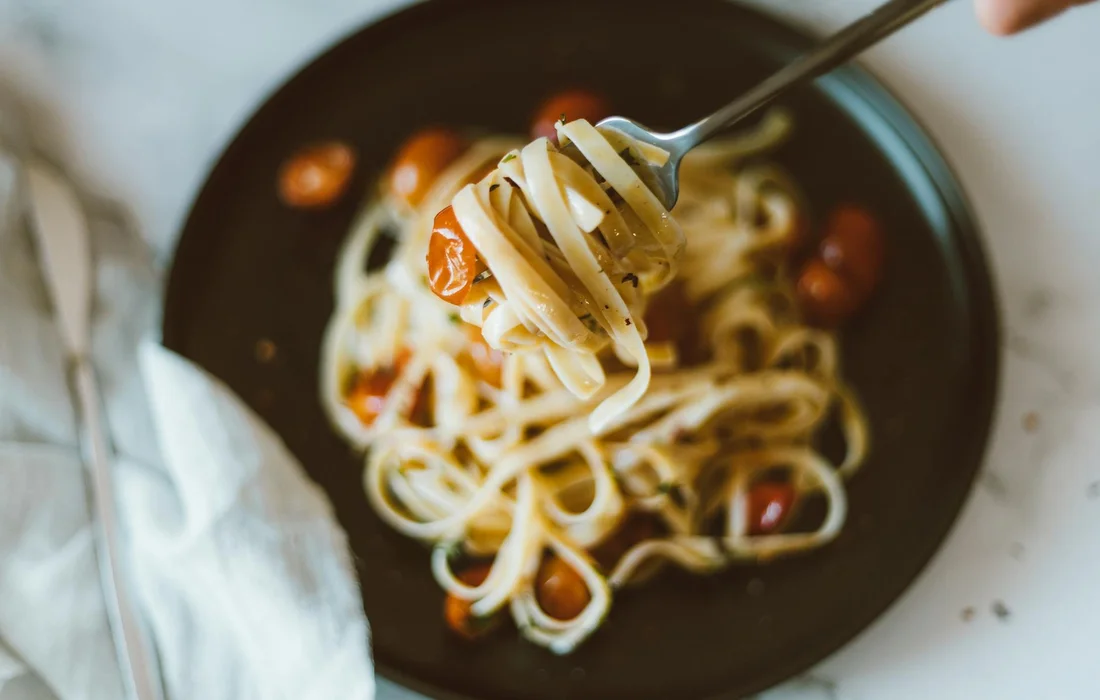
Sorting through the pantry for chicken treats can save you money and reduce waste, but you’ve got to know your noodles. From my experience, the safest pasta for your flock is plain, cooked, and made from simple grains like semolina or whole wheat, while any pasta seasoned for people poses a risk. I always err on the side of caution to keep my birds pecking happily, especially when it comes to cheese and other dairy that they might not handle well.
Here’s a handy list I reference when deciding what to share from my own kitchen scraps. It’s saved me more than once when the girls are giving me those expectational looks.
| Safe Pasta Types | Unsafe Pasta Types |
|---|---|
| Plain cooked spaghetti (broken up) | Any pasta with garlic, onion, or chive seasoning |
| Basic egg noodles without sauce | Pasta covered in oily, buttery, or creamy sauces |
| Whole wheat or vegetable-based shapes | Instant ramen with the salty seasoning packet included |
| Small, uncooked pasta like orzo (as an occasional scratch) | Moldy, spoiled, or overly salty pasta dishes |
Pasta should never be the main event in your chickens’ diet. I keep all treats, including noodles, to less than a handful per bird and never let them replace a solid 16-18% protein layer feed. This balance keeps my hens laying well and maintains their overall health. Chickens also nibble greens, grains, and safe kitchen scraps as supplements to their feed. Keep these options modest to maintain the protein balance and avoid crowding the main layer feed.
Can Chickens Eat Spaghetti and Other Long Noodles?
They certainly can, but you must mind the length. Always break spaghetti, fettuccine, or linguine into pieces no longer than your thumb before offering it to your flock. Long, stringy noodles can knot up in a chicken’s crop or cause choking, which is a fright I’d rather y’all avoid.
I recall a time I tossed a few whole strands of spaghetti into the run without a second thought. Watching my lead hen, Bertha, back up shaking her head with a noodle dangling from her beak was a lesson I won’t forget. Now I keep a pair of kitchen shears right with the feed buckets for quick snips.
How you prepare long noodles makes all the difference. Cook spaghetti until it’s good and soft, then give it a quick cool rinse to remove sticky starch that can clog their beaks. This little step makes for easier eating and cleaner coop cleanup later.
The Lowdown on Egg Noodles and Gluten
Plain egg noodles are a perfectly fine treat, and that bit of extra egg in the dough adds a smidge more protein. They’re a thrifty use for leftover plain noodles, but you must ensure they’re free from sauces, salts, and seasonings made for human palates. I often mix a few cooled egg noodles into their afternoon scratch grain.
Now, about that gluten-it’s the protein found in wheat, barley, and rye. Gluten sensitivity is rare in poultry, so the gluten in standard wheat pasta isn’t a concern for most healthy chickens. Their digestive systems are built to handle a variety of grains in moderation.
The real issue is volume, not the gluten itself. Think of pasta as a carbohydrate-heavy filler that can dilute the crucial nutrients in their complete feed if overused. A scatter of noodles encourages natural foraging behavior without tipping their nutritional scale.
How to Prepare Pasta for Chickens: A Step-by-Step Guide
I reckon the key to sharing our food with the flock is doing it the right way, treating it as a supplement and not the main event. A little pasta prepared safely is a fine treat, but their balanced feed must always come first for their health. Let’s walk through how to get it from your pantry to their pecking beaks without a hitch.
- Keep It Plain as Day: Cook your pasta in plain water. No salt, no butter, no oil, and certainly no seasonings in the pot. We’re aiming for the blandest noodles you’ve ever seen.
- Cook to Soft, Not Mushy: Chickens aren’t looking for al dente. Cook it until it’s fully soft and easy to break. This makes it much safer and easier for them to eat and digest.
- The Cool-Down: Drain that pasta and rinse it with cool water to stop the cooking. You need to let it cool completely to room temperature before even thinking about serving it. I’ve made the mistake of being in a hurry and tossing warm noodles out; the girls just push them around, waiting for them to cool, and it attracts flies.
- Size Matters for Safety: Once cool, give those noodles a rough chop or break them up with your hands. Long strands of spaghetti can be a tangling hazard or even lead to choking. Pieces about the size of a penny are perfect.
- Serve Sparingly and Separately: Scatter the broken-up pasta in their run or a clean dish, separate from their regular feed. This encourages natural foraging behavior and prevents bossier hens from guarding the main feeder. A good rule of thumb is to offer no more than a handful per three birds, just once or twice a week.
What About Leftover Pasta from Your Dinner?
Now, this is where us homesteaders really get thrifty, but we have to be smart about it. That leftover spaghetti with marinara or fettuccine alfredo from last night’s supper needs a serious second look before it hits the coop.
You must become a ruthless inspector of any human leftovers destined for your birds. Garlic and onions, common in sauces, are toxic to chickens. Heavy creams, cheeses, and excess fats can upset their digestive systems. That delicious salty, buttery sauce we love is a no-go for them. To keep your flock safe, learn which foods are toxic or harmful to chickens. A quick chicken diet safety guide can help you spot risky leftovers before they reach the coop.
My method is simple: if the pasta has been mixed with sauce, oils, or seasonings, it goes to the pigs or the compost. It just ain’t worth the risk of making your layers sick over a few cents’ worth of noodles. The only leftover pasta I’ll consider is plain, cooked pasta that was kept separate-maybe the extra plain noodles you set aside before saucing the family’s portion. Those, after a proper cool-down and chop, are just fine.
Here’s a quick guide for those dinner plate scrapings:
| Type of Leftover Pasta | Safe for Chickens? | Reason & Action |
|---|---|---|
| Plain, unseasoned noodles/spaghetti | Yes, with prep | Cool, chop, and serve in moderation. |
| Pasta with tomato-based sauce | No | Often contains garlic, onion, excess salt. |
| Pasta with creamy/cheesy sauce | No | High fat and dairy can cause digestive issues. |
| Pasta with olive oil & herbs | No | Oils and specific herbs may not be safe. |
| Pasta with meat scraps mixed in | No | Seasonings on meat are a concern; best avoided. |
Feeding Frequency and Portion Control: Pasta as a Treat
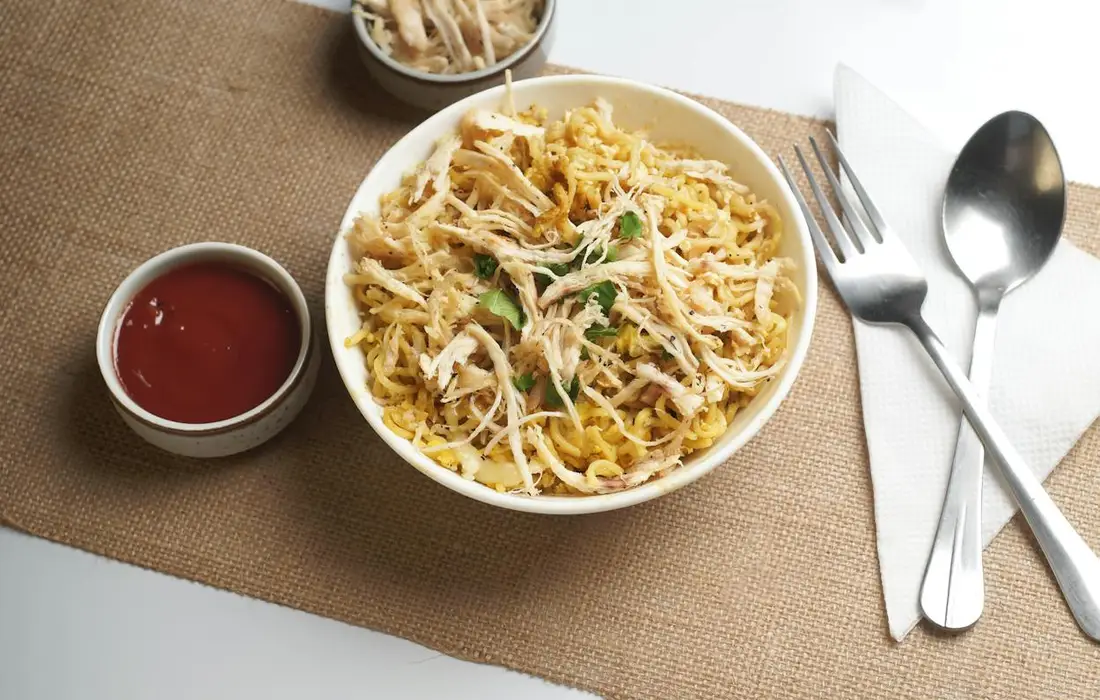
Now, let’s talk about the “how much” and “how often.” I treat pasta the same way I do other kitchen scraps or scratch grains-it’s a supplement, not a supper. The golden rule on my homestead is that treats, including pasta, should never make up more than 10% of your flock’s total daily diet. Their primary nutrition must come from a complete layer feed or grower ration.
Think Snack, Not Sustenance
Pasta is a carbohydrate-heavy food. While it gives a quick energy burst, it dilutes the vital protein, vitamins, and minerals in their commercial feed if overdone. I learned this the hard way years ago when my egg production dipped after a few too many “spaghetti Sundays” for the girls. Reserve pasta for an occasional reward, a boredom buster on long winter days, or a clever carrier for healthier additives like grated vegetables or a sprinkle of poultry probiotics.
Practical Portions for Your Flock
You don’t need to break out the kitchen scale, but a mindful eye is key. Here’s a simple guideline I follow:
- For a standard-sized flock of 6-8 hens, a single cooked cup of plain pasta is a generous treat to share.
- That breaks down to about a tablespoon or two per bird, scattered for foraging.
- For bantams or smaller birds, cut that amount in half.
- Frequency? I reckon once or twice a week is plenty. Every day is a recipe for trouble.
The Risks of Overindulgence
Too much of a good thing can lead to real barnyard issues. An overfed chicken is at risk for obesity, which strains their heart and joints and can lead to a dramatic drop in egg laying. Beyond that, a mass of sticky, overcooked pasta can cause a condition called “impacted crop,” where their food storage pouch gets blocked. It’s a serious ailment that often requires veterinary care.
Always provide pasta in a way that encourages natural behavior. Scatter it in their run so they have to scratch and peck, or hang some cooled, cooked noodles in a suet cage for them to work at. This turns a simple treat into enriching activity, which is just as important for their well-being as the food itself.
Preparation Directly Ties to Safety
How you prepare the pasta directly impacts how safely your flock can enjoy it. Never feed pasta straight from the boiling pot.
- Always Cool It Down: Hot pasta can burn a chicken’s sensitive crop. Let it reach at least room temperature.
- Avoid Overcooking: Mushy, gluey pasta is a choking and impacting hazard. Aim for al dente-firm to the bite-so it has more structure.
- Skip the Salt & Sauce: As mentioned before, but it bears repeating for portion control. Salty pasta makes them drink excessive water and throws off their electrolytes. Butter or oil adds unnecessary fat to an already starchy treat.
At the end of the day, sharing a bit of your noodles is a fine way to bond with your birds. By keeping it modest, plain, and occasional, you’re practicing the kind of thoughtful stewardship that leads to a healthier, happier flock for the long run. They’ll thank you with their vigor, and hopefully, with plenty of eggs for your own table.
Beyond the Chicken Run: Pasta for Other Barnyard Animals
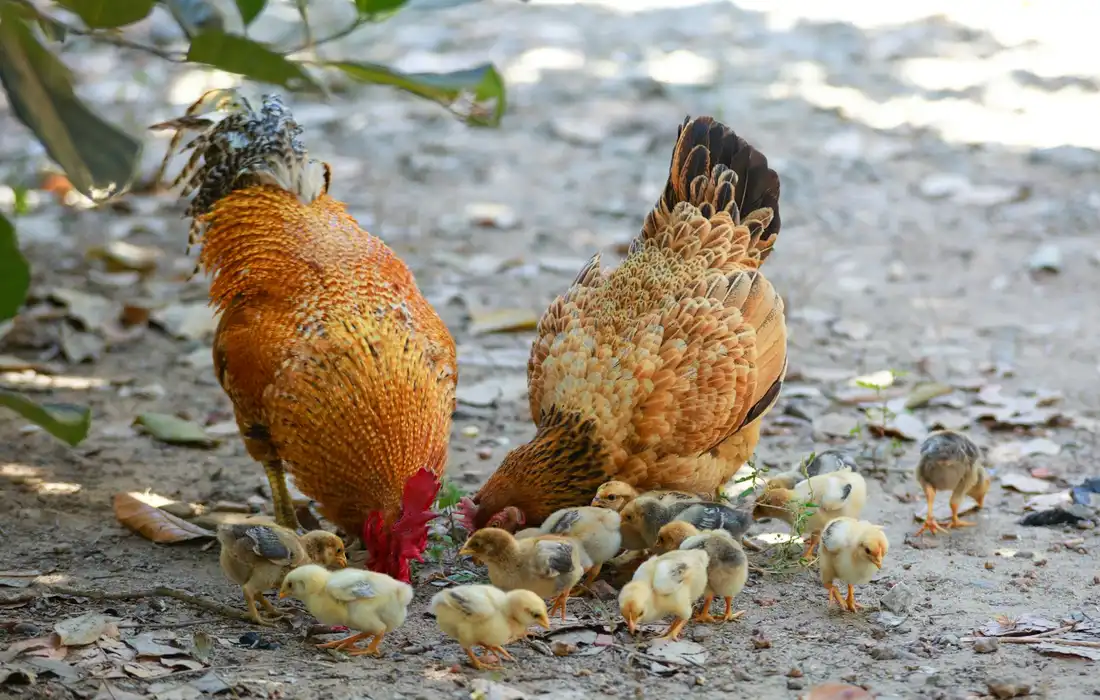
While chickens might peck at a plate of spaghetti, your other farmyard friends often look on with hopeful eyes. It’s only neighborly to consider if your leftover noodles can safely travel beyond the coop to the pigpen or pasture. Let’s talk turkey-or rather, pork and beef-about sharing this common kitchen scrap.
Can Pigs Eat Pasta or Noodles?
If you’ve ever kept pigs, you know they’ll eat most anything that doesn’t eat them first. In my experience, pasta is a definite yes for hogs, but with some barnyard wisdom applied. Pigs view pasta as a high-energy delight, but their robust appetite requires us to be the sensible ones at feeding time. Beyond pasta, pigs also thrive on grains—barley, brewers grains, and more. Balancing these with other feeds keeps them healthy and productive.
I’ve fed pasta to my pigs for years, using it to stretch feed or use up leftovers. Here’s my method for doing it right:
- Always Cook It Soft: Serve noodles fully cooked and cooled. Dry pasta can absorb moisture in the stomach and cause blockages.
- Strip the Seasoning: Garlic, onions, and heavy salts are toxic. I rinse sauce off thoroughly under the tap. Plain, boiled pasta is the only safe option.
- Treat, Not Main Course: For a growing pig, limit pasta to about a cupful mixed into their regular grain ration, no more than twice a week. It should never exceed 10% of their daily intake.
- Watch the Waistline: Pasta is mostly carbs. Overdoing it leads to fat pigs, which can cause birthing problems for sows and poor meat quality.
I learned the hard way about secure storage when a clever gilt named Mabel rooted into the feed shed and emptied a five-pound bag of penne. Moderation and proper preparation turn pasta from a risky scrap into a thrifty, enjoyable treat for your porkers.
Can Cows or Geese Eat Noodles?
Now, cows and geese operate on a different digestive blueprint. What works for a pig or chicken can upset their systems in a hurry.
For Cows: A cow’s rumen is a fermentation vat built for fiber, not refined wheat. While a handful of cooked, plain noodles won’t cripple a healthy adult cow, it’s a nutritional zero that can skew their gut bacteria. I might toss a few into the mixer wagon as a binder for supplements, but it’s a tiny amount-think a pound for a 1,200-pound animal, and only alongside plenty of long-stem hay.
For Geese: These birds are lawnmowers with wings. Their diet should be over 80% fresh grass and greens. A goose might swallow a cooked noodle piece, but it offers no protein or vitamins they need. If you insist, make it a rare bite, mushy and pea-sized, to avoid choking. Frankly, they’d rather have that handful of clover from your pocket. The complete guide to a healthy geese diet explains what to feed and what to avoid.
Seeing a goose chase a noodle in a rain puddle is amusing, but it’s not sound husbandry. Respecting the natural diet of your ruminants and grazers is a cornerstone of sustainable stewardship, saving your pasta scraps for the omnivores that can handle them.
Closing Tips and Common Questions
Can I use pasta in a homemade treat recipe for my chickens?
Absolutely. Plain, cooked pasta can be a great base for a homemade flock treat. Simply mix cooled, chopped pasta with healthy additions like grated vegetables, a sprinkle of herbs, or a bit of plain yogurt for probiotics.
Is it safe to give my chickens pasta from a chicken noodle soup?
No, this is not recommended. The broth and noodles from soup are typically high in sodium and may contain seasonings like onion or garlic that are harmful to chickens. Always stick to plain, unseasoned pasta.
What about pasta that was served with Chicken Piccata or Marsala?
You must avoid feeding this to your flock. These sauces contain ingredients like wine, garlic, lemon, butter, and capers, all of which are problematic. Only plain pasta that was cooked separately is a safe option.
Can I share the pasta from my Chicken Parmesan dinner?
It is not safe to share pasta coated in marinara sauce or topped with cheese and breaded chicken. Marinara sauce almost always contains garlic and onions, which are toxic to chickens, and the fats and dairy can upset their digestion. Unlike some meats like bacon, ham, and tuna that are questionable for chickens, pasta dishes should be avoided altogether.
Are egg noodles a safer option from chicken noodle soup leftovers?
While plain egg noodles themselves are fine, the moment they are cooked in a seasoned soup broth, they become unsafe. The noodles absorb the salty, seasoned liquid, making them just as risky as any other pasta from a prepared dish.
How should I handle pasta scraps for my other animals, like pigs or geese?
For pigs, plain cooked pasta is a fine occasional treat in moderation. For geese and cows, pasta is not recommended as it doesn’t align with their natural, fibrous diet and offers them little to no nutritional value.
Back to the Pasture
When all is said and done, a handful of cold noodles ain’t gonna hurt a hen. The golden rule from my coop is simple: pasta is a fun, starchy treat, not a feed replacement, and it should always be served cooked, plain, and in modest amounts. Keep your main focus on that balanced layer feed-it’s what keeps the eggs coming and their feathers shining.
I reckon the best part of this life is sharing the simple joys, even if it’s just watching the girls chase a stray piece of spaghetti. Thanks for settin’ a spell. Now go enjoy your flock, and I’ll see y’all down by the barn.
Further Reading & Sources
- What Food Scraps Can Chickens Eat? – Melissahof
- Safe Kitchen Scraps for Chickens – Cackle Hatchery
- Safe Table Scraps for Chickens – Murray McMurray Hatchery Blog
Caroline Mae Turner is a lifelong farm girl raised on red clay, early mornings, and the sounds of a bustling barnyard. With hands-on experience caring for everything from stubborn goats to gentle dairy cows and mischievous pigs, Caroline shares practical, tried-and-true advice straight from the farm. Her goal is to help folks keep their animals healthy, well-fed, and living their best barnyard life. Whether you're wrangling chickens or bottle-feeding a baby goat, Caroline brings a warm Southern touch and plenty of real-world know-how to every bucket in the barn.
Treat Suggestions