Can Chickens Eat Meat? The Safe Way to Feed Scraps from Chicken to Tuna
Published on: February 3, 2026 | Last Updated: February 3, 2026
Written By: Caroline Mae Turner
Welcome back to the barn. Yes, your chickens can eat meat scraps safely, but you must serve them cooked, unseasoned, and in small amounts to avoid health problems. I’ve seen many a homesteader pause at the kitchen door, plate in hand, worrying if that leftover bacon or tuna is a treat or a threat to their pecking pals.
What you’ll need:
- Cooked meat scraps with all bones and heavy fat removed
- A clean surface and knife for chopping scraps into beak-sized bits
- A sturdy feed dish to prevent messy squabbles
- A few minutes of your time for preparation and observation
Let’s walk through this together right quick, so you can confidently handle those scraps and return to your day’s real work.
The Omnivorous Truth: What Chickens Really Eat
Now, I reckon the idea of feeding a chicken a piece of chicken might set your head to spinning. But to understand it, you have to forget the tidy image of a hen pecking at nothing but seed. I’ve watched my flock for decades, and their world is a hunt. Chickens are opportunistic omnivores, hardwired to seek out animal protein with a fierceness that would surprise most folks. That bag of layer feed is just their reliable base camp.
Out in the pasture, their true menu reveals itself. They’re relentless bug hunters, snatching up grasshoppers, devouring worms, and clearing beetle larvae from under logs. I’ve seen a hen run half the field length for a fat caterpillar. But it goes further. A mouse foolish enough to cross the run? That’s a protein packet they’ll work together to dispatch. Small snakes, frogs, even bits of carrion they stumble upon-it’s all fair game to their biology.
This instinct isn’t a flaw; it’s a feature. Animal protein provides the concentrated amino acids, like methionine, that are the building blocks for feathers, muscle, and strong eggs. When you offer a bit of cooked meat, you’re simply supplementing the ancient, natural diet they are constantly working to recreate in your yard. It connects your kitchen scraps directly to the timeless cycle of the barnyard.
Meat Safety Fundamentals: Rules Every Keeper Must Know
Just because they *can* eat something doesn’t mean every scrap from your plate is a good idea. Good stewardship means being the gatekeeper. Think of it like this: you’re protecting your flock from the hazards of our modern pantry. A few simple, non-negotiable rules will keep your birds safe and thriving when you share animal proteins. Let’s break down the two biggest areas of concern.
The Perils of Raw Meat and Bacterial Contamination
This is the cardinal rule, born from hard experience. You must never, ever feed raw meat to your chickens. The risk is twofold and serious. First, raw meat can harbor salmonella and campylobacter, which can sicken your birds and potentially cycle back to you through their eggs or environment. Second, and more deadly, is the risk of botulism from spoiled or rotten meat.
I learned this lesson early from an old-timer down the road. Botulism toxin grows in decaying, moist animal matter. A raw chicken scrap or a piece of forgotten fish buried in the litter can become a perfect breeding ground. Botulism works fast, causing paralysis and death, and there’s often little you can do once symptoms start. The solution is simple: all meat must be thoroughly cooked. Cooking destroys harmful bacteria and toxins. It’s the single most important step in safe supplementation.
- Cook it through: No rare or medium-rare. Meat should be cooked to a safe internal temperature with no pink remaining.
- Skip the broth-soaked bread: That leftover roast beef juice or turkey drippings can be a botulism risk if it touches anything they might bury. Toss it.
- Clean up promptly: Any uneaten cooked meat should be removed from the run within a couple hours, just like you wouldn’t leave a potato salad out in the sun.
Navigating Fat Content, Cholesterol, and Processed Meats
Once the meat is cooked, you still have to use your judgment. A chicken’s metabolism isn’t built for our processed foods. Their livers are small and efficient, designed for lean, wild fare. Feeding high-fat, salty, or preserved meats is like giving them a steady diet of junk food-it will stress their organs and shorten their lives.
Let’s talk specifics. Bacon and ham are the usual suspects. They’re incredibly high in salt and saturated fat. A tiny piece as a rare treat might not hurt, but regular feeding can lead to kidney damage, obesity, and a condition called fatty liver hemorrhagic syndrome. That fancy seasoned taco meat or salami? Loaded with garlic, onions, and spices that can be toxic to chickens.
Your best bets are lean, cooked proteins. Plain tuna packed in water (not oil), a bit of shredded roast chicken (boneless, skinless), or the gristly end of a steak you’ve trimmed off are excellent choices. Treat these meat scraps as a high-value supplement, not a staple. A few small handfuls scattered for the whole flock once or twice a week is plenty. This mimics the sporadic nature of their wild protein finds without overwhelming their systems.
Evaluating Your Scraps: A Meat-by-Meat Safety Review
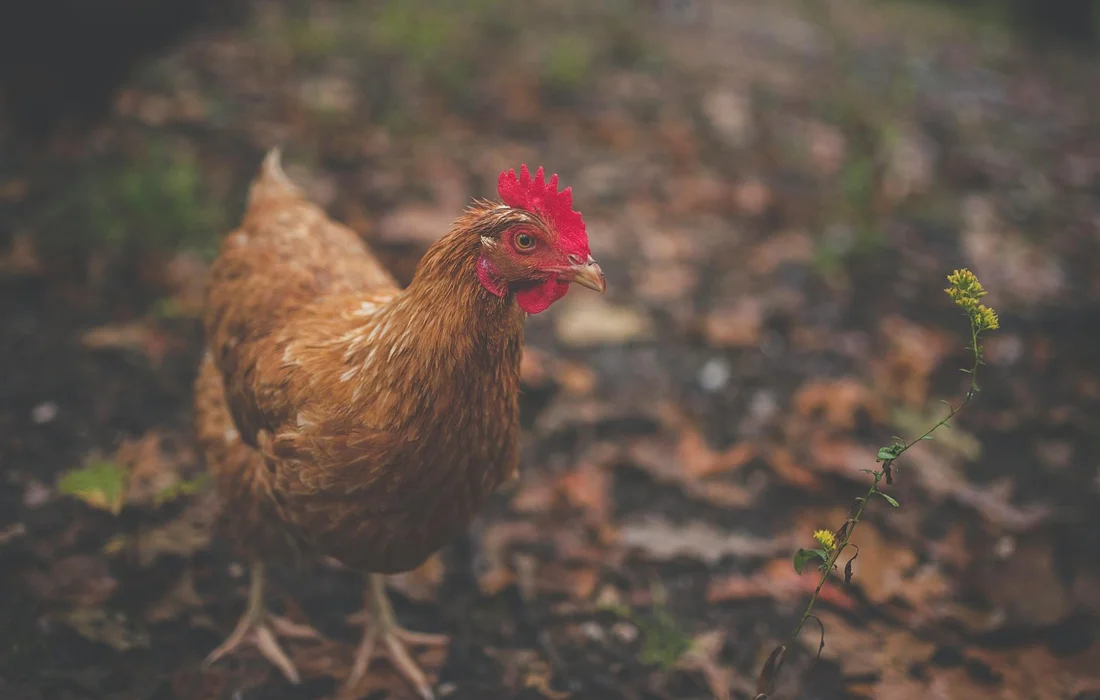
Let’s walk through the pantry together, neighbor. That leftover meat on your plate might seem like a fine treat for the hens, but not all scraps are created equal. Feeding meat to chickens requires a keen eye for detail and a firm commitment to their well-being. I’ve learned through trial and error in my own barnyard what keeps the flock thriving and what can lead to trouble. Knowing which scraps are safe for chickens is crucial.
Can Chickens Eat Cooked Chicken?
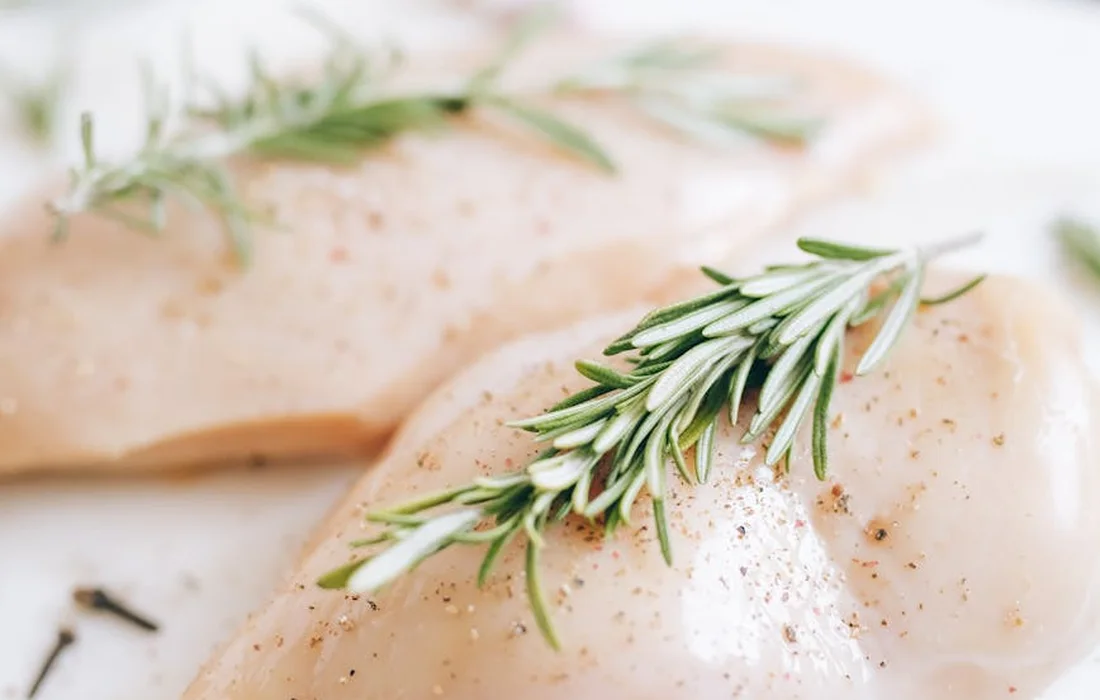
Now, this one gives folks pause, and rightly so. The short answer is yes, but with mighty specific conditions. You must only ever offer chickens cooked chicken that is plain, unseasoned, and cut into small, manageable pieces. I recall one winter, after a big stew, tossing some shredded, boiled chicken into the run. The hens pecked at it with gusto, and it provided a solid protein boost during the molting season.
Raw chicken is an absolute no-go. It can harbor salmonella or other bacteria from poultry that might sicken your birds. Never risk introducing raw poultry to your flock, as it can spread disease faster than gossip at a county fair. Also, avoid any chicken with bones that can splinter and cause internal injuries.
Here’s how to do it right:
- Cook the chicken thoroughly until no pink remains.
- Remove all skin, fat, and bones completely.
- Chop or shred it into bits no bigger than a pea.
- Scatter it lightly in their run to prevent bullying.
Think of it as a high-protein supplement, not a meal. This cooked meat should be a rare treat, making up no more than 5% of their overall diet. Overdoing it can upset their nutritional balance and even trigger unwanted pecking behaviors.
Can Chickens Eat Bacon and Ham?
Bacon and ham are the tricky cousins in the meat family. While a tiny bit won’t likely cause immediate harm, I advise extreme caution. The intense salt and preservatives in processed meats like bacon and ham are hard on a chicken’s small kidneys. I’ve seen a hen get thirsty for a whole day after pecking at a salty rind, and it taught me a lesson about moderation.
If you’re determined to share a snippet, follow these strict rules. Always choose the leanest piece you can find, boil it first to draw out excess salt, and cut it into minuscule crumbs. Never give them greasy, fried bacon strips or ham with a honey glaze.
Consider these pitfalls of fatty, salty meats:
- High sodium can lead to dehydration and kidney stress.
- Excess fat can cause diarrhea and weight issues.
- Seasonings like garlic or onion powder are toxic to chickens.
For a thrifty, safer alternative, save that bacon grease for making suet blocks for wild birds instead. Your chickens will be healthier and happier with a handful of mealworms or some scrambled eggs as their protein treat.
Can Chickens Eat Tuna and Other Fish?
This is where we hit a homerun, if done properly. Canned tuna and other cooked fish can be a wonderful source of protein and omega-3s for your laying hens. Fish like tuna or sardines can make feathers shine and support strong egg production when offered correctly. I often mix a bit of water-packed tuna into their mash on cold mornings for an extra energy kick.
The key is in the preparation. Always select tuna canned in water, not oil or brine. Drain it well and flake it thoroughly to ensure there are no hidden bones or sharp pieces. You can also offer cooked, deboned freshwater fish from your own catch.
Here’s a simple guide to feeding fish:
- Choose water-packed, low-sodium tuna or freshly cooked, plain fish.
- Drain and rinse it to remove any lingering salt.
- Flake it into fine pieces and mix it with their regular feed.
- Limit this treat to once a week to avoid mercury buildup.
Fresh is best. If you have a pond, chickens will happily forage for insect larvae and small critters, which is nature’s perfect balance. Offering fish as an occasional supplement reinforces their diet without relying on processed foods. It’s a step toward the sustainable, closed-loop system we homesteaders aim for.
Feeding Guidelines: Portion Size, Frequency, and Best Practices
I remember the first time I tossed a scrap of leftover roast beef into the run. Those hens moved faster than a gossip on a party line! It was a powerful reminder that our flock’s instincts are still wired for opportunity, but it’s our job as stewards to manage that opportunity wisely. Think of meat more as a hearty supplement or a special treat, never the main course.
The Golden Rules of Portion Control
An overloaded gut can cause more trouble than a busted fence. Chickens process protein efficiently, but their systems aren’t built for a steady stream of steak. Meat and other animal proteins should never make up more than 10% of your flock’s total daily diet. For a practical visual, that’s about a few small bites per bird.
- A tablespoon-sized amount of shredded meat for a standard hen is plenty.
- For a flock of six, a piece of cooked chicken roughly the size of a deck of cards is a good maximum to share.
- Always err on the side of less. You can always offer a bit more another day, but you can’t take it back once they’ve gobbled it down.
How Often is Too Often?
Reckon you wouldn’t eat pie for every meal, and your chickens shouldn’t eat meat that often either. I follow a simple rhythm on my farm. I offer meat scraps only once or twice a week at most, and never on consecutive days. This gives their digestive tracts a break and ensures they’re filling up on their complete layer feed or mash, which is fortified with all the vitamins and minerals they truly need.
Non-Negotiable Best Practices
These aren’t just suggestions; they’re the bedrock of safe supplementation. Ignoring them is asking for a sick bird.
- Cook It Thoroughly: Always, without exception, cook any meat you plan to feed. This destroys harmful pathogens like salmonella or E. coli. No raw meat, ever.
- Seasoning is For You, Not Them: Feed only plain, unseasoned meat. Salt, garlic, onions, and most spices are toxic or harmful to chickens. That means no bacon, ham, salami, or fried chicken leftovers.
- Chop it Fine: Cut or shred meat into tiny, manageable pieces. This prevents choking and stops larger birds from hogging the whole prize.
- Scatter, Don’t Pile: Toss the pieces widely across their run or pasture. This encourages natural foraging behavior and prevents bullying at a single point.
- The Clean Plate Rule: Remove any uneaten meat within a couple of hours, especially in warm weather. It will attract pests and spoil quickly.
Specifics on Common Meats
Not all meat scraps are created equal. Here’s my barnyard breakdown.
Cooked Chicken or Turkey
Yes, it’s perfectly safe and a great source of protein. Shredded, cooked poultry is one of the best meat options you can offer, as it’s easily digestible and lean. Just ensure it’s boneless and skinless to avoid any fat or seasoning. Avoid feeding pork or any other meat that’s questionable in safety to your chickens.
Canned Tuna (in Water)
This is a fine occasional treat. Choose tuna packed in spring water, drain it well, and flake it finely. The key is moderation due to trace mercury content. A few forkfuls for the whole flock every few weeks is sufficient.
Bacon, Ham, and Other Processed Meats
I’m gonna be plain: just don’t. The dangerously high salt content, preservatives like nitrates, and common seasonings make processed meats a serious health risk for chickens. The cost of a potential vet visit far outweighs the “thrift” of using that scrap.
Beef, Pork, and Lamb
Lean, cooked scraps are acceptable. Trim all visible fat completely, as poultry struggle to digest mammalian fats which can lead to digestive upset. Grilled steak trimmings or a bit of pot roast are fine, but again, keep it minimal and infrequent.
Following these guidelines turns a potential problem into a productive perk. Your careful management ensures your birds get a protein boost without compromising their health or your peace of mind. It’s all about working with their nature, not against it.
Risky Fare: Meats and Scraps to Absolutely Avoid
Now, I reckon the idea of turning table scraps into chicken feed is as old as farming itself, but some kitchen leftovers can cause more harm than good. From my years in the barnyard, I’ve learned that what you withhold from your flock is just as important as what you provide. A resource like the Chickens Eat Kitchen Scraps guide offers a complete safety guide on which kitchen scraps are safe for chickens and how to handle leftovers. Let’s walk through the items that should never find their way into the run.
Heavily Processed & Salty Meats
That leftover bacon grease or holiday ham bone might seem like a treat, but they’re trouble for your birds. I once saw a few hens act downright poorly after peckin’ at some cured sausage scraps, and it taught me a lasting lesson about salt. Their little kidneys can’t handle it.
- Bacon & Ham: Cured with high levels of salt and often nitrates. Can lead to salt poisoning, dehydration, and kidney failure.
- Luncheon Meats & Sausages: Packed with sodium, preservatives, and spices that upset a chicken’s digestive system.
- Rule of Thumb: If it’s processed enough for a human sandwich, it’s likely too processed for a chicken.
Raw or Spoiled Animal Protein
Giving chickens raw meat, especially chicken, is askin’ for a world of behavioral and health problems. It can trigger cannibalistic pecking and spread harmful bacteria like salmonella through your entire flock in a hurry. I keep a strict ‘cooked only for safety’ policy for any meat scraps. Some folks wonder if chickens should ever eat meat at all—like cooked beef or chicken carcasses. For safety, I stick to cooked scraps and avoid raw meat entirely.
- Raw Chicken or Poultry: Risks disease transmission and can encourage feather pecking and cannibalism.
- Rotten Meat of Any Kind: Spoiled proteins breed botulism and other toxins that can paralyze and kill chickens.
- Moldy Fat or Grease: Never pour old, rancid frying grease over their feed. It promotes harmful fungal growth.
Fish That Does More Harm Than Good
A bit of plain, cooked tuna is one thing, but certain fish preparations are risky. I only offer fish that’s been plainly cooked and I’m meticulous about removing all bones, as they can splinter and cause internal damage.
- Canned Tuna in Oil or Brine: The heavy salts and oils are digestive irritants. Always choose tuna packed in water, rinse it, and offer sparingly.
- Raw or Undercooked Fish: Carries parasites and thiaminase, an enzyme that can break down essential B vitamins in birds.
- Fried Fish Scraps: The batter, oil, and seasonings are a surefire way to upset their crop and digestive balance.
Common Kitchen Scraps That Pair Poorly with Meat
When you’re cleanin’ up after a meal, it’s easy to scrape a mixed plate into the chicken bucket. You must be vigilant, as some fruits and vegetables are downright toxic and often get mixed in with meat drippings.
- Avocado Pits & Skins: Contain persin, a toxin that causes heart and respiratory distress in birds.
- Onions & Garlic in Large Quantities: Can lead to anemia by destroying red blood cells. A tiny bit in cooked scraps is usually fine, but avoid heaps of it.
- Citrus Rinds & Excess Citrus: The high acidity can irritate the crop and disrupt calcium absorption, leading to weaker eggshells.
Beyond the Butcher Block: Superior Protein Sources for Your Flock
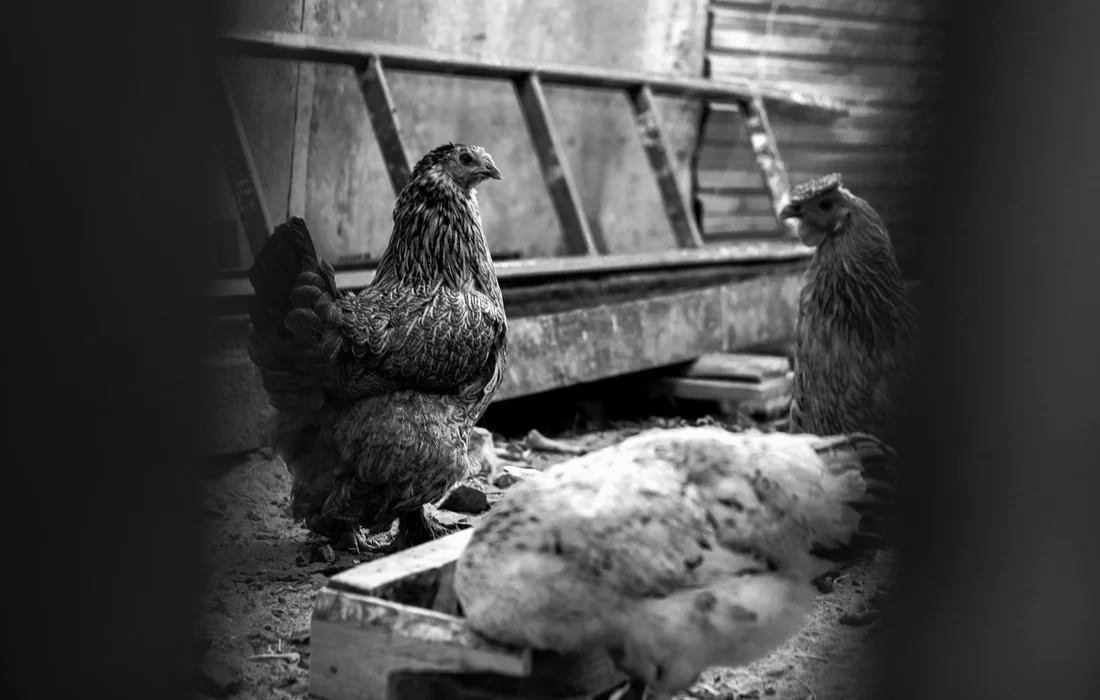
Now, I reckon you’re thinkin’, “If table scraps are so risky, what in the world can I give ’em?” You’ve come to the right place. For years, I’ve watched my hens thrive on protein sources that are safer, more natural, and oftentimes cheaper than anything from our plates. Focusing on these alternatives not only keeps your birds healthier, but it turns your homestead into a more efficient, closed-loop system. It’s especially important to avoid feeding chickens questionable human food scraps, like tortillas and other kitchen scraps that might do more harm than good.
Nature’s Protein Bar: Insects & Grubs
This is where your flock’s instincts truly shine. Letting them hunt and peck is the very best thing for them.
- Black Soldier Fly Larvae: My absolute top pick. These wrigglers pack a whopping 42% protein and are calcium-rich. I keep a DIY compost bin just for ’em, and the hens go plum crazy when I toss a handful in the run.
- Mealworms: A fantastic treat, runnin’ about 50% protein. I buy ’em dried in bulk and scatter a few pinches to encourage foraging behavior. Too many can make birds fat, so think of ’em as chicken candy.
- Your Garden’s Bounty: Turn pests into poultry feed! Let your ladies loose (or hand-pick) Japanese beetles, grasshoppers, and grubs. This is the very essence of thrifty, sustainable stewardship-letting the chickens work for their supper while they clean your garden.
Plant-Powered Plenty
Don’t overlook the humble seed and sprout. In the dead of winter when bugs are scarce, these are my go-to.
- Sprouted Legumes: Take ordinary, cheap alfalfa or sunflower seeds, sprout ’em in a tray, and watch the protein and vitamins skyrocket. It’s fresh, living greens year-round.
- Pumpkin & Sunflower Seeds: Full of healthy fats and protein. After Halloween, our leftover pumpkin seeds get dried and crushed right into the scratch grain.
- Leafy Legume Hay: A flake of good alfalfa hay in the run provides pecking entertainment and a protein nibble. It’s especially good for bored birds during coop confinement.
Dairy Delights (In Moderation)
Most chickens aren’t built for dairy, but a little goes a long way as a supplement.
- Plain Yogurt & Cottage Cheese: These are my favorites. The culturing process breaks down lactose. A couple tablespoons of plain yogurt mixed with oats on a scorching day helps with hydration and provides probiotics for gut health. A cool, probiotic boost like this can work wonders after a round of antibiotics or during times of stress.
- Whey: If you make cheese at home, the leftover whey is liquid gold. Pour it over their pellet feed for a protein soak they’ll love.
Harnessing the Leftovers *Safely*
We can still use kitchen scraps, we just have to be smarter than a raccoon gettin’ into the corn crib.
- Cooked Eggs: Yes, eggs! Scrambled or hard-boiled, they are a perfect protein package for molting hens. Crush the shells and bake ’em for ten minutes at 250°F, then crush again for the best calcium supplement you’ll ever find.
- Meat & Fish Scraps: If you *must*, use only plain, cooked, unseasoned bits. Boil poultry bones to make a nutrient-rich broth, let it solidify, and add the jellied fat and shreds to their mash in cold weather. This is a far cry from greasy bacon rind; it’s a controlled, purposeful use of every part of the animal.
| Protein Source | Protein % (Approx.) | Best Served When… | My Farm-Tested Tip |
|---|---|---|---|
| Black Soldier Fly Larvae | 42% | Year-round supplement; great for chicks & layers | Start a small compost pile with fruit/veg scraps to attract the flies. |
| Mealworms (Dried) | 50% | As a high-value training treat or winter boost | Hide them in deep litter to stimulate natural scratching behavior. |
| Sprouted Sunflower Seeds | 25% (in sprout) | Winter greens replacement; during molt | Soak seeds for 8 hours, then rinse twice daily for 3-5 days until sprouted. |
| Plain Yogurt | 10% | Hot days, after medication, chick starter | Mix with a handful of scratch grain to create a “healthy glue” that slows down eating. |
Closing Thoughts on Safe Supplementation
Is it really natural for chickens to eat meat?
Absolutely. Chickens are not vegetarians; they are opportunistic omnivores. Their natural diet includes insects, worms, and even small rodents, making animal protein a normal and beneficial part of their nutrition when offered safely.
I see a lot of debate online (like on Reddit) about feeding chicken to chickens. What’s the final word?
The consensus among experienced keepers is that cooked, unseasoned chicken is safe in tiny amounts. The critical rules are to never feed it raw-to avoid disease and behavioral issues-and to ensure it’s only a very occasional supplement, not a dietary staple.
Are mealworms a good everyday protein source?
Mealworms are an excellent high-protein treat, but they should not be an everyday food. Think of them as “chicken candy”-great for training, encouraging foraging, or a winter boost, but too many can lead to obesity due to their high fat content.
Can my chickens eat the meal beetles that mealworms turn into?
Yes, chickens can safely eat darkling beetles (the adult form of mealworms). Allowing your flock to hunt these beetles in a controlled environment provides mental stimulation and protein, mimicking their natural foraging behavior perfectly.
What are chicken oat meatballs, and are they a good treat?
Chicken oat meatballs are a homemade, cooked treat combining finely chopped, cooked chicken with oats and other chicken-safe ingredients. They are a fantastic way to safely provide meat protein while incorporating healthy grains, making for a engaging and nutritious snack.
How do I prepare chicken oat meatballs for my flock?
Mix finely chopped, cooked chicken with plain oats and a binder like an egg or pumpkin puree, form into small balls, and bake until cooked through. You can also cook them in an air fryer for a quicker method—just ensure they are completely cooled and crumbled before serving small amounts to your hens.
Shutting the Gate
When all’s said and done, a little bit of cooked, unseasoned meat can be a fine treat for a flock that’s scratching up a hard-living. The golden rule from my own coop is this: let their balanced feed be the steady workhorse of their diet, and keep any scraps, meat included, as a rare Sunday supper-no more than a handful for the whole flock once or twice a week. That’s the simple secret to happy hens and mighty eggs.
I reckon that about covers it from my barn to yours. There’s a special kind of peace that comes from watching your birds peck and roam, knowing you’re caring for ‘em right. Now go enjoy your critters and that good, simple life. Y’all take care, and don’t be a stranger-if you’ve got a story from your own run, I’d surely love to hear it.
Further Reading & Sources
- r/chickens on Reddit: Thoughts on feeding meat to chickens?
- Do Chickens Eat Meat? Is It Safe? – The Homesteading RD
- Can Chickens Eat Raw Meat? – Hamburger Beef, Chicken, & More
Caroline Mae Turner is a lifelong farm girl raised on red clay, early mornings, and the sounds of a bustling barnyard. With hands-on experience caring for everything from stubborn goats to gentle dairy cows and mischievous pigs, Caroline shares practical, tried-and-true advice straight from the farm. Her goal is to help folks keep their animals healthy, well-fed, and living their best barnyard life. Whether you're wrangling chickens or bottle-feeding a baby goat, Caroline brings a warm Southern touch and plenty of real-world know-how to every bucket in the barn.
Diet Requirements