Can Chickens Eat Sunflower Seeds? Your Guide to Shells, Benefits, and Feeding Right
Published on: February 21, 2026 | Last Updated: February 21, 2026
Written By: Caroline Mae Turner
Howdy y’all, and welcome back to the barn. Staring at that bag of black-oil sunflower seeds and wondering if they’re a treat or a trouble for your flock? Yes, your chickens can absolutely eat sunflower seeds, and they’ll likely consider them the finest scratch grain they’ve ever had. I’ve been tossing handfuls to my girls for years, and it’s a fine way to add some pep to their step and shine to their feathers, provided you do it right.
What you’ll need:
- Black-oil sunflower seeds (your best bet)
- A sturdy feed scoop or container
- A cool, dry place for storage
Let’s get this sorted so you can get back to the rest of your chores with one less thing on your mind.
Are Sunflower Seeds Safe for Your Flock?
Yes, indeed! Sunflower seeds are perfectly safe for your chickens when you feed ’em right. I’ve been scattering them in the run for my flock every winter for a decade, and it’s a sight that never gets old. Thinking about sunflowers, chickens, seeds, and plant safety helps keep both your flock and your garden thriving. This safe, balanced approach naturally leads to more tips on sunflowers, seeds, and the safety of your plants.
Let’s address those immediate concerns head-on. You must never give your birds seeds coated in salt, sugar, or any fancy flavorings. Those additives are tough on a chicken’s kidneys and have no place in their treat bowl. And always, always check for mold-if seeds smell off or look dusty, toss ’em out.
Here’s my quick three-point safety check I do right at the feed bin:
- Dry and crisp, never damp or clumped together.
- Plain and unsalted, with no seasonings whatsoever.
- From a clean source, like a trusted feed store or your own pesticide-free harvest.
Remember, sunflower seeds are a supplement, not supper. No matter how eagerly your hens peck at them, these seeds should never displace their complete layer or grower feed, which is the bedrock of their daily nutrition. This is especially important when feeding any kind of seeds, including sunflower seeds to ducks.
The Barnyard Benefits: Why Sunflower Seeds Shine in Poultry Nutrition
Once you know they’re safe, the real fun begins. Let’s break down what makes these little seeds a nutritional standout. Sunflower seeds typically boast around 20% protein, which is a mighty boost for muscle maintenance and feather growth, and they’re loaded with healthy fats for long-lasting energy.
Those good fats include essential fatty acids like linoleic acid. These work wonders by promoting that glossy, iridescent sheen on feathers and helping the body utilize calcium more efficiently for rock-solid eggshells. I reckon my Barred Rocks’ eggs have fewer chips since I started with this treat.
Then there’s the antioxidant power, particularly from Vitamin E. This nutrient is a quiet hero, bolstering the immune system during stressful events like molting, predator scares, or a sudden cold snap. It’s like an extra layer of armor for your birds.
Compare them to common scratch grains like cracked corn. Sunflower seeds are far more energy-dense, providing a concentrated calorie source that’s superior for helping your flock maintain weight and warmth through the lean winter months. A handful in the evening helps them roost cozy.
Black Oil vs. Striped: Picking the Perfect Sunflower Seed for Chickens
When you’re standing in the feed aisle, deciding between seed types can feel mighty confusing. Picking the right sunflower seed for your flock isn’t just about preference; it’s about providing the most digestible nutrition for your hardworking hens.
Why Black Oil Sunflower Seeds Are the Homesteader’s Choice
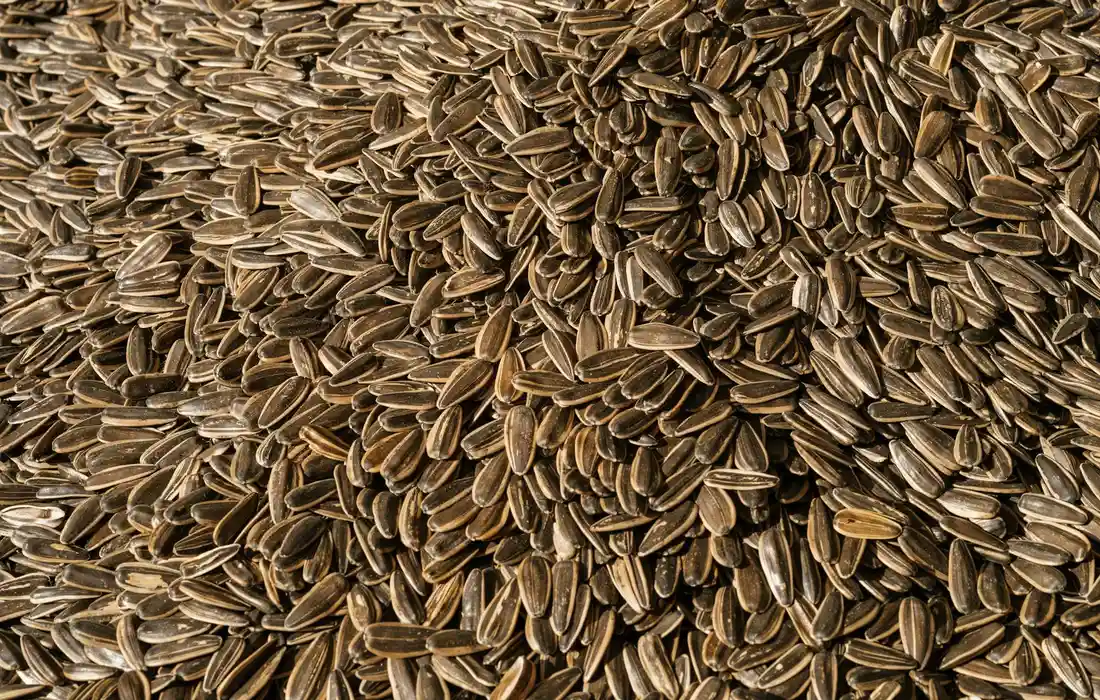
Let me save you some trial and error, friend. After forty years of filling scratch pans, I’ve learned black oil sunflower seeds are the undisputed champion for chicken keepers. Their design is just plain better for poultry. The hull is noticeably thinner and the oil content runs high, usually around 40% fat. This means your birds spend less energy cracking them open and more energy converting that rich oil into glossy feathers and robust health. Striped sunflower seeds, the kind you see in human snack mixes, are built different. They sport a thicker, woodier shell that chickens often peck at and leave behind. It’s not that striped seeds are harmful, but they’re less efficient. I’ve watched my own flock ignore striped seeds to scramble for the black oil ones every single time. They know a good thing when they taste it.
- Black oil seeds have a thinner hull and higher oil content, making them easier for chickens to digest and more calorie-dense.
- Striped seeds possess thicker shells better suited for human snacking; chickens often discard these hulls, leading to waste.
- From my personal experience, when offered both, my hens will always seek out the black oil seeds first, showing a clear preference.
Smart Sourcing: Finding Quality Seeds Without Breaking the Bank
Now, being frugal is a virtue on any homestead. You can source excellent black oil sunflower seeds without spending a fortune by using a little old-fashioned resourcefulness. Your first stop should be a trusted local feed mill or farm supply store. They typically sell black oil seeds in bulk 50-pound bags, which drives the cost way down compared to tiny bags from the pet aisle. If you’ve got a patch of dirt, consider growing your own. A row of ‘Mammoth Grey Stripe’ or ‘Black Peredovik’ sunflowers in your garden yields a free, bountiful harvest come fall. I always let a few heads dry on the stalk, then watch the hens have a field day. For a quick option, don’t forget to check the bulk bins at general stores or co-ops. You can often find raw, unseasoned seeds there at a fair price.
- Purchase bulk black oil sunflower seeds from local feed mills or farm stores for the best price per pound.
- Grow sunflowers in your garden for a free, seasonal supply that also benefits pollinators.
- Scout bulk bins at general stores for affordable, plain seeds, always ensuring they have no added salt or seasonings.
Handling the Hull: A Guide to Feeding Sunflower Seeds with Shells
Let’s settle the matter right now. Your flock can safely eat sunflower seeds with the shells intact, and those hulls contribute valuable roughage to their diet. I’ve fed shell-on seeds to my chickens for decades, watching them skillfully crack each one to get to the good stuff inside.
This isn’t just about nutrition. Pecking apart those sturdy shells provides essential behavioral enrichment, satisfying their innate need to forage and work for a meal. It keeps their minds busy and beaks trim. The physical action of breaking down the hulls also promotes healthy gizzard function, which is the cornerstone of a chicken’s natural digestive process.
You do need to practice some mindful husbandry. Feeding excessive amounts of hulls can potentially interfere with calcium absorption in laying hens, as the fiber may bind with the mineral in the digestive tract. I keep shell-on treats to a modest level, especially during peak lay, and always ensure free-choice oyster shell is available to prevent any shell quality issues.
Offering these seeds is wonderfully simple. Here are my tried-and-true methods:
- Scatter them thinly across the run or pasture: This encourages natural scratching and pecking, distributing activity and reducing boredom.
- Mix a small portion into dry bedding or litter: It turns a routine chore into a stimulating foraging game that lasts for hours.
- Never offer moldy or spoiled seeds: Always check your stash for freshness, as damp hulls can harbor toxins.
Your Practical Sunflower Seed Feeding Guide: Moderation and Methods
Getting the Ratio Right: How Much to Feed
Now, I reckon this is where many folks go astray-thinking more treat means happier hens. Balance is the cornerstone of good flock stewardship, and that starts with knowing your amounts.
- Sunflower seeds should always be considered a treat, making up no more than 10% of their daily intake. I learned this the hard way years ago when my eggs got a bit too rich from overindulgence.
- Aim for roughly one tablespoon per standard hen per day as a safe, measurable benchmark. My old coffee scoop lives by the feed bin just for this purpose.
- Feel free to offer a slightly larger handful during molting, bitter cold weather, or for your high-production layers. These gals are burning extra energy, and a little dietary boost shows respect for their hard work.
Step-by-Step: Preparing and Serving Sunflower Seeds
Don’t just dump ’em in a pile. How you serve these seeds can turn a simple snack into a nourishing ritual for your flock.
- Raw and Simple: Offer shell-on seeds straight from the bag as a scratch supplement. I scatter these in the litter or run to encourage natural foraging behavior-it keeps my birds entertained for hours.
- Roasted for Variety: Lightly roast unsalted seeds in your oven for a crunchy, warm treat. Just spread ’em on a sheet, bake at 300°F for 10-15 minutes, and let ’em cool. My hens cluck with joy for these on frosty mornings.
- Sprouting for Boost: Soak seeds to sprout, enhancing vitamins and making them easier to digest. I use a mason jar on the windowsill; after a couple days, you’ve got a living feed that’s powerful stuff for feather regrowth.
- Mixing for Balance: Combine seeds with oyster shell or grit to ensure proper nutrient uptake. I always add a cup of grit to every gallon of seeds-it guarantees their gizzards can handle the hulls and absorb all that good fat and protein.
Potential Pitfalls: Risks of Sunflower Seeds and How to Sidestep Them
Now, I don’t serve pie at every meal, and I reckon you shouldn’t treat sunflower seeds as everyday chicken chow, either. Overindulging in these rich seeds is a straight path to pudgy poultry, which burdens their hearts, joints, and overall health. Think of them as the rich dessert of the barnyard—delicious, beneficial in moderation, but problematic as a main course. Unlike pumpkin seeds, which offer a different nutritional profile and should also be fed sparingly.
Beyond the feed bucket, the gravest threat often hides in the storage bin. Mold is a silent saboteur; damp or improperly stored seeds can develop mycotoxins that cause severe respiratory distress and digestive turmoil in your flock. I once lost a fine hen to moldy feed I’d stored in a damp corner of the shed, a hard lesson that reshaped my entire harvest-keeping routine.
There’s a nutritional tightrope to walk with these seeds, particularly for your laying hens. Sunflower seeds possess a calcium-to-phosphorus ratio that’s out of whack for egg production, meaning they can actually leach calcium from a hen’s body if fed to excess without a proper supplement like crushed eggshells. It’s like building a house without enough nails-the structure, or in this case, the eggshell, just won’t hold up.
Your Proactive Plan for Safe Feeding
Don’t let these risks spook you away from a good thing. A little mindful management keeps your flock safe and thriving. Here’s my barn-tested protocol.
- Treat seeds as a supplement or motivator, not a staple. Scatter a handful in the deep litter to encourage scratching, or use them as a training reward.
- Store all seeds, shells or not, in airtight containers kept in a cool, dry place. Metal bins or thick plastic gamma seals are my go-to.
- Before every feeding, give those seeds a good look and a sharp sniff. If you see any clumping, discoloration, or catch a musty odor, toss the whole batch without a second thought.
- For laying hens, a separate dish of free-choice crushed oyster shell or limestone grit is non-negotiable. This allows each hen to self-regulate her calcium intake to counterbalance the phosphorus in seeds and other treats.
- Monitor your flock’s condition. If you notice weight gain or a drop in eggshell quality, dial back the seeds immediately and reassess their overall diet.
Beyond the Chicken Run: Sunflower Seeds for Geese, Pigs, and Cows
-
Your honking yard guards, geese, can certainly enjoy a few sunflower seeds as a treat. I’ve scattered a handful for my flock and seen them peck at them with gentle interest, much like chickens do. Offer seeds sparingly as a snack, for geese thrive best on lush pasture and a complete waterfowl feed. Feeding geese safely is essential to their health. A little goes a long way with these elegant grazers.
-
Pigs are mighty enthusiastic about sunflower seeds, and I’ve often stirred a cup into their evening mash for variety. Sunflower seeds are a safe, occasional treat for pigs, but their core diet must remain a nutritionally balanced swine feed to support proper growth and health. Use seeds as a supplement or enrichment, not a staple, to keep your hogs in fine condition without unbalancing their meals.
-
For cattle, sunflower seeds are primarily an ingredient in some commercial feed mixes, valued for their high fat and energy content. While sunflower seeds are used in cattle rations for energy, homestead cows usually get their nutrition from quality forage, hay, and a mineral block, not from heaps of seeds. On our place, we might mix a small measure into feed for a hard-working draft animal, but it’s not everyday practice for the milk cow. Cows can’t eat sunflower plants or seeds directly, so proper feed blends are important.
-
The most important tip across the barnyard is this steady habit. Always introduce any new feed, including sunflower seeds, in small amounts and monitor your animals for several days to ensure they tolerate it well. I reckon observing your critters’ response is the heart of good husbandry, preventing digestive upset and ensuring everyone stays hale.
Frugal and Sustainable Sunflower Seed Stewardship
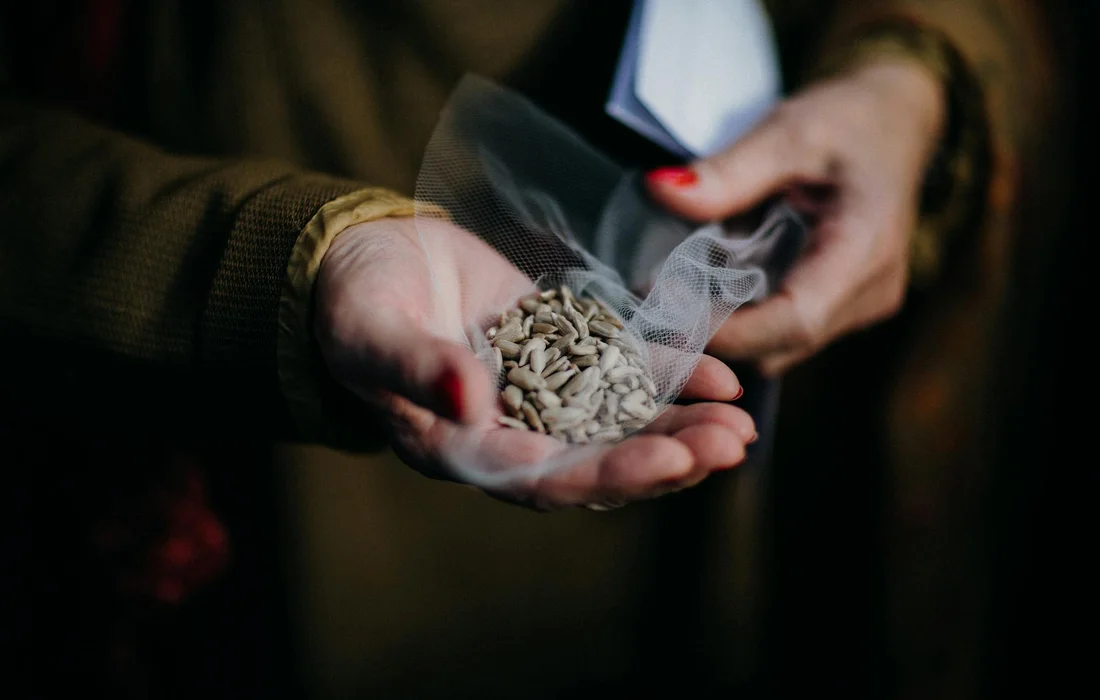
Every autumn, when my garden sunflowers droop with maturity, I’ve got a ritual that saves money and delights the flock. I carefully cut the seed heads and toss them whole into the run, letting the hens peck them clean right down to the stalk. This little trick turns waste into a wholesome snack and keeps the birds busy for hours. I reckon it’s the simplest form of recycling on the homestead.
For those not growing their own, sourcing seeds smartly is key. I always watch for local feed stores to run bulk discounts right after the autumn harvest, when supply is high and prices dip. Snagging a 40- or 50-pound bag then can carry your flock through winter at a fraction of the cost. It pays to ask around at co-ops or grain elevators for unmediated seeds.
Your thriftiness vanishes if those seeds spoil. I store my bulk seeds in galvanized metal cans with secure lids, kept in my root cellar where it’s cool and dark. Moisture is the enemy here. A handful of dried rice in a cloth bag tossed in the container can help absorb any dampness and prevent mold.
To truly maximize nutrition, don’t just serve seeds dry. Once a week, I’ll ferment a cup of black oil sunflower seeds in a jar of water for two to three days, then drain and offer them as a tangy, gut-healthy mash. The lacto-fermentation boosts probiotics that aid digestion and feather quality. My hens line up for it like it’s Sunday supper.
Closing Questions and Tips
Are sunflower seeds a healthy treat for my chickens?
Yes, sunflower seeds are a safe and healthy treat when offered in moderation. They provide a boost of protein, healthy fats, and Vitamin E to support feather quality and immune function.
Why are black oil sunflower seeds recommended over other types?
Black oil sunflower seeds are the top choice due to their thinner hulls and higher oil content, making them easier for chickens to crack and digest. Their superior nutrient density supports energy and feather shine better than thicker-shelled striped varieties.
How can I incorporate sunflower seeds into my chickens’ diet?
Offer sunflower seeds as a supplemental treat, making up no more than 10% of their daily intake. Scatter them in the run for natural foraging or mix a small amount into their regular feed for variety.
Do you have a simple recipe for making sunflower seed treats for chickens?
For a nutritious boost, try sprouting sunflower seeds by soaking them in water for a few days to increase vitamins. Alternatively, lightly roast plain seeds for a crunchy snack, but always ensure they are free from salt and seasonings.
What should I consider when buying sunflower seeds in bulk for my flock?
Purchase black oil sunflower seeds in bulk from a reliable feed store for the best value. Geese eat bird seed, including sunflower seeds and flax seeds, so this option can be useful as part of their diet. Always check that seeds are dry, unsalted, and stored properly to avoid mold, which can be harmful to poultry.
Can I feed my chickens sunflower seeds from Checkers or similar stores?
You can feed sunflower seeds from any store, including Checkers, but only if they are plain and unsalted. Never offer seeds with added flavors, coatings, or salt, as these additives are unhealthy for chickens. When feeding seeds, such as millet seeds, ensure they are clean and free from any harmful additives.
Shutting the Gate
When all’s said and done, a few handfuls of sunflower seeds scattered in the dirt can turn an ordinary afternoon into a chicken’s delight. Always remember that these rich seeds are a treat to be given after your flock has pecked at their complete feed, not a replacement for it. That balanced layer ration or starter crumble is the true cornerstone of their health, providing every last vitamin and mineral a growing or laying bird requires. Sunflower seeds are just the flavorful icing on the cake, a tool for taming, training, and adding a shiny plume to their winter wardrobe.
I reckon the best part of homesteading ain’t just the harvest, but those quiet moments of connection with our critters. There’s a pure, simple joy in watching your hens scratch and chatter over a bounty of seeds you provided. So go on, share those seeds from your palm, listen to the contented clucks, and take pride in the vibrant life you’re stewarding right in your own backyard. Happy flock-keeping, y’all.
Further Reading & Sources
- The Hidden Risks of Overfeeding Chickens Sunflower Seeds – Talking Hens
- Should I mix black oil sunflower seeds in with the chicken feed? | BackYard Chickens – Learn How to Raise Chickens
- Rural Gardening:Sunflower Seeds to Increase Egg Production
Caroline Mae Turner is a lifelong farm girl raised on red clay, early mornings, and the sounds of a bustling barnyard. With hands-on experience caring for everything from stubborn goats to gentle dairy cows and mischievous pigs, Caroline shares practical, tried-and-true advice straight from the farm. Her goal is to help folks keep their animals healthy, well-fed, and living their best barnyard life. Whether you're wrangling chickens or bottle-feeding a baby goat, Caroline brings a warm Southern touch and plenty of real-world know-how to every bucket in the barn.
Feeding Guidelines