
Can Chickens Eat Strawberries? Your Safe Feeding Guide for Chickens and Ducks
Published on: February 23, 2026 | Last Updated: February 23, 2026
Written By: Caroline Mae Turner
Welcome back to the barn. Your chickens and ducks can absolutely eat strawberries, but always chop the ripe berry and never feed the green tops or leaves-it’s a tasty, thrifty treat when done right. I’ve handed out many a berry from my garden patch, and it always brings the flock running.
What you’ll need:
- A handful of ripe strawberries (washed well)
- A keen eye for removing all stems and leaves
- Just a moment to chop them into beak-sized bits
Stick with me, and we’ll sort the safe nibbles from the no-gos so you can get back to your chores.
The Short Answer: Are Strawberries Safe for Poultry?
Yes, both chickens and ducks can safely eat strawberries. I reckon my flock would vote strawberries their favorite summer treat if they had a say in the matter. Moderation is the golden rule here, friends. I learned this early on when my curious bantams cleaned up a few overripe berries I’d dropped—let’s just say their waterer needed extra cleaning that week. A little goes a long way.
Fresh strawberries are a delightful, vitamin-packed snack, but they’re a treat, not a staple. Your birds’ primary nutrition must always come from a complete commercial feed or a well-balanced homemade ration. Think of berries like a slice of pie after supper-a nice surprise, but not the main course that keeps everyone healthy and productive.
Breaking Down the Berry: What Parts of the Strawberry Plant Are Safe?
Every part of a strawberry plant isn’t a free-for-all for your flock. Being a good steward means knowing what you’re handing over the garden fence. Here’s a clear breakdown from my own years of trial and error in the berry patch.
| Plant Part | Safe for Chickens & Ducks? | Key Concerns & Toxins | How It Affects Digestion |
|---|---|---|---|
| Fruits (Ripe Berries) | Yes | High natural sugar; never feed moldy or rotten fruit | Easily digested in small amounts; excess can cause watery droppings |
| Tops (Calyx/Green Cap) | Yes | Perfectly safe if fresh and unsprayed; no inherent toxins | Adds beneficial fiber; hens enjoy pecking them apart |
| Leaves | Yes, in Moderation | Safe when fresh; avoid leaves treated with garden chemicals | Gentle roughage that supports natural foraging digestion |
| Seeds (on the Berry) | Yes | No concerns; seeds are tiny and inert | Pass through the digestive system without any problem |
| Whole Plants (Vines, Runners, Roots) | No | Risk of pesticide residue, soil-borne fungi, or wilt-induced toxins | Can cause impaction or digestive upset; not worth the risk |
Those fresh green tops and leaves are a wonderful, safe addition to your treat roster straight from the garden. I regularly give my gals the trimmings when I’m cleaning berries, and they have a fine time scratching through them. You must steer clear of any wilted, decaying, or chemically treated plants. Wilted strawberry foliage can produce compounds that are hard on a bird’s system, so only offer what you’d be willing to eat yourself. Always know the source of your garden scraps, especially when it comes to berries of any kind.
The Sweet Benefits: Why Strawberries Are a Healthy Treat
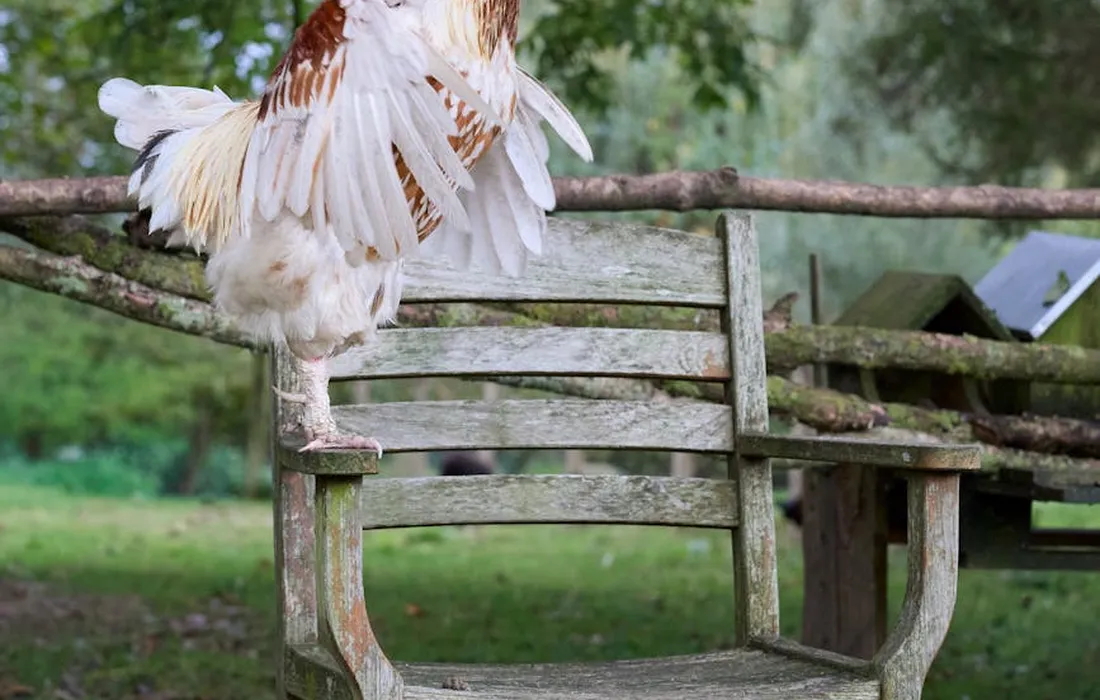
Now, I’ve seen a hen spot a ripe berry from twenty paces and make a beeline for it with a purpose. That instinct is rooted in good sense. These little red gems pack a wholesome punch for your flock, and offering them is a fine way to supplement their regular feed.
A Pocketful of Sunshine Vitamins
Think of a strawberry as a tiny, edible multivitamin. It’s brimming with Vitamin C, which acts as a mighty antioxidant in a bird’s body, helping to shore up their defenses during times of stress-like during a molt or a heatwave. They’re also rich in folate and a good bit of potassium. These nutrients work in concert to support strong eggshell formation, steady nerve function, and overall metabolic health, keeping your ladies productive and spry. I always notice a particular shine to feathers after a season of berry treats.
Nature’s Antioxidant Boost
Those vibrant red and pink hues in the flesh aren’t just for show; they come from compounds like anthocyanins. In plain talk, these are nature’s rust inhibitors for your chickens’ cells. Incorporating antioxidant-rich foods like strawberries can help combat the daily cellular wear and tear from sun, foraging, and just living a full barnyard life. It’s a simple, natural support for their longevity.
A Hydrating Snack on a Hot Day
Here’s a tip I swear by on scorching summer afternoons: toss a handful of chilled or frozen strawberry pieces into the run. With a water content hovering around 91%, these fruits are wonderfully hydrating. Chickens often don’t drink enough when it’s hot, and a juicy strawberry can be a tempting way to get extra fluids into them, preventing dehydration before it starts. Watching them chase the cool, slippery pieces is a hoot, too.
Gut Health and Foraging Joy
The soft seeds on the outside of a strawberry provide a gentle, fibrous texture that can aid digestion. More importantly, the act of pecking at and exploring a new, whole food is pure mental and physical enrichment. Scattering a few berries in the deep litter or out in the pasture encourages natural foraging behavior, which is fundamental to a chicken’s sense of well-being. A busy, foraging chicken is a happy chicken, and a happy chicken is a healthier bird from the inside out. I reckon it does the soul good, for them and for us watching them.
How to Feed Strawberries to Chickens and Ducks: Practical Steps
Handing out treats is more than just tossing scraps over the fence. A little mindful preparation keeps your flock safe and turns snack time into a real enrichment activity. Taking a few extra minutes to prep their berries shows good stewardship and prevents most common issues before they start.
Your Step-by-Step Barnyard Prep Guide
Follow these simple steps to make strawberry time a highlight of your flock’s day.
- Wash Them Thoroughly: I give store-bought or non-organic berries a good soak and rinse in a vinegar-water solution (one part vinegar to three parts water) to help remove pesticide residues. For my own garden berries, a plain cold water rinse does the trick to shake off any dirt.
- Chop or Smash for Safety: Whole strawberries can be a choking hazard, especially for eager ducks that tend to swallow things whole. I chop larger berries into halves or quarters for my hens. For ducks, I go a step further and give them a good smash with a fork. This also lets the juice out, which they adore.
- Serve Thoughtfully: Scatter the pieces in their run or pasture to encourage natural foraging behavior. You can also mix them into a scratch grain blend or place them in a dedicated treat dish to keep the main feeder clean. I avoid leaving wet, mashed berries in the heat, as they’ll spoil quickly and attract pests.
Frequency and Moderation: The Golden Rule
Can chickens eat strawberries every day? Technically yes, but I wouldn’t recommend it. Think of strawberries like dessert. A steady diet of sweets isn’t good for anyone, bird or human.
Strawberries are a treat, not a staple. Their primary nutrition must always come from a complete layer feed or waterfowl feed. I stick to the 90/10 rule in my coop: 90% of their diet is quality feed, and no more than 10% is treats, snacks, and forage combined. Offering strawberries two or three times a week as part of that treat allowance is perfect.
Portion Sizes for a Happy Flock
You don’t need to break out a measuring cup for each bird, but a good eyeball estimate prevents waste and keeps diets balanced.
- For Chickens: One or two medium strawberry pieces per bird is ample. A single chopped berry can satisfy two or three hens. Watch them-if they devour it instantly and mob you for more, you’ve got the right amount.
- For Ducks: Be a bit more conservative. Ducks have a higher drive for wet, juicy foods and can ignore their more nutritious feed if treats are overdone. A tablespoon of smashed strawberry per duck is a generous serving that won’t disrupt their nutritional intake.
Fresh Berries, Kitchen Scraps, and Seasonal Smarts
I prefer to share fresh, ripe strawberries from my garden or the market. That said, the tops and hulls from your kitchen are fantastic, zero-waste treats. My birds fight over the leafy greens attached to the stem.
Never feed moldy, fermented, or severely overripe strawberries to your flock, as the fungi can cause serious digestive and respiratory issues. When berries are in season and plentiful, I’ll wash, chop, and freeze single-serving portions on a tray. Tossing a frozen clump of berry pieces into the run on a hot summer afternoon is a celebrated event.
In the winter, those frozen berries or commercially dried strawberry pieces (with no added sugar) make a wonderful, occasional vitamin boost. They remind the girls of warmer days scratching in the sun, and that’s a kindness we all appreciate during the short, cold months.
Risks and Warnings: What Every Homesteader Must Know
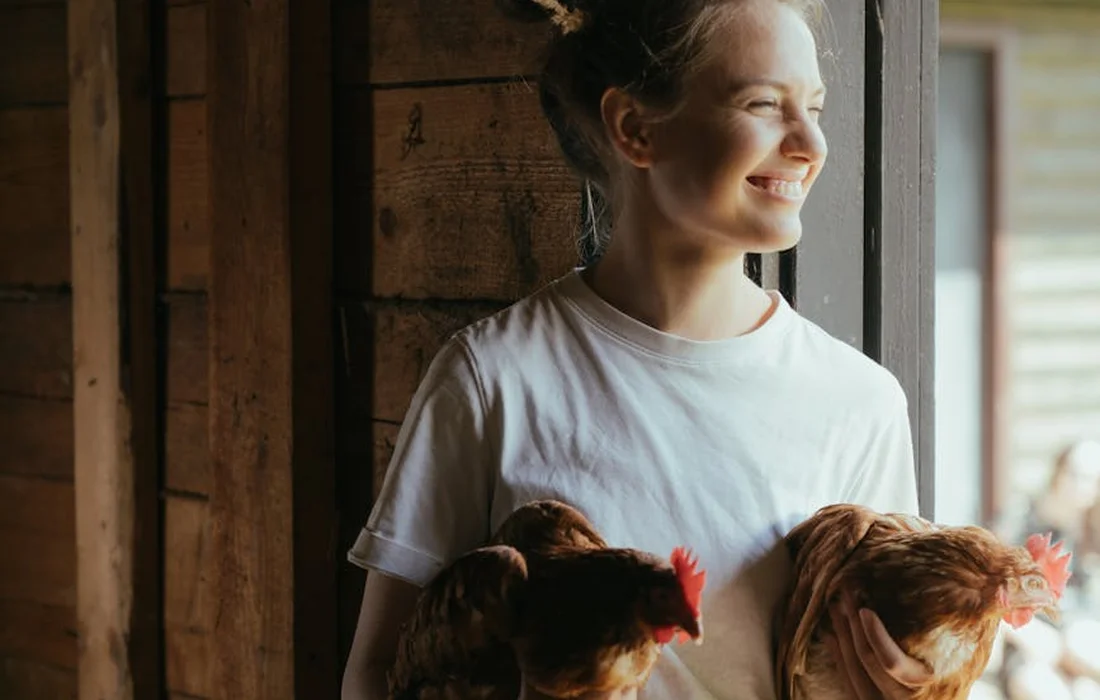
Now, I’d be remiss if I didn’t share the other side of the fence. Treats like strawberries are a wonderful supplement, but they are not without their own set of precautions that demand our respect. Good stewardship means knowing the potential pitfalls so we can avoid them altogether.
Let’s talk about the silent spoiler: mold. Those soft, fuzzy, or mushy spots on an old berry aren’t just unappetizing; they can harbor mycotoxins harmful to your flock. I’ve pulled a few questionable ones from the bottom of the basket myself. Any berry with a whisper of white or green fuzz gets tossed straight into the compost, not the run. Mold spreads quicker than gossip, so inspect each berry you offer.
Next on my mind is the chemical hitchhiker-pesticide residue. Store-bought berries, unless organic, are often coated with substances meant for insects, not chickens. A simple rinse under the tap won’t cut it. My go-to method is a five-minute soak in a mix of one part white vinegar to four parts cold water, followed by a vigorous fresh water rinse. This thrifty trick lifts far more residue and gives me peace of mind.
Size Matters: Avoiding the Choking Hazard
Ever see a young pullet or a greedy duck try to swallow something too big? It’s a heart-stopper. A whole large strawberry can pose a real choking risk, especially for bantams or keets. The fix is simple: always chop or mash the berries before serving. I quarter them for my standard hens and mash them into a rough pulp for the ducks and smaller birds. It turns a hazard into a manageable, peckable feast. When foraging or feeding fruits and herbs to ducks, it’s crucial to ensure they are safe and appropriate for consumption.
Listening to Their Gut: Signs of Overindulgence
Even with perfectly prepared berries, too much of a good thing spells trouble. A chicken’s digestive system is a finely tuned engine designed for grains and bugs. Sugary fruits in excess can lead to sour crop, loose droppings, or an imbalance in their gut flora. I once overdid it with apple scraps and spent a week nursing a hen with messy stools-a lesson learned the hard way.
Watch your flock. If you notice watery poop or a noticeable drop in their consumption of their regular, balanced feed, you’ve likely crossed the line. The golden rule I live by is the 90/10 rule: 90% complete feed, 10% treats, with strawberries being just a sliver of that treat portion. I only offer treats in the late afternoon, after they’ve filled up on the nutrients they truly need.
- Inspect for Freshness: Check every berry for firmness. Discard any with bruises, leaks, or mold.
- Clean Thoroughly: Soak in a vinegar-water solution to remove pesticides, then rinse well.
- Prepare Safely: Chop or mash berries to prevent choking. Remove any stems and leaves if you’re being cautious.
- Monitor Health: Watch for loose droppings or decreased appetite for regular feed. Always provide insoluble grit to help them process the treat.
- Practice Moderation: Keep strawberry treats to a small handful per bird, no more than a few times a week.
Special Notes for Ducks: Differences in Digestion and Safety
Y’all might be ponderin’ if your web-footed friends can partake in strawberries like the chickens do. Good news from the pond’s edge: ducks can absolutely enjoy strawberries or any other berries, but their unique build calls for a tad more forethought. I’ve shared many a berry with my flock, and a little knowledge goes a long way in keepin’ everybody happy.
Just like chickens, ducks see strawberries as a fine, sweet treat. The vitamin boost is a welcome addition for both birds, makin’ it a thrifty way to use up spare garden fruit. Where they part ways is in the digestion. Ducks lack a crop, that handy storage pouch chickens have, and their gut is shorter. Food travels through them right quick, which means they might not absorb every last nutrient from a strawberry. Beyond strawberries, you might wonder which fruits ducks can safely nibble and which to avoid. There’s a quick guide on safe fruits and toxic foods for ducks to consult next.
Mindin’ the Water and the Mess
A duck’s life revolves around water, and that’s your first consideration when treat time comes. Always serve strawberries on dry land or in a shallow pan well away from their swimmin’ water. Toss berries into the pond, and you’ll brew a sour, rotten soup in no time. I’ve spent hours cleanin’ up that very mistake, and it’s a chore I don’t wish on anyone.
Their eatin’ style is another factor. Ducks will happily dunk and mash a berry, creatin’ a juicy splash zone. A messy run attracts flies and can lead to slippery, moldy patches if you’re not diligent with cleanup. It’s a simple matter of stewardship to scoop up what’s not eaten within the hour.
My Barnyard-Tested Tips for Duck Treats
From my years of keepin’ Pekins and Runners, here’s what works to keep things safe and tidy:
- Chop strawberries into pea-sized bits. It prevents any gulpin’ issues and makes for easier clean-up.
- Stick to a modest portion. A few berries per duck, two or three times a week, is plenty.
- Offer treats after they’ve had their fill of layer or flock raiser feed. This ensures their main nutrition comes first.
- Watch their droppings. If things get too loose, cut back on the fruit for a spell.
I remember one eager Khaki Campbell hen who’d stamp her feet for strawberry tops. Providin’ treats with care strengthens that bond of respect between keeper and critter. Just follow these simple steps, and your ducks will quack with joy over a seasonal berry without any homestead hassles.
Beyond Strawberries: Other Safe Berries and Garden Produce for Your Flock

I reckon if your chickens and ducks relish strawberries, they’ll be downright delighted with the rest of the season’s sweet offerings. Your garden’s bounty can provide a wonderful, cost-effective supplement that brings a lot of joy and nutrition to your scratching, dabbling flock. It is essential to understand the safety of various berries for chickens before feeding them.
Here’s a quick list of common, safe berries my birds have enjoyed for years without a fuss:
- Blueberries
- Raspberries
- Blackberries
- Elderberries (only the fully ripe, cooked berries, and very sparingly)
- Mulberries (they’ll stain everything, but the birds don’t mind a bit)
Feeding fruit is a wonderful practice, but it hinges on a few simple, non-negotiable rules I’ve learned through trial and error. Moderation is your guiding star-treats should never replace more than a handful of their complete, balanced feed each day.
I only ever offer fresh, clean produce. A moldy or fermented berry can upset a bird’s delicate crop faster than you can say “scram,” so I follow the simple rule: if I wouldn’t eat it, they don’t get it.
A little preparation goes a long way for safety and ease. I often give larger berries a gentle mash or chop, especially for ducks who might try to swallow them whole, and a quick rinse washes away any garden debris.
This ties right back into the heart of thrifty homesteading. Those slightly bruised berries or windfall fruits are not waste; they’re a resource that can reduce your feed bill and enrich your flock’s diet. My own hens have cleaned up many a berry patch after my family’s picking, turning what we couldn’t use into rich eggs for our table.
Closing Questions
Can chickens eat strawberries with mold?
No, you should never feed moldy strawberries to your flock. Mold can contain harmful mycotoxins that may cause serious digestive and respiratory issues. Always inspect treats and discard any with fuzz or soft, rotten spots.
Can chickens eat strawberries and blueberries together?
Yes, chickens can safely enjoy a mix of strawberries and blueberries. Both berries are excellent sources of vitamins and antioxidants. Offering them together provides a tasty and nutritious variety to their treat rotation.
Can chickens eat strawberries and apples together?
Yes, combining strawberries and apples is a safe and enjoyable treat. Remember to core apples to remove seeds and chop all fruit into small, manageable pieces. This mix adds different flavors and textures for foraging fun.
Can chickens eat strawberry seeds?
Yes, the tiny seeds on the outside of a strawberry are completely safe for chickens to ingest. They are inert and pose no health risk. The seeds will pass through your bird’s digestive system without any problem, unlike strawberry tops or leaves which should be avoided.
Can chickens eat strawberries in the winter?
Yes, chickens can have strawberries in winter as an occasional treat. Previously frozen and thawed or commercially dried berries (with no added sugar) are a great option. They offer a welcome burst of flavor and nutrients during the colder months.
Can chickens eat strawberries every day?
It is not recommended to feed strawberries every day. They should remain an occasional treat within the 90/10 rule (90% complete feed, 10% treats). Daily feeding can lead to an unbalanced diet and potential digestive upset due to the sugar content.
Shutting the Gate
When it all comes down to it, sharing your garden’s bounty with your flock is one of the true pleasures of this life. The rules for strawberries are simple: feed them in moderation, treat them as a special occasion, and always prep them right. The most important thing is to remember that a chicken’s mainstay must always be their complete feed-those berries are just the sweet encore to a well-balanced diet.
I reckon that’s about all from my porch for now. I hope y’all feel confident treating your birds and get a kick out of watching them chase those red berries around the run. There’s no finer sight. Take care of your good critters, and they’ll surely take care of you. Until next time, happy homesteading, neighbor.
Further Reading & Sources
- Can Chickens Eat Strawberries? | Chewy
- r/homestead on Reddit: Can chickens eat strawberries? (Nutrition, Benefits & Tips)
- Can Chickens Eat Strawberries? The Impact of Strawberries on Your Chicken’s Diet
Caroline Mae Turner is a lifelong farm girl raised on red clay, early mornings, and the sounds of a bustling barnyard. With hands-on experience caring for everything from stubborn goats to gentle dairy cows and mischievous pigs, Caroline shares practical, tried-and-true advice straight from the farm. Her goal is to help folks keep their animals healthy, well-fed, and living their best barnyard life. Whether you're wrangling chickens or bottle-feeding a baby goat, Caroline brings a warm Southern touch and plenty of real-world know-how to every bucket in the barn.
Feed Recommendations