
Feeding Fruits and Herbs to Ducks: Your Practical Guide to Safe and Toxic Picks
Published on: May 15, 2026 | Last Updated: May 15, 2026
Written By: Caroline Mae Turner
Howdy y’all. Standing there with kitchen scraps or garden trimmings, wondering what won’t harm your ducks is a common homestead headache. You can confidently feed a wide array of fruits and herbs as treats, but always avoid members of the nightshade family, certain pits, and any moldy food to prevent sickness. I learned that lesson years back when a curious duckling got into some tomato leaves, and we had a nervous evening watching over her.
What you’ll need:
- A keen eye for identifying plants in your garden or yard
- This quick-reference list of safe and unsafe varieties
- A moment to sort your scraps before heading to the coop
Stick with me, and we’ll have your treat routine squared away faster than you can call “here, duck, duck.”
Understanding a Duck’s Natural Diet and Nutritional Needs
Ducks ain’t just chickens that fancy a swim; their eating habits are wired different. A complete waterfowl feed, with 16-18% protein for laying ducks, is the cornerstone of their daily meals, supportin’ everything from egg production to feather health. They’re born to forage, dabbling in mud and water for insects, larvae, and tender greens. Those fruits and herbs you’re eyeing? Think of them as delightful supplements, never the main event. If you’re curious about what a complete duck diet looks like, check out a quick guide on duck diets.
Here are the essential nutrients your flock needs from their primary diet:
- High-quality protein for muscle and egg development.
- Ample niacin, crucial for preventing leg disorders-ducks need much more than chickens.
- Calcium and oyster shell for strong, crack-resistant eggshells.
- Insoluble grit, like small granite chips, to grind food in their gizzard.
- Vitamins A, D, and E for good vision, bone strength, and disease resistance.
How do ducks differ from chickens at the dinner table? Ducks have a higher requirement for niacin to prevent bowing of the legs, and they process wetter foods without the risk of impacted crop that plagues hens. Their foraging instinct is also more pronounced, making them excellent garden helpers.
The Foundation: Commercial Feed and Forage
I stick with a pelleted duck feed-it holds together better in damp conditions than crumbles. You must provide grit separately; without it, ducks cannot properly digest their feed, no matter how quality it is. I learned this years back when a batch of ducklings grew sluggish. Now, I keep a bowl of grit in their run at all times. For digestive health, many keepers pair grit with probiotics to help prevent common feeding problems. A balanced routine tracks appetite, stool, and energy levels to catch issues early. As for treats, I’m thrifty with scratch grains. Too much, and you’ll fatten birds without the nutritional payoff. I sprinkle a handful as an evening snack, not a meal.
Why Add Fruits and Herbs? Benefits Beyond Basic Nutrition
Offering these extras is about more than a happy quack; it’s thoughtful husbandry. Fruits and herbs turn feeding time into enrichment, stimulating their minds and mimicking natural foraging behavior. They deliver concentrated nutrients and can support overall vigor. Consider these key advantages:
- Summer Hydration: Watermelon’s moisture helps ducks beat the heat.
- Natural Antioxidants: Blueberries and blackberries bolster their immune systems.
- Digestive Support: Herbs like oregano and basil have gentle cleansing properties.
- Vitamin Variety: Different fruits introduce vitamins that might be low in standard feed.
Safe Fruits for Your Flock: What to Offer and Why
Choosing the right fruits is simple if you follow a few barnyard rules. Always serve treats in moderation, limiting them to about 10% of their total diet to keep their main nutrition on track. This table gives you a clear, quick reference for your pantry. We’ll get into the details right after.
| Fruit Type | Key Benefits | Serving Tips |
|---|---|---|
| Berries (Strawberries, Blueberries, Raspberries) | Packed with antioxidants and vitamin C for immune health. | Serve fresh or frozen (thawed), mashed for easy eating. |
| Melons (Watermelon, Cantaloupe, Honeydew) | High water content for hydration, plus vitamins A and C. | Remove all seeds, cut flesh into small chunks. |
| Tree Fruits (Apples, Pears) | Good fiber source and natural sugars for quick energy. | Core thoroughly to remove seeds, chop into small pieces. |
| Grapes | Easy-to-eat sugars and hydration. | Slice in half or quarters to prevent choking hazards. |
| Bananas | High in potassium and easily digestible. | Peel and mash or offer small slices; a ripe banana is best. |
| Stone Fruits (Peaches, Plums, Cherries-pitted) | Vitamins and sweet flavor for enrichment. | Remove the pit completely, serve only the soft flesh. |
Berry Bliss: Strawberries, Blueberries, and More
Berries are a powerhouse treat my flock anticipates every summer. Their vibrant colors come from antioxidants, which help combat the cellular wear and tear from sun and activity. I often scatter a mix over their bedding for a fun forage. For smaller ducklings or bantam breeds, I gently mash strawberries to make them manageable. Always rinse store-bought berries to remove any pesticide residue. Ducks can safely eat a variety of berries, including raspberries and strawberries. Elderberries should be offered cooked or in processed forms to avoid raw toxins.
Melon Marvels: Watermelon and Cantaloupe
On a scorchin’ afternoon, nothin’ cools a duck like melon. The high water content in watermelon provides extra hydration without discouraging them from drinking their essential fresh water. I’m diligent about seed removal—those black watermelon seeds can cause intestinal blockage if eaten in quantity. I save the rinds for the compost, though my curious Pekins sometimes nibble the white part. Offer small chunks to minimize mess.
Everyday Favorites: Apples, Grapes, and Pears
These kitchen staples are safe, but require a moment of preparation. The seeds and cores of apples and pears contain amygdalin, which can break down into cyanide, so coring is a non-negotiable safety step. I chop the fruit into bits about the size of a pea for easy gobbling. Grapes are a favorite, but I always slice them. I recall one eager Khaki Campbell who tried to swallow a whole grape and needed a gentle pat to get it down. Moderation is key with these sweeter treats.
Fruits to Avoid: Common Toxic Varieties for Ducks

Now, let’s get to the serious part of the pantry. While sharing is a kindness, some of our favorite snacks are downright dangerous for our webbed-footed friends. I keep a mental list posted right next to the feed bin, and I reckon y’all should, too.
Feeding the wrong thing can turn a treat time into a tragedy, so it’s worth memorizing this short list of forbidden fruits.
- Avocado: Every part-skin, pit, and flesh-contains persin, a toxin that causes heart damage and respiratory distress in waterfowl.
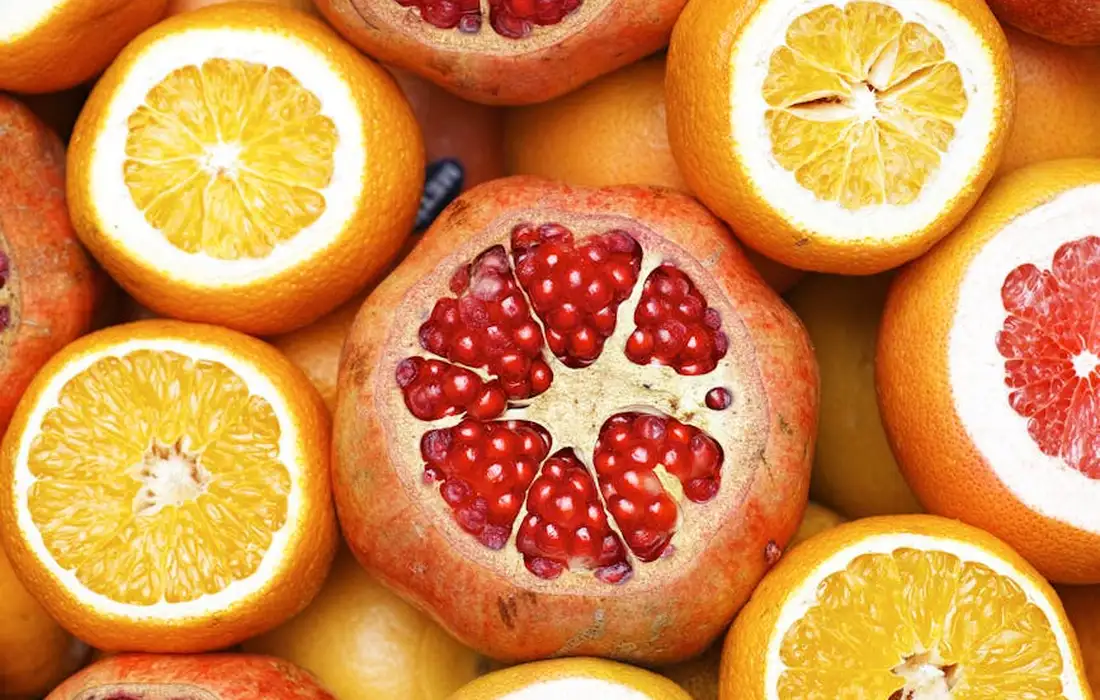
- Citrus Fruits: Oranges, lemons, limes, and grapefruit are too acidic. They can irritate a duck’s digestive tract, leading to painful crop issues and diarrhea.
- Stone Fruit Pits: The flesh of peaches, plums, cherries, and apricots is debated, but the pits and wilting leaves are a hard no. They contain cyanogenic compounds that release cyanide when chewed.
- Green Parts of Tomatoes & Potatoes: These contain solanine, a glycoalkaloid poison. The ripe tomato fruit itself is safe in moderation, but never the plant stems or leaves.
- Onions & Garlic: I know they’re not fruits, but folks often wonder. These can cause hemolytic anemia in ducks, damaging their red blood cells. Avoid them entirely.
The Avocado Danger: Why It’s a No-Go
I need to be extra plain about avocados. That buttery flesh we love is a stealthy poison for ducks and chickens. The culprit is persin, a fungicidal toxin the plant produces. A duck’s system can’t handle it like ours can.
Even a small amount of avocado can lead to labored breathing, weakness, and sudden death, with the bird showing distress seemingly out of nowhere.
We had a neighbor years back who lost a beautiful Runner duck because a child shared a bit of guacamole. The bird was pecking near the picnic blanket, and it only took a few bites. It’s a heartbreak that sticks with you. My rule is simple: if an avocado tree drops fruit in the pasture, I’m out there on cleanup duty before the flock even thinks about investigating.
Citrus and Stone Fruits: Understanding the Risks
These categories need their own explanation, as the dangers are a bit different. With citrus, the main issue is acidity and essential oils. A duck’s digestive system is a delicate balance for processing grasses and insects, not sharp citrus acids.
Offering citrus can disrupt their gut flora and lead to a sour crop, a painful fungal infection that requires intervention. It’s just not worth the risk when so many other fruits are safe.
Stone fruits like mango, peach, or nectarine flesh is sometimes fed by experienced keepers, but you must be vigilant. The absolute rule is that the pit must be completely removed. I once found a peach pit with tiny beak marks on it, and my heart skipped a beat. The cyanide inside those pits is a real threat. If you choose to offer the soft flesh, do it in a separate bowl, not scattered where a pit could be hidden, and only as a tiny, rare treat. For simplicity, I usually stick to berries and melons instead.
Beneficial Herbs for Duck Health and Digestion
Now, let’s mosey on over to the herb garden. What we grow for our supper can do wonders for our web-footed friends. I’ve kept ducks for decades, and a sprinkle of fresh herbs has often been the simplest fix for a sluggish digestion or a picky eater. These plants offer a pharmacy of vitamins and natural compounds, right from your own backyard.
You can split these beneficial herbs into two handy groups: the culinary bunch you likely have on hand, and the medicinal ones that pack a stronger punch. Growing them in or around your duck run is a stroke of thrifty genius, providing fresh snacks and reducing your feed bill. Just plant them in sturdy pots or a protected raised bed so eager beaks don’t uproot everything.
| Herb | Category | Key Benefits | How to Offer |
|---|---|---|---|
| Parsley | Culinary | High in Vitamins A, C, K; aids digestion & blood health | Chopped fresh over feed |
| Cilantro (Coriander) | Culinary | Antioxidants; supports natural detoxification | Fresh sprigs as foraging treat |
| Basil | Culinary | Anti-inflammatory; source of manganese | Fresh leaves mixed in feed |
| Oregano | Medicinal | Potent antimicrobial; boosts immune function | Dried in nests or fresh in water |
| Thyme | Medicinal | Antiseptic; supports respiratory health | Fresh or dried in waterers |
| Mint | Medicinal | Soothes digestive tract; cooling effect | Limited fresh leaves in water |
Kitchen Herbs: Parsley, Cilantro, and Basil
These are your everyday helpers, mild and packed with nutrition. I regularly snip a handful of flat-leaf parsley from my garden patch and chop it fine over the flock’s morning pellets. The vitamin K in parsley is a quiet hero for healthy blood clotting, something I learned after a drake had a minor scrape.
Cilantro and basil turn meal time into fun. Scattering whole stems of cilantro in their run encourages natural foraging behavior and keeps them busy for a good while. Basil is a particular favorite; its sweet aroma draws them in, and the magnesium and flavonoids seem to ease any joint stiffness in my older birds. It’s a win-win.
Medicinal Herbs: Oregano, Thyme, and Mint
These are your first-line defenders, best used with a little more intention. Oregano is mighty. I dry summer’s oregano harvest and add a palm-sized bundle to each nesting box; its essential oils create an environment less friendly to mites and lice. Some studies suggest it can help maintain balanced gut flora in poultry, too.
Thyme is my go-to for the waterer. Steeping a few fresh thyme sprigs in a gallon of drinking water makes a gentle, antiseptic “tea” that supports lungs during wet, chilly weather. I used this for a group of rescued runners with raspy breaths, and they cleared up nicely.
Mint is refreshing but potent. Offer just a few torn leaves per waterer on hot afternoons to encourage hydration and calm tummies, but too much can lead to digestive upset. I keep peppermint in a container by the coop door for easy picking. It’s a small gesture with a noticeable cooling effect.
Herbs That Harm: Toxic Plants to Keep Away from Ducks

Now, we have to talk about the other side of the garden fence. For every wholesome snack, there’s a plant that can cause real trouble for our web-footed friends. I reckon a big part of good stewardship is knowing what not to feed, as it protects the flock you’ve worked so hard to raise.
The danger often lies in specific compounds a plant produces for its own defense. For ducks, some of the most common troublemakers come from two familiar plant families: the alliums and the nightshades. Learning to identify these plants in all their stages is just as important as knowing your beneficial herbs.
Common Garden Culprits
You might use these in your own kitchen daily, but for ducks, they can be quietly dangerous. The allium family-onions, garlic, leeks, chives, and shallots-contains thiosulfates. These compounds damage red blood cells in birds, leading to hemolytic anemia.
A duck that’s gotten into onion skins or wilted garden garlic may become weak, lethargic, and have trouble breathing. The insidious part is that the damage can build up over time with small, repeated exposures, not just from one large meal.
Then you’ve got the nightshades. While the ripe fruit of tomatoes and peppers is generally considered safe, the leaves, stems, and vines are not. This is especially true for potato plants. When potatoes are dug up, ducks might go for the green leftover tops or sprouted tubers.
These green parts contain solanine, a glycoalkaloid poison. It can cause digestive upset, drooling, confusion, and a slowed heart rate. I always pile my potato haul debris deep in the compost, well away from where my poultry forage, to avoid any curious nibbles.
Here’s a short list of common garden plants to keep your ducks away from:
- Alliums: Onions, garlic, chives, leeks, shallots (all parts are toxic).
- Nightshade Leaves/Vines: Potato plant greens, tomato leaves, eggplant leaves, pepper plant leaves.
- Other Frequent Gardeners: Rhubarb leaves (high in oxalic acid), dried or raw beans (phytohemagglutinin), the pits and seeds of apples, cherries, peaches, and apricots (cyanogenic glycosides).
When in doubt, fence it out. A simple bit of chicken wire around a newly planted garden bed can save you a world of worry. Your ducks will happily forage elsewhere for their greens, and you’ll have peace of mind knowing your harvest is for your table, not their trouble.
How to Prepare and Feed Fruits and Herbs Safely
Now that we know what’s on the menu, let’s talk kitchen-or barnyard-prep. Just like you wouldn’t serve a guest a muddy potato, you shouldn’t hand your ducks a dusty apple. A little care in preparation makes treats safe, enjoyable, and downright beneficial.
I’ve seen a duck try to swallow a strawberry whole, and while it was comical, it’s a choking hazard we can easily avoid. Proper preparation turns a potential risk into a wholesome, enriching snack your flock will waddle for.
Preparation Steps: Washing, Chopping, and Serving
Follow these simple steps every single time you offer a treat. It becomes second nature, I promise.
- Wash all produce thoroughly. I use a splash of white vinegar in a basin of water for a good scrub, even for homegrown items, to remove any pesticides, wild bird residue, or garden soil.
- Remove all pits, seeds, and stems. Apple seeds, stone fruit pits, and tough herb stems are no-gos. They can pose choking risks or contain trace compounds we’re better off avoiding.
- Chop into bite-sized pieces. Think “smaller than a duck’s bill.” For most fruits, a pea-sized or dime-sized chop is perfect. Tender herbs like basil or mint can be given whole or roughly torn.
- Serve thoughtfully. Use a clean, shallow pan or scatter pieces in their run or a clean patch of grass. Scattering encourages natural foraging behavior and keeps bossy ducks from hogging the whole pile.
Moderation is Key: How Much is Too Much?
This is where many well-meaning folks slip up. Ducks are charming beggars, but too much of a good thing spoils their balanced diet.
Treats, including fruits and herbs, should never exceed 10% of your duck’s total daily food intake. For a standard laying duck, that’s roughly a generous handful of chopped treats per bird, per week, not per day. For a complete duck diet, you’ll want to review nutrition, feeding tips, and daily requirements in the complete duck diet guide. This keeps treats aligned with overall health and energy needs.
- I use the “main course first” rule. Their formulated feed is their complete nutrition. Offer treats later in the day, after they’ve filled up on their proper feed.
- Watch their droppings. Loose stools can be a sign you’ve gone overboard with sugary fruits. Scale back and offer more herbs instead.
- Herbs are generally safer to offer more freely than sweet fruits. A few sprigs of oregano or thyme in their waterer daily is a fine habit.
Ducklings vs. Adults: Special Considerations
Those fuzzy ducklings have digestive systems as delicate as they are cute. Their primary focus for the first few weeks must be high-protein starter feed for strong growth.
Wait until ducklings are at least 3 to 4 weeks old before introducing any treats, and even then, start with extreme caution. I learned this the hard way with a batch of eager Pekins years ago. It’s crucial to understand what baby ducks eat to ensure their health.
- Begin with minute amounts of mashed, tender herbs like cilantro or finely chopped dandelion greens.
- Introduce only one new item every few days to monitor for any adverse reactions.
- Skip all fruits until they are fully feathered, around 7-8 weeks old. Their systems simply don’t need the sugar.
- Always provide treats in a way they can’t trample and soil them, as ducklings are messy. A clean lid from a jar works better than a big dish.
Spotting Trouble: Signs of Food-Related Illness in Ducks
Even with the best intentions, a duck can get into something it shouldn’t. Knowing the early warning signs of food-related distress is your first and best defense, turning a potential crisis into a manageable situation. Ducks are tough but stoic; by the time they look truly sick, things have often progressed. Your daily observation is the most important tool in your husbandry kit. Meat scraps from the kitchen can pose safety risks if fed to ducks. A meat safety guide for kitchen scraps can help you navigate what’s safe to feed.
What to Watch For
Keep a sharp eye on your flock’s behavior and output. I’ve learned that a sudden change in routine is often the first clue something’s amiss in the barnyard. With toxic ingestions, like from avocado pits or nightshade leaves, symptoms can come on frighteningly fast-sometimes within hours.
- Lethargy & Weakness: A duck that’s just standing around, head tucked, unwilling to waddle to the pond or treat bowl. They may sit down much more than usual or seem unsteady on their feet.
- Digestive Distress: Watery, oddly colored, or especially foul-smelling droppings. Look for undigested food or a complete lack of droppings, which can signal an impaction.
- Loss of Appetite: When they turn their bills up at peas or their favorite pellets, pay close attention. A healthy duck is a hungry duck.
- Respiratory Changes: Labored breathing, panting (when not hot), coughing, or any audible raspiness. This is a serious sign that needs swift action.
- Vocal Distress or Silence: Unusual, distressed quacking or, conversely, a concerning quiet from a normally chatty bird.
- Neurological Signs: Stumbling, tremors, twisted neck (torticollis), or seizures. This indicates a severe reaction requiring immediate veterinary intervention.
Immediate Steps to Take
When you spot these red flags, don’t panic-just move with purpose. I’ve had to walk through these steps more than once over the years, and a clear head saves lives. Your immediate goal is to stop the exposure and support the duck’s system while you assess.
- Remove any suspect fruits or herbs from the area. Get every last bit of the new food out of their reach. Check beaks for leftover pieces if you can do so safely.
- Ensure access to plenty of fresh, clean water and their regular, balanced feed. Water helps flush their system and is critical for digestion. Encourage drinking by offering it in a familiar, shallow dish.
- Isolate affected ducks if possible for closer monitoring. A separate, quiet pen with water and regular feed lets you watch their symptoms and prevents bullying from the flock. It also contains any potential contagious issue.
- Contact a veterinarian familiar with poultry if symptoms persist or worsen. Don’t wait overnight. Be ready to tell the vet what they ate (bring a sample if you can), how much, and the timeline of symptoms. This information is gold for a proper diagnosis.
Closing Tips for a Healthy Flock
How should fruits and herbs be prepared for ducks?
Always wash produce thoroughly and chop fruits into small, beak-sized pieces to prevent choking. Remove all pits, seeds, stems, and cores from fruits before offering them as treats.
What are the benefits of feeding ducks fruits and herbs?
These treats provide enrichment, encourage natural foraging behavior, and offer supplemental vitamins and antioxidants. Certain herbs can also support digestion and immune health.
Are there any risks or considerations when feeding ducks fruits and herbs?
The primary risks are overfeeding, which can unbalance their nutrition, and offering toxic varieties. Always introduce new foods slowly and monitor your flock’s droppings for signs of digestive upset.
How much fruit and herb can a duck safely consume?
Treats should constitute no more than 10% of a duck’s total daily diet. For a laying duck, this typically translates to roughly a handful of mixed treats per bird, per week, offered after their primary feed. Ensuring a complete diet with healthy treats for your pet duck involves balancing nutrition with snacks, and practical tips for doing so over the long term are available.
Can ducklings eat the same fruits and herbs as adult ducks?
No, ducklings have more sensitive digestive systems. Wait until they are at least 3-4 weeks old to introduce tiny amounts of tender herbs, and avoid all fruits until they are fully feathered around 7-8 weeks.
What are the signs of a duck having a negative reaction to food?
Watch for sudden lethargy, weakness, loss of appetite, or watery droppings. More severe signs like labored breathing, tremors, or neurological issues require immediate isolation and veterinary consultation.
Back to the Pasture
When it comes to treatin’ your flock, the simplest rule is the one to live by: variety in moderation keeps the pond lively. The best meals always start with a solid foundation of quality feed, with those fruits and herbs sprinkled on top as the joyful bonus, not the main course. Watch your ducks closer than you watch a pot of boilin’ water; their energy, their feathers, and the condition of their run will tell you everything you need to know about your treat strategy.
I reckon the truest joy in this life comes from watchin’ a happy flock waddle and dabble. So go on, share a safe berry from your palm, toss a sprig of mint into their kiddie pool, and take a moment to enjoy the simple contentment you’ve helped create. From my pasture to yours, thank you for carin’ for your critters with such a thoughtful hand. Happy homesteadin’, y’all.
Further Reading & Sources
- Know Which Foods Not to Feed Your Chickens and Ducks
- Foods Ducks Can and Can’t Eat: The Ultimate Guide for Pet Owners
- Things That Are Toxic To Ducks – The Open Sanctuary Project
Caroline Mae Turner is a lifelong farm girl raised on red clay, early mornings, and the sounds of a bustling barnyard. With hands-on experience caring for everything from stubborn goats to gentle dairy cows and mischievous pigs, Caroline shares practical, tried-and-true advice straight from the farm. Her goal is to help folks keep their animals healthy, well-fed, and living their best barnyard life. Whether you're wrangling chickens or bottle-feeding a baby goat, Caroline brings a warm Southern touch and plenty of real-world know-how to every bucket in the barn.
Waterfowl Nutrition