What Do Rabbits Eat? Your Trusted Feeding Plan for Healthy, Happy Bunnies
Published on: May 21, 2026 | Last Updated: May 21, 2026
Written By: Caroline Mae Turner
Welcome back to the barn. The absolute foundation of what rabbits eat is no mystery: they need a steady supply of grass hay, a small daily ration of pellets, and a fresh handful of leafy vegetables. I reckon the real chore isn’t the feeding itself, but figuring out the right balance to avoid a messy hutch or a sick bunny. From my own rabbitry, I’ve learned that sticking to this trio keeps everything running smooth as butter.
- What you’ll need:
- A bale of good grass hay (Timothy is my go-to)
- A bag of plain, high-fiber rabbit pellets
- A selection of garden greens or store-bought veggies
- A sturdy water bottle or bowl that won’t tip
We’ll have your feeding schedule set straight quicker than you can muck out a stall, so you can get on with your day.
The Cornerstone of Every Rabbit Diet: Hay, Hay, and More Hay
If you want your rabbits to thrive, not just survive, you need to think of hay as their daily bread. In my barn, hay makes up a solid 80 to 90 percent of what my rabbits eat, and that high-fiber roughage is what keeps their gut moving and their teeth worn down proper. I’ve seen too many folks treat hay as bedding or an afterthought, and their critters pay the price with sluggish digestion or overgrown teeth that need filing.
Not all hay is created equal, and choosing the right type matters for your rabbit’s life stage. Many owners wonder: which is best—Timothy hay vs alfalfa hay—for your rabbit’s age and health? Here’s a quick comparison from my feed room:
- Timothy Hay: This is your gold standard for adult rabbits. It’s lower in protein (around 7-8%) and calcium, which prevents urinary issues, and its long strands are perfect for steady munching.
- Meadow Hay: A fine, varied mix of grasses and herbs. The protein can swing a bit, but it’s generally similar to timothy. It’s a good option for adding variety and encouraging foraging behavior.
- Alfalfa Hay: Reserve this legume hay for kits, juniors under a year, or nursing does. It’s rich, with protein up to 16-20%, and high in calcium. Giving it to adult rabbits regularly is like feeding them cake every day-it leads to obesity and health troubles.
Storage is key to keeping hay nutritious. I keep mine in a woven poly bag in the barn loft-dry, dark, and off the concrete floor to prevent mold. Always give your hay a good sniff and a look-see before feeding; it should smell sweet and grassy, not musty or dusty.
Offering hay correctly is just as important as the hay itself. Follow these simple steps to make sure your bunnies get all they need:
- Provide unlimited access 24 hours a day. A rabbit’s digestive system needs constant fiber input.
- Use a sturdy hay rack that hangs or sits in their enclosure. This keeps it clean and reduces waste compared to tossing it on the floor.
- Refresh it daily. Shake out the old, dusty bits and put in a fresh, generous handful. They’ll often eat the new stuff first, and that’s fine.
Take a moment to watch them eat. Their steady, rhythmic chewing is a sign of a content and healthy rabbit, and any change in that habit is your first clue something might be off.
Fresh Greens and Garden Goodies: Building a Varied Plate
Once that hay base is solid, you can think about the fresh stuff. Leafy greens are where y’all can have some fun and put your garden surplus to good use. I reckon a couple of packed cups of washed, leafy greens per six pounds of rabbit each day is a good rule of thumb, but always start slow with any new food. Romaine, green leaf lettuce, and kale stems are barnyard favorites here. Root veggies like carrot tops or a thin slice of carrot are fine as an occasional treat, but go easy-they’re sugary.
Fruits are pure dessert for rabbits. They love ’em, but too much sugar upsets their delicate gut balance. Offer tiny amounts only as a special reward. Here’s a handy guide: Wondering which fruits are safe for rabbits and how to feed them properly? See our safe fruits feeding guidelines for details.
| Safe Fruit | Serving Size (for a 5-6 lb rabbit) | Frequency |
|---|---|---|
| Apple (no seeds) | 1-2 thin slices | Once weekly |
| Blueberry or Strawberry | 2-3 berries | Twice weekly |
| Pear (no seeds) | 1-2 thin slices | Once weekly |
| Melon (flesh only) | 1 tablespoon cubed | Once weekly |
Some plants from the garden or store need to stay far away from your rabbits. Iceberg lettuce is the big one to avoid-it’s mostly water with little nutrition and can cause diarrhea. Rabbits eat lettuce safely when choosing romaine, red leaf, and butter varieties in moderation, but iceberg remains less safe. I’ll cover safety tips for these greens in the next steps. Here’s my list of vegetables and plants to skip or offer with extreme caution:
- Avoid Completely: Iceberg lettuce, potatoes, rhubarb, onion, and garlic. These can be toxic or cause digestive blockages.
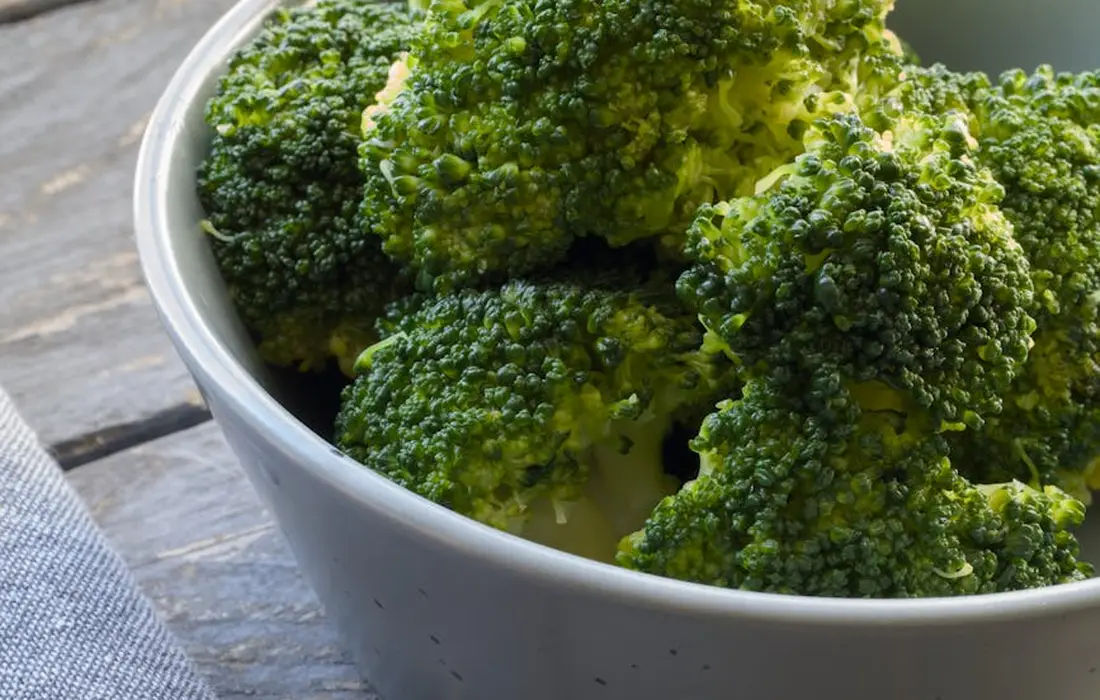
- Give Rarely & in Tiny Amounts: Cabbage, broccoli, and cauliflower. They can cause painful gas, so I only offer a thumbnail-sized piece once in a blue moon.
When you’re bringing greens from your garden or the market, a good rinse under cool water washes off dirt and potential residues. Introduce any new green one at a time, over several days, so you can spot any soft stools and know the culprit. In the spring and fall, I sometimes hand-pick safe weeds like dandelion greens or plantain for my herd-it’s free, enriching, and ties them to the seasons just like us.
Pellets, Water, and Thoughtful Treats: Filling in the Gaps
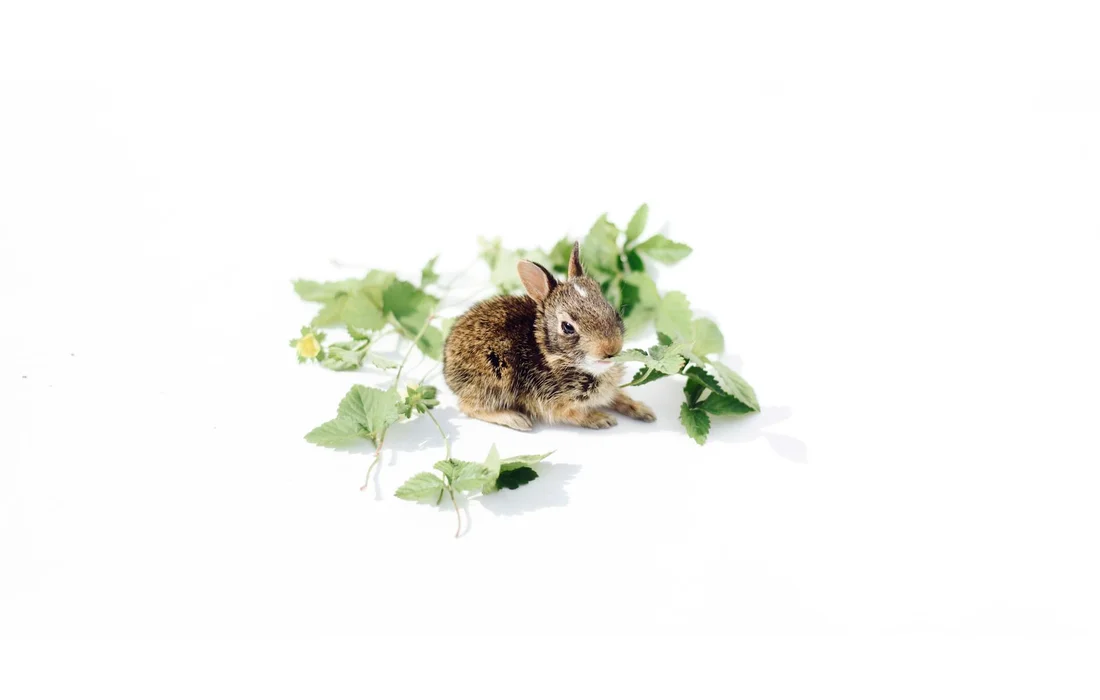
Now, let’s talk about the items that fill your feed scoop and waterer. These elements are crucial, but their roles are often misunderstood. Getting them right is the difference between a rabbit that survives and one that truly thrives.
Pellets: The Balanced Supplement
Think of commercial pellets not as the main course, but as a daily vitamin. They’re a concentrated source of balanced nutrients, especially protein and minerals. For most adult rabbits, a high-fiber timothy-based pellet is the gold standard, and you’ll feed a lot less of it than you might reckon. Pellets are part of a diet, not the whole plate. Pair them with plenty of hay and fresh greens to balance nutrition. I learned this the hard way with an overfed Dutch buck who decided exercise was optional.
Here’s a simple guide based on a standard timothy pellet (around 16-18% protein):
- Maintenance Adults (6+ months): Just 1/4 cup per 5 lbs of body weight daily.
- Pregnant/Nursing Does: Unlimited access to a high-quality alfalfa-based pellet.
- Growing Kits (under 6 months): They can have more, but always alongside unlimited alfalfa hay and greens.
I once had a picky Mini Rex who turned his nose up at every green I offered. His condition started to slip. After a chat with my vet, we switched his pellet brand to one with a different flavor profile and smaller kibble, and his appetite for everything else came roaring back. Sometimes a small change at the feed store makes a world of difference in the hutch.
Water: The Non-Negotiable Elixir
Water is the most critical part of your rabbit’s diet. A rabbit without water will stop eating, leading to deadly GI stasis. They need constant access to fresh, clean water, changed daily without fail.
You’ve got two main choices for delivery:
- Heavy Ceramic Bowl: This is my personal preference. It allows for a more natural drinking posture and is easier to clean. The downside? They can tip it, or kick bedding into it.
- Sipping Bottle: It stays clean and won’t spill. But, the metal spout can freeze in winter, and some rabbits never quite get the hang of it, drinking less than they should.
Watch for signs of dehydration: thick, sticky saliva, sunken eyes, or skin that stays “tented” when you gently pinch it. If you notice lethargy and those dry signs, get to your vet faster than a jackrabbit-this is an emergency.
Treats: Think Like a Forager
We all love to spoil our critters, but rabbit treats should come from the garden, not the grocery bag. Human snacks like bread, crackers, or cereal are packed with sugars and starches that wreak havoc on their delicate gut bacteria.
Instead, offer these wholesome, fragrant alternatives. A sprig or two is a feast!
- Fresh Herbs: Mint, basil, cilantro, dill, and rosemary.
- Dried Flowers & Leaves: Organic rose petals, hibiscus, chamomile, or dried dandelion leaves (from pesticide-free areas).
- Woody Treats: Apple, willow, or pear twigs serve as a tasty tooth-filer.
The best treat you can ever give your rabbit is more space, more hay, and more interesting things to explore. A new cardboard box or a paper bag stuffed with hay will bring more joy than any store-bought cookie ever could.
Feeding Through Life’s Stages: From Kits to Senior Bunnies
Just like a sprouting seed needs different care than a mature oak, a rabbit’s needs shift from cradle to golden years. Getting the diet right for each stage is the single best thing you can do to prevent a heap of troubles down the road. Let’s walk through what to offer, and when.
Baby Rabbits (Kits) and Juveniles
Those first few weeks are all about mama’s milk, which is richer than cream. I reckon you won’t be handling this part much, but by three weeks old, you’ll see those curious little noses sniffing at what mom is eating. This is your cue to provide a high-quality alfalfa hay and an alfalfa-based juvenile pellet, free-choice, right alongside the doe. Alfalfa’s higher protein and calcium gives those fast-growing bones and muscles the building blocks they need.
The weaning process is natural if you let it be. Kits will nibble more hay and pellets while still nursing until about 6-8 weeks old. Don’t be in a rush to separate them; that mama’s milk provides vital antibodies. Once they’re fully weaned and on their own, keep them on that alfalfa mix until they’re about 7 months old for smaller breeds, and up to a year for the giant breeds like Flemish Giants. Around that 7-month mark, start the slow switch from alfalfa to grass hay, like timothy or orchard grass, to avoid excess calcium as their growth slows. Introduce any fresh greens later, and only one tiny, new type at a time.
Adult Rabbit Maintenance
This is where the real steady-keeping happens. Think of your adult rabbit’s diet as a three-legged stool-remove one leg, and the whole thing tips over.
- Unlimited Grass Hay (The Foundation): This should be 80-90% of what goes in their mouth. Timothy, orchard grass, meadow hay-any good, fresh grass hay. It’s not just food; the constant chewing files down those ever-growing teeth and keeps their gut moving like a well-oiled tractor. I keep a rack full at all times, and checking it is part of my morning ritual.
- Limited Pellets (The Supplement): A scant quarter-cup per 5 lbs of body weight daily is plenty for a standard breed. Choose a plain, timothy-based pellet with at least 18% fiber and skip the ones with colorful bits or seeds mixed in-those are junk food. This measured portion ensures they fill up on hay first.
- Fresh Greens & Veggies (The Vitamins): About a packed cup per 2 lbs of body weight daily. Romaine, cilantro, carrot tops, bok choy, and dandelion greens from an unsprayed yard are favorites in my hutches. Introduce new ones slowly over a week to avoid upsetting their delicate digestion.
Avoid sugary fruits or treats except for the tiniest rare bite. A balanced adult diet keeps their weight steady, their teeth worn, and their digestion uneventful, which is exactly what we’re aiming for.
Senior Rabbit Considerations
An older bunny, usually over 5 or 6 years, might start to slow down. Their metabolism changes, teeth can wear unevenly, and arthritis can set in. Your job is to make eating easy and comfortable.
If weight gain becomes an issue, cut back the pellets further. For worn molars, switch to a softer, second-cut timothy or orchard grass hay-it’s just as fibrous but easier to chew. Soaking pellets in a little water to make a mush can be a lifesaver for a senior with dental problems, ensuring they still get critical nutrients. Keep up with the fresh greens, but you might chop them finer.
Now, a word on breeds: a Netherland Dwarf or other small breed is often prone to packing on ounces, so be extra vigilant with pellet portions. Conversely, a giant breed like a Continental Giant may need a slightly higher calorie maintenance diet even as a senior to keep condition on that big frame. Watch your individual rabbit, not just the calendar. Their appetite and waistline will tell you what they need.
Habitat and Husbandry: Indoor Hutch Fare vs. Outdoor Foraging
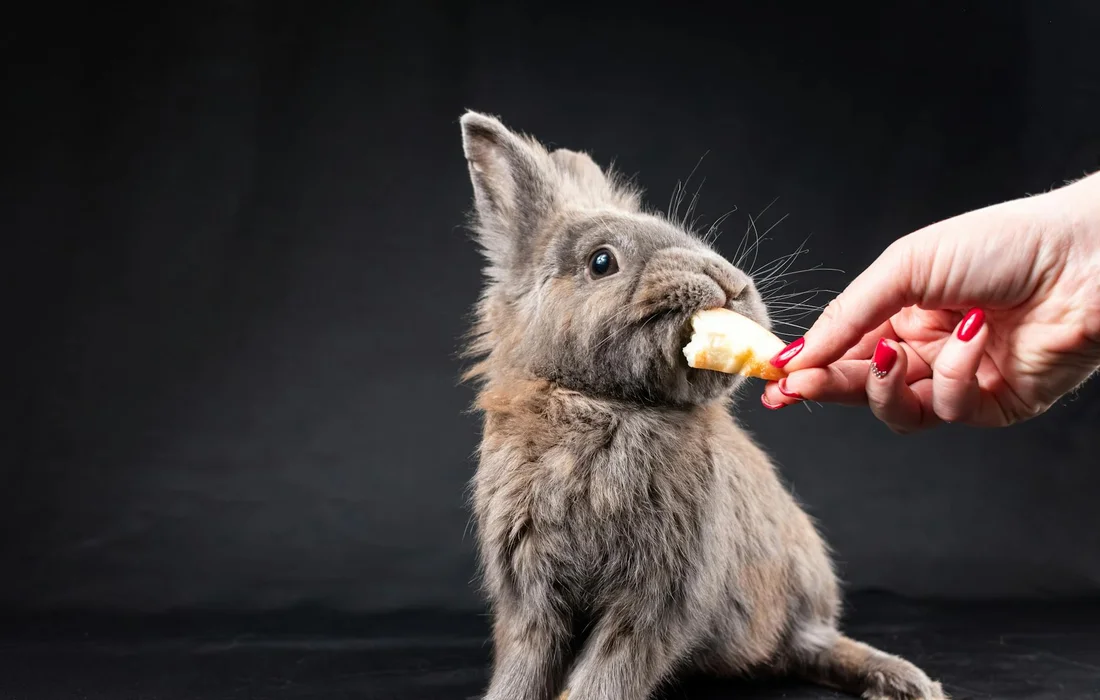
Where your rabbit lives sets the dinner table. An indoor hutch offers a controlled menu, while an outdoor run opens up a world of forage. I’ve managed both setups for decades, and an indoor bunny’s meals are planned down to the ounce-unlimited hay, a quarter cup of pellets per five pounds of body weight, and measured leafy greens. It’s safe and predictable, but it can lack the mental stimulation and nutritional variety of the great outdoors.
Turn a rabbit out on pasture, and you witness instinct in action. Outdoor rabbits engage in natural grazing, which promotes dental health and satisfies their foraging drive in a way a food bowl never can. They’ll selectively nibble on tender shoots and herbs, but this bounty requires you to be a vigilant steward of their environment—especially when it comes to plant safety in the garden.
Safe Pasture Plants and Common Yard Forages
Your yard and fields are full of rabbit groceries, but you gotta know what you’re picking. After many seasons, I’ve compiled a reliable list of safe, common forages that my herd thrives on.
- Foundation Grasses: Timothy, orchard grass, and bluegrass. These should form the bulk of the pasture.
- Nutrient-Rich Legumes: White clover, red clover, and alfalfa (sparingly for adults, as it’s high in protein and calcium).
- Weedy Wonders: Dandelion greens, broadleaf plantain, chickweed, and shepherd’s purse. These often pop up uninvited but are welcome here.
- Garden Giveaways: Raspberry leaves, carrot tops, and parsley stems. I often toss these in after tending my vegetable patch.
Introduce any new green slowly over a week to avoid digestive upset. I always offer a test patch and monitor their droppings before expanding their grazing area to include a new plant.
Grazing Rotation and Pasture Management
Rabbits are tiny lawnmowers that can strip land bare without a plan. Effective rotation is non-negotiable for sustainable foraging and parasite control. I move my portable pens or tractors every two to three days, allowing grazed sections at least three weeks to recover. Aim for a minimum of 10 square feet per rabbit in the rotation. This practice, which I learned the hard way after overgrazing a pen, keeps the pasture productive and your feed costs low. Well-managed pasture is a living larder that builds soil health and happy critters.
A Peek at the Wild Diet
Watch a cottontail in the meadow to understand your rabbit’s roots. Wild rabbits consume a diverse mix of grasses, broadleaf plants, and, in leaner months, tree bark and twigs for fiber and nutrients. This tells us our domestic friends need fibrous variety, not just soft grass. Offering apple, willow, or maple branches satisfies this chewing instinct and keeps their ever-growing teeth in check. Learning about wild diets can better inform how we feed our pets.
Essential Tips for Outdoor Safety
Freedom requires a watchful eye. You must regularly inspect your pasture and remove toxic plants like foxglove, milkweed, and wild onion before your rabbits find them. I make a habit of walking the perimeter each morning with my coffee. In rainy spells, I limit grazing time to prevent foot problems and bring them in if the ground gets soupy. When frost hits, I gradually shift their diet to mostly hay, as fresh forage dwindles. Always provide a snug, dry shelter where they can escape wind, rain, and sun, because a comfortable rabbit is a thriving rabbit.
Reading the Signs: Diet Troubleshooting and Red Flags
Keeping a rabbit hale and hearty is less about complex medicine and more about paying mindful attention to their daily habits. Your most reliable health check happens right in the hutch every single day, long before you ever need to call the vet. A rabbit in good dietary balance is a picture of quiet contentment and predictable routine.
Signs Your Rabbit’s Diet is on Track
When your feeding program is working, your bunny will tell you-not in words, but in actions and outputs. Here’s what to look for:
- Consistent Droppings: You should see plentiful, round, dry fecal pellets. They should crumble like sawdust when crushed. Also watch for the softer, nutrient-rich cecotropes being eaten directly from the body; seeing this is a good sign of a healthy gut.
- Steady, Enthusiastic Appetite: A healthy rabbit approaches mealtime with gusto. They should readily consume their daily hay pile, nibble their pellets with interest, and brighten up at the rustle of a greens bag.
- Normal Activity & Grooming: You’ll see periods of relaxed lounging, curious exploration, and the occasional “binky” or happy jump. They’ll also keep their coat clean and tidy without bald patches.
Emergency Action: When Your Rabbit Stops Eating
A rabbit that turns down food is a five-alarm fire. Their digestive systems must keep moving to stay healthy. I’ve sat up many a night with a stasis bunny, and time is your most precious commodity.
- Contact Your Vet Immediately: This is not a “wait-and-see” situation. Gastrointestinal (GI) stasis can turn fatal within hours. Call your veterinarian and describe the symptoms: no eating, no droppings, lethargy.
- Keep Them Warm and Hydrated: A sick rabbit can get chilled. Provide a warm (not hot) water bottle wrapped in a towel. Encourage them to sip water from a bowl or offer wet, leafy greens.
- Critical Care Feeding: If you have a prescription rabbit “Critical Care” formula, mix it with water as directed. Gently syringe-feed small amounts to keep the gut stimulated until you see the vet. Never force-feed a rabbit that is convulsing, unconscious, or has difficulty breathing.
Common Diet-Related Health Problems
An ounce of prevention is worth a pound of cure, and most rabbit ailments trace back to the feed bucket. Here are the big three:
- GI Stasis: The gut slows or stops. Causes include a low-fiber diet (not enough hay), dehydration, or stress. Signs are lethargy, hunched posture, and no fecal output. Hay is the absolute best preventative medicine you can provide.
- Obesity: Caused by excessive pellets, sugary treats (fruit, carrots), and lack of space to exercise. An overweight rabbit struggles to groom itself, leading to a soiled rear and flystrike risk, and puts terrible strain on its joints and heart.
- Dental Malocclusion: Rabbit teeth grow continuously. A diet poor in abrasive hay fails to wear them down, leading to painful overgrowth, spikes, and abscesses. Watch for drooling, dropping food, or a sudden disinterest in harder veggies.
Toxic Foods: The Absolute “No” List
Some foods are outright poisonous. I keep this list pinned right on the feed room wall. When in doubt, leave it out-it’s never worth the risk.
| Food | Toxic Component | Effect on Rabbits |
|---|---|---|
| Avocado | Persin | Severe respiratory distress and heart failure. |
| Rhubarb (leaves) | Oxalic Acid | Can cause kidney failure and tremors. |
| Iceberg Lettuce | Lactucarium | Minimal nutritional value; can cause severe diarrhea and dehydration. |
| Potato Leaves & Stems | Solanine | Digestive upset and toxic to the nervous system. |
| Chocolate & Candy | Theobromine, Sugar | Toxic to the heart and causes deadly digestive disruption. |
| Onions, Garlic, Leeks | Thiosulphate | Can cause hemolytic anemia, damaging red blood cells. |
| Seeds & Pits from Fruits | Cyanide Compounds | Found in apple seeds, peach pits, etc.; can be acutely toxic. |
| Houseplants & Many Bulbs | Various Toxins | Assume all ornamental plants are unsafe. This includes lilies, philodendron, and daffodil bulbs. |
Closing Tips for the Barnyard Rabbit Keeper
How does a rabbit’s diet differ from my chickens or pigs?
A rabbit’s digestive system is uniquely hindgut-fermenting, requiring constant high-fiber input. Unlike chickens or pigs, rabbits cannot handle starchy grains, scratch, or most kitchen scraps. Their primary food must always be grass hay, which is very different from the grain-based diets of other farm fowl and stock. Even wheat grains can be harmful to rabbits.
Can I feed my rabbits the same alfalfa hay I give my goats or sheep?
You can, but with critical caution. Alfalfa is a rich legume hay perfect for growing, lactating, or meat animals. For adult rabbits, it is too high in protein and calcium for daily use and should be reserved only for kits, young juniors, or nursing does to avoid obesity and urinary stones. To tailor this to your rabbit’s life stage, see our adult rabbit alfalfa hay age-specific feeding guide. It explains age-based limits for alfalfa hay.
What garden weeds can I safely forage for my rabbits?
Many common “weeds” are excellent, free forage. Dandelion greens, broadleaf plantain, chickweed, and shepherd’s purse are all safe and nutritious. Always ensure they are harvested from areas free of pesticides, herbicides, and vehicle exhaust.
My rabbit lives in a barn/outdoor hutch. Does its winter diet change?
Yes, it must. As fresh pasture and garden greens disappear, their diet will necessarily become less varied, relying more on your stored grass hay and pellets. Ensure they have extra hay for both nutrition and insulation, and check that their water source doesn’t freeze.
Are there any common farmyard plants that are dangerous to rabbits?
Absolutely. Be vigilant for plants like foxglove, milkweed, nightshades, rhubarb leaves, and wild onion. Also, avoid feeding clippings from ornamental shrubs or lawns treated with chemicals. When in doubt, keep it out of the hutch.
What’s the one simple sign my rabbit’s diet is correct?
Plentiful, round, dry fecal pellets. If you see a steady output of these, it means the digestive system, fueled by ample fiber, is working properly. Any sudden drop in these droppings is your first and most urgent warning sign.
Shutting the Hutch Door
When the sun starts to dip and I make my last rounds, seeing my rabbits contentedly munching is a sure sign of a day done right. The whole secret, from that first handful of hay to the last slice of apple, boils down to one old barnyard truth. A rabbit’s health is built in its gut, and that gut runs on long-stem fiber-make quality hay the unwavering cornerstone of every single meal, and you’ll sidestep more troubles than I can list on a feed sack. Balance that with measured pellets, careful greens, and the rare treat, and you’ve got a recipe for a thriving wooly friend. For a deeper dive, the ultimate guide to hay, rabbit types, benefits, and feeding tips offers more. It pulls the basics together and points you toward practical care tweaks.
I reckon the best part of this life is the quiet rhythm you build with your critters. There’s a deep satisfaction in knowing you’re providing good, honest care. So here’s to your rabbits, to your homestead, and to the simple, good work of stewardship. Y’all take care now, and enjoy those happy binkies in the pasture.
Further Reading & Sources
- Feeding Your Pet Rabbit a Healthy Diet – RSPCA – rspca.org.uk
- Rabbit Diet & Nutrition: Safe Foods and Treats for Bunnies
- The guide to a great rabbit diet | Rabbit Awareness Week
Caroline Mae Turner is a lifelong farm girl raised on red clay, early mornings, and the sounds of a bustling barnyard. With hands-on experience caring for everything from stubborn goats to gentle dairy cows and mischievous pigs, Caroline shares practical, tried-and-true advice straight from the farm. Her goal is to help folks keep their animals healthy, well-fed, and living their best barnyard life. Whether you're wrangling chickens or bottle-feeding a baby goat, Caroline brings a warm Southern touch and plenty of real-world know-how to every bucket in the barn.
Diet Requirements