
Can Chickens Eat Cherries? Your Straightforward Guide to Safe Treats
Published on: May 20, 2026 | Last Updated: May 20, 2026
Written By: Caroline Mae Turner
Howdy y’all, standing here with a bowl of summer cherries and a flock of curious hens, I know exactly what you’re pondering. Yes, chickens can eat cherries, but you must remove the pits and stems first to avoid any risk of cyanide poisoning or choking. It’s a simple fix for a common question when that tree gets heavy with fruit or you’ve got extras from the market.
What you’ll need:
- Fresh, ripe cherries (organic is best)
- A sharp paring knife or cherry pitter
- A clean trough or shallow dish for serving
- About ten minutes for prepping
Let’s get this sorted quick, so you can get back to what needs doing.
Can Chickens Eat Cherries? The Straight Talk
You can hand your flock those ripe, red gems. Chickens can absolutely eat cherries, and they’ll thank you for the sweet, juicy treat. I’ve watched my hens sprint across the pasture for a handful of cherries, pecking with a gusto they usually reserve for fresh crickets. This fruit offers a splash of vitamins A and C, along with a good dose of hydration on a hot day. Think of it as a delightful supplement, not a replacement for their balanced layer feed. It’s always important to be cautious when feeding them any kind of stone fruits like cherries or peaches.
The Truth About Cherry Pits and Cyanide in Poultry
Now, let’s talk about the elephant in the room, or rather, the pit in the cherry. The flesh itself is perfectly safe. The worry lies in the hard stone at the center. Cherry pits contain a compound called amygdalin, which can break down into cyanide when chewed or crushed. A single pit swallowed whole by a hen is likely to pass through without issue, as the hard shell protects the inner material. The real danger begins when the pit is cracked open.
Why Crushed Pits Pose a Danger
It’s all about the release. A whole pit in the gizzard is just a piece of grit. But a crushed pit-whether by a hammer during your prep, a powerful peck from a large breed, or the mechanical action of a feed grinder-exposes the amygdalin inside. In the acidic environment of the crop and gut, that compound can convert to hydrogen cyanide, a potent poison. While it takes a fair number of crushed pits to cause acute toxicity, why risk it? Symptoms of distress include sudden weakness, labored breathing, and bright red comb and wattles. I reckon stewardship means removing known hazards, not testing our animals’ tolerance for them.
How to Prepare Cherries: Pit Removal and Crushing Safely
A little prep work makes this treat both joyful and safe. Your best bet is to take the time to pit the cherries before offering them. It’s a peaceful, mindful chore for a porch-sitting afternoon.
- Pit Them by Hand: Slice the cherry in half and pop the pit out. It’s tedious for a large batch, but it’s the gold standard for safety.
- Use a Cherry Pitter: This handy tool makes quick work of a bowlful and is a worthy investment if you have fruit trees.
- The “Whole Fruit Crush” Method: If pitting isn’t feasible, you can use an alternative approach. Place whole, stemmed cherries in a sturdy bag and gently crush them with a rolling pin or mallet. The goal is to mush the entire fruit-flesh, skin, and pit-into a pulpy mass where no single pit remains intact and identifiable. This dilutes any potential risk across the entire mixture, making it safe for scattering.
Never, ever run dried or fresh cherries with pits through a grain mill or feed grinder. That machine is designed to crush everything uniformly, which is exactly what we want to avoid here. Feed the prepared cherries in a wide, shallow dish to prevent squabbling and clean up any leftovers before they attract flies. A little care ensures your birds get only the sweet stuff, without the hidden trouble.
Feeding Cherries to Chickens: A Practical Guide
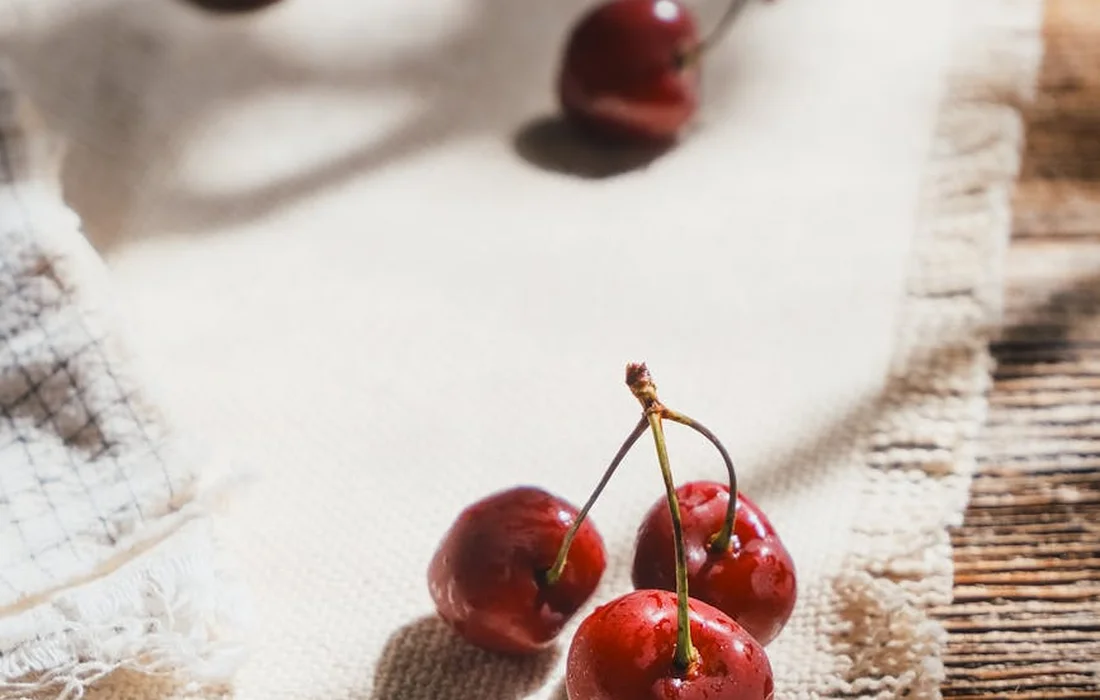
Offering cherries is simpler than mending a fence in the rain, but a few barnyard-tested guidelines will keep your birds safe and happy. The golden rule is to view any treat, cherries included, as a supplement-not a substitute-for their balanced layer feed. I reckon their main feed should still make up at least 90% of their daily intake.
Serving Fresh Cherries: How Much and How Often
When those first fresh cherries of the season come in, it’s mighty tempting to toss a whole bowlful to the girls. Hold that thought. A sudden feast can upset their delicate digestive balance. Start with just a few cherries for the whole flock and see how they take to them.
For a standard backyard flock of 6-8 hens, a handful of pitted cherries 2-3 times a week is a splendid treat. I often cut them in half or quarters to prevent any squabbling and to make sure the shy birds get a bite. This moderation prevents digestive upset and ensures they fill up on the nutrient-dense feed that keeps their egg production steady, especially when avoiding cherry pits and apple seeds which can be toxic to chickens.
Here’s a quick reference table I use for my own planning:
| Flock Size | Recommended Serving (Fresh, Pitted) | Frequency |
| 3-5 chickens | 3-5 cherry halves | 2 times per week |
| 6-10 chickens | 6-10 cherry halves | 2-3 times per week |
| 10+ chickens | 1-2 handfuls, scattered | 1-2 times per week |
I always serve treats in the afternoon, after they’ve spent the morning pecking and scratching for bugs and eating their proper feed. This routine ensures their primary nutrition is taken care of first, with the cherry treat acting as a delightful afternoon reward. Watch your flock-if you notice loose droppings, scale back the amount or frequency.
Using Frozen or Dried Cherries for Your Flock
Now, what about those bags of frozen cherries from last summer’s bounty or dried cherries from the store? You can use them, but with extra steps for safety.
Frozen cherries are a fantastic cooling summer snack, but never feed them frozen solid. A hard, frozen cherry is a choking hazard and can cause a serious condition called crop impaction. Thaw frozen cherries completely and drain off any excess liquid before offering them to your birds to prevent a chilled, sluggish crop. I spread them out on an old baking sheet in the shade for a spell.
Dried cherries require even more caution. Their chewy, concentrated texture and high sugar content pose risks.
- Always chop dried cherries into raisin-sized pieces or smaller.
- Soak them in a bit of warm water for 10 minutes to rehydrate and soften them.
- Serve an even smaller portion than you would fresh-a small sprinkle per flock is plenty.
- Check the ingredient list! Ensure they are unsweetened and contain no preservatives like xylitol, which is toxic.
I keep a jar of soaked, chopped dried cherries in my fridge for the occasional wintertime treat when fresh fruit is a memory. With dried fruits, the intense sugar concentration means a tiny amount goes a very long way, so err on the side of extreme frugality. My old hen, Cluck Norris, might give me the side-eye for the small helping, but her health is worth it.
Are Cherries Safe for Ducks and Other Barnyard Critters?
Well now, just because the chickens are peckin’ at somethin’ don’t mean the rest of the crew gets left out. When you’re strollin’ through the orchard with a pail, it’s good stewardship to consider the whole barnyard family. I’ve shared many a fruit bounty across pens and ponds, and learnin’ who can eat what has saved me plenty of worry and vet bills.
Can Ducks Eat Cherries? Similar Precautions Apply
You bet your boots they can, and my flock of Khaki Campbells get right excited when they see that familiar red fruit. Ducks manage cherries much like chickens, but with their nifty flat bills. The core rule remains non-negotiable: you must remove every single pit and stem before offering cherries to ducks. That same pesky cyanide compound is just as dangerous for our web-footed friends.
I find ducks are a tad messier with soft fruits, so I usually chop the pitted cherries into quarters for easier eating. For ducklings, I mash the fruit pulp into their regular feed as a tiny, sticky treat. Avoid tossin’ whole cherries into their pond, as they’ll sink and rot, fouling up their clean water faster than you can say “kerplunk.” Offer treats on dry land or in a shallow dish they can tip over and clean up.
Other Livestock and Cherries: Quick Notes
When the cherry tree is heavy, everyone gets a look-in. Here’s my quick, experience-based rundown for the rest of the farm:
- Pigs: These fellas are nature’s compost bins and will gobble cherries, pits and all. I still take the time to remove pits for my pigs, as a buildup in their system isn’t a risk I’m willin’ to take with such valuable animals. They adore the sweet fruit, and it’s a fine summer cooler.
- Cows & Goats: Our ruminant friends can handle a few cherries as a random snack. The pits are typically small enough to pass through their complex gut without issue, but I don’t make a habit of it. Think of cherries for cows or goats as a minuscule, occasional bit of variety, not a feed supplement. Too much sugary fruit can upset the delicate rumen balance.
- Geese: Much like ducks, geese can enjoy pitted cherry flesh in moderation. They tend to be more grazers, so fruit is less of a draw for them than tender grass, but they won’t turn it down.
- Horses: I keep cherries far from the horse pasture. The risk of choke from a pit or the remote chance of cyanide exposure simply isn’t worth the gamble with an animal that delicate. They’ve got plenty of other good treats like carrots and apples.
Across the board, the golden rule of thrifty, safe husbandry is to never let livestock gorge on any single treat, no matter how safe it seems. Their main feed is formulated for a reason, and our job is to supplement wisely, not disrupt.
The Nutritional Goodness of Cherries for Poultry Health
Now, let’s talk about what’s inside that little red package. From my view, tossing treats is more than just a kindness; it’s a chance to boost their health in ways your standard feed might not. Cherries pack a surprising punch for poultry.
First off, they’re a powerhouse of vitamins. We’re talking vitamin A for sharp eyesight and strong eggshells, and a good dose of vitamin C. While chickens make their own vitamin C, an extra boost during summer heat or periods of stress can help keep their immune systems humming right along. It’s like giving them a little natural shield. For a comprehensive list of safe, healthy foods for chickens, our guide covers all the best options.
More Than Just Vitamins
Beyond the basics, cherries bring compounds to the coop you won’t find on a feed tag. They contain melatonin, which aids in regulating sleep cycles, and quercetin, a natural antioxidant. I’ve noticed my birds seem to settle in for the evening just a tad more peacefully after an afternoon cherry snack during the long, hectic days of summer.
The fiber in the fruit flesh is wonderful for digestion, and the natural sugars provide a quick burst of energy for scratching and foraging. Think of a handful of pitted cherries as a far more beneficial pick-me-up than, say, a piece of bread, which just fills them up with not much else.
A Helpful Comparison for Your Flock
To see how they stack up, let’s look at what cherries offer versus some common kitchen scraps I’ve fed over the years.
| Treat | Key Benefit for Chickens | Special Consideration |
|---|---|---|
| Cherries (pitted) | Antioxidants, Vitamins A & C, Natural Melatonin | Must remove pits; high in natural sugar. |
| Watermelon | Hydration, Lycopene, Vitamin B6 | Excellent summer coolant; can be messy. |
| Cucumber Slices | Hydration, Trace Minerals | Very low calorie; a great “filler” snack. |
| Plain Cooked Pumpkin | Vitamin A, Fiber, Can Help With Worms | Seeds are a natural dewormer when fed raw. |
You see, variety is the spice of life, even for chickens. Rotating through different healthy treats like these ensures your birds get a wider spectrum of nutrients to support overall vigor. It’s a simple practice that makes a world of difference in the sheen of their feathers and the brightness of their eyes.
The Important Note on Pits and Stems
Here’s where we separate the beneficial snack from a potential hazard. The fruit flesh is all gift. The pits and stems? That’s a different story.
- The Pit: It’s a choking hazard, plain and simple. It’s also hard enough to possibly damage a crop if swallowed whole. Most critically, crushed cherry pits release amygdalin, which converts to cyanide. While a single pit likely won’t cause harm, why risk it?
- The Stem: Tough, fibrous, and completely indigestible. It offers no nutritional value and can lead to crop impaction if enough are eaten. It’s just trash to them.
My rule in the barnyard is straightforward: If you wouldn’t comfortably eat it yourself, don’t feed it to your birds. Take the minute to pit and stem those cherries. That little bit of extra care is what defines good stewardship. It turns a risky treat into a genuinely healthful one.
Watchful Stewardship: Moderation and Signs of Trouble
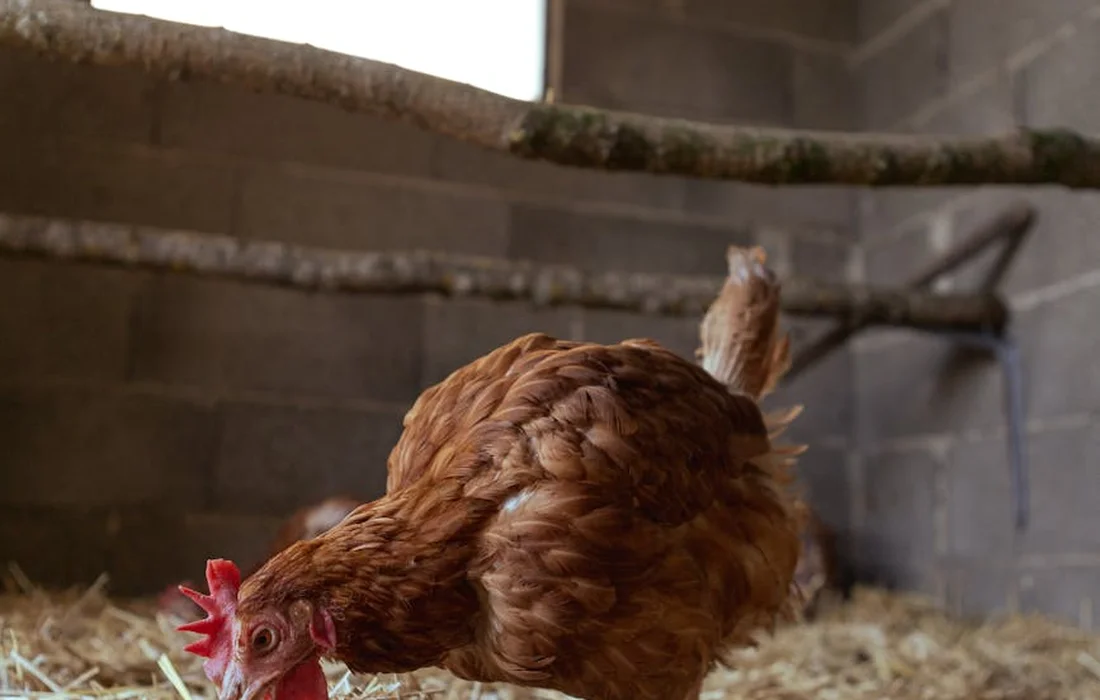
Treats like cherries are a joy to give, but a good steward watches the flock as closely as the weather. Your main feed is their steady paycheck; treats are just the weekend bonus, and the books have to balance. I never offer more than a handful of pitted cherries per bird, and never more than a few times a week.
Recognizing Signs of Overindulgence or Toxicity
Chickens have simple digestive systems not built for sugary fruit binges. Watch your birds after any treat. A content flock will go about its business of scratching and dust bathing. Trouble looks different, especially when feeding them sugary treats.
The first sign of too much of a good thing is often a change in their droppings. Loose, watery, or oddly colored manure means their gut is upset. You might also see a drop in their appetite for their proper layer feed, which is a problem for egg production.
Beyond simple overindulgence, you must be vigilant for signs of cyanide toxicity, though it’s rare. The risk comes from a determined bird crushing a pit. Watch for these signs:
- Sudden weakness or lethargy; a bird that stands apart, fluffed up and listless.
- Difficulty breathing, such as panting or gasping with an open beak.
- Bright red comb and wattles, which can signal distress.
- Staggering or a loss of coordination, like they can’t walk a straight line.
- In the worst case, collapse or sudden death.
I once had a persistent barred rock hen who would stash pits in a corner of the run. Finding that hidden cache was my reminder that our job isn’t just to provide food, but to manage the environment. If you suspect a bird has eaten several crushed pits, isolate her immediately in a quiet, warm crate with fresh water and call your veterinarian. Time is critical.
For ducks, the water bowl tells a tale. Soggy, leftover fruit mush fouling their drinking water is a clear signal you’ve offered too much and need to clean up and cut back. Their messy eating habits mean spoiled treats can cause trouble just as fast as the treats themselves. These signals tie into troubleshooting common duck feeding issues, including potential nutrient deficiencies. They also underscore the role of waste management in keeping water clean and healthy for ducks.
Closing Tips for Your Flock
Is one cherry pit really dangerous for a chicken?
A single pit swallowed whole is unlikely to cause harm, as the hard shell often passes intact. The serious danger comes from the pit being crushed, which releases toxic compounds. Responsible stewardship means removing all pits to eliminate this risk entirely.
Can I feed cherries to my chickens every day?
No, cherries should be an occasional treat, not a daily food. Their high natural sugar content can lead to digestive upset and nutritional imbalance. Feeding cherries 2-3 times per week in small amounts is a safe guideline.
Do ducks need cherries prepared differently than chickens?
The core safety preparation is identical: all pits and stems must be removed. For easier eating and less mess, consider chopping pitted cherries into smaller pieces for ducks. Always serve treats on dry land to keep their water clean. Beyond cherries, ducks can eat nuts and raisins in moderation, but there are safe options and potential risks to consider. Use small portions, choose unsalted nuts and plain, unsweetened raisins, and avoid anything with added salt or sugar.
What’s the fastest way to prepare a large batch of cherries for my flock?
Using a cherry pitter is the most efficient method for large quantities. If you don’t have one, the “whole fruit crush” method-mushing stemmed cherries in a bag until no pit remains intact-is a safe and quick alternative for bigger harvests.
Can I give the cherry stems to my goats or pigs for fiber?
No, it is best to discard all cherry stems. They are tough, indigestible, and offer no nutritional value, posing a risk of impaction for any animal. Compost them instead of feeding them to your livestock.
What’s the first sign I’ve given my chickens too many cherries?
The most common initial sign is a change in their droppings, such as loose or watery manure. A decrease in their appetite for their regular balanced feed is another clear indicator to immediately reduce or halt the treat.
Shuttin’ the Gate
So, can your flock eat cherries? My land, yes. It’s a fine, juicy treat on a hot afternoon. But the golden rule, the one that keeps your birds clucking contentedly, is this: always, without fail, take the time to pull those pits and stems before the fruit hits the run. That tiny bit of effort removes the risk and turns a potential hazard into pure delight—especially when feeding them other stone fruits like peaches or nectarines.
Well, friends, that about covers it from my porch. I reckon it’s time for me to head back out and check on my own motley crew. I hope this helps y’all treat your birds with confidence. There’s not much better than watching a hen scratch and peck with joy over a simple, good thing. You take care now, and enjoy those critters. If you have a story about your flock’s favorite treat, I’d love to hear it next time we’re visitin’.
Further Reading & Sources
- r/BackYardChickens on Reddit: Can chickens eat whole cherries?
- Can Chickens Eat Cherries? All You Need To Know | BackYard Chickens – Learn How to Raise Chickens
- The Complete Guide to What Chickens Can Eat
Caroline Mae Turner is a lifelong farm girl raised on red clay, early mornings, and the sounds of a bustling barnyard. With hands-on experience caring for everything from stubborn goats to gentle dairy cows and mischievous pigs, Caroline shares practical, tried-and-true advice straight from the farm. Her goal is to help folks keep their animals healthy, well-fed, and living their best barnyard life. Whether you're wrangling chickens or bottle-feeding a baby goat, Caroline brings a warm Southern touch and plenty of real-world know-how to every bucket in the barn.
Feeding Guidelines