Can You Eat Guinea Pig? A Homesteader’s Guide to Cuy and Pets
Published on: May 19, 2026 | Last Updated: May 19, 2026
Written By: Caroline Mae Turner
Howdy y’all. If you’re staring at a fluffy guinea pig in a cage and a recipe for “cuy” from a friend, your head’s probably spinnin’. No, you do not eat your children’s pet guinea pig; the animals raised for meat are a distinct, purpose-bred livestock animal called a cuy. We’ll clear up this barnyard confusion right quick.
- The understanding that “guinea pig” covers both pet breeds and meat breeds.
- A clear mental separation between the backyard pet and the homestead livestock.
- Knowledge of the specific feed and welfare needs for each path.
Let’s sort this out so you can move forward with confidence, whether your goal is a happy hutch or a full larder.
Understanding the Guinea Pig’s Unique Dietary Needs
Now, I reckon if you’re used to feeding hogs or chickens, a guinea pig might seem like a simple critter to cater to. But let me tell you, their stomachs are a world apart. From my years on the farm, I’ve learned that getting a guinea pig’s diet right isn’t just about filling their bowl; it’s about honoring a digestive system built for constant, careful foraging. These little fellows can’t manufacture their own vitamin C, and their teeth never stop growing, which sets the stage for what they truly need.
The Non-Negotiables: Hay, Vitamin C, and Fiber
Think of a guinea pig’s diet like a three-legged stool-knock out one leg, and the whole thing tumbles. The first and most vital leg is unlimited grass hay, like timothy or orchard grass, which should make up about 80% of what they eat every single day. This isn’t just food; it’s the roughage that keeps their gut moving and their teeth ground down. I keep a hay rack full at all times, just like I would ensure pasture for my cows.
That second leg is vitamin C. Unlike most barnyard animals, a guinea pig needs a daily dose of vitamin C from their food, around 10-30 mg per day, to prevent a painful condition called scurvy. I’ve seen the lethargy and rough coat when it’s lacking, and it’s a sure sign you need to step up the fresh greens. The third leg is overall fiber, which that hay provides in spades, keeping their complex digestive system from stalling.
- Hay: Must be fresh, long-stemmed, and available 24/7. Alfalfa hay is only for young, pregnant, or nursing pigs due to high calcium.
- Vitamin C: Source it from fresh vegetables, not just drops in water which degrade quickly. A few sprigs of parsley or a bell pepper slice does the trick.
- Fiber: Aim for a diet with over 16% crude fiber. This is non-negotiable for preventing GI stasis, a deadly shutdown of their gut.
Why Barnyard Animal Feeds Are a Mismatch
It’s mighty tempting to save a penny and toss your guinea pig some chicken layer pellets or a bit of the pig’s mash. Trust me, I understand thriftiness, but this is one area where it will cost you more in vet bills. Barnyard feeds are formulated for entirely different digestive processes and growth goals, making them dangerous for your guinea pig.
Chicken feed, for instance, often contains animal proteins and high levels of calcium for eggshells-things a guinea pig’s herbivore system can’t process properly. I once had a neighbor learn this the hard way when their guinea pig developed bladder stones from the excess calcium in repurposed chicken crumbles. Pig feeds are often too high in protein and fat, aiming for rapid weight gain, which can lead to obesity and liver disease in a small rodent. The pellet size and texture are also all wrong for their dental health. That’s why junk foods and human snacks are dangerous for a guinea pig’s diet. They can cause digestive upset, obesity, and dental problems, undermining the herbivore-friendly feeding plan they need.
- Protein Mismatch: Guinea pigs need only 16-18% protein. Many poultry and swine feeds exceed 20%, straining their kidneys.
- Calcium Content: Layer feed can have over 4% calcium. Guinea pigs require less than 1% in their adult diet to avoid urinary tract issues.
- Additives & Medications: Livestock feeds may contain coccidiostats or antibiotics meant for larger species, which can be toxic to small animals.
Building a Safe Menu: What to Feed Your Guinea Pig
So, what does a proper plate look like for a guinea pig? It’s simpler than you might think, and it mirrors the kind of fresh, thoughtful stewardship we apply to all our animals. Building their menu is about daily consistency and variety from safe, plant-based sources, much like managing a diverse kitchen garden for your table.
Daily Staples: Leafy Greens and Vegetables
This is where you get to be creative, within reason. Each day, offer about one cup of fresh veggies per pig. Rotate your greens to provide a spectrum of nutrients and prevent boredom, just as I rotate my sheep’s pasture to keep the forage rich and engaging. Always introduce new items slowly to avoid upsetting their sensitive digestion.
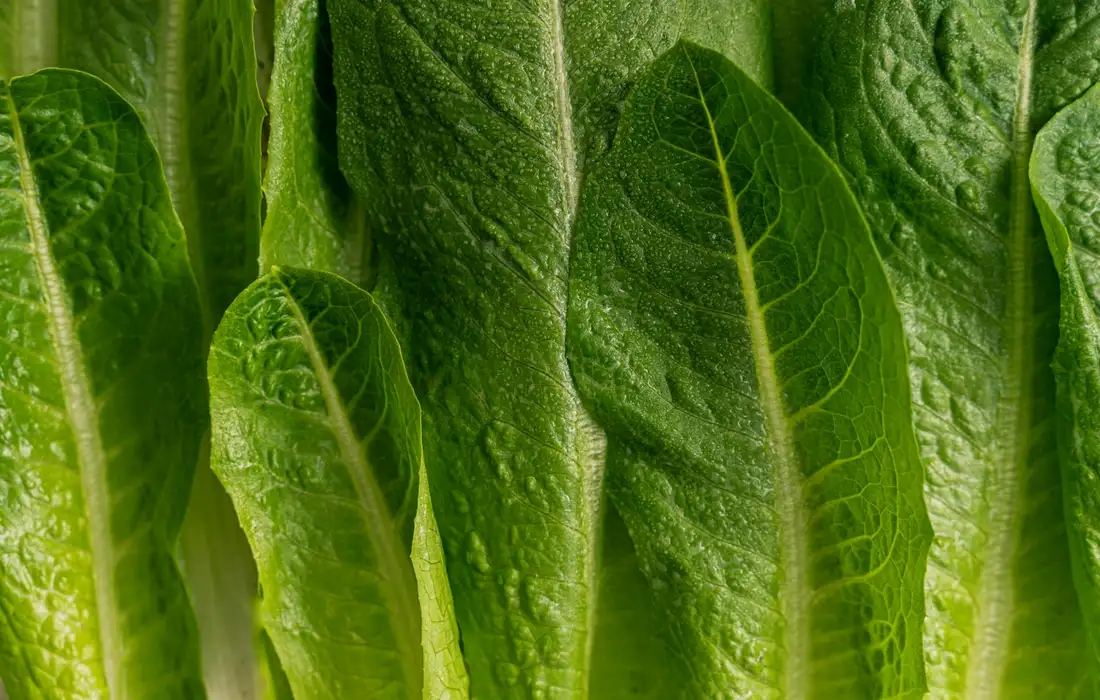
- Best Leafy Greens: Romaine lettuce, green leaf lettuce, cilantro, and endive. These are low in calcium and high in vitamin C.
- Excellent Vegetable Adds: Bell peppers (any color, but red is highest in C), zucchini, cucumber, and a small baby carrot.
- Feed with Caution: Spinach and kale are high in oxalates and calcium. Offer them only once or twice a week to avoid mineral buildup.
Occasional Treats: Fruits and Herbs
Think of fruits like candy-a tiny, sweet reward, not a staple. Too much sugar, even natural sugar from fruit, can disrupt the delicate bacterial balance in a guinea pig’s cecum, leading to bloat and discomfort. I use these treats for bonding time, offering a small piece by hand, much like I’d give an apple slice to a favorite horse.
Herbs can be a wonderful, aromatic treat that also provides some medicinal benefits. A few fresh basil leaves or a sprig of dill not only delights their senses but can also offer a boost of antioxidants and digestive aids.
- Fruit Treats (1-2 times weekly): A blueberry, a thin apple slice (no seeds), or a small strawberry. Portion should be no bigger than your thumbnail.
- Herbal Offerings: Mint, parsley (great for vitamin C), dill, and basil. These can be given in small amounts a few times a week.
- Never Feed: Onions, garlic, potatoes, dairy, meat, or any processed human foods. Their herbivore gut is not built for it.
The Danger List: Foods to Absolutely Avoid
Now, y’all might think a guinea pig can handle a nibble of this or that, but their digestion is as delicate as a spring bloom. What fuels our bodies can poison theirs, so drawing a hard line on their diet is the purest form of animal stewardship. I’ve seen the consequences of a slip-up, and trust me, a preventative ounce is worth a pound of cure.
Common Toxic Foods from Your Kitchen and Garden
Your kitchen and garden are full of life, but for guinea pigs, some of it is downright dangerous. Many common plants produce natural defenses, like alkaloids and oxalates, that a guinea pig’s liver just can’t neutralize. Here’s a list you should post right on the icebox:
- All Everything (Onions, Garlic, Leeks): This entire family destroys red blood cells, leading to weakness and labored breathing faster than you can say “scallion.”
- Avocado Flesh and Skin: The toxin persin hides in the fruit and pit, causing cardiac stress and fluid around the heart-it’s a silent killer.
- Rhubarb Leaves and Stalks: Packed with soluble oxalates, they bind calcium in the bloodstream and can spark sudden tremors or kidney shutdown.
- Potato and Tomato Greens: The vines and leaves contain solanine and tomatine; just a few grams can paralyze a guinea pig’s digestive tract.
- Chocolate or Coffee Grounds: Theobromine and caffeine overstimulate their small hearts, and there is no safe amount for a critter that weighs two pounds.
- Stone Fruit Pits and Apple Seeds: When crushed, these release cyanide. I once lost a piggy to a discarded peach pit that rolled into its pen.
I keep my compost bin locked tight after a curious guinea pig sampled some onion skins. Vigilance in the kitchen saves you a heartbreaking trip to the vet and a hefty bill.
Risky Human Foods: Cooked Items and Processed Snacks
Sharing your supper plate seems neighborly, but it’s a recipe for trouble. A guinea pig’s gut is a fermentation vat for raw fiber, and cooked foods disrupt that delicate bacterial balance almost overnight. Processed snacks are just as bad, loaded with salts and fats their kidneys weren’t built to process.
- Cooked Grains and Breads: Pasta, rice, or toast swell in the stomach and cause painful bloat and gas, a condition called GI stasis that can be fatal.
- Any Dairy Product: Cheese, yogurt, or milk. They lack the enzyme lactase after weaning, so dairy ferments in the gut and causes debilitating diarrhea.
- Salty Processed Foods: Potato chips, pretzels, or canned vegetables. The sodium level in one chip can overwhelm their tiny kidneys, leading to dehydration and urinary issues.
- Baked Goods and Sweets: Cookies, cake, or cereal. Sugar feeds the wrong gut bacteria and leads to an overproduction of toxin-releasing endotoxins.
- Fried Foods and Meat Scraps: Bacon grease, fried potatoes, or hamburger bits. These high-fat items can inflame the pancreas and lead to a condition called steatitis.
I reckon the thriftiest choice is to invest in good timothy hay and fresh greens, not expensive medical treatments. Their food should come from the garden, not the pantry, for a long and chatty life.
Practical Feeding Guidelines for a Healthy Herd
Keepin’ a passel of guinea pigs in good flesh ain’t just about fillin’ a bowl; it’s about balancin’ their rations like you would for any barnyard stock. I’ve found that a consistent, thoughtful feeding schedule is the bedrock of health for these little foragers, much like it is for our chickens or goats. You’re not just feeding critters, you’re stewarding a living system, and what you offer at the trough directly shapes their vigor and your peace of mind. Beyond that, guinea pig care hinges on guinea pig feeding frequency habits—how often and how much you offer. Nail the rhythm and you’ll keep digestion steady and energy even.
Daily Routine: Pellets, Greens, and Hay Ratios
Mornin’ in my barn starts with the guinea pigs, and their routine is simple but non-negotiable. Think of their diet as a three-legged stool: if one leg is short, the whole thing topples. Forget fancy mixes; success lies in gettin’ the proportions right every single day.
- Timothy Hay (The Foundation, 70-80%): This should be available around the clock, piled high in a rack to keep it clean. I reckon a grown guinea pig will easily go through a pile about the size of its own body each day. It keeps their digestion movin’ and their teeth, which never stop growin’, worn down proper.
- Fresh Greens & Veggies (The Vital Boost, 15-20%): This is where you get creative with your garden surplus. A hearty handful per pig per day does the trick. I lean on romaine lettuce, bell pepper strips for that essential vitamin C they can’t make themselves, and the tops from my carrot harvest. Rotate your offerings to prevent boredom and nutrient gaps, just like you would with pasture for your cows.
- Quality Pellets (The Insurance Policy, 5-10%): Don’t let ’em free-feed on pellets. I limit mine to about an eighth of a cup per pig daily of a plain, timothy-based pellet with a guaranteed 16-18% protein and added vitamin C. Measure it out to prevent picky eaters from ignoring their hay and gettin’ fat.
I keep a washed stoneware dish just for their greens-easy to scrub and too heavy to tip over. It’s a small thrift that saves on waste and keeps their eatin’ area tidy.
Spotting Trouble: Signs of Poor Digestion or Food Poisoning
Even with the best plans, sometimes a bellyache happens. Your eye is your first and best tool for spotin’ a pig in distress, long before a vet call is needed. I learned this the hard way years back when a batch of wilted kale I was too frugal to toss caused a mighty fuss in the pen.
Watch for these signs that their feed has gone awry:
- The Droppings Tell a Tale: Healthy pellets are firm and oval. Be wary of diarrhea, misshapen poops, or a complete stoppage. A dirty backside is a bright red flag.
- They Lose Their Spark: A guinea pig that’s huddled in a corner, puffed up, and ignorin’ fresh cilantro is a pig sendin’ up a flare. Lethargy is a serious symptom.
- Listen to Their Belly: Gently place your ear near ’em. A healthy gut should gurgle and chirp softly. Dead silence or loud, painful-sounding gas bubbles mean digestion has halted.
- Check Their Feed Bag: Moldy hay or soggy pellets can cause havoc. Always store your feed in a galvanized bin with a tight lid, away from damp, just as you would your chicken grain.
If you see trouble, pull all fresh food immediately and offer only hay and water. A syringe of plain, lukewarm water can help rehydrate a strugglin’ animal and get things movin’ again, a trick that’s served me well with many a young creature on the farm. When in doubt, a timely call to a vet who knows livestock is the wisest stewardship you can show.
Guinea Pig Feed Through a Homesteader’s Eyes
Lookin’ at a bag of guinea pig pellets from my barnyard eyes, I see ingredients, not pet food. We homesteaders are used to thinkin’ in terms of inputs and outputs, soil health and animal health bein’ one endless cycle. What you feed any creature is the bedrock of everything that follows.
Their mainstay is that fortified pellet, but its purpose is singular: to be complete nutrition for a specific animal. It’s a tool, not a pantry item. Viewing every bag of livestock or pet feed as a potential human food source is a dangerous road to walk, blurrin’ lines that exist for very good reasons.
Is That Bag of Pellets Fit for Human Consumption?
In a word: no. Let’s have a neighborly chat about why. I’ve mixed more feeds in my time than I’ve had hot suppers, and the priorities are different.
First, protein sources can be worlds apart. While we might seek out human-grade soy or fish meal, animal feeds often use by-products-perfectly nutritious for them, but processed under different standards. The vitamin and mineral pre-mixes are dosed for a four-pound rodent’s metabolism, not yours.
I recall a time we had a bag of rabbit pellets get damp and moldy in the shed. You’d never dream of eatin’ that, but it’s the same principle. Feed mills operate under different regulations than human food plants, with a focus on cost-effective animal nutrition, not human culinary safety. For goats and rabbits, pellet diet safety means keeping feeds dry and mold-free. Choosing species-appropriate pellets and proper storage protects their health.
Here’s a quick breakdown of key differences:
- Additives: Feeds commonly contain anti-caking agents, mold inhibitors, and pellet binders not intended for direct human diets.
- Calcium Levels: Guinea pig pellets are very high in calcium to prevent urinary issues; this would be excessive for most people.
- Physical Form: The hard, dense pellet is designed for tooth wear and slow consumption, not for human digestion or enjoyment.
- Quality Control: A tolerance for a certain level of dust or fines is acceptable in feed; we want zero tolerance for foreign material in our own food.
Cultural Practices: Understanding “Cuy” and Meat Safety
Now, we shift gears entirely. In parts of South America, guinea pigs-called “cuy”-are a traditional and sustainable source of meat. This isn’t about feed; it’s about purpose-bred animals raised as meat stock, just like our broiler chickens or porkers.
The safety and quality come from the entire system, not just the final product. From my own lens of stewardship, I respect this practice when done right. These animals are raised on fresh forage, kitchen scraps, and clean grains, often in dedicated pens. The critical distinction is that the animal is raised from the start as food, under conditions meant to produce safe, clean meat.
If you were to consider this path on a homestead, the rules change completely. You’d need:
- Dedicated Breeding Stock: Selected for meat conformation, not pet temperament.
- Pasture or Clean Pens: Just like with chicks or piglets, space and cleanliness prevent disease.
- Controlled Diet: Their final feed would be simple, clean grains and greens you’d recognize, finishing clean for processing.
- Humane Processing: Knowledge of proper, respectful harvest and safe meat handling techniques is non-negotiable.
The meat itself is lean, said to taste like a cross between rabbit and dark chicken. The point is, safety is woven into the entire lifecycle. You cannot take a pet guinea pig fed from a bag of commercial pellets and safely transition it to being table meat; the husbandry and intent must be there from the beginning. It’s a whole different way of seein’ the critter, one that requires respect, knowledge, and a clear purpose.
Stewardship and Thrift: Integrating Care into Homestead Life
True homesteading ain’t just about what you raise, but how you thoughtfully provide for it. Frugality and stewardship walk hand-in-hand, turning waste into resource and care into a daily practice you can feel good about. I’ve found the routines we build for our smallest creatures often teach us the most about managing our entire spread.
Growing Your Own Greens for a Sustainable Supply
Buying bags of greens gets mighty expensive and creates a pile of plastic waste. I reckon turning a small corner of your garden or even some containers into a guinea pig salad bar is one of the smartest moves you can make. It’s cheap, it’s fresh, and you control exactly what goes into it.
Focus on fast-growing, leafy plants that come back after cutting. A small, dedicated patch of mixed greens can keep a pair of cavies in fresh food for a good part of the year, slashing your feed bill and trips to the store. Here’s what works a treat in my experience:
- Perennial Clover: A loyal producer. I have a white clover patch the chickens and guineas both enjoy. It’s nitrogen-fixing, drought-tolerant, and just keeps giving.
- Herb Spillover: Don’t just grow cilantro and parsley for your kitchen. Plant extra. Guinea pigs adore the stems and leaves, and these herbs pack a vitamin punch.
- Wheatgrass & Oatgrass: Easy to grow in shallow trays indoors year-round. A perfect, juicy supplement during lean winter months.
- Carrot Tops & Beet Greens: Never toss these from your kitchen garden harvest. They’re a fantastic, zero-cost treat your pigs will squeak for.
Rotate your plantings just like you would a pasture, and you’ll have a continuous, sustainable harvest. It connects the circle of your homestead directly to their supper bowl.
Respecting the Animal: Diet as the Foundation of Welfare
We understand that a cow’s rumen needs forage and a chicken’s crop needs grit. A guinea pig’s digestive system is just as specific, and respecting that is non-negotiable for their welfare. Their well-being is built bite by bite, and getting their diet right prevents a world of suffering. I’ve seen the difference it makes in their energy, their glossy coats, and their bright eyes.
Their design demands a constant flow of high-fiber hay to keep their gut moving and their ever-growing teeth worn down. Think of timothy or orchard grass hay as the foundation of their existence-the pasture they’d naturally graze all day. Pellets are just a supplement, not the main event. Overfeeding rich pellets leads to obesity and painful health issues. Beyond pellets, house rabbits thrive on a varied diet—leafy greens, veggies, and a few fruits. Fresh water and mindful portioning round out a balanced, enrichment-focused feeding plan.
- Hay is Not Bedding: Always provide a generous, clean pile of hay in a rack separate from their sleeping area. It must be fresh and sweet-smelling, not something they walk and potty on.
- Vitamin C is Critical: Unlike most barnyard critters, they cannot make their own. A daily serving of fresh, dark leafy greens like romaine or kale is their medicine, not just a snack.
- Water Wisdom: Use a sturdy, chew-proof water bottle checked twice daily. In cold weather, I use a bottle cozy to prevent freezing, because dehydration comes on fast.
- Observe and Adjust: You are their keeper. Watch their droppings. If they become small, misshapen, or stop, you know their gut health is in jeopardy, often due to a lack of fiber.
Feeding them correctly is the purest form of respect. It acknowledges their unique creation and honors the trust placed in us as their stewards.
Closing Tips for the Careful Steward
Is it safe for guinea pigs to eat barnyard animal feeds?
No, it is not safe. Feeds formulated for chickens, pigs, or cows contain improper protein, calcium, and additives that can cause serious kidney, bladder, and digestive issues for guinea pigs.
What human foods can guinea pigs safely eat?
They can eat many raw, fresh vegetables like romaine lettuce, bell peppers, and cilantro, which provide crucial vitamin C. Always avoid cooked foods, dairy, grains, and processed snacks, as their digestive system cannot handle them.
How much fruit can a guinea pig have?
Fruit should be a very occasional treat, offered no more than 1-2 times per week. A proper portion is tiny, no larger than your thumbnail, to avoid upsetting their gut with excessive sugar.
Can guinea pigs eat vegetables daily?
Yes, a cup of fresh, varied vegetables per pig per day is essential. This daily ration provides necessary nutrients and vitamin C, but should be rotated and introduced slowly to prevent digestive upset. For context, daily feeding guidelines outline how much a pig should eat per day, depending on size and age. Following these guidelines helps ensure your pig’s diet remains balanced and within recommended daily limits.
What are the signs of food poisoning or distress in guinea pigs?
Key signs include lethargy, loss of appetite, a hunched posture, diarrhea, or a complete lack of droppings. A silent stomach or loud, painful gurgling are also urgent signs of GI distress.
What should I do if my guinea pig eats something toxic?
Immediately remove all food except hay and water. Contact an experienced veterinarian right away, as timely intervention is critical. Be prepared to describe what and how much they ingested.
Shuttin’ the Gate
When it comes to feedin’ your guinea pigs, the best rule is the simplest one. A steady routine of quality hay, a careful measure of fortified pellets, and a daily rainbow of fresh veggies is the tried-and-true recipe for a chirpin’, popcornin’, healthy herd. Watch their droppings, note their energy, and let their appetites guide your hand. It’s that daily connection, that quiet moment of checkin’ in, that tells you more than any book ever could. These same habits also translate to feeding schedules and portion control for pigs, too. A steady timetable helps prevent overfeeding and underfeeding and keeps care simple.
Now, I reckon I’ve bent your ear long enough on the particulars of pellets and parsley. It’s time for me to head back out to the coop, and for you to enjoy the good company of your own critters. There’s peace to be found in the simple ritual of fillin’ a feed bowl and hearin’ that happy wheek. Thank you for carin’ enough to get it right. Y’all take care now, and give those piggies a pat for me.
Further Reading & Sources
- What Can Guinea Pigs Eat? | PetMD
- What To Feed a Guinea Pig | RSPCA – RSPCA – rspca.org.uk
- What Do Guinea Pigs Eat? Foods for Happy, Healthy Pigs | PETA
Caroline Mae Turner is a lifelong farm girl raised on red clay, early mornings, and the sounds of a bustling barnyard. With hands-on experience caring for everything from stubborn goats to gentle dairy cows and mischievous pigs, Caroline shares practical, tried-and-true advice straight from the farm. Her goal is to help folks keep their animals healthy, well-fed, and living their best barnyard life. Whether you're wrangling chickens or bottle-feeding a baby goat, Caroline brings a warm Southern touch and plenty of real-world know-how to every bucket in the barn.
Diet Requirements