
A Duck Feeding Schedule That Works: From Ducklings to Laying Hens
Published on: March 3, 2026 | Last Updated: March 3, 2026
Written By: Caroline Mae Turner
Howdy y’all. The simplest answer is that growing ducklings need constant access to their specialized feed, while your adult flock does just fine with two good meals a day. I learned this the hard way my first season, wasting feed and worrying over skinny adolescents.
What you’ll need:
- Proper feed for their life stage (starter, grower, layer/maintenance)
- A sturdy, tip-proof feed container
- A clean, deep waterer placed well away from the feed
- Five quiet minutes, twice a day
Stick with me, and I’ll show you the straightforward, age-by-age rhythm that keeps your ducks thriving without overcomplicating your day.
Why a Proper Duck Feeding Schedule Matters
Think of a feeding schedule as the steady rhythm of your farm day, just like morning chores or evening egg collection. It’s about more than just filling a bowl. A predictable routine keeps your ducks’ digestion humming along smoothly and prevents the panic that leads to overeating or food guarding. Sticking to a plan means you’ll notice changes in appetite immediately, which is often your first clue that a duck isn’t feeling right; feeding your ducks on an appropriate schedule can make all the difference.
I’ve seen the difference it makes. Flocks with a haphazard “whenever I remember” feeding time tend to waste more feed, get pudgy, or become overly competitive. A good schedule promotes calm behavior and ensures every bird, from the top of the pecking order to the bottom, gets their fair share of nutrients. It turns feeding from a chore into an act of dependable stewardship that your flock will come to rely on.
The Foundation: Understanding Duck Nutritional Needs
You can’t build a proper schedule without knowing what’s in the builder’s bucket. Ducks have specific dietary needs that change as they grow, and guessing can lead to poor health or stunted growth. Let’s break down the pillars of good duck nutrition—and how to use it in a feeding schedule.
Protein Requirements
Protein is the building block for everything from new feathers to strong muscles. The needs shift dramatically with age. Ducklings require a whopping 20-22% protein in their starter feed for those first frantic weeks of growth. After about three weeks, you can switch to a 16-18% grower formula until they near laying age. For my adult laying ladies, I provide a 16-17% layer feed to support egg production without overloading their systems. Too little protein and they’ll be slow to feather and grow; too much, especially in adults, can strain their kidneys.
Calcium & Grit
Folks often confuse these two, but they serve completely different purposes. Insoluble grit, like small granite chips, sits in the duck’s gizzard and acts like teeth to grind up their food. They need access to this anytime they’re eating anything other than commercial mash or crumbles. Calcium, however, is a nutrient. While layer feed contains some, laying ducks deplete it rapidly to make eggshells. I always offer a separate side dish of crushed oyster shell or limestone grit so each hen can take what she needs, which prevents thin-shelled eggs. Beyond grit and calcium, supporting duck digestive health with probiotics and steady feeding practices helps prevent common feeding problems. When diets change, keep an eye on digestion and adjust gradually.
Vitamins & Minerals
The star of the show here is Niacin (Vitamin B3). Ducklings need far more than chicks, and a deficiency causes weak legs and a failure to thrive. A quality commercial waterfowl starter is formulated for this. For a balanced diet, I trust a reputable commercial feed as my unwavering base-it’s the simplest way to guarantee they get their full spectrum of vitamins and minerals without me playing chemist.
Fresh Water
This isn’t just a drink; it’s a tool. Ducks must have water deep enough to submerge their entire bill to wash down their food and clear their nostrils. A thirsty duck won’t eat well. I use heavy rubber buckets or troughs that are tough to tip and clean them out daily, because clean water is as important as clean feed. In winter, this means checking their waterer multiple times a day to break ice.
Pellets, Crumbles, or Scratch? Choosing Your Feed Type
- Starter/Grower Crumbles: This is the only thing I feed my ducklings. The tiny, crumbly texture is perfect for their little bills and causes far less waste than powders or pellets they can’t yet manage.
- Layer Pellets: Once my ducks are of laying age, I switch to a pelleted layer feed. The uniform pellets stop them from picking out only the tasty bits and leaving the rest, ensuring they get complete nutrition with every bite.
- Whole Grains & Scratch: Treat this like candy or a afternoon snack, not a meal. I’ll toss a handful of cracked corn or wheat into their run as a boredom buster or on cold evenings for extra energy. This should never make up more than 10% of their overall diet, as it’s high in carbs and low in the vital protein and vitamins their main feed provides.
A Week-by-Week Duck Feeding Schedule

Getting the feed right as your ducks age saves you money and keeps your flock hearty. I’ve raised ducks for decades, and this schedule has never let me down.
Duckling Nutrition (Weeks 0-4)
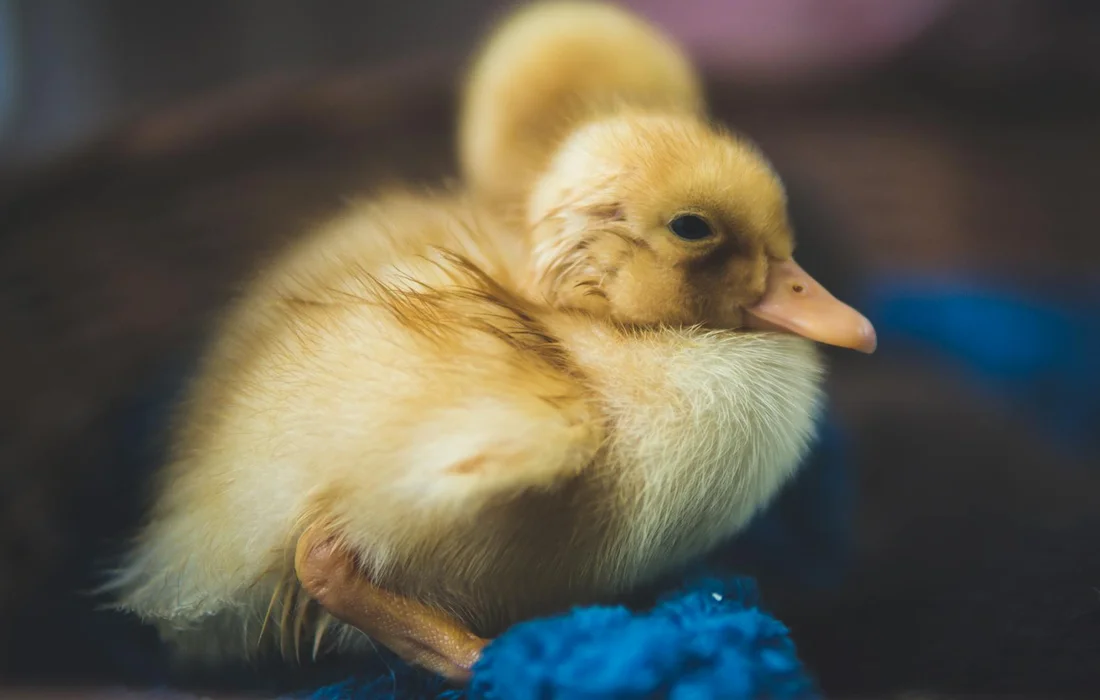
Those first fuzzy weeks are all about fast, healthy growth. You’ll want a high-protein starter crumble with at least 20% protein. Offer feed ‘ad libitum,’ meaning they should have constant access to it day and night in a dry, clean feeder. I reckon a duckling will polish off about a quarter cup of crumbles each day at first, working up to near a half cup by week’s end. Now, listen close: niacin is non-negotiable. Ducklings need far more than chicks. A lack of it causes bowed legs and stunted growth. I always mix a tablespoon of brewer’s yeast into every pound of starter feed from day one.
The Grower Phase (Weeks 5-17)
Your teenagers don’t need that rich baby food anymore. Switch ’em to a 15-16% protein grower pellet. This is when you transition from free-choice feeding to measured portions to prevent them from getting too fat, too fast. I start by offering what they’ll clean up in 15 minutes, twice a day. For most breeds, that settles around 3/4 cup of pellets per duck daily. If they’re on good pasture, you can shave a bit off that amount. Watching their condition is your best guide.
Adult Maintenance & Laying (Week 18+)
Once a hen starts laying, she needs extra calcium for strong eggshells. Switch your layers to a proper 16-18% protein layer feed. For a confined duck, a solid baseline is about 1/4 to 1/3 cup of layer pellets per bird, per day. But if your flock free-ranges on grass and bugs, they’ll supplement their own diet beautifully. My Pekins might only need a handful of pellets in the evening after a day of foraging. Ducks without pasture need their full ration to stay in good laying condition.
Senior & Non-Laying Ducks
For old-timers, drakes, or hens taking a winter break from laying, that extra calcium in layer feed is hard on their kidneys. Do their health a favor and switch them back to a simple maintenance or grower ration with lower calcium. A 14-15% protein feed keeps them at a healthy weight without the strain. I’ve got a few geriatric Calls who thrived for years on this simple switch.
Sample Daily Feeding Routines
- Morning: Offer main ration of pellets.
- Afternoon: Allow free-ranging or provide healthy treats (like chopped greens).
- Evening: A small scattering of scratch grains to lure them into the coop.
First light is when I dish out the main course-their measured portion of pellets or crumbles. This gives them energy for the day’s activities. Come afternoon, if they’re not out on pasture, I’ll toss a bowl of chopped kale, lettuce, or zucchini ends into their run. It keeps ’em busy and cuts feed costs. As dusk settles, a little trick I learned from my granddad: a handful of scratch grains scattered in the coop. They’ll happily waddle in to clean it up, making locking them up safe for the night a breeze. This rhythm mimics natural foraging and keeps everyone content.
How Much to Feed: Portion Sizes and Avoiding Overfeeding
Figuring out the right amount can feel like a guessing game, but your ducks will give you all the signs you need if you know what to look for. Overfeeding is just as troublesome as underfeeding, leading to wasted feed, messy coops, and unhealthy, overweight birds. The goal is to meet their nutritional needs without letting a single pellet go to waste.
Visual Cues: Reading Your Ducks
The best measuring cup you have is your own two eyes. After a main meal, gently feel the crop at the base of their neck-it should feel full and slightly firm, like a soft baseball, but never tight, bulging, or squishy hours later. I watch my flock’s behavior closely. A good rule of thumb is that your ducks should polish off their primary ration in about 15 to 20 minutes, leaving the feeder mostly clean. If there’s a pile of mash or pellets trampled into the mud 10 minutes after you spread it, you’re giving them too much at once.
Measuring by Weight: For Precision
For confined ducks or when you’re first getting started, a simple kitchen scale brings peace of mind. Most adult, average-sized laying ducks (like Pekins or Khaki Campbells) will do beautifully on about 6 to 7 ounces (170-200 grams) of a complete layer feed per bird, per day. Weigh it out once in a scoop so you know what that amount looks like. This method takes the guesswork out and is mighty helpful for monitoring the appetite of a bird you think might be under the weather, especially when combined with proper nutritional feeding tailored to age and breed.
Adjusting for Foraging
If your ducks have the run of a lush pasture, a bug-filled yard, or a pond teeming with greens and snails, you can and should cut back on the expensive bagged feed. They’re working for their supper! On days my flock spends all day on the pond, I’ll often reduce their evening grain offering by a quarter or more. A duck with access to excellent forage might satisfy up to a third of its diet from nature’s pantry, so adjust your portions accordingly and watch their condition. A lean, active forager is what you’re after, not a pudgy couch potato.
The Treat Rule: Keeping It in Balance
We all love to spoil our critters, but treats are the fastest way to throw their diet out of whack. Whether it’s garden zucchini, a handful of scratch grains, or tomato ends, keep all extras to less than 10% of their total daily food intake. I think of it this way: treats are for my enjoyment, their balanced feed is for their health. Offering too many snacks, especially ones low in protein, dilutes the vital nutrition they get from their formulated feed and can lead to vitamin deficiencies. Stick to healthy choices like chopped greens, peas, or worms, and always offer them *after* they’ve eaten their main meal.
Troubleshooting Common Duck Feeding Problems

Now, let’s talk about the hiccups. Even with the best schedule, your ducks might throw you a curveball. I’ve seen it all in my years on the pond, and most issues tie right back to the feed bucket or the waterer. With a watchful eye and a few adjustments, you can steer your flock back to thriving without much fuss or expense.
Picky Eaters and Wasted Feed
It frustrates me to see good feed scattered and spoiled. Ducks aren’t typically finicky, but if they’re sorting through their ration and leaving piles, you’re burning money. The root cause is often a feeder that doesn’t suit their flat bills and messy eating style. I learned this the hard way watching my Pekins fling pellets everywhere from a chicken-style feeder. This ties into troubleshooting common duck feeding issues, including nutrient deficiencies and waste management.
Here’s how I fixed it on my farm:
- Use a wide, shallow trough or a feeder with low sides. Ducks need to get their whole bill in.
- Stick to a crumble or pellet form rather than fine mash, which turns to paste and gets ignored.
- Only offer what they’ll clean up in 15-20 minutes. This encourages them to eat, not play.
- If they’re rejecting a new feed, mix it slowly with the old over a week. Sudden changes upset their routine.
A little thriftiness goes a long way. Gathering that wasted feed and scattering it on their pasture or in a deep litter area encourages natural foraging and cuts down on waste entirely.
Poor Eggshell Quality or Reduced Laying
When your nesting boxes start giving you thin-shelled or missing eggs, it’s a direct call from your hens for better nutrition. I reckon calcium is the usual suspect, but it ain’t the only one. Laying ducks work hard, and they need a steady 16-18% protein diet packed with calcium long before the first egg even forms.
Beyond the feed bucket, consider these points:
- Provide a separate dish of crushed oyster shell or limestone grit. Free-choice lets them take what they need, when they need it.
- Ensure they’re on a proper layer feed for at least a month before you expect eggs. Starter feed won’t cut it.
- Double-check their access to clean, deep water. Ducks need water to properly metabolize nutrients and form eggs.
- Remember, aging ladies lay less. A duck past her prime laying years simply won’t produce like a two-year-old, no matter the feed.
From my flock, I’ve seen eggshell strength improve within days of offering oyster shell. It’s a cheap insurance policy for strong shells and content layers.
Overweight Ducks
A pudgy duck is a duck at risk. Extra weight strains their legs and limits their natural foraging, which is a sad sight. Overweight birds often come from two things: too much rich feed and not enough green space to explore. I’ve had to put a few of my favorites on a “duck diet” after noticing they waddled more than walked.
Get your flock back in shape with these steps:
- Cut back on high-calorie treats like corn or peas. Offer them sparingly, as a training tool, not a daily meal.
- Ensure their primary diet is a balanced maintenance or layer pellet, not a high-protein starter grower.
- Encourage movement. A safe, large pasture or a pond area forces them to walk and swim, burning calories naturally.
- Monitor their condition. You should barely feel their breastbone; if it’s buried under padding, it’s time to adjust portions.
Respect their health by not letting sentiment override sense. A lean duck is an active, long-lived duck, and that’s the goal of good stewardship.
Diarrhea or Messy Water
Nothing spoils a clean coop faster than runny droppings and filthy water. This mess is usually a digestive shout for help. Diarrhea often stems from a sudden feed change, spoiled food, or a lack of grit for proper digestion. I recall a batch of feed that got damp in the store; it took me a week to clear up the resulting digestive upset in my birds.
Keep their digestion-and their water-cleaner with these tactics:
- Always provide insoluble granite grit. Ducks need it to grind their food in their gizzard, especially if they eat whole grains or forage.
- Inspect your feed for mold or off smells. Store it in metal bins to keep rodents and moisture out.
- Limit treats that are high in sugar or moisture, like lots of bread or overripe fruit, which can ferment in their gut.
- Use a waterer designed to limit dunking. A poultry fountain or a nipple system with a catch basin keeps drinking water separate from play water.
Clean water is non-negotiable for duck health. Investing in a proper water system saves you hours of cleaning and protects your flock from waterborne ailments.
Seasonal Adjustments and Practical Barnyard Tips
Just like we swap out our overalls for heavier coats, a duck’s needs shift with the seasons and life events. Good stewardship means anticipating these changes at the feed bin, not just reacting to them. A little foresight keeps your flock thriving year-round.
Winter Feeding: Fuel for the Furnace
When that north wind starts whistling through the barn boards, your ducks are burning calories just to stay warm. I always make a point to scratch in extra whole grains come late fall. A hearty evening ration of cracked corn or wheat acts like stoking a furnace, giving them energy to generate body heat through the long, cold night. I keep a bucket of this mix right by the back door, ready for a scoop at dusk.
But here’s the hitch-all that extra feed means they’ll need even more water to wash it down. A frozen waterer is a real problem. I’ve used everything from heated bases to a simple trick of swapping out ice-blocked bowls for fresh ones twice a day. They must have liquid water to eat properly.
Summer Feeding: Beat the Heat
Summer turns the barnyard into a bakery, and feed can spoil or attract pests in a heartbeat. Switch to feeding smaller amounts more frequently to keep your feed fresh and avoid unwanted visitors like weevils or rodents. I never let wet mash sit in the heat for more than an hour.
This is also the time for cool treats. My flock races over when I toss a cup of frozen peas or corn into their water tub. It’s enrichment, a coolant, and a snack all in one. Just ensure treats don’t make up more than 10% of their daily intake.
Molting Season: Protein for New Duds
Come late summer or fall, you might think a pillow fight exploded in your run. Molting ducks are diverting huge resources to grow new feathers. Temporarily boosting their protein intake to around 18-20% supports robust feather regrowth and gets them waterproofed again faster. I’ll mix in some higher-protein waterfowl pellets or even a handful of dried soldier grubs for a few weeks until those pinfeathers fill in.
Mixing Flocks: A Word to the Wise
Many of us keep ducks and chickens together, but their feed is not always interchangeable. You must never, ever feed medicated chick starter to ducklings-it can be fatal to them. I stick to a plain, non-medicated starter crumble for all my fowl babies to be safe. For those wondering about whether ducklings can eat chicken starter, and how to keep baby ducks safe, duckling feed safety is an important topic.
For adult mixed flocks, consider your feeders. Ducks will happily slobber all over chicken feed, making a soggy mess. My solution is to use a hanging poultry feeder for the chickens and a separate, wider pan or low trough for the ducks, placed near their water. This keeps waste down and peace in the pecking order.
Closing Tips & Common Questions
What’s the most important rule for a duck feeding schedule?
The core rule is providing constant access to feed for fast-growing ducklings, then switching to measured meals for adolescents and adults. This prevents both underfeeding and obesity, creating a calm, predictable routine that supports healthy digestion and flock observation. However, it’s important to understand the specific dietary needs of ducks at different stages; feeding them a balanced diet tailored to their requirements is essential.
How do I summarize the weekly feeding schedule?
From 0-4 weeks, provide unlimited high-protein starter crumbles. From 5-17 weeks, switch to measured grower pellets twice daily. At 18+ weeks, transition laying ducks to a layer feed, while non-layers and seniors do best on a maintenance ration.
Is there a duck feeding schedule calculator?
While specific online calculators are rare, you can easily calculate portions. A good baseline is 6-7 ounces (170-200g) of complete feed per average-sized adult duck daily, then adjust down based on their foraging activity and body condition. This approach is especially important when feeding species like the American Black Duck that have specific dietary needs.
Where can I find a duck feeding schedule PDF?
You can create your own personalized PDF schedule using the principles in this article. Use a simple spreadsheet to note weekly feed types, portion sizes, and seasonal adjustments for your specific flock, then save or print it for quick reference.
Should the feeding schedule change for different duck breeds?
Absolutely. Larger, meat-heavy breeds like Pekins often require more feed than lighter laying breeds like Khaki Campbells. Always use recommended portion sizes as a starting point, then adjust up or down based on the individual bird’s size, purpose, and condition.
Can technology help me manage my duck feeding schedule?
Yes. Simple phone reminders can keep your twice-daily feedings consistent. You can also use basic spreadsheet or note-taking apps to log feed amounts, track consumption trends, and set alerts for when to switch feed types as your ducks age.
Shuttin’ the Gate
We’ve covered a powerful lot of ground on what and when to feed your flock. But if you take just one thing back to the duck run with you, let it be this: a good schedule is less about the clock and more about creating a dependable rhythm your ducks can set their internal compass by, paired with your own watchful eye. Their appetites, the weather, and the seasons will whisper what they need, if you take a moment to listen.
I’m mighty thankful y’all stopped by to share in these lessons from the barnyard. There’s a deep joy in watching a well-tended flock splash and forage, their needs met by a steward who cares. Now, get on out there, scatter that last scoop of feed for the evening, and enjoy the peaceful contentment that comes with a job done right. We’ll be right here, should you need us. Happy homesteading, neighbor.
Further Reading & Sources
- Feeding Ducks | NC State Extension
- r/duck on Reddit: What’s your feeding schedule like?
- Feeding Ducks: A Guide to Keeping Your Flock Happy and Healthy
Caroline Mae Turner is a lifelong farm girl raised on red clay, early mornings, and the sounds of a bustling barnyard. With hands-on experience caring for everything from stubborn goats to gentle dairy cows and mischievous pigs, Caroline shares practical, tried-and-true advice straight from the farm. Her goal is to help folks keep their animals healthy, well-fed, and living their best barnyard life. Whether you're wrangling chickens or bottle-feeding a baby goat, Caroline brings a warm Southern touch and plenty of real-world know-how to every bucket in the barn.
Feeding Guidelines