Do Rabbits Need Hay? The Straight Answer for Healthy Herds
Published on: March 4, 2026 | Last Updated: March 4, 2026
Written By: Caroline Mae Turner
Howdy y’all. Let’s settle this barnyard question right now: rabbits absolutely need hay, every single day, and it should make up the bulk of what they eat. It ain’t just bedding; it’s the main course that keeps their delicate digestive systems moving and their constantly growing teeth worn down proper.
- An unlimited supply of fresh, dry hay (a bale goes a long way!)
- A good hay rack or feeder to keep it clean and minimize waste
- A clean, dry spot in the hutch or cage to offer it
Stick with me, and we’ll sort through the best types, how much is too much, and how to make this simple chore a cornerstone of your rabbit care.
The Non-Negotiable Importance of Hay in a Rabbit’s Diet
Let me be plain as day: good hay is the very cornerstone of a rabbit’s health, as vital as a sturdy roof on a coop. It ain’t just bedding or a snack; it’s the main course, every single day. Without it, their whole system grinds to a halt. I learned this not from a book, but from a pair of lackluster does years back who perked up brighter than a new penny when I switched from a mediocre bale to lush, green timothy. The difference wasn’t just in their energy; their coats softened and their litter habits became more regular, a sure sign of a happy gut.
- Fiber Source: This long-stem roughage is the fuel for their digestive engine, preventing deadly blockages and slowdowns.
- Dental Wear: Their teeth grow constantly, and hay’s abrasive texture files them down naturally with every chew.
- Mental Stimulation: Foraging through a big pile of hay keeps boredom at bay, curbing naughty behaviors like cage chewing.
- Hydration Aid: Good hay holds a bit of moisture, giving them a little extra water intake with every bite.
Hay as Digestive Engine: Keeping the Gut Moving
A rabbit’s gut is built to be in near-constant, gentle motion, and hay is the piston that drives it. That long-stem fiber acts like a slow-moving conveyor belt, pushing everything through and preventing a condition we dread: GI stasis, where the gut just stops. Think of it like a cow’s need to chew cud; without that coarse roughage, their complex digestion simply cannot function properly. A diet of only pellets or treats is a surefire path to a bloated, miserable, and dangerously sick bunny.
A Natural Tooth File: Preventing Dental Overgrowth
Here’s a fact that’ll make you watch what they chew: a rabbit’s teeth can grow up to five inches a year. If they aren’t worn down, they become painful spikes and spurs that make eating impossible. Soft foods like pellets alone won’t do the job. The sustained, grinding action required to break down fibrous hay stalks is the only thing that applies even wear across all those constantly erupting teeth. I’ve seen the aftermath of dental neglect, and trust me, feeding plenty of the right hay is a kindness that prevents a world of suffering. If you’re ever unsure about your rabbit’s interest in hay, especially when they seem to fail to eat it altogether, that’s a sign to investigate further.
How Much Hay to Feed: Daily Guidelines for a Balanced Diet
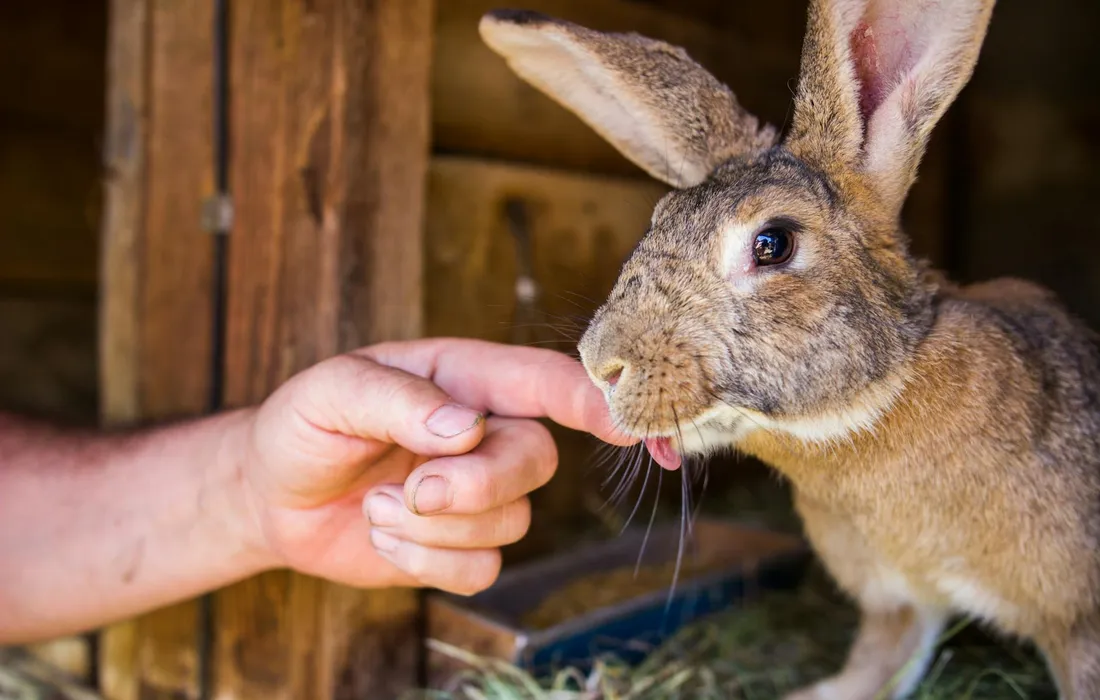
Let’s settle this pasture debate once and for all: your rabbit needs hay in front of it, all day, every single day. This isn’t a suggestion; it’s the cornerstone of good husbandry. I keep hay racks fuller than my coffee mug, from sunrise check-in to evening lock-up.
The only correct amount is an unlimited amount, refreshed and available 24 hours a day.
For a handy visual, aim to offer a fresh pile roughly the size of your rabbit’s body each day. Your daily management should be as regular as the rooster’s crow:
- Fill the Hay Rack Morning and Night: Top it off completely during your feeding rounds. I use a sturdy rack over a litter box to encourage clean eating and reduce waste.
- Remove Any Soiled or Damp Hay Immediately: Wet hay molds quicker than milk sours in the sun. Pull it out to keep the rest clean and appetizing.
- Monitor How Much They’re Actually Eating: Is the rack emptying or just getting messy? A sudden drop in consumption is your first sign to check teeth, stress, or illness.
This constant access mimics their natural need to forage nearly constantly, which keeps their gut moving and their mind peacefully occupied. A bored rabbit is a destructive rabbit, but a rabbit with endless hay is a contented one.
Adjusting for Life Stage: From Kits to Senior Rabbits
Just like you wouldn’t feed a calf the same as a milk cow, a rabbit’s hay needs shift with time. Getting this right sets them up for a lifetime of health.
For those bouncing baby kits (up to about 7 months), I start them on a legume hay like alfalfa. It’s richer in protein and calcium, which supports that rapid growth spurt. But here’s the key switch: as they approach adulthood, you must transition them off it. Around 4-5 months, begin mixing in grass hays like timothy or orchard, and aim to have them fully on grass hay by 7 months to prevent urinary issues from excess calcium.
Adult rabbits, from about a year old onward, thrive on unlimited grass hay. This is their steady workhorse forage for the prime of life.
When my old-timers start showing their years, with perhaps slower-moving teeth or a thinner frame, I get choosy with my cuttings. A softer second or third cutting of timothy is easier for them to chew and digest. For a senior with dental problems, that softer hay isn’t a luxury; it’s a necessity to keep weight on them and comfort high.
Recognizing Proper Hay Intake
You can tell a hay-happy rabbit without seeing it eat a single strand. Their whole being shows it. Here’s what to look for in your daily checks:
- Consistent, Round, and Firm Droppings: Those plentiful, dry fecal pellets are the gold standard of a healthy, hay-fueled digestive tract. It’s the best report card you’ll get.
- A Healthy, Stable Weight: You should feel a smooth layer over their ribs, not sharp bones or a pudgy blanket. Proper hay consumption maintains this balance beautifully.
- Visible Engagement with the Hay: You’ll see them nosing through it, pulling strands to nibble or even thoughtfully arranging it for a nap. When your rabbit uses its hay for both food and frivolity, you know you’ve provided well.
The Risks of Overfeeding and Imbalance: More Isn’t Always Better
Now, I reckon this is where many well-meaning folks get tripped up. We hear “unlimited hay” and think any hay will do, fed any which way. That’s a path to trouble. The key ain’t just the quantity, but the quality and kind of forage you’re offering.
You see, a rabbit’s digestive system is a finely tuned engine that runs on long-stem fiber. Providing a constant supply of the correct grass hay keeps that engine humming and prevents catastrophic breakdowns. But shove the wrong fuel in there, and you’ll have a real mess on your hands.
Obesity and Selective Eating: The Alfalfa Problem
Let’s talk about alfalfa. It’s a legume hay, rich and green, and smells like a sweet summer field. I used to think it was the best thing going for all my stock. For baby bunnies and nursing does, it’s a powerhouse, packing over 16% protein and high calcium for growth. But for your average adult rabbit, it’s like feeding them cake and ice cream for every meal.
The trouble is twofold. First, the high calorie content piles on the pounds faster than you can say “chunky bunny.” An obese rabbit struggles to groom itself, leading to a sore, fly-strike prone backside, and puts terrible strain on its joints. Second, that abundant calcium doesn’t just make for strong bones-a rabbit’s body excretes excess calcium through its urine, which can thicken into a dangerous, sand-like sludge in the bladder.
I learned this lesson with a sweet Dutch buck named Barnaby. He was on an alfalfa mix a tad too long and started leaving chalky white urine spots. Switching him to a steady diet of timothy hay cleared that sludge right up and helped him slim down to a healthy, hoppy weight. Save the alfalfa for the youngsters, the pregnant mamas, or as a very occasional sprinkle for adults.
Ensuring Hay Quality to Avoid Digestive Stasis
Even with the right type of hay, poor quality can halt your rabbit’s gut in its tracks. GI stasis is a silent emergency, often started by a lack of appetite due to bad forage. You must become a hay connoisseur for your flock’s sake.
When you open a bale or a bag, use your senses. Good hay should smell clean and fragrant, like a sun-dried meadow. It should have a greenish tint, not be all brown and straw-like. Most critically, it must be free of dust and mold. Musty hay or hay with visible gray or white fuzzy patches is poison. Inhaling spores causes respiratory distress, and eating mold is a direct ticket to severe digestive upset.
Store your hay in a dry, airy place off a concrete floor. I keep mine in an old wooden wagon bed in the barn loft. A simple test is to grab a handful, give it a good shake away from your face, and watch for a dust cloud-if you see one, that hay belongs in the compost, not the hutch. Your rabbit’s constant gnawing is your best gauge; they’ll turn their nose up at stale hay, and that’s the first warning sign you must heed.
Practical Hay Stewardship on the Homestead
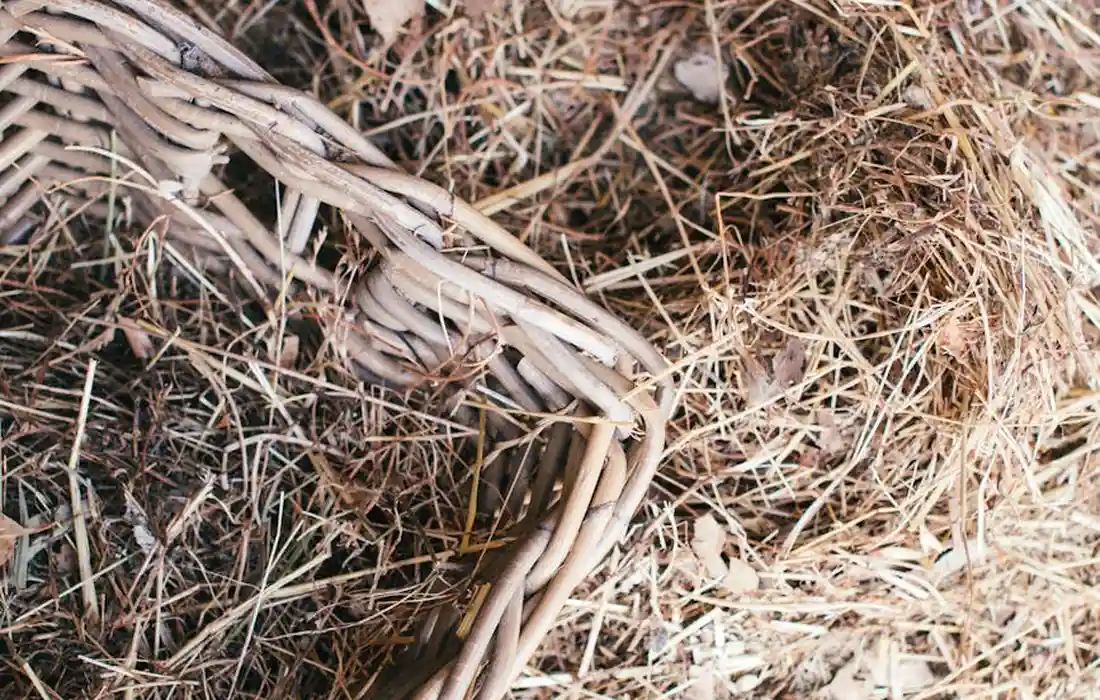
Managing hay wisely is where thriftiness meets good animal care head-on. I treat my rabbit hay with the same respect as the bales for my goats and sheep, because waste here is money lost and nutrition squandered. Over the years, I’ve found that a few simple, homestead-tested habits make all the difference.
Your first decision is where to buy. Bagged hay from the feed store is easy, but buying by the bale from a local farmer is almost always cheaper per pound. For the cost of a few bags, you can often get a whole square bale that will keep a rabbit in hay for months. Before you buy any bale, give it a good inspection. Heft it-it should feel dry and sturdy, not heavy with moisture. Crouch down and look for a green color and a sweet, clean smell. Avoid any bale that feels hot, smells musty, or shows grayish dust or mold.
Sourcing Good Hay: Beyond the Feed Store
Skip the middleman when you can. Building a direct line to a local hay farmer is the single best way to secure quality forage. My longtime supplier, a fella named Eli, lets me walk his fields before cutting and knows I want that good, leafy second-cut timothy for my rabbits. That relationship means better hay at a fair price, and you learn the story behind your feed.
When you’re looking at a potential source, use your senses. Good hay has a vibrant green hue and a fragrance like a sun-dried meadow. Steer clear of bales that are overly stemmy, brown, or packed with weeds like foxtail or ragwort, as these can be tough on delicate rabbit digestion. A little clover mixed in is fine, but the hay should be mostly grass or legume, not a weed lot.
Proper Storage to Preserve Nutrition and Prevent Waste
How you store hay directly impacts its quality and your wallet. I keep my rabbit hay in the same shed as my goat hay, following the same rules of dryness and airflow that have never failed me. Poor storage leads to mold, dust, and ruined feed, but doing it right is straightforward.
- Get bales up off the concrete. Moisture seeps up from floors, so place bales on wooden pallets, scrap lumber, or a raised rack to create a breathable buffer.
- Cover them with a tarp in a ventilated shed. The tarp shields from dust and driving rain, but the shed’s airflow prevents condensation and heat buildup that cause mold.
- Always use the oldest bales first. Practice first-in, first-out rotation to ensure no bale languishes and loses its nutritional value or becomes a pest hotel.
Rodents are drawn to hay stacks for food and shelter. Keeping bales elevated, covered, and in a tidy space is your first defense, and a good barn cat is a mighty fine second one. I check my storage corner weekly for signs of mischief, because preventing waste is a core part of homestead stewardship.
Integrating Hay with a Complete Barnyard Diet
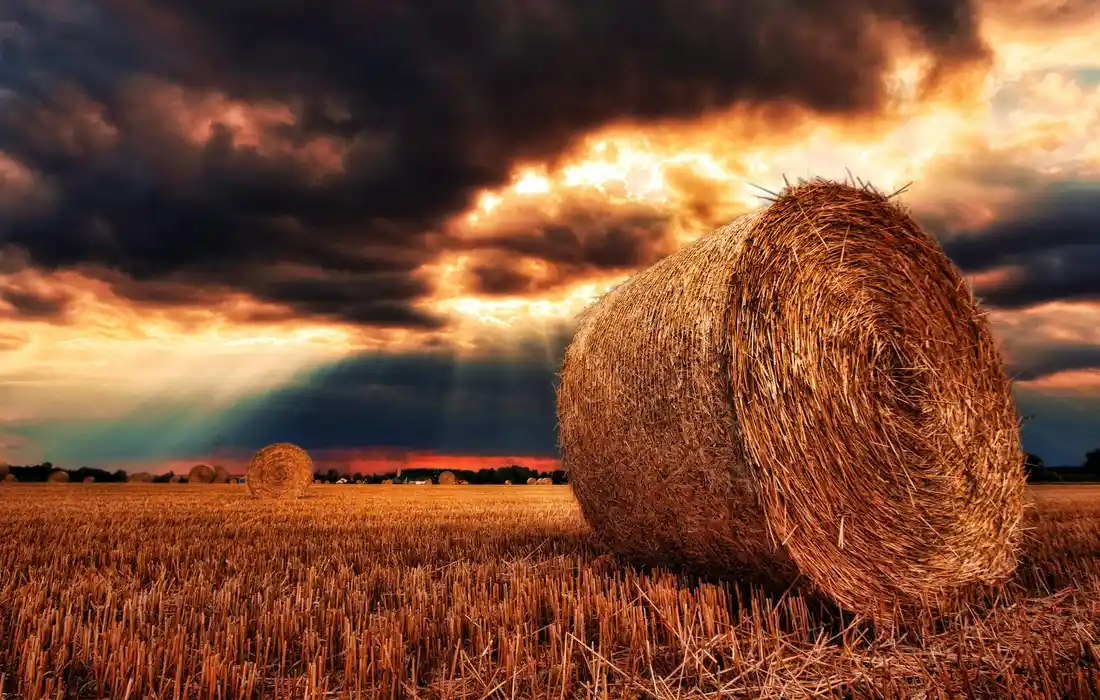
Think of your rabbit’s diet like a well-balanced plate for your livestock. Hay is the hearty base, making up 80 to 90 percent of what they should consume. You balance that foundation with careful portions of pellets and fresh greens. Just as you wouldn’t let chickens fill up on scratch grains alone, you must balance hay, pellets, and greens to keep your rabbit’s nutrition on track. From my own barn, I’ve learned this mix prevents picky eating and promotes robust health. Using the right hay is crucial for their digestion and overall well-being.
Fresh, clean water is the silent partner in this equation. It’s absolutely critical for hydration and digestion. Water works with hay fiber to keep the digestive tract functioning smoothly, preventing dangerous blockages. I always say a full waterer is as important as a full hay rack.
Pellets: A Concentrated Supplement, Not a Main Course
Pellets are powerful stuff—a concentrated nutrient boost, not the main feed. I limit my adult rabbits to a small, measured amount each day. For a standard-sized breed, that’s about a quarter to a half cup. This measured approach ensures they eat their hay first, which is essential for dental and gut health. It’s important to know how many pellets a rabbit should eat daily.
Pay close attention to the protein percentage on the bag. For adult maintenance, look for pellets with 16-18% protein. Young, growing kits or nursing does will need a higher percentage, around 18-20%, to support their extra demands. Treat pellets like a vitamin, not a staple.
Adding Fresh Greens and the Role of Water
Fresh greens add valuable moisture and nutrients. Start with safe, common options from your garden or market. My rabbits have always enjoyed:
- Romaine lettuce (a far better choice than watery iceberg)
- Fresh cilantro or parsley
- Carrot tops and beet greens from the root cellar
Introduce any new green slowly, over the course of a week, to avoid digestive upset. A sudden influx of greens can lead to soft stool, so patience is key.
Never underestimate the role of water. It is non-negotiable. Hay fiber cannot do its job without ample water to move it through the system. I use heavy ceramic bowls that can’t be tipped and check them twice daily. Proper hydration keeps everything running like a well-oiled machine.
Closing Tips for the Hay-Conscious Homesteader
Where’s the best place to buy hay for my rabbits beyond a feed store?
The best hay often comes directly from a local farmer. Check farming bulletin boards, local feed co-ops, or ask other livestock owners in your area. Buying a whole bale is far more economical and allows you to inspect the quality firsthand before you buy.
Can I use the same hay for bedding and for eating?
Yes, you can, and many homesteaders do. The key is ensuring it’s clean, dry, and dust-free. Placing a generous layer in a litter box or nesting area encourages natural foraging behavior, as rabbits often graze while they rest.
What’s the real difference between 1st and 2nd cutting hay, and how do I choose?
First cutting is stemmier and higher in fiber, ideal for digestive health, while second cutting is leafier, softer, and often more palatable. For most adult rabbits, a good second cutting grass hay like timothy is the perfect daily staple that they’ll readily eat.
Is hay from big box stores like Walmart suitable for rabbits?
It can be, but you must be a vigilant inspector. Check the packaging date and look through the window for color and leafiness. Often, bagged hay can be older, dustier, or stemmier than hay from a fresh local bale.
How can I find good rabbit hay in regions like India or the Philippines?
Focus on identifying locally available grass hays. Look for oat hay, bermuda grass, or native pasture grasses. Connect with local rabbit breeding groups or small-scale dairy farmers, as they are excellent resources for finding quality, affordable forage in your specific region.
What’s your final, simplest tip for picking the right hay?
Use your senses. Good hay smells sweet and fresh, has a green color, and is free of dust or mold. When in doubt, choose a softer, leafier grass hay (like 2nd cutting timothy or orchard grass) to ensure your rabbits actually eat the vital fiber they need.
Shutting the Barn Door
When all’s said and done, the answer is as simple as a sunbeam in a clean stall. An unlimited supply of fresh, high-quality hay is the absolute bedrock of good rabbit husbandry, far more critical than any fancy pellet or treat. It keeps their digestion turning like a well-oiled machine and their teeth in proper working order. My own rabbits have taught me that when the hay rack is full, the binkies are plenty and the vet bills stay low.
I reckon y’all have got this. There’s a deep, quiet satisfaction in hearing the steady crunch of a rabbit contentedly working on its evening hay. It’s the sound of a simple life, done right. Thank you for caring enough to learn for their sake-now go enjoy your happy, munching critters.
Further Reading & Sources
- Hay should make up 80-90% of a rabbit’s diet | Why is hay so important for rabbits?
- All About Hay – San Diego House Rabbit Society
- Rabbit Hay Basics. What You Need To Know. | Small Pet Select
Caroline Mae Turner is a lifelong farm girl raised on red clay, early mornings, and the sounds of a bustling barnyard. With hands-on experience caring for everything from stubborn goats to gentle dairy cows and mischievous pigs, Caroline shares practical, tried-and-true advice straight from the farm. Her goal is to help folks keep their animals healthy, well-fed, and living their best barnyard life. Whether you're wrangling chickens or bottle-feeding a baby goat, Caroline brings a warm Southern touch and plenty of real-world know-how to every bucket in the barn.
Diet Requirements