Raw or Cooked Potatoes: Your Safe Feeding Guide for the Backyard Flock
Published on: March 8, 2026 | Last Updated: March 8, 2026
Written By: Caroline Mae Turner
Howdy y’all, and welcome back to the barn. Staring at a bag of sprouting spuds and wondering if they’re a blessing or a blight for your chickens? The farmer’s fix is straightforward: always cook potatoes for your flock and never, ever feed them green or raw potatoes, skins included. It’s one of those simple kitchen-scrap rules that keeps your birds safe and turns waste into a worthwhile treat.
Let’s get this common chore sorted, so you can get back to the rest of your homestead with confidence.
The Core Question: Can Chickens Eat Potatoes?
You can bet your best feed bucket they can, but the answer hinges entirely on how you serve them. I’ve watched my flock gobble up cooked potato mashes for years, but I treat raw spuds with the same caution I give a wobbly fence post-it’s a risk not worth taking. The whole conversation revolves around a natural toxin called solanine, and getting friendly with that fact is the key to keeping your birds safe and well-fed.
The Straight Talk on Raw Potatoes and Chicken Health
Let’s not sugarcoat it: I don’t feed raw potatoes to my chickens. A raw potato, especially one that’s gone green or started sprouting, contains solanine and other glycoalkaloids. For a chicken, these compounds can mess with their nervous and digestive systems, leading to anything from an upset crop to real serious illness. The danger is highest in the green skin, the sprouts, and the “eyes.” I recall pulling a sack of taters from the root cellar last spring that had sent out long, pale shoots; those went straight to the compost heap, not the run. Some seasoned keepers will offer bits of non-green peel in strict moderation, but my rule is simpler: when in doubt, cook it out.
When Raw Potato Scraps Become a Risk
When you’re peeling spuds for supper, it’s mighty easy to think about tossing the scraps to the eager crowd by the back door. You have to be the gatekeeper. Creating a hard “no-fly” zone for certain scraps protects your flock from a bellyache you can’t fix. Here’s my short list of what never sees the inside of the run:
- Green Potatoes: Any hint of green tinge on the skin means solanine levels are elevated.
- Sprouted Potatoes: Those sprouts are packed with the stuff, and the potato itself is changing.
- Potato Plant Vines & Leaves: The above-ground parts of the plant are even more toxic than the raw tuber.
The Safer Route: Feeding Cooked Potatoes to Your Flock
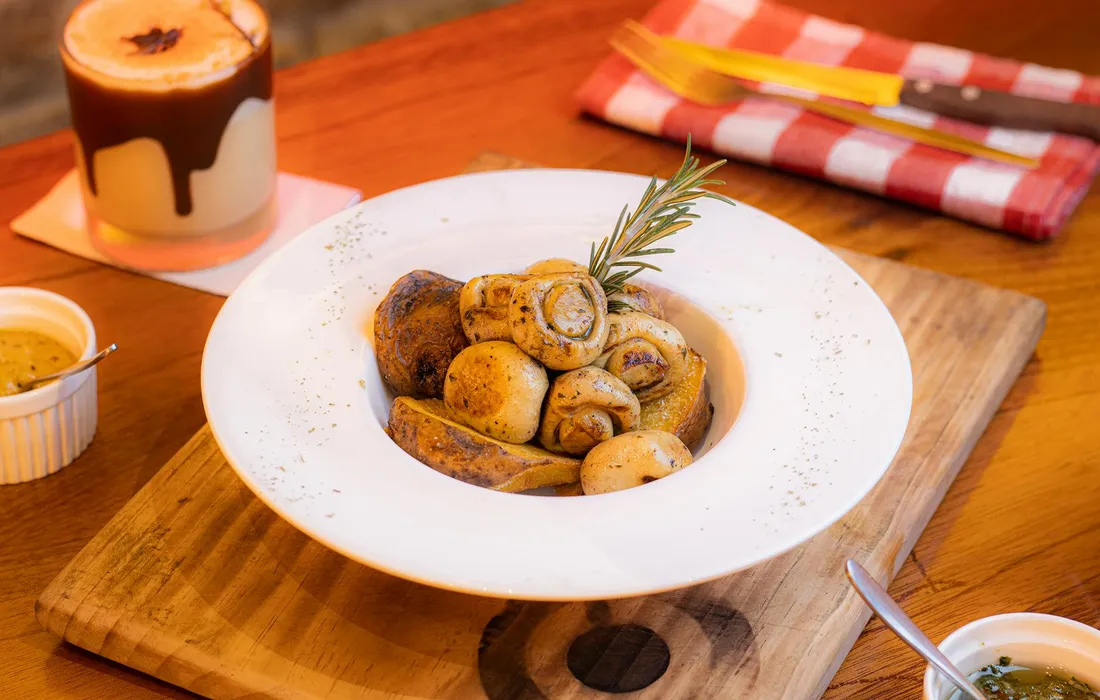
Now, I reckon most folks in the barnyard know a raw potato can be trouble, but the magic happens when you apply a little heat. Cooking potatoes thoroughly is the key to dismantling solanine, that natural toxin that can ail your chickens. I remember one chilly fall when I got lazy with some sprouted spuds, and my ol’ hen Bertha taught me a lesson in vigilance I won’t forget.
- You want to prepare those taters plain as can be-boiled, baked, or steamed with absolutely no salt, butter, or seasonings. A chicken’s system isn’t built for our flavorings. This plain preparation turns a risky item into a safe, starchy delight your flock will cluck for. Always view cooked potato as a occasional treat to supplement their balanced feed, never as a diet staple. It’s a splendid way to use up kitchen scraps without waste, but their proper ration must remain the core of their nutrition.
How to Prep Taters for Your Hens
Follow these steps like you’re followin’ a trusted recipe, and you’ll have a happy, healthy flock peckin’ away. I’ve used this method for years to turn spare potatoes into a fun backyard event—just like in my guide for preparing vegetables for chickens.
- Select only sound, non-green potatoes. Give each potato a good inspection in your hands. Any green tinge to the skin or eyes sproutin’ means you need to cut that portion away deeply or, better for peace of mind, compost it entirely. Startin’ with a clean, firm potato is your first and best defense.
- Cook thoroughly until soft (boiling is easiest). I favor boiling for simplicity-just cover them chunks with water and let them simmer until they’re fork-tender all the way through. This consistent heat is what fully neutralizes any problematic compounds, makin’ them safe for consumption.
- Cool completely and mash or chop. Let those cooked potatoes cool down to room temperature on the counter. Then, take a masher or a knife and break them into a rough mash or small, peck-sized pieces. This cooling step is crucial to prevent any risk of burnin’ your bird’s sensitive crop.
- Mix into their regular feed or scatter as a forage stimulant. For a easy meal blend, I’ll stir a cup of mash into their layer crumbles. To spark their natural instincts, I love scatterin’ the chopped bits across their run. This turns a simple kitchen leftover into a valuable enrichment activity that keeps your birds busy and content.
Understanding Potato Toxins: Solanine and Glycoalkaloids
Now, let’s talk about the part of the potato that gets a bad name. Those toxins, solanine and glycoalkaloids, sound mighty scientific, but think of them as the plant’s own bitter security system. They’re natural compounds the potato uses to fend off insects, fungi, and yes, curious creatures lookin’ for a snack.
I’ve dug up my share of spuds with a greenish tint under their skin, and that’s your first visual clue. The highest concentration of these bitter compounds builds up right in the skin and the flesh directly underneath, especially when exposure to light causes that green color to appear. Those long, gnarly sprouts pushing out of an old potato’s eyes are also packed with the stuff.
Here’s where a lot of folks get tangled up: toxicity is dose-dependent. A big animal like a cow might handle a nibble better than a petite hen. But we don’t gamble with our flock’s health around here. Considering a standard laying hen might only weigh five or six pounds, it doesn’t take much of the wrong thing to cause real trouble. Their small body weight means the margin for error is slim.
You can sometimes taste the danger yourself. A raw potato with high toxin levels will have a distinctly sharp, burning bitterness. If a raw potato tastes off or makes your mouth feel funny, that’s nature’s red flag waving at full mast-don’t feed it to your birds. I reckon I’ve tossed more than a few spuds back on the compost heap because of that very test. That caution isn’t limited to birds. Some readers wonder about rabbits and potato peels or plant scraps—raw potatoes and their skins can be toxic, and cooked potatoes aren’t a safe option for rabbits either.
- The green color under the skin is a major warning sign of toxin buildup.
- Sprouts and “eyes” are toxicity hotspots and should always be removed.
- Never feed spoiled, damaged, or visibly green potatoes to any livestock.
- A chicken’s small size makes it far more susceptible than larger farm animals.
Potato Parts: A Guide to What’s Safe and What’s a Straight-Up Hazard
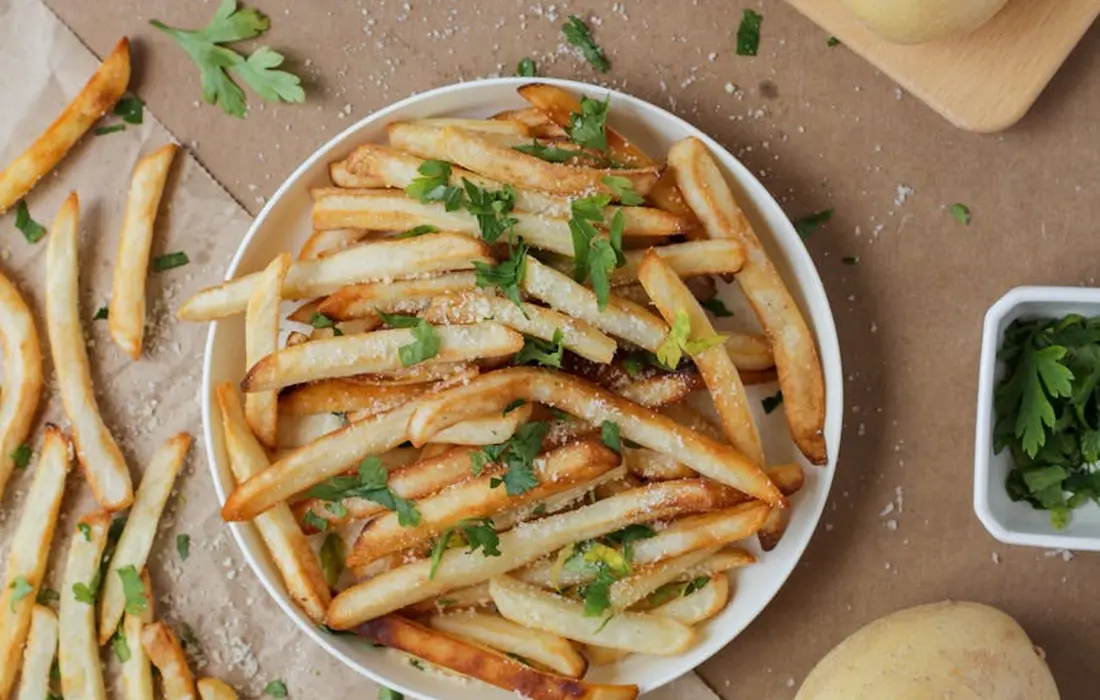
Well, friends, let’s sort the treasure from the trash right here. In my years of tossing scraps from the kitchen porch, I’ve seen what makes chickens thrive and what makes them back off slow. Feeding potatoes isn’t about being wasteful; it’s about being wise with what the good earth provides, and that means respecting the natural toxins in this tuber. I once had a pully get into some discarded peelings and spend a sorry afternoon looking peaked—a lesson learned without much cost, thank goodness. Use this table as your quick-reference guide next time you’re holding a spud, especially when it’s sweet potatoes for chickens.
| Safe to Feed | Unsafe / Hazardous |
|---|---|
|
|
Recognizing Trouble: Symptoms of Potato Poisoning in Chickens
Chickens have a stubborn pride about ’em, often hiding their ailments until things get real serious. You must become a keen observer of your flock’s normal hustle and bustle to catch the subtle shifts that signal trouble. I learned this the hard way years back when a batch of green taters snuck into the scrap bucket. The signs came on quieter than a mouse in the hayloft.
- Lethargy and Depression: A bird that’s usually first to the scratch grain but now sits hunched and puffed up, eyes half-closed.
- Muscle Tremors or Convulsions: Fine shivering or outright jerking, often seen in the legs and wings.
- Respiratory Distress: Panting, open-mouth breathing, or a rattling sound from the chest-this one always gets my heart racing.
- Digestive Upset: Watery, greenish, or unusually foul-smelling diarrhea.
- Loss of Coordination: Stumbling, wobbling, or inability to stand properly.
- Weakness and Paralysis: A progressive heaviness, leading to the bird being down on its breast.
That old hen of mine, Maisy, showed the tremors and labored breathing before she went still. Early detection is your strongest tool because by the time symptoms are obvious, the toxins have a deep hold. If you spot even one of these signs after a potato incident, consider it a five-alarm barn fire and seek veterinary guidance straight away.
What to Do If You Suspect Poisoning
When you suspect solanine poisoning, action trumps panic every single time. Having a clear, practiced response can make all the difference for that suffering bird. Here’s the exact sequence I follow, born from grim experience and vet advice.
- Immediately remove any remaining potato material. Scout the run, coop, and feeding areas for peels, sprouts, or raw bits. Get every last piece out of reach.
- Provide plenty of fresh, clean water. Hydration is critical for dilution and helpin’ the kidneys work. I’ll sometimes offer electrolyte water, but plain is perfect-just make sure they can access it easily.
- Isolate the affected bird in a quiet, warm space. A separate crate or box with deep, soft bedding reduces stress and prevents pecking from flockmates. Warmth supports their body’s fight.
- Contact your veterinarian without delay. Be ready to tell them what was eaten, how much, and the timeline of symptoms. They may advise activated charcoal or specific treatments you can’t get over the counter.
I keep a quarantine box and my vet’s number on the milk room wall for this very reason. Time is the one resource you can’t get back, so never delay calling for professional help. Your quick thinking is that chicken’s best chance, especially when dealing with common ailments like respiratory issues or worms.
Practical Feeding: Guidelines, Portions, and Preparation
Alright, friends, let’s talk about the how-to. After many seasons at the barn door with a bucket, I’ve learned that feeding potatoes is less about the spud itself and more about the wisdom behind the handout. You must always frame potatoes as a treat, a little somethin’ extra that never crosses the line past 10% of their daily diet. Be mindful of safety risks when feeding potatoes to cows; avoid green or sprouted tubers and keep portions small. Their proper feed is the cornerstone of their health; treats are just the icing on the cake.
Figuring Out the Right Amount
Portion size is where good intentions can go sideways. For your standard laying hen, think small. I’ve found that a modest 1 to 2 tablespoons of cooked potato per bird is the sweet spot-enough for a taste but not enough to fill them up. You can scatter this amount for a flock, but always ensure each hen has room to get her share without a squabble.
Why Moderation is Non-Negotiable
It ain’t just about quantity; it’s about safeguardin’ their insides. Potatoes are starchy, and a chicken’s digestion isn’t built for a heavy load of ’em. Overfeeding can lead to sour crop or nutritional deficiencies, as packed crops leave no room for the balanced feed they truly need. I offer these treats sparingly, never more than twice a week, to keep everything in harmony.
Your Simple Preparation Protocol
How you serve is just as important as how much. My method is straightforward and born from experience.
- Cook It Through: Always boil, bake, or steam those taters until they’re soft. This step is your safety net against any lingering solanine.
- Serve It Plain: No butter, salt, or seasonings. Our critters thrive on simplicity, and added ingredients can do more harm than good.
- Mix It In: Mash that cooked potato and stir it into a handful of scratch grains or chopped kitchen greens. This “mixing out” technique prevents any one chicken from hogging the treat and mimics natural foraging.
Through all my years, one phrase has rung true at every feeding: “When in doubt, cook it plain and mix it out.” That’s the golden rule that’ll keep your flock cluckin’ contentedly and your mind at ease.
Beyond Potatoes: Nutritious Alternatives for Your Flock
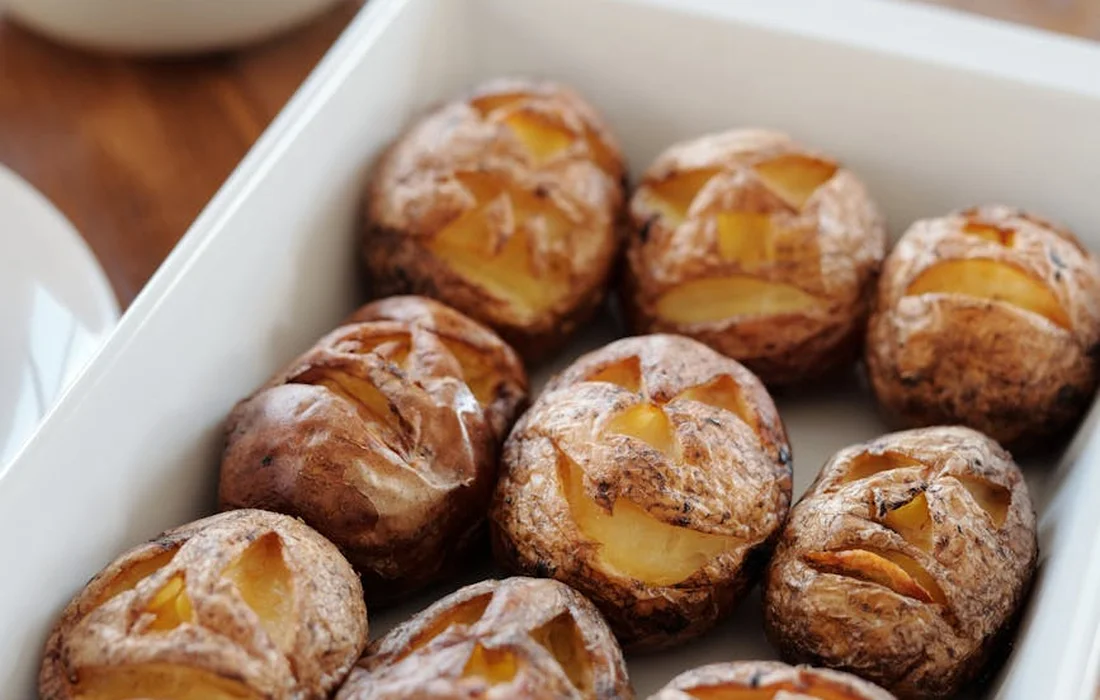
While we’ve been chatting taters, your kitchen and garden hold a bounty of safer, simpler scraps your birds will adore. I reckon a varied diet keeps hens happy and curious, just like us.
Stick with the classics from the garden plot: winter squash, pumpkins, cucumbers, and peeled zucchini are always a hit and carry next to no risk. My flock will fight over a halved pumpkin, seeds and all, and those seeds are a natural dewormer to boot.
For a regular treat that feels special, lean on these low-risk options:
- Leafy Greens: Kale, lettuce, chard, and carrot tops. I hang a whole cabbage in the run for wintertime pecking entertainment.
- Grains & Corn: Scratch grains, plain cooked oatmeal, or a handful of cracked corn on a cold morning. This is energy food, not nutrition food, so go easy.
- Fruits & Veggies: Chopped apples (seeds are fine), berries, watermelon, peeled bananas, and cooked beans. They go wild for a melon rind.
- Protein Boosts: Mealworms, plain yogurt, or scrambled eggs. Yes, eggs! It’s an excellent protein recovery treat for molting hens.
Remember, every bite of treat is a bite they’re not taking of their complete feed. I keep a simple rule: treats should never make up more than 10% of their daily intake. Their main job is laying eggs, and that requires serious, balanced nutrition only a quality layer feed can provide consistently.
That bag of layer feed is the cornerstone of their health, their shell strength, and your basket count. Think of all these wonderful kitchen scraps and garden goodies as the flavorful garnish on the substantial, nourishing meal you’ve already laid out for them. A little variety spices up life, but the foundation never changes.
Closing Questions: Raw Potato Safety for Your Flock
If a little raw potato is so bad, why don’t wild birds get sick from it?
Wild birds and chickens have very different foraging habits and diets. Understanding chicken diet basics helps you feed your backyard flock properly. A varied, balanced feed keeps them healthy and productive. Your backyard flock relies on you for their primary nutrition and may overconsume a single item, like potato scraps, which wild birds would not.
What should I do immediately if I just saw my chicken eat a piece of raw potato?
Remove any remaining raw potato immediately and observe the bird closely for the next several hours. Ensure they have plenty of fresh water to help dilute any toxins and be ready to contact a vet if you see any signs of lethargy or distress.
I’ve heard pigs can eat raw potatoes. Why are they different from chickens?
Larger animals like pigs have a greater body mass and different digestive physiology, making them more tolerant of certain compounds. A chicken’s small size means the toxic dose of solanine is much lower, making the risk unacceptably high.
Are the peels from a fresh, non-green, non-sprouted potato truly unsafe if raw?
While the risk is lower with a perfect, fresh peel, it still exists as all raw potato skin contains solanine. The safest, simplest barnyard rule is to cook all peels to completely neutralize the threat before feeding them to chickens.
Does cooking potatoes remove any nutritional value for the chickens?
No, cooking does not diminish the starchy energy value of the potato for your flock. It simply breaks down the harmful glycoalkaloids, transforming a hazardous food into a safe, digestible treat.
What’s the single most important rule for feeding potatoes to chickens?
Always cook potatoes thoroughly and serve them plain. This one practice eliminates the primary danger (solanine) and avoids other health issues from additives like salt or butter, keeping your flock safe.
Shutting the Gate
After all these years with chickens cluckin’ round my boots, the clearest lesson is that good stewardship often means just stickin’ to the basics. I’ll never forget the winter my favorite barred rock hen got into some raw peelings and spent a day lookin’ downright miserable. For happiness in the henhouse, keep your potato treats cooked, cool, and limited to occasional handfuls, ensuring your birds get their vital nutrients from balanced feed first. This simple habit turns a potential poison into a safe, warmin’ snack and lets you sleep easy knowin’ your flock is well.
Don’t let worry over every little detail cloud the joy of keepin’ animals. True thrift and contentment are found in the daily rhythm of care, the sight of a healthy flock foragin’ in the dusk. I’m right grateful for the chance to chat with y’all. Now, go enjoy the simple pleasure of your own back yard-your chickens are waitin’, and so is that quiet satisfaction only this life can bring.
Further Reading & Sources
- Can You Eat Raw Potatoes? Here’s What a Dietitian Has to Say
- Eating Raw Potatoes: Healthy or Harmful?
- Cooked Versus Raw – PKU News
Caroline Mae Turner is a lifelong farm girl raised on red clay, early mornings, and the sounds of a bustling barnyard. With hands-on experience caring for everything from stubborn goats to gentle dairy cows and mischievous pigs, Caroline shares practical, tried-and-true advice straight from the farm. Her goal is to help folks keep their animals healthy, well-fed, and living their best barnyard life. Whether you're wrangling chickens or bottle-feeding a baby goat, Caroline brings a warm Southern touch and plenty of real-world know-how to every bucket in the barn.
Diet Requirements