Can Rabbits Eat Sunflower Seeds? Your Barnyard Guide to Safe Feeding
Published on: March 15, 2026 | Last Updated: March 15, 2026
Written By: Caroline Mae Turner
Howdy y’all. You’re standing there with a handful of seeds, your bunny is looking hopeful, and you’re wondering if this common snack is a treat or a trouble. The short answer is yes, but think of them like candy for your rabbit-a tiny bit on a rare occasion is the only safe way.
- What you’ll need:
- A small stash of plain, raw, unsalted sunflower seeds (shells on or off).
- A proper 1/4 teaspoon measuring spoon (no eyeballing!).
- A healthy, adult rabbit with a steady diet of hay and greens.
Don’t you worry one bit-we’re going to sort through the husk of this question so you can feed with confidence and get back to the rest of your critters.
The Straight Answer on Sunflower Seeds for Rabbits
Yes, rabbits can eat sunflower seeds, but only as an occasional treat under strict conditions. I reckon that’s the simplest way to put it, friend.
I learned about treat moderation the hard way with my flock of barred rocks. I’d hand out cracked corn like it was candy, only to find my hens getting a bit too plump for their own good. That barnyard lesson taught me that every critter has a treat threshold we must respect.
- Always unsalted. A rabbit’s kidneys are no match for added sodium.
- Always shelled. The hulls are a choking and blockage hazard we can easily avoid.
- Never a diet staple. These seeds are a snack, not a food group.
Our domestic bunnies live a life far removed from their wild cousins. A wild rabbit forages for diverse, fibrous plants, while a pet rabbit relies entirely on our choices. That trust means we have to be smarter about what we offer.
Weighing the Risks: Safety Concerns Every Keeper Must Know
-
The biggest worry is the high-fat content, which can swiftly lead to obesity and hepatic lipidosis. This fatty liver disease is a serious, often fatal, consequence of a diet too rich in fats.
-
Seeds are notoriously low in fiber, the very engine of a rabbit’s digestive health. Without enough fiber, their gut can grind to a halt, causing GI stasis. You can think of fiber as the essential roughage that keeps everything moving smoothly downstream.
-
Salted or commercially roasted sunflower seeds are a direct threat to your rabbit’s kidneys. The added salts and oils place an unnecessary burden on their delicate systems, so plain and raw is the only option.
-
Shells pose a dual threat: they can crack teeth or create a dangerous intestinal blockage. It’s a physical risk that’s entirely preventable with a little prep work on your part.
-
Even a few seeds can disrupt the nutritional balance of a proper rabbit diet. The foundation is always unlimited grass hay, fresh water, and measured pellets-treats like seeds and nuts are just a tiny decoration on that solid base.
Nutritional Value: What Sunflower Seeds Offer and What They Lack
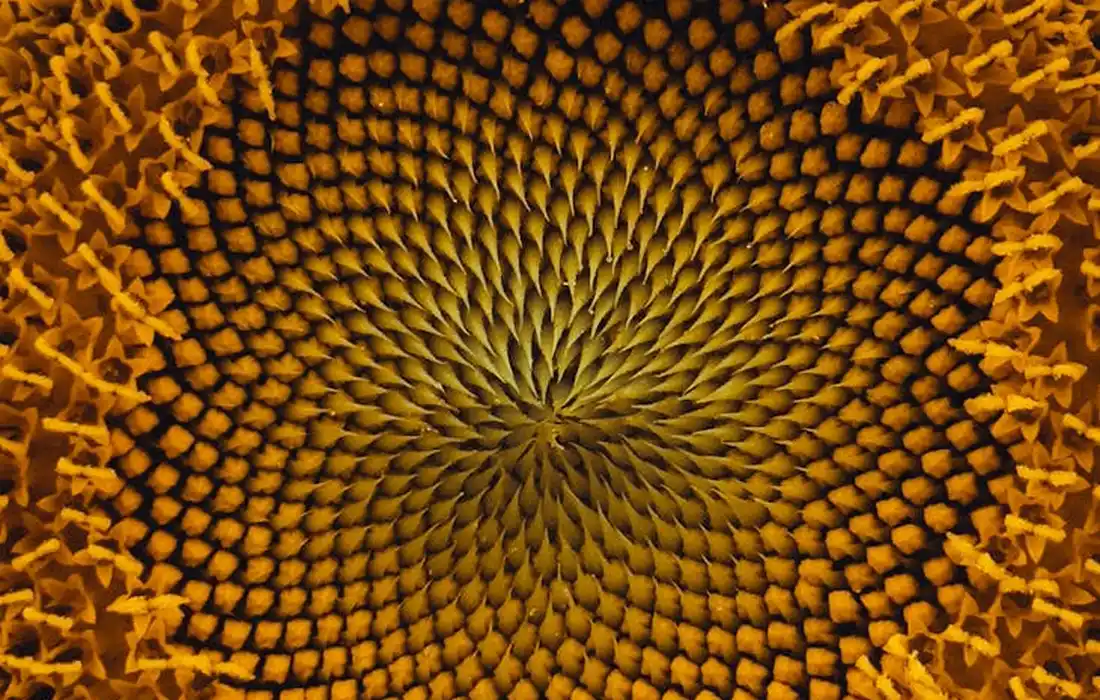
Let’s lay it all out on the feed room table, neat and tidy. To understand why something so small can cause such a fuss in a rabbit’s gut, you have to see the numbers. A rabbit’s engine is designed to run on hay, not high-octane fuel, and this table shows you the stark difference.
| Nutrient | In Sunflower Seeds (per 100g) | Ideal for a Rabbit’s Daily Diet |
|---|---|---|
| Fat | 51 g (Extremely High) | 2-3% (Very Low) |
| Protein | 21 g (Moderate-High) | 12-16% (Moderate) |
| Fiber | 9 g (Very Low) | 20-25% minimum (Very High) |
That fat-to-fiber ratio is the whole story right there. I’ve seen what happens when a working farm dog gets into the rich hog feed-it’s a similar principle of a system shocked by richness it can’t process. A rabbit’s digestive tract is a finely-tuned fermentation vat, built to extract scant nutrients from vast amounts of roughage like grasses and hay. That high-octane fat from sunflower seeds can sludge up the works, slowing down the essential gut motility that keeps everything moving and healthy.
Beyond the big three, sunflower seeds do carry some vitamin E, B vitamins, and minerals like selenium and magnesium. While those nutrients sound good on paper, they come at a terrible cost when delivered in such a fatty, fiber-poor package your rabbit isn’t equipped to handle. You can provide those benefits far safer through a handful of fresh, leafy greens or a quality pellet. Giving sunflower seeds for their minor vitamins is like buying a whole tractor just to get a free screwdriver-it’s a wildly inefficient and problematic trade.
Feeding Guidelines: How to Offer Seeds in Moderation
-
Give specific, conservative serving sizes. For a standard, medium-sized pet rabbit, I reckon one or two sunflower seeds per week is a mighty fine limit. That’s it. For a larger breed, you might stretch to two or three, but I’ve found less is truly more here. We’re talking about a tiny tidbit, not a scoopful.
-
Outline the step-by-step process. First, you must ensure those seeds are plain as can be. Always choose raw, unsalted, and shelled sunflower seeds. The salt in seasoned seeds can cause serious health issues, and the hard hulls are a choking hazard and terribly hard on their digestion. I keep a small jar of human-grade, shelled raw seeds in the feed room just for the occasional treat.
-
Emphasize that seeds are a treat, not a replacement. A sunflower seed is like a rich piece of pie for us-it’s a special indulgence. Even for animals like sheep, sunflower seeds are considered a treat. This treat must never displace their core diet of unlimited grass hay, fresh greens, and a measured portion of quality pellets. Their digestive systems run on fiber first and foremost, a fact I’ve reinforced after seeing a bunny lose its appetite for hay after one too many fatty treats.
-
Advise on monitoring your rabbit. After you offer that first seed, watch your critter close for a day or two. You’re looking for any change in their stool size or consistency, and you must keep a mindful eye on their overall weight. I make it a habit to give my rabbits a gentle feel along their spine and ribs weekly; you should easily feel the bones under a thin layer of flesh. If they start feeling too plump, cut out the treats entirely.
I learned this lesson years ago with a sweet Dutch rabbit named Daisy. I got generous with the seeds, and within weeks her perfect round droppings became small and misshapen. It was a clear sign her gut balance was off, and it took a return to strict hay and greens to set her right. Let my mistake be your guide-moderation is the purest form of good stewardship.
Wild Rabbits and Sunflower Seeds: A Barnyard Perspective
Now, let’s step out of the coop and into the field. When it comes to the cottontails and jackrabbits visiting your property, my advice is straightforward and firm: do not offer sunflower seeds to wild rabbits. It’s a gesture that comes from a kind place, but it does more harm than good for these free-ranging critters.
Wild rabbits have a finely-tuned digestive system evolved for a specific menu. Their natural diet consists of tough grasses, tender clover, wildflowers, tree bark, and leafy weeds. This roughage is high in fiber and relatively low in calories, which keeps their gut moving and their teeth worn down properly. Nature provides a perfect, balanced cafeteria for them without any need for our snacks. I’ve watched them for hours in my back pasture, and they know exactly what to nibble on for every season. These natural foraging habits reveal the cottontail wild rabbit diet in action. Nutrition comes from seasonally chosen greens and fibrous plants.
The Real Risks of “Helping”
Feeding them sunflower seeds, or any human food, disrupts this delicate balance and creates several problems:
- Dependency: Handouts can make rabbits less wary of humans and dependent on an unreliable food source, especially in harsh winters when they should be foraging for natural, available sustenance.
- Malnutrition and Illness: A belly full of fatty, starchy seeds means a rabbit isn’t eating enough fibrous grass. This can lead to serious gastrointestinal stasis, a deadly condition where their gut slows or stops. They simply aren’t built to process that much fat.
- Predator Attraction: Concentrating feeding areas draws rabbits to one spot. This, in turn, signals foxes, hawks, and coyotes right to their dinner plate. You’re unintentionally setting a trap for them.
- Population Imbalance: Artificial feeding can lead to unnaturally high local populations, which then overgraze native plants and increase the spread of disease among the group.
Better Ways to Be a Good Neighbor
If you want to support the wild rabbits on your land, focus on habitat, not handouts. The most sustainable gift you can give is a safe and natural environment where they can thrive on their own terms, including proper diet in the wild. Here’s what I do on my place:
- Leave a corner of your property a little “wild” with native grasses, brush piles, and brambles. This provides excellent cover from predators and natural foraging grounds.
- Ensure a clean, accessible water source, like a shallow bird bath or a livestock water trough with a safe exit ramp.
- If you must supplement in a brutal winter, consider a small pile of fresh, grassy hay (like Timothy or Orchard grass), which mimics their natural winter food much closer than seeds ever could.
Stewardship of wildlife means sometimes leaving well enough alone and trusting in the wisdom of their natural diet. Those wild rabbits know how to be rabbits far better than we do, and our role is to protect the landscape that feeds them.
Healthier Dietary Alternatives for Your Rabbit
Now, I reckon after all that talk about sunflower seeds, you might be wonderin’ what in the world you should be offerin’ your bunny. Well, pull up a chair. The good news is there’s a whole garden of wonderful, safe choices that’ll keep your rabbit happy and healthy without the worry.
-
Fresh Herbs and Leafy Greens: Your Daily Treat Staples
For a special nibble, you just can’t beat the aroma and flavor of fresh herbs. My rabbits always come a-runnin’ when they catch a whiff of cilantro or a sprig of peppermint from the garden. These herbs aren’t just tasty; they provide trace minerals and digestive benefits without the dense calories of seeds or commercial treats. Leafy greens like romaine lettuce, green leaf lettuce, and kale (in moderation due to oxalates) should be the foundation of their fresh food intake. I give mine a hearty handful each evening, and it’s the highlight of their day. Knowing which leafy greens are safe and the right portion sizes helps keep meals balanced. A quick guide to safe leafy greens, recommended portions, and feeding guidelines can help you plan their daily menu.
-
A Rainbow of Safe, Low-Sugar Vegetables
Variety is the spice of life, even for a rabbit. Rotating through different veggies ensures they get a broad spectrum of nutrients and keeps mealtime exciting. Here’s a reliable list from my own feed chart:
- Bell Peppers (any color, seeds removed): Packed with Vitamin C.
- Celery (cut into small pieces to avoid string hazards): Great for hydration.
- Broccoli Leaves and Stems: A personal favorite here; the florets can cause gas for some, so introduce slowly.
- Brussels Sprouts: Another one to start with a tiny piece to check tolerance.
- Zucchini and Cucumber
If you’re wondering how much fresh veggies rabbits should eat daily, a simple daily vegetable portion guide can help. It provides an easy weight-based reference you can use alongside the list above. Remember, these are supplements. A good rule of thumb is about one packed cup of assorted veggies per two pounds of body weight daily. Introduce any new food in a pea-sized amount and watch for soft stools over the next 24 hours-a sure sign you need to pull back or try something different.
-
The Non-Negotiable Foundation: Hay and Water
Before we get carried away with treats of any kind, let’s get back to bedrock. An unlimited supply of grass hay and fresh, clean water isn’t just part of rabbit care-it’s the whole blessed contract. Timothy hay, orchard grass, or meadow hay should fill their feeder at all times, as this constant chewing is what keeps their ever-growing teeth worn down and their gut moving properly. I check water bottles and bowls twice a day, every day, without fail. Dehydration or a sluggish gut can turn serious faster than a summer storm rolls in over the pasture.
-
Forage from a Chemical-Free Yard
If you’ve got a clean patch of yard, free from pesticides and herbicides, you’ve got a rabbit’s paradise at your fingertips. Offering natural forage like dandelion greens, plantain leaves, or raspberry brambles isn’t just a treat; it connects them to the natural browsing behaviors they were born with. I often gather a mixed handful during my evening walk around the property. But you must be certain of your plant identification-know every single weed in that patch. Avoid areas frequented by wild rabbits to prevent disease transmission, and always wash foraged goods just like you would your own salad.
Closing Tips for the Barnyard Steward
Can rabbits eat sunflower seeds?
Yes, but think of them as a rare, rich indulgence, not a regular snack. They should only be offered as an occasional treat to a healthy, adult rabbit on a proper diet, as advised in our favorite foods and treats guide.
Are sunflower seeds safe for rabbits?
They are only safe under strict conditions: they must be raw, unsalted, and shelled. Even then, their high fat and low fiber content make them a risky choice if overfed.
What are the main risks of feeding sunflower seeds to rabbits?
The primary risks are obesity, deadly fatty liver disease, and digestive stasis due to the extreme fat content and lack of fiber. The hard shells also pose a significant choking and intestinal blockage hazard.
Can wild rabbits eat sunflower seeds?
You should not feed sunflower seeds to wild rabbits. Their digestive systems are not adapted for such rich food, and it can cause severe illness and make them dependent on harmful handouts. It’s important to understand what seeds are safe for rabbits to eat.
How many sunflower seeds can a rabbit eat?
Extremely sparingly. For a medium-sized rabbit, a limit of one or two seeds per week is a safe guideline. For larger breeds, two or three is the absolute maximum.
What are healthier alternatives to sunflower seeds for rabbits?
Focus on fresh herbs like cilantro, a variety of leafy greens, and low-sugar vegetables like bell peppers. The absolute best treat is more of their foundational diet: unlimited grass hay and fresh water.
Shuttin’ the Gate
The whole sunflower seed question boils down to this: it’s not about a hard “yes” or “no,” but about mindful management. Treat those tasty seeds like a condiment, not a main course, and you’ll keep your rabbit’s digestion humming and their waistline in check. I keep a little jar in my feed room for the occasional sprinkle, and that seems to satisfy everyone just fine.
I sure have enjoyed chewin’ the fat with y’all about this. There’s a deep satisfaction in gettin’ the little details right for our animals. Here’s to happy, healthy bunnies and the simple joys of watchin’ ’em thrive in your care. Take care now, and give those critters a pat for me.
Further Reading & Sources
- The Nuts & Seed Myth Debunked
- Are Sunflower Seeds Safe For Rabbits? | Petlife
- Can Rabbits Eat Sunflower Seeds? A Guide to Risks, Benefits, and Alternatives – Bimland Farms
Caroline Mae Turner is a lifelong farm girl raised on red clay, early mornings, and the sounds of a bustling barnyard. With hands-on experience caring for everything from stubborn goats to gentle dairy cows and mischievous pigs, Caroline shares practical, tried-and-true advice straight from the farm. Her goal is to help folks keep their animals healthy, well-fed, and living their best barnyard life. Whether you're wrangling chickens or bottle-feeding a baby goat, Caroline brings a warm Southern touch and plenty of real-world know-how to every bucket in the barn.
Diet Requirements