
Feeding Rabbits from the Field: A Safe Guide to Nettles, Dock, Dandelions & Thistles
Published on: March 29, 2026 | Last Updated: March 29, 2026
Written By: Caroline Mae Turner
Welcome back to the barn. Yes, your rabbits can safely eat dandelions and nettles, thistles with a bit of prep, but dock leaves demand real caution due to oxalic acid. I’ve fed my own herds this way for seasons, turning pesky weeds into free, nutritious forage.
What you’ll need:
- Sturdy gloves to protect your hands from nettle stings
- A clean basket or bucket for gathering
- Sharp plant identification skills-look at leaves, stems, and flowers
- A few minutes of your time for washing and preparing
Let’s sort through each weed together, so you can get this chore done right and move on with your day.
The Bedrock of Bunny Nutrition: Hay, Fiber, and Forage
Why Hay is the Heart of the Matter
Now, let’s get down to brass tacks about what keeps a rabbit’s engine running smooth. Hay ain’t just bedding; it’s the cornerstone of their diet. I’ve kept rabbits for nigh on thirty years, and the ones that get unlimited, quality hay are always the healthiest and liveliest. Their digestive systems are built for a constant trickle of high-fiber roughage. Think of hay as the steady fuel that keeps their gut moving and prevents deadly conditions like stasis. Without it, things grind to a halt real quick.
You’ll want a grass hay like timothy or orchard grass making up about 80% of what they eat. Alfalfa hay is too rich in protein and calcium for adult bunnies, but it’s fine for youngsters. A rabbit’s teeth never stop growing, and all that chewing wears them down just right. I reckon if you only remember one thing, let it be this: a rabbit without hay is a rabbit in trouble.
Where Garden Greens and Weeds Fit In
Fresh greens and yes, even certain weeds, are the delightful supplement to that hay foundation. They provide moisture, vitamins, and variety that make mealtime something special. But they’re the side dish, never the main course. Offering a packed salad without that hay base is like building a house on sand-it just won’t stand.
In my pasture, I rotate where I pick weeds to ensure my rabbits get a mix and avoid any one plant building up too much in their system. A good rule of thumb is about one packed cup of fresh greens per two pounds of body weight daily. Here’s a quick list of common yard finds that are usually safe in rotation:
- Dandelions: Leaves and flowers are a hit, packed with Vitamin A.
- Dock Leaves: A good source, but I feed them sparingly due to oxalic acid.
- Thistles: The young, tender leaves before the prickles harden are a fine occasional treat.
Always introduce any new green slowly over a week to watch their belly’s reaction. Your land’s bounty is a treasure, but it must be unlocked with caution.
Nettles: Taming the Sting for a Nutritious Bite
Nutritional Upsides and Cautions
Stinging nettle is a powerhouse plant folks often curse while weeding, but for rabbits, it’s a hidden gem when handled right. It’s richer than many cultivated greens, boasting protein levels around 20-25% when dried. That’s a mighty boost! It’s also full of iron, calcium, and vitamins A and C. I’ve seen a bit of dried nettle in their mix put a extra shine on my doe’s coat during breeding season.
But hold your horses. Those famous stinging hairs contain irritants that can bother a rabbit’s mouth and gut. They also contain oxalates, which in large amounts can interfere with calcium absorption. The key is preparation and moderation. Never feed nettles fresh from the patch to your bunny. It’s a once or twice-a-week treat at most, not a daily staple.
How to Safely Prepare Nettles: A Step-by-Step Guide
Turning this prickly volunteer into rabbit-safe forage is simpler than you might reckon. I do this every spring when the young nettles are most tender. Here’s my barn-tested method:
- Gear Up: Don a good pair of leather gloves. I learned this the hard way with a itchy wrist that lasted a day.
- Harvest Young Tops: Snip the top 4-6 inches of the plant, ideally before it flowers. This is the most tender and nutrient-rich part.
- Wilt or Dry: You have two surefire options to neutralize the sting:
- Wilt: Lay the nettles in a single layer on a tray for 12-24 hours. The drying air deactivates the sting.
- Dry Thoroughly: For storage, bundle stems and hang them in a dry, airy shed until crumbly. I crumble the leaves into my herbal hay mix.
- Serve Sparingly: Start with a teaspoon of dried, crumbled nettle mixed into their regular hay. You can offer a small, wilted sprig as a hand-held treat. Watch their reaction closely the first few times, as each bunny’s digestion is unique.
This little bit of effort gives your rabbits a fantastic, free nutritional lift straight from the land you steward.
Dock Leaves: A Weedy Green with Important Caveats
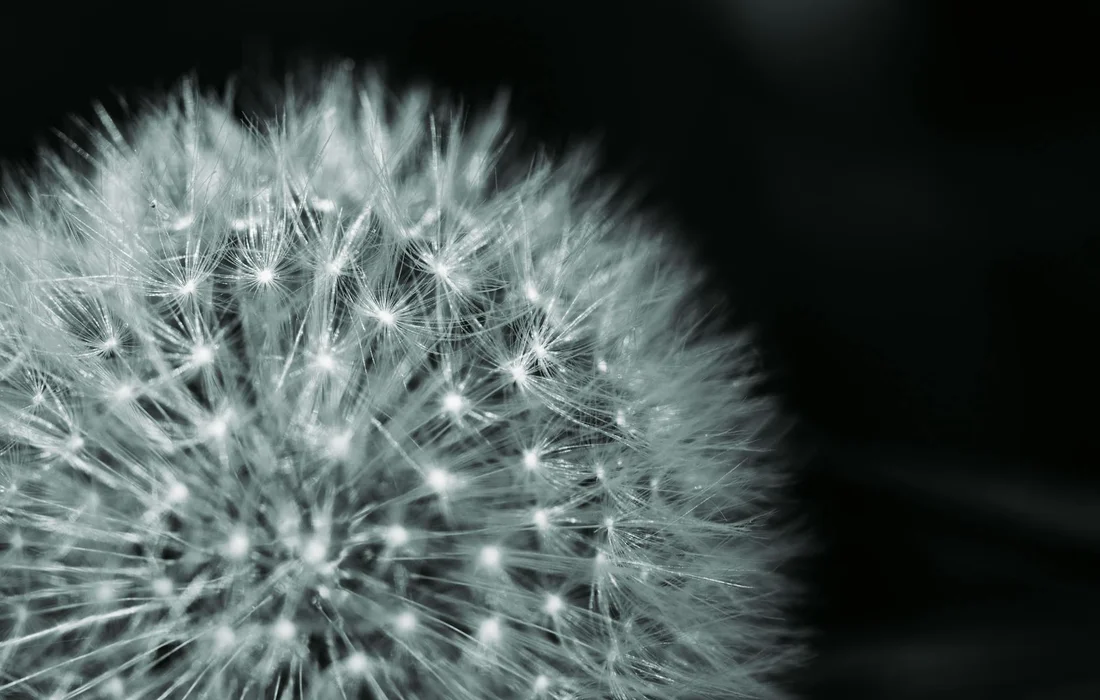
You’ll find dock (both broad-leaf and curly varieties) sprouting up alongside your nettles, and while it’s not the nutritional powerhouse its stinging neighbor is, it’s still a decent forage. I keep a watchful eye on the dock patches in my pastures, but I treat it more as a occasional supplement than a staple green for the rabbitry. The main thing you need to understand is its oxalate content, which demands a bit of respect and moderation.
Understanding Oxalates and Safe Feeding Levels
Oxalates are naturally occurring compounds that, in high amounts, can bind to calcium and other minerals in your rabbit’s gut. This can prevent proper absorption and, in very extreme and rare cases of massive overconsumption, contribute to kidney stress or bladder sludge. Think of it like salt: a little is fine, but you wouldn’t let your bunny eat a whole shaker.
Dock contains moderate levels. The risk is lowest with young, tender leaves in the spring. As the plant matures and the leaves get bigger and tougher, the oxalate concentration generally increases.
Safe feeding is all about frequency and portion control:
- Feed dock leaves as a treat, not a daily meal.
- Once or twice a week is a perfectly safe frequency for a healthy adult rabbit.
- Always mix it with other low-oxalate greens like orchard grass, oat hay, or romaine lettuce.
- Never feed dock that has gone to seed or looks wilted and yellowed in the field.
I reckon a good handful per standard-sized rabbit per serving, mixed into their usual salad, is a fine rule of thumb. This variety and moderation is the cornerstone of good rabbit husbandry and prevents any single compound from building up to problematic levels.
Preparing and Serving Dock Leaves
Preparation is simple and mirrors what you’d do for most foraged greens. I take my basket out in the morning, after the dew has dried.
- Harvest Selectively: Choose young, vibrant green leaves from areas you know haven’t been sprayed with chemicals or frequented by dogs.
- Wash Thoroughly: Give them a good swish and rinse in cool water to remove any dirt or tiny hitchhikers.
- Wilt is Key: This is my preferred step for dock. Lay the leaves out on a counter for a few hours, or even overnight. Letting them slightly wilt reduces some of the oxalic acid and makes them easier for your bunnies to digest. A little limpness in the leaf is what you’re after, not total decomposition.
- Chop and Mix: Tear or chop the leaves into manageable pieces and toss them with your rabbit’s other daily greens.
Serving them this way, wilted and mixed, allows your rabbits to enjoy a bit of weedy variety without overdoing it. It’s a thrifty way to utilize what’s growing on your land, provided you always put your animal’s long-term health ahead of convenience. I often tuck a few prepared dock leaves into enrichment toys or hide them in their hay for a fun, healthy scavenger hunt.
Dandelions: A Rabbit’s Golden Garden Treasure
If there’s one weed I’m always happy to see taking over a corner of the pasture, it’s the dandelion. My rabbits spot those sunny yellow blooms from across the run and start doing their little happy hops. This common “weed” is, in truth, a complete nutritional supplement growing right at your feet, and your rabbits know it.
A Powerhouse of Vitamins and Minerals
Don’t let its humble appearance fool you. Every part of the dandelion-leaf, flower, and even the root-is packed with goodness. The leaves are particularly rich in vitamin A, which is vital for good eyesight and a robust immune system. They also offer a healthy dose of calcium for strong bones and teeth, and potassium for proper heart and muscle function.
I reckon the bitter taste of the greens is part of the magic. That bitterness supports liver health and acts as a gentle digestive aid. Including dandelion in their rotation is one of the simplest ways to ensure your herd gets a broad spectrum of nutrients naturally. Here’s a quick glance at what this garden treasure provides:
| Plant Part | Key Benefits for Rabbits |
|---|---|
| Leaves | High in Vitamins A, C, K, calcium, iron, and potassium. Acts as a diuretic and digestive tonic. |
| Flowers | Lower in fiber but rich in antioxidants. A sweet, tasty treat rabbits adore. |
| Root | Often dried and used as a liver tonic. Can be offered in very small, occasional pieces. |
Foraging and Feeding Dandelions to Your Flock
Foraging for your rabbits is a rewarding chore, but it requires a careful eye. I never pick from areas treated with herbicides or pesticides, or where wild dogs or cats might frequent. The safest bet is always your own untreated yard or a known-clean meadow away from road runoff, ensuring it’s safe like any other foraged food.
My process is simple and ensures I bring home only the best:
- Gather greens in the morning before the sun wilts them.
- Shake off any dirt or little critters.
- Give them a good soak in a bowl of cool water with a splash of white vinegar to loosen debris, then a thorough rinse.
- Spin them dry or pat with a towel. Damp greens can spoil quickly in the hutch.
When it comes to feeding, moderation remains the rule. While highly nutritious, dandelions are also relatively high in calcium. For a standard-sized rabbit, a handful of mixed leaves and a flower or two, a few times a week, is a perfect supplement to their hay-based diet. I introduce them slowly to any new bunny and always watch their droppings to ensure their digestion handles it well. It’s a golden rule on the farm: observe first, then adjust. Knowing what to feed is key to a healthy rabbit diet.
Thistles: Navigating the Prickles for Goodness
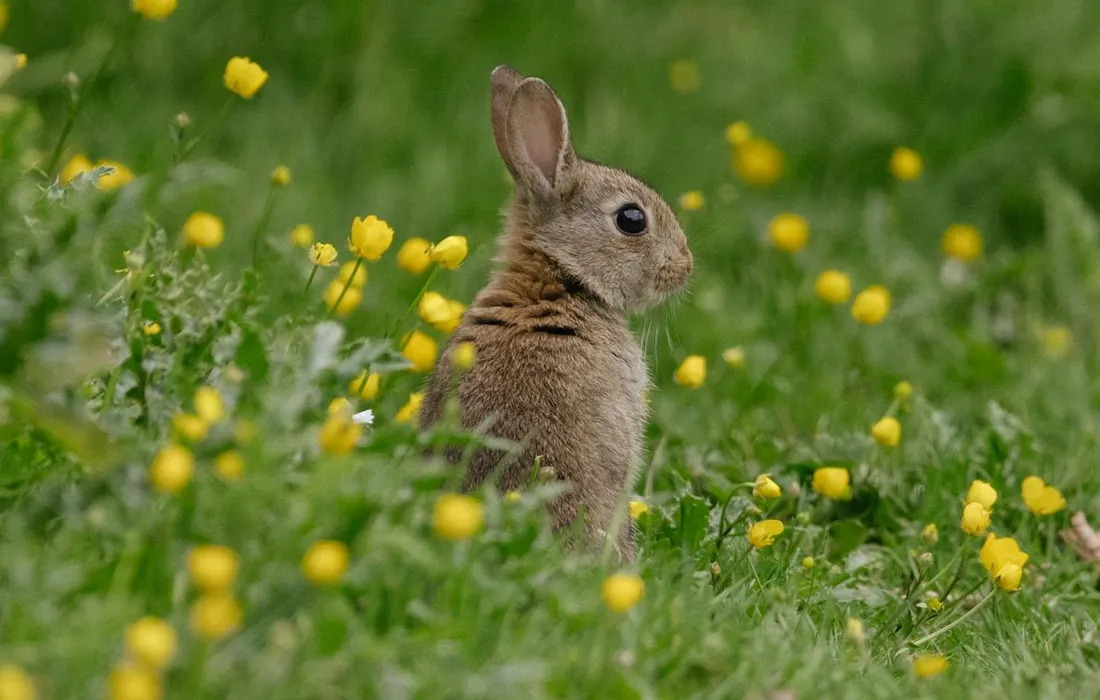
Now, don’t let those fierce spines fool you. To a rabbit, a properly prepared thistle is a prize. I’ve spent many an afternoon watching my herd, and the sight of a bunny meticulously working over a safe thistle leaf is a lesson in focused enjoyment. These prickly plants are packed with beneficial fiber and nutrients that can be a wonderful, free addition to your forage rotation. You just have to know how to handle them. Not all herbs are safe for rabbits, so make sure you consult a reliable guide for safe and unsafe herbs.
Edible Parts and Their Benefits
Not every part of every thistle is a go, but the good stuff is worth the effort. We’re mainly talking about the leaves of common varieties like bull thistle or the revered milk thistle. The stems and flower heads can be offered too, once the armor is stripped away.
Milk thistle, in particular, is famous for its support of liver health, though its primary benefit for rabbits is as a superb fibrous forage. All thistles provide a robust, chewy texture that helps wear down ever-growing teeth naturally and promotes healthy gut motility. They’re a foraging challenge that turns into a nutritional win.
- Leaves: The prime target. Once de-spined, they offer vitamins and minerals. Think of them as nature’s fortified, roughage-rich greens.
- Stems: Younger, tender stems can be peeled. They provide extra moisture and fiber, a crunchy treat on a hot day.
- Flowers (pre-bloom): The unopened flower buds, once the spiny casing is removed, are a special delicacy. I offer these sparingly, as a “first prize” for my best foragers.
Preparing Thistles for Your Rabbits
This is where your stewardship comes in. Serving a thistle whole is a recipe for sore mouths and potential eye injuries. Your job is to be the armor remover.
I always wear a good pair of leather gloves for this task-learned that lesson the hard way, I tell you what. The safest method is to use kitchen shears or a sharp knife to simply cut the spiny edges clean off every leaf, removing the thorny stem entirely. What’s left is the tender green center, perfectly safe for nibbling.
- Harvest with Care: Use gloves! Snip leaves or young plants from areas you know are free from pesticides and road pollution.
- Wash Well: Give them a good swish in a bucket of clean water to remove dust and any tiny bugs hiding in the foliage.
- De-Spine Completely: This is the non-negotiable step. Trim off every sharp point and prickly fringe from the leaf margins. For stems, peel the outer layer.
- Serve Fresh or Dried: Offer the prepared greens immediately, or dry them in a bundle for a wonderful, crispy winter treat that retains its fibrous goodness.
It’s a bit of work, but seeing your rabbits relish this wild, natural food is a pure delight. Offering prepared thistles mimics the selective, careful foraging they’d do in the wild, engaging both their mind and their digestive system. Just take your time with those spines, and y’all will both reap the rewards.
Your Practical Guide to Foraging and Feeding Weeds
Turning weeds into wholesome feed is a homestead skill that pays back in healthy animals and a lighter feed bill. I reckon the best meals for your rabbits often come free, growing right under your boots in fields and fence rows. It connects you to the cycle of your land in a mighty satisfying way.
Not every wild green is a friend to your flock, but the right ones are little treasures. Proper identification and harvesting make the difference between a nutritious supplement and a risky experiment. I’ve kept rabbits for thirty years, and a careful eye has always served me better than luck.
The Homesteader’s Foraging Protocol: A Step-by-Step List
Follow these steps like you’re putting up preserves for winter-methodical care guarantees a good result. A successful forage begins long before you ever put greens in the basket.
- Know Your Ground: Only pick from areas you know are clean. I avoid ditches by paved roads and any spot that might catch chemical drift from neighboring fields. My own pasture’s edge is my most trusted pantry.
- Carry a Guide and Use It: Even familiar plants can have look-alikes. Keep a trusted field guide in your pocket and cross-reference, especially with young dock leaves. I still use my daddy’s dog-eared book.
- Harvest at the Right Time: Gather nettles in spring when they’re young and tender, using gloves and shears. Pick dandelions before the flowers go to seed for the sweetest leaves. For thistles, take the young, inner leaves before the stalk toughens up.
- Leave the Roots for the Soil: For sustainable picking, I use a sharp knife to cut plants above the crown. This lets perennials like dandelion come back, ensuring a harvest for next year. It’s simple stewardship.
- Wash with Vigor: Submerge your harvest in a bucket of cool water, swish it around, and rinse it twice. This removes dust, tiny pests, and any unseen contaminants that could bother a delicate digestive system. I do this on a screen table so the water drains straight to the garden.
- Dry Thoroughly Before Storage: Spread the greens on an old clean towel or a drying rack for an hour. Never bag them up wet, as that invites mold. Once air-dried, store them in a breathable cloth bag in your fridge’s crisper.
Feeding Guidelines: How Much and How Often
Weeds are a supplement, not a staple. The cornerstone of a rabbit’s diet is, and always will be, unlimited grass hay—think of foraged greens as the daily vitamin. I learned this balance the hard way with a bunny named Buster who got too much of a good thing. It’s why I always emphasize ensuring grass is the main part of their diet.
Introduce any new green one at a time and in tiny amounts. Start with a piece the size of your thumbnail to see how your rabbit’s gut responds over 24 hours. This slow approach has saved me countless headaches.
- For Adult Rabbits: Once they’re accustomed, offer a combined total of about one tightly packed cup of chopped weeds per 5 pounds of body weight daily. I split this into two feedings, morning and evening.
- Mind the Protein: Young stinging nettles can be over 20% protein-treat them like a rich concentrate. I always wilt nettles in the sun for a few hours to disarm the sting before feeding. Mix them with milder greens like dandelion.
- Rotate Your Offerings: Don’t get stuck on one weed. Feed dandelion greens one day, a mix of dock and chickweed the next. This rotation provides a broader range of nutrients and keeps your rabbits from tiring of a single taste.
- Observe and Adjust: If droppings become soft, cut back on the greens immediately and return to a hay-heavy diet. Every rabbit is an individual, just like us.
These guidelines are for rabbits. Your chickens will happily peck at chopped thistle stems, and geese adore young dock leaves, but always research each species before sharing your forage bounty. Thriftiness works best when paired with knowledge.
Beyond the Big Four: A Quick Guide to Common Safe and Unsafe Weeds
While nettles, dock, dandelions, and thistles are superstar forages, your pasture and garden are full of other greens your bunny might encounter. Knowing a few more common plants can turn a routine weeding session into a valuable harvest for your herd. I always keep a basket handy when I’m tidying up the fence lines-one for the compost and one for the rabbits.
Safe Weeds for Occasional Grazing
These plants are perfectly fine to offer in moderation as part of a varied diet. Think of them as the reliable supporting cast in your rabbit’s salad bowl, not the main event. I’ve fed all of these over the years without issue, but I always start with a small handful for a new rabbit to see how their particular constitution handles it.
| Weed Name | Key Benefit & Note | How I Feed It |
|---|---|---|
| Broadleaf Plantain (the low-growing yard weed, not the banana-like fruit) | Excellent for digestion; sometimes called “nature’s bandage” for its gentle properties. | I grab whole plants, roots and all, rinse, and offer them fresh. The rabbits adore the seed heads. |
| Chickweed | A mild, nutrient-dense green high in vitamins and minerals. It’s a soft, pleasant forage. | Perfect for younger rabbits or those with a sensitive stomach. I feed it in mixed bunches. |
| Shepherd’s Purse | Beloved by my rabbits. It’s a member of the brassica family, so feed in rotation, not daily. | A great winter and early spring find when other greens are scarce. |
| Cleavers (Goosegrass) | Acts as a gentle tonic. Those sticky seeds won’t hurt a thing passing through. | My rabbits eat it readily, but I offer it sparingly, maybe once a week. |
| White Clover | A tasty treat rich in protein. Limit the amount to prevent bloat, just as you would with alfalfa. | A few flower heads and leaves as a special reward, never a large portion of the meal. |
Weeds to Avoid in Your Rabbit’s Diet
This list is by no means complete, but it covers the troublemakers I see most often on our place. When in doubt, leave it out-it’s the oldest and best rule of animal husbandry there is. I teach every young’un on the farm to recognize these few before they go picking greens.
- Nightshade Family Plants: This includes deadly nightshade, black nightshade, and the greens of tomatoes and potatoes. They contain solanine, a potent toxin. I’m ruthless about pulling these from the garden.
- Buttercups: Pretty but problematic. They cause mouth blisters and digestive upset when fresh. Dried in hay, they’re less toxic but I still cull them out.
- Foxglove: All parts of this beautiful flower are deadly. It’s a straight-up poison, no two ways about it.
- Ragwort: This yellow-flowered weed is a cumulative liver poison. It’s dangerous fresh and even more potent when dried in hay.
- Hemlock (Water Hemlock or Poison Hemlock): One of the most toxic plants in North America. It resembles wild carrot, so you must know the differences. I never forage near damp ditches where it thrives without absolute certainty.
- Any Plant Treated with Herbicide or from Contaminated Soil: This is my personal hard line. No weed from a roadside, chemical lawn, or polluted area ever goes to my rabbits, no matter how safe the species itself is.
Your Foraging Questions, Answered
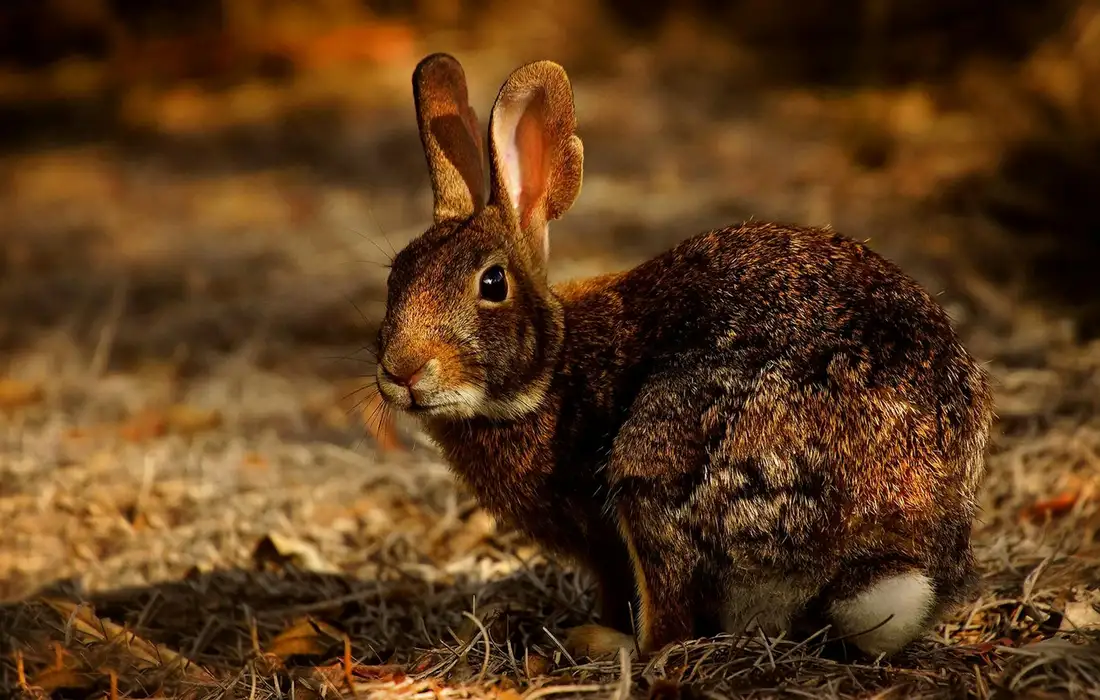
Can rabbits eat nettles?
Yes, but never feed them fresh. The stinging hairs can irritate their mouth and digestive tract. Always wilt or dry the nettles first to neutralize the sting before offering them as an occasional, nutrient-rich treat. This is particularly important when distinguishing between nettles and other potentially harmful plants.
Can rabbits eat dock leaves?
Yes, but with significant caution due to their oxalic acid content. They should only be fed sparingly, about once or twice a week, and always wilted and mixed with other greens to prevent mineral binding.
Can rabbits eat dandelions?
Absolutely. Dandelions are a safe and excellent choice, with both leaves and flowers being highly nutritious. They can be fed regularly a few times a week as part of a varied mix of forage.
Can rabbits eat thistles?
Yes, once the prickles are completely removed. The de-spined leaves, young stems, and flower buds are a great source of fiber. Proper preparation is non-negotiable to prevent injury.
What is the safest way to prepare these weeds?
Always wash all foraged greens thoroughly to remove dirt and potential contaminants. For nettles, wilting or drying is essential. For thistles, meticulously cut off all spines. For dock, wilting is recommended.
Which of these is the safest daily weed for rabbits?
Dandelions are generally considered the safest and most versatile for more regular feeding. However, variety is key-even safe plants should be rotated and fed as a supplement to a diet based primarily on unlimited hay. If you’re looking to use them for feeding livestock, make sure to confirm their safety for the specific animal.
Closing Tips for a Healthy Herd
Always introduce any new forage, even a safe weed, in a tiny amount to watch for individual sensitivity. Your rabbits’ health hinges on unlimited grass hay; think of these weeds as the supplement, not the foundation. When foraging, the golden rule is “when in doubt, leave it out” to ensure every bite is safe.
Shutting the Gate
When you turn your rabbits out to graze or bring a handful of weeds to the hutch, let one rule guide you: Moderation and variety are the cornerstones of safe foraging, turning a patch of weeds into a balanced banquet for your bunny. Knowing which plants are safe for them is crucial. Watch them closely, introduce anything new slowly, and always know your pasture like you know your own garden.
I’m mighty thankful y’all stopped by the fence to talk rabbit husbandry today. There’s a deep satisfaction in seeing a healthy animal thrive on what grows right under our feet. Now, go enjoy the sunshine and the quiet company of your critters. Happy homesteading, neighbors.
Further Reading & Sources
- 5 Rabbit Safe Weeds for Foraging
- Foraging for Rabbits – Dandelion, Nettle, Blackberry, Plantain & Herb Robert
- Leaves For Rabbits – Safe & Nutritious Leafy Greens For Bunnies
Caroline Mae Turner is a lifelong farm girl raised on red clay, early mornings, and the sounds of a bustling barnyard. With hands-on experience caring for everything from stubborn goats to gentle dairy cows and mischievous pigs, Caroline shares practical, tried-and-true advice straight from the farm. Her goal is to help folks keep their animals healthy, well-fed, and living their best barnyard life. Whether you're wrangling chickens or bottle-feeding a baby goat, Caroline brings a warm Southern touch and plenty of real-world know-how to every bucket in the barn.
Forage Options