Can Rabbits Eat Celery? Your Quick-Answer Feeding Guide
Published on: March 18, 2026 | Last Updated: March 18, 2026
Written By: Caroline Mae Turner
Howdy y’all. You’re standing in the kitchen with a bunch of celery, looking at your waiting bunny, and wondering if that crunchy stalk is a treat or a trouble. Yes, rabbits can eat celery, but you must chop it small and rinse it well to prevent a choking hazard from those long, tough strings. It’s a fine occasional snack, not a main course.
What you’ll need:
- Fresh, crisp celery (organic is best)
- A clean cutting board and sharp knife
- A few minutes for proper prep
- A keen eye for your rabbit’s reaction
Let’s get this common question sorted right quick, so you can feed with confidence and get back to your day.
The Straight Answer: Can Rabbits Have Celery?
Yes, they certainly can. I’ve fed celery to my own herd for years. Both your cherished pet bunny and the wild cottontails nibbling at your garden edge can safely enjoy this crisp vegetable, but only after you’ve taken the right steps in the kitchen.
- Give a clear, immediate yes or no answer in simple terms: Yes, rabbits can eat celery.
- Briefly state that celery is safe but requires proper preparation: It is safe when washed thoroughly and cut into small, manageable pieces to prevent choking on the tough strings.
- Mention this applies to both pet rabbits and wild rabbits visiting your garden: This advice holds true for domestic and wild rabbits alike.
Celery on the Scale: Nutrition, Benefits, and Cautions
What Good Does Celery Do for a Rabbit?
Think of celery as a hydrating, fibrous supplement, not a meal. Its value lies in a few key areas. The high water content is a boon, especially in summer, helping keep your rabbit hydrated alongside their fresh water source.
- Detail key nutrients: high water content for hydration, fiber for gut health, and vitamins like Vitamin A: It’s roughly 95% water, contains dietary fiber for digestive motility, and offers Vitamin A for good vision and immune function.
- Explain how the fiber aids digestion and supports dental wear: The fibrous strands promote healthy gut bacteria movement and provide a good, crunchy texture that helps wear down constantly growing teeth.
A rabbit’s digestive system runs on fiber. That celery crunch gives their gut something substantive to work on. I reckon it’s a welcome change from hay, though it never replaces it.
Understanding the Cautions: Oxalates and More
Now, we must talk about balance. Every good thing has its measure. Celery contains compounds called oxalates. In simple terms, oxalates can bind to calcium in the digestive tract, making that mineral harder for your rabbit’s body to absorb properly.
- Define oxalates in plain language and their effect on calcium absorption: Oxalates are natural compounds that can latch onto calcium, potentially interfering with its uptake if fed in large, frequent amounts.
- Note the calcium-to-phosphorus ratio in celery and its implication for rabbit health: Celery’s calcium-to-phosphorus ratio is about 1.6:1. While not terrible, an ideal ratio is closer to 2:1, so celery shouldn’t be a primary calcium source.
- Briefly touch on pesticide residue as a risk for store-bought celery: Conventional celery often ranks high for pesticide residue, which can harm a rabbit’s sensitive system.
This doesn’t mean you avoid celery. It means you feed it thoughtfully, as part of a varied diet. For store-bought stalks, I either buy organic or scrub them with a touch of vinegar under cool water. For wild rabbits, any garden celery you share should be unsprayed. Just like with cucumbers and other fresh vegetables, it’s important to ensure that they are safe and clean before feeding.
From Garden to Hutch: How to Feed Celery Safely
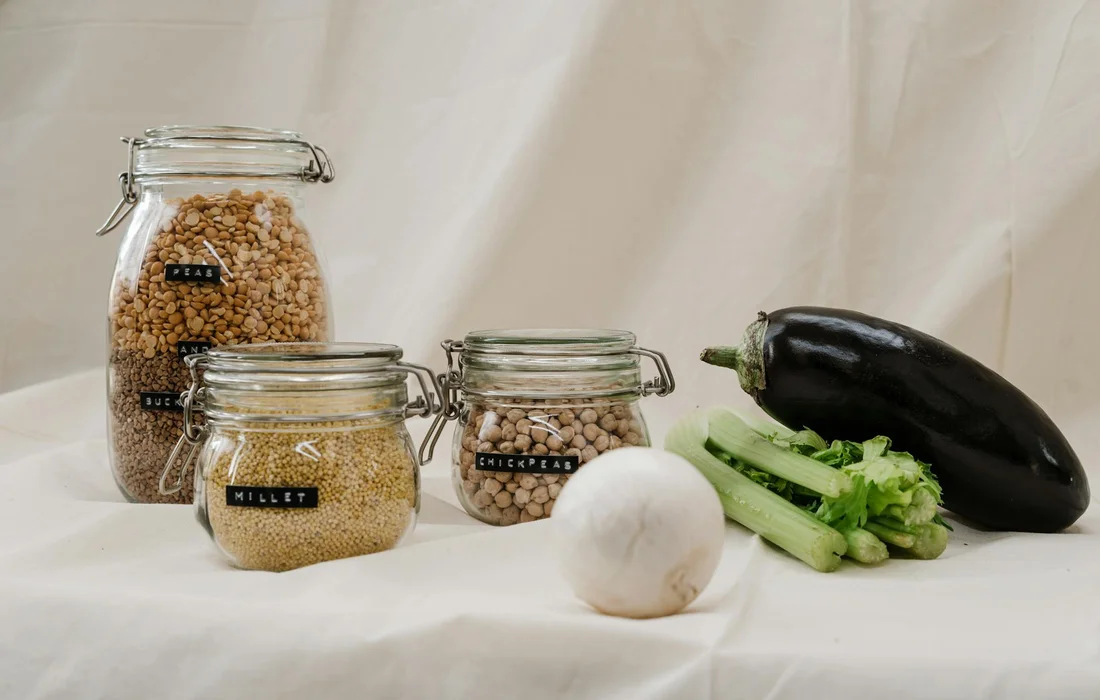
Handing a whole celery stalk to a bunny is like giving a toddler a whole carrot-it’s just asking for a tangled mess. Safe preparation turns a good idea into a safe, enjoyable snack that supports their health instead of risking it. I’ve learned this through trial and error with my own herd, and a simple routine makes all the difference.
Step-by-Step Preparation
Don’t just snip and drop it in the cage. A little forethought mirrors how we’d prepare our own garden goods, with a critter’s safety in mind.
- Washing: I rinse every piece under cool, running water, scrubbing gently with my fingers. You aim to remove all dirt and any chemical residues, even from organic celery, as field dust itself can cause issues. This step is non-negotiable for protecting your rabbit’s delicate gut flora.
- Cutting: Here’s where we prevent choking. Those long, stringy fibers are trouble. I chop the stalk crosswise into pieces no longer than an inch. For larger breeds, you can go a bit bigger, but I reckon smaller is always safer.
- Serving: Never toss those leafy tops! The dark green leaves are the most nutrient-dense part of the plant. Always serve the chopped stalk pieces alongside a generous pinch of those fragrant leaves for a balanced, wholesome treat.
Portion Control and Feeding Frequency
Even with perfect preparation, too much of a good thing spells trouble. Celery is a hydrating supplement, not a cornerstone of their diet.
- For a standard 5-6 pound rabbit, a heaping tablespoon of chopped celery (including leaves) is a solid single serving. A larger Flemish Giant might handle two.
- Think of celery as the crisp side salad, not the main course. The core diet must always be unlimited grass hay and fresh water, with leafy greens making up the bulk of their fresh veggies.
- A good rule from my barn is to offer about 1 cup of packed fresh vegetables per 2 pounds of body weight daily. Celery should only be a small fraction of that cup.
Overfeeding celery, with its high water content, can dilute the nutrients from their core foods and lead to nutritional gaps over time. Moderation is a form of stewardship.
Introducing Celery to a Rabbit’s Diet
If your bunny has never tasted celery, don’t just add a pile to their bowl tomorrow. A slow start saves you a world of worry.
- Introduce any new green, including celery, over a week. Start with a piece the size of your thumbnail. Watch their droppings for two days. If all is firm and normal, offer a bit more.
You’re watching for a bad reaction. Signs include immediately soft or mushy stools, a lack of appetite for their hay, or unusual gassiness. If you see any digestive upset, stop the celery immediately and return to their trusted diet of hay and water until things normalize. Their system will tell you what it can handle.
Special Considerations: Baby Bunnies and Wild Rabbits
Now, let’s chat about the little ones and the wild neighbors. Feeding critters isn’t a one-size-fits-all affair, and a bit of forethought here can save you a heap of worry down the line. I’ve learned this through years of watching over litters in the barn and observing cottontails in the pasture.
Can Baby Rabbits Eat Celery?
When those kits are bouncing around the nest box, it’s mighty tempting to offer them a taste of everything. But hold up. I never give celery to baby rabbits, and I reckon you shouldn’t either-their tiny digestive tracts just aren’t ready for it. I remember one season where a well-meaning helper offered a kit a piece of celery leaf; let’s just say it led to a messy situation that had us all worried for a day.
- Kits should not eat celery. Their digestive systems are too delicate for fibrous vegetables until they are much older.
- You’ll want to wait until they are fully weaned, around 8 weeks old, and even then, introduce new greens like celery slowly after they’re mature, closer to 12 weeks.
Feeding Celery to Wild Rabbits in Your Yard
Spotting a wild rabbit nibbling at the edge of your garden can be a real pleasure. Whether to feed them is a personal choice, but I view it through the lens of stewardship. If you do decide to share, think of it as a rare treat, not a daily meal ticket, to keep them foraging naturally. My approach has always been to manage my garden greens so they’re less tempted by my lettuce in the first place, supporting their natural foraging habits and nutrition.
- Place clean, thoroughly washed, and cut celery (strings removed) in a quiet spot away from bushes where predators might hide. I’ll often put it near a brush pile at the tree line at dusk.
- Avoid making them dependent. Offering food regularly can change their behavior and make them vulnerable. A few pieces once in a blue moon is plenty.
- This ties right into smart garden management. Planting a little extra clover or leaving a patch of weeds at the back of your plot can protect your main crops better than any fence sometimes.
Beyond the Stalk: Crafting a Complete Rabbit Diet
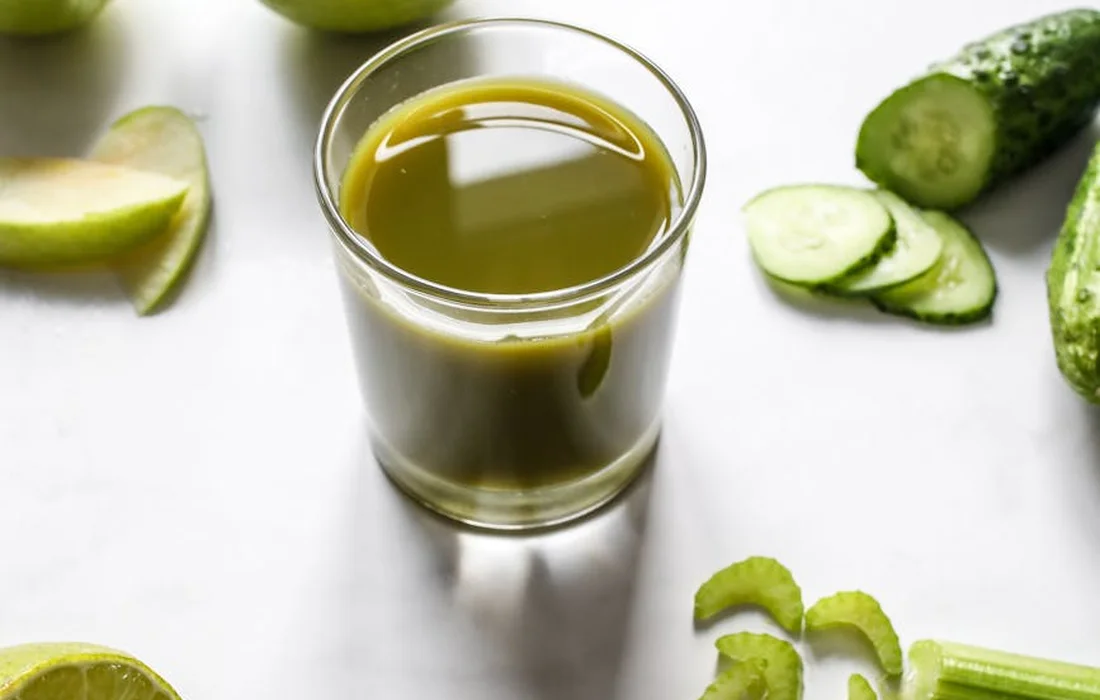
Think of celery as just one colorful thread in a much larger tapestry. A truly thriving rabbit needs a diet built on a sturdy, timeless framework, much like a good barn stands on a solid foundation. Let’s lay out the rest of that feast, so your bunny lives a long and hoppy life.
The Foundation: Hay and Water
I’ve kept rabbits for more years than I care to count, and I’ll tell you plain: if you forget everything else, remember hay and water. An endless supply of fresh grass hay, like timothy or orchard grass, is not a suggestion. This roughage is the absolute cornerstone of their health, keeping their digestion moving and their constantly growing teeth filed down naturally. A rabbit without enough hay is a rabbit in trouble, plain and simple. For a deeper dive, the ultimate guide on hay for rabbits covers types, benefits, and practical feeding tips. It’s a resource that helps you tailor feeding to your rabbit’s needs.
And the water? It must be cleaner than what you’d want to drink yourself. I use heavy crocks I scrub out daily, but a clean bottle works fine. Fresh, clean water is the non-negotiable partner to all that dry hay, ensuring everything flows smoothly on the inside.
Building a Salad Bar: Safe Vegetables and Leafy Greens
This is where we get to have fun and add color! Leafy greens and other veggies are the daily “salad bar” that provides vital vitamins and enrichment. Variety is your best tool here to prevent boredom and ensure a broad nutrient intake.
A well-stocked rabbit salad bar includes staples like romaine lettuce, cilantro, dandelion greens (from pesticide-free yards), and the tops of carrots or radishes. For leafy greens, sticking to safe types and appropriate portion sizes is part of good feeding guidelines. Rotating a variety of greens while keeping portions in check helps maintain a balanced diet. Bell peppers (any color, seeds removed) are a fantastic, low-sugar option. I’m partial to giving a slice of zucchini from the summer garden, too.
Now, you must know what not to put in the bowl. Some common garden items are outright dangerous. Never feed rabbits onions, potatoes, rhubarb, or any part of a tomato plant-these can cause serious harm or toxicity. Iceberg lettuce offers little nutrition and can cause digestive upset, so it’s best skipped. There are more vegetables to avoid. A quick ‘toxic vegetables for rabbits‘ list can guide your choices.
Here’s a sample daily mix for a medium-sized rabbit I might toss together from the garden:
- 1 large handful of romaine lettuce
- A few sprigs of fresh cilantro
- 1 small kale leaf (occasionally, as it’s high in calcium)
- 2-3 dandelion leaves
- 1 thick slice of green bell pepper
Treats in Moderation: Fruits and Other Bites
Fruits are the candy of the rabbit world-delicious, eagerly awaited, but strictly for special occasions. Their high sugar content can lead to weight gain and disrupt the delicate gut flora we work so hard to maintain with all that hay. A tiny chunk of apple (seedless), a single blueberry, or a thin slice of banana once or twice a week is plenty. I often use a sliver of fruit as a training reward or for bonding time.
For a healthier “something special,” consider fresh herbs. Many rabbits adore the scent and taste of fresh mint, basil, or parsley, which can be given more freely than fruit and provide pleasant variety. A sprig of mint from my windowsill herb pot is a favorite afternoon snack for my old doe, and it makes her breath smell mighty fine, too.
Barnyard Wisdom: Practical Tips from the Pen

I’ve set out celery for both our domestic rabbits and watched the wild jacks that visit the field edge, and I reckon their enthusiasm is plain as day. There’s a particular, contented cadence to the crunching that tells you they’re enjoying more than just the moisture. Seeing an animal relish its food is a sure sign you’re providing good, thoughtful nourishment.
If your flock or herd includes rabbits, let me encourage you to grow your own celery. Store-bought bunches can be costly and often carry chemicals you don’t want your critters ingesting. A small, dedicated plot for celery gives you full control, saving money and ensuring every stalk is pesticide-free for your animals. It needs rich soil and plenty of water, but the payoff in peace of mind and pantry savings is mighty fine.
Never waste what your rabbits don’t finish. Those stringy ends and leafy tops make superb compost material. Chop them up and layer them into your pile with some brown matter like straw; they’ll decompose into a nutrient-rich amendment that’ll feed your garden come spring. It’s a simple habit that pays dividends.
This cycle-from garden to rabbit to compost and back to garden-is the heart of thrifty, responsible land management. Using every scrap thoughtfully minimizes waste, enriches your soil, and respects the life you’re nurturing, which is what good stewardship is all about. I’ve found it makes the whole farm run smoother.
Closing Questions
Can celery be fed to other barnyard animals like chickens or pigs?
Yes, celery can be a safe, hydrating treat for many barnyard animals when prepared properly. Always chop it into small pieces to avoid choking and introduce it gradually to prevent digestive upset. Celery and chicory can be especially beneficial for pigs and guinea pigs.
For farm task management, should I prioritize celery feeding or RabbitMQ setup?
Both serve different roles: celery is a nutritional supplement for animals, while RabbitMQ is a messaging tool for automating farm workflows. Integrating both enhances animal care and operational efficiency.
How can Python with Celery or RabbitMQ improve barnyard feeding systems?
Python scripts using Celery with RabbitMQ can automate feeding schedules, track animal diets, and manage tasks like dispensing celery treats. This helps maintain consistency and frees up time for other farm duties.
When monitoring animal data, is Celery/RabbitMQ or Kafka better suited?
Celery with RabbitMQ is ideal for handling task queues in feeding automation, while Kafka excels at streaming real-time data from sensors. Select based on whether you need task management or continuous data flow for your farm.
What do Reddit farming forums say about using Celery or RabbitMQ?
Reddit communities often recommend Celery and RabbitMQ for simple farm automation, such as scheduling feeding times. They advise starting with basic setups to manage tasks before scaling up for larger operations.
Can you give a practical example of Celery and RabbitMQ on a farm?
Consider a system where RabbitMQ queues a task for evening feeding, and a Celery worker processes it by activating a dispenser that releases chopped celery to rabbits. This demonstrates automated, reliable care for your animals.
Shutting the Hutch Door
Looking after rabbits, whether in a hutch or hopping wild in your hedgerow, boils down to mindful moderation and keen observation. The single most important thing you can do is watch your rabbit closely after introducing any new food, like celery, and let their health and happiness-not their eager begging-guide your portions. A balanced belly makes for a thriving bunny.
I reckon the true joy of this life is found in these quiet moments of care, in knowing your critters are content. Thank you for taking the time to learn with me. Now, go enjoy the simple pleasure of a happy, healthy rabbit-and if you have a story from your own patch, I’ll always be here, ready to listen from my porch. Y’all take care out there.
Further Reading & Sources
- Can Rabbits Eat Celery? | PetMD
- r/Rabbits on Reddit: Is celery okay??
- Can Rabbits Eat Celery? | Chewy
Caroline Mae Turner is a lifelong farm girl raised on red clay, early mornings, and the sounds of a bustling barnyard. With hands-on experience caring for everything from stubborn goats to gentle dairy cows and mischievous pigs, Caroline shares practical, tried-and-true advice straight from the farm. Her goal is to help folks keep their animals healthy, well-fed, and living their best barnyard life. Whether you're wrangling chickens or bottle-feeding a baby goat, Caroline brings a warm Southern touch and plenty of real-world know-how to every bucket in the barn.
Diet Requirements