A Homesteader’s Guide to Feeding Cucumbers to Rabbits Safely
Published on: April 7, 2026 | Last Updated: April 7, 2026
Written By: Caroline Mae Turner
Howdy y’all. Welcome back to the barn. Yes, your rabbits can enjoy cucumbers, but think of them as a crispy treat, not a main course-feed a thin slice or two, a few times a week, after you’ve washed off any waxy coating.
- Fresh, organic cucumber if you can get it
- A clean knife and cutting board
- Five minutes of your time for prep
Let’s get this sorted so you can get back to your other critters with confidence.
The Straight Answer: Are Cucumbers Safe for Rabbit Consumption?
Yes, indeed, your rabbits can enjoy cucumbers, but let me tell you, moderation is the golden rule here. I reckon it’s like offering a cool slice of watermelon on a hot day-refreshing but not a meal. I remember introducing cucumber to my herd for the first time; my old doe, Hazel, sniffed it cautiously before nibbling, and I watched her close for any sign of a sour belly. That careful observation is your best tool for keeping your bunnies happy and healthy when trying new foods.
- Cucumbers are non-toxic and pose no poison risk to domestic or wild rabbits.
- They have a very high water content, which can be a boon for hydration in summer.
- Their nutritional density is low, especially compared to the fiber powerhouse that is grass hay, so they can’t replace core feeds.
When you first offer cucumber, follow these simple steps to sidestep digestive upset:
- Start with a tiny piece, no bigger than a teaspoon, for an average-sized rabbit.
- Keep a sharp eye on their droppings and behavior for the next 24 hours.
- If their digestion stays regular, you can safely add a small slice to their veggie rotation a couple times a week.
Nutritional Breakdown: What’s in a Cucumber for Your Bunny?
Beyond the crunch, a cucumber is mostly water-about 95%-making it a splendid supplemental hydrator for your flock on dusty afternoons. It offers a sprinkle of vitamins like K for blood health and minerals such as potassium for nerve function. Never forget, though, that the long-strand fiber in hay is what keeps a rabbit’s gut moving properly, something cucumber simply can’t provide.
| Garden Veggie (per 100g) | Water Content | Fiber Content |
|---|---|---|
| Cucumber (with peel) | 95g | 0.5g |
| Bell Pepper (green) | 92g | 1.7g |
| Romaine Lettuce | 95g | 1.0g |
You can see from the table that cucumber brings the water but trails behind in roughage. Think of cucumber as a light, refreshing sip for your bunny, not a nutritional powerhouse for their daily needs.
Feeding Cucumbers to Domestic Rabbits: Portion Control and Preparation
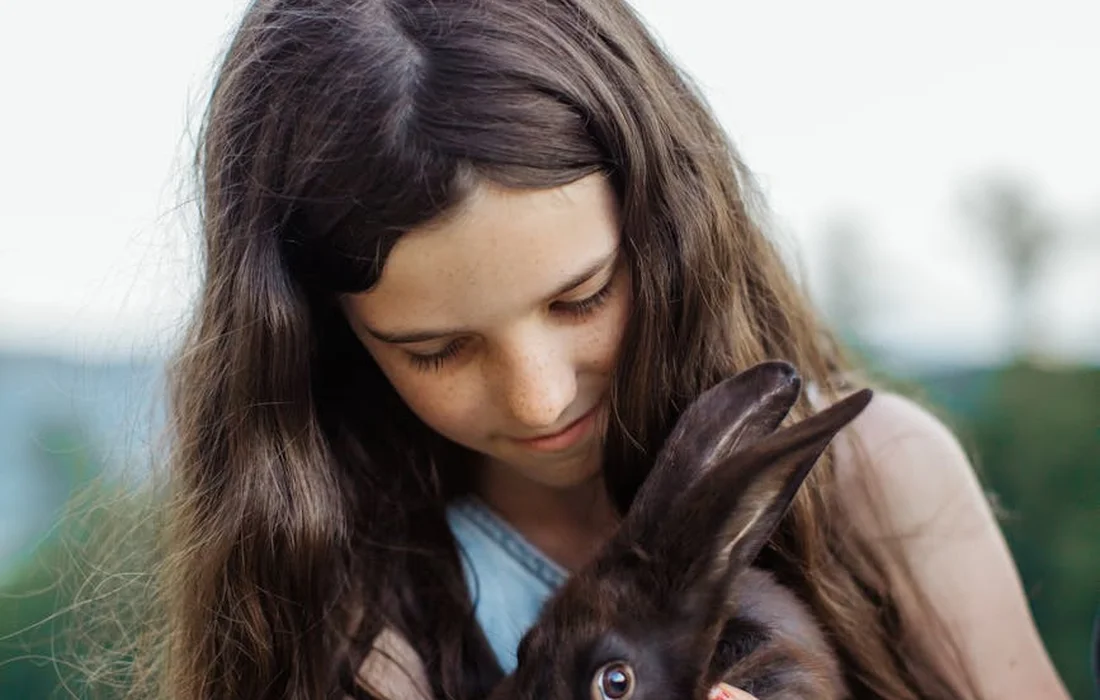
Now, let’s get down to the practical how-to. I’ve fed cucumbers to my own herd for years, and a little know-how goes a long way in keeping those bunnies happy and their digestion steady. Proper preparation turns a simple garden veggie into a safe, enjoyable snack for your floppy-eared friends.
Proper Prep: From Vine to Bunny
You wouldn’t serve a salad without washing the greens, and the same care applies here. Whether from your garden or the store, cucumbers need a bit of attention before they hit the hutch. Taking these few extra minutes is a cornerstone of good stewardship, showing respect for your animal’s health.
Here’s my tried-and-true method, straight from the washing bucket to the feed dish:
- Wash that cucumber thoroughly under cool running water. Give it a good scrub with a clean brush to remove any dirt, wax, or potential pesticide residue. I reckon if you’re using homegrown cukes, you’re already a step ahead.
- Slice it into rabbit-friendly, bite-sized pieces. Think matchsticks or small cubes about the size of your thumbnail. This prevents choking and makes it easy for your bunny to manage.
- Decide on peeling based on your rabbit’s sensitivity and the cucumber’s source. For a sensitive tummy or a non-organic cucumber, I often peel it. For a robust rabbit and a homegrown cuke, leaving the skin on adds fiber.
Now, about what parts of the cucumber are fair game for your critter:
- Flesh: Yes, this is the main, hydrating part they’ll love.
- Rind/Skin: Yes, if it’s been washed well. It’s packed with nutrients, but peel it if you have any doubts about chemicals.
- Seeds: Generally fine in the small amounts found in a slice or two. Large amounts, like from a whole cucumber, may cause soft stools in some rabbits, so I usually scoop out the seedy center if I’m feeding more than a taste.
How Much is Too Much? Serving Size Guidelines
This is where many folks, with the best intentions, can go astray. Cucumber is a treat, not a meal replacement. Overdoing it with watery veggies can dilute the critical gut flora that processes their primary hay, leading to an imbalance.
My practical rule from the barn is simple and easy to remember:
- For an average-sized adult rabbit, offer just one or two thin slices, about the width of two fingers, no more than 2-3 times a week.
- Always tie this treat back to their core diet. That slice of cucumber should follow a hearty meal of timothy hay or orchard grass, which should make up about 80-90% of what they eat. A tablespoon of quality pellets is their daily “vitamin supplement,” not the cucumber.
Think of it like this: the hay is the main course that keeps their digestion grinding, and the cucumber is a light, refreshing palate cleanser. Keeping treats like this to less than 10% of their total intake ensures their system stays focused on processing the fiber it truly needs.
Special Considerations: Baby Rabbits and GI Health
Now, let’s talk about the young’uns. I’m firm on this rule: your kits, those baby rabbits under 12 weeks old, should not be offered cucumber or any other fresh vegetable. Their digestive systems are simply too tender and are still developing the proper gut flora to handle that kind of moisture and fiber variation. In the weaning phase, the baby rabbit diet weaning first foods and proper nutrition for these young rabbits matter as you introduce their first foods. We’ll also cover safe, gradual options for first foods in upcoming guidance.
From my time hand-raising kits in the barn, I learned their diet needs to be steady as a rock. They require unlimited alfalfa hay, which is richer in protein and calcium for growing bones, and a consistent portion of high-quality alfalfa-based pellets. Introducing veggies too early is a surefire way to disrupt their delicate gut balance and cause serious issues. Once they reach adulthood, their hay needs shift, and an age-specific feeding guide for adult rabbits helps tailor alfalfa hay intake to their changing needs.
This focus on gut health extends to rabbits of every age. Their digestive tract is a finely-tuned engine that requires constant, roughage-fueled motion. An unlimited supply of grass hay, like timothy or orchard grass, is the single most critical item for maintaining healthy gut motility and preventing deadly stasis. Cucumber is a supplement, not a substitute.
You must become a keen observer of your rabbit’s output and behavior, especially for signs of gastrointestinal upset can come on quick and include:
- Soft, misshapen, or uneaten cecotropes (the nutrient-rich droppings they normally re-ingest).
- Lethargy or a hunched posture, indicating pain.
- A sudden reduction in appetite or complete refusal of favorite foods.
- Significantly smaller or absent fecal pellets.
If you notice any of these signs, remove all fresh foods immediately and encourage hay and water consumption; a timely call to your veterinarian is often the difference between a quick recovery and a dire situation. Prevention, through a hay-centric diet and careful treat introduction, is always the best medicine in the rabbitry. Ensuring your rabbit consistently eats hay is crucial, so if you ever wonder why they aren’t eating hay, it’s essential to address it promptly.
Wild Rabbits and Cucumber Treats: Ethical Feeding Practices
Seeing a wild rabbit in the meadow might tug at your heartstrings, tempting you to share a slice of cucumber from your garden. I’ve felt that pull myself, sitting on the porch at dusk. But after decades on this land, I’ve learned that the most ethical choice is usually to admire them from afar and let them dine on what nature provides.
Feeding wild critters, however kindly intended, can do more harm than good. It teaches them to rely on handouts, weakening their natural foraging instincts and making them vulnerable when the free food stops. More than once, I’ve seen a well-fed rabbit colony become a magnet for hawks or coyotes, turning a kindness into a threat. When rabbits’ diets become dependent on human scraps, they lose their natural caution and venture into predator-rich areas, putting them at higher risk of predation. These dynamics illustrate why avoiding handouts is crucial for rabbit safety.
If you find yourself determined to offer a treat, you must be fiercely disciplined about it. Think of a cucumber piece not as food, but as a once-in-a-great-while curiosity you’re leaving for them to find. A nibble the size of your thumbnail, offered no more than once a month, is the absolute limit.
If You Must: A Caretaker’s Brief Guide
Should you decide to proceed, follow these steps to reduce risk. I scribbled a list like this for my grandson last summer when he was determined to befriend a cottontail.
- Wash that cucumber thoroughly under cool water, just as you would for your own kitchen, to strip away any pesticide residue.
- Place a single, small piece sparingly-never a pile-in a spot far from your home, coops, and barns.
- Choose a location deep in their natural cover, like the edge of a thicket, to discourage them from associating people with meals.
This method helps maintain their healthy fear of our spaces. Your goal is to avoid creating dependency, keeping their wildness intact for their own long-term survival.
Remember, our role as stewards extends beyond our fence lines. The very best support for wild rabbits is cultivating a healthy, chemical-free environment where their native foods can thrive. Letting the clover and dandelions grow in a corner of your pasture does more good than any bucket of cucumber ever could.
Risks and Warnings: When Cucumbers Cause Trouble
Even a good thing can turn sour with too much of a helping. The biggest risk with feeding cucumber isn’t the vegetable itself, but the sheer amount of water it brings to your rabbit’s delicate digestive system. I’ve seen a happy bunny turn into a messy situation overnight because someone thought a whole cucumber was a single serving.
Now, let’s talk about the main troublemaker: diarrhea. A rabbit’s gut needs a steady flow of dry, fibrous hay to keep things moving properly. Flooding that system with too much cucumber water can dilute the digestive process, leading to loose, watery stools that dehydrate your animal and throw their whole balance off. Beyond the bucket, store-bought cucumbers can carry pesticide residues on their skin, and though rare, a bunny can have a sensitive reaction to any new food—even pickled ones.
Symptoms to Watch For
You know your critter best. If you spot any of these signs after offering cucumber, it’s time to step in.
- Watery or unformed cecotropes (the soft, nutrient-rich droppings they usually re-ingest).
- Noticeable bloating or a hard, tense belly.
- A sudden disinterest in their timothy or orchard grass hay.
- Lethargy or hiding more than usual.
Actionable Steps to Take
Don’t fret if you see trouble-just act calmly and quickly. Your first move is always to remove the cucumber (or any other fresh food) immediately and make sure their hay rack is overflowing with their preferred roughage. Ensure their water bottle is clean and full. Most mild cases will right themselves with 24 hours of a hay-and-water-only diet. For store-bought cukes, I always give them a good scrub with a diluted vinegar wash before they ever get near the barn, rinsing well to remove any surface chemicals.
Beyond the Cucumber: Balanced Diet Essentials for Rabbits
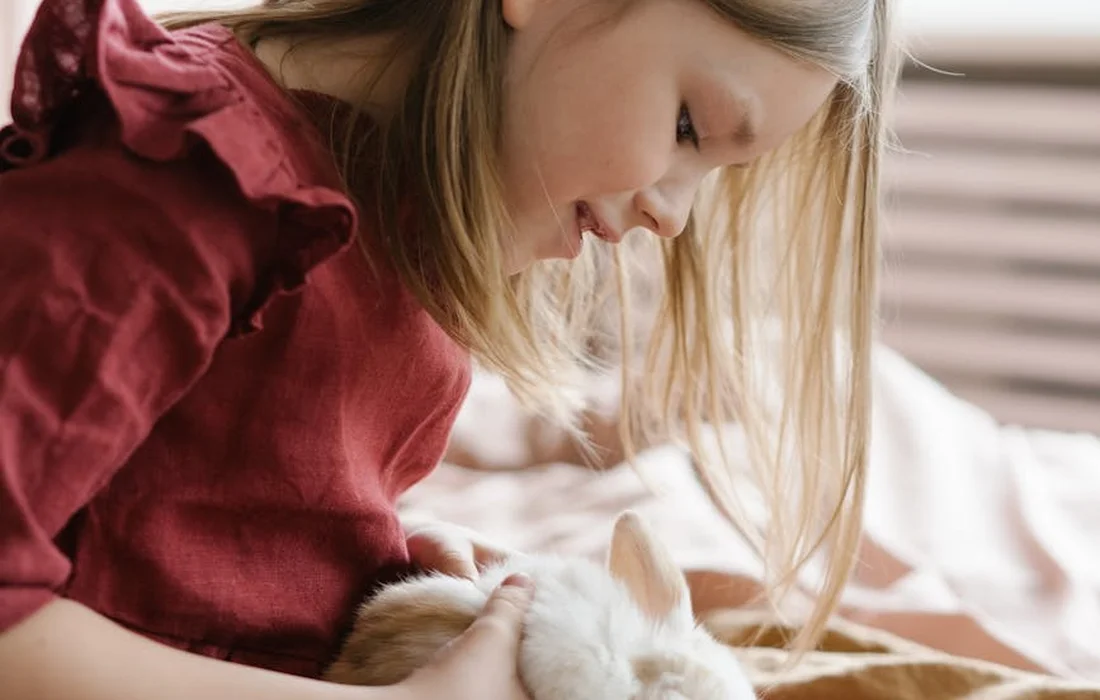
Think of a cucumber slice as the occasional polite visit, not the main resident at the dinner table. For a thriving rabbit, that daily menu must be built on the sturdy 90/10 rule, a principle that’s never failed me in the barn. Ninety percent of what they eat should be unlimited grass hay-like timothy or orchard grass-alongside a measured cup of quality pellets. The remaining ten percent is for fresh greens and the occasional treat, cucumber included.
I keep a hay rack full at all times, watching my rabbits munch contentedly. That constant hay keeps their gut moving and their ever-growing teeth in check, preventing a world of trouble. Balancing pellets with fresh greens is essential to meet their nutritional needs without upsetting gut health. For pellets, I look for a brand with at least 16-18% protein and high fiber, feeding about a quarter cup per five pounds of body weight daily.
Once that solid foundation is laid, you can have fun with the vegetable portion. Rotating through a variety of safe greens prevents picky eaters and covers all their nutritional bases. Here are a few reliable staples from my own garden and kitchen that my bunnies eagerly anticipate:
- Cilantro & Parsley: These aromatic herbs are usually a hit and simple to grow in pots.
- Carrot Tops & Beet Greens: The ultimate thrifty treat; never waste these nutrient-packed leaves.
- Romaine Lettuce: Choose the dark green leaves for substance, avoiding pale iceberg.
- Broccoli Leaves: Often overlooked, these large leaves from your garden plants are a fantastic free feed.
- Dandelion Greens: Harvested from unsprayed yards, they’re a forager’s delight full of minerals.
Getting creative with homegrown feed is where sustainability and savings truly meet. I’ve always found that dedicating a small raised bed to rabbit greens cuts down on feed costs and reduces waste beautifully. Pay close attention to each animal, though. Just because a food is safe doesn’t mean every bunny will tolerate it. Notice their droppings and energy levels. That respectful, watchful care is what transforms feeding from a chore into good stewardship.
Closing Tips
Can rabbits eat cucumbers?
Yes, rabbits can eat cucumbers as an occasional, hydrating treat. Always prioritize their core diet of grass hay to ensure proper digestion and health.
Are cucumbers safe for rabbits?
Cucumbers are non-toxic and generally safe for rabbits when washed thoroughly to remove pesticides. However, their high water content means overfeeding can lead to digestive upset, unlike some toxic vegetables that rabbits should avoid.
How much cucumber can a rabbit eat?
For an average-sized adult rabbit, offer only one or two thin slices per serving. This small portion helps prevent diarrhea and maintains balanced gut flora. Avoid overfeeding fresh vegetables to keep your rabbit healthy.
How often can rabbits have cucumber?
Feed cucumber sparingly, no more than 2-3 times per week. This keeps treats within the recommended 10% of their total diet, with hay as the mainstay.
Can baby rabbits eat cucumbers?
No, baby rabbits under 12 weeks old should not eat cucumbers. Their delicate digestive systems require a steady diet of alfalfa hay and pellets to develop properly. Later on, when they’re ready, vegetables can be introduced gradually.
What are the benefits of feeding cucumbers to rabbits?
Cucumbers offer hydration and nutrients like vitamin K and potassium. They are a low-calorie supplement but lack the essential fiber found in hay for optimal gut motility.
Shutting the Gate
When all’s said and done, keeping your rabbits thriving boils down to mindful moderation and a steady routine. The cornerstone of good rabbit husbandry is observing your animals closely each time you offer a new treat, like cucumber, ensuring it complements their base diet of unlimited hay and fresh water. A sudden change can upset their gut, so slow and steady always wins the race with these delicate grazers.
I’m right grateful we could share this chinwag about proper feed. Homesteading’s true reward is found in those quiet, daily rhythms of care and the trust you build with your critters. Now, take this knowledge, head on out to the hutch, and enjoy the simple pleasure of a happy, healthy bunny. Y’all take care now.
Further Reading & Sources
- Can Rabbits Eat Cucumbers? | Chewy
- Can Rabbits Eat Cucumbers? (And How Much) – Daily Bunny
- Can Rabbits Eat Cucumbers? A Complete Guide – Everbreed
Caroline Mae Turner is a lifelong farm girl raised on red clay, early mornings, and the sounds of a bustling barnyard. With hands-on experience caring for everything from stubborn goats to gentle dairy cows and mischievous pigs, Caroline shares practical, tried-and-true advice straight from the farm. Her goal is to help folks keep their animals healthy, well-fed, and living their best barnyard life. Whether you're wrangling chickens or bottle-feeding a baby goat, Caroline brings a warm Southern touch and plenty of real-world know-how to every bucket in the barn.
Feeding Guidelines