Can Rabbits Eat Garden Flowers? A Safe Feeding Guide for Lilacs, Lavender & Hibiscus
Published on: March 26, 2026 | Last Updated: March 26, 2026
Written By: Caroline Mae Turner
Howdy y’all, and welcome back to the barn. Yes, your rabbits can safely eat lilacs, lavender, and hibiscus as occasional treats, but the real chore is knowing exactly which parts to pick and which common blooms to avoid entirely. I’ve spent many seasons sharing my garden’s bounty with my woolly crew, and it’s a fine way to practice thrifty, sustainable stewardship.
What you’ll need:
- A reliable list of non-toxic flowers for rabbits.
- Fresh, pesticide-free blossoms from your garden.
- Time for careful plant identification and washing.
- A mindful approach-flowers are supplements, not main feed.
Stick with me, and we’ll get this sorted quicker than a bunny nabs a dandelion, so you can get back to your other chores.
A Homesteader’s Guide to Flowers and Bunny Bellies
Now, I reckon y’all are eyeing those blooming lilacs by the fence line or that patch of lavender near the porch and wondering if your bunnies can partake. I’ve spent many a spring afternoon snipping blossoms for my herd, watching their noses wiggle with delight. Offering garden flowers can be a wonderful way to enrich your rabbits’ diet and provide a bit of seasonal joy, but it must be done with a keen eye and a careful hand. Just like we wouldn’t let the chickens into the prize rose bush, we gotta know which petals are pure pleasure and which spell trouble.
From my experience, rabbits have their own opinions on taste, much like folks. My old doe, Matilda, would trample her siblings for a sprig of hibiscus, but turned her nose up at fresh lavender. Introducing new blooms is a personal journey for each animal, and it starts with a solid foundation of knowledge. Let’s mosey through the core principles so you can forage with confidence.
Sorting the Safe from the Toxic: Core Principles
Walking your property with a rabbit’s menu in mind changes how you see every plant. You start noticing what’s growing wild in the ditches and cultivated in the beds. The first rule of thumb is this: if you aren’t 100% certain of a plant’s identity, it doesn’t go in the hutch or garden. I’ve seen a well-meaning treat cause a bellyache, and it’s a lesson you only need to learn once. Even when you are sure, it’s good to cross-reference with a list of rabbit-proof plants they avoid.
Your Rabbit Diet Foundation: Hay is #1
Before we chat about floral treats, we gotta talk about the cornerstone of bunny health. That’s unlimited, high-quality grass hay. Timothy, orchard, or brome-it should make up about 80% of what they eat. Hay keeps their digestive tract moving and their teeth worn down, preventing costly and painful health issues down the road. I keep a stack in the barn that smells like a summer meadow, and the rabbits hear me crinkle the bag from clear across the yard. Plus, our ultimate guide on hay for rabbits covers types, benefits, and feeding tips. It’s the natural next step for readers who want a deeper, practical dive.
Think of flowers, even safe ones like lilac or hibiscus, as the seasoning on a plate. They’re the delight, not the meal. A good limit is about a tablespoon of mixed blossoms per five pounds of rabbit body weight, offered just a few times a week. This prevents upsetting their delicate gut flora and ensures they still fill up on the roughage they truly need. If you’re planning a complete feeding routine for a domestic rabbit, a concise domestic rabbit diet guide can help. It covers safe foods, portions, and how to balance hay with greens.
The Golden Rules of Foraging for Your Rabbits
When you’re ready to gather, follow these steps I’ve lived by for years. They’ve kept my bunnies hopping happy and healthy.
- Know Your Source. Only pick flowers from areas you know haven’t been sprayed with pesticides, herbicides, or chemical fertilizers. My garden is organic, but I still wash everything in cool water. Roadside flowers are a hard no-they’re coated in exhaust fumes and runoff.
- Start Small and Watch. Introduce one new flower type at a time. Give just a petal or two on the first day. Watch their droppings for the next 24 hours; any softening means you should pull back and stick to hay. Their digestion will tell you the truth.
- Feed Fresh or Fully Dried. Wilting blooms can start to mold quickly. Offer flowers fresh, or dry them thoroughly in a well-ventilated spot for winter treats. Never feed anything slimy or spoiled.
- Stick to the Safe List. For your garden, here are some common blooms I’ve fed safely:
- Lilac: All parts are safe. My rabbits enjoy the tender young leaves and flower clusters.
- Lavender: Flowers and stems are safe. It’s aromatic, so some rabbits adore it while others ignore it.
- Hibiscus: The flowers (especially the Roselle variety) are a fantastic treat, rich in vitamin C.
- Others: Roses (petals only, no leaves), dandelions, marigolds (calendula), and nasturtiums.
- Avoid the Usual Suspects. Some common garden plants are outright poisonous. Never feed: foxglove, lily of the valley, oleander, rhododendron, or any bulb plant flowers like tulips or daffodils. When in doubt, leave it out-your rabbit’s health isn’t worth the gamble.
Following these rules turns foraging from a worry into a joy. It connects you to your land and your animals in a mighty special way. Nothing beats the contentment of watching a bunny carefully nibble a lavender sprig you grew and harvested just for them. That’s the heart of good stewardship right there.
Can Rabbits Eat Lilacs? A Springtime Snack
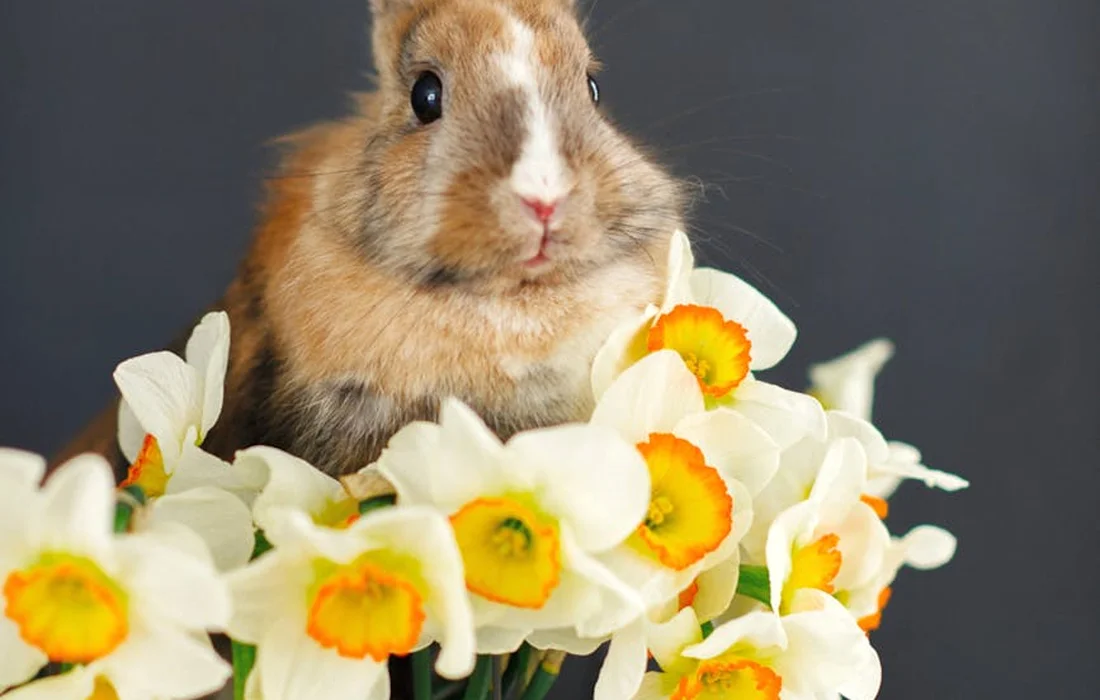
When those fragrant purple, white, or pink blooms burst open each spring, it’s a feast for the senses. I reckon your rabbits will agree. Yes, rabbits can safely eat lilac flowers, leaves, and young stems straight from the common lilac bush (Syringa vulgaris). I’ve been clipping a few sprigs for my rabbits every spring for twenty years, and they act like I’ve handed them a plate of fine pastry.
This garden treat is more than just safe; it’s a wonderful way to add variety and enrichment to their diet. I always offer it as a supplemental forage, not a main meal. Here’s how I do it right from my own yard:
- Harvest sprigs that are well away from road dust or any chemical drift.
- Give them a good shake and a rinse with clean water to remove any tiny bugs or debris.
- Introduce it slowly if it’s their first time, offering just a small branch to see how their particular digestion handles it.
- Never strip a bush. Take a little from here and there so the plant stays beautiful and healthy.
You’ll notice they often go for the tender leaves and petals first. This is one of those delightful, thrifty pleasures of homesteading, turning a gorgeous ornamental into a free, seasonal snack for your critters.
Are All Lilac Species Safe for Rabbits?
Now, this is where we need to put on our careful gardener’s hat. Not every plant called a “lilac” belongs to the safe *Syringa* family. The name can be misleading, and that’s a risk we don’t take with our animals.
The true, safe lilacs for rabbit consumption are those from the genus *Syringa*. This includes your classic common lilac, as well as other species like the smaller Korean lilac (*Syringa meyeri*) or the late-blooming Japanese tree lilac (*Syringa reticulata*). If it’s a true lilac from this family, the flowers, leaves, and stems are generally considered safe in moderation.
However, you must be wary of these common impostors:
- Persian Lilac or Chinaberry Tree (*Melia azedarach*): This tree is toxic. Its berries, leaves, and flowers are poisonous to many animals, including rabbits.
- Summer Lilac (Butterfly Bush, *Buddleja davidii*): While not a true lilac and sometimes debated, I don’t feed it. It’s not a traditional forage, and its safety profile for rabbits isn’t firmly established, so I choose to err on the side of caution.
My rule in the barnyard is simple: if I’m not one hundred percent certain of the plant’s identity, it doesn’t go in the feed basket. Stick with the classic, fragrant *Syringa vulgaris* you know from grandmother’s garden, and you’ll be providing a perfectly safe springtime delight.
The Aromatic Question: Is Lavender Safe for Rabbits?
Let’s settle that garden gate debate right now: yes, your rabbits can nibble on lavender, but think of it as a fancy condiment, not the main course. In my decades of tending to everything from wooly rabbits to wooly sheep, I’ve found that most aromatic herbs like lavender are safe in tiny, thoughtful amounts. That calming scent you love? It comes from natural oils that can actually soothe a nervous bunny.
I’ve kept a patch of lavender by the barn for years, not just for its beauty. On bustling days when the tractors are rolling or the dogs are barking, a fresh sprig can work wonders for a jittery rabbit. This herb offers a form of enrichment that engages their senses and provides a subtle change from their daily fare.
How to Serve Lavender Safely
You can’t just toss a whole plant into the hutch. Follow these simple rules to keep your floppy-eared friends hopping happily.
- Source matters most. Only use lavender you’ve grown yourself without pesticides or that you trust is organic. Store-bought ornamental plants are often coated in stuff no creature should eat.
- Fresh is best, but dried works. If using dried lavender, reduce the portion by half because the oils are more concentrated.
- Start with a pinch. Offer one small flower head or a few leaves to see if your rabbit even likes it. Some turn their noses up at the strong aroma!
- Treat it like a treat. Lavender should never replace their hay, greens, or pellets. Once or twice a week is plenty for a little variety.
I recall a young Netherland Dwarf of mine, Dandy, who was frightfully shy. Introducing a bit of lavender into his environment seemed to take the edge off his skittishness. Watching how an animal interacts with a new food teaches you more than any book ever could.
The Practical Homesteader’s Perspective
Growing lavender aligns perfectly with a thrifty, sustainable life. It’s a drought-tolerant perennial that comes back year after year with minimal care. Using what you grow to supplement your animals’ diet is the very heart of resourceful stewardship. You’re not wasting money on bagged treats, and you’re giving your rabbits something straight from the earth.
If you’re ready to give it a try, here’s my barn-tested method for introduction.
- Pick a small sprig in the morning after the dew has dried, choosing blooms that are just opening.
- Shake it gently to dislodge any bugs, and if you must rinse it, pat it completely dry with a towel.
- Place it in their feeding area alongside their normal hay, so they can investigate it on their own terms.
- Monitor their droppings and appetite for the next day to ensure no digestive upset occurs.
Remember, a rabbit’s digestive system is finely tuned. Any new food, even a safe one like lavender, should be introduced with a heavy dose of caution and common sense. Stick to the familiar greens for daily nutrition, and let the lavender be an occasional, fragrant surprise. To do this safely, transition your rabbit’s diet gradually, introducing one new food at a time. In the next steps, we’ll outline a simple, safe transition plan and how to watch for any digestive signs.
Hibiscus: A Tropical Treat for Bunnies

Now, I reckon those vibrant hibiscus blooms might seem a bit exotic for your barnyard, but let me tell you, my rabbits have always considered them a fine delicacy. I’ve watched my own herd nibble on the petals and leaves for years without a hitch. Hibiscus isn’t just safe for rabbits; it’s a powerhouse of vitamin C and antioxidants that can give their immune system a real boost, especially during seasonal changes. You’ll often find it dried in commercial forage mixes, but nothing beats the fresh stuff from a clean source.
Remember, a rabbit’s digestion is a delicate engine. While hibiscus is a welcome change from standard hay, it should never replace their core diet. I treat these flowers like a summer dessert-a small handful per bunny, two or three times a week is a perfect, healthy limit. Offering too much too fast is a surefire way to upset their tender gut, and we don’t want that.
Preparing Hibiscus for Your Flock
Getting hibiscus ready for your critters is simple, but doing it right matters for their safety. It all starts with where you pick it. My number one rule is to only harvest flowers and leaves from plants you know haven’t been sprayed with any chemicals, pesticides, or systemic fertilizers. That bush by the roadside or a neighbor’s manicured garden is likely contaminated, so stick to your own organic garden or a trusted supplier.
Here’s my simple, thrifty process for preparing a batch:
- Gather Fresh: Pick the bright blooms and tender green leaves in the morning after the dew has dried.
- Wash Thoroughly: Give them a good rinse under cool running water to remove any dust or tiny bugs. I use a colander for this.
- Pat Dry: Lay the pieces out on an old clean towel and gently pat them dry. Excess moisture can lead to mold if you’re storing them.
- Serve or Store: You can feed them fresh immediately. For storage, air-dry them completely on a rack and keep in a paper bag in the pantry.
When it’s time to serve, I tear the petals and leaves into bunny-sized pieces to prevent any choking hazard. Always introduce any new food, including hibiscus, in a pea-sized amount to watch for any individual sensitivity before making it a regular treat. This careful stewardship ensures your animals enjoy variety without risk, making the most of what your land can provide.
Other Common Garden Flowers: A Quick Reference
Now, let’s mosey on past the lilacs and lavender to talk about the rest of your garden. I always tell folks that knowing your blooms is just as important as knowing your feed grains when you’ve got free-range critters. My own rabbits have taught me more about horticulture than any seed catalog ever could.
Rabbit-Safe Flowers for Occasional Nibbles
These are the friendly faces in your garden that won’t cause a fuss if a curious bunny takes a taste. Remember, “safe” means an occasional treat, not a replacement for their good hay and pellets. I reckon a petal or two a few times a week is plenty for most rabbits.
- Marigolds: My gals love these. The entire flower is safe, and some old-timers swear they help keep a rabbit’s digestion tidy.
- Roses: Petals only, and make sure you’ve washed off any spray. I snip the thorns off first-no sense in a sore mouth.
- Sunflowers: The petals and the young leaves are fine. I dry the heads for winter chicken treats, but the rabbits get a fresh petal now and then.
- Nasturtiums: The whole plant is edible and has a peppery kick. It’s a thrifty, self-seeding flower that’s perfect for a homesteader’s garden.
- Pansies & Violas: These are delicate and make a pretty, safe garnish. They don’t offer much nutrition, but they’re a happy bit of variety.
Always introduce any new greenstuff slowly, just a pinch at first. I’ve found that offering flowers still on the stem lets a rabbit nibble naturally, which is better for their teeth and their spirit.
Common Flowers That Are Toxic to Rabbits
This list is where your stewardship really matters. A rabbit’s metabolism is delicate, and some common garden beauties can cause anything from a bellyache to real tragedy. I keep my ornamentals behind a little picket fence, separate from the rabbit yard, for peace of mind.
- All Lilies: Every part is highly toxic. I don’t allow them in my cutting garden anymore, not with bunnies hopping about.
- Daffodils & Tulips: Especially the bulbs, but the leaves and flowers are trouble, too. They can cause severe drooling and heart problems.
- Foxglove: It’s a poison, plain and simple. It affects the heart. It’s gorgeous, but it grows wild on the back fence line where my animals never go.
- Oleander: This shrub is deadly to most livestock. Not a single leaf should ever fall where a rabbit can reach it.
- Rhubarb Leaves: While we eat the stalks, the leaves contain oxalates that can cause kidney failure in rabbits.
If you even suspect your rabbit has eaten a toxic plant, get to your vet fast. Keep a sample of the plant in question; it helps the vet make a quick diagnosis and could save your animal’s life. It’s a simple habit that speaks volumes about respect for the creatures in your care. Knowing what rabbits eat, including safe and unsafe plants, is essential for any pet owner.
From Garden to Hutch: How to Prepare Flowers
Now, I reckon y’all might be eager to share those garden blooms with your bunnies, but hold your horses! Just plucking a flower and tossing it into the hutch ain’t the way. Proper preparation turns a potential treat into a safe and wholesome snack, honoring both your thrifty garden harvest and your rabbit’s well-being. I learned this decades back when my overzealous gifting of unwashed lilacs led to a day of watching a displeased doe, teaching me patience and respect for the process.
The Right Way to Pick Your Blooms
You must harvest flowers with the same care you’d use gathering eggs for breakfast. Source every blossom from plants you know are free of pesticides, herbicides, or chemical fertilizers, as these can harm a rabbit’s sensitive system quicker than a fox in a henhouse. My personal practice is to only use flowers from my own organic patch or a trusted neighbor’s plot.
- Timing is Everything: Gather flowers in the morning after the dew dries, when their nutrients are peak and before the midday sun wilts them.
- Select the Best: Choose vibrant, fully open flowers and avoid any with spots, mildew, or insect damage. Faded blooms offer little value.
- Know Your Parts: Take only the safe portions. For example, with lilacs, you want just the fragrant flower clusters, not the leaves or woody stems.
Cleaning: More Than a Quick Rinse
A thorough cleaning removes hidden dirt and tiny critters you can’t see. Gently swish your flowers in a bowl of cool water, then rinse them under a soft stream from the tap, just like I do with my garden lettuce. This simple step prevents your rabbit from ingesting garden soil or airborne pollutants.
- First Bath: Submerge the flowers in a large bowl of cold water and agitate them lightly with your hands.
- Final Rinse: Transfer them to a colander and run cool water over them, ensuring all surfaces are washed.
- Dry Thoroughly: Spread the blooms on a clean kitchen towel or a drying rack. Damp feed molds fast in a warm hutch, so let those petals get bone-dry before serving.
Serving with Sense and Observation
Introduce new flowers slower than a spring thaw. Start with a single petal or a small piece to monitor your rabbit’s digestion, as even safe flowers can cause upset if given in excess. I treat these garden gifts as a supplement, never a replacement for their prime hay and greens. For daisies in particular, a rabbit flower safety guide can help you determine safe parts and amounts, ensuring gentle, trouble-free nibbling. A quick reference now can save digestion later.
Offer a portion about the size of a rabbit’s ear, two or three times a week at most. Scattering the prepared flowers over their hay encourages natural foraging behavior and provides mental enrichment. Always watch for changes in droppings or appetite; that’s your best sign to adjust their menu.
| Flower | Preferred Preparation | Serving Tip |
|---|---|---|
| Lilac | Fresh, washed flower clusters only | Remove every bit of green leaf and stem, as they can be irritating. |
| Lavender | Fresh buds or dried | Drying concentrates the aroma; a small pinch calms my rabbits on a busy barn day. |
| Hibiscus | Fresh or dried petals and calyx | Rich in antioxidants; a colorful once-a-week treat my herd adores. |
This mindful approach from garden to hutch is the heart of good stewardship. Transforming your safe garden surplus into rabbit treats embodies the homesteading spirit of resourcefulness and care for all creatures in your charge.
Living Alongside Your Foraging Bunnies
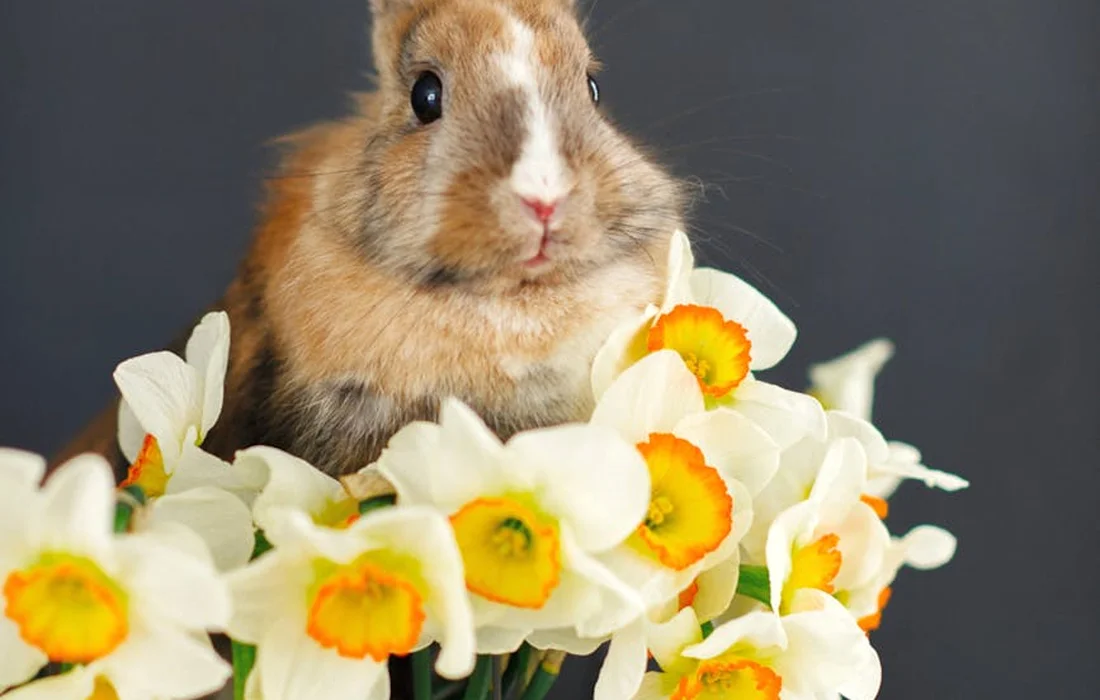
Now, I reckon the idea of turning your precious flower beds into a bunny buffet might make you a touch nervous. I don’t blame you one bit. The trick isn’t to fence them out of beauty, but to manage their access with some old-fashioned wisdom. Creating a “sacrificial” patch of their favorite safe flowers is the single best way to protect your prized peonies and keep your rabbits content.
Setting Up a Bunny Salad Bar
Over by the corner of my tool shed, I’ve got a dedicated plot just for the critters. It saves my kitchen garden and gives them variety. Here’s how I set it up:
- Pick a Sunny Spot: Most edible herbs and flowers crave good sun, which helps develop those beneficial oils rabbits adore.
- Use Movable Fencing: I use lightweight poultry netting staked with rebar to section off the area. This lets me rotate the patch, giving plants time to recover.
- Plant in Succession: Sow seeds or set out transplants every few weeks. This way, you’ll always have something fresh coming on for them to nibble.
- Harvest for Them: Don’t just turn them loose. I pluck handfuls of safe blooms and leaves to add to their daily hay. It turns dinner into enrichment.
The Safe List: Blooms You Can Both Enjoy
Let’s get specific about those garden flowers you mentioned. Not all are created equal, and moderation is your guiding principle, even with the safe ones.
Lilacs & Lavender: The Aromatic Treats
Both of these fragrant shrubs are perfectly safe for rabbit consumption. The woody stems of lilacs are too tough, but those soft green leaves and the delicate flower clusters themselves are a delightful, occasional treat. Lavender is a powerful herb, so I offer it sparingly-a small sprig once or twice a week is plenty to soothe their senses without overwhelming their digestion. I dry my lavender bundles in the barn and crumble a pinch into their hay in winter for a taste of summer.
Hibiscus: The Vitamin C Powerhouse
This is a top-shelf bunny favorite at my place. Both the tropical (Hibiscus rosa-sinensis) and hardy (Hibiscus syriacus, or Rose of Sharon) varieties are safe. The flowers, and particularly the fresh green leaves, are rich in vitamin C and antioxidants. I consider hibiscus a nutritional supplement, not just a snack, and it’s a brilliant way to add color and function to your homestead landscape.
Other Garden Staples for the Bunny Bowl
My foraging patch isn’t just flowers. It’s a mix of rabbit-safe plants that serve double duty. Here’s what else I grow for them: good stuff you can safely feed them.
- Nasturtiums: Every part is edible-peppery leaves, bright flowers, and even the seed pods. They sprawl beautifully and deter pests from other plants.
- Roses: Forget the sprays! The petals from organic, unsprayed roses are a sweet treat. They’re fond of the young, tender rose leaves too.
- Sunflowers: I let them grow tall, then offer the giant leaves. Once the head matures and dries, the seeds are a fantastic winter protein source.
- Marigolds (Calendula): These “pot marigolds” are a healing herb. The petals can support skin and digestive health.
You must be absolutely certain of a plant’s identity before offering it, and know that it was grown without pesticides, herbicides, or chemical fertilizers. When in doubt, leave it out-their main diet must always be unlimited grass hay, with these garden gifts as the flavorful icing on the cake. This careful balance lets you live in harmony with your foraging bunnies, turning your homestead into a shared, thriving ecosystem.
Closing Questions for the Homesteader
Can my rabbits safely eat the lilacs growing by my pasture fence?
Yes, the common lilac bush (Syringa vulgaris) is entirely safe for rabbits. You can offer them the flower clusters and tender young leaves as a fragrant, seasonal treat from your own land.
Is feeding lavender to my rabbits a good idea?
Lavender is safe for rabbits in very small amounts and can be a calming, aromatic enrichment. It should only be an occasional nibble, never a dietary staple, and must come from an unsprayed plant.
Are hibiscus flowers beneficial or just a pretty snack?
Hibiscus is more than just a snack; it’s a beneficial treat rich in vitamin C and antioxidants. Both the flowers and leaves from a chemical-free plant can be offered fresh or dried in strict moderation.
What are a few other common “safe” garden flowers I can share?
Roses (petals only), nasturtiums, marigolds (calendula), and sunflowers (petals & young leaves) are all rabbit-safe options. Always ensure they are pesticide-free and introduced slowly as a supplement to hay. For a broader selection, check out our comprehensive guide to rabbit-safe flowers.
Which common flowers are an absolute danger to my rabbits?
You must strictly avoid all lilies, foxglove, oleander, rhododendron, and the flowers/leaves of bulb plants like daffodils and tulips. These are highly toxic and pose a severe risk to rabbit health.
How do I safely introduce these garden treats to my herd?
Always introduce one new flower at a time, starting with a tiny piece. Monitor their droppings closely for the next 24 hours for any signs of digestive upset before offering more.
Shutting the Gate
When all’s said and done, feeding your rabbits from the garden is a wonderful way to connect with your land and your animals. My most steadfast rule, worn smooth from decades at the hutch, is to always treat new blooms like a curious visitor: introduce them slowly, in pinches, and watch how your rabbit’s own system chooses to welcome them. That careful attention is the true cornerstone of good husbandry, ensuring every mouthful is a safe one. Curious about whether rabbits eat your yard, lawn, or garden? Our foraging guide covers what’s safe and what to avoid.
I hope y’all get to spend a fine evening soon, watching your bunnies contentedly nibble while the sun sets. There’s a mighty reward in that quiet, shared rhythm. Thank you for lettin’ me chat with you about it-now I’d best go check on my own crew before supper.
Further Reading & Sources
- Here’s How to Stop Rabbits from Eating Plants in Your Garden ASAP
- Garden Plants That Rabbits Love to Eat
- How to Keep Rabbits from Eating Flowers – Rabbit Hole Hay
Caroline Mae Turner is a lifelong farm girl raised on red clay, early mornings, and the sounds of a bustling barnyard. With hands-on experience caring for everything from stubborn goats to gentle dairy cows and mischievous pigs, Caroline shares practical, tried-and-true advice straight from the farm. Her goal is to help folks keep their animals healthy, well-fed, and living their best barnyard life. Whether you're wrangling chickens or bottle-feeding a baby goat, Caroline brings a warm Southern touch and plenty of real-world know-how to every bucket in the barn.
Diet Requirements