
Rabbit-Proof Flowers: Garden Plants They Avoid
Published on: May 12, 2026 | Last Updated: May 12, 2026
Written By: Caroline Mae Turner
Howdy y’all. If you’re tired of finding your spring blooms chewed to nubs, I can tell you right now that the most effective fence is the one you plant, by choosing flowers rabbits naturally turn their noses up at. You can save your back and your budget by working with a rabbit’s own picky instincts.
What you’ll need:
- A list of reliable, rabbit-resistant plants.
- A sharp eye for those tell-tale rabbit-resistant traits.
- A little time to plan your beds this season.
Let’s get your garden looking full and beautiful again, so you can get back to the rest of your homesteading list.
Why Rabbits Turn Up Their Noses at Certain Blooms
Rabbits are opportunistic nibblers, but they’re not foolish. They possess a keen sense for what’s a safe, palatable meal and what’s best left alone. Over the years, I’ve watched them mow down my tender bean seedlings while giving a wide berth to a nearby patch of rosemary. Curious minds often ask which plants are safe or unsafe for rabbits to munch. Knowing the basics helps you decide what to plant or protect. This discernment boils down to a few key plant defenses: strong scents, bitter tastes, tough or fuzzy foliage, and mild toxicity that upset a rabbit’s sensitive digestive system.
I recall one spring when a particularly bold cottontail family took up residence near my kitchen garden. They devastated the lettuce but wouldn’t touch the thick, fuzzy leaves of the lamb’s ear or the pungent oregano bordering the plot. It was a live demonstration of their preferences. Plants that smell potent to us-like herbs in the mint family-often broadcast a clear “do not eat” signal to rabbits and many other critters.
Here are the common characteristics to look for when choosing rabbit-deterrent plants:
- Potent Aroma: Heavy fragrances from essential oils overwhelm their sensitive noses.
- Bitter or Pungent Taste: Saponins and alkaloids create a flavor they find offensive.
- Texture Trouble: Leaves that are leathery, hairy, thick, or prickly are simply unpleasant to chew.
- Mildly Toxic Sap: Milky or irritating sap can cause mouth discomfort or stomach upset, teaching them a quick lesson.
Rabbit-Resistant Flowers That Are Safe for Your Livestock
You can build a beautiful, functional farm landscape that rabbits skip right over. The key is selecting plants that are both unappetizing to bunnies and safe for your grazing or foraging livestock. Always cross-check plant safety for your specific animals, as toxicity can vary between species. Here’s a trustworthy starting list for a typical barnyard. Beyond these picks, you can tailor a rabbit-proof section by choosing plants rabbits tend to avoid. This next guide explains which common garden staples are typically unpalatable to rabbits and why.
| Plant Name | Type | Barnyard Animal Safety Notes |
|---|---|---|
| Lavender | Perennial Herb | Generally safe for all. Chickens may peck at it. Wonderful aromatic for coops. |
| Rosemary | Perennial Herb | Safe for chickens, pigs, cows, geese. A robust, woody herb rabbits hate. |
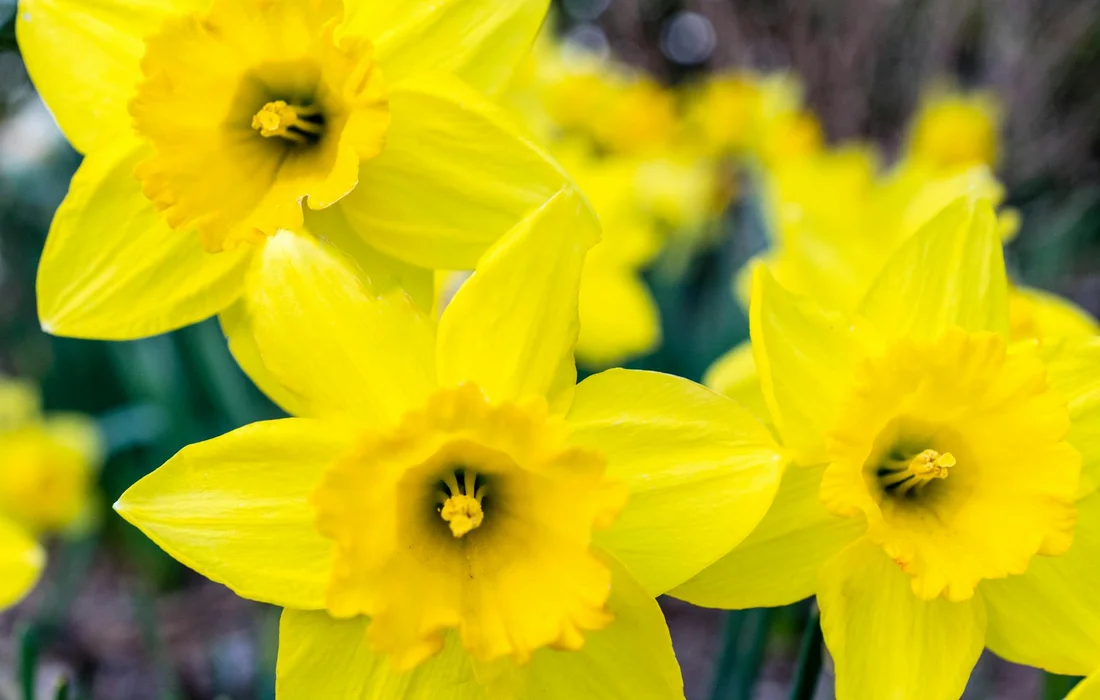
| Daffodil | Spring Bulb | Bulbs are toxic if ingested. Plant away from rooters like pigs. Foliage and flowers are less palatable but best in non-grazing beds. |
| Marigold | Annual Flower | Safe for most. Some farmers add petals to chicken feed for richer yolk color. |
| Catmint (Nepeta) | Perennial | Safe for livestock. Rabbits avoid its strong scent, but cats may love it! |
| Sage | Perennial Herb | Safe for all. Its earthy, strong flavor is a superb rabbit deterrent. |
| Yarrow | Perennial Herb | Safe in moderation. Its feathery, fragrant foliage is rarely browsed by rabbits. |
| Ornamental Grasses (Fountain Grass, etc.) | Perennial Grass | Safe and effective. The tough, fibrous blades hold no appeal for rabbits. |
Herbs with Scents That Send Rabbits Running
Herbs are your first line of defense and a homesteader’s multi-tool. I plant a border of them around my chicken run and have tucked mint near the garden gate for years. These aromatic powerhouses do more than repel rabbits; they can enhance your daily farm chores and animal care, especially when you know which herbs are safe for rabbits.
Lavender, mint, rosemary, and sage are the champions here. Their volatile oils are simply too strong for a rabbit’s taste. Beyond the garden, dry bunches of these herbs and tuck them into nesting boxes to discourage mites and freshen the coop. I often crumble dried sage and rosemary into my chickens’ dust bath area-it smells divine and adds another layer of pest control. Just be wary with mint, as it can spread aggressively; consider planting it in containers.
Bulbs and Perennials Rabbits Dislike
For lasting structure and color, turn to rabbit-resistant bulbs and perennials. Daffodils and alliums (ornamental onions) are spring standouts that rabbits will ignore. As summer comes, sturdy perennials like echinacea (coneflower) and sedum (stonecrop) take over with their rough foliage and tough growth habits. These plants form the durable backbone of a landscape that thrives with minimal interference from furry pests.
A crucial note on placement: Some of these plants, like daffodils, have bulbs that are toxic if ingested. Always plant potentially toxic bulbs in dedicated flower beds far from where pigs might root or other animals could dig them up. The above-ground parts are often less concerning but practicing careful stewardship means thinking about the whole plant and every animal on your place. Alliums, for instance, are typically safe, but their strong oniony scent does the repellent work for you.
Planning a Rabbit-Proof Garden Around Your Barnyard
Designing a garden that rabbits skip over starts with a thoughtful plan woven right into your barnyard’s hustle and bustle. I learned this after watching a bold cottontail sample my first petunias by the pigpen. You’ll want flower beds that blend beauty with a natural barrier near enclosures, pastures, and walkways. Smart placement from the get-go saves you a heap of trouble and keeps your landscape working for you.
Let’s talk square footage first. For a solid defensive line, plan beds at least 2 to 3 feet wide around coop foundations or barn corners. Along pasture fences, set beds back a good 4 feet to prevent your cows or horses from reaching over for a sneaky snack. This generous spacing protects your plants and lets your animals move without feeling fenced in by flowers.
Fencing is your garden’s best friend. I pair my plantings with a simple 18-inch tall chicken wire fence, buried 6 inches deep to stop burrowers. It’s affordable, rugged, and nearly invisible once flowers grow up. Near goose areas or pig lots, consider a sturdier welded wire for added peace of mind. Always check that your layout doesn’t block animal access to water, feed, or your own pathways for daily chores.
Here are my tried-and-true best practices for a layout that works harder:
- Plant in dense blocks, not wispy rows, to create a wall of scent and texture rabbits find uninviting.
- Use layered heights: tall salvias in back, mid-height zinnias in the middle, and creeping thyme along the edge for a full, impenetrable look.
- Incorporate rough mulch like pine bark or straw around beds; rabbits dislike the uneven footing.
- Position beds on south-facing sides of structures where sunlight is ample and rabbit activity often lessens.
- Keep a tidy perimeter by mowing grass short around garden edges to eliminate cozy hiding spots.
Strategic Placement for Maximum Deterrence
Think like a rabbit to outsmart them. I focus on specific zones where my presence and the right plants create a no-go area. Tuck rabbit-resistant flowers right against your chicken coop foundation. This fills in those small gaps where bunnies might hide and adds cheer to a plain wall. Marigolds or dusty miller planted here offer a one-two punch of color and protection.
Run a ribbon of snapdragons or cosmos along the entire length of your pasture fence line. This living ribbon dresses up the wire and makes rabbits think twice about crossing. For raised beds near the barn, place them close to high-traffic doors or windows. The comings and goings of you and your livestock naturally discourage loitering rabbits.
Companion planting is a thrifty homesteader’s secret weapon. Mix your vegetables with protective flowers to build a fortress. I plant strong-scented alyssum or calendula right among my cabbage and carrot rows. The rabbits get confused and leave the whole patch alone. This buddy system safeguards your food harvest and maximizes every inch of your garden soil.
Soil and Spacing for Thriving Plants
Rabbit-proof flowers need a good home in the soil to grow strong and less tasty. Most favorites, like zinnias and cosmos, thrive in well-drained earth. I test my soil with a simple kit and aim for a pH near 6.5, amending with aged manure from my own barn. Rich, living soil grows plants that are resilient and far less appealing to pests.
Planting depth matters. For seeds, I follow the “plant twice as deep as the seed is wide” rule. Space your zinnias about 8 inches apart and cosmos a full foot apart to let air circulate and stems toughen up. Crowded plants become spindly and weak, which might tempt a hungry rabbit in a dry spell.
Be thrifty with perennials by dividing them every few years. Come early spring, I dig up my overgrown daylily clumps and ornamental grass bunches. A sharp spade splits them into new plants for free. Dividing saves your budget, prevents overcrowding, and lets you spread rabbit-proof beauty all over the farm.
Planting and Caring for Your Rabbit-Deterrent Flowers
Now, getting those rabbit-resistant plants in the ground is just the start. Proper care is what turns a hopeful planting into a sturdy, blooming fortress that keeps curious bunnies at bay year after year. I reckon it’s like raising a good guard dog-you gotta invest the time for it to be reliable.
Seasonal Steps for Thriving Flowers
Follow this calendar of care, just like I do alongside my vegetable and pasture rotations. It keeps everything in rhythm.
Spring: The Planting Rush
Once the last frost has kissed your fields goodbye, it’s time to dig in. Here’s my spring ritual:
- Work the soil well, down about a foot deep, to give those roots an easy start.
- Mix in a generous amount of well-rotted compost before you even drop a seed or plant. I’ve found that flowers from strong, nourished soil seem to hold their defensive scents and flavors better.
- Water new plantings deeply at the base to settle them in, then let the soil dry a touch between waterings to encourage deep roots.
- Watch for slugs; a sprinkle of diatomaceous earth or a saucer of beer sunk into the soil works wonders without chemicals.
Summer: Vigilance and Growth
Summer heat tests your flowers’ mettle. Your job is to support them without coddling.
- Watering Schedule: Early morning is best. A deep, slow soak twice a week beats a daily sprinkle, teaching your plants to be drought-tough.
- Pruning Techniques: Pinch back leggy stems on herbs like lavender to encourage bushy growth. Deadhead spent blooms on marigolds and snapdragons to keep ’em flowering all season.
- Natural Pest Control: Let your chickens range near the garden edges-they’ll devour beetles and grasshoppers. Plant some dill or fennel to attract parasitic wasps that handle caterpillars.
Fall: Preparation and Propagation
Don’t just let your garden fade away. Fall sets the stage for next year.
- Stop deadheading and let some flowers, like coneflowers, go to seed. The birds will thank you, and you might get some free volunteers next spring.
- Cut back most perennials after the first hard frost, but leave a few stems for overwintering beneficial insects.
- This is the prime time to divide overcrowded clumps of plants like bee balm and share starts with neighbors.
Winter: Protection and Planning
In the quiet of winter, your garden is still alive under the surface.
- After the ground freezes, add a light mulch of straw or chopped leaves to prevent frost heaving on perennials. A little winter cover is like tucking your plants in with a quilt-it prevents shocking thaws and freezes.
- Order seed catalogs and plan where to tuck in more rabbit-proof color come spring.
- Clean and oil your garden tools so they’re ready for the next rush of work.
The Homesteader’s Secret: Barnyard Compost
Let me tell you, the best thing for these flowers isn’t from a bag at the store. My most vibrant, pest-resistant blooms always come from beds fed with my own farmstead compost. I keep a three-bin system going year-round. The chickens scratch and contribute nitrogen-rich manure, the cows offer bulky straw and manure, and the kitchen scraps provide the rest. After a good six-month turn, it’s black gold. I spread a two-inch layer on my flower beds every spring and lightly work it in again in the fall. It feeds the soil, holds moisture, and builds strong plants that can better resist the few pests that do nibble. It’s the thrifty, closed-loop way that honors the whole farm’s rhythm.
When Rabbits Get Persistent: Extra Lines of Defense
Now, I reckon a rabbit that’s watched you plant a garden is a clever rabbit indeed. Even with a menu full of plants they’d rather avoid, a hungry cottontail might test your resolve. When those fuzzy critters get bold, you need a layered plan that works with your farm’s rhythm, not against it. Let’s talk about upping the ante, homesteader-style.
Physical Barriers: The Gentle Stop-Sign
A little fencing goes a mighty long way. You don’t need a six-foot fortress; rabbits aren’t great climbers.
- Low Wire Fencing: A simple 2-foot tall fence of 1-inch hardware cloth works wonders. Bury the bottom edge 6 inches deep and bend the bottom outward into an “L” shape to stop diggers. This is my go-to for tender seedling beds.
- Cloches & Row Covers: Save those old milk crates or wire tomato cages. Drape them with garden fabric or bird netting to create mini-fortresses over newly planted areas. It’s thrifty and effective.
- Raised Beds: Simply raising your planting area to 2 feet or higher can be enough of a deterrent for many rabbits, especially if the bed sides are smooth.
Scent & Taste Repellents: The Invisible Fence
When you can’t fence it, make it smell unappealing. I mix my own sprays because it’s cheaper and I know what’s in it.
- Garlic & Pepper Spray: Steep several crushed garlic cloves and a tablespoon of crushed red pepper in a quart of hot water overnight. Strain, add a drop of dish soap to help it stick, and spray plants thoroughly after every rain.
- The Power of Predator Scent: Commercially available granular repellents with fox or coyote urine can create a psychological barrier. Apply around the garden perimeter according to the label.
- Human & Dog Presence: Never underestimate this. Rabbits are wary of us and our canine companions. A regular patrol by you or your farm dog marks territory. Sprinkling dog hair or human hair from the barbershop around the edges can also give them pause.
Enlisting Feathered Security: Let the Geese Patrol
One of my favorite sustainable strategies is using the livestock you already have. If you keep geese, you’ve got natural, round-the-clock sentries. A couple of alert geese will spot a rabbit long before you do and sound the alarm with a chorus of loud honks, often startling the intruder into leaving. They rarely hurt the rabbit, they just loudly disapprove of its presence. I’ve watched my Embden geese clear the back pasture of rabbits just by patrolling it each morning. It’s a beautiful, natural form of pest management that puts your animals to work.
Rabbit Activity Checklist: Are They Beating Your System?
Stay observant. Here’s how to know if rabbits are dining despite your efforts and what to do next.
- Clean-Cut Nibbles: Rabbit teeth leave a sharp, angled cut on stems, unlike the ragged tear from insects or slugs. Action: Look for nearby hiding spots like tall grass or brush piles and clear them out.
- Pellet Piles: Finding small, round droppings near damage is a sure sign. Action: Reinforce the base of your fencing; they’re likely digging under.
- Tender Shoots Vanish Overnight: Seedlings and new growth are prime targets. Action: Deploy physical barriers like cloches immediately for new plantings.
- Bark Gnawing in Winter: When other food is scarce, rabbits will girdle young trees and shrubs. Action: Wrap tree trunks with commercial guards or a cylinder of hardware cloth.
Seeing these signs means it’s time to switch tactics. Persistence is key, and sometimes you must combine a resistant plant with a physical barrier and a scent repellent to finally get the message across to your long-eared neighbors. Stay patient, stay observant, and trust that your homestead savvy will win out.
Closing Questions
Are all rabbit-resistant plants also safe for all barnyard animals?
No, rabbit resistance does not guarantee safety for all livestock. Always verify toxicity for specific animals like pigs or chickens, as some plants may be harmless to one species but toxic to another, even if they are rabbit-resistant.
Can I use rabbit-proof flowers in areas where my chickens free-range?
Yes, many rabbit-resistant plants like marigolds and lavender are safe for chickens and can enhance free-range areas. Ensure plants are pesticide-free and monitor to prevent overconsumption or disruption to their natural foraging.
How do I ensure that pigs don’t root up rabbit-resistant bulbs like daffodils?
Plant toxic bulbs in secure, raised beds or fenced-off ornamental areas away from pig enclosures. Consider using physical barriers like buried wire mesh to protect bulbs from rooting animals.
What are some rabbit-resistant plants that can also serve as feed or enrichment for my animals?
Certain herbs like sage and flowers like marigolds can be used sparingly as supplemental feed or enrichment for chickens or pigs. Always research each plant’s benefits and introduce it slowly to avoid digestive issues.
If a rabbit does nibble on a resistant plant, is it harmful to the rabbit or my livestock?
Most resistant plants cause mild discomfort but are not severely toxic; however, monitor for any adverse effects in livestock. If persistent nibbling occurs, reassess your garden layout and consider additional deterrents.
How can I incorporate these plants into my existing pasture or grazing areas without disrupting animal routines?
Integrate rabbit-proof flowers as border plantings along fences or in unused corners away from high-traffic zones. Use sturdy, low-maintenance varieties such as peonies and oxalis that won’t interfere with animal movement or access to resources.
Shutting the Gate
We’ve covered a whole bedful of flowers that rabbits tend to snub, from fragrant herbs to fuzzy lamb’s ear. The real harvest from this knowledge isn’t just a prettier garden, but a more peaceful one. By planting a border of these less-tasty options, you create a living fence that gently discourages nibbling, keeping both your blossoms safe and your local bunnies from developing a taste for something that might not agree with them. It’s stewardship, plain and simple.
I reckon I’ll head back to the pasture now. There’s a bench by my garden where I like to sit with a glass of tea and watch the bees work the lavender-untouched by rabbit teeth. I hope you find the same simple joy in your patch of earth. Thanks for lettin’ me share a bit of what the land has taught me. Y’all take care of your critters and your gardens, and enjoy every peaceful, bloom-filled moment.
Further Reading & Sources
- Rabbit Resistant Plants
- Rabbit Resistant Plants | Bluestone Perennials
- Rabbit-Resistant Garden and Landscape Plants (Pike County)
Caroline Mae Turner is a lifelong farm girl raised on red clay, early mornings, and the sounds of a bustling barnyard. With hands-on experience caring for everything from stubborn goats to gentle dairy cows and mischievous pigs, Caroline shares practical, tried-and-true advice straight from the farm. Her goal is to help folks keep their animals healthy, well-fed, and living their best barnyard life. Whether you're wrangling chickens or bottle-feeding a baby goat, Caroline brings a warm Southern touch and plenty of real-world know-how to every bucket in the barn.
Forage Options