Can Rabbits Eat Oats? A Sure-Fed Guide to Types, Preparation & Safety
Published on: March 30, 2026 | Last Updated: March 30, 2026
Written By: Caroline Mae Turner
Howdy y’all. Yes, rabbits can eat oats, but you must offer them sparingly as a supplement, never as a main course. I’ve spent many a morning in the barn, watching folks puzzle over that bag of rolled oats and worry if it’ll help or harm their fluffy herd.
What you’ll need:
- Plain oats-old-fashioned or steel-cut are your best bet
- A good measuring scoop or a small kitchen scale
- Your rabbit’s regular hay and fresh water
- A keen eye for watching how your critters take to it
We’ll sort this feed question out right quick, so you can get back to the rest of your daily rounds with peace of mind.
Understanding the Rabbit’s Diet: Where Oats Fit In
The Core of a Healthy Rabbit: Unlimited Hay
Picture a rabbit’s digestive system like a slow, steady conveyor belt that needs constant, coarse fiber to keep moving. That’s why the cornerstone of every meal, from my barn to yours, must be an unlimited supply of fresh, grassy hay like timothy or orchard grass. I reckon I’ve baled enough hay over the decades to fill a canyon, and I’ve never seen a thriving rabbit that didn’t have access to it around the clock. This roughage, which should be about 80-90% of their diet, wears down their ever-growing teeth and keeps their gut flora in happy balance. Skimp on the hay, and you’re asking for trouble with stasis and tooth spurs.
Oats as a Supplemental Feed, Not a Main Course
Think of oats like a rich dessert or a handful of nuts for us-a dense, energy-packed supplement, not the main event. Oats are a concentrated source of calories and about 13-17% protein, which is why they should only ever be a small pinch in the overall diet. I learned this lesson early on when a favorite doe of mine started leaving her hay after getting too many oat treats; it took a week of tough love to get her back on track. For a standard-sized adult rabbit, a tablespoon of oats a few times a week is a generous limit. They’re a fine tool for putting weight on a skinny animal or as a training reward, but they should never replace that mountain of hay.
Breaking Down the Oat: Types Safe for Rabbits
Whole Oats (Oat Groats)
These are the oat kernel in its simplest, hulled form-what we used to call “oat groats” back when we’d buy feed by the sack. Whole oats are my top choice for healthy adults because their chewy, fibrous texture provides excellent dental wear and slows down eating. I’ll often scatter a small handful in their pen to mimic natural foraging behavior. They’re more filling and less likely to cause a sugar spike compared to processed versions, but remember, they’re still a supplement. A few tablespoons per rabbit per week is plenty.
Rolled Oats (Old-Fashioned Oatmeal)
These are simply whole oats that have been steamed and rolled flat, which makes them a tad easier to digest. Rolled oats are a good option for senior rabbits, kits being weaned, or any critter that needs a gentle, calorie-dense boost. I keep a container in the feed room for just such occasions. Because they’re less bulky, you need to be even more frugal-a teaspoon per animal is sufficient. They lack the same tooth-grinding benefit as whole oats, so don’t let them become a habit for your healthy herd.
What to Avoid: Instant, Flavored, and Cooked Oats
This is where you need to be as stubborn as a mule in mud. The modern convenience varieties are a minefield for a rabbit’s delicate system.
- Instant Oats: These are pre-cooked and often have added salts, sugars, or preservatives to extend shelf life. They offer no nutritional advantage and can disrupt gut bacteria.
- Flavored Oatmeal Packets: Avoid these like a skunk in the henhouse. They’re loaded with artificial flavors, sweeteners, and sometimes chocolate or fruit bits that are toxic to rabbits.
- Cooked Oats: Never serve oats hot or mushy. Cooking changes the starch structure and can lead to dangerous gas and bloating. I once had to nurse a barn kitten fed cooked porridge by a well-meaning visitor; it was a long night of belly massages and worry.
Stick to dry, plain, and minimally processed oats to keep your bunnies bouncing.
Practical Preparation: How to Serve Oats Safely
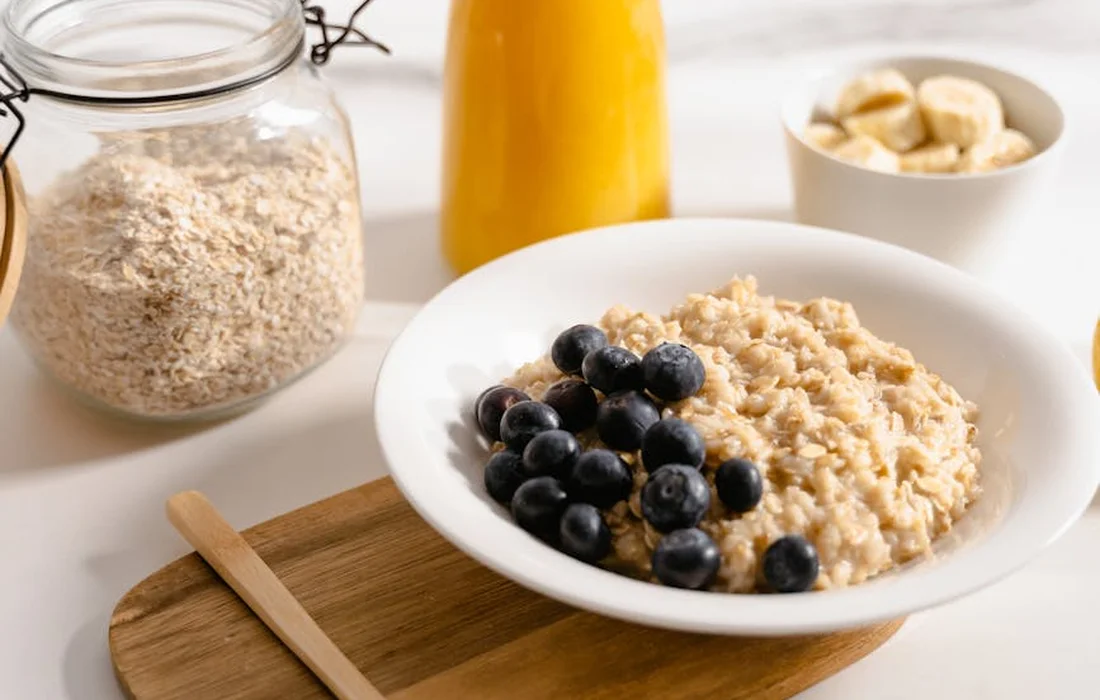
Now that we know which oats to pick, let’s talk about turning that bag of grain into a safe, enjoyable treat for your bunnies. It ain’t just a matter of dumpin’ a scoop in the bowl.
The Golden Rule: Soaking for Safer Digestion
This is the single most important step, and I learned it the hard way years ago with a fuzzy Rex named Jasper who got a bit too gassy on dry oats. You see, rabbits have a digestive system built for breaking down high-fiber grasses, not dense grains. Dry oats can swell in the gut, leading to serious discomfort or worse.
Soaking changes everything. I reckon it’s like the difference between eatin’ raw flour and a nice piece of risen bread.
- How to Do It: Simply take your measured portion of plain, rolled oats and cover them with lukewarm water. I use about twice as much water as oats.
- Let ‘Em Rest: Allow them to soak for a good 10-15 minutes. You’ll see them soften and plump up considerably.
- Drain the Excess: Always pour off that leftover starchy water before serving. You’re left with a soft, mushy, and much safer treat.
This simple act of soaking dramatically reduces the risk of digestive upset and makes those precious nutrients easier for your rabbit to access. I keep a little mason jar dedicated to this very task right by the feed bins, especially when I’m using treats or supplements that aren’t part of their regular diet.
Creative Feeding: Scatter, Hide, and Enrich
A rabbit’s life ought to be about more than just a food bowl. In the wild, they’d spend hours foraging. We can mimic that fun and ease their boredom with how we serve these soaked oats.
I love to use oat time as enrichment time. It keeps their minds sharp and their bodies active.
- The Great Scatter Feed: Instead of a pile, take those drained, soaked oats and sprinkle them far and wide over a clean section of their pen or in a large box of hay. Let them hunt and snuffle for every last morsel.
- Stuff a Toy: Hollow willow balls or treat-dispensing puzzles are perfect. Pack a small amount of the soft oats inside. It’s a rewarding challenge.
- The Hay Cocktail Mix: Fold a teaspoon of soaked oats into a big, fresh handful of their favorite oat hay or timothy hay. They’ll dig through it with gusto.
Remember, the goal is to slow them down and engage their natural behaviors, which turns a simple snack into a stimulating event. Watching my herd root around for their oats is better than any television show. Just be sure to clean up any uneaten moist oats within a few hours to prevent spoilage in their space.
Feeding Guidelines: How Much and How Often
Figuring out the right amount of oats is where good intentions can go sideways faster than a startled hen. You can’t just pour a scoop into the dish and call it a day. Think of oats like a rich dessert-a little treat delights, but too much spoils the supper and the stomach. My rule, honed over forty years of raising everything from Angoras to meat mutts, is simple: oats are a supplement, never a staple.
Portion Control for Different Rabbit Lives
Every rabbit has a different job on the homestead, and their feed should match their work. I keep a set of old measuring spoons nailed right to the feed bin to remind me to be precise. To make sure I’m covering all bases, I consult a complete diet guide for all breeds and habitats. It helps me tailor the meals so every rabbit gets a balanced, appropriate diet.
For the average adult rabbit just lounging in the hutch or on maintenance, a scant teaspoon of rolled oats two or three times a week is plenty. That’s about the size of a bottle cap. More than that, and you’re trading cheap hay for expensive grain, which is poor economy and poorer husbandry. A proper plan centers on fresh food ratios: hay as the main daily intake, with a small mix of veggies and pellets, and only occasional treats. That keeps the diet balanced without tipping into excess grain.
- Growing Kits (8 weeks to 6 months): They need more fuel for building bone and muscle. I’ll offer a tablespoon of oats per kit, per day, mixed into their greens. Once they hit six months, I taper it right back to the adult schedule.
- Breeding Does & Bucks: In the weeks leading up to breeding and during pregnancy, I increase a doe’s oats to a daily tablespoon. It gives her that extra energy reserve. A working buck gets the same during peak breeding season. After kindling, I keep the doe on that ration while she’s nursing.
- Senior Rabbits: Old-timers with worn teeth sometimes struggle with hay. For them, a daily teaspoon of soaked, mushy oats can be a kindness and a calorie boost, but you must watch their weight like a hawk.
- Show or Performance Rabbits: If you’ve got a rabbit in training or prepping for a show, they might handle a daily tablespoon. But I’ve found that good alfalfa hay and a sharp blade on the clippers often matter more than extra grain.
I learned this balance the hard way with a beloved Flemish Giant named Gus. He was a gentle giant who’d do anything for an oat. Before I knew it, he was so round he looked like a fuzzy barrel with ears, and his hay consumption dropped to nothing. We had to put him on a strict “salad and hay” diet for a month to trim him down.
Spotting Trouble: Signs You’re Feeding Too Many Oats
Rabbits are subtle critters. They won’t holler at you for feeding them wrong, but their bodies will send up signals. You’ve got to be a keen observer.
The first and most telling sign is a change in their droppings. Healthy rabbit pellets are round, firm, and dry. If you start seeing small, misshapen, or soft droppings stuck together (what we call cecotropes being ignored), the gut flora is off. Oats are a common culprit.
- Weight Gain: Can you still feel their ribs with a gentle press? If their spine feels buried under a layer of padding, they’re getting too rich a diet.
- Selective Eating: If they nuzzle through their feed bowl to pick out every last oat and leave the healthy pellets or hay behind, you’re creating a picky eater.
- Lethargy & GI Stasis: A rabbit that’s too full of grain might lose interest in food altogether and become sluggish. This can spiral into gastrointestinal stasis, a serious condition where the gut slows down or stops.
- Messy Hindquarters: Overfeeding grains can sometimes lead to sticky cecotropes matting in the fur, which is a cleanliness and health risk.
If you see any of these warnings, don’t wait. Cut out the oats completely for a week or two, ramp up their timothy or orchard grass hay, and ensure they have plenty of fresh water. Most times, a simple course correction is all they need. It’s about respecting their digestive design-built for roughage, not grain bins.
The Risks and Realities: When Oats Cause Harm
Now, I don’t want to sound like a worrywart, but we’ve got to look this gift horse in the mouth. Oats ain’t a free-for-all. I learned this the hard way years back with a French Lop buck named Gus who figured out how to tip over his feed scoop. Too much of a good thing, too fast, can turn a treat into a real problem for your rabbit’s delicate system.
Weight Gain: A Double-Edged Sword
That lovely calorie-dense nature of oats is precisely what makes ’em risky for a house rabbit or a less-active breeder. A rabbit in a hutch ain’t burning fuel like one on full-time pasture duty. You can fatten a show animal or a winter breeder with intention, but accidental obesity leads to a host of miseries, from sore hocks to a strained heart. I keep a kitchen scale in the feed room not just for recipes, but to weigh my adult rabbits monthly. If I feel a little too much padding over the ribs, the oat ration gets cut before anything else—especially compared to granola or other processed cereals that can cause even more trouble.
Here’s my rule of thumb for maintenance versus weight gain:
- Maintenance: A scant teaspoon of old-fashioned oats 2-3 times a week is plenty for a standard-sized, non-working rabbit.
- Conditioning: For needing to put on healthy weight, you might offer up to a tablespoon daily, but this is a short-term program, not a lifelong diet.
- Always Monitor: Their primary body condition indicator is their backbone and ribs; you should feel them under a light layer of flesh, not see them.
The Hay Balance: Your Best Safety Net
This is the most important part, y’all. Think of your rabbit’s gut like a complex, delicate conveyor belt that must never, ever stop moving. The endless roughage from grass hay is the engine that keeps that system running smoothly and wears down teeth that never stop growing. Oats, pellets, even leafy greens-they’re all passengers on that hay-powered conveyor.
When you introduce oats, you are adding a dense, starchy passenger. If hay intake drops because the rabbit is filling up on oats, the whole system slows down. This is a primary culprit for gastrointestinal stasis, a silent and deadly killer in our rabbitries. Your first sign of trouble should always be to check the hay rack, not the treat jar. If they’ve left their timothy or orchard grass untouched, skip the oats immediately. If hay isn’t being eaten, that can signal a poor appetite—knowing the causes and practical fixes helps you act quickly.
My barnyard protocol to keep the balance:
- Hay First, Always: The rack must be perpetually full of fresh, sweet-smelling grass hay. I use a mix of timothy and meadow hay for variety.
- Oats as a Topper: I often sprinkle a few oats on top of their daily greens or pellet ration. This encourages ’em to eat their healthy base meal to get to the good stuff.
- The 80/20 Rule: At least 80% of their diet by volume should be that quality hay. All other foods-pellets, veggies, oats-make up the remaining 20%.
Oats on the Working Homestead: Beyond the Rabbit Hutch
I reckon if you only ever feed oats to your rabbits, you’re missing out on a mighty handy homestead resource. That same fifty-pound bag can stretch to nourish just about every critter in your barnyard. Oats are a thrifty, multi-purpose feed that lets you practice true stewardship by reducing waste and maximizing every dollar you spend.
Your Barnyard Brigade: Who Benefits from Oats?
From my years feeding a mixed flock and herd, I’ve learned each animal has its own sweet spot for oat feeding. It’s not a one-size-fits-all affair. Matching the right form of oat to the right animal makes all the difference in their health and your feed bill.
- Chickens & Geese: A handful of rolled oats makes a splendid scratch grain or warming winter treat. I’ve seen it boost egg yolk color. Limit to 10% of their total daily ration to keep their protein intake balanced.
- Pigs: For growing or finishing hogs, cracked oats are a fine energy source. They contain more fiber than corn, which can help prevent constipation. Mix them at up to 25% of their grain ration for sturdy growth.
- Cows & Goats: For ruminants, whole or crimped oats are excellent in a mixed grain ration, especially for young stock or milking animals. Their complex stomachs handle the fiber beautifully. For dairy cows, I’ll mix it at about 15-20% of their concentrate feed.
- Horses: Whole oats are a traditional, safe feed for equines, providing steady energy without the “hot” spike of some grains. They’re often fed as-is, but cracked or rolled can be easier for older horses to chew.
Preparing Oats: Simple Steps for Smart Feeding
You don’t need fancy equipment. With a few simple tricks, you can make oats more digestible and palatable for all your animals. Proper preparation unlocks more nutrition and ensures nothing goes to waste in the feed trough. Whether it’s for chickens or other animals, knowing the right type of oats and preparation method makes all the difference.
- Soaking: For chickens or pigs, soaking rolled oats in warm water for 30 minutes creates a hearty, gut-friendly mash. I do this on cold mornings for my laying hens.
- Crimping or Rolling: For cattle and goats, running whole oats through a simple feed roller cracks the hull, making the inner starches more accessible. This small step improves feed efficiency noticeably.
- Mixing: Never feed plain oats as a sole diet. Always mix them with other grains, minerals, and forages. My standard blend for wintering sheep is 40% oats, 40% alfalfa pellets, and 20% beet pulp.
- Sprouting: Soak whole oats for 12 hours, then drain and rinse daily for 5-7 days. You’ll get a nutrient-dense green feed that chickens and rabbits go wild for in the dead of winter.
Safety and Thrift: A Homesteader’s Guide
Oats are gentle, but good husbandry means watching the details. I learned this the hard way one season when a new batch of feed made my goats a bit too plump. Always introduce any new feed, including oats, gradually over a week to let delicate digestive systems adjust. This is especially important when transitioning goats to new forage or making seasonal diet changes.
Watch for mold in damp storage conditions, which can cause colic or poisoning. Buy oats in bulk from a trusted local mill if you can; my quarterly buy saves me nearly thirty percent. For ruminants, remember that oats are lower in energy than corn, so you may need to feed a slightly larger volume to meet their needs, but the fiber benefit is worth it. That high fiber content is a double blessing-it keeps animals feeling full and supports healthy digestion across the board.
| Animal | Best Oat Type | Max % of Daily Grain | Key Benefit |
| Chickens | Rolled or Flaked | 10% | Winter warmth, treat enrichment |
| Pigs | Cracked or Ground | 25% | Good fiber for gut health |
| Dairy Cows | Crimped or Whole | 20% | Steady energy for milk production |
| Goats & Sheep | Whole or Crimped | 30% | Safe, palatable starch source |
| Horses | Whole or Rolled | Varies by workload | Cool, slow-release energy |
Closing Tips & Common Questions
Can I use oats as bait for other farm animals, like for trapping pests?
Yes, dry rolled oats can be an effective and low-cost bait for live traps targeting rodents or small pests around the barn. However, ensure traps are placed where your rabbits, chickens, or other livestock cannot access them to avoid accidental injury or unintended feeding.
What’s the deal with “hats for rabbits”-is this a real farming concern?
While not a standard husbandry practice, small “hats” or ear covers are sometimes used by rabbit owners at shows or in photos for novelty. On the farm, a rabbit’s primary need is protection from sun and predators via proper housing and shade, not clothing.
If my chickens and rabbits share a run, is it safe to scatter oats for them both?
You can, but do so cautiously and in very small amounts. Chickens can handle more grains, but to protect your rabbits, ensure the quantity is minimal and that rabbits are primarily consuming their own unlimited hay, not filling up on the oats meant for the flock. Grain safety guidelines are crucial for any feeding regimen.
Where in the UK can I find rabbit-safe oats or forage mixes?
Plain, unmixed whole or rolled oats are readily available from most UK agricultural merchants or online feed stores. Always check the ingredients to ensure no added seeds, grains, or pellets unsuitable for rabbits are included in the mix.
Are “hats for rabbits for sale cheap” a sign of a reputable animal supplier?
No. A supplier focusing on novelty items like hats, rather than proper housing, feed, and care essentials, may not be the best source for livestock or husbandry advice. Prioritize suppliers known for quality feed, housing, and animal health knowledge.
For a mixed barnyard, which species benefits most from added oats in their diet?
Working horses, lactating goats or dairy cows, and poultry in winter often show the most direct benefit from oats as a concentrated energy source. For rabbits, oats are a strict supplement, while for these larger or more active animals, they can be a more regular part of a balanced ration. However, when feeding oats to goats, one should know how to feed them properly to avoid any health issues.
Shuttin’ the Gate
When it comes to oats and your rabbits, the truest wisdom from the barnyard is simple: it’s a wonderful supplement, never a staple. The foundation of a healthy rabbit’s diet is, and always will be, unlimited grass hay-it keeps their digestion moving and their teeth in check, while everything else is just the decoration on the cake. A small handful of rolled or soaked old-fashioned oats can be a fine, cozy treat that adds a bit of energy, especially when the weather turns brisk.
I reckon the best part of this homesteading life is sharing its simple pleasures. So go on, sprinkle a few oats in their dish on a chilly morning and just watch ’em. There’s a mighty peace in sittin’ quiet with your animals, knowin’ you’re carin’ for them right. Thanks for lettin’ me share a bit of the farm with y’all. Now get on out there and enjoy your critters.
Further Reading & Sources
- Can Rabbits Eat Oats and Oatmeal? Vet-Reviewed Safety Facts & FAQ | PangoVet
- r/Rabbits on Reddit: can rabbits have oats???
- Quaker Oats? How much is safe? | Rabbit Talk – Meat Rabbit & Farming Forum
Caroline Mae Turner is a lifelong farm girl raised on red clay, early mornings, and the sounds of a bustling barnyard. With hands-on experience caring for everything from stubborn goats to gentle dairy cows and mischievous pigs, Caroline shares practical, tried-and-true advice straight from the farm. Her goal is to help folks keep their animals healthy, well-fed, and living their best barnyard life. Whether you're wrangling chickens or bottle-feeding a baby goat, Caroline brings a warm Southern touch and plenty of real-world know-how to every bucket in the barn.
Diet Requirements