How to Feed Oats to Chickens: Types, Prep & Cautions
Published on: February 6, 2026 | Last Updated: February 6, 2026
Written By: Caroline Mae Turner
Howdy y’all. You’re standing at the feed bin on a frosty morning, wondering if a scoop of something warm might help your flock, aren’t you? Plain, cooked oatmeal is a splendid, safe treat that can warm your birds from the inside out on a bitter morning, but it should never replace their balanced layer or starter feed.
- A scoop of plain oats (rolled, quick, or steel-cut)
- A pot, water, and a stove or kettle
- About five minutes of your time
- A keen eye for what *not* to add
Let’s get this sorted right quick, so you can get back to the rest of your morning rounds.
The Honest Scoop on Oat Nutrition for Your Flock
Now, let’s get down to the nitty-gritty of what’s actually in these oats for your birds. I’ve fed oats to my flocks for nigh on thirty years, and I reckon understanding the basics saves you money and keeps your hens in fine feather.
Whole oats typically pack about 11 to 17 percent protein, which is a right nice boost, especially for growing pullets or molting hens. That protein level sits pretty between corn’s lower percentage and more expensive commercial mixes, making oats a thrifty middle ground.
But that’s not all! Oats bring a good dose of soluble fiber to the party. This fiber helps keep your birds’ digestion moving smooth as butter, which I’ve seen cut down on pasty vents in chicks more than once. Beyond the feed bucket, I always scatter a handful in the run to encourage natural scratching and foraging behavior.
You do have to mind the balance. Oats are richer in fat than some grains and lack certain critical amino acids like lysine. I never let oats make up more than 20 percent of my flock’s total ration, preferring to mix ’em with peas or a balanced layer feed for a complete diet — especially when feeding grains like barley, corn, or scratch (check this guide for more on grain safety). It’s all about sustainable stewardship, using what the good earth provides without tipping the scales.
Sorting Through the Bin: Types of Oats for Poultry
Walk into any feed store or kitchen pantry, and you’ll find oats in several shapes and sizes. Not all are created equal for your feathered crew. Here’s my breakdown from the barnyard.
Whole Oat Groats & Steel-Cut: The Least Processed
These are the whole oat kernel, simply hulled and left intact. Steel-cut are just groats chopped into a few pieces. They’re as close to the field as you can get without threshing them yourself.
Their rugged, unprocessed nature means they’re packed with the most natural nutrition and fiber, perfect for encouraging a slow, healthy digestion. I like to use them as a scratch grain supplement in the winter for that slow-burning energy.
But there’s a catch. Their hardness can be a trial for some birds, especially bantams or older hens. Here’s what I do:
- Soak Them: I’ll cover a quart of groats with warm water overnight in the feed room. They plump up nice and soft by morning.
- Crack ‘Em: Running a small batch through a hand-crank mill breaks the hull without turning it to dust.
- Best For: Mixed flocks with larger, active birds who need the workout. I save these for my robust Orpingtons and Geese.
Rolled & Quick Oats: The Convenient Choice
These are the groats that have been steamed and flattened. Quick oats are simply rolled thinner and cut smaller for faster cooking. You’ll recognize them from your own breakfast table.
Their flat, tender form makes them an instant hit with chicks, senior chickens, or any bird needing an easy-to-eat treat. They’re my go-to for binding other treats like herbs or grated veggies into a simple, clumpable “cookie.”
Since they’re more processed, they digest a mite quicker and can sometimes be dustier. I avoid feeding them dry in large quantities to prevent any respiratory fuss. My favorite uses are:
- Warm Winter Mash: Mix a cup of rolled oats with hot water or broth, let it cool, and stir in a spoonful of molasses. It’s a hearty pick-me-up on a cold day.
- Medication Vehicle: Need to give a bird a powdered supplement? A damp ball of oatmeal hides it perfectly.
- Poultry Sprinkles: A light sprinkle in the nesting box can help keep anxious new layers occupied and calm.
From Sack to Beak: How to Prepare & Serve Oats Safely
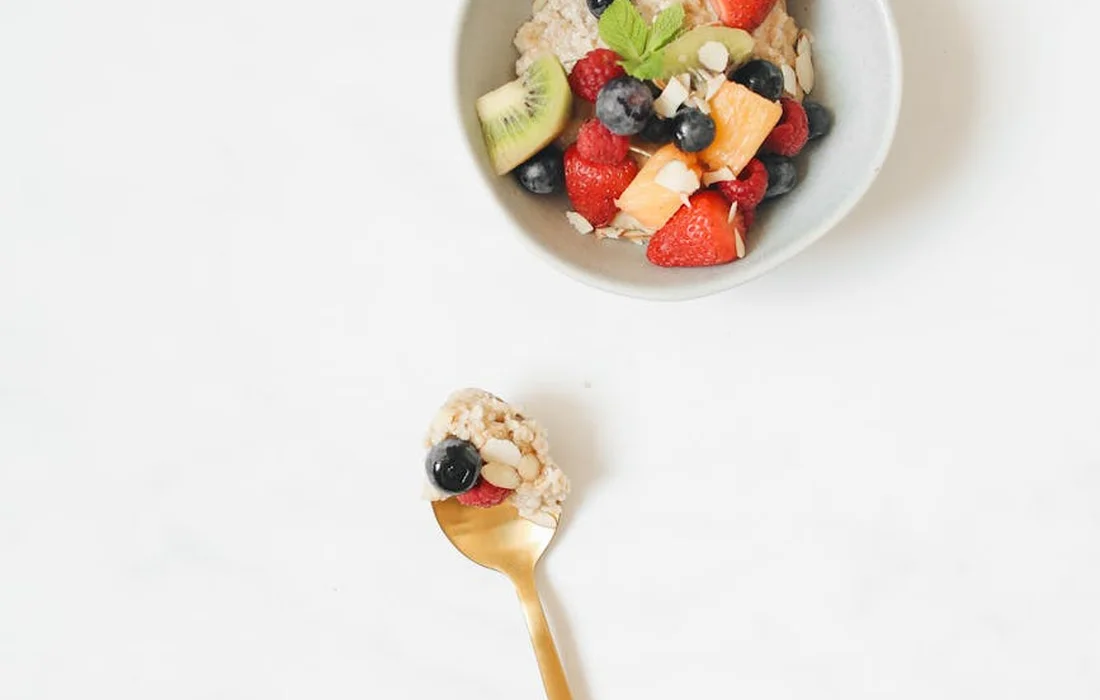
Now, let’s get those oats ready for your flock. How you serve ’em can make a world of difference in nutrition and waste. I’ve tried every which way in my years, and each method has its place depending on the season and your goals. Not all oats are created equal.
Method 1: Raw and Simple
Tossing a handful of raw, whole oats straight from the bag is the easiest route. My old rooster, King, used to follow me for a scratch feed of raw oats like they were gold nuggets.
This is perfect for a light scratch treat or for scattering in their run to encourage natural foraging behavior. Whole oats are a fantastic, low-mess option that provides good entertainment and a bit of extra energy for your birds.
Just remember a couple of things:
- Raw oats contain more phytates, which can slightly bind minerals, making them a tad harder to digest.
- They should never make up more than 10% of the total daily diet. Think of them as a snack, not the main course.
- Great for all poultry, but larger birds like geese and ducks handle the whole hulls with ease.
Method 2: Soaked or Fermented for Digestibility
If you want to unlock the full pantry inside each oat, try soaking or fermenting. This is my go-to method for making the most of my feed dollar, especially for young birds or layers.
I keep a dedicated bucket in the feed shed just for this. You simply cover your oats with non-chlorinated water and let nature do its work for 24-48 hours. The process naturally breaks down anti-nutrients and boosts beneficial bacteria.
Fermented grains are a probiotic powerhouse, leading to better gut health, shinier feathers, and less feed needed overall because the nutrients are more available. The flock goes wild for the tangy smell.
- Place oats in a food-safe container (glass, ceramic, or plastic).
- Cover with 2-3 inches of clean, chlorine-free water. Well water is perfect.
- Loosely cover and leave at room temperature.
- You’ll see bubbles in 24 hours. Drain off excess liquid before serving.
- Start with small batches to let your birds’ digestive systems adjust.
Method 3: Cooked Oatmeal (A Winter Warm-Up)
There’s nothing quite like serving a warm bowl of cooked oatmeal on a frosty morning. I reckon I’ve stirred more gallons of oats on my woodstove than I have for my own breakfast.
This method turns oats into a soft, digestible, and warming treat. Cooked oatmeal is an excellent carrier for other wholesome supplements like crushed eggshells, poultry herbs, or a dollop of plain yogurt when your chickens need a boost.
Keep these tips in mind for safety and health:
- Always cook plain oats with water. Never use milk, which can cause digestive upset.
- Let it cool to a lukewarm, comfortable temperature before serving. You should be able to put your finger in it.
- Serve it in a shallow dish and remove any uneaten portion within a couple of hours to prevent spoilage.
- This is a treat, not a staple. Offer it sparingly, perhaps a few times a week in cold weather, to avoid unbalancing their formulated feed intake.
Practical Feeding Guidelines: How Much, How Often, & When
Now that we know our oats from our oatmeal, let’s talk about putting that knowledge to work in the run. The biggest mistake I see well-meaning folks make is overdoing it with treats, oats included. A chicken’s primary diet must always be a complete layer or flock feed, as it’s scientifically formulated to meet all their nutritional needs. Think of oats as the biscuit on the side of a hearty meal-delicious, comforting, but not the main course. If you’re curious about what chickens eat as a treat, there are plenty of healthy snack ideas and favorites that fit an occasional indulgence. We’ll explore those next, with safe, simple options for your flock.
Balancing the Treat Ration
I stick to the 90/10 rule like it’s gospel: 90% of their daily intake should be their quality commercial feed, and no more than 10% can be treats, scraps, and foraged goodies. For a flock of five hens, a scant handful of dry rolled oats scattered for enrichment is plenty. If you’re mixing up a warm mash, a couple of tablespoons of oats per bird is a generous serving. Daily portions can vary by breed and age, so breed-specific guidelines matter. These guidelines help tailor feeding to your flock and avoid over- or underfeeding.
I learned this the hard way years back when my eggshells got a bit thin. Too many oats diluted the calcium from their layer feed. Offering oats in the afternoon, after they’ve filled up on their balanced ration, ensures they get their nutrition first. This method keeps your girls in peak laying condition while still enjoying their favorite cozy snack.
Simple Oat Serving Methods:
- Dry & Scattered: A pinch per bird tossed in the bedding or run encourages natural foraging behavior.
- Warm Mashed Meal: Mix rolled oats with warm water or broth, let it sit, and add a dollop of plain yogurt or a crushed eggshell for extra benefit.
- Sprouted Power: Soak whole oats in water for 24-48 hours until a tiny tail sprouts, then feed. This boosts vitamin content and digestibility.
Seasonal Wisdom: Summer Light vs. Winter Fuel
Just like we change our menus with the seasons, so should our treat strategy. My approach to oats shifts completely from July to January.
In the dog days of summer, I use oats as a cooling tool. A batch of oats soaked in cold water with a few frozen peas and a slice of melon makes a refreshing “chicken salad” that helps them beat the heat. I serve it lightly and in the cooler morning hours. Heavy, dry grains can raise body temperature during digestion, so I go easy then.
Winter is when oats truly earn their keep in my flock’s diet. When the mercury plummets, my girls get a hearty warm mash nearly every evening. I use more oats in this mix, along with a bit of corn, some flaxseed, and warm herbal tea. That warm, slow-burning carbohydrate helps fuel their internal furnaces through long, cold nights. I’ve watched my Barred Rocks settle into their coop with puffed-up contentment after a winter mash, and it’s a sure sign of a flock well-fueled against the chill.
| Summer Feeding | Winter Feeding |
|---|---|
| Serve cool, wet, and light. | Serve warm, dry, or as a hearty mash. |
| Offer in the morning. | Offer in the late afternoon/evening. |
| Focus on hydration and cooling. | Focus on energy and warmth. |
| Use as a smaller portion of the 10% treat allowance. | Can comprise more of the treat allowance for needed calories. |
A Note for the Whole Barnyard: Oats for Other Animals
Now, while our feathered friends sure do love their oats, this grain’s usefulness don’t stop at the chicken run. I reckon a savvy homesteader sees a sack of oats as a key player for every species in the pasture, from the sty to the stall.
Geese and Ducks: A Soaked Treat
My gaggle of geese gets downright chatty when they see me coming with a pail of soaked oats. For waterfowl, whole oats can be a bit tough dry. Soaking oats overnight turns them into a soft, palatable snack that’s easy on their bills and digestive systems, especially during cold weather or feather regrowth. That’s one piece of a balanced diet for geese. For a complete guide on what geese should eat for a healthy diet, see our full guide on healthy goose nutrition.
- Best Type: Whole or rolled oats.
- Preparation: Cover with water and let sit for 8-12 hours.
- Feed Ratio: Offer as a treat, making up no more than 5-10% of their daily intake to ensure they eat their balanced feed.
Pigs: The Thrifty Fiber Fill
Oats are a staple in my sow pens, but you need to know their place. They’re higher in fiber and lower in digestible energy than corn. I use rolled oats to bulk up rations for breeding stock, which helps sows feel satisfied and supports digestive health without the risk of them becoming too fat.
I remember a fall where we mixed home-grown rolled oats with dairy surplus for our market hogs; it slowed finish time a touch, but the meat quality was exceptional. For growing pigs, limit oats to about 25% of the grain mix to avoid diluting energy density too much.
- Ideal Form: Ground or rolled for better digestion.
- Protein Context: At 12-14% protein, oats need to be paired with a higher-protein source like peas or commercial supplement.
- Thrifty Trick: Stir leftover breakfast oatmeal into their kitchen scrap slop. It’s a warm, welcomed meal that cuts waste.
Ruminants: Cows, Sheep, and Goats
For our cattle and sheep, oats serve double duty as both grain and forage. We’ve sown oat seed for years to create quick, cool-season pasture. Grazing oats in the vegetative stage gives a protein boost of around 18-20%, which is a fine way to stretch your hay supply.
As a harvested feed, oat hay baled in the soft-dough stage is some of the sweetest stuff you’ll put in a rack. For grain feeding, rolled oats are a safe, palatable choice for weaned calves or lambs, but feed them modestly-about 1% of the animal’s body weight per day at most. These considerations align with sheep nutrition essentials: balancing hay, grains, and supplements to meet energy and nutrient needs.
- Pasture Management: Plant 2-3 bushels per acre and rotate animals off before they graze it down to the ground.
- Hay Note: Oat hay typically tests at 8-10% protein, making it a good mid-quality forage.
- For Goats: A handful of whole oats in their treat bucket is plenty; their primary need is always browse and good hay.
Horses: The Classic Grain
Any old teamster will tell you oats and horses go way back. They provide a cleaner energy source than many higher-starch grains. I feed whole oats to my draft cross because the hulls add beneficial fiber, and he has the teeth to process them.
For older equines or those with dental issues, crimped or steamed rolled oats are a kinder option. Measure feed by pounds, not scoops, to maintain consistent energy intake; a general start is 0.5% of the horse’s body weight in oats per day for a lightly worked animal.
- Form Choices: Whole, crimped, or rolled.
- Safety First: Introduce oats gradually over a week to avoid digestive upset.
- My Barn Practice: I always feed oats after the horse has eaten its hay, mimicking a more natural foraging pattern.
| Animal | Preferred Oat Type | Key Consideration |
|---|---|---|
| Geese/Ducks | Soaked Whole Oats | Limit to treat quantity; ensures main diet is eaten. |
| Pigs | Rolled or Ground | Best for breeding stock; limit in finishing rations. |
| Cows/Sheep | Rolled for grain; Oat Hay for forage | Balance with rumen-friendly forage; introduce grain slowly. |
| Horses | Whole or Crimped | Feed by weight, not volume; ensure ample roughage. |
The bottom line, neighbors, is that oats are a flexible, forgiving feed. Using them across your barnyard epitomizes the homestead spirit of making one good resource serve many purposes with respect and economy. Just mind the specifics for each critter, like how to feed oats to cows properly, and you’ll be stewarding your feed budget and your animals’ health right well.
Closing Tips & Common Questions
Can I feed oats to my chickens every day?
Oats are a healthy treat, but should not be a daily staple. They are best offered a few times a week, ensuring they make up no more than 10% of your flock’s total diet to prevent nutritional imbalances from their primary complete feed. If you plan to offer oats in a cooked form, see our chickens eat oatmeal cooked grain feeding guide for practical prep tips. It helps you keep oats within safe, balanced portions.
What is the best type of oat to use for chicken feed?
For everyday scratch or mixing, rolled oats are a convenient and palatable choice for most birds. For added fiber and foraging fun, whole oat groats are excellent, especially if soaked or cracked for easier eating by smaller or older chickens.
Should my chickens wear hats in winter?
While some crafters make tiny chicken sweaters and hats, they are generally not necessary and can be unsafe. A chicken’s feathers provide excellent insulation. Hats can snag, restrict vision, or cause stress, so focus on providing a draft-free coop and wind protection instead.
Where can I find crochet or sewing patterns for chicken hats?
Many free patterns for novelty chicken hats can be found on crafting websites like Ravelry or AllFreeSewing. Search for “chicken hat crochet pattern free” or “pet chicken costume” to find simple, fun designs for photo opportunities or holiday fun.
Are there places that sell hats for chickens nearby?
You are unlikely to find chicken hats at local feed stores. Your best bet is to check online marketplaces like Etsy, where many small crafters sell finished novelty poultry hats. Always prioritize your bird’s safety and comfort over fashion.
Why would anyone put a hat on a chicken?
Chicken hats are primarily for human amusement-think holiday photos or county fair contests. In very rare cases, a vet might use a protective covering for a healing injury, but this is specialized. For well-being, your chicken’s energy is better spent on warm oats than wearing a hat.
Shutting the Gate
When all is said and done, the golden rule with oats and oatmeal is a simple one: everything in its place. A warm bowl of oatmeal is a splendid treat on a cold morning, but your flock’s foundation must always be a complete layer feed or balanced ration to keep them in top feather and production. I’ve seen hens get downright picky when treats flow too freely, and their eggshells pay the price. Think of oats as the comforting biscuit on the side of the plate, not the main course.
I hope this gives you the confidence to step out to the coop with a scoop of something special. There’s a particular peace that settles in while watching the girls contentedly scratch and peck at their scattered oats. It’s one of those small, good rhythms of homestead life. Thank y’all for letting me share a bit of our barnyard wisdom-now go enjoy your birds.
Further Reading & Sources
- Oats = bad for chickens | Page 2 | BackYard Chickens – Learn How to Raise Chickens
- Myth Buster: Is Oatmeal Harmful To Chickens? – Bitchin’ Chickens
- OATS IN POULTRY DIETS – Small and backyard poultry
Caroline Mae Turner is a lifelong farm girl raised on red clay, early mornings, and the sounds of a bustling barnyard. With hands-on experience caring for everything from stubborn goats to gentle dairy cows and mischievous pigs, Caroline shares practical, tried-and-true advice straight from the farm. Her goal is to help folks keep their animals healthy, well-fed, and living their best barnyard life. Whether you're wrangling chickens or bottle-feeding a baby goat, Caroline brings a warm Southern touch and plenty of real-world know-how to every bucket in the barn.
Feed Types