Can Rabbits Eat Garlic? Your Quick-Answer Safety Guide for the Homestead
Published on: April 8, 2026 | Last Updated: April 8, 2026
Written By: Caroline Mae Turner
Howdy y’all. You’re likely standing in your kitchen with a handful of veggie trimmings, eyeing your bunny in the hutch and wondering what’s safe to share. Let’s settle it right now: rabbits should never eat garlic, onions, chives, or leeks-every part of these allium plants is toxic and dangerous for them. I’ve seen the worry on a neighbor’s face when a curious bunny got where it shouldn’t, and it’s a scare we can all avoid with a firm rule.
- A firm “no” for the family on feeding kitchen scraps containing alliums.
- Knowledge of the signs of toxicity: lethargy, pale gums, weakness.
- A quick scan of your garden or yard for wild onion or chive growth.
Stick with me, and we’ll walk through the why and the what-now, so you can feed your flock and furred friends with confidence and get on with your day.
The Straight Answer: Are Alliums Safe for Rabbits?
No, and I say that as plain as I can. Rabbits cannot eat garlic, onions, chives, or leeks. Every part of these plants is toxic to your bunnies, and it’s a risk you just don’t want to take on the homestead. I learned this early on, watching a neighbor’s rabbit struggle after getting into some onion tops-it’s a lesson that sticks with you. The severity is real; even small amounts can lead to serious blood problems, unlike safe-forage staples like orchard grass or a bit of basil. When we talk about rabbit safety, this is a cornerstone rule for good pet safety and responsible animal husbandry.
Understanding Allium Plants – What’s Included?
On a farm, alliums pop up in more places than you might reckon. It’s crucial to know your enemy, and in plant toxicology, this family is a common culprit. Here’s a list of the usual suspects you might have growing:
- Garlic (including wild garlic)
- Onions (all varieties: yellow, white, red, and scallions)
- Chives
- Leeks
- Shallots
- Ornamental alliums (like those pretty purple globe flowers)
Remember, every single part-bulb, green leaves, stems, flowers, and even dried or powdered forms-carries the same danger. There’s no safe piece to offer as a treat.
Why Alliums Spell Trouble: The Science of Toxicity
Let’s break down the why, without getting too tangled in jargon. These plants contain sneaky compounds like thiosulphates and disulfides that are perfectly fine for the plant but pure trouble for a rabbit’s body. When the plant cell is chewed or crushed-say, by your bunny’s teeth-an enzyme called alliinase gets to work. It activates these compounds, turning them into substances that wreak havoc inside. Think of it like a busted fence line letting predators into the pasture; these toxins breach the red blood cells, causing oxidative damage and leading to hemolysis (where the cells burst) and anemia. It’s a quiet, internal disaster.
The Culprits: Toxic Compounds in Alliums
Each allium has its own blend of troublesome substances. Knowing these names helps you understand the specific risks in your garden or kitchen scraps.
- Garlic: Particularly high in allicin and other potent organosulfur compounds. It’s the most concentrated, so even a tiny clove is a big problem.
- Onions: Packed with propyl disulfide and various thiosulphates. These are the main agents causing the red blood cell damage.
- Chives & Leeks: Contain similar oxidative compounds, including methyl disulfides. Don’t let their mild flavor fool you; their toxicity is just as real.
How These Compounds Harm Rabbit Blood Cells
The process is a sad, step-by-step breakdown of a rabbit’s vitality. Hemolytic anemia is the grim outcome, where the blood simply can’t do its job. Here’s how it unfolds:
- Your rabbit ingests even a small piece of an allium plant.
- The toxic compounds are absorbed into the bloodstream from the gut.
- These substances create oxidative stress, attacking the membranes of the red blood cells.
- The cell walls weaken and rupture-this is the hemolysis.
- With too many red blood cells destroyed, the body struggles to transport oxygen. This is anemia.
You’ll see a once-lively rabbit become weak, lethargic, and have pale gums, all because those essential oxygen carriers are being destroyed from the inside out. It’s a slow suffocation on a cellular level, and why we homesteaders must be so vigilant about what goes into the feed bowl.
Recognizing Allium Poisoning in Your Rabbit
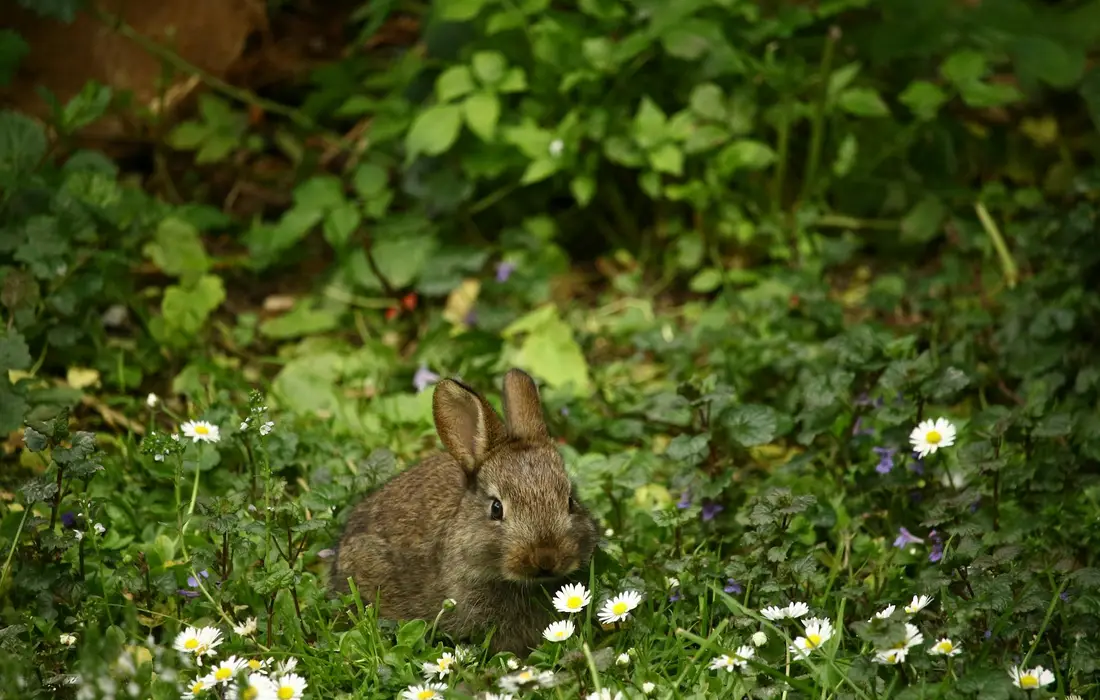
When a rabbit gets into onions or garlic, the trouble starts quietly but can turn serious fast. I learned from a scare with a New Zealand doe in my care that recognizing these symptoms early is the key to saving your bunny’s life, especially when they consume things they shouldn’t, like toxic foods.
Keep a sharp eye out for these signs, grouped from first hints to critical distress:
- Early Warning Signs: Shifts in behavior and eating habits. Think lethargy, skipping meals, or slight gut unease.
- Advanced, Dangerous Symptoms: Physical collapse signs like extreme weakness, pale gums, and trouble breathing.
Early Signs and Late-Stage Symptoms
Let’s walk through what you might see, step by step. Catching the early signs gives you a fighting chance to intervene before real damage is done.
Those First, Subtle Clues (Early Signs):
- Lethargy: Your usually perky critter sits hunched and dull, with no interest in exploring or playing.
- Loss of Appetite: They’ll leave their favorite hay or greens untouched-a glaring red flag in a animal that should always be grazing.
- Digestive Grumbles: Look for unusually small, misshapen droppings, bloating, or signs of gas pain.
- Excessive Thirst or Urination: Sometimes one of the first noticeable changes as their body tries to cope.
When Things Get Critical (Late-Stage Symptoms):
- Weakness and Incoordination: Muscles fail; the rabbit may stagger, collapse, or be unable to rise.
- Pale or White Gums: Gums should be bubblegum pink. If they’re pale, white, or bluish, it signals severe anemia.
- Rapid, Labored Breathing: They pant or heave, struggling to get enough oxygen into their blood.
- Reddish-Brown Urine: The toxin breaks down red blood cells, which can discolor the urine.
- Jaundice: A yellow tint to the skin inside the ears or the whites of the eyes shows the liver is under immense strain.
How Long After Exposure Do Symptoms Appear?
Now, y’all might wonder how soon this trouble shows itself. Symptoms can be sneaky, typically appearing anywhere from a few hours to two full days after ingestion. The delay happens because the compounds in alliums attack the red blood cells gradually; symptoms only become obvious once enough cells are damaged to cause anemia. A large meal might bring on signs quicker, while a small, repeated nibble could create a slower, more insidious onset. Don’t let that lag fool you-if you know they’ve eaten it, consider it an emergency right then and there.
Emergency Steps if Your Rabbit Eats Alliums
Finding your bunny has sampled a forbidden allium can set your heart racing. Stay calm and move with purpose, because a clear head and quick hands make all the difference in a barnyard emergency. I recall a time when a young buck of mine squeezed into the kitchen garden; here’s the step-by-step plan I follow, born from that scare.
- Remove Every Bit of the Allium Source: Your first job is to clear the area. Get all garlic, onion, chives, or leeks out of the pen, and check under bedding or in feeders where scraps hide.
- Call Your Veterinarian Without Delay: Have your phone ready. Tell the vet exactly what was eaten, your best guess at the amount, and the time since ingestion; this information guides their critical first advice.
- Monitor Your Rabbit with Undivided Attention: Keep the rabbit where you can watch it closely. Note any shift in its usual behavior, eating habits, or energy level to report back to the vet.
Immediate Actions to Take
- Scour the Space and Remove All Plant Material: Leave no skin or leaf behind. Rabbits are persistent, and a second helping doubles the trouble.
- Isolate the Rabbit in a Quiet, Familiar Spot: Move your bunny to a separate crate or a section of the hutch. Isolation prevents stress from other animals and lets you spot subtle warning signs.
- Never Try to Make Your Rabbit Vomit: Unlike dogs or pigs, a rabbit’s body isn’t built for it. You could cause choking or aspiration, so always wait for your vet’s specific instruction.
When to Seek Veterinary Care
Allium poisoning works quietly, damaging red blood cells. When in doubt, pick up the phone-it’s always better to be safe than sorrowful.
- If You See Any Symptoms Whatsoever: Lethargy, refusing favorite greens, pale gums, rapid breathing, or reddish-dark urine are all red flags. Don’t wait for it to “pass.”
- If You Know a Substantial Amount Was Eaten: If your rabbit ate more than a tiny nibble-think a whole onion ring or a clove of garlic-consider it an emergency and go straight to the vet.
- If Your Rabbit Is Very Young, Elderly, or Has a Known Health Issue: These animals have less resilience. What might be a small upset for a healthy adult can be serious for them.
- Understand What the Vet Might Do: Treatments can include giving activated charcoal, providing supportive fluids through an IV, and in severe cases, a blood transfusion. Your vet’s role is to manage the toxin’s effects and support your rabbit’s own healing processes.
Safe Greens and Alternatives for a Healthy Bunny Diet
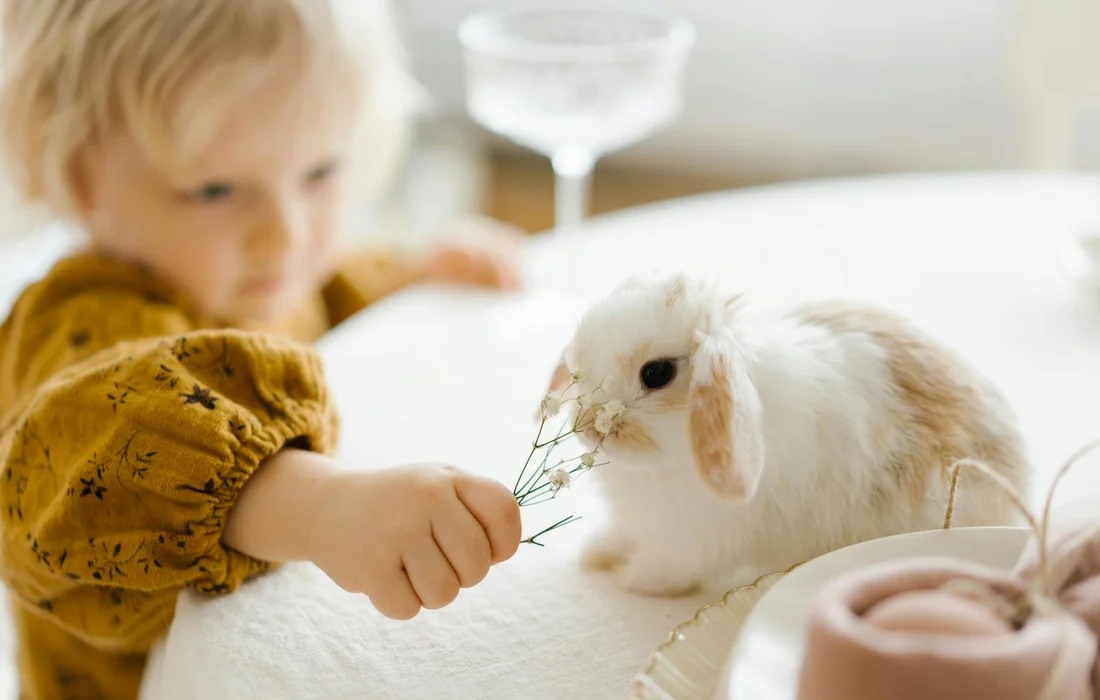
Now, since garlic and its kin are strictly off the menu, let’s talk about all the good things your rabbits can and should eat. I’ve raised rabbits for decades, and I can tell you that a varied, proper diet makes for contented critters with glossy coats and bright eyes. Focusing on safe, wholesome foods is how you practice true stewardship, respecting the animal by meeting its needs without fancy or risky extras. To extend that care, we’ll also cover safe and unsafe plants for rabbits. That way you’ll know exactly what to offer and what to avoid.
Unlike the allium family that can quietly damage a rabbit’s red blood cells, the right greens and veggies build them up from the inside out. Think of it like this: you wouldn’t fuel a reliable tractor with kerosene, so don’t fuel your bunny with harmful plants. The golden rule in my barn has always been 80% grass hay, 10% fresh vegetables, and 10% quality pellets, a ratio that keeps digestive systems running smooth as butter.
That 10% for veggies is where you can get creative with leafy greens, fragrant herbs, and the occasional sweet treat. This portion provides vital vitamins and enrichment, turning feeding time into a joyful ritual. Always introduce any new food slower than molasses in January, just a leaf or two at first, to let their sensitive gut flora adjust.
Top Safe Leafy Greens for Rabbits
Your garden or market can supply a bounty of perfect bunny fare. These are the homestead-friendly greens I’ve fed for years without a hitch. Offer a hearty handful daily, mixing two or three types for variety. Some leafy greens are rabbit-safe, and portion sizes matter. Next, I’ll cover safe types and feeding guidelines.
- Romaine Lettuce: A crisp, hydrating staple. Avoid iceberg, as it’s mostly water and lacks nutrients.
- Green or Red Leaf Lettuce: Tender and readily accepted by even the pickiest eaters.
- Kale: Packed with nutrients, but feed it a couple times a week at most due to its calcium content.
- Carrot Tops: The lacy green leaves from your garden carrots are an absolute favorite and free for the taking.
- Spring Greens / Mesclun Mix: A wonderful, pre-mixed option for busy folks.
- Bok Choy: A crunchy, Asian green that adds great texture.
- Arugula: Adds a peppery kick they often enjoy.
- Herbs like Cilantro, Mint, and Basil: Fantastic for aroma and flavor, and most herbs have beneficial properties.
Washing these greens to remove any pesticide residue is a non-negotiable step I learned early on, protecting my animals from unseen harms.
Fruits and Vegetables to Offer in Moderation
These are the “desserts” of the rabbit world-tasty, beneficial in tiny amounts, but troublesome if you get heavy-handed. Their high sugar or starch content is a world away from the direct toxicity of alliums, but overfeeding can still lead to an upset stomach or weight gain. I reckon a tablespoon per 2 pounds of body weight, once or twice a week, is a thrifty and safe measure.
- Carrots: The classic treat! Feed the orange root sparingly; the green tops are the better daily choice.
- Apple Slices: Remove all seeds first, as they contain trace cyanide. A thin slice is plenty.
- Blueberries & Strawberries: A single berry makes a rich, antioxidant-packed snack.
- Bell Peppers: Any color, seeds removed. They’re a wonderful source of vitamin C.
- Zucchini or Summer Squash: A low-sugar, moist vegetable that’s great in summer.
- Pumpkin: A bite-sized cube of plain pumpkin (not pie filling) is a fall favorite.
Remember, a rabbit’s main energy must come from hay, not sugars. Giving too much fruit is like feeding your chickens nothing but scratch grains-it fills them up but doesn’t build real health, unlike the clear and present danger posed by a single onion. To keep your rabbit healthy, you might wonder do rabbits eat fruit and which are safe. Our safe fruits feeding guidelines help you decide exactly what to offer and how often.
Keeping Your Rabbit Safe from Allium Exposure
Prevention is the absolute best medicine, and keeping these plants away from your rabbits is simpler than mending a busted fence. It all comes down to mindful habits in the garden, the kitchen, and around the feed shed. I’ve found a few reliable systems over the years that’ll let you sleep easy, knowing your bunnies are safe, especially when it comes to identifying rabbit-proof plants they simply won’t touch.
Securing Your Garden and Kitchen
If you grow your own onions or garlic, think of that patch as its own little fortress. My raised bed of garlic is surrounded by a low fence of 1/2-inch hardware cloth, sunk a good six inches into the dirt. This keeps ambitious bunnies from digging in and wandering paws from accidentally tossing tops into their run. For pots of chives on the porch, I simply place them up high where a curious nose can’t reach.
In the kitchen, your compost bucket is a major risk zone. We swapped our open crock for a sturdy lidded bucket under the sink. The lid snaps tight, so no smells escape to tempt a rabbit and no scraps can be pulled out by a pet or child. It’s a cheap fix that prevents a world of trouble.
Safe Handling of Food Scraps
Feeding kitchen scraps is a wonderful way to reduce waste, but with rabbits, you must be a vigilant sort. I never feed scraps directly from the cutting board. Everything goes into a dedicated “sorting” bowl first. Here’s my steadfast routine:
- Wash and Inspect: Rinse all leafy greens or veggie trimmings. Spread them out on a towel so you can see every piece.
- The Allium Check: Look closely for any tiny, translucent onion skins, slivers of garlic, or snippets of green chive that might have snuck in from a previous meal prep. They love to hide in celery root trimmings or the outer layers of cabbage.
- Use a Dedicated Rabbit Bowl: After the double-check, transfer the safe scraps to a separate container used only for the rabbits. This is the bowl you take to the hutch.
- Immediate Clean-Up: Sweep or wipe down the counter and cutting board right after prepping your own allium-heavy meals. A stray piece of onion on the floor is a hazard.
This two-bowl system creates a critical safe zone between your cooking and your rabbits. It takes just an extra minute, but that minute is worth more than any home remedy if a rabbit gets sick. I keep our rabbit scrap bowl bright blue-a color cue for the whole family that it’s for the bunnies only.
Alliums and Other Barnyard Critters: A Quick Comparison
While our rabbit friends require a strict avoidance of alliums, the story twists a bit for other livestock sharing your pasture. On a diversified homestead, I’ve learned that animal tolerance to foods like garlic and onions can vary as much as the weather in spring. It pays to know the lay of the land for each critter’s sake, especially when some plants, such as Lamium and Helenium, tend to be rabbit-resistant.
Here’s a plain-spoken rundown of how common farm animals typically face these pungent plants:
- Poultry (Chickens, Geese): Handle with kid gloves; toxicity is a real concern.
- Pigs: Possess a stouter constitution but aren’t invincible.
- Ruminants (Cows, Sheep, Goats): Show varying resilience, with onions being a notable troublemaker.
Chickens and Geese: Tread Carefully
With your feathered flocks, the rule is simple: caution above all. Alliums contain thiosulfate, which can bust open red blood cells in birds, leading to weakness and pale combs if they overindulge. I once had a goose get into some onion peels, and it was a long week of careful watching before she perked back up.
You might hear old-timers mention a garlic clove in the waterer for worming. If you ever dabble in such a remedy, we’re talking one small clove for fifty gallons-a mere whisper, not a shout, and never a daily practice.
- Risk Level: Moderate to high with substantial amounts.
- My Barnyard Advice: Skip feeding them intentionally. Those kitchen scraps? Compost ’em instead.
- Key Difference from Rabbits: Unlike for bunnies where it’s an absolute no, tiny, infrequent amounts might not harm poultry, but I reckon it’s a risk not worth taking.
Pigs and Ruminants: Different Tolerances
Your pigs and grazing ruminants often sport hardier guts. They can occasionally consume small, scattered bits of wild alliums in the pasture without showing immediate distress. My hogs have rooted up and ignored volunteer onions more times than I can count.
But don’t let that fool you into complacency. Onions, especially when dried in hay or fed in bulk, have been known to cause Heinz body anemia in cattle and sheep, a serious condition. It’s the steady diet that creeps up on you.
- For Pigs: They handle it better, but I never make it part of their slop. A thrifty steward avoids unnecessary additives.
- For Cows, Sheep, and Goats: Keep an eye on your hay quality and pasture composition. A patch of wild onions won’t spell doom, but a field full might.
- The Bottom Line for All: Respect the animal by sticking to feeds you know are safe. Sustainable stewardship means not gambling with your stock’s health on a maybe.
Frequently Asked Questions: Alliums and Rabbit Safety on the Farm

Are garlic, onions, chives, and leeks safe for rabbits to eat?
No, they are never safe. All plants in the allium family, including garlic, onions, chives, and leeks, are toxic to rabbits and pose a serious health risk. This is a non-negotiable rule for responsible rabbit care on any homestead. Spring greens may tempt a nibble, but onions—green onions or wild onions—are toxic to rabbits. Keep all alliums out of reach to prevent accidental ingestion.
What makes garlic, onions, chives, and leeks toxic to rabbits?
These plants contain sulfur compounds like thiosulphates and disulfides. When ingested, these compounds cause oxidative damage to a rabbit’s red blood cells, leading them to rupture and resulting in life-threatening hemolytic anemia.
What are the symptoms of allium poisoning in rabbits?
Early signs include lethargy, loss of appetite, and digestive upset. As poisoning progresses, symptoms become critical and include extreme weakness, pale gums, labored breathing, and reddish-brown urine, all indicating severe anemia.
What should I do if my rabbit eats garlic, onions, chives, or leeks?
Immediately remove any remaining plant material and contact your veterinarian without delay. Do not attempt to induce vomiting. Isolate and closely monitor your rabbit for any symptoms while following your vet’s specific emergency instructions.
Are there any safe parts of these plants for rabbits to eat?
No. Every part of the plant-bulb, leaves, stem, flowers, and even dried or powdered forms-is toxic. There is no safe amount or “safe piece” to offer as a treat or forage.
What are healthy alternatives to garlic, onions, chives, and leeks for rabbits?
Focus on safe leafy greens like romaine lettuce, kale, and carrot tops. Herbs such as cilantro, basil, and mint are excellent, fragrant alternatives that provide variety without any risk of toxicity.
Final Reminders for Your Homestead
Vigilance is your best tool. Always double-check kitchen scraps and garden trimmings before feeding, and secure your allium crops away from curious rabbits. Remember, a rabbit’s safe diet of hay, pellets, and approved greens is the foundation for a long and healthy life on the farm. Consider the ultimate rabbit food safety guide, a complete list of safe and toxic foods, as a definitive reference for making daily feeding decisions. It’s designed for quick checks before feeding.
Shutting the Gate
When it comes to your rabbits and the allium family, the rule is plain and simple: keep them separate. Your safest and kindest course of action is to never intentionally feed garlic, onions, chives, or leeks to your bunnies, and to diligently guard your garden and kitchen scraps against accidental access. Others in the family can be just as harmful, so be vigilant. Stick with the proven, sun-loving greens and herbs from your plot, and you’ll have happy, thumping companions for years to come.
I reckon the greatest joy in this homestead life comes from seeing our critters thrive under a watchful and caring eye. Thank y’all for taking the time to learn about this. Now go enjoy the quiet company of your rabbits and the good, simple work of caring for them.
Further Reading & Sources
- Can Rabbits Eat Garlic? The Risk You Shouldn’t Ignore | Petlife
- Vegetables for Rabbits
- Can Rabbits Eat Garlic? Expert Answers to Your Questions
Caroline Mae Turner is a lifelong farm girl raised on red clay, early mornings, and the sounds of a bustling barnyard. With hands-on experience caring for everything from stubborn goats to gentle dairy cows and mischievous pigs, Caroline shares practical, tried-and-true advice straight from the farm. Her goal is to help folks keep their animals healthy, well-fed, and living their best barnyard life. Whether you're wrangling chickens or bottle-feeding a baby goat, Caroline brings a warm Southern touch and plenty of real-world know-how to every bucket in the barn.
Diet Requirements