The Ultimate Rabbit Food Safety Guide: What to Feed and What to Forbid
Published on: February 27, 2026 | Last Updated: February 27, 2026
Written By: Caroline Mae Turner
Howdy y’all. Staring at a handful of garden scraps, worrying if you’re about to make your bunny sick, is a homestead headache I’ve faced more than once. Your rabbit’s diet must be built on unlimited grass hay, supplemented with measured fresh veggies, and strictly exclude all members of the onion family and anything from the nightshade group.
What you’ll need:
- This definitive list of safe and toxic foods
- Five minutes to review what’s growing in your yard or garden
- A healthy dose of caution for any new forage
I’ll help you sort the supper from the poison, so you can feed with confidence and get back to your real chores.
The Bedrock of Bunny Digestion: Hay and Water
You can fuss with fancy pellets and slice up strawberries, but if you get this part wrong, nothing else matters. A rabbit’s gut is a fermentation vat that must keep moving, and the engine for that system is unlimited, high-quality grass hay. House rabbits’ diet beyond pellets includes plenty of hay and fresh greens. The next steps will cover practical guidance on this broader diet.
I keep a simple rule on my place: if the hay rack ain’t full, I’m behind on my chores. Timothy hay is your all-around, everyday champion for adult rabbits. Its long strands are perfect for wearing down those ever-growing teeth and pushing hair through the digestive tract. For youngsters, nursing does, or underweight critters, I’ll mix in some richer alfalfa, but I treat it more like a supplement than a staple.
Water is the partner to that hay. A dehydrated rabbit is a rabbit in digestive stasis, and that’s a vet bill you don’t want. I’ve seen a doe ignore a dirty water bowl for a day and slow down her eating. A clean, heavy crock or a well-maintained bottle, refreshed daily, is non-negotiable for keeping everything flowing smoothly. In winter, I use heated bases to prevent freezing.
Choosing and Serving Hay
- Primary Hay (for adults): Timothy, Orchard Grass, or Meadow Hay. Look for it to be green-ish and smell sweet, not dusty or moldy.
- Supplemental Hay (for growth/milk): Alfalfa. Higher in protein (16-18%) and calcium, so use sparingly with full-grown rabbits.
- Serving Method: Use a large hay rack placed over the litter box. This reduces waste dramatically, as rabbits naturally graze and eliminate at the same time.
- Amount: A bundle roughly the size of the rabbit itself should be available daily. They should be eating it constantly.
Daily Greens & Vegetables: Building a Balanced Salad
This is where y’all can have fun and provide vital nutrients. Think of greens not as a treat, but as the daily “salad” course. Variety is your best defense against deficiencies and picky eaters. I aim for at least three different types in their daily handful.
A safe daily ration is about one packed cup of chopped greens per two pounds of body weight. Start slow with any new green, especially for kits or rabbits new to your care. I follow the “three-day rule”: introduce just a leaf or two, watch their droppings, then slowly increase.
The Daily Staples (Feed Often)
- Leafy Greens: Romaine, Green or Red Leaf Lettuce, Arugula, Spring Mix (no spinach).
- Herb Tops: Carrot tops, Radish tops, Celery leaves (chop the stalks finely).
- Brassicas: Bok Choy, Brussels Sprouts (start with one), Broccoli leaves (the florets in moderation).
The Occasional Veg (Feed 2-3 Times a Week)
- Bell Peppers (any color, seeds removed)
- Zucchini or Summer Squash
- Pea Pods (the flat snow pea type)
- Carrot (a one-inch slice is plenty-it’s a sugar root!)
- Cucumber (great for hydration, low in nutrient value)
Herbs and Flowers: Flavorful Enrichment
Beyond nutrition, this is where stewardship becomes a joy. Growing a patch of mint or letting some clover bloom in a run provides mental stimulation and natural medicine. Fresh herbs are powerhouses of vitamins and often have beneficial properties that support overall health. I often snip these straight from my garden.
Culinary & Medicinal Herbs
- Basil, Cilantro, Dill, Mint, Oregano, Parsley, Rosemary, Sage, Thyme. All are excellent. I dry my summer surplus for winter use.
- Special Mentions: Mint soothes guts; Dill is a appetite stimulant; Parsley is high in Vitamin C (but also calcium, so rotate it).
Safe Edible Flowers & Weeds
Ensure these are from areas not treated with chemicals or frequented by dog traffic.
- Dandelion (the whole plant-leaf, flower, root-is a superb tonic)
- Clover (leaves and flowers)
- Nasturtium (a peppery treat, flowers and leaves)
- Marigold (Calendula officinalis petals support skin health)
- Rose petals (no pesticides)
Fruits and Treats: The Sweet Side of Moderation
Now, let’s chat about the fun part-treats! I reckon every bunny deserves a sweet bite now and then, just like we enjoy a piece of pie after a long day. Remember, fruits are sugary delights for rabbits, not a main course, and overdoing it can lead to a upset tummy faster than a rainstorm in July. I’ve seen my own herd get so excited for apple slices they’d hop circles around my boots, but discipline in portion size keeps them healthy.
Rabbit-Safe Fruits: The Approved List
Stick to these familiar fruits, and you’ll keep those whiskers twitching with joy. Always introduce any new treat slower than molasses in January, just a tiny piece at first, to see how your critter’s digestion handles it. Here’s my go-to list, gathered from years of barnyard practice:
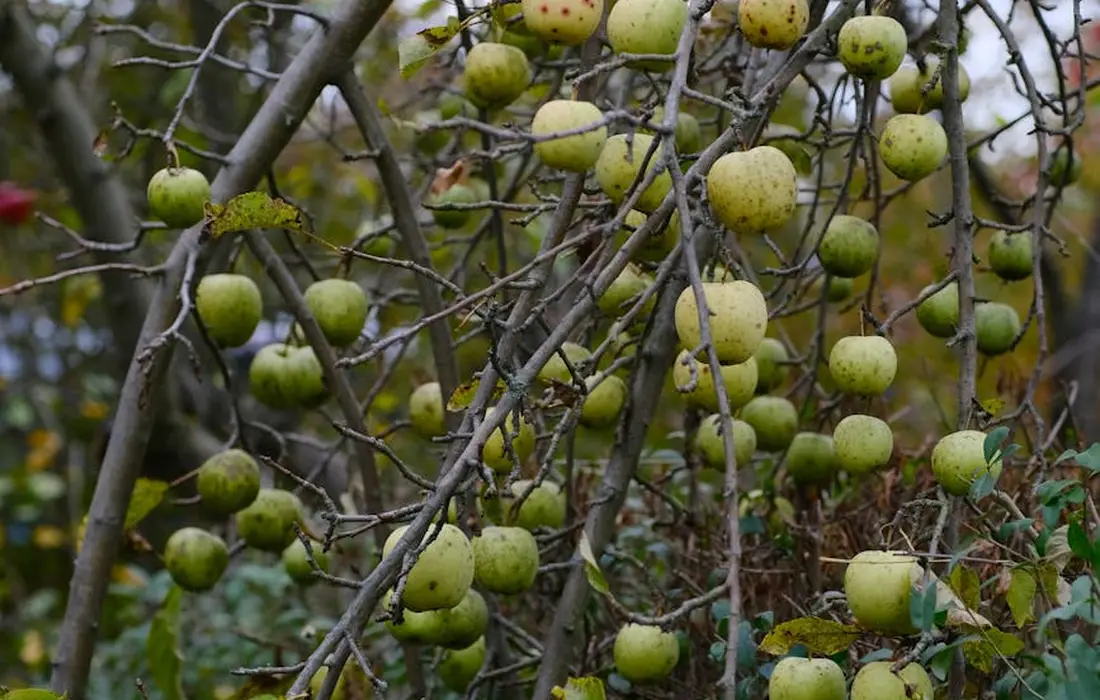
- Apples: A classic favorite! Remove all seeds and the core, as seeds contain trace cyanide. A thin slice or two per week is plenty.
- Bananas: Rich and sweet. I give about one tablespoon of mashed banana per 5 lbs of body weight, once a week. The peel can be fed too, but ensure it’s organic and washed.
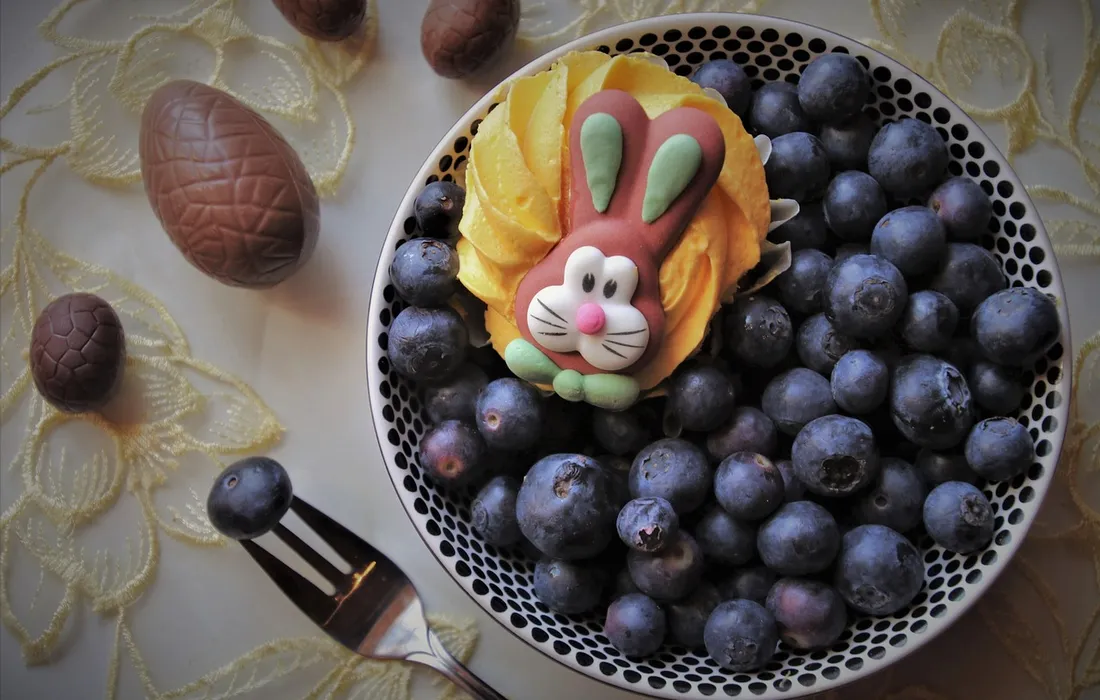
- Berries (Strawberries, Blueberries, Raspberries): Wonderful antioxidants. Two or three small berries per feeding is adequate. I often use the less-perfect ones from my garden.
- Melons (Cantaloupe, Watermelon): The flesh is a hydrating treat. A one-inch cube, rind removed, is sufficient. They can have the rind too if it’s thoroughly washed.
- Peaches & Plums: The fleshy fruit is safe, but the pit must be entirely removed. A small slice once a week is a special reward.
- Pears: Similar to apples-seedless slices only. The high fiber is a bonus, but the sugar content demands restraint.
Fruits That Are Straight-Up Poison
Some things just aren’t fit for bunny consumption, and knowing the difference is your duty as a steward. When in doubt, leave it out; it’s cheaper than a vet call and kinder on your conscience. Here are the major offenders to keep far from your hutch:
- Avocado: Every part is toxic. It contains persin, which can cause fatal respiratory distress in rabbits.
- Cherries, Apricots, Peaches, Plums (Pits & Leaves): The fruit flesh is safe, but the pits, stems, and leaves contain cyanogenic glycosides. It’s a hassle to remove pits completely, so I often skip these unless I’m being extra careful.
- Rhubarb: The leaves are notoriously poisonous, and the stalks are too acidic and risky. I don’t feed any part of it.
- Tomatoes (Leaves & Vines): The ripe fruit is debated, but the green parts are toxic solanine. I play it safe and avoid tomatoes altogether-there are plenty of other treats.
- Grapes & Raisins: The science isn’t settled for rabbits like it is for dogs, but I’ve heard enough worrisome tales from other homesteaders to exclude them. Why risk a kidney issue?
How to Serve Treats Right
Feeding fruit isn’t just about what, but how. Treats should never make up more than 5% of your rabbit’s total weekly diet, which boils down to a few small bites a couple times a week. Here’s my thrifty, welfare-focused method:
- Wash Thoroughly: Scrub all store-bought fruit to remove pesticide residue. I use a vinegar-water soak for my homegrown goods too.
- Prepare Properly: Remove all seeds, pits, stems, and cores. Cut fruit into small, manageable pieces to prevent choking.
- Time It Well: Offer treats after they’ve eaten their main hay ration, so they fill up on fiber first.
- Watch Closely: If you see soft stools or a lack of interest in hay, cut back on the sweets immediately. Their digestive system is as delicate as a new chick.
I recall one season my blueberry bushes produced more than we could jam, and I got a little generous with the bunnies. Within days, I noticed their hay consumption dropped, and that was my lesson to always prioritize their roughage over my desire to spoil them. It’s a balance, y’all-showing love through care, not just through treats.
The Forbidden List: Common Toxic Foods and Plants
Now, let’s talk about the side of the garden we keep the rabbits out of. I’ve seen a bunny look at a poisonous weed with the same curious twitch of the nose as it does a delicious dandelion. Knowing what’s off-limits isn’t just about a list; it’s your first and most important line of defense for your herd.
Household & Garden Dangers
These are the items that might seem like a treat but harbor real trouble. I keep this list tacked right to the feed bin.
- Allium Family: Onions, garlic, leeks, chives. They cause devastating anemia by destroying red blood cells.
- Iceberg Lettuce: Its lactucarium content is a sedative and its high water offers zero nutrition, leading to digestive slowdown.
- Potato Greens & Raw Potatoes: The greens and eyes contain solanine, a potent toxin. The raw tuber is a starchy, indigestible blockage risk.
- Rhubarb Leaves: Extremely high in oxalic acid, which quickly leads to kidney failure.
- Avocado: Every part contains persin, a fungicidal toxin fatal to rabbits.
- Legume Seeds & Beans: Dry beans, peas, and lentils cause severe gas and bloating in a system that cannot pass it.
- Processed Foods: Bread, crackers, cereal, pasta. These starchy items disrupt cecal bacteria and lead to GI stasis.
Common Toxic Plants & Weeds
When you’re turning them out on a lawn or bringing in forage, you must be a vigilant scout. A good rule my grandpa taught me: if you don’t know it, don’t pick it.
- Nightshades: Deadly nightshade, ground cherry, horsenettle. Often have distinctive berries.
- Foxglove & Lily of the Valley: Beautiful but deadly, affecting the heart.
- Buttercups: Common in wet fields, the fresh plant causes mouth blisters and gut pain.
- Poison Hemlock & Fool’s Parsley: Fern-like leaves; often mistaken for wild carrots. Rapidly fatal.
- Oak Leaves & Acorns (in large quantities): The tannins can cause kidney and digestive issues.
- Tomato & Pepper Plants: The fruit is fine, but the leafy vines are in the nightshade family and toxic.
- Wild Cherries, Peaches, Plums: The wilted leaves and pits contain cyanide compounds.
Understanding the Why: Allergies, Choke Hazards, and Digestion
It’s not enough to just know the list. When you understand the “why,” you start to see patterns and can make safer judgment calls. A rabbit’s digestion is a finely tuned, one-way street. Their gut is a fermentation vat that must keep moving; anything that slows it down or poisons the microbes is a direct threat to their life.
The Delicate Cecal Balance
A rabbit’s magic happens in the cecum, where bacteria break down fiber. Toxic plants often contain alkaloids or compounds that kill this good bacteria. Think of it like pouring bleach into your sourdough starter. Once that balance is lost, harmful bacteria like E. coli take over, leading to deadly enterotoxemia.
Oxalates and Kidney Stress
Plants like spinach, beet greens, and Swiss chard (safe in strict moderation) and the deadly rhubarb leaf contain oxalic acid. In small amounts, a healthy kidney can handle it. In excess, these oxalate crystals physically damage the kidneys, leading to a painful and swift decline. I limit high-oxalate greens to a tablespoon-sized treat once or twice a week, never daily.
Choke and Blockage Hazards
This isn’t just about size. Starchy, dense, or dry foods like bread, nuts, or seeds swell and cement in the gut. A rabbit cannot vomit. Everything must move forward. A blockage brings digestion to a halt, causing gas and pain (GI stasis) that can kill in 24 hours. Always choose high-fiber, water-rich foods that keep the conveyor belt running.
The Allergy and Sensitivity Unknown
Just like people, individual rabbits can have sensitivities. I had a doe who couldn’t tolerate cilantro-it gave her soft stools immediately. This is why you introduce any new food, even a “safe” one, in a tiny portion and watch for 24 hours. Signs of individual intolerance include soft cecotropes, gassiness (a hunched, tense posture), or lack of appetite.
Recognizing Trouble: Signs of Illness and Emergency Action
Now, rabbits are stoic little souls. In the wild, showing weakness paints a target on their back, and that instinct runs deep in our domestic friends. This means by the time a rabbit looks *obviously* sick to us, they’ve likely been feeling poorly for a while, and the clock is already ticking. Your most important job is learning their normal so you can spot the subtle “off.” I learned this the hard way with an old doe named Thistle, God rest her.
The Silent Alarms: Behavioral Red Flags
Forget waiting for a sneeze. Watch their habits. A change in routine is your first and best warning siren.
- Hunched Posture: Sitting all balled up, looking tense or uncomfortable, often with eyes half-closed.
- Lethargy & Hiding: A rabbit that normally greets you at the hutch door now stays in the back, uninterested.
- Ignoring Favorite Treats: You offer a sprig of cilantro or a blueberry and they turn their head. This is a major red flag.
- Grinding Teeth Loudly: A soft, purring tooth grind is contentment. A loud, obvious crunching signals significant pain.
- Changes in Water Consumption: Drinking drastically more or, more dangerously, not drinking at all.
The Physical Evidence You Can’t Ignore
When you combine odd behavior with these physical signs, it’s time to move from observation to action.
- Poor Poop Production: Small, misshapen, or strung-together droppings. No droppings at all for 12 hours is a dire emergency.
- Diarrhea or Soft, Mucus-Covered Stool: This is a crisis, especially for young kits. Dehydration sets in frighteningly fast.
- Wet or Stained Fur Around the Mouth or Chin: Can indicate dental issues or difficulty eating.
- A Dirty “Back End”: Stool matted in the fur is a sure sign of GI slowdown or improper diet.
- Loud, Gurgling Gut Sounds… or Dead Silence: You want to hear gentle, rhythmic gurgles. Either pronounced roaring or a silent, still abdomen are bad news.
Your Emergency Action Plan
When you see a cluster of these signs, don’t panic, but do move with purpose. Here’s your barnyard triage.
- Isolate and Inspect. Gently move the rabbit to a clean, quiet, warm area. Do a full hands-on check: feel the belly (is it hard or doughy?), check the teeth if possible, note body condition.
- Remove All Pellets and Treats. This is non-negotiable. Offer only fresh, clean hay and water. Think of hay as the gentle broom that might help sweep a sluggish gut back into motion.
- Hydrate, Hydrate, Hydrate. If they aren’t drinking, offer water from a clean syringe (drip it on their lips, don’t squirt). You can also offer wet, leafy greens like romaine to boost fluid intake.
- Call Your Veterinarian. A rabbit-savvy vet is not a luxury; it is the cornerstone of responsible husbandry. Describe the signs exactly. “Not eating, no droppings, hunched up” gets you an immediate appointment.
- Keep Them Warm. A sick rabbit struggles to regulate temperature. A safe, wrapped heat pad on low under half their carrier can be a lifesaver.
What *Never* to Do in a Feed-Related Crisis
In our desire to help, we can sometimes make things worse. Steer clear of these well-intentioned mistakes.
- Don’t Force-Feed Pellets or Sugary Treats. A stalled gut cannot process them. It adds fuel to a fire that’s gone out.
- Avoid Sudden Diet Swings. If you suspect a new garden green caused upset, remove it, but don’t overhaul everything else at once. Sudden change compounds stress.
- Never Assume “They’ll Sleep It Off.” Rabbits don’t get better with rest alone when the core issue is dietary or GI. Time is tissue, and we can’t afford to waste it.
I keep a “bunny emergency kit” in my feed room: a small carrier, syringes, a digital thermometer, and my vet’s number on the wall. Peace of mind isn’t about preventing every ailment; it’s about being prepared to respond with clarity when your stewardship is needed most. Watching close and acting fast is the greatest kindness we can offer these quiet creatures in our care.
Crafting a Safe Feeding Routine: Portions, Schedules, and Observation
Knowing what’s safe to feed is only half the battle, my friends. The other half is in the how and the when. A proper routine is what turns a list of good intentions into thriving, healthy rabbits in your barnyard. Just as you need to know what is safe to feed, you also need to understand the importance of timing and method.
Forage is the Foundation, Not the Frill
I reckon the single biggest mistake I see new rabbit-keepers make is treating hay like a garnish. It is the absolute bedrock of their diet and digestive health. A rabbit’s gut is designed to be in near-constant, gentle motion, and long-strand fiber from hay is the engine that makes it go. Without it, everything grinds to a dangerous halt.
Choosing Your Hay: A Quick Comparison
| Hay Type | Best For | Protein/Fiber Notes | My Barnyard Advice |
|---|---|---|---|
| Alfalfa | Growing kits, pregnant/nursing does, underweight adults | High protein (15-20%), high calcium, lower fiber | Use like a supplement. For most adult rabbits, it’s too rich and can cause urinary issues. |
| Timothy Orchard Grass | All adult rabbits | Moderate protein (7-11%), high fiber, balanced calcium | This is your daily workhorse. I buy it by the bale and it’s worth every penny. |
| Meadow Hay | Adult rabbits, especially picky eaters | Variable mix of grasses, flowers, and herbs | Great for variety and encouraging foraging behavior. Check for safe, weed-free sources. |
Measuring the Daily Grub
Portion control prevents a portly rabbit and a lot of wasted feed. Here’s the simple rule of thumb I follow in my own sheds.
- Unlimited Hay: A pile roughly the size of the rabbit itself, refreshed daily. It should always be fresh, sweet-smelling, and never moldy.
- Pellets: These are a concentrated supplement, not the main course. For a standard 5-6 lb adult, I give about 1/4 cup daily. Cut this in half if you’re also offering a hearty portion of safe greens. Growing youngsters and breeding stock get more.
- Fresh Greens & Veggies: A packed cup per 2 lbs of body weight daily is a safe start. Introduce any new green slowly over a week to avoid gut upset.
- Treats (fruit, carrot, oats): No more than a tablespoon-sized portion a couple times a week. Think of it like a cookie, not a meal.
The Rhythm of the Feeding Day
Rabbits are creatures of habit, and a consistent schedule keeps them calm and their digestion predictable. Wild rabbits typically forage at dawn and dusk, shaping the wild vs domestic eating patterns, while domestic rabbits often rely on human feeding schedules. Here’s how my day looks.
- First Light: Check water bottles or bowls, refill hay racks that got low overnight.
- Mid-Morning: This is when I deliver the day’s portion of pellets. It gives them something to work on through the day.
- Late Afternoon: Time for the fresh salad! I gather greens from the garden or pull stored veggies. Feeding greens later in the day ensures they’ve had all daylight hours to munch on their most important food-hay.
- Evening Check: A final walk-through to top up hay and water. It’s a peaceful way to end the day.
The Art of Observation: Your Most Important Tool
Your eyes tell you more than any guide ever could. I learned this with an old Dutch buck named Thumper who’d get a tad sour in his belly if I wasn’t watching close.
Before you introduce any new food, even a “safe” one, offer just a bite or two and watch for the next 24 hours. You’re looking for normal, round, dry fecal pellets and a rabbit that’s eager for its next meal.
Be on the lookout for warning signs. If you see small, misshapen poops, or no poops at all for 12 hours, stop all fresh foods and treats immediately. Go back to just hay and water, and if things don’t improve swiftly, a vet call is in order. A rabbit that’s off its feed is a rabbit in potential trouble.
Remember, a safe diet is more than a list—it’s a daily practice of careful provision and watchful stewardship. Your diligence at the hutch door is the final, and most critical, ingredient in your rabbit’s food safety. Understanding which plants are safe or unsafe for rabbits is a key part of that daily practice. Knowing what to offer—and what to avoid—helps keep rabbits healthy.
Closing Tips for the Barnyard Rabbit Steward
What vegetables can rabbits eat daily?
Daily greens should be leafy and nutrient-rich, like romaine lettuce, arugula, and bok choy. A good rule is about one packed cup per two pounds of body weight, always introduced slowly. Avoid iceberg lettuce, as it offers little nutrition and can cause digestive issues.
Can rabbits eat herbs and which ones?
Yes, most common culinary herbs are excellent for rabbits and provide enrichment. Safe choices include basil, cilantro, mint, oregano, parsley, and dill. These can be offered fresh in small amounts as part of their varied diet. It’s important to know which herbs are safe and which are not, so always consult herbs for rabbits: safe and unsafe herb guide before feeding them.
Are there any safe flowers for rabbits to eat?
Several common flowers are safe, provided they are free from pesticides and chemicals. Rabbits can enjoy dandelions, clover, nasturtiums, and marigold (calendula) petals. Always positively identify any flower before offering it to your rabbit.
What human foods are dangerous for rabbits?
Many human staples are hazardous, including all forms of onions, garlic, chocolate, and avocado. Starchy, processed foods like bread, crackers, and cereal are also dangerous as they disrupt delicate gut bacteria. Never offer these kitchen scraps, no matter how much they beg.
What should I do if my rabbit eats something toxic?
Immediately remove any remaining toxic material and provide unlimited hay and fresh water. Contact your veterinarian or an emergency pet poison hotline right away for specific advice, as prompt action is critical. Be prepared to describe what and how much was ingested.
How can I safely incorporate rabbit-safe weeds from my pasture?
Only forage from areas you know have not been treated with herbicides, pesticides, or chemical fertilizers. You must be 100% certain of the plant’s identity, as many toxic weeds resemble safe ones. Rabbits eat many common weeds, but some wild plants are unsafe. Introduce any new foraged food in a tiny amount to test your rabbit’s individual tolerance.
Back to the Hutch
After all this talk of safe lists and toxic dangers, the heart of rabbit keeping is downright simple. Your rabbit’s health is built daily by making fresh, unlimited grass hay the main event, using pellets as a supplement, and treating garden greens as a careful delight, not a staple. I’ve seen too many good intentions lead to a sour belly because a new food was introduced all at once. From my own hutches to yours, that slow, watchful introduction is the golden rule.
I’m right proud of y’all for taking the time to learn this; it shows a true respect for your animals. There’s a deep satisfaction in seeing a bunch of contented bunnies, knowing you’re feeding them right and steering them clear of harm. Now, go enjoy that peaceful munching and the quiet rhythm of a well-tended homestead.
Further Reading & Sources
- Rabbit From Farm to Table | Food Safety and Inspection Service
- Rabbit Diet: What to Feed a Pet Bunny | Best Friends Animal Society
- Rabbit Diet & Nutrition: Safe Foods and Treats for Bunnies
Caroline Mae Turner is a lifelong farm girl raised on red clay, early mornings, and the sounds of a bustling barnyard. With hands-on experience caring for everything from stubborn goats to gentle dairy cows and mischievous pigs, Caroline shares practical, tried-and-true advice straight from the farm. Her goal is to help folks keep their animals healthy, well-fed, and living their best barnyard life. Whether you're wrangling chickens or bottle-feeding a baby goat, Caroline brings a warm Southern touch and plenty of real-world know-how to every bucket in the barn.
Diet Requirements