Can Rabbits Eat Apples? A Safe, Simple Treat Method
Published on: May 4, 2026 | Last Updated: May 4, 2026
Written By: Caroline Mae Turner
Howdy y’all, and welcome back to the barn. Yes, rabbits can eat apples, but always without seeds and only as a rare, small treat to keep their digestion steady. I’ve fed many a bunny from my orchard over the years, and getting this right saves you a worrisome trip to the vet.
What you’ll need:
- A fresh apple, preferably organic to skip chemical residues
- A sharp knife and a steady cutting surface
- A spare moment to wash and prep
Let’s get this sorted quick, so you can return to your other critters and chores with peace of mind.
The Core Question: Are Apples Safe for Rabbits?
Yes, ma’am and sir, your bunny can enjoy a bit of apple. I’ve handed out many a slice to my barn crew of rabbits over the years. But this sweet treat comes with a big, old “but”-it must be given sparingly and prepared with absolute care. A rabbit’s digestive system is a finely-tuned engine built for roughage like hay, not sugary fruits or apple tree leaves and skins.
Think of an apple treat like a slice of pie for us. A little is a fine delight, but too much and you’re asking for a bellyache. Too much apple can lead to painful GI stasis, an overgrowth of bad gut bacteria, and serious weight gain, which is hard on those delicate rabbit frames. I reckon a few small pieces, no more than one or two tablespoons, once or twice a week is the absolute limit for a standard-sized rabbit.
Apple Anatomy: What Parts Are Rabbit-Safe?
Just like we wouldn’t eat a corn cob, a rabbit shouldn’t eat the whole apple. You’ve got to know which parts pass muster and which parts head straight for the compost pile. Discerning what to feed is the cornerstone of good, thrifty husbandry-it prevents waste and keeps your animals hale.
The Flesh and Peel: A Sweet Reward
The crisp meat of the apple and its skin are the safe zones, provided you take one critical step. You must wash that apple peel as if you were feeding it to a newborn, scrubbing to remove any pesticide or wax residue that could harm your bunny. I use a splash of plain white vinegar and water for a good soak, then a firm rub under cool running water. Pigs can also enjoy apples as part of a balanced diet when prepared safely. For more detail, our complete apple feeding guide explains how to feed them, including portions and precautions.
The peel actually holds good fiber, but the flesh is where the sugar concentrates. My method is to slice off a thin piece, skin on, about the size of your thumbnail, and that’s a perfect portion for a curious nibbler. I’ve seen my rabbits hold it daintily in their paws, just savoring the crunch.
Seeds and Core: What to Always Remove
This is non-negotiable, friends. The core and every single seed must be removed and discarded. Apple seeds contain amygdalin, a compound that can release cyanide when chewed and digested. While a couple of seeds likely won’t poison a large animal, for a small rabbit, why risk it? Rabbits can enjoy a small amount of apple flesh, but only after removing the core and seeds. If you choose to offer the skin, make sure the fruit is clean and pesticide-free, and feed it sparingly.
Here’s my barnyard prep routine:
- Wash the apple thoroughly.
- Slice it into quarters, right through the core.
- Use the tip of your knife to pop out the entire seed-filled core section from each piece.
- Double-check for any stray brown seeds.
- Only then, slice a small portion of the clean flesh for your rabbit.
Taking those extra thirty seconds to properly core an apple is the simplest act of stewardship for the life in your care. The leftover core? My chickens or pigs think it’s a fine snack, seeds and all-their digestive systems handle it just fine.
From Orchard to Hutch: Preparing Apples Safely
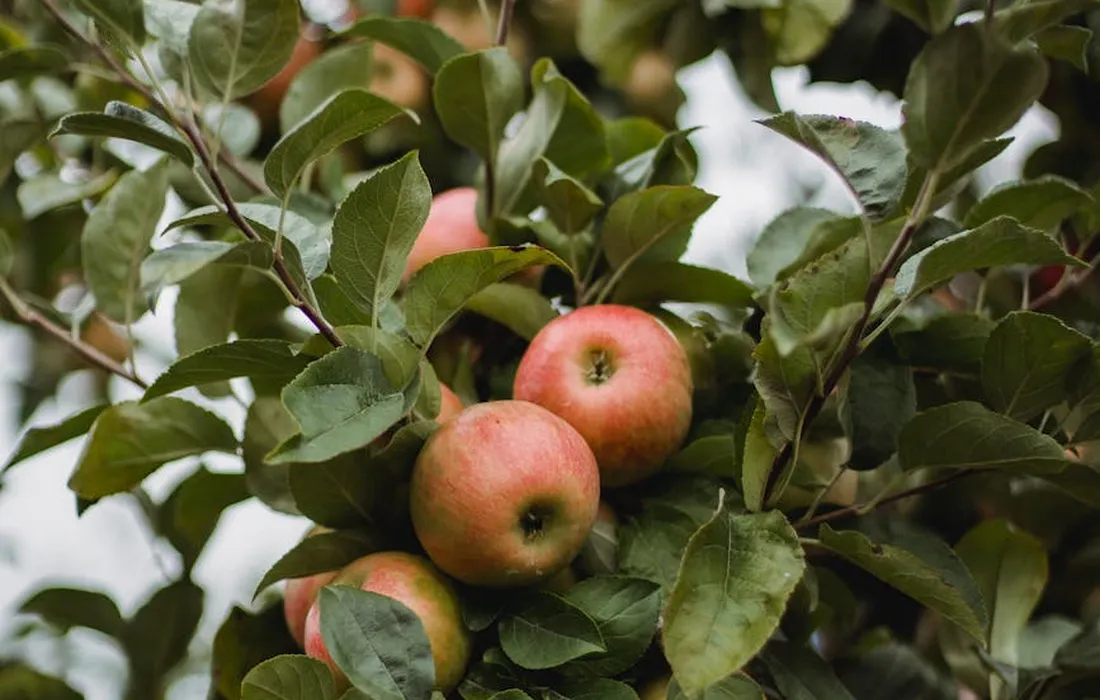
Now, just because an apple is good for them doesn’t mean you can just pluck one and toss it in the hutch. Proper preparation is the simple step that separates a wholesome treat from a potential hazard, and it only takes a minute. I treat my rabbits’ snacks with the same care I give my own family’s food, whether it’s apples or pears.
Your Pre-Treat Checklist
Before that apple ever meets a knife, you need to do a quick visual and mental check. This habit has saved my bunnies from trouble more than once.
- Source: Where’d you get it? An apple from your own organic tree is a different beast than a glossy, store-bought one. I reckon if you wouldn’t eat the peel yourself, don’t give it to your rabbit.
- Freshness: Is it firm and crisp, or soft and mealy? Avoid any with signs of mold or significant bruising. A small bruise you can cut away is fine, but a mushy apple can upset delicate digestive systems.
- Cleanliness: This is non-negotiable. You must wash that apple, and I mean scrub it under cool running water. This removes dirt, wild yeast, and, most critically, pesticide residues.
The Right Way to Core and Slice
Here’s where we get to the heart of the matter-literally. The core and seeds contain our main concern.
- Wash Thoroughly: Use water and a good scrub brush. For store-bought apples, I sometimes use a dash of vinegar in the water to help cut through wax, then rinse well.
- Remove the Core: I use a simple apple corer. It’s fast and gets all the seeds in one motion. If you’re using a knife, cut the apple into quarters first, then cut the seed-filled core section out of each piece.
- Slice Appropriately: For a medium-sized rabbit, I cut a two-bite wedge, about the size of your thumb. For dwarf breeds, a piece half that size is plenty. Never hand over a whole apple slice with the peel still on-it’s a choking risk and far too much sugar at once.
A Word on Seeds and Stems
Let’s talk plainly about those seeds. They contain a compound called amygdalin, which can release cyanide when digested. While a single seed won’t poison a rabbit, there’s simply no reason to take the risk when removal is so easy. Make it a firm rule: no seeds. The tough stem is also a choking hazard and should be discarded.
Portion Control: The Golden Rule
This is the most common mistake I see. Folks get excited to share and give far too much. A rabbit’s diet must be over 80% high-quality hay. Treats, even healthy ones, are just that-a treat.
- Frequency: Offer apple only 1-2 times per week at most.
- Serving Size: For an average 5-6 lb rabbit, one thumb-sized wedge (about 1-2 tablespoons) is sufficient. Adjust for your breed’s size.
- Observation: The first few times you offer a new food, watch your rabbit and its droppings afterward. Soft stools mean you need to cut back or pause.
An apple treat should be a special bonus, not a staple of their diet, to keep their gut flora balanced and their teeth worn down on the right stuff-hay. I keep a container of pre-cut, pre-cored pieces in the fridge so I’m never tempted to cut off “just one more slice” in the moment.
Moderation is Key: Portion Sizes and Feeding Frequency
Now, I reckon y’all are eager to share a crisp apple with your bunny, and that’s a fine thought. But listen close: an apple is a sugary delight for a rabbit, not a staple, and overdoing it is a fast track to a poorly critter with a sour stomach or worse. I learned this the hard way years back, giving my old Dutch doe, Daisy, a bit too much of a windfall apple; she was off her hay for a day, and I felt just terrible about it.
Think of an apple slice like a rich dessert for us. A proper portion is no bigger than your thumbnail, or about one to two thin slices the size of a quarter, once or twice a week at most. That’s plenty for a standard-sized rabbit. For a dwarf breed, halve that. This tiny amount gives them the joy of the treat without upsetting their delicate gut balance.
A Treat Schedule That Works
Consistency saves you from those begging eyes and keeps your rabbit’s digestion steady. I plan treat days like I plan my chicken feeding rotations-it keeps everything running smooth and prevents accidental overindulgence. Here’s the simple system I’ve used in my barn for years.
First, you only offer treats *after* they’ve eaten their main meal of hay. This ensures their fiber intake is prioritized, which is absolutely non-negotiable for good health. A rabbit’s diet should be over 80% high-quality grass hay, no exceptions (how much hay they should eat daily).
Here’s a sample rhythm that pairs well with a homesteader’s routine:
- Weekday Warrior: Pick one weekday, say Wednesday, for a tiny apple slice. It breaks up the week nicely.
- Sunday Special: Another small treat on a weekend day, but never two days in a row. This could be that apple or rotate it with a blueberry or a raspberry.
- Skip Week: Every fourth week, I skip the fruit treats altogether and offer a sprig of fresh herb like cilantro or mint instead. This little “detox” week helps manage sugar intake and mimics natural forage variety.
Remember, thriftiness goes hand-in-hand with good stewardship. Those apple cores and peels from your kitchen? They’re perfect for your rabbits, provided you scrub them well and remove every single seed. I often share the peeled scraps from my pie-making with the bunnies. It’s a wonderful way to reduce waste and spread a little joy, all while keeping portions firmly in check.
Benefits and Cautions: The Double-Edged Nature of Fruit
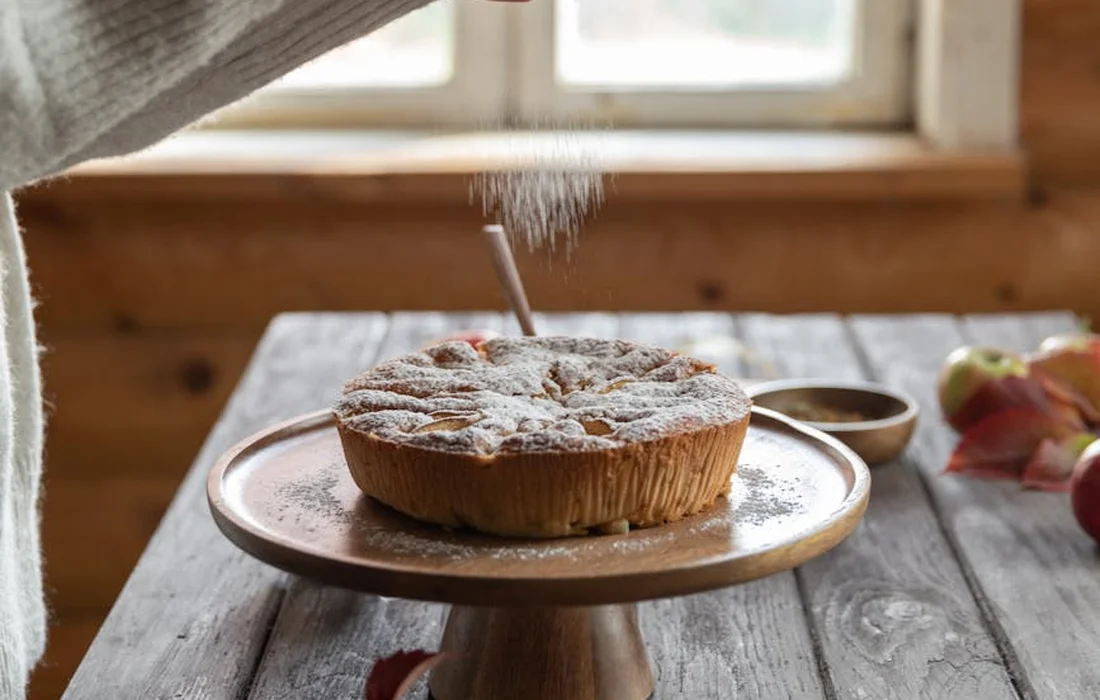
Now, let’s talk plain about fruit. To a rabbit, a slice of apple is a powerful concentrate of sugars from the summer sun, wrapped in a bit of fiber. That sugar is the core of both the benefit and the risk-it’s an incredible treat that can quickly upset the delicate balance of your rabbit’s gut if you’re not careful. Some fruits are safe, and some can be risky. I reckon it’s like us having a slice of rich pie; a little is a wonderful pleasure, but a whole pie for supper spells trouble.
The primary benefit is pure joy and a burst of energy. Watching my old Dutch, Thumper, perk up at the sound of an apple being sliced is a special kind of barnyard happiness. It’s a superb tool for bonding and training. Just remember, a rabbit’s digestive system is a finely-tuned fermentation vat, designed for a steady diet of hay and greens, not sudden surges of fructose. Too much sugar can slow down gut motility, a dangerous condition called GI stasis, and encourage harmful bacterial overgrowth.
How Apples Stack Up Against Other Fruits
Not all fruits are created equal in the rabbit world. Think of it like comparing different types of feed for your chickens-some are higher in protein, some in fat. With fruit, we’re judging by sugar content, fiber, and acidity. Knowing these differences lets you rotate treats wisely, offering variety without overloading on any one problem ingredient.
Here’s a quick homesteader’s guide to how common fruits measure up. I keep a list like this pinned right to the fridge.
| Fruit | Sugar Level | Notable Trait | My Barnyard Verdict |
|---|---|---|---|
| Apple (flesh) | Medium-High | Pectin fiber, widely available | A classic, but core the seeds and go easy. |
| Blueberry | Medium | Antioxidants, small serving size | Excellent occasional treat, 2-3 berries is plenty. |
| Pear | High | Softer fiber, very sweet | Use even more sparingly than apple. A tiny cube will do. |
| Peach/Plum (flesh only) | High | Juicy, high water content | Sticky sweet. A rare summer delight, pit removed absolutely. |
| Strawberry (top & all) | Medium | Leafy top provides bonus fiber | One small berry with its greens is a fine choice. |
| Melon (rind & flesh) | Low (rind) to High (flesh) | Rind is mostly fiber & water | Offer the crunchy rind more freely than the sugary flesh. |
You’ll notice berries often come out ahead for lower sugar and beneficial compounds. Beyond the grocery store, look to your land; my rabbits dearly love a few leaves from the blackberry bramble or a raspberry cane-the leaves are fantastic, low-sugar forage. That’s the homesteading spirit: using what you have, sustainably and safely.
The golden rule, learned from hard experience, is that fruit of any kind is a condiment, not a course. For a standard 5-pound rabbit, one or two tablespoon-sized pieces of apple flesh, 2-3 times a week at most, is the absolute limit. Any more, and you’re trading that momentary wiggle of joy for potential long-term health woes.
When Treats Go Wrong: Observing Your Rabbit’s Health
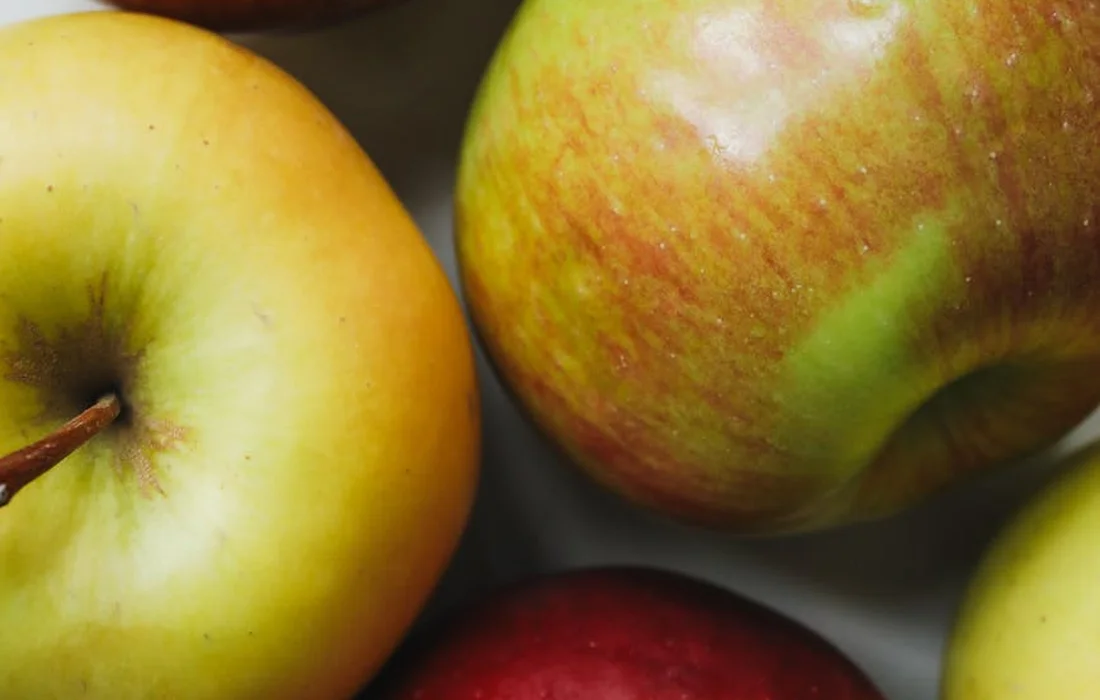
Now, giving a slice of apple is a joyful moment, but just like with any of our barnyard critters, we’ve got to be vigilant stewards afterwards. Your rabbit’s health can turn on a dime, and noticing the small signs early is what separates a good keeper from a great one. I’ve spent more evenings than I can count with a lantern in the barn, just watching and learning their ways.
Spotting the Tell-Tale Signs of Trouble
After you’ve offered a treat, your rabbit should be its usual curious, active self. If something’s off, they’ll tell you-you just have to know how to listen. The first place to look is often their droppings; any sudden change is a flashing neon sign from their digestive system.
- Changes in Droppings: Small, hard, or misshapen pellets. A complete stop in production (GI stasis) is a dire emergency.
- Lethargy: A rabbit that’s hunched, reluctant to move, or hiding when it’s normally social.
- Loss of Appetite: Ignoring their hay, which is their main food and gut health essential, is a major red flag.
- Soft Stools or Diarrhea: This can indicate the sugar or moisture was too much for their system.
- Gurgling or Bloated Belly: Gentle tummy sounds are normal, but loud gurgles or a hard, distended abdomen mean distress.
Your Step-by-Step Response Plan
If you see any of those signs, don’t panic. A clear head and swift action make all the difference. Immediately remove all treats and any new foods, going back to a simple diet of hay and fresh water. Here’s what I do, step by step, gathered from hard-won experience.
- Assess and Isolate: Gently check on your rabbit. If you have multiple, consider if you need to separate the ailing one for closer observation.
- Hydration is Key: Ensure fresh water is available. You can offer water from a clean syringe if you’re worried they’re not drinking.
- Call the Vet: For symptoms like no droppings or severe lethargy, call your veterinarian immediately. Rabbits hide illness well, so by the time it’s obvious, it’s serious.
- Comfort and Monitor: Keep them in a quiet, warm space. Note every detail-when they last ate, the state of their droppings-to tell the vet.
A Barnyard Lesson Learned
I recall a doe named Clover who taught me this lesson young. She was a champion eater, and I once gave her a bit too much apple core. Within hours, she was still as a statue. That long night of syringing water and gentle belly massage drove home that even natural treats demand our utmost respect. We got through it, but it reshaped how I view every scrap I offer.
Building a Routine of Observation
Make health checks part of your daily feeding ritual. Run your hand along their side-you should feel a firm, but not bony or bloated, body. Consistency in your watchfulness is the cheapest and most effective medicine you’ll ever practice on the homestead. It’s about knowing what’s normal for *your* rabbit, so you spot the abnormal in a heartbeat.
| What to Check | Normal | Cause for Concern |
|---|---|---|
| Daily Droppings | Firm, round, abundant pellets | Few, small, soft, or none |
| Activity Level | Curious, hops, explores | Hunched, inactive, hides |
| Hay Consumption | Eats steadily throughout day | Ignores hay, only picks at treats |
| Water Intake | Fresh water level drops | Water bowl remains full |
Closing Tips for Barnyard Bunny Care
Can rabbits eat applesauce with cinnamon?
No, you should never feed your rabbit applesauce, especially varieties with added cinnamon or sugar. The high processing, concentrated sugars, and any additives are harsh on their digestive system and offer no nutritional benefit over a fresh, raw slice, unlike some dried fruits which can be risky even with limited feeding.
Do rabbits eat apples in the wild?
Wild rabbits might opportunistically nibble on windfall apples, but they are not a natural or significant part of their diet. Their primary forage consists of grasses, leaves, and bark, so offering apple is a domestic treat, not a mimicry of wild behavior. Wild rabbits’ foraging behavior differs significantly from that of domestic ones.
Can rabbits eat apples in the winter?
Yes, apples can be a fine winter treat if stored properly, but the same strict rules apply. Ensure the apple is fresh, not frozen or rotten, and always serve it in the same small, seedless portions to avoid shocking their system with too much cold, sugary food at once.
Is it okay to feed rabbits apples and other fruits together?
It’s best to offer only one type of fruit treat at a time. Combining apples with other fruits in a single serving can overload your rabbit with sugar and complicate identifying which food might cause an upset stomach if digestive issues arise.
Can rabbits eat a whole, small apple?
Absolutely not. A whole apple, even a small one, contains a dangerous amount of sugar and fiber for a rabbit’s delicate gut and poses a serious choking hazard. Always cut apple flesh into small, thumbnail-sized pieces after removing the core and all seeds. If you’re wondering do rabbits eat fruit, there are safe fruits and feeding guidelines to follow. These cover which fruits are safe and the proper portion sizes.
Why can’t rabbits eat apple seeds if my chickens can?
Different barnyard animals have different digestive tolerances. The compound in apple seeds that can release cyanide is a significant risk for a small rabbit’s body weight, while a chicken or pig’s larger size and different digestion can handle the tiny amount without issue.
Shuttin’ the Hutch Door
The whole apple question really comes down to one old-fashioned virtue: moderation. A thin slice once or twice a week is a celebration; a whole apple daily is a recipe for trouble. The most important thing you can do for your bunny’s health is to treat that sweet, crisp apple as the special occasion it is, not a cornerstone of their diet. Always pull out the seeds and stem, wash it well, and offer just a bit. Their main hay feeder should always be more interesting than any treat you bring.
I sure have enjoyed chewin’ the fat with y’all about this. There’s not much finer than sittin’ on a stump, watchin’ a happy rabbit nibble a gift from the orchard. May your days be filled with simple joys and your critters’ contentment. Thanks for lettin’ me share the fence line with you today.
Further Reading & Sources
- Can Rabbits Eat Apples? – Safety Tips & Feeding Guidelines
- Can Rabbits Eat Apples? Essential Tips for a Healthy Bunny Diet – HayDay HQ
- Oops! We ran into some problems. | Rabbits United
Caroline Mae Turner is a lifelong farm girl raised on red clay, early mornings, and the sounds of a bustling barnyard. With hands-on experience caring for everything from stubborn goats to gentle dairy cows and mischievous pigs, Caroline shares practical, tried-and-true advice straight from the farm. Her goal is to help folks keep their animals healthy, well-fed, and living their best barnyard life. Whether you're wrangling chickens or bottle-feeding a baby goat, Caroline brings a warm Southern touch and plenty of real-world know-how to every bucket in the barn.
Diet Requirements