Safe Chicken Feed Guide: What Not to Toss in the Run
Published on: April 29, 2026 | Last Updated: April 29, 2026
Written By: Caroline Mae Turner
Howdy y’all, and welcome back to the barn. The quickest fix for worryin’ about your chickens’ snacks is knowin’ which common kitchen scraps are truly trouble, like onion skins and chocolate, and havin’ a dedicated “no-fly” bucket for ’em. Stick to the golden rule: when in doubt, leave it out of the run, and you’ll sidestep most problems before they start.
- A sharp eye for symptoms like lethargy or odd droppings
- Knowledge of the usual suspects: avocado pits, dried beans, salty scraps
- A compost bin far from the coop for redirecting questionable leftovers
Let’s get this sorted, so you can stop frettin’ and get back to the rest of your homestead chores with confidence.
Why Chicken Diet Safety Matters on the Homestead
I learned a tough lesson about diet safety back when my children were small. They’d been helping me in the kitchen and, thinking they were being helpful, tossed a handful of leftover garlic peels out to the baby chicks in the brooder. Within hours, those peppy little birds were listless and huddled, their red blood cells compromised by the allicin in that garlic. We caught it in time, but that scare cemented a truth: our role as stewards means being the gatekeeper of every single bite that goes into our flock’s beaks.
You see, thriftiness and stewardship go hand-in-hand. Preventing illness through mindful feeding is the ultimate cost-saving measure, sparing you vet bills and the heartache of loss. Respecting your flock means understanding that their biology is different from ours; what nourishes us can poison them. A healthy bird is a productive bird, whether you’re counting eggs or watching chicks thrive. It’s about more than just rules-it’s about knowing your critters and protecting the life you’ve chosen to nurture.
The Red Alert List: Common Toxic Foods for Your Flock
Here’s a straightforward list of the usual suspects. Keep this list handy by the kitchen door or on your feed bin for a quick reminder. When in doubt, the safest path is to leave it out of the run.
| Food/Item | Toxic Compound | Effect on Chickens |
|---|---|---|
| Chocolate & Caffeine | Theobromine, Caffeine | Cardiac distress, seizures, can be fatal. Even a small amount is dangerous. |
| Avocado (pit, skin, flesh) | Persin | Respiratory distress, heart failure, and sudden death. |
| Onions & Garlic (large amounts) | Thiosulfate / Allicin | Causes anemia by destroying red blood cells, leading to weakness. |
| Dried or Raw Beans | Phytohaemagglutinin (Lectins) | Severe digestive upset; cooked beans are perfectly safe. |
| Moldy or Spoiled Feed/Scraps | Mycotoxins, Bacteria | Organ damage, respiratory issues, and fatal toxicosis. |
| Tomato & Potato Leaves/Vines, Green Potatoes | Solanine | Digestive and nervous system disorders. |
| Rhubarb Leaves | Oxalic Acid | Kidney failure and tremors. |
| Apple Seeds, Cherry, Peach & Apricot Pits | Cyanogenic Glycosides (Cyanide) | Respiratory failure; the fleshy fruit is safe. |
| Alcohol | Ethanol | Organ failure and neurological damage. |
| High-Salt Foods (chips, pretzels) | Sodium Chloride | Electrolyte imbalance, dehydration, kidney damage. |
A crucial note on produce: Always wash store-bought fruits and veggies thoroughly to remove pesticide residues, which can be just as harmful as the natural toxins. I stick to giving my flock scraps from our own organic garden or give everything a good soak in vinegar water.
Kitchen Scraps to Avoid
Your compost pile is the best destination for these common kitchen items. Do not feed them to your birds.
- Citrus peels and pulp: Too acidic and can cause crop irritation.
- Anything salty or heavily processed: This includes canned vegetables, soups, and junk food.
- Dairy in large quantities: Chickens lack the enzyme to digest lactose well, leading to messy droppings.
- Greasy or rancid fats: Can coat the crop and cause sour crop issues.
- Coffee grounds and tea bags: The caffeine is the problem, not the grounds themselves.
Dangerous Plants in the Garden and Pasture
Free-ranging is wonderful, but you must know your weeds. Chickens are usually good at avoiding bad greens, but hungry birds or curious chicks might take a peck. Walk your pasture regularly and learn to identify these common culprits.
- Nightshades: This family includes deadly nightshade, jimsonweed, and bittersweet nightshade. They often have distinctive purple or white flowers and berry-like fruits.
- Foxglove: Beautiful but deadly, containing digitalis which affects the heart.
- Oleander: Every part of this ornamental shrub is highly toxic.
- Castor Bean:
Ricinus communis): Contains ricin, one of the most potent natural poisons. - Yew:
All parts, especially the needles and seeds, cause sudden death.
My method is simple: if I don’t recognize it, I pull it. Maintaining a clean grazing area is a proactive step that pays off in peace of mind and flock health. For large infestations of toxic weeds, consider fencing off that section until you can manage it properly.
Spotting Trouble: Symptoms of Food Poisoning in Poultry
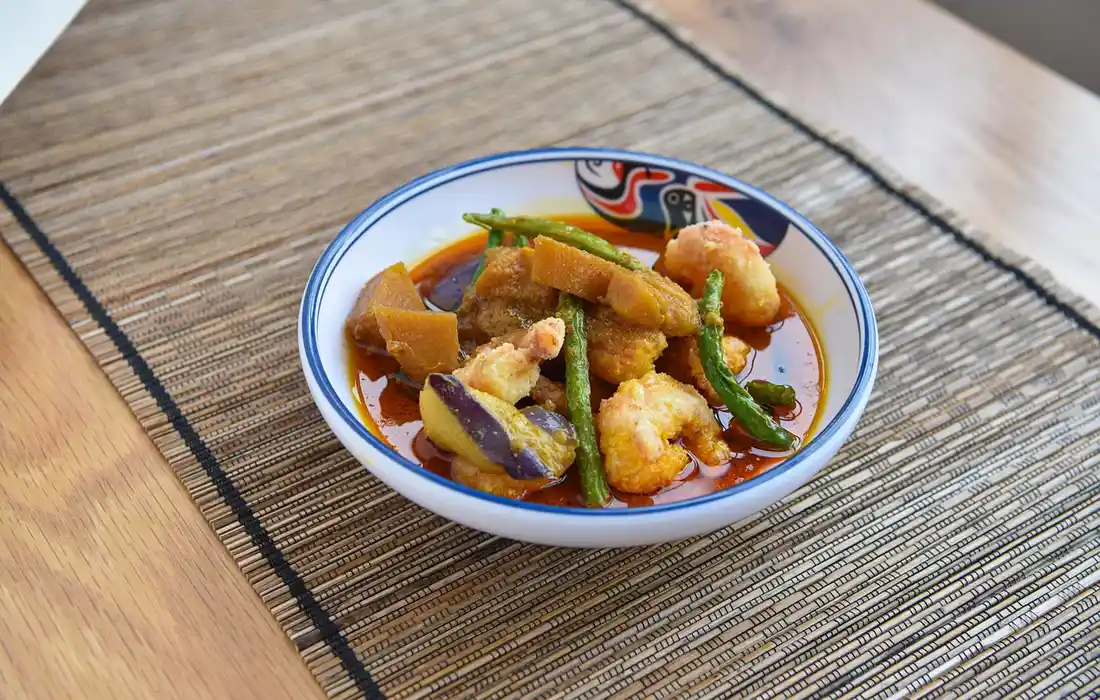
Y’all, a chicken won’t come tell you it has a bellyache. You have to be a keen observer, watching for the sudden changes in behavior that shout “something’s wrong.”
- Lethargy: A healthy chicken is a busybody. If one is standing still, all fluffed up and disinterested in scratching, her engine is running cold.
- Loss of Appetite: When your feathered piggies ignore scattered scratch or mealworms, you can bet their system is fighting something off.
- Diarrhea: Runny, foul-smelling, or oddly colored droppings are a sure sign the gut is in an uproar from a bad ingredient.
- Respiratory Distress: Listen close for wheezing, gurgling, or open-beak breathing. Some toxins attack the lungs and air sacs with frightening speed.
- Paralysis: This is a severe, heart-dropping sight. A bird that can’t stand or has drooping wings needs your immediate attention.
These warnings don’t all stem from the same source. The type of toxin dictates the body’s rebellion, so the symptom pattern is your best clue to what they ingested. For instance, something like avocado affects the heart, leading to sudden respiratory issues, while moldy corn might cause neurological tremors that look like drunkenness before paralysis sets in.
I reckon I learned this the hard way years back when a batch of store-bought feed went musty in the shed. My hens became sluggish and had watery droppings within a day, a classic sign of mycotoxin poisoning from that hidden mold. We switched feed fast, offered charcoal slurry, and most recovered, but it cemented my rule to always smell the feed before pouring it.
Emergency Barnyard Protocol: Immediate Steps for Suspected Toxicity
Now, let’s talk about the moment you’re in the run and your heart just drops. You spot a half-eaten avocado pit or a chicken acting strangely near the compost. First thing you do is take a deep breath-panic helps nobody, especially the bird. I’ve been there, with a Barred Rock hen pecking at oleander clippings a neighbor foolishly tossed over the fence. What follows is a calm, deliberate dance we all hope to never do, but must know by heart.
-
Remove the Toxic Food Source
Your first move is to get that offending material out of beaks’ reach, pronto. This ain’t just about picking it up from in front of the sick bird. You need to scout the whole area, checking under bushes and in corners, to ensure no other critter finds a dangerous snack. If it’s a plant, consider a temporary pen relocation until you can safely remove the entire thing.
-
Isolate Affected Birds
Gently collect any bird showing symptoms-lethargy, stumbling, labored breathing-and place them in a separate, quiet crate or small pen with a soft bed of straw. Isolation prevents panicked flock behavior and lets you give focused care without the stress of the pecking order. I keep a dedicated “sick bay” dog crate in the barn for this very reason, always set up with a clean waterer.
-
Provide Fresh Water
Clean, cool water is your best first line of supportive care. Dump out all communal waterers and refill them with fresh water to protect the still-healthy birds. For the isolated ones, I often add a splash of plain electrolyte solution or apple cider vinegar to their water to encourage drinking and help with shock. Never force water, but make sure it’s right there under their beak.
-
Contact a Veterinarian
Time to call for professional reinforcements. Have your avian or livestock vet’s number saved in your phone. Be ready to describe what they ate, how much, the symptoms you see, and how many birds are involved-this information is pure gold for a vet guiding you over the phone. They might advise activated charcoal, which I keep in my farm first-aid kit, but only give it if they tell you to.
-
Monitor Closely and Provide Supportive Care
Your job now is vigilant watchfulness. Keep the sick birds warm, quiet, and hydrated. Sometimes, simply removing the toxin and offering a stress-free recovery space is all that’s needed for a bird to rally, as their resilient systems go to work. Note any changes in droppings, behavior, or breathing to report back to the vet. Offer plain scrambled eggs or yogurt later as a gentle, tempting protein if they show interest.
Prevention is the Best Medicine: Safe Feeding Practices
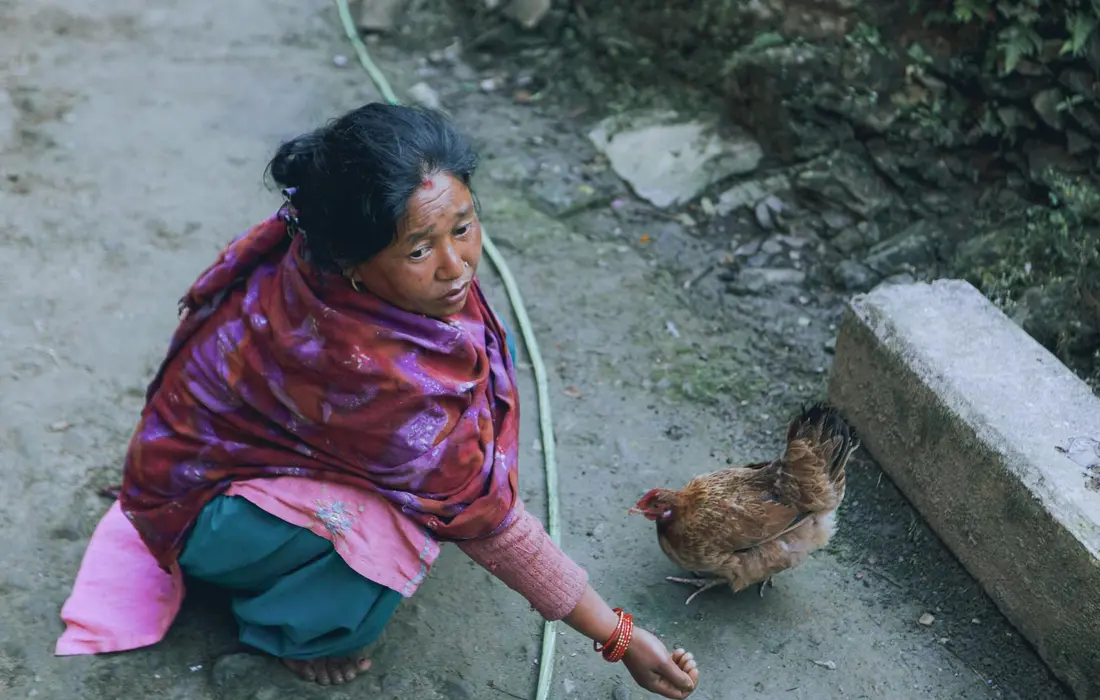
Now, I reckon the smartest thing we can do is stop trouble before it starts. Keeping your flock safe from toxic foods is more about good habits than spending money, and a little foresight saves a whole heap of worry. You’ll want to think about your feed storage, your compost pile, your garden fences, and even teaching your kin what not to toss to the chickens.
Let’s talk thrift. An old metal trash can with a snug lid is worth its weight in gold for storing feed, and a roll of welded wire fencing can corral a compost pile better than a sheepdog. I’ve seen too many well-meaning folks, family included, share table scraps without a second thought. A simple chat over the fence post about what harms chickens can prevent a midnight run to the vet.
Storing Feed to Prevent Mold and Spoilage
Moldy feed is a silent flock-wrecker. I lost a fine hen years ago to aflatoxin from a bag I’d left in the damp barn corner, and I’ve been religious about storage ever since. Your goal is to keep feed as dry and cool as the cellar where grandma put up her green beans. Here’s how we do it on the homestead.
- Get yourself airtight containers. Galvanized metal bins or food-grade plastic drums with sealing gaskets are top-shelf. I repurpose old freezers with the latches removed-they’re near perfect.
- Never store feed directly on a concrete floor. That cold surface invites moisture. Set your container on a wooden pallet or a couple of 2x4s to let air circulate underneath.
- Find a spot that’s consistently cool and out of the sun. A shed or a garage corner beats a hot porch every time. Heat steals nutrients right out of the bag.
- Buy fresh and use it up. Follow the “first in, first out” rule like you’re running a general store. Mark purchase dates on your containers with a grease pencil and use the oldest feed first.
- Give your storage bin a good scrub and a full day to dry out before you pour in a new bag. Leftover dust and bits can spoil the fresh stuff.
Composting with Care
Composting kitchen scraps is a fine, sustainable practice, but a free-range chicken sees a compost pile as an all-you-can-eat buffet. You must manage your compost to break down harmful foods before the birds ever get near them. Chickens that forage on compost can gain enrichment from safe scraps, but there are real risks from spoiled or toxic foods. Safe practices—keeping access to finished compost and strictly avoiding harmful items—help mitigate those risks. My system uses two bins: one that’s actively cooking and off-limits, and one that’s finished and safe for the hens to scratch in.
Start by fencing off your active compost pile. Chicken wire works, but for determined birds, I use a sturdier welded wire with small holes. Location matters more than you might think; place your compost well away from the coop’s daily ranging patterns.
- Layer your scraps with plenty of brown material-dry leaves, straw, or shredded paper. This helps the pile heat up properly and decompose faster.
- Never compost known toxins like avocado pits, onion skins, or moldy bread in an accessible pile. Bury these deep in the center of a hot, active pile or dispose of them in your household trash.
- Turn the pile regularly. A hot, active compost pile will break down materials quickly and make them safe. If it’s not steaming in the middle, it’s not working hard enough.
- Only let your chickens onto finished compost that’s dark, crumbly, and sweet-smelling-after at least 3-4 months of proper heating. This black gold is safe for them to turn over, and they’ll find plenty of good bugs and grit.
Understanding the Why: How Toxins Affect Chicken Health
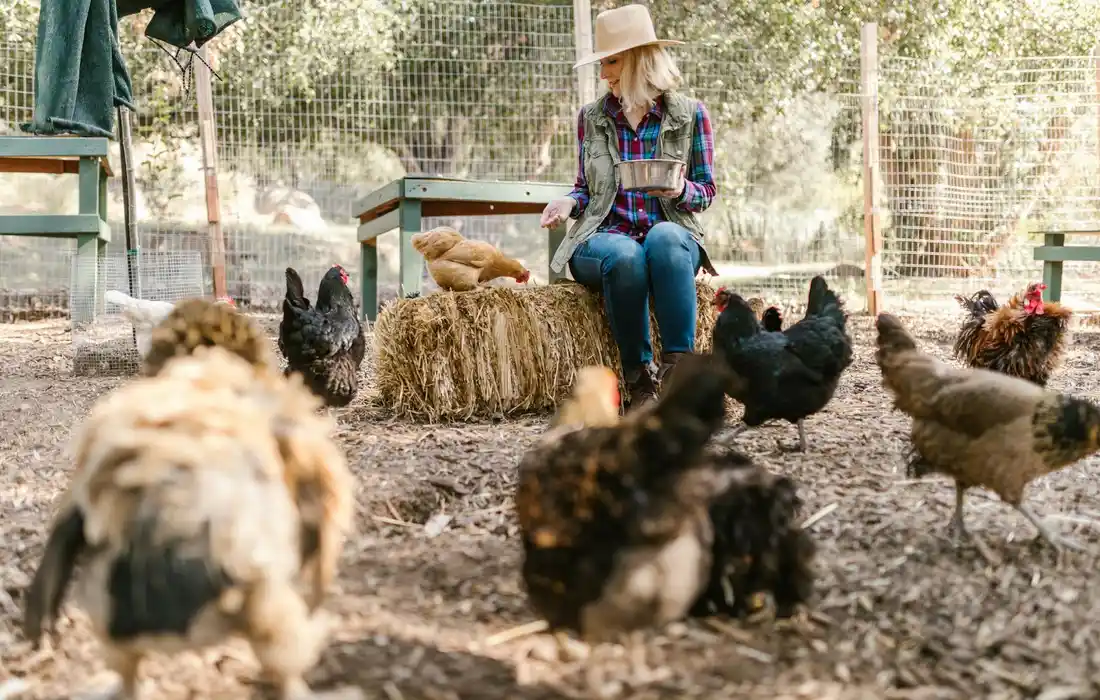
Y’all, it’s easy to think if a food’s safe for us, it’s safe for the flock. But that’s where many a homesteader, including myself in my early years, gets a tough lesson. The truth is, a chicken’s inner workings are a world apart from our own, turning common scraps into genuine hazards.
Their digestion and metabolism are built for efficiency on a farm scale, not for processing the complex compounds found in some human foods. What our bodies break down slowly or neutralize, a hen’s system might let sail right into the bloodstream, causing a rapid buildup of toxins. I reckon it’s like giving diesel fuel to a engine built for kerosene-it just won’t run right, and damage is sure to follow.
- Metabolism Moves at a Different Beat: A chicken processes things mighty fast to keep up with egg production and growth. This speedy metabolism lacks certain enzymes we have. For example, their liver can’t handle the persin in avocado or the theobromine in chocolate. I’ve pulled birds back from the brink after they got into compost with coffee grounds, a reminder that speed isn’t always a friend.
- The Solanine Story: Let’s talk plain about solanine, that compound in green potatoes, tomatoes, and eggplant vines. It’s a plant’s natural defense. While our gut can tolerate a bit, a chicken’s nervous system sees it as a direct attack, often leading to weakness, stumbling, and troubled breathing. It’s one of those quiet poisons that don’t give a second chance.
So, it boils down to biology. Respecting these fundamental differences isn’t just careful farming; it’s a pledge of good stewardship to the creatures in your care. You’re not just avoiding a list of foods—you’re learning the language of their health, especially when it comes to cross-species feed safety.
Closing Questions on Chicken Diet Safety
Is the “Toxic Foods” list on Wikipedia reliable for chickens?
While Wikipedia can be a starting point, it should not be your sole source for livestock care information. The lists are often general and may not cover specifics like quantity or preparation that are crucial for chickens. Always cross-reference with trusted poultry health resources or consult an avian vet. A comprehensive list of safe, healthy foods for chickens can serve as a quick reference. This can help you plan meals and treats in a way that’s consistent with veterinary guidance.
Are the same foods toxic to chickens also toxic to other poultry like ducks and geese?
Generally, yes. Many common toxins, such as avocado, chocolate, and raw beans, are harmful across poultry species due to similar digestive and metabolic systems. However, waterfowl like ducks may have slightly different tolerances, so it’s wise to apply the same cautious principles and research species-specific advice.
Can a small amount of a toxic food hurt my chickens, or is it about quantity?
It depends on the toxin. Some, like chocolate or avocado, are potent and dangerous even in small amounts. Others, like garlic, may only cause issues like anemia with large, repeated ingestion. The safest rule is to avoid all known toxins entirely, as individual bird size and health can drastically affect their sensitivity.
If a toxic food is cooked, like in a chicken curry, does it become safe?
Not necessarily. Cooking does not neutralize many plant toxins. For example, the harmful compounds in onion, garlic, or certain spices remain active. A dish like “chicken curry” is unsafe for your flock due to these ingredients, plus it often contains excessive salt, fats, and other seasonings that are unhealthy for poultry. Even cooked vegetables can be harmful if they are from toxic plants.
Why are some foods, like beans, toxic to chickens only when raw or dried?
Raw or dried beans contain high levels of a natural lectin called phytohaemagglutinin, which can cause severe digestive distress. The cooking process thoroughly breaks down and deactivates this compound. This is why well-cooked plain beans are a safe protein source, but raw bean scraps from the garden are a serious hazard.
What should I do immediately if I suspect my chicken just ate something toxic?
Remain calm and quickly remove the food source from the entire area. Isolate the affected bird if symptoms appear, provide fresh water, and immediately contact a veterinarian. Do not wait for symptoms to worsen, as prompt action is critical for a bird’s best chance of recovery.
Back to the Pasture
Looking after your flock’s dinner plate is a daily act of stewardship. It boils down to a simple truth: The safest, most reliable path to vibrant health is providing a complete commercial layer or flock feed as their dietary bedrock, with garden treats and scratch as just that-occasional treats. When in doubt, leave it out. Your vigilance at the coop door is their first line of defense.
I reckon that’s about all from my porch for now. There’s a real peace that comes from watching a contented flock peck across green grass, knowing you’ve provided well for them. Thank y’all for spending some time here. Now go enjoy the clucking and scratching-that’s the good stuff. Happy homesteading.
Further Reading & Sources
- What Can Chickens Eat?| Purina Animal Nutrition
- What to Feed Your Chickens, and What Not to Feed Them | Freedom Ranger Hatcheries
- Complete Guide to Homemade Chicken Feed (With Recipe)
Caroline Mae Turner is a lifelong farm girl raised on red clay, early mornings, and the sounds of a bustling barnyard. With hands-on experience caring for everything from stubborn goats to gentle dairy cows and mischievous pigs, Caroline shares practical, tried-and-true advice straight from the farm. Her goal is to help folks keep their animals healthy, well-fed, and living their best barnyard life. Whether you're wrangling chickens or bottle-feeding a baby goat, Caroline brings a warm Southern touch and plenty of real-world know-how to every bucket in the barn.
Diet Requirements