
Chicken Diet Basics: What to Feed Your Backyard Flock
Published on: May 13, 2026 | Last Updated: May 13, 2026
Written By: Caroline Mae Turner
Howdy y’all, and welcome back to the barn. Let’s settle the great feed debate right now: Your flock’s main meal should always be a complete, balanced commercial feed, matched to their age and purpose-that’s your non-negotiable foundation. It sure beats staring at fifty bags at the feed store, wondering which one won’t leave your hens wanting.
- What you’ll need:
- A quality bag of starter-grower, layer, or flock raiser feed.
- A clean, dry place to store it, safe from mice and moisture.
- A sturdy feeder that minimizes waste.
- A reliable waterer, cleaned daily.
We’ll have this sorted quicker than a hungry pullet spots a June bug, so you can get back to the real work.
The Foundation: Understanding Poultry Nutrition
Protein: The Building Blocks for Feathers and Eggs
Think of protein as the lumber and nails for your chicken coop. It builds everything from those glossy feathers to every single egg. Without enough, you’ll see slow growth, ragged plumage, and a sad drop in your egg basket. Getting the protein percentage right is the single most important step in feeding your flock well. I learned this the hard way when my first pullets molted without a boost and looked like they’d been through a briar patch.
Life stage changes everything. Chicks need a hefty 18-20% protein to fuel their rocket-ship growth. Laying hens do best on 16-18% to support daily egg production. If you’re raising meat birds, aim for 20-24% to develop that breast meat properly. You can’t just guess at these numbers; you gotta read the feed tag every time.
- Starter/Grower Feed: 18-20% protein for chicks up to 16 weeks.
- Layer Feed: 16-18% protein for hens producing eggs.
- All-Flock or Flock Raiser: Usually around 18%, a good compromise for mixed flocks.
- Meat Bird Feed: 20-24% protein for rapid growth.
During molt or times of stress, I sprinkle a handful of high-protein treats like black soldier fly larvae right in their run. It works like a charm for feather regrowth.
Calcium and Grit: Non-Negotiables for a Healthy Gut
These two are the unsung heroes of the barnyard. Calcium makes strong eggshells, while grit is the chicken’s equivalent of teeth. Forget either one, and you’re asking for trouble. Providing free-choice calcium and grit is a hallmark of good husbandry, plain and simple. I keep two separate containers in the coop: one for oyster shell and one for granite grit.
Calcium goes straight into eggshell production. If your hens don’t get enough, you’ll start finding rubbery eggs or shells so thin they crack in the nest. Oyster shell is my go-to because the hens can self-regulate. Never mix calcium directly into a complete layer feed; it can throw off the careful balance and harm their kidneys. Just offer it on the side.
Now, grit is a different beast. Chickens swallow food whole, and this coarse sand or granite sits in their gizzard to grind it all up. Without it, food passes through undigested. Insoluble grit is not a nutrient; it’s a tool, and every foraging bird needs access to it. If your girls are on pasture or eating lots of kitchen scraps, they need grit even more.
- Offer a separate dish of oyster shell or crushed eggshell (baked first) for calcium.
- Provide granite grit in another dish. Size matters: chick grit for youngsters, adult size for hens.
- Check these dishes weekly. Refill them like you would their waterer-it’s that important.
Choosing Your Feed: Complete Rations, Scratch, and Everything In Between
The Real Deal on Complete Feeds
A complete feed is just that—complete. It’s a scientifically formulated mash, pellet, or crumble designed to be the sole source of nutrition. This is what I feed 90% of the time. When you buy a reputable brand of layer feed, you’re buying peace of mind that your hens are getting every vitamin and mineral they need. It takes the guesswork out of homesteading.
You’ll see different formulations. Starter crumbs for babies, layer pellets for hens, and all-purpose options for mixed flocks. The key is the label. Look for the guaranteed analysis showing that protein percentage we talked about. Stick with a complete feed as the core of your flock’s diet, and you’ll have robust, productive birds. I’ve tried mixing my own, but for consistency and time, nothing beats a good bag of pellets from the feed store.
- Pellets/Crumbles: Less waste, easy for hens to eat. My personal choice.
- Mash: A fine powder. Good for chicks but can be messy.
- Organic/Non-GMO: Excellent options if they fit your budget and farming philosophy.
- Medicated vs. Unmedicated: Medicated feed helps prevent coccidiosis in chicks but isn’t needed for adult birds.
Scratch Grains: Treat, Not a Meal
Scratch grains-that delightful mix of corn, wheat, and barley-are the candy of the chicken world. They love it, but it’s not a balanced diet. Feeding too much scratch is the fastest way to turn your laying hens into fat, non-laying pets. I reckon every old-timer has a story about overdoing it; mine involved a flock that quit laying and a lesson learned.
Scratch is high in carbohydrates and low in critical protein and calcium. It should never make up more than 10% of their daily intake. I use it as a training tool, a evening snack to lure them into the coop, or a winter warming treat. Toss a handful of scratch in the litter to encourage natural foraging behavior, but always after they’ve filled up on their complete feed.
Here’s my thrifty tip: instead of buying bagged scratch, sometimes I’ll mix my own from bulk grains. But the rule stays the same-treats in moderation. Your hens will be healthier, and your egg production will stay steady.
| Feed Type | Primary Role | How Much to Feed |
|---|---|---|
| Complete Layer Feed | Main, balanced diet | Free-choice, 1/4 to 1/3 lb per hen daily |
| Scratch Grains | Treat or snack | Limited, no more than a small handful per hen daily |
| Oyster Shell | Calcium supplement | Free-choice in separate dish |
| Grit | Digestive aid | Free-choice in separate dish |
Feeding Through Every Stage of Life
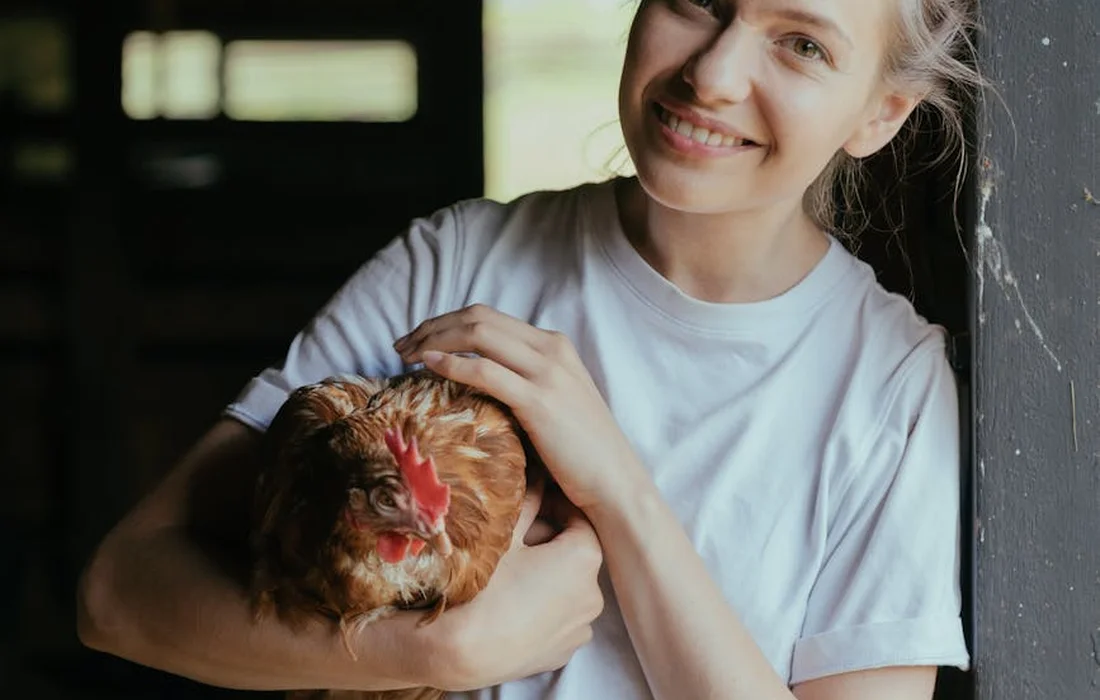
Just like a young’un needs different vittles than a full-grown adult, your flock’s feed must change as they mature. Getting this progression right is the bedrock of raising healthy, thrifty birds that’ll reward your care for years to come. I’ve seen too many folks stunt their pullets or strain their hens by rushing this natural timeline, so let’s walk through it step-by-step.
Starter Feed for Baby Chicks (Weeks 0-8)
Those first peeps in the brooder call for a very specific menu. Chick starter feed is a finely ground mash or tiny crumble with a protein punch of 18% to 20%, which fuels their incredible rate of growth from fuzzball to feathered friend. I always use an unmedicated starter unless I’m dealing with a stressed batch from the post office, and I keep it simple.
You’ll want to offer this feed free-choice, meaning it’s in front of them from sunup to sundown in a shallow dish they can’t drown in. The biggest mistake I made early on was offering grit or oyster shell too soon; their starter has all they need, and extra calcium can harm their tiny kidneys. Just fresh, clean water and that starter feed will see them through.
- Protein Level: Aim for 18-20% protein to support rapid development.
- Form: Use crumbles or mash for easy eating. I avoid pellets for babies.
- No Extras: Do not provide grit, treats, or scratch grains. Their digestive systems aren’t ready for it.
- Water Tip: Use a shallow base with marbles or pebbles in the waterer to prevent curious chicks from getting wet and chilled.
Grower Feed for Teenage Pullets (Weeks 8-18)
Around two months, when they’re all legs and curiosity, it’s time to switch. Grower feed, sometimes called developer feed, has a slightly lower protein content around 16-18%, designed to build strong frames and muscle without pushing them into lay too early. This is the adolescent phase where you’re setting the stage for a robust laying hen.
I transition my birds over a week, mixing increasing amounts of grower with their leftover starter. If you’ve got safe pasture or a run, this is the perfect time to let them forage for bugs and greens, which supplements their diet and satisfies that teenage wanderlust. They still don’t need layer-level calcium, so keep the oyster shell separate.
- Week 1 of Transition: Mix 75% starter with 25% grower feed.
- Week 2: Shift to a 50/50 blend of starter and grower.
- Week 3: Use 25% starter and 75% grower.
- By Week 4: They should be fully on grower feed.
This gradual switch avoids digestive upset and lets their systems adapt. Watching them strut and scratch during this stage, you’re investing in their future health as much as their current growth.
Layer Feed for Productive Hens (18 Weeks and On)
When you spot that first small egg in the nesting box, usually around 18-20 weeks, the menu changes for good. Layer feed is formulated with 16-18% protein but is fortified with 3% to 4% calcium, which is critical for forming strong eggshells day after day. I use a pelleted layer feed to reduce waste, though crumbles work fine too.
Now you’ll want to offer a separate container of oyster shell or crushed eggshells. Even with the calcium in their feed, having that extra source lets each hen regulate her own intake based on her body’s needs, which is a cornerstone of respectful husbandry. Chickens eat eggshells to help prepare calcium reserves that support strong eggshells and bone health. This natural practice underscores the benefits of using eggshells as a calcium source. Remember, never feed layer ration to rosters, chicks, or pullets; the high calcium can damage their organs.
- Calcium is Key: The 3-4% calcium content supports eggshell production without leaching minerals from the hen’s own bones.
- Form & Waste: Pallets are less messy than mash. Store feed in a metal bin to keep rodents and moisture out.
- Free-Choice Feeding: Keep layer feed available all day. A hen eats about ¼ pound of feed daily.
- Treats in Moderation: Kitchen scraps and garden goodies are fine, but they should never make up more than 10% of their daily intake. Too many treats unbalances their nutrition.
I reckon the proof is in the pudding, or in this case, the egg basket. When you switch to layer feed at the right time, you’ll notice shells that are sturdy and smooth, instead of thin or rubbery, which tells you your girls are getting exactly what they need.
Beyond the Bag: Greens, Scraps, and Safe Treats
Now, I reckon the bagged feed is the backbone of your flock’s diet, much like biscuits are to a proper gravy. But the real joy-and nutrition-comes from supplementing with what nature and your kitchen provide, turning a simple meal into a feast for your birds.
Kitchen Scraps Your Flock Will Love
Your compost pile and your chickens can be the best of friends. Tossing scraps is thrifty, reduces waste, and those girls will come a-runnin’. I keep a pail by the back door for gathering treats throughout the day, but it’s important to feed them only safe and appropriate scraps.
Focus on vegetable trimmings, spent greens, and certain fruits to give them a vitamin boost and keep them entertained for hours. Here’s my short list of guaranteed winners:
- Lettuce, kale, and chard cores (tie them up to encourage pecking)
- Carrot tops and peelings, broccoli stems, and cucumber ends
- Pumpkin and winter squash seeds (a natural dewormer in my experience)
- Melon rinds and berry hulls, especially on a hot day
- Cooked plain rice or oatmeal, and leftover baked potato skins
A word of caution, now. Some things just don’t belong in the run. I learned this the hard way years ago with a sorry-looking hen and a pot of avocado scraps. Always avoid anything moldy, salty, or processed, and never give them raw potato peels, onion, garlic, citrus rinds, or chocolate. If you wouldn’t eat it fresh, don’t give it to them, and also be cautious about kitchen leftovers that may not be safe for chickens (especially when feeding kitchen scraps).
Foraging and Pasture: Letting Chickens Work for Their Supper
There is nothing more satisfying than watching a flock work a fresh patch of grass. Foraging is their natural instinct, and it yields incredible dividends for their health and your feed bill.
A well-managed pasture provides vital proteins, fats, and minerals you simply can’t buy in a bag, leading to richer yolks and more resilient birds. Their scratching uncovers bugs and larvae, giving them a protein punch that can cut your purchased feed by 20% or more in season.
I practice a simple rotational system to keep my land and birds healthy. Here’s how I set it up:
- Divide your available green space into at least two paddocks using lightweight electrified poultry netting.
- Let the chickens work one area for about a week, or until the grass is well-trimmed but not bare dirt.
- Move the flock, waterer, and shelter to the fresh paddock, letting the first one recover for several weeks.
To supercharge your pasture, sow plants they adore. I overseed with a mix of clover, alfalfa, and perennial rye. Clover is my secret weapon; it’s tough, fixes nitrogen in the soil, and the chickens will pick it clean down to the roots. Just remember, foraging is a supplement, not a full replacement. Always ensure your main feeder of complete layer or flock raiser feed is available so they can balance their own diet.
The Daily Grind: How Much to Feed and How to Serve It
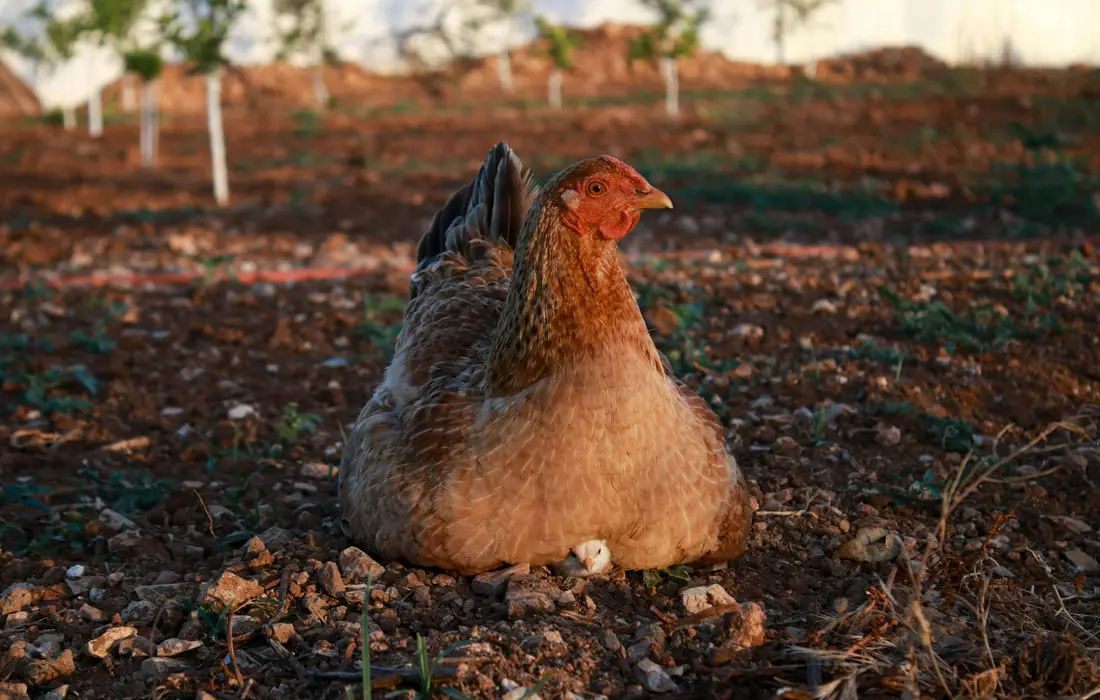
Now that we’ve covered the “what,” let’s get into the “how much” and the “how.” This is where good intentions meet the reality of the coop floor. I’ve seen folks waste more feed than their chickens eat by using the wrong setup. A little planning here saves money and keeps your flock healthier.
Feeders and Waterers: Setting Up for Success
Your feeding station is more important than you might reckon. It’s not just a container; it’s your first line of defense against waste, spoilage, and squabbling. I learned this after my first batch of chicks turned their brooder into a feed-flinging playground.
For feeders, you’ve got two main paths: troughs and tube feeders. A long, narrow trough is fine for a small flock, but those birds will scratch and poop in it. I much prefer a hanging tube feeder with a shallow tray. You want the feeder’s lip to be level with the birds’ backs; this prevents them from roosting on it and soiling the feed. For adult layers, that’s about 6 to 8 inches off the ground.
Water is the single most critical nutrient. A chicken will stop eating before it stops drinking. Your waterer must be clean, leak-proof, and poop-resistant. I use simple 5-gallon buckets with poultry nipples screwed into the bottom. It’s a clean, waste-free system. If you choose a traditional fountain base, you *must* scrub it daily. Algae and muck build up faster than you’d think on a warm day.
Placement is key. Never put your feeder and waterer directly under a roost. Keep them on the opposite side of the coop from where your birds sleep. In the run, provide shade for waterers in summer and use a heated base in winter to prevent freezing. Investing in a quality, tip-proof waterer is not an expense; it’s insurance against a dehydrated, stressed flock. I’ve thawed one too many frozen bowls at dawn to skimp on this.
Calculating Your Flock’s Appetite
Chickens don’t have a universal “off” switch for eating. They’ll peck all day if you let them. Your job is to provide the right amount of the right food at the right time.
A good, solid rule of thumb is that a standard laying hen will eat roughly 1/4 pound (or about 1/2 cup) of complete layer feed per day. But that number dances to the tune of several factors: breed, age, and activity level can all shift daily intake. In addition, breed-specific guidelines can help you tailor portions more precisely.
- Free-Range vs. Confined: My girls who roam the orchard might only eat half their ration from the feeder, filling up on bugs, seeds, and greens. A confined flock needs the full amount.
- Weather: In bitter cold, they burn more calories to stay warm. In scorching heat, their appetites may drop-but their water intake will soar.
- Life Stage: Pullets, layers, molters, and retirees all have different needs. A molting hen needs extra protein, while a retired gal needs fewer calories.
Here’s a simple table to visualize a baseline for a flock on primary layer feed, with minimal foraging:
| Flock Size | Estimated Daily Feed | Weekly Feed (7 Days) |
|---|---|---|
| 4 Hens | 1 lb (approx. 2 cups) | 7 lbs |
| 6 Hens | 1.5 lbs (approx. 3 cups) | 10.5 lbs |
| 10 Hens | 2.5 lbs (approx. 5 cups) | 17.5 lbs |
| 12 Hens | 3 lbs (approx. 6 cups) | 21 lbs |
The best method I’ve found is the “little and often” approach. I fill feeders in the morning with what I estimate they’ll eat by dusk. Leaving feed out overnight is an open invitation to rodents and pests, turning your coop into a raccoon’s buffet. If the feeder is empty a few hours before dark, I’ll give them a small “top-up.” This daily check tells me if their appetites have changed, which is often the first sign something’s off.
For treats like scratch grains, kitchen scraps, or mealworms, keep it to a true “treat” portion-no more than 10% of their total daily intake. I use an old coffee can as my measure: one scoop per five hens in the late afternoon, after they’ve filled up on their nutritious layer feed first. This keeps their diet balanced and their digestion steady.
Reading the Signs: Spotting Nutritional Problems
When Good Feed Goes Bad
Now, I’ve seen my share of feed sacks that turned on me, and it’s a sorry sight. You can buy the best mix on the market, but if it spoils in the bin, your flock’s health will pay the price. Storing feed wrong is like pouring your money straight into the compost heap-it’s a waste of good resources and a disservice to your birds. I keep my feed in galvanized cans with tight lids, a lesson learned after a rainstorm sneaked into my shed twenty years ago.
Your nose and eyes are your best tools here. Crack open that bag or peek in your storage can. Good feed smells fresh, like grains and sunshine. If you catch a whiff of something musty, sour, or just plain off, your suspicions are right. That foul odor is often the first sign of mold, and feeding it can lead to serious respiratory issues or worse for your chickens. Moldy feed or bread is especially risky. Look for clumping, a change in color, or any visible webbing or spores, especially in corners where moisture hides.
- Moisture Clumps: Feed should flow freely. Any lumps mean moisture got in, inviting mold and bacteria.
- Unwanted Guests: Tiny beetles, weevils, or moth larvae are thieves stealing nutrition right from the bag.
- Rancid Fats: Scratch grains or mixes with corn can smell like old paint if the oils go bad, losing precious energy value.
- Dust Overload: While some dust is normal, a bag that’s mostly fine powder has broken down; key nutrients like vitamins degrade.
Your chickens will tell you when their rations have gone south, if you know how to listen. I reckon watching the flock is as important as watching the feed bucket. A sudden drop in egg production is a big red flag. Shell quality speaks volumes; thin, cracked, or misshapen eggs often point to a calcium or vitamin D deficit, which spoiled feed can certainly cause. Beyond the nest box, look for lethargic birds, poorly feathered backs, or paler-than-normal combs and wattles.
- Check the Feed Bin Weekly: Run your hand through the feed. Feel for dampness or warmth, which signals active spoilage.
- Practice First-In, First-Out: Always use the oldest feed first. Mark purchase dates on bags with a marker to keep track.
- Store Off the Ground: Keep feed cans on pallets in a cool, dry, rodent-proof place. My cellar works perfect for this.
- Buy Right-Sized Bulk: Purchasing a ton may be cheaper, but if you have a small flock, it might spoil before you use it. Calculate your monthly use and stick close to that.
Let me tell you about the time I got lazy with a half-empty feed bag in the humid Carolina summer. Within a week, my top-producing hen, Bertha, went off her feed and her eggs got rubbery. That experience taught me that even a small amount of compromised feed can disrupt the delicate balance of a hen’s system, which relies on consistent 16-18% protein from a clean source. I had to toss the batch, deep-clean the feeder, and offer her a mash of yogurt and oats to get her gut back on track. It was a humble reminder that good stewardship means vigilance.
If you do find bad feed, don’t just dump it in the run. Moldy feed can harbor toxins that harm your soil and wildlife. Compost it only if you’re running a hot, active compost pile that will break down the mycotoxins; otherwise, bag it up and dispose of it with your trash. For pest-infested feed, I sometimes freeze the bag for a few days to kill the larvae, then feed it to the wild birds far from my coop, so as not to attract more critters to my hens’ door.
Seasonal Adjustments and Special Circumstances
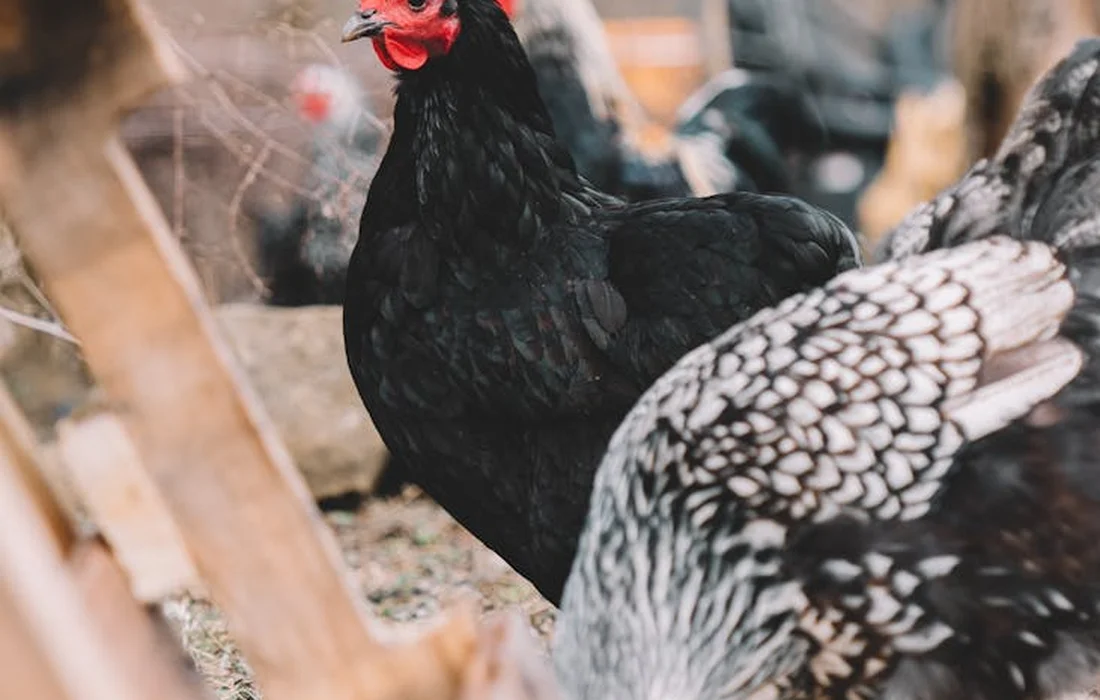
Winter Warm-Up and Summer Cool-Down
Weather swings on the homestead demand we tweak the feed bucket just like we layer our own coats. I reckon my granddaddy said it best: “A smart farmer feeds the weather, not just the animal.” When that mercury dips, your chickens burn calories just stoking their internal furnaces.
For winter warm-up, I mix in a hearty evening snack of scratch grains-about a handful for every ten birds-to give ’em slow-burning fuel overnight. Cracked corn is my go-to, but black oil sunflower seeds, with their good fat and protein near 16%, are a mighty fine addition. You’ll see less pecking and more contented clucking when their bellies are full against the chill.
Summer’s a different beast. Those girls can overheat faster than a biscuit in a hot pan. Their feed intake might drop, but their need for water skyrockets. I always keep a second waterer in the shade with a pinch of poultry electrolytes and a splash of apple cider vinegar to encourage drinking and gut health. For a cool treat, I’ll toss out frozen watermelon cubes or chilled peas. They’ll work for those bites, which keeps ’em moving just enough without overheating.
Here’s my simple seasonal checklist:
- Winter: Offer higher-energy evening feed. Ensure water doesn’t freeze. Provide a windbreak in the run.
- Summer: Serve feed during the cooler mornings. Provide always-shaded, clean water. Add electrolytes during heat waves above 85°F.
I learned the hard way one July when I forgot the shade cloth; a few of my hens got lethargic. Now, I watch the sky and the thermometer as close as I watch my flock.
Supporting Hens Through the Molt
Come late summer or fall, you might think a feather pillow exploded in your coop. Molting is a natural, energy-heavy process where hens shed old feathers to grow new ones. It’s like their annual rebuild, and it leaves them looking a bit peaked. They’ll often stop laying, too, as their body redirects protein.
The single biggest help you can give is a serious protein boost, aiming for a feed or supplement that pushes 18-20% protein. Their new feathers are made of nearly 85% protein, so they need the building blocks. I switch my flock to a higher-protein layer feed or, more thriftily, mix in protein-rich goodies to their regular ration.
My own molting menu includes a few staples I’ve come to rely on. A scoop of these mixed into their daily feed makes a world of difference:
- Dried mealworms (a flock favorite, around 50% protein)
- Canned fish like mackerel or sardines in water (drained and mashed)
- Peas or lentils, cooked and cooled
- Pumpkin seeds, a fine source of zinc and protein
During this time, I handle my girls less and keep their environment calm. A stressed molting hen can have a patchier, slower regrowth, so I make sure their coop is secure from predators and their routine is steady. I remember my Speckled Sussex, Mabel, who used to molt so hard she’d go bald. With extra tuna water over her feed for a week, she’d fluff back up nicer than ever.
Don’t fret over the pause in eggs. Focus on fueling this critical renewal. A well-supported molt means a healthier, more productive hen come spring.
Closing Tips
What are the essential nutrients chickens need?
Chickens require a balance of protein for muscle, feather, and egg development, along with calcium for strong eggshells and bones. Essential vitamins and minerals, provided through a complete feed, support overall health and prevent deficiencies.
What is the difference between complete feed and scratch grains?
Complete feed is a scientifically formulated diet that serves as the sole source of balanced nutrition for chickens. Scratch grains are a treat high in carbohydrates but low in protein and calcium, so they should never replace a complete feed.
What should be the primary component of a laying hen’s diet?
The primary component must be a complete layer feed, which offers the right protein (16-18%) and calcium (3-4%) for consistent egg production. This should be available free-choice, with treats like scraps limited to 10% of intake.
How much feed does an average chicken consume per day?
An average laying hen eats about 1/4 to 1/3 pound (roughly 1/2 cup) of complete feed daily. Consumption varies with age, season, and foraging access, so monitor feeders to ensure they’re getting enough without waste.
Can chickens eat kitchen scraps, and which ones are safe or unsafe?
Yes, chickens can safely eat many kitchen scraps like vegetable peels, leafy greens, and non-citrus fruits. Always avoid toxic or harmful items such as avocado, onion, garlic, chocolate, and anything moldy or salty. For a comprehensive list of safe treats and guidelines, check out what human foods are safe for chickens.
What is grit, and why is it important?
Grit is insoluble material like granite or sand that chickens store in their gizzard to mechanically grind food, since they lack teeth. It’s crucial for digestion, especially when birds consume whole grains or forage, and should be offered free-choice. Chickens instinctively ingest small stones to aid digestion, which explains why they peck at rocks. This natural behavior ties into the broader topic of why chickens eat rocks and stones.
Shutting the Gate
When you get right down to it, feeding chickens well ain’t about fancy supplements or chasing every trend on the internet. It’s about providing a balanced foundation of good feed, clean water, and safe foraging, then watching your flock to see what they tell you they need. A shiny coat, steady laying, and busy, contented scratching in the dirt-that’s your daily report card.
I’m mighty grateful y’all stopped by this little corner of the farm. There’s nothing quite like the peace of watching your hens dust bathe in the evening sun, knowing you’ve cared for them right. Now get on out there, enjoy your critters, and may your coop be ever full. Happy homesteading, friends.
Further Reading & Sources
- What to Feed Chickens When You’re on a Budget
- What can I grow on my land to feed my chickens if I cannot buy chicken feed? – Quora
- What to Feed Chickens to Keep Them Healthy – Backyard Poultry
Caroline Mae Turner is a lifelong farm girl raised on red clay, early mornings, and the sounds of a bustling barnyard. With hands-on experience caring for everything from stubborn goats to gentle dairy cows and mischievous pigs, Caroline shares practical, tried-and-true advice straight from the farm. Her goal is to help folks keep their animals healthy, well-fed, and living their best barnyard life. Whether you're wrangling chickens or bottle-feeding a baby goat, Caroline brings a warm Southern touch and plenty of real-world know-how to every bucket in the barn.
Diet Requirements