Can Rabbits Eat Mango? Safe Prep and Feeding Tips for Your Herd
Published on: May 16, 2026 | Last Updated: May 16, 2026
Written By: Caroline Mae Turner
Howdy y’all. Yes, rabbits can eat mango, but think of it as a once-in-a-while dessert, not a regular meal-offer just a teaspoon-sized piece per 2 pounds of body weight. I’ve seen that hopeful look from my own rabbits when I’m peeling fruit, and it’s tempting to share, but their digestive systems need careful handling.
What you’ll need:
- One ripe, fresh mango
- A clean cutting board and sharp knife
- A spare minute for prep
Let’s get this sorted right quick so you can return to your other animals and tasks.
Safety First: Is Mango Safe for Rabbits?
Well, let’s settle this right out of the gate. The short answer is yes, but with a heap of caution. While the sweet flesh of a ripe mango isn’t toxic to rabbits, its high sugar content means it should never be a main course, especially when considering other fruits they might eat. I reckon treats are for spoilin’, but a good steward knows where to draw the line. Here’s a quick guide to keep your bunny safe.
| Mango Part | Safe for Rabbits? | Why It Matters |
|---|---|---|
| Flesh | Yes | Only ripe, fresh, and in tiny amounts. |
| Skin/Rind | Risky | Can harbor pesticides and is tough on digestion. |
| Leaves | Avoid | Not a recommended food source; stick to known herbs. |
| Pit/Seed | No | Major choking hazard and contains traces of cyanide. |
| Juice | No | Concentrated sugar without the essential fiber. |
Mango Flesh: A Sweet Occasional Treat
That golden, juicy flesh is what we’re talkin’ about. In my barn, a ripe mango cube is a celebrated rarity. You can offer a bit of fresh mango, but view it as a once-a-week delight, not a daily right. The natural sugars are intense for a rabbit’s system, so careful portioning prevents a bellyache or worse.
Skin, Pits, and Leaves: Parts to Avoid
This is where you must be diligent. I never feed the skin unless it’s from my own organic tree, and even then I peel it. That pit is an absolute no-go-it’s a choking risk and the tiny bit of cyanide isn’t worth the worry. As for leaves and juice, they offer no real nutritional benefit for bunnies and can disrupt their delicate digestion. Always remove the pit completely and wash the fruit like you would for your own supper.
Nutritional Breakdown: What’s in a Mango for Bunnies?
Let’s look under the hood. A mango brings vitamins A and C to the party, which are great for immunity. It’s also got fiber for gut motility and a high water content. But you must weigh this against the hefty sugar load and the fact it’s low in calcium, a mineral rabbits need in precise balance. Compared to a staple like romaine lettuce, mango has over 20 times the sugar per cup. That puts it in a different category entirely.
Vitamins and Hydration Boost
Vitamin A supports good eyesight and healthy skin, while vitamin C is a helper for the immune system. That moisture-rich flesh can be a handy hydration aid during the dog days of summer, when my rabbits appreciate a cool, wet treat. Just don’t let the benefits fool you into overfeeding; the sugar cost is too high.
The Sugar and Fiber Balance
Here’s the tightrope walk. The fiber in mango is good, but the sugar can promote harmful gut bacteria and lead to obesity. You must limit sugar to prevent gastrointestinal stasis, a serious condition where the gut slows down. I follow a simple rule: a teaspoon of mango per two pounds of rabbit, offered no more than weekly. This way, the fiber helps without the sugar hindering.
Prep School: How to Prepare Mango for Your Rabbit
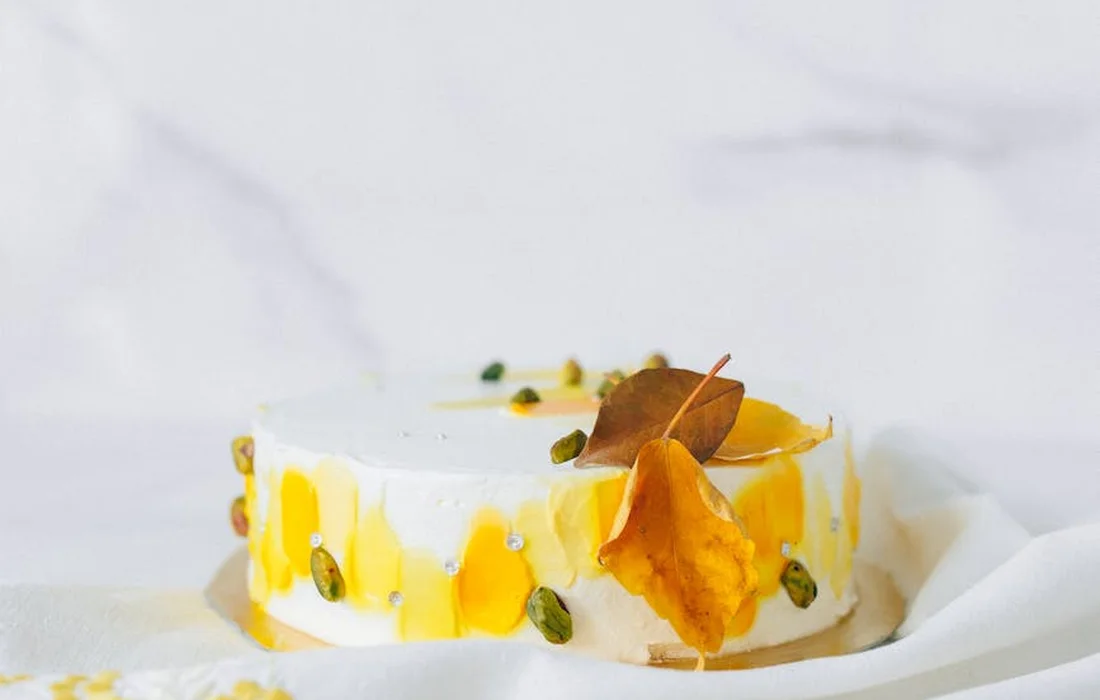
Alright, let’s mosey on into the kitchen and talk prep. Turning a whole mango into a rabbit-safe treat requires a mindful approach, much like putting up preserves for the winter. I’ve shared many a mango tidbit with my bunnies over the years, and I reckon doing it right keeps them hopping with joy and health. We’ll walk through selecting, washing, and chopping to ensure everything stays fresh and safe, with savvy tips for any leftovers.
Step 1: Selecting and Washing
Your first job is pickin’ a good fruit. Think of it like choosing an apple for a pie-you want quality from the start.
- Go for ripe, not overripe: A perfect mango yields gently to a soft squeeze and smells sweet at the stem end. Avoid any with mushy spots or fermented scent.
- Organic is a fine choice if you can: It minimizes those pesky pesticide residues. If conventional is all that’s available, don’t fret-just be extra diligent with the next step.
- Wash that mango like you mean it: Hold it under cool, running water and give the skin a good scrub with a clean vegetable brush. This isn’t just for dirt; it removes waxes and sprays too.
I learned the hard way when a hastily rinsed mango left one of my does a bit sluggish. A thorough wash is a simple act of stewardship that protects your rabbit’s delicate gut.
Step 2: Peeling, Pitting, and Chopping
Now, let’s transform that whole fruit into bunny-sized bites. This is where safety gets practical.
- Peel the skin away: Use a sharp paring knife or vegetable peeler. While some folks scrub and feed skin-on, I always peel. The skin is tough and can harbor impurities, making it harder to digest.
- Remove that pit completely and without exception: The large, flat seed in the center is a serious choking risk. Slice the flesh from all sides until it’s free.
- Chop the flesh into small, uniform pieces: Aim for cubes no bigger than a pea or a sweet pea seed. Consistency is key here.
Chopping into tiny pieces prevents choking and significantly aids digestion, as rabbits tend to bolt their treats. I’ve seen my own rabbits manage these small bits with ease, while larger slices caused messy, wasteful chewing. It’s important to understand how rabbits eat and their chewing behavior to ensure they handle the pieces well.
Step 3: Serving and Storing Leftovers
The final step is all about enjoyment and thriftiness. You’ve done the work, now let’s serve it right.
- Serve it immediately for peak freshness: Offer a small portion-about a teaspoon to a tablespoon for a standard-sized rabbit-alongside their regular hay and greens.
- Store any leftovers with care: Place unused chopped mango in an airtight container and pop it in the fridge. It’ll keep for a day, maybe two, before it starts to lose quality.
- Label your container with the date: This old homesteader’s trick avoids guesswork and ensures you use it while it’s still good.
In my barn, I prepare only what I need for a feeding to avoid waste, but when I do have extras, this method works a charm. Proper storage honors the fruit and your effort, making sure nothing goes to waste.
Portion Control: How Much Mango to Feed
Now, let’s talk about the heart of the matter: how much of this tropical sweetness is safe for your bunny. Getting the portion right is the difference between a happy treat and a tummy ache, and I learned that lesson years ago with an overeager Dutch rabbit named Biscuit.
- Define specific serving sizes by weight: A prudent measure is 1 to 2 tablespoons of fresh mango flesh per 5 pounds of your rabbit’s body weight.
- Stress moderation and frequency: Mango is a high-sugar fruit, making it strictly an occasional treat rather than a daily staple in their diet.
- Always remember the purpose of treats: These sweet morsels are for enrichment and bonding, not nutrition, so a little goes a long way.
Serving Size Guidelines
You don’t need a fancy scale, just a good eye and common sense. Here’s a simple, barnyard-tested rule of thumb I use for my own herd to keep things fair and safe.
- Small Bunnies (under 5 lbs): A teaspoon of mango is a generous serving for these little folks.
- Medium Bunnies (5-10 lbs): One to two tablespoons is the perfect sweet spot.
- Large Bunnies (over 10 lbs): You can offer up to two tablespoons, but I wouldn’t go beyond that even for my big Flemish giants.
Introducing Mango and Monitoring Frequency
Introducing any new food calls for a slow and steady approach, just like getting a skittish animal used to your hand. Rushing this process is a sure way to upset a delicate digestive system, so patience is key.
- Start with a tiny taste: Offer a piece of mango no larger than a blueberry on their first introduction.
- Monitor for a full day: Watch their droppings and energy levels closely for any sign of soft stool or lethargy.
- Gradually increase the amount: Only if all seems normal should you offer a slightly larger portion the next time.
- Strictly limit frequency: Even after they’re used to it, I limit mango treats to just once or twice a week at most to prevent sugar overload.
Watchful Eyes: Signs of Trouble After Feeding
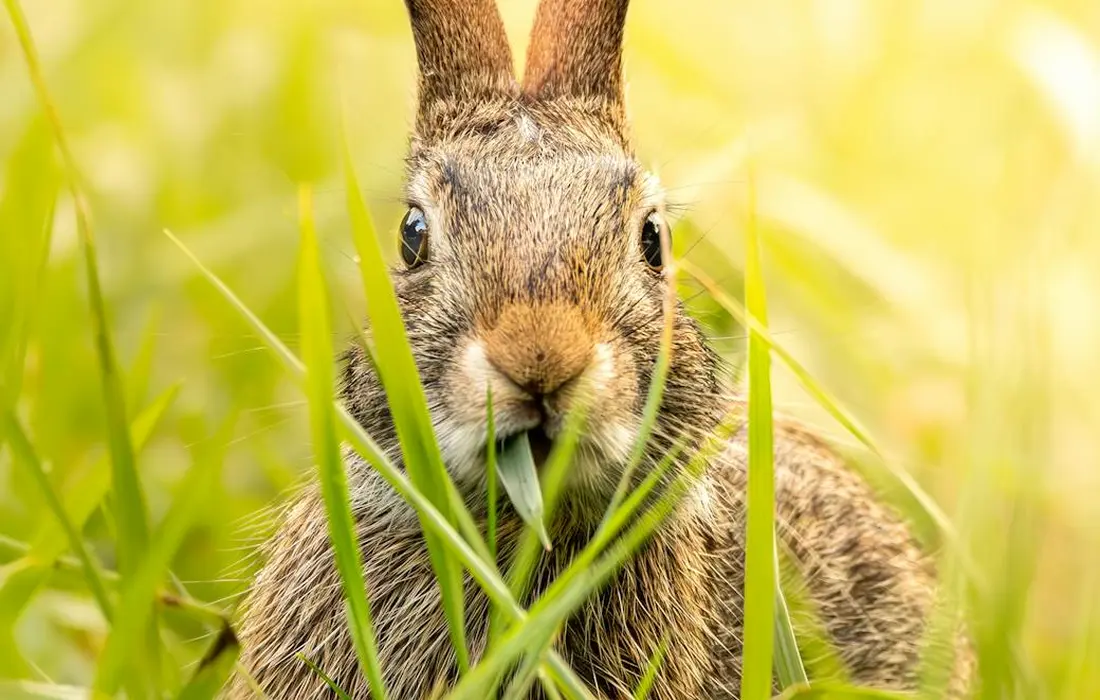
Even the best treats can sometimes disagree with a delicate bunny belly. I’ve handed out a sweet tidbit only to see a rabbit’s system say “no, thank you, ma’am” a few hours later. You must become a keen observer of your herd, watching for any shift in behavior or droppings after introducing a new food like mango. Their well-being hinges on your attention to detail, especially when it comes to favorite foods and treats that are safe for them.
- Diarrhea or Unusually Soft Stools: This is the most common red flag, signaling the sugar or moisture was too much.
- Lethargy or Hunched Posture: A rabbit sitting all puckered up is likely experiencing gut pain.
- Loss of Appetite for Hay: If they turn their nose up at their primary fiber source, trouble is brewing.
- Audible Gas or a Bloated Belly: A too-sudden sugary feast can cause a fermentation party you don’t want.
- Skin Irritations or Hives: While rare, a true allergy can manifest as itchiness or bumps.
Any one of these signs means you need to pause and assess. An allergy might be rare, but a sugar-induced digestive rebellion is far more common and just as serious for a rabbit’s health.
Common Digestive Upsets
Let’s talk plainly about what happens inside that bunny when the mango portion was a tad too generous. A rabbit’s gut is a finely-tuned fiber-processing engine, and sugar is like throwing sand in the gears. Too much sugar can disrupt the delicate balance of bacteria in the cecum, leading to a slowdown or complete halt of gut motility, a condition we call GI stasis. That’s why awareness of common rabbit digestive problems like bloating and GI stasis matters, guiding practical prevention steps. A fiber-rich hay diet with gradual changes helps keep the gut moving.
You won’t see the microbes struggling, but you will see the consequences. The droppings become small, misshapen, or cease entirely. The rabbit may sit still, eyes squinted, refusing all food because its gut hurts. I reckon it’s akin to us eating a whole gallon of ice cream-what starts as a delight quickly becomes a regrettable bellyache, but for a rabbit, the stakes are much higher. Their system depends on constant movement, and sugar overload gums up the works.
What to Do If Problems Occur
Don’t fret if you see a sign of distress; just act promptly and calmly. First, remove any remaining mango from the hutch. Your next steps are all about resetting that digestive system.
- Immediately withdraw all mango and any other treats. Go back to basics, and nothing but.
- Provide unlimited fresh hay and water. Timothy or orchard grass hay is the roughage that will get their gut moving properly again.
- Monitor closely for the next 4-6 hours. You are looking for a return to normal hay-munching and the production of those familiar, round fecal pellets.
If lethargy persists, if no droppings appear, or if the rabbit continues to refuse hay, your window for home care has closed-it’s time to call your veterinarian. I’ve made that call myself, and it’s always the right choice. A vet can provide gut motility meds and critical care support. It’s the ultimate act of stewardship for your animal.
Beyond Rabbits: Mango for Other Barnyard Friends
Now, I reckon y’all are curious if that basket of ripe mango can bless the rest of your critters. It surely can, but you’ve got to mind the details for each animal.
- From chickens to cows, the treat rule stands: mango is a supplement, not a staple. Adjust the serving size and prep based on whether you’re feeding a pecker or a ponderous grazer.
- Don’t forget the bedrock principles from rabbit care-that pit is always trouble, and sugar, even natural, demands respect.
Chickens and Geese: Pecking at Peels and Flesh
My flock hears the crack of a mango seed and comes running. They adore the juicy flesh and will happily peck at the softened skin, which adds a bit of fiber to their snack.
- You can safely offer them both skin and flesh, but the large, hard pit must be removed to prevent crop impaction or choking. I’ve seen a determined hen try to tackle one, and it’s a worry you don’t need.
Pigs, Cows, and Goats: Larger Portions for Larger Appetites
For my porkers, bovines, and goats, a mango is just a flavorful mouthful. They can consume more of it, skin included, thanks to their robust digestive systems.
- Even with their larger size, moderation is non-negotiable to avoid upsetting their rumen or causing undesirable weight gain. I’ll give a pig a half mango, a cow a few chunks, or a goat a slice or two, always after their main meal.
Your Mango Questions Answered
Can Rabbits Eat Mango Skin?
It is generally not recommended to feed mango skin to rabbits. The skin can be tough to digest and may contain pesticide residues or waxes that could upset their sensitive stomachs. For safety, always peel the mango before offering the flesh to your bunny.
Can Rabbits Eat Mango Seed or Pit?
No, rabbits should never eat a mango seed or pit. It is a severe choking hazard and contains trace amounts of cyanide compounds, which are toxic. Always completely remove and discard the large, flat pit before preparing mango for any animal. Unlike other stone fruits like nectarines, mango seeds are especially large and problematic.
Can Rabbits Eat Mango Leaves?
While not acutely toxic, mango leaves are not a recommended food source for rabbits. Their digestive systems are adapted for grasses and herbs, not tree leaves. It’s best to avoid them and stick to known, safe greens like romaine or cilantro. Some leaves are safer than others.
Can Rabbits Drink Mango Juice?
No, you should not give mango juice to rabbits. Juice is concentrated sugar without the beneficial fiber found in the whole fruit. This can lead to a rapid spike in blood sugar and seriously disrupt the healthy bacterial balance in their cecum.
Can Rabbits Eat Mango Raw?
Yes, rabbits should only eat fresh, raw mango flesh. Canned, dried, or cooked mango often contains added sugars, syrups, or spices that are harmful. The only safe way to serve it is as fresh, washed, peeled, and pitted raw fruit. There are many other fruits rabbits may safely eat, but some are unsafe, so it’s useful to familiarize yourself with safe fruits for rabbits.
Do Rabbits Naturally Eat Mango?
In the wild, rabbits would not encounter mango, as it is not native to their natural habitats. Mango is a human-cultivated, tropical fruit that is a modern treat for domestic rabbits, not a natural part of their ancestral diet based on grasses and forbs, unlike carrots which are often associated with rabbits but rarely eaten by wild ones.
Closing Thoughts
Remember, mango is a sugary treat, not a dietary staple. The golden rule is moderation: a tiny amount once a week is plenty. Always prioritize unlimited hay, which is essential for their digestion and dental health, over any sweet fruit.
Observing your animal after any new treat is the mark of a good steward. If you see any signs of digestive upset, discontinue the treat and consult your veterinarian. What works for one rabbit in your herd may not suit another, so always tailor care to the individual. It’s especially important when it comes to rabbit digestive health, as their eating habits and satiety signals can vary widely.
Back to the Pasture
When it comes to treats, from mangoes to apple cores, the golden rule is always moderation. A happy rabbit is a rabbit on a steady diet of hay, with treats as the occasional sweet surprise. The most important thing you can do is watch how your own critter reacts after trying something new, and always, always keep that fresh water flowing. Their health hinges on your attentive care. Curious about a practical feeding plan? A domestic rabbit diet guide offers a concise, balanced approach.
I hope this helps y’all share a tasty, safe moment with your floppy-eared friends. There’s not much better in this life than the simple joy of caring for a creature and seeing it thrive. Now, if you’ll excuse me, I believe I hear a few thumps of impatience from my own hutches. Enjoy these quiet moments of sharing a treat, and may your evenings be filled with the sound of contented munching. Take care, neighbor.
Further Reading & Sources
- Yes, Rabbits Can Eat Mango! But Follow These 6 Tips – A-Z Animals
- Can Rabbits Eat Mangoes (Dried, Skin, & Leaves)? Feeding Guide
- Can Rabbits Eat Mangoes? Vet-Verified Facts & FAQ | PangoVet
Caroline Mae Turner is a lifelong farm girl raised on red clay, early mornings, and the sounds of a bustling barnyard. With hands-on experience caring for everything from stubborn goats to gentle dairy cows and mischievous pigs, Caroline shares practical, tried-and-true advice straight from the farm. Her goal is to help folks keep their animals healthy, well-fed, and living their best barnyard life. Whether you're wrangling chickens or bottle-feeding a baby goat, Caroline brings a warm Southern touch and plenty of real-world know-how to every bucket in the barn.
Feed Recommendations