
Feed Chickens Beetles and Insects: The Thrifty Homesteader’s Protein Guide
Published on: May 24, 2026 | Last Updated: May 24, 2026
Written By: Caroline Mae Turner
Howdy y’all, if you’re weary of sky-high feed costs and pests munching your garden, harnessing your chickens’ natural instinct to hunt beetles and insects slashes your feed bill and gives your flock a free, protein-packed boost. I’ve relied on this very method for decades to keep my birds healthy and my land in balance.
What you’ll need:
- A safe, supervised area for your chickens to scratch and forage
- Basic know-how to tell a good bug from a bad one
- Your own two eyes for a few minutes of daily observation
Let’s get your feathered crew pecking productively so you can tend to the rest of your homestead with peace of mind.
Why Bugs Belong in a Chicken’s Diet
You ever watch your chickens scratch and peck with such fervor? That’s their ancestral wiring talking. Foraging for insects ain’t a hobby; it’s a deep-seated need. I’ve seen my gals turn over a log with more gusto than a kid at Christmas, and that drive comes from a diet meant to be hunted.
Now, that bag of commercial feed is a reliable staple, and I use it myself. But it’s like bread and water-sustaining, but not thrilling. A bug-rich diet is the gravy on the biscuit. Letting your flock hunt live protein sparks a vitality that no pellet feed for chickens can replicate. My hens strut with brighter combs, denser feathers, and a pep in their step when the insect supply is plentiful.
Here’s a peek at the nutritional goldmine bugs provide:
- Protein Punch: Essential for building eggs and muscle, often exceeding 50% in critters like mealworms.
- Healthy Fats: These fats fuel energy for laying and keep feathers shiny through winter.
- Vitamin Variety: A natural source of B vitamins and minerals that round out a fortified feed.
Safe Beetles & Insects: A Forager’s Menu
Common, Protein-Rich Safe Picks
Your chickens’ safe bug buffet is vast. I’ve kept a mental menu from decades in the yard, and here are the top picks they devour.
- Darkling Beetles (Mealworms): These are the larvae stage. They’re a protein powerhouse at about 50% protein and 30% fat-a perfect training treat or boost.
- Ground Beetles: The adult beetles are common in healthy soil. They offer a solid protein bite and help control garden grubs.
- Dung Beetles: Adult beetles that recycle manure. They’re protein-rich, and your chickens aid pasture cleanup by eating them.
- June Bugs/May Beetles: The adult beetles are a seasonal, crunchy snack. They provide moderate protein and are fun for chickens to catch.
- Grasshoppers: Adult hoppers are lean, high-protein insects (often over 60% dry weight). They’re a premier free-range catch.
- Crickets: Similar to grasshoppers, adult crickets are protein-packed and readily hunted in tall grass.
- Moth Caterpillars (non-hairy): These are the soft larvae. They’re a protein-rich find, but only offer those from safe plants without irritating hairs.
- Fly Larvae (in context): Maggots from managed compost piles are larvae high in protein and fat. Always ensure they come from clean, odor-free decomposition to prevent disease.
Answers on Specific Beetles
Specific beetles bring specific questions. Let’s settle a few common ones right now.
- Japanese Beetles: Chickens can and should eat these. They’re a fantastic form of garden patrol. I’ve watched my flock decimate a Japanese beetle infestation in my vegetable patch in under an hour.
- Ladybugs: Chickens can eat ladybugs, but they typically avoid them. Ladybugs secrete a mild, bitter chemical as defense. Most chickens will peck one and leave the rest, which is nature’s way of saying “not tasty.”
- Toxic Beetles: Listen here-this is serious. Blister beetles and some fireflies (lightning bugs) contain toxins harmful to poultry. I keep a keen eye on my pasture and coops. If you see unfamiliar, brightly colored beetles, remove your flock from the area promptly.
Dangerous Bugs: What Your Flock Must Avoid
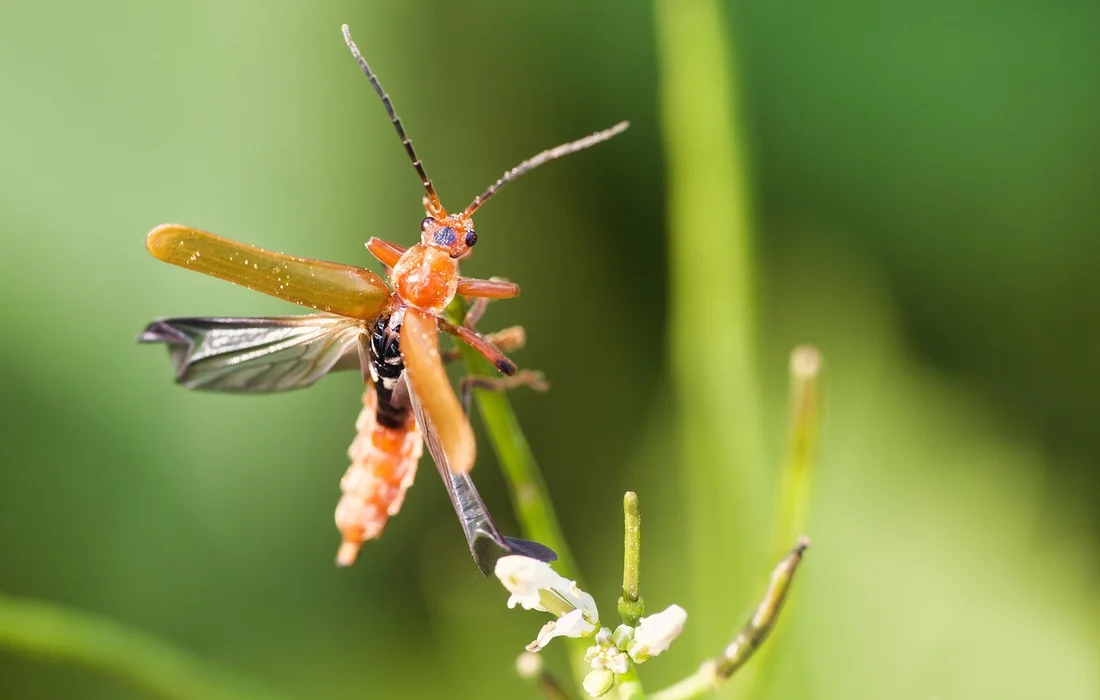
Now, let’s have a serious chat about the other side of the fence. While most bugs are a fine free-range feast, a few can cause real harm. Good stewardship means knowing the difference between a treat and a threat, protecting your birds from what they don’t understand. I’ve had my share of scares over the years, and it’s always better to be cautious.
Toxic Beetles to Know Immediately
You must keep a sharp eye out for Blister Beetles. These slender, long-legged insects often swarm on flowering plants like alfalfa and can get baled up in hay. They contain a potent toxin called cantharidin, which is lethal to chickens in minuscule amounts and causes irreversible damage to their digestive and urinary tracts. Just a few beetles in a flake of hay can wipe out a curious flock.
I always give any baled forage-especially alfalfa-a good shake and visual inspection before tossing it to the animals. As a general rule, teach yourself and your family that brightly colored insects, those with a strong chemical smell, or ones covered in fine hairs are often nature’s warning signs. When in doubt, keep the questionable critter out of the run.
- Blister Beetles: Look for narrow bodies, about ½ to 1 inch long, with a distinct “neck.” Colors vary from black to gray to striped. The toxin is stable and remains deadly in dead, dried beetles.
- General Red Flags: Vividly colored bugs (reds, oranges paired with black), strong odors like almonds or chemicals, and caterpillars with excessive fuzz or spines should all be considered suspect and avoided.
Other Potential Risks
The danger isn’t always a direct poison. Slugs and snails, while not insects, are a favorite chicken snack that carries hidden peril. They can be intermediate hosts for gapeworm larvae, an internal parasite that lodges in a bird’s windpipe and causes a characteristic gasping or “gaping.” In damp areas with heavy snail populations, I limit my flock’s access.
Always be mindful of where your birds are foraging. Insects from areas treated with pesticides, herbicides, or other chemicals can concentrate those poisons. That lush ditch by the road or the edge of a commercial field can be a deathtrap of contaminated bugs. Know your property lines and your neighbors’ spraying habits.
Finally, remember that even a good thing can be overdone. Chickens might fill up on bugs and ignore their balanced layer or grower feed. An all-bug diet is severely deficient in calcium and can lead to weak eggshells and poor overall nutrition for your hens. Think of insects as the protein-rich supplement they are, not the main course.
- Parasite Vectors: Discourage excessive consumption of slugs and snails to reduce gapeworm risk.
- Chemical Contamination: Never allow foraging in recently sprayed areas. A bug can be toxic simply from what it has eaten.
- Moderation is Key: Free-ranging for bugs is wonderful, but ensure your flock always has access to their complete commercial feed to maintain nutritional balance.
From Coop to Pasture: How to Feed Bugs to Chickens
Letting Them Forage Naturally
If you want happy, healthy chickens, there’s no substitute for letting them do what they were born to do: hunt. Watching a hen scratch and peck with pure joy is a sure sign you’re on the right path to natural stewardship. This method ain’t just good for their souls; it provides the most balanced insect diet they can get. On my place, I’ve seen hens clear a patch of grubs in a matter of hours, turning pest control into free protein. To make your land a bug buffet, you’ve got to think like a beetle and a chicken all at once.
- Practice Rotational Grazing: Don’t let your birds strip one area bare. Move them to fresh pasture every few days using portable fencing. This gives insect populations in the grazed patch time to recover and hatch, ensuring a steady supply.
- Leave Manure Piles Strategically: Now, this might sound messy, but it’s pure gold for dung beetles and other decomposers. I leave a few cow or horse manure piles in a corner of the field, and within days it’s a thriving insect hub my chickens love to investigate.
- Create Brush Piles and Leaf Litter: Stack fallen branches, old logs, and leaves in a shaded spot. This creates a moist, protected habitat for beetles, sow bugs, and spiders. My flock spends hours dismantling my “bug hotels.”
This hands-off approach is the cornerstone of sustainable flock management, saving you money on feed while building healthier soil.
Offering Bugs as Treats
Sometimes, whether due to weather or coop confinement, your girls can’t forage enough on their own. That’s where a thoughtful treat comes in. Supplemental bugs are a powerful tool for training, bonding, and providing a nutrition boost, but they must be given with a careful hand. I keep a few containers of dried insects in the feed shed for just such occasions. Here’s how to do it right.
- Source Clean, Live, or Dried Insects: Always buy from reputable feed stores or suppliers that raise insects for consumption. Avoid collecting wild bugs from areas sprayed with pesticides. I trust dried black soldier fly larvae or mealworms from my local co-op.
- Mind the Treat Ratio: Bugs are rich, so they should never make up more than 10% of your flock’s total daily food intake. For a standard hen, that’s about a tablespoon of dried bugs per day, max. More than that can throw their balanced feed nutrition out of whack.
- Use Engaging Methods: Scatter bugs thinly in their run to encourage natural foraging behavior. For a cleaner option, use a shallow dish. My personal favorite is a simple treat ball-it keeps them busy and pecking for a good while.
Remember, treats are a supplement, not a staple; this thrifty practice ensures your main feed budget goes further.
Special Note on Chicks and Young Birds
Raising chicks is a delicate dance, and introducing bugs requires a gentle touch. Their tiny digestive systems are developing, so their primary fuel must always be a high-quality starter crumble with around 18-20% protein. I start offering tiny tastes of the insect world when the chicks are about two to three weeks old and feathered out, following their mama hen’s lead if they have one.
- Start Small and Soft: Offer minute, easily digested options like fruit fly larvae (often sold as “flightless fruit flies”) or finely crumbled small mealworms. I’d avoid hard-shelled beetles at this stage.
- Supervise the First Introductions: Sprinkle just a few bugs on a flat surface and watch. You’ll see their natural pecking instinct kick in. It’s a wonderful sight.
- Keep the Main Feed Primary: No matter how eagerly they peck at bugs, their chick starter should remain 90% of their diet until they transition to grower feed. Their growth depends on that complete nutrition.
Patience here pays off, setting up your pullets for a lifetime of successful foraging without compromising their early development.
Raising Your Own Insect Protein
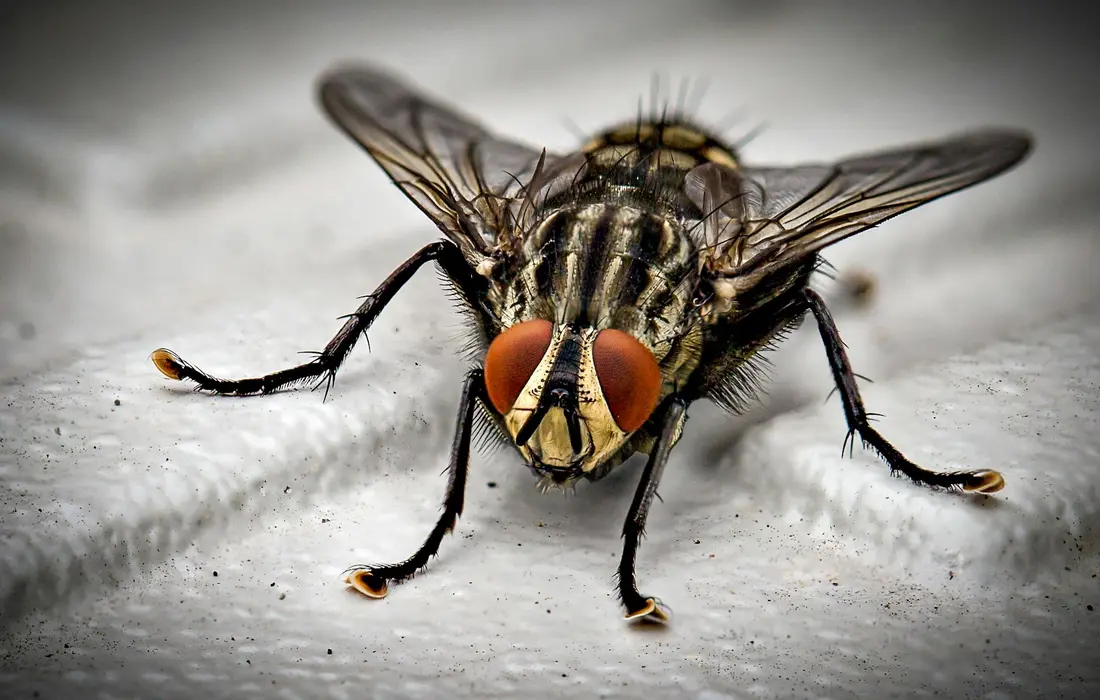
Now, I reckon there’s a special kind of satisfaction in growing your own feed, and raising insect protein is no different. It turns your kitchen scraps into a high-value treat that cuts feed costs and gets those hens hunting and pecking like nature intended. I’ve kept a few bins going in my barn for seasons, and it’s simpler than you might think.
Simple Home Setups
You don’t need fancy equipment to start. Thriftiness is the name of the game here, using what you already have on hand. Let’s walk through two of the easiest projects I’ve found success with.
-
Raising Mealworms: This is a perfect closet or garage project. You’ll need a smooth-sided container like a plastic storage tote or an old aquarium. For substrate, use old-fashioned rolled oats or wheat bran-about three inches deep. Their food source is simple: scraps like carrot ends, apple cores, or potato peelings for moisture. I keep my colony in a stacked bin system made from recycled containers, and the bran doubles as both their home and their food.
-
Cultivating Soldier Fly Larvae (Black Soldier Fly): These critters are composting champions. Set up a simple compost bin-a dark plastic bucket with holes drilled in the top works wonders. Place it in a warm, sunny spot near your kitchen door. Just start adding your fruit and veggie scraps; the adult flies are attracted to the decomposition and will lay eggs. Before long, you’ll have a wriggling mass of larvae breaking it all down. It’s the most hands-off method I know.
Harvesting and Feeding Your Crop
Once your crop is ready, harvesting is straightforward. For mealworms, I simply sift the larvae from the substrate using a kitchen strainer over a tray. For soldier fly larvae, they’ll often congregate at the top of the bin when they’re fat and ready; you can scoop them right out.
Feeding them live to your flock provides fantastic enrichment and stimulates natural behavior. If you have a surplus, dehydrate them on a baking sheet in the sun or a low oven until crispy for long-term storage. I keep a mason jar of dried mealworms in the feed shed for winter treats.
Moderation is key, as these are rich supplements. A good rule of thumb is to offer a handful of larvae for every three hens, just every other day or so. This gives them a protein boost without unbalancing their main diet. Watch your birds go to town-it’s a sight that never gets old.
Maximizing Bug Benefits Through the Seasons
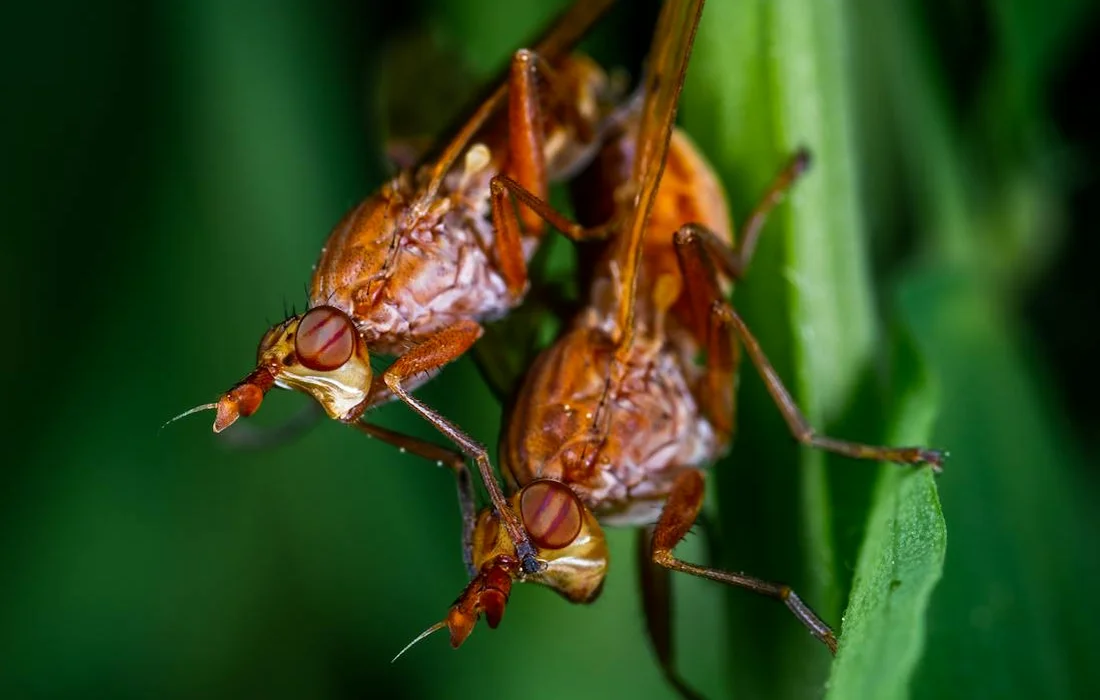
Life on the farm dances to the rhythm of the seasons, and your chickens’ bug hunting is no different. Y’all will see their insect intake swing from a summer surplus to a winter shortage, and a smart keeper plans for that lean time just as surely as putting up firewood.
Spring and Summer: The Pasture Pantry is Open
When the days get long and warm, your flock hits the insect jackpot. This is prime foraging time, where ranging chickens can satisfy a hefty portion of their protein needs straight from the field, saving you feed money and boosting their health.
- Grasshoppers, crickets, and beetles abound in sunny grasses.
- Manure piles and compost become buffets of fat, wriggling larvae.
- Leafy garden plants host plenty of caterpillars and aphids for the picking.
I give my birds full range of the orchard during these months. Watching them sprint and peck after June bugs is a pure delight, and the rich, orange yolks in my basket tell me all I need to know about the quality of that free-range protein.
Fall and Winter: The Natural Well Runs Dry
As the air crisps and frost settles, the bug population plummets. This protein crash often coincides with molt, when your hens need extra resources to regrow feathers, making strategic supplementation non-negotiable.
- Scratching in fallen leaves yields more frustration than food.
- Earthworms burrow deep, and most beetles disappear entirely.
- Flocks spend more time at the feeder, relying on your stored grains.
I remember one particularly harsh molt where my girls looked ragged for weeks. That experience drilled into me that relying on nature’s whims in winter is a sure way to stress your flock and slow their recovery.
Your Winter Protein Plan: Preserve the Harvest
Homesteading is about foresight, and bridging this seasonal gap is a perfect example. By drying insects in summer or keeping a store of purchased ones, you provide vital snacks that keep your chickens thriving through cold snaps and molts.
Drying your own is a thrifty, simple process. I use an old window screen stretched over a frame in my hot, dry barn loft to sun-dry grasshoppers collected from the hayfield.
- Gather insects during peak summer abundance using a net or by hand-picking.
- Spread them in a single, thin layer on a screen or baking tray.
- Dry thoroughly using a dehydrator, an oven on its lowest setting with the door cracked, or several days in a hot, airy spot.
- Store completely dried bugs in mason jars with tight lids to keep out moisture.
If time is short, a bag of dried soldier fly larvae or mealworms from the feed store is a worthy investment. A handful of these sprinkled in the bedding every few days during winter gives the hens a rewarding hunt and a concentrated protein punch exactly when they need it most. Black soldier fly larvae are a premium insect feed for chickens, prized for their protein and sustainability. They’re a practical, eco-friendly option for backyard flocks.
This cycle of harvest and preparation is the heart of good stewardship. Just as we cellar squash and can tomatoes, putting by bug protein honors the land’s seasonal gifts and ensures our animals lack for nothing, no matter the weather.
Closing Questions on Feeding Beetles to Chickens
What types of beetles are toxic or harmful to chickens?
Blister beetles are the primary toxic beetle of concern, as their cantharidin toxin is quickly lethal. As a general rule, brightly colored beetles, those with strong chemical odors, or unfamiliar species should be considered suspect and avoided by your flock.
How many beetles can a chicken safely consume?
Beetles and insects should be a supplement, not a main course. Chickens naturally forage for insects, including maggots, grasshoppers, termites, and occasional wasps, which can be safe in small amounts. A good guideline is that all treats, including beetles, should not exceed 10% of a chicken’s total daily food intake to avoid nutritional imbalances.
Should beetles be a primary food source or a treat?
Beetles should always be a treat or supplemental forage item. An all-bug diet is deficient in critical nutrients like calcium, which is essential for strong eggshells and overall hen health.
Are there any risks of parasites from eating beetles?
Beetles themselves pose a very low risk of transmitting parasites to chickens. The greater parasitic risk comes from chickens consuming slugs and snails, which can be intermediate hosts for gapeworm. Beetles and other insects are generally safe for chickens to eat.
Can baby chicks eat beetles?
Baby chicks can be introduced to very small, soft insects like fruit fly larvae or crumbled mealworms after 2-3 weeks of age. This timing aligns with age guidelines for introducing protein. Small amounts of mealworms can be added gradually as they grow. Their primary diet must remain a complete chick starter feed for proper development.
Will chickens naturally forage for beetles in a yard or garden?
Yes, foraging for beetles and insects is a hardwired instinct. You can enhance this behavior by creating bug-friendly habitats like brush piles, compost, and through rotational grazing to provide a steady, natural supply.
Shutting the Gate
We’ve covered a powerful lot of ground, from grubs in the compost to grasshoppers in the tall grass. If you remember one thing from this ol’ homesteader, let it be this: A varied bug diet is a wonderful supplement, but your chickens’ health truly hinges on that reliable, balanced layer feed or crumble you provide in their feeder every single morning. Watch your birds, learn their rhythms, and let nature’s buffet be the tasty garnish on the main meal you responsibly provide.
Now, I reckon I see my own flock meandering toward the coop, full of the day’s adventures. There’s a peace that comes from watching your chickens work the land, a simple joy in their contented clucks. Go on out and enjoy yours. There’s no better teacher than the dirt on your boots and the sun on your back. Happy foraging, y’all.
Further Reading & Sources
- Japanese beetles as chicken feed | Avian Aqua Miser
- Amazon.com : Exotic Nutrition 2 LB Beetle Craze Chicken Feed | High Protein Dried Beetles | Better Than Mealworms : Pet Supplies
- Can Chickens Eat Beetles? – Chicken Pets
Caroline Mae Turner is a lifelong farm girl raised on red clay, early mornings, and the sounds of a bustling barnyard. With hands-on experience caring for everything from stubborn goats to gentle dairy cows and mischievous pigs, Caroline shares practical, tried-and-true advice straight from the farm. Her goal is to help folks keep their animals healthy, well-fed, and living their best barnyard life. Whether you're wrangling chickens or bottle-feeding a baby goat, Caroline brings a warm Southern touch and plenty of real-world know-how to every bucket in the barn.
Treat Suggestions