Feeding Fruit to Rabbits: Your Guide to Safe, Happy Treats
Published on: May 28, 2026 | Last Updated: May 28, 2026
Written By: Caroline Mae Turner
Howdy y’all. I see you standing there with that apple core, wondering if you can share a bite with your bunny. The farmer’s fix is simple: yes, rabbits can eat fruit, but only as a tiny, occasional treat-think one to two tablespoons for a standard-sized rabbit, no more than twice a week. More than that, and you’re inviting a bellyache or worse, because a rabbit’s delicate digestive system runs on hay, not sugar.
- A keen eye for freshness: Only offer ripe, washed, uncanned, and unsweetened fruit.
- A proper portion tool: I keep a kitchen scale and measuring spoons right by the feed bin.
- A stubborn commitment to moderation: It’s a treat, not a meal.
- Knowledge of the “no” list: Some fruits and all their seeds or pits can be dangerous.
Let’s get this sorted, so you can treat your bunny right and get back to the rest of your chores with confidence.
Why a Rabbit’s Fruit Bowl Needs Careful Filling
Now, I reckon we’ve all seen those pictures of a cute bunny nibbling a strawberry, and it’s mighty tempting to share your snack. But let me tell you, a rabbit’s digestion is a delicate thing, fine-tuned for grass and hay, not for sugar bombs. I learned this the hard way years back when my daughter’s 4-H rabbit, Patches, got into the fallen windfall apples. The poor thing was off his feed for two days, and it was a sobering lesson. A rabbit’s gut is built for breaking down fibrous roughage, and too much simple sugar can throw their whole system out of whack, leading to serious trouble like GI stasis.
Think of fruit not as food, but as a rich dessert. Their main course should always be unlimited grass hay, which keeps their teeth worn down and their digestion moving. Fruit is a treat to be given in amounts no bigger than your thumbnail, and only a few times a week at most. For wild rabbits visiting your property, a single berry or apple slice is plenty; their natural diet is already varied, and we shouldn’t make them dependent on our handouts. Find out which fruits are safe for rabbits and how to feed them responsibly.
The Sweet Shortlist: Safe Fruits for Your Rabbits
Alright, let’s get to the good part-what you can offer. The key here is variety and tiny portions. I keep a container in the fridge with pre-cut fruit bits, so I’m never tempted to overdo it. Always wash fruit thoroughly to remove pesticides, and remove all seeds, pits, and stems, as many contain trace amounts of cyanide.
Top Picks for Moderation: Berries and Melons
These are my go-to treats because they’re often lower in sugar and high in water. I’ve found my herd of Lionheads does especially well with these.
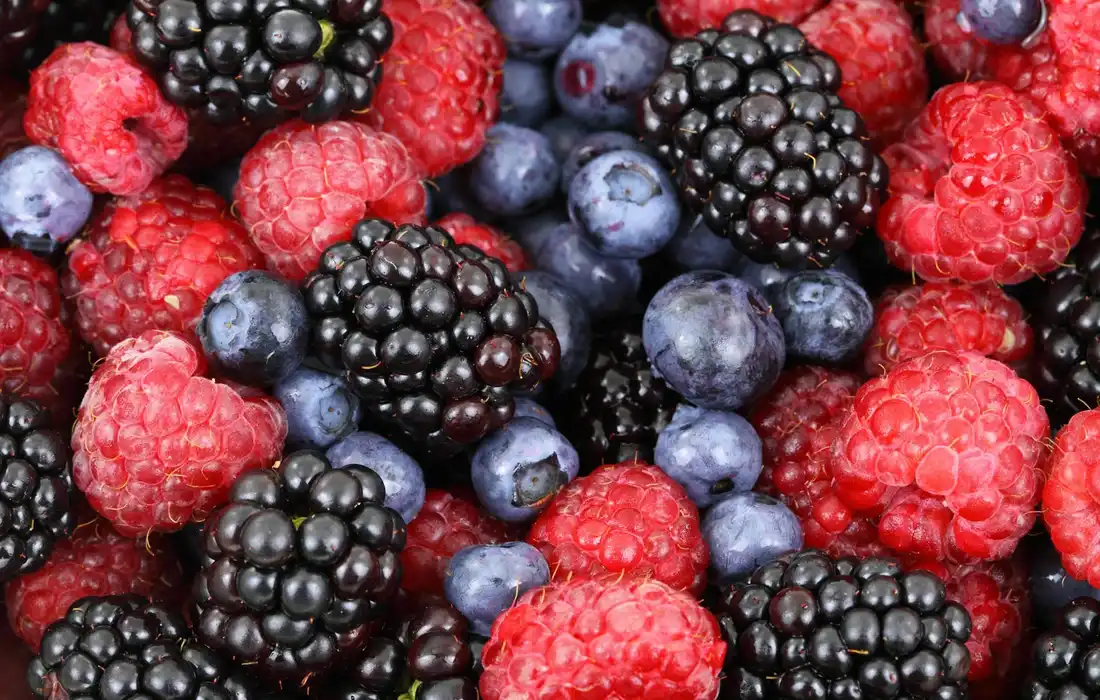
- Berries: Strawberries (top and leaves are fine), blueberries, raspberries, blackberries. One or two small berries is a full serving for a standard-sized rabbit.
- Melons: Watermelon (red flesh and rind, seeds removed), cantaloupe, honeydew. A cube about the size of a dice is perfect. Melon rind is actually a fantastic, fibrous part that they love, and it’s a thrifty way to use the whole fruit.
I often toss a few frozen blueberries into their run on a hot afternoon. It cools them down and provides a fun, enriching snack.
The “Sometimes” Treats: Higher Sugar Fruits
These fruits are like candy for bunnies. Reserve them for a special reward, no more than once a week. I usually break a small piece off my own snack for them.
- Apple (any color, seeds must be removed)
- Pear (remove seeds and stem)
- Peach and Nectarine (pit removed, flesh only)
- Plum (pit removed, flesh only)
- Banana (this is the big one-extra sweet! A thin half-inch slice is more than enough)
- Papaya (great enzyme source, but still sugary)
With these higher-sugar options, I stick to a rule I learned from an old timer: “If it’s sticky to your fingers, it’s a once-in-a-blue-moon treat for your bunny’s toes.” This helps prevent obesity and keeps their cecum, that crucial part of their gut, balanced and healthy.
Fruits to Forage With Caution: The Unsafe List
Now, let’s talk about the other side of the fence. Just as there are plants in the pasture my goats will mow down that would make my horse colic, some fruits are downright dangerous for rabbits. Their delicate digestive systems and small size make them particularly vulnerable to toxins and physical blockages we might not think twice about. I keep this list posted right on the fridge, next to the egg count chart, as a quick reference for safe and unsafe foods for rabbits.
The Absolute No-Gos: Toxic and Dangerous
These fruits should never, ever find their way into your rabbit’s hutch or bowl. No exceptions.
- Avocado: Every part-the flesh, pit, skin, and leaves-contains persin, a fungicidal toxin that causes severe respiratory distress and heart failure in rabbits.
- Cherry, Peach, Plum, Apricot, Nectarine Pits & Leaves: The fleshy fruit part is fine in strict moderation, but the pits and wilted leaves are a double threat. They pose a choking hazard and contain cyanogenic glycosides, which release cyanide when digested.
- Apple Seeds: Same story as stone fruit pits. The apple flesh is a fine treat, but you must core it thoroughly to remove every last seed.
- Tomatoes & Potatoes (Fruit & Plant): I know, we often think of these as veggies, but botanically they’re fruits. The green parts of the plant-vines, leaves, stems-are highly toxic due to solanine. While some folks offer a ripe tomato fruit as a rare treat, I avoid it altogether to eliminate any risk of them getting ahold of the plant.
The High-Risk Hazards: Sugar, Seeds, and Stems
These fruits aren’t toxic in the same way, but they present serious health risks that make them not worth the gamble.
- Grapes and Raisins: The science is still out on why, but these can cause acute kidney failure in some rabbits. It’s a documented risk with dogs, and I’ve seen enough barn cats get sick from a stray raisin to never chance it with my bunnies.
- Rhubarb: The leaves are powerfully toxic, and the stalks are far too acidic for a rabbit’s gut. It’s a hard pass for the whole plant.
- All Fruit Seeds and Pits (General Rule): Beyond the cyanide risk in some, any seed or pit is a potential intestinal blockage. Always remove seeds from watermelon, oranges, and the like. When in doubt, seed it out-it’s a simple husbandry habit that saves a world of trouble.
- Bananas & Plantains: I’m putting these here because their extreme sugar and starch content can shut down a rabbit’s cecum faster than you can say “stasis.” They are a treat measured in thumbnail-sized pieces once a month, not a regular snack.
What About Wild or Orchard Fruit?
If you’re foraging or have an orchard, extra vigilance is key. Windfall fruit that’s begun to ferment can cause deadly digestive upset. Always wash store-bought fruit to remove pesticide residues, and never pick fruit from roadsides or treated lawns. I stick to fruit from my own untreated trees and bushes, and I always offer it fresh, not rotten.
| Fruit (or Part) | Primary Danger | Barnyard Analogy |
|---|---|---|
| Avocado | Persin Toxin (Heart/Respiratory) | Like letting a cow into the rhododendron bushes. |
| Stone Fruit Pits & Leaves | Cyanide & Choking Hazard | Similar to the threat peach leaves pose to goats. |
| Apple Seeds | Cyanide Compounds | A small, concentrated danger, like a moldy patch in the hay. |
| Grapes/Raisins | Kidney Failure Risk | An unpredictable threat, like a sudden blight on the squash. |
| Rhubarb Leaves | Oxalic Acid Toxicity | As dangerous to them as nightshade is in the pig’s pasture. |
The Golden Rules of Feeding Fruit to Rabbits
Now, I reckon we’ve all seen those eager noses twitchin’ at the scent of a sweet berry. Fruit is a powerful temptation for a rabbit, but it’s a treat to be handled with the same care you’d use with a jar of molasses-a little goes a very long way. Their digestion is a fine-tuned engine built for hay, and too much sugar can gum up the works quicker than a summer thunderstorm. It’s especially important when offering them berry treats.
I learned this lesson early, watchin’ a young buck of mine bloat up after he cleaned a bowl of overripe plums I’d foolishly left within reach. Stickin’ to a few simple, time-tested rules will keep your bunnies in good health and your mind at ease. Here’s the wisdom passed down from my gran’s notebook.
- Treats, Not Meals: Fruit should never replace hay, which must be 80-90% of their diet. Offer these sweet bits only once or twice a week at most.
- Measure by the Paw: A proper portion is about one teaspoon of chopped fruit per two pounds of your rabbit’s weight. For a hefty five-pounder, that’s roughly a tablespoon.
- Seed and Pit Patrol is Mandatory: Apple seeds, peach pits, cherry stems-they often contain traces of cyanide. Always remove every seed, pit, and stem before a single piece reaches your rabbit’s mouth.
- The Freshness Factor: Wilted, fermented, or moldy fruit is a hard no. Use only fresh, raw produce and wash it like you would for your own table to strip away pesticides.
- Introduce One at a Time: When offerin’ a new fruit, give just a speck and wait 24 hours. Watch their droppings and appetite closely for any sign of digestive upset.
Followin’ these rules is the heart of good stewardship. It’s about providin’ joy without compromise, ensurin’ your animals thrive on your watch.
Step-by-Step: Preparing a Rabbit’s Fruit Treat
Makin’ a rabbit’s fruit treat is a simple ritual, but doin’ it with intention turns it into an act of care. Proper preparation prevents problems and makes that occasional blueberry a moment of pure delight for your critter. Here’s my tried-and-true method from the farmhouse kitchen, inspired by understanding the dietary nuances of rabbits.
- Choose Your Fruit Wisely: Pick from the safe list-think apple slices, a few blueberries, or some peeled pear. I often use the odd berry from our garden or a spare melon rind, wastin’ not a scrap.
- Scrub-a-Dub-Dub: Wash the fruit under cool, runnin’ water. For store-bought, I give it a soak in a mix of one part vinegar to three parts water, then a good rinse. This cuts the wax and chemical residue right off.
- The Critical Cut: Remove all inedible parts: cores, seeds, pits, stems, and any bruised flesh. Slice the fruit into pieces no bigger than a dime to avoid any choking hazard.
- Weigh and Measure: Use a kitchen scale or spoon to portion out the treat based on your rabbit’s size. For my standard-sized rabbits, I never exceed that tablespoon limit, no matter how they beg.
- Serve with Enrichment: Instead of just droppin’ it in a bowl, I tuck the fruit pieces into a fresh handful of timothy hay. This encourages their natural foragin’ instincts and slows down their eatin’, which is better for digestion.
- The Follow-Up: After treat time, observe your rabbit. They should go right back to munchin’ on their hay. Check their litter box the next day for firm, round droppings-the sure sign of a happy gut.
This process takes mere minutes but speaks volumes about your husbandry. By takin’ these careful steps, you’re not just feedin’ a rabbit; you’re honorin’ a life in your care.
From the Rabbit Hutch to the Whole Barnyard
Now, if you’re like me, you don’t like to see a single scrap go to waste on a homestead. Seeing those apple cores and berry tops from preparing your bunny’s treats might get you thinking about the other mouths to feed. Sharing fruit trimmings across your menagerie is a brilliant bit of thrift, but you must remember that every animal’s digestion is a world apart.
Feathered Clean-Up Crews: Chickens & Ducks
My hens come running the moment they hear the paring knife on the cutting board. They are fantastic foragers and can handle most rabbit-safe fruits. The key with poultry is moderation and preparation; chop larger fruits like apples and pears into beak-sized pieces to prevent choking and ensure the whole flock gets a bite. This is especially important considering their diet differs from that of rabbits.
They adore melon rinds, berry hulls, and the leafy tops of strawberries. I often toss these right into their run. One word of caution: avoid giving them large pits from peaches or plums, as a determined hen might try to swallow one whole. Citrus is also a poor choice for chickens—it can really throw off their digestion. There’s a complete guide to fruits for chickens—safe varieties and toxic ones—that you can consult for the full picture. It helps you decide what to offer and what to avoid.
The Omnivore Advantage: Pigs
Our potbellied pals are the ultimate recycling system. A pig’s robust stomach can handle a wider, richer variety of scraps than almost any other barnyard animal. Those apple cores, banana peels, and soft, overripe peaches that are a bit past for the rabbits make a splendid, sweet surprise for a rooting pig.
I’ve fed my old Berkshire, Hamlet, just about every fruit trim under the sun. The only exceptions I make are for very large, hard pits and any fruit that has begun to ferment or mold. Even for a pig, spoiled food can cause trouble. Always scatter scraps in their rooting area to encourage natural behavior.
Ruminant Realities: Goats & Cows
This is where we must pivot sharply. A goat may beg for a bite of your apple like a dog, but their rumen is designed for roughage, not sugary treats. Fruit should be considered a very rare, tiny candy for ruminants, not a feed supplement.
I might give my Nubian doe a single blueberry or a thin slice of apple from my palm as a bonding token, but that’s it. Too much sugar, even from fruit, can disrupt the delicate microbial balance in their rumen, leading to bloat or acidosis. It’s simply not worth the risk. Their joy-and health-comes from a branch of blackberry bramble or a armful of willow, not from our fruit bowl.
Animals to Bypass Entirely
Some of our barnyard friends should stick strictly to their designed diets. I never offer fruit scraps to:
- Horses & Donkeys: Their digestive tracts are incredibly sensitive. Sudden sugars can cause colic or laminitis.
- Geese & Turkeys: While they might nibble, their nutritional needs are best met from pasture and specific feed. Fruit can lead to messy droppings and unbalanced nutrition.
The golden rule across the farm is to know each animal’s natural diet and respect the limits of its digestion. What’s a tiny treat for a pig can be a digestive disaster for a goat. For goats, a balanced approach to fruits and vegetables is essential. Our goat diet comprehensive safety guide on fruits and vegetables covers safe options, proper portions, and warning signs.
| Animal | Can They Have Rabbit-Safe Fruit Scraps? | Key Precautions |
|---|---|---|
| Chickens/Ducks | Yes, enthusiastically. | Chop large pieces, avoid citrus & large hard pits. |
| Pigs | Yes, excellently. | Avoid moldy/fermented fruit. Large pits may be a choking hazard. |
| Goats/Cows | Extremely sparingly, as a rare tidbit. | Too much sugar disrupts rumen. Never make it a regular offering. |
| Horses | No. | Risk of colic and laminitis is too high. |
Closing Tips for the Barnyard Steward
Can I feed my rabbits fruit from my own orchard or berry bushes?
Absolutely, and it’s a wonderful way to provide fresh, untreated treats. Just ensure the fruit is ripe, washed, and free from mold or pests. Always remember to remove all seeds, pits, and stems before offering it to your bunnies.
How should I store prepared fruit treats for my rabbits?
Store pre-cut fruit in a sealed container in the refrigerator for 2-3 days. For longer storage, you can freeze small portions, like blueberry cubes, and offer them frozen on a hot day as a cool, enriching snack.
What about the wild rabbits that visit my farm? Can I leave fruit out for them?
It’s best not to make wild rabbits dependent on handouts. If you choose to offer a rare treat, a single small berry or apple slice is the maximum. Their natural forage is ideal, and our treats can disrupt their digestion and natural behaviors.
Can I mix safe fruits with other treats, like herbs or veggies?
Yes, but the total treat portion size still applies. A good rule is to make fruit the smallest component of a treat mix, with the bulk being leafy greens or herbs. This helps keep their overall sugar intake low.
Are some fruits better for rabbits in different seasons?
Seasonal, local fruits are a great choice. In summer, hydrating melons and berries can be refreshing. In fall, a tiny bit of apple or pear is fitting. The key is always moderation, no matter the season.
What’s the most important sign that I’ve fed too much fruit?
Monitor their droppings. Soft, misshapen, or fewer droppings are a clear sign of digestive upset. A healthy rabbit will return to eating its hay immediately after a treat. If they seem off their hay, skip the next fruit treat and consult your vet if symptoms persist.
Shutting the Gate
The most beautiful part of sharing a little fruit with your bunny isn’t the treat itself, but the mindful connection it forges. The golden rule, straight from my barn to yours, is this: think of fruit as a tiny, flavorful garnish on the vast salad of their diet, not the main course. A thimble-sized portion once or twice a week is a celebration; a bowlful is a recipe for a poorly rabbit. Their happiness and health are built on unlimited hay, fresh greens, and clean water, every single day.
I reckon we’ve covered the orchard from fence line to fence line. Now, I hope you feel confident to offer a safe, sweet blueberry or apple sliver and watch those whiskers wiggle with joy. There’s a deep satisfaction in caring well for our critters. So here’s a neighborly wave, wishing y’all many happy years of shared snacks and quiet moments with your rabbits. Enjoy the simple, good life.
Further Reading & Sources
- SAFE FOOD LIST FOR RABBITS | Rabbit Talk – Meat Rabbit & Farming Forum
- Vegetables and Fruits for Bunnies – Zooh Corner Rabbit Rescue
- What Fruits Can Rabbits Eat I Petstock | Petstock.com.au
Caroline Mae Turner is a lifelong farm girl raised on red clay, early mornings, and the sounds of a bustling barnyard. With hands-on experience caring for everything from stubborn goats to gentle dairy cows and mischievous pigs, Caroline shares practical, tried-and-true advice straight from the farm. Her goal is to help folks keep their animals healthy, well-fed, and living their best barnyard life. Whether you're wrangling chickens or bottle-feeding a baby goat, Caroline brings a warm Southern touch and plenty of real-world know-how to every bucket in the barn.
Diet Requirements