Goat Diet Safety: Your Plain Guide to Morning Glory, Citrus, and Pomegranates
Published on: June 18, 2026 | Last Updated: June 18, 2026
Written By: Caroline Mae Turner
Howdy y’all. Staring at a pile of kitchen scraps or a wild vine creeping into the pasture and wondering what’s safe for your curious goats? Here’s the farmer’s fix straight from the gate: ripe pomegranate seeds and citrus flesh like orange slices are fine for a rare treat, but you must keep all parts of the morning glory plant-leaves, stems, flowers, and seeds-completely away from your herd, as they contain toxins harmful to goats. I’ve pulled more than one adventurous doeling away from those pretty vines over the years.
What you’ll need:
- Your own two eyes for regular pasture patrols.
- A commitment to feed any fruit treats sparingly.
- Knowledge of what’s growing in your goat’s reach.
Stick with me, and we’ll sort this feed question out quick, so you can get back to your real chores.
The Foundation of a Goat’s Diet
Before we start talkin’ about what’s on the treat menu, we gotta lay down the law on what fills the feed bucket day in and day out. Think of your goat’s diet like a sturdy barn: it needs a strong foundation, solid walls, and a reliable roof before you hang any decorative shutters. Those shiny treats are the shutters-nice for a bit of charm, but they aren’t holdin’ the structure up. When we get to the treats, we’ll zero in on goat favorites—what goats actually like to eat and which goodies fit a healthy diet. That way, you can choose snacks that please them without upsetting the balance.
The backbone of every healthy goat is high-quality grass hay, like a Timothy or Orchard mix. This roughage keeps their rumen engine churnin’ properly. Next comes pasture forage, which gives ’em a job to do and diversifies their nutrients. You simply cannot skimp on clean, fresh water-it’s the most important “nutrient” of all. Finally, a proper loose mineral supplement formulated for goats is non-negotiable. I’ve seen more health problems from poor minerals than from most anything else, and goats need copper that sheep and cattle can’t tolerate. A quick goat mineral supplement guide on essential nutrients and avoiding toxic levels can help. It keeps copper and other minerals balanced for healthy goats.
Fruits, veggies, and grains? Those are just supplements, akin to you havin’ a piece of pie after a solid supper. Your goats’ daily priorities should always be: hay and basics.
- Unlimited access to good hay: This keeps their digestive system moving and prevents boredom.
- Fresh, clean water: Check those buckets twice a day, summer and winter.
- Free-choice goat-specific minerals: Let them self-regulate what their body craves.
- Pasture or browse time: Exercise and mental stimulation wrapped into one.
- Limited, measured grains (if needed): Only for milkers, kids, or underweight animals, never a free-for-all.
Morning Glory Vines: Assessing the Risk in Your Pasture
Now, let’s mosey out to the pasture and talk about a pretty nuisance: the morning glory vine. While the common garden variety (Ipomoea purpurea) has a low toxicity level, its wild cousin, the cattle morning glory (Ipomoea carnea), is a real problem. It contains swainsonine and other alkaloids that can cause severe neurological issues and digestive damage in livestock with repeated ingestion.
The symptoms of poisoning come on slow but sure: a general lethargy, loss of appetite, stumbling or weakness, digestive upset, and colic. I once spent a whole afternoon pullin’ what I thought was bindweed from a back corner only to realize, upon closer inspection of the flower, it was a nasty patch of a more toxic morning glory. That experience taught me to never assume a vine is harmless just because it looks familiar.
Grazin’ management is your first and best defense. You can’t just hope your goats will avoid it. Here are the steps I take every season, especially when it comes to pasture management and goat foraging:
- Walk your pastures regularly, especially fence lines and shaded areas where vines thrive.
- Identify any morning glory species early and pull them by hand, roots and all, before they set seed.
- For larger infestations, consider spot-treatment with an herbicide labeled for pasture use, following all withdrawal times.
- Practice rotational grazing to keep pastures healthy and competitive, which naturally suppresses weedy vines.
Identifying Risky Morning Glory Species
Look for vines with heart-shaped leaves and trumpet-shaped flowers. The risky ones often have a woodier stem and grow as a persistent shrub in warmer climates. When in doubt, snap a clear picture of the leaf, flower, and growth habit and take it to your local county extension office-they are an invaluable resource for this exact purpose. It’s better to spend an hour gettin’ an ID than weeks nursing a sick animal.
Immediate Actions if Ingested
If you suspect your goat has been nibblin’ on a toxic species, don’t wait for symptoms to worsen. Immediately remove all animals from that pasture and provide them with abundant clean hay and water. Contact your veterinarian right away, detailing what you found and how much you think they may have consumed. Supportive care is often needed, and a vet can provide treatments to bind toxins and protect the gut.
Citrus Fruits: Navigating Acids, Oils, and Goat Safety
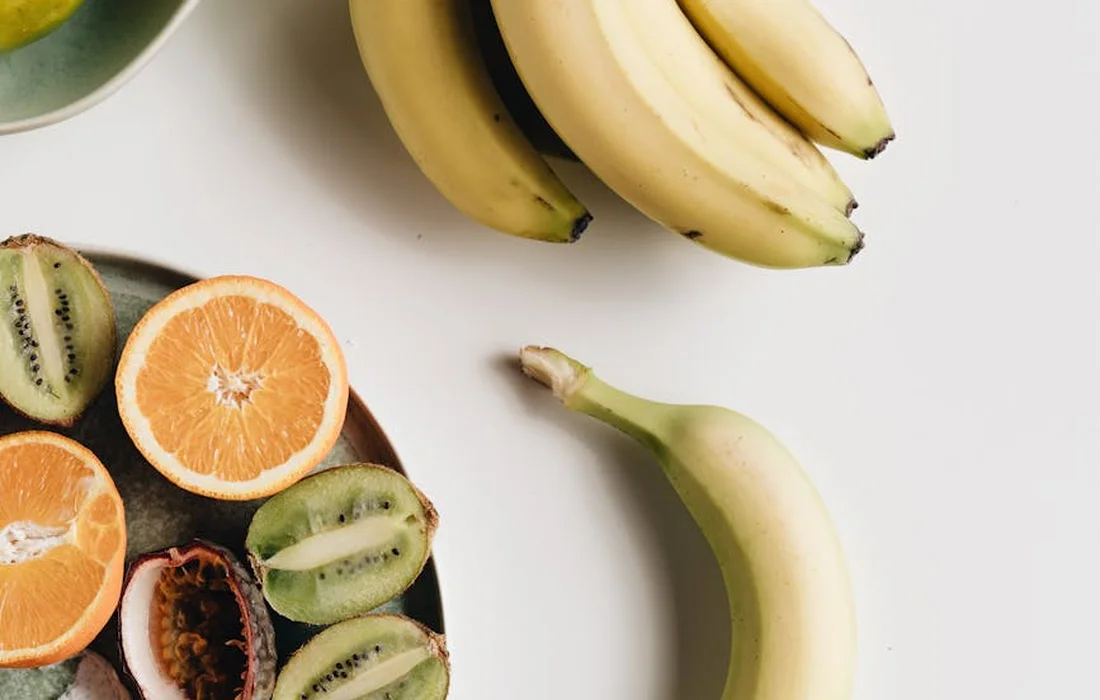
Now, let’s talk citrus. On a hot day, nothing beats a cold orange slice, and I’ve seen my herd come running for a taste. The juicy pulp of oranges, tangerines, or grapefruit is generally safe for goats in small, infrequent amounts. The flesh provides a burst of vitamin C and a bit of hydration, which can be a nice change of pace for them. However, when it comes to feeding any fruit, it’s essential to exercise caution and read about tropical fruit safety for goats.
Those bright rinds are packed with essential oils and compounds like limonene and psoralen, which are mighty hard on a goat’s rumen. Feeding too much peel can lead to digestive upset, bloat, or a painful condition called photosensitization. I treat citrus like candy for kids-a rare and special treat, not a dietary staple.
How to Introduce Citrus as a Safe Treat
You can’t just toss a whole orange into the pen and call it a day. Introducing any new food, especially one as potent as citrus, requires a gentle hand.
- Start Exceedingly Small: For your first offering, a single small section of peeled orange per goat is plenty. This lets you gauge their interest and their gut’s reaction.
- Always, Always Peel It: Remove the thick rind and as much of the white pith as you easily can. The pith is bitter and contains higher concentrations of the troublesome compounds.
- Feed After Their Main Meal: Offer the citrus treat after they’ve filled up on their hay or grain. A full rumen handles novel items better than an empty one.
- Observe for 24 Hours: Watch their behavior and droppings. Any sign of soft stool or bloating means citrus isn’t for your herd, or you offered too much too fast.
- Limit Frequency: Even if they handle it well, I wouldn’t feed citrus more than once a week, and only a few small pieces per animal at a time. Moderation is your best tool for safety.
Feeding Citrus Peels and Leaves
This is where I get strict. I do not recommend intentionally feeding citrus peels to goats. The risks from the oils far outweigh any perceived benefit. If you have a few small pieces of peel mixed in with your kitchen scraps, it’s likely not a crisis, but making a habit of it is asking for trouble. As for the leaves and branches from citrus trees, I steer clear entirely. They contain those same oils and can be even more concentrated, plus the thorns on some varieties can cause mouth injuries.
Signs of Too Much Citrus
Goats are stoic, but they’ll tell you when something’s wrong. If you’ve overdone it on the oranges, here’s what to watch for:
- Bloat: The left side of their abdomen will look taut and drum-like. This is a veterinary emergency.
- Diarrhea or Very Soft Stool: A clear sign their digestive system is irritated and out of balance.
- Lethargy or Going Off Feed: If they’re not interested in their hay at the next feeding, take note.
- Skin Issues: In cases of photosensitization, you might see redness or blistering on light-colored skin areas, like the nose or udder, after sun exposure.
Seeing any of these signs means you should immediately remove all citrus from their diet and provide plenty of fresh water and their normal, quality hay to help their rumen recover. When in doubt, a call to your vet is the thriftiest choice you can make-it prevents a small problem from becoming a costly one.
Pomegranates: Seeds, Pulp, and Rinds for Goat Nutrition
Now, a pomegranate is a right curious fruit, ain’t it? All those jewel-like seeds packed tight inside a leathery hide. I’ve had more than a few gifted to me from a neighbor’s tree, and the goats always perk up when they see that distinctive round shape in my hand. Let’s break down what’s safe and what’s just extra work.
The juicy pulp and the seeds inside are the main event. Those tiny seeds are not toxic to goats, but their size and hardness mean they can pose a minor choking risk, especially for young kids or greedy eaters who don’t chew properly. The real value is in the sweet, tangy pulp surrounding them-it’s a sugary treat packed with vitamin C and antioxidants.
As for that tough, woody rind? I reckon it’s best left for the compost. While not poisonous, pomegranate rinds are incredibly fibrous and offer little to no nutritional payoff for the effort it takes a goat to eat them. I’ve watched a determined wether gnaw on a piece for ten minutes only to leave a soggy, barely-diminished chunk behind. It’s just not a worthwhile snack.
How to Prepare Pomegranates for Goats
You don’t need to be fancy, just thoughtful. I usually split the fruit into quarters or smaller wedges right in the barnyard. This lets the goats lick and chew the seeds and pulp directly from the broken sections, mimicking how they’d forage on fallen fruit. It’s important to be aware of what types of fruit are safe for goats to eat, as some can be harmful. For example, when feeding pears or other fruit, make sure the leaves and seeds come from non-toxic sources. For a more cautious approach, you can pop the seeds into a shallow pan. Either way, keep it simple.
- Do offer fresh pomegranate as an occasional treat, not a daily meal.
- Do split the fruit open to make access easy and monitor consumption.
- Do feed in small handfuls relative to your herd size to prevent boss goats from hogging it all.
- Don’t worry about removing every single seed-the goats will handle them just fine with proper preparation.
- Don’t bother offering the thick, woody rind; your goats will likely ignore it, and it has no nutritional merit.
- Don’t feed any fruit that appears moldy or fermented, as that can cause serious digestive upset.
Balancing Treats with Main Feed
This is where good stewardship comes in. A pomegranate’s sweetness is a delight, but it’s still a sugar load on their rumen. All treats, even healthy ones, should never make up more than 5-10% of your goat’s total daily diet. Their bellies are designed for roughage-quality hay should always be the cornerstone.
I use treats like pomegranate seeds or citrus slices as a training reward or a weekend surprise, not a staple. If you’ve just given a tasty treat, ensure their hay rack is full and fresh water is available to help everything move through their system smoothly. Understanding rumen function and proper feeding practices helps keep digestion healthy. A goat with a balanced rumen is a happy, productive goat, whether they’re giving milk, brush-clearing service, or just good company.
When Things Go Wrong: Recognizing and Responding to Trouble
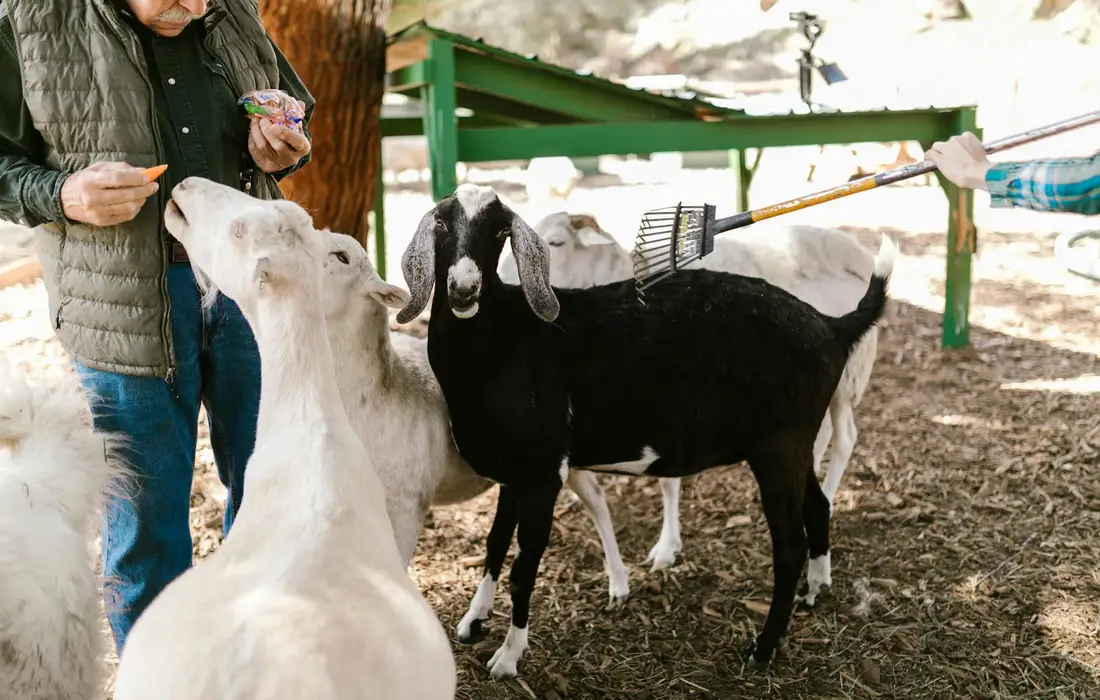
Even with the best intentions, a curious goat might sample something they shouldn’t. I’ve spent more than one anxious evening watching a doe who wandered into the wrong patch of garden. Knowing the warning signs for toxicity or upset from morning glory, citrus, or pomegranates can mean the difference between a quick recovery and a real crisis. The symptoms often overlap, starting subtle and turning serious fast.
- Morning Glory: Look for neurological signs like trembling, confusion, or an unsteady gait. Your normally sure-footed climber might stumble.
- Citrus Overload: Too much can sour the rumen. Watch for signs of digestive acidosis: loss of cud chewing, diarrhea, or a general look of misery and disinterest in feed.
- Pomegranate Mishaps: Those tough seeds and peels can lead to gut slowdown or impaction. Symptoms include reduced manure output, straining, or signs of colic like pawing at the belly and frequent lying down and getting up.
Across all three, common red flags are a sudden drop in appetite, lethargy where there’s usually spunk, and any significant change in their manure. Trust your gut; if a goat is acting “off,” it’s time to move from observation to action.
- Isolate the Animal. Move the goat to a clean, quiet stall or small paddock. This prevents others from getting into the same trouble and lets you monitor them closely without the herd’s distraction.
- Provide Fresh, Clean Water. Hydration is key, especially if diarrhea is present. Ensure they can drink easily, but do not force fluids if the goat is unable to swallow properly.
- Contact Your Veterinarian Immediately. Describe exactly what the goat accessed, how much you think they ate, and all the symptoms you see. Having this information ready saves precious minutes.
This three-step drill works because it’s simple to remember when you’re worried. Having a well-stocked farm safety kit within arm’s reach is as important as knowing your vet’s phone number. Mine holds activated charcoal (only to use under vet guidance), electrolyte packets, a digital thermometer, and basic wound supplies. Time spent learning how to take a goat’s vital signs is never wasted; it turns panic into purposeful care.
Monitoring for Bloat and Discomfort
Bloat is a swift and dangerous condition where gas builds up in the rumen, and it can be triggered by a digestive system thrown out of balance. After a dietary misstep, keep a sharp eye on the goat’s left side, just behind the rib cage. A tight, drum-like swelling there is your clearest physical sign that bloat is setting in.
Listen for discomfort. You might hear fewer gut sounds or notice the goat grinding its teeth. They may stop ruminating completely and stand oddly, legs spread, trying to relieve pressure. I reckon checking on them every half-hour for the first few hours is wise. Gentle walking can sometimes help move gas along, but never delay veterinary care if the distension is severe.
When to Seek Veterinary Advice
Don’t play a waiting game with plant toxins or gut blockages. You should call the vet if you see any neurological signs like tremors, if bloat does not resolve quickly with walking, or if the goat goes more than 12 hours without passing normal manure. A goat that refuses water or can no longer stand is telling you in the plainest way that professional help is needed right now. It’s always better to make that call and be told it’s mild than to wish you had called sooner. Your relationship with your vet is a cornerstone of good stewardship.
Building a Safe and Varied Menu: Alternatives and Forage Management
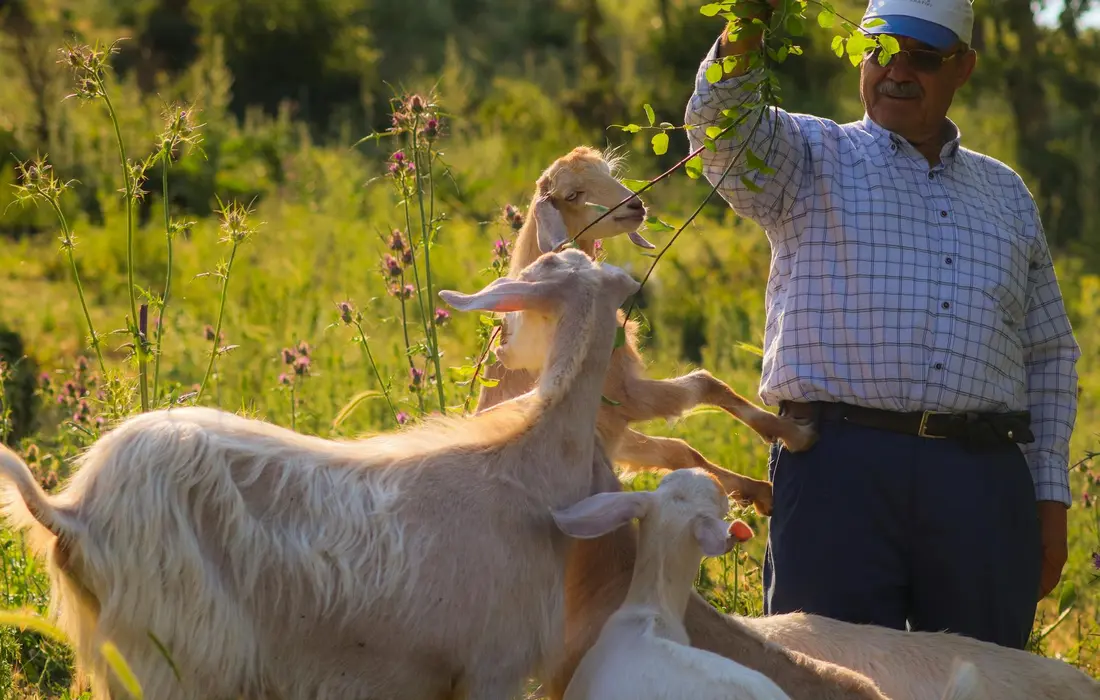
Now, after all that talk of what not to feed, let’s fill your mental pantry with the good stuff. Building a safe menu starts with knowin’ your reliable, everyday alternatives that bring nutrition and joy to your herd. Over the years, my goats have taste-tested just about every browse and fruit on our place, and these are the clear winners—especially when it comes to some safe fruits and vegetables.
- Apples: Slice ’em up, core and all, to avoid any seed concerns. My Nubians would trade a bucket of grain for a single apple any day.
- Carrots: These orange roots are a crunchy favorite. I often give ’em whole to keep the goats busy and their teeth in check.
- Willow & Mulberry Leaves: Perfect for natural browsing. I cut branches weekly; the tannins are gentle on their stomachs and the fiber is top-notch.
- Pumpkin & Winter Squash: Don’t toss those autumn decorations! The flesh and cooked seeds (sparingly) offer vitamins and act as a natural dewormer.
- Pear & Peach Tree Prunings: My goats clean up the orchard trimmings. Just ensure the fruit stones are removed from peaches before offerin’.
- Blackberry Vines & Raspberry Canes: Once the berries are gone, the goats get the leaves. It’s a terrific way to clear brambles and provide a mineral-rich snack.
You gotta know the enemy to protect your flock. Common toxic plants hide in plain sight, often lookin’ as pretty as they are poisonous. Around here, I stay on high alert for wild cherry wilted leaves, rhododendron, azalea, and oleander. Even a few leaves of these can cause serious trouble.
Spotting these dangers takes a practiced eye. Make a habit of walkin’ your fences and paddocks in different seasons to see what’s sproutin’. Look for plants with clusters of three leaves, like poison ivy, or those with milky white sap. I carry a local weed identification book right in my overalls pocket. When you see somethin’ suspicious, dig it up by the roots before your goats find it.
Safety ain’t just about removal; it’s about management. Feed moderation and rotational grazing are the twin pillars of preventin’ dietary disasters and promotin’ vibrant health. Treats should be just that-a small delight, not a staple. I never let snacks exceed 5-10% of their daily intake, with the rest bein’ excellent hay or pasture.
Movin’ your goats regularly is a game-changer. Rotational grazing prevents your herd from overgrazing the good plants and reluctantly eatin’ the bad ones out of hunger. It gives the land time to recover and outcompete those toxic invaders naturally. Pasture rotation management maximizes grazing efficiency across paddocks. By planning moves and rest periods, you keep forage productive and your herd fed.
Integrating Treats into a Balanced Diet
Think of treats like a sprinkle of salt on a meal-too much ruins it. I integrate treats as a tool for herd management, usin’ carrot tops or apple peels to call ’em in or reward good behavior. This keeps their rumen function steady. Always offer treats after they’ve filled up on their primary forage, not before.
Balance is everythin’. A good rule is to limit sugary fruits to no more than a cup-sized portion per adult goat, per day. I often chop treats and mix ’em into their hay to encourage slower, more natural eatin’ and to prevent bossier goats from hoggin’ all the good bits. For a deeper dive into safe fruit and vegetable choices in goat diets, see our goat diet comprehensive safety guide on fruits and vegetables. It helps you keep treats balanced and tummy-friendly.
Pasture Rotation for Weed Control
This is where your boots meet the dirt. Pasture rotation is your most powerful, cost-free strategy for suppressin’ toxic weeds without chemicals. By consistently movin’ the herd, you allow preferred grasses and clover to grow thick and choke out unwanted seedlings.
My system is simple and effective. I use portable electric netting to create smaller paddocks, movin’ the goats when the grass gets down to about 3 inches. Each area gets a rest of 28 to 35 days. This pattern has dramatically reduced the presence of buttercup and dog fennel in my fields. The goats act as living lawnmowers and weeders, all while gettin’ a varied, fresh diet.
Closing Tips & Reminders
How can I tell morning glory apart from less toxic bindweed?
Look closely at the flowers and growth habit. True morning glory (Ipomoea) has larger, showier, trumpet-shaped flowers and often a more vining or shrubby form. Field bindweed (Convolvulus arvensis) has smaller pink or white flowers and is a creeping perennial vine. When in doubt, treat any unknown vine with heart-shaped leaves and funnel-form flowers as a risk and remove it from your pastures.
Are the risks from morning glory the same for chickens or pigs?
No, toxicity can vary by species. Morning glory is considered toxic to most livestock, including goats, horses, and cattle. Chickens and pigs may be somewhat more resistant but can still suffer from digestive upset, so it’s best practice to remove these vines from all animal areas. Always prioritize keeping questionable plants out of reach of your entire barnyard.
Can I feed my goats leftover citrus fruit from my trees?
You can feed the fleshy pulp sparingly as a treat, but you must take proper precautions. Always peel the fruit to remove the rind and as much bitter white pith as possible before offering a small amount. Do not feed the leaves or branches, and never make citrus a regular part of their diet due to the acidity and oils.
Is it safe to give pomegranate rinds to my goats for chewing?
It is not recommended. While not toxic, pomegranate rinds are extremely tough, fibrous, and offer negligible nutritional value. Your goats are likely to ignore them, and the hard pieces pose an unnecessary risk for choking or mild impaction without any benefit. Stick to offering the juicy seeds and pulp instead.
What’s the safest way to prepare pomegranates for a herd with kids (baby goats)?
Extra caution is needed for young kids. Consider separating the seeds from the pith entirely and sprinkling just a few seeds on their hay or grain to prevent greedy gulping. Always supervise young goats with any treats to ensure they are chewing properly and not showing signs of distress.
If my goat ate a small amount of morning glory, what should I watch for first?
Monitor closely for the earliest, most subtle signs of neurological or digestive impact. Be alert for any slight loss of coordination, unusual drowsiness, or a decrease in rumination and cud-chewing. Provide plenty of quality hay and water, and contact your veterinarian immediately to describe the situation-don’t wait for symptoms to become severe.
Shuttin’ the Gate
When it comes to feedin’ your herd, the golden rule ain’t written in a fancy book; it’s written in their behavior. The most vital tool in your husbandry kit is your own watchful eye, noticin’ the subtle changes in your goats after they try any new treat, be it pomegranate seeds or a stray garden vine. Moderation and observation will never steer you wrong.
I reckon we could chat about ruminants all day, but my own herd is callin’ from the pasture. Thank you for carin’ enough to learn. Now go enjoy the sunshine and the simple, good work of carin’ for your critters. If you learn somethin’ new on your place, I hope you’ll share it from your porch someday, too.
Further Reading & Sources
- Goat Nutrition and Feeding | Penn State Extension
- Goat From Farm to Table | Food Safety and Inspection Service
- Nutrition of Goats – Management and Nutrition – Merck Veterinary Manual
Caroline Mae Turner is a lifelong farm girl raised on red clay, early mornings, and the sounds of a bustling barnyard. With hands-on experience caring for everything from stubborn goats to gentle dairy cows and mischievous pigs, Caroline shares practical, tried-and-true advice straight from the farm. Her goal is to help folks keep their animals healthy, well-fed, and living their best barnyard life. Whether you're wrangling chickens or bottle-feeding a baby goat, Caroline brings a warm Southern touch and plenty of real-world know-how to every bucket in the barn.
Feed Recommendations