The Homesteader’s Guide to Guinea Pig Hay: Safe Types and Simple Choices
Howdy y’all. Picking the right hay for your guinea pigs can feel like a chore, but the farmer’s fix is straightforward: Stick to grass hays like timothy for their main feed, and you’ve got the foundation right.
- A Proper Feeder: A rack that keeps hay clean and off the bedding.
- Dry Storage: A cool, dry bin or bag to prevent mold.
- The Hay Itself: We’ll cover the safe types and what to avoid.
We’ll have this hay business sorted quick, so you can get back to the rest of your chores.
Why Hay is the Heart of a Guinea Pig’s Diet
Now, I know y’all are used to thinking about hay for your bigger livestock, but for these little critters, it’s even more critical. A guinea pig’s digestive system is a finely-tuned engine that must keep moving to stay healthy, and long-strand fiber from hay is the only fuel that makes that happen. Without it, things slow down fast, leading to serious, even fatal, issues. It wears down their constantly growing teeth naturally, too, saving you a world of trouble and vet bills.
I reckon the biggest mistake I see new folks make is treating hay like a side dish instead of the main course. Pellets or fresh veggies are the supplement; hay is the foundation. In my barn, the rule is simple: An unlimited, fresh pile of the right hay is the single best investment you can make in your guinea pig’s long-term health and happiness. Their stall should always look like a miniature hayloft. Note that straw is typically bedding, not a food source, so it won’t replace hay in a guinea pig’s diet. If you’re curious about straw’s role in diets for guinea pigs and pigs.
Choosing Your Hay: A Breakdown of Common Types
Not all hay is created equal, and choosing the right one depends on your pig’s age and needs. It’s like picking feed for your layers versus your meat birds—same category, different purpose. For example, timothy hay for older animals and alfalfa hay for younger ones can make a significant difference.
Timothy Hay: The All-Around Staple
For most adult guinea pigs, Timothy hay is your gold standard. It’s what I use for the majority of my herd. You want a mix that’s green, smells sweet like a dry summer meadow, and has a good balance of long stems and softer seed heads. Look for hay with a high fiber content (around 30-35%) and lower protein and calcium to support a healthy adult digestive tract and urinary system. The coarse stems are perfect for grinding down those molars.
Meadow Hay: The Varied Pasture Blend
Think of meadow hay like a wildflower patch for your pig’s palate. It’s not a single grass but a mix of native grasses, herbs, and sometimes a bit of clover or dandelion. This variety can be wonderful for encouraging a picky eater and provides a broader range of trace minerals. Just be sure you know your source, as quality can vary more than with a single-species hay like Timothy. I often mix a handful of good meadow hay in with their Timothy for a bit of gourmet interest. If you’re curious about do pigs eat grass and how it fits into a pig’s diet, a quick guide can help. It explains how grass complements hay and other greens.
Orchard Grass and Other Grass Hays
Orchard grass is a fantastic, softer-leafed alternative to Timothy, often with a slightly sweeter aroma. It’s lower in protein and calcium, making it another excellent choice for adults. Some pigs with more delicate tastes prefer it. Other grass hays like Bermuda or Bluegrass can be used, too. The key is ensuring any grass hay you choose is fresh, free of dust or mold, and forms the bulk of an adult pig’s diet. Rotating between Timothy and Orchard is a thrifty, healthy strategy I use to keep things interesting.
Alfalfa Hay: Understanding the Risks and Uses
Here’s where we need to talk straight, like neighbors over the fence. Alfalfa is a legume hay, not a grass hay. It’s rich, high in protein (16-20%) and calcium. For a growing youngster, a pregnant sow, or a nursing mama, that’s exactly what the doctor ordered-it’s like calf starter for guinea pigs. People researching alfalfa for guinea pigs often encounter the alfalfa vs. grass hay debate. This distinction helps shape feeding plans for guinea pigs and other small pets. But for a healthy adult guinea pig, feeding alfalfa as their main hay is a recipe for urinary stones and obesity. The excess calcium can literally crystallize in their bladder. I keep a small bale on hand only for the very young, the expecting, and as a rare treat for the adults, no more than a small handful once a week.
- Feed Alfalfa To: Baby guinea pigs (under 6 months), pregnant or nursing sows, underweight animals needing to gain.
- Limit Alfalfa For: Healthy adult guinea pigs. Treat it like rich grain, not everyday forage.
How Much Hay to Feed: Daily Portions and Practical Tips
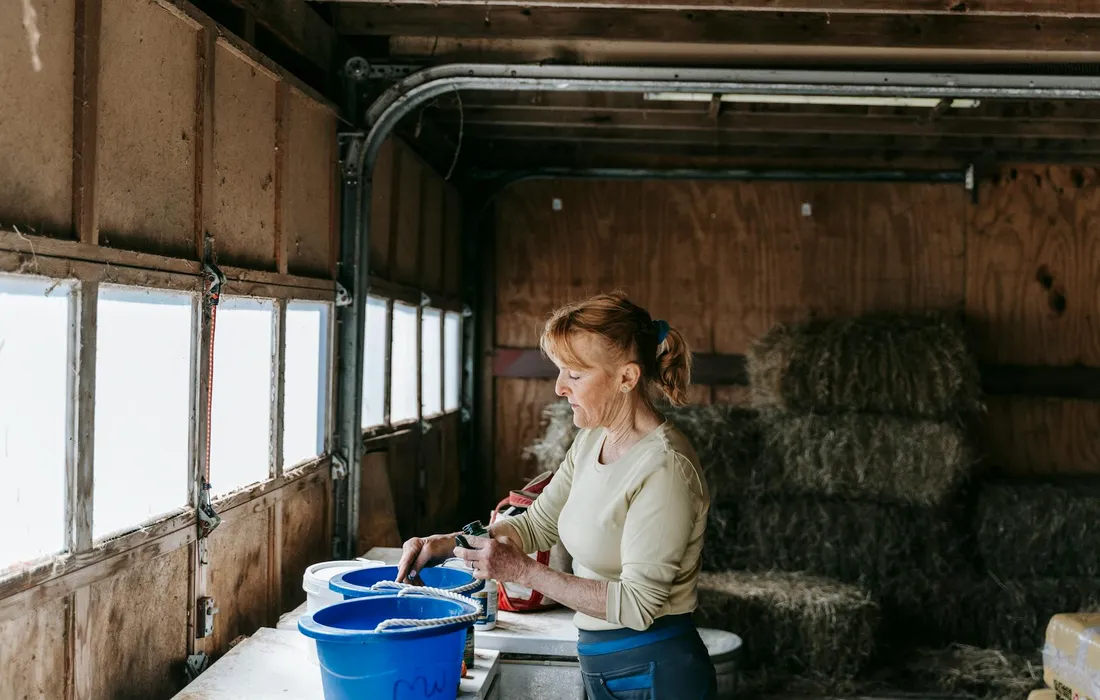
Figuring out hay portions is where good stewardship meets common sense. I reckon I’ve filled more hay racks for more critters than I can count, and the principle remains the same whether you’re feeding a cow or a guinea pig. Your goal is to mimic natural, continuous foraging, not just serve scheduled meals.
The Daily Hay Rule for Guinea Pigs
For adult guinea pigs, toss out the measuring cups. My method is simple and based on watching their behavior for years. Provide an amount of fresh hay each day that roughly equals the volume of the guinea pig itself. This isn’t a precise weight, but a visual pile they can disappear into for eating and playing. Pair this with a regular feeding rhythm to support digestion. Offer fresh greens and pellets in small, consistent portions each day. For kits, pregnant sows, or underweight animals, heap it on even more-you can’t really overdo the good grass hay.
Practical, Thrifty Feeding Tips
How you deliver the hay matters just as much as how much you give. Waste eats into your budget and makes a mess. Here’s how I manage it in my setup:
- Invest in a sturdy hay rack or use a simple grid feeder. It keeps the hay clean, dry, and discourages them from using it all as a bathroom.
- Shake out the dusty bits at the bottom of a bale or bag. I give that to the compost or the garden paths. Your little pigs deserve the cleanest stems.
- Buy in bulk from a local farmer when you can. A whole bale of timothy hay costs a fraction of those fluffy pet store bags. Store your bale off the ground in a dry, ventilated spot to prevent mold, which is a silent killer.
- Mix last night’s uneaten, clean hay with the fresh morning offering. This promotes total consumption and honors that homestead spirit of waste-not.
A Guide to Portions by Life Stage
Not every guinea pig has the same needs. Their life stage dictates the hay type and the urgency of their access. Use this table as your barn wall reference.
| Life Stage | Primary Hay Type | Daily Portion Principle |
|---|---|---|
| Young Kits (under 6 mos) | Alfalfa Hay | Unlimited access for growth. Always offer grass hay too, to start good habits. |
| Healthy Adults | Timothy, Orchard, or Meadow Grass Hay | Unlimited, constant access. Refresh the pile daily to encourage eating. |
| Pregnant, Nursing, or Ill | Mix of Alfalfa & Grass Hay | Unlimited access to both. The extra protein and calcium in alfalfa supports recovery and milk production. |
See that “unlimited access” note for adults? That’s non-negotiable. Their gut motility and ever-growing teeth depend on a 24/7 fiber supply, so an empty hay rack is an emergency.
Reading the Hay for Quality and Waste
You’ll become a hay connoisseur. Good hay for guinea pigs smells faintly sweet, like dried grass, not musty. The stems should be greenish and pliable, not brown and brittle. If you wouldn’t want to take a deep breath of its aroma, don’t feed it to your animals. I also keep a sharp eye on what gets tossed aside. If they’re consistently leaving certain stems, the hay might be too stemmy or old. A little waste is normal, but a lot signals it’s time for a fresher source. Knowing the different grass types and their benefits can also help you choose better quality hay.
From My Experience: The Foraging Test
I once kept a pair of guinea pigs in a mobile pen on the lawn. They taught me that if given the space, they’ll forage first for the tenderest bits, just like my sheep do. This instinct is your clue to always offer hay in a way that lets them root and search, not just grab and go. Guinea pigs have dental anatomy that needs regular fibrous chewing—continuously growing incisors and molars. That’s why foraging and hay-based feeding fit how they eat. Stuff it in paper tubes or a rack that makes them work a little. It keeps their minds sharp and slows down their eating, which is better for digestion. It’s a small thing that makes a big difference in their daily contentment.
Hay Safety 101: Spotting and Preventing Bad Hay
Now, let’s talk about somethin’ just as important as pickin’ the right type of hay: makin’ sure the hay you *do* pick is fit for your little critters. Good hay builds them up, but bad hay can lay an animal low quicker than a summer storm, and with guinea pigs, their sensitive systems demand our sharpest eye. I reckon I’ve tossed more bales than I care to remember over the years, and it’s a lesson you only need to learn once.
The Freshness Test: Signs of Quality Hay
Think of good hay like a fresh-baked biscuit-it’s got a certain look, feel, and smell that tells you it’s right. You want to engage all your senses when you’re checkin’ a bale or a flake. First off, quality hay has a vibrant color, rangin’ from a soft olive green in grass hays to a richer green in legumes like alfalfa, not a faded, dusty yellow.
Give it a good sniff. This is my favorite test. You’re lookin’ for a clean, sweet, almost sunshiny aroma-it should smell like a dry meadow on a pleasant day, not like an old closet or, heaven forbid, mold. Next, run your hand through it. It should feel dry and slightly crisp, but still pliable, not brittle enough to shatter into powder.
Here’s a little trick from the barn: grab a good handful and give it a gentle squeeze. Good hay will spring back a bit when you open your hand, showin’ it’s retained some resilience and hasn’t been baked dead by poor storin’. If it stays in a tight clump or feels warm and damp, you put it right back where you found it.
Red Flags: How to Identify Spoiled Hay
Spotting bad hay is about protectin’ your herd from invisible dangers. Mold is public enemy number one. It ain’t always the big, fluffy green stuff you see on old bread. More often, it appears as greyish-white dust, or as black or blue speckles deep within the bale, and it comes with a musty, mildewy, or off smell that’ll make you wrinkle your nose. If you see it, that whole bale is garbage for feedin’.
Dust is another big warning sign. While a little chaff is normal, a cloud of fine, powdery dust when you move the hay means trouble. That dust can wreak havoc on delicate guinea pig lungs, leadin’ to respiratory distress that’s hard to fix. Heat damage is sneakier. If the hay feels unusually warm to the touch, or has a distinctive brown, caramelized, or tobacco-like color and a sweet, burnt smell, it’s undergone “heatin’.” This process destroys nutrients and can even be a fire risk in your barn.
Don’t forget to check for unwelcome guests and weeds. Shake out a flake and look for signs of rodent nests, excessive insect webbin’, or toxic plants like mustard or buttercup that might have been baled in by mistake. Your best defense is a good offense: buy from a trusted source, store hay off the ground on pallets in a dry, airy shed, and always inspect each flake before it hits the feeder. A few minutes of vigilance saves a world of worry later.
Smart Hay Storage for Barnyard Thriftiness

Now, let’s talk about keeping that hay fresh as a spring meadow. I’ve tossed out more money in spoiled hay than I care to admit, all from simple storage slips. Smart storage protects your investment and guarantees your guinea pigs-and any other hay-munching critters-get the clean, nutritious feed they need. The principles are the same, whether you’re storing a flake for a couple of guinea pigs or a ton for the barn.
Your Hay’s First Enemy: Moisture
Mold is a silent thief in the barn. It steals nutrients and can make your animals sick. You must keep your hay drier than a sun-baked clay bank. I store all my hay, from big bales down to the open bag for the guinea pigs, in a dedicated shed. The key is elevation and airflow. Concrete floors are better than dirt, but pallets are best.
- Get It Off the Ground: Use wooden pallets, cinder blocks, or sturdy shelves. Aim for at least 6 to 8 inches of clearance to stop ground moisture from wicking up.
- Never Stack Directly Against Walls: Leave a good hand’s width of space between your hay and any wall. This allows air to circulate and prevents hidden damp spots.
- Check for Leaks: Before you stack a single bale, run your hand along the roof and walls on a rainy day. A small drip can ruin a hundred pounds of hay before you notice.
Choosing the Right Container for Daily Rations
For the guinea pig kitchen, you need a handy, clean container for daily feeding. I repurpose large, food-grade plastic bins with snap-tight lids for my small animal hay. It’s the thrifty homestead way. For an open bale, I use a whole bin; for leftover bags, I’ll fold the top over and clip it shut before placing it inside.
- Airtight is Right: Once hay is fully dry, an airtight container is your best defense against dust, pests, and humidity. I use gamma seal lids on five-gallon buckets for my prime timothy.
- Breathable for Bulk: For larger quantities in a barn setting, natural fiber bags like burlap are perfect. They let the hay breathe while keeping dust contained.
- Clear Labeling: Always mark the date of purchase or cutting on your container. I use a piece of masking tape and a marker on the bin. Use the oldest hay first, every single time.
The Rotation Ritual: First In, First Out
Hay doesn’t get better with age. It loses color, fragrance, and nutrients. Implementing a strict rotation system is the single easiest way to prevent waste and ensure peak freshness. In my feed shed, newer bales go behind the older ones. For the guinea pigs, the bin in front is always the one to be used next.
I learned this from my granddaddy with his cattle hay, and it applies just as much to a bag of orchard grass. This simple habit has saved me more feed dollars over the years than any coupon ever could.
A Personal Story on Pest Prevention
One summer, I got lazy and left a partial bag of lovely alfalfa hay in its original plastic on the garage floor. A week later, I found mice had made a cozy home in it. That experience taught me that proper containers are a non-negotiable part of respectful animal stewardship. Now, everything goes into a sealed bin immediately. It keeps the hay safe for my guinea pigs and discourages unwelcome barnyard tenants.
Good hay storage is a quiet testament to a mindful homestead. It honors the work that grew the feed and safeguards the health of the animals in your care. Take the time to store it right, and y’all will reap the benefits in vibrant animals and a fuller wallet.
Special Feeding Situations and Troubleshooting
Hay for Different Life Stages
Just like you wouldn’t feed chick starter to a laying hen, a guinea pig’s hay needs shift from cradle to golden years. Matching the hay to the life stage is the cornerstone of good husbandry, preventing a slew of health issues down the road. I’ve seen it in my own barn; what keeps a growing pup thriving can spell trouble for a settled adult.
For those frisky young ‘uns under six months and for pregnant or nursing sows, think alfalfa. This legume hay packs a punch with around 17-20% protein and high calcium. That extra boost supports frantic bone growth and milk production, much like the boost we give our fast-growing piglets. Offer it free-choice, but keep a watchful eye.
Once they hit adulthood, it’s time to switch. Grass hays like Timothy or Orchard Grass are the staples now, with a safer protein level around 8-10%. This switch is critical to avoid painful bladder stones from excess calcium and to maintain a healthy weight. I reckon it’s similar to moving our cows from lush spring pasture to a maintenance hay mix for steady grazing.
For the dignified seniors, comfort is key. Their teeth may wear down, making long-strand hay a chore.
- Offer a mix: Provide their usual grass hay, but add a handful of softer second-cut Timothy or meadow hay.
- Soak it briefly: A quick dunk in water can soften hay strands, making it easier to chew.
- Never stop the roughage: Even if they slow down, unlimited access to suitable hay keeps their gut moving and teeth filed.
When a Guinea Pig Stops Eating Hay
When a guinea pig turns up its nose at hay, it’s a five-alarm fire in the barnyard. Hay isn’t just food; it’s the essential roughage that keeps their digestive system grinding and their teeth from overgrowing. I’ve faced this panic at midnight, and the first step is always to stay calm and play detective.
Start by investigating the hay itself. Is it dusty, moldy, or just stale? Guinea pigs are connoisseurs of freshness. Always store your hay like you would for your rabbits or horses-in a dry, cool place, off the concrete floor to prevent moisture wicking up. Try a new batch or a different cut; sometimes a switch from first-cut to softer second-cut Timothy is all the encouragement they need. For rabbit owners, our ultimate guide on hay types, benefits, and feeding tips offers deeper insights. It can help you choose the right hay and feeding routine for rabbits.
If the hay is prime, then look to the pig. Dental problems are the usual suspect. Those teeth grow constantly, and without hay to wear them down, they can form painful spikes.
- Gently check for wetness around the chin or difficulty eating.
- Listen for a change in eating sounds or watch for dropped food.
- Get a vet to check for molar spurs, which you can’t see at home.
Boredom can also be a culprit. Just as our chickens enjoy pecking at a cabbage head, guinea pigs need enrichment. Try stuffing hay into a simple cardboard tube or a hay rack placed in a new spot to spark their foraging instinct. It’s a thrifty trick that costs nothing but a moment of your time.
When all else fails, act fast. A guinea pig that stops eating hay is on a quick path to gastrointestinal stasis. Syringe-feeding critical care formula is a temporary bridge, but a veterinarian must find the root cause. Remember, respecting these small creatures means responding to their silence with urgent, informed action.
Closing Tips for Your Guinea Pig Hay Routine
Can guinea pigs eat hay from the yard?
No, you should not feed hay cut directly from your yard or pasture to your guinea pigs. It can contain harmful pesticides, parasites, or toxic plants baled in accidentally. Always source hay that has been properly grown, dried, and stored for animal feed to ensure it is safe and clean.
Is it safe for guinea pigs to eat hay with seeds or flowers?
Hay with a mix of soft seed heads and safe, dried flowers (like those found in quality meadow hay) is generally fine and adds enrichment. However, avoid hay with sharp, hard seeds or pods that could pose a choking hazard or injure their mouth and eyes.
How do I store hay to keep it fresh?
Store hay in a cool, dry, and well-ventilated place, always elevated off the ground on pallets. For daily use, keep a smaller portion in an airtight container to protect it from moisture, dust, and pests while preserving its freshness and sweet smell.
How often should I change the hay in my guinea pig’s cage?
You should refresh the hay in their rack or feeder daily to encourage eating. Remove any soiled, wet, or trampled hay from their bedding area immediately to maintain a clean and healthy living environment.
Can baby guinea pigs eat the same hay as adults?
Yes, but with a key addition. Babies should have unlimited alfalfa hay for growth, but always also offer grass hay like Timothy. This introduces them to the adult staple while ensuring they get the extra calcium and protein they need.
What should I do if my guinea pig stops eating hay?
This is a critical emergency. Immediately check the hay for freshness and offer a different type or batch. If refusal continues, consult a veterinarian without delay, as this often signals serious dental or digestive issues that require professional treatment.
Shuttin’ the Gate
When all’s said and done, the whole hay affair boils down to a simple, daily habit. Just as I check my flock’s water at sunrise, you’ll want to give that hay a quick look-over each time you fluff the bedding. Your number one job is to provide an endless supply of that sweet, green, fragrant hay that makes your guinea pig whistle and rumble with delight. If it smells musty, looks brown, or feels dusty, it belongs in the compost, not the hutch. Trust your nose and eyes-they’re the best tools you’ve got.
Well, friend, I reckon that about covers the pasture. I hope this little chat helps your herd thrive. There’s a special kind of peace that comes from knowin’ your critters are content, munchin’ away on the good stuff. Now, go enjoy those happy chirps and pops from a well-fed piggy. We’ll see y’all back here on the homestead for another chat soon.
Further Reading & Sources
- The Best Types of Guinea Pig Hay | GuineaDad
- What are the Best Types of Hay for Guinea Pigs? – Oxbow Animal Health
- Best Hays for Guinea Pigs – Nutritional Breakdown Comparison – The Little Hay Company
Caroline Mae Turner is a lifelong farm girl raised on red clay, early mornings, and the sounds of a bustling barnyard. With hands-on experience caring for everything from stubborn goats to gentle dairy cows and mischievous pigs, Caroline shares practical, tried-and-true advice straight from the farm. Her goal is to help folks keep their animals healthy, well-fed, and living their best barnyard life. Whether you're wrangling chickens or bottle-feeding a baby goat, Caroline brings a warm Southern touch and plenty of real-world know-how to every bucket in the barn.
Feed Types