What Vegetables Can Rabbits Eat? The Ultimate Safe Veggie List
Published on: June 21, 2026 | Last Updated: June 21, 2026
Written By: Caroline Mae Turner
Howdy y’all. Sorting through the fridge for rabbit-safe snacks can feel like a puzzle, but I reckon the farmer’s fix is simple: the bulk of your rabbit’s daily veggie intake should come from fresh, dark leafy greens, with other vegetables like herbs, bell peppers, and the occasional carrot top served as flavorful variety.
- A reliable kitchen scale or measuring cups for portions
- A mix of at least three different rabbit-safe greens and veggies
- About 10-15 minutes for daily washing and chopping
Stick with me, and we’ll sort the garden gold from the trouble, so you can get your bunnies fed and get on with your day.
The Role of Fresh Produce in a Rabbit’s Diet
Now, think of a rabbit’s plate like a good, sturdy barn. The foundation, the thing that holds everything up, is high-quality grass hay. That’s about 80-90% of what they need. Pellets are the reinforced framing-concentrated nutrition. Fresh vegetables are the finishing touches, the windows and the paint that make the whole structure healthier and happier. They provide essential moisture, a spectrum of vitamins minerals that pellets alone can’t offer, and crucial mental enrichment.
I’ve watched my own rabbits over the years, and a bunny with a crisp leaf of romaine to investigate is a contented bunny. But we must be careful stewards. Too much of a good thing, too fast, will upset their delicate digestive balance. Introduce any new green slowly, over a week or more, and watch their droppings closer than you watch the weather. A sudden change is a sure path to a poorly rabbit.
Wash everything you pick, whether from the store or your garden, to remove potential pesticides or critters. And remember the golden rule: variety is the spice of life. Rotating through different safe veggies ensures your rabbit gets a broad range of nutrients and prevents them from developing a fixation on just one type.
Your Handy List of Rabbit-Safe Vegetables and Herbs
Here’s the list I’ve built from my own feedings and vet consultations over the seasons. Treat this as your planting and shopping guide.
Staple Leafy Greens
These are your everyday workhorses, the ones you can feed in larger quantities. I aim for about one packed cup of combined greens per two pounds of my rabbit’s body weight daily. For balanced nutrition, consider the fresh food ratios—hay, veggies, pellets, and treats—as you plan meals. This framing keeps portions consistent across days.
- Romaine, Green Leaf, Red Leaf Lettuce: Excellent, low-oxalate choices. Avoid iceberg, as it’s mostly water and offers little nutrition.
- Spring Greens / Mesclun Mix: A wonderful, varied base, just check for spinaches which should be fed sparingly.
- Bok Choy: A big hit in my hutches and packed with goodness.
- Carrot Tops: Don’t you dare toss those greens! Rabbits adore them, and they’re a free bonus from your garden.
- Dandelion Greens: Free, nutritious, and a powerful tonic. Just be 100% certain they’re from an area not treated with chemicals.
Feeding a mix of two or three of these daily forms the cornerstone of your rabbit’s fresh food intake.
Herb Greens for Flavor and Health
These are potent little things. I use them as flavorful garnishes, a few sprigs at a time, not in cupfuls. They can have strong medicinal properties.
- Mint (all varieties): Refreshing and great for digestion. My rabbits go wild for a bit of apple mint.
- Basil: Another favorite, and so easy to grow on a sunny windowsill.
- Cilantro / Coriander: A polarizing herb for people, but most rabbits find it irresistible.
- Dill: Its feathery fronds are fun for them to nuzzle and eat.
- Parsley (flat-leaf or curly): Rich in vitamins, but also in calcium, so offer it a few times a week rather than daily.
A small handful of fragrant herbs turns a simple meal into a special occasion for your bunny.
Cruciferous and Flowering Veggies
This family includes some fantastic options, but they can cause gas. The key is moderation and observation.
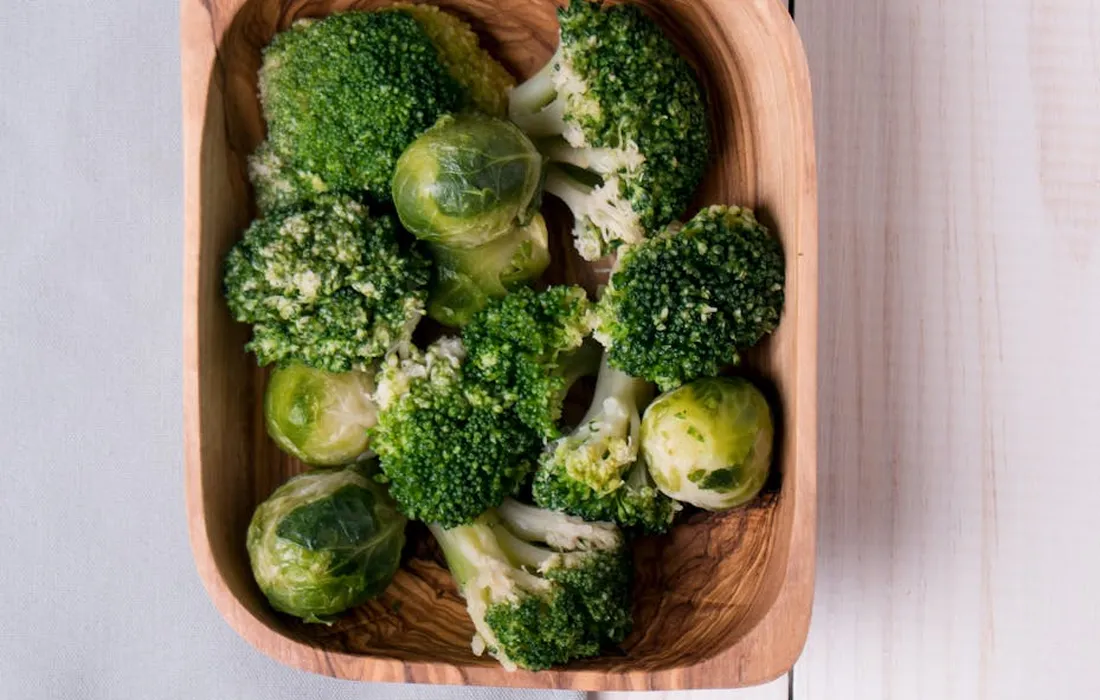
- Broccoli Leaves & Stalks: I feed the leaves freely. The florets are a rich, occasional treat-maybe one or two small pieces per week.
- Brussels Sprouts: Same rule as broccoli. A single sprout is a hefty treat for a larger rabbit.
- Kale (all types): Nutritious but high in calcium and oxalates. Rotate kale in and out of the menu every few days instead of offering it daily to prevent mineral buildup.
- Bell Peppers (any color): A superb choice! High in vitamin C, and the seeds and core are perfectly safe. My rabbits love the red ones for their sweetness.
- Zucchini / Courgette: A mild, hydrating squash that’s very well-tolerated. Great for young or senior bunnies.
Garden Fruits Often Called Vegetables
These items are botanically fruits but we treat them as veggies in the kitchen. They are higher in sugar, so they are treats, not staples.
- Tomato: Feed only the fruit. The plant, leaves, and vines are poisonous. A cherry tomato once or twice a week is plenty.
- Cucumber: Mostly water and low in nutrients, but a wonderfully cool, hydrating snack on a hot day. Don’t let it replace nutrient-dense greens.
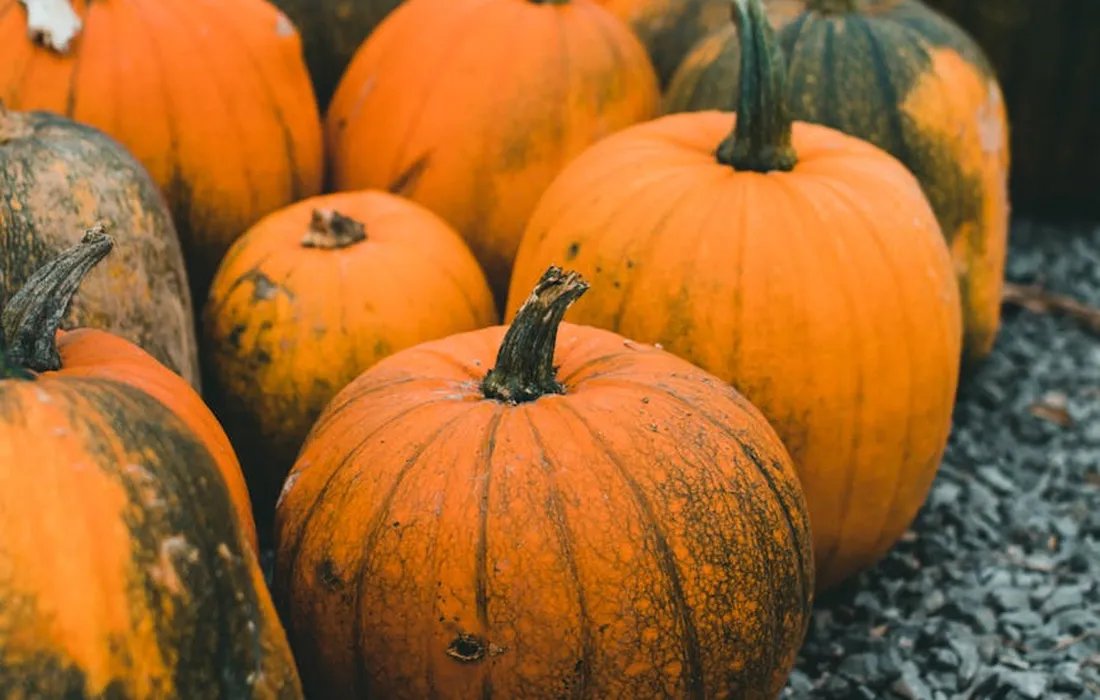
- Pumpkin & Squash flesh (cooked or raw): A delightful autumn treat. The seeds are also a great deworming snack if fed raw.
- Peas in the pod (Snow Peas, Sugar Snap Peas): The whole pod is a fun, crunchy, sweet treat. Two or three pods are enough for one sitting.
I reckon these sweet treats should make up no more than 10% of the total fresh food you offer, a lesson I learned after a picky rabbit started turning up his nose at his plain ol’ romaine.
Vegetables to Avoid: A Short List of Toxic Plants
Alright y’all, let’s have a neighborly talk about the garden offerings that can do your rabbits more harm than good. I’ve walked many a worried mile back from the barn, realizing a well-meaning treat turned sour. True thriftiness in animal care isn’t just about saving pennies on feed; it’s about preventing costly vet bills by knowing what’s truly safe.
A rabbit’s digestion is a delicate thing, and some common plants contain compounds their bodies simply cannot process. Here’s my tried-and-true list of veggies and parts to always keep out of the hutch.
- Potato and Tomato Greens (Leaves & Stems): These nightshade family parts contain solanine, a toxin that causes severe gastrointestinal distress and nervous system issues. I never let vine trimmings near my rabbits.
- Rhubarb Leaves: Packed with oxalic acid, these can lead to kidney failure and are an absolute no-go. I compost them far away from where my critters forage.
- All Alliums (Onions, Garlic, Leeks, Shallots): These damage red blood cells and can cause hemolytic anemia, even in small, repeated amounts. I keep my rabbit garden separate from my onion patch.
- Iceberg Lettuce: Its high water content and lactucarium offer little nutrition and can cause diarrhea, leading to dangerous dehydration. Opt for nutrient-dense romaine or dark leaf lettuce instead.
- Raw Legumes (Beans, Peas): Uncooked, they cause painful gas and bloating, which is a life-threatening emergency for a rabbit. I only ever offer cooked beans sparingly, as a rare protein supplement.
Your vigilance must extend beyond the vegetable plot. Many ornamental plants are equally dangerous. I make it a habit to walk my property line each season, identifying and removing hazards like foxglove, lily of the valley, and oleander.
I learned this lesson early when a beloved doe nibbled on some wilted carrot tops that had bolted and gone to seed—the greens become toxic at that stage. It was a stressful night that taught me to harvest greens at their peak. Regularly rotating your rabbits’ foraging areas prevents them from grazing plants to a dangerous stage of growth, which is crucial when considering what rabbits eat in the garden.
Signs of trouble include loss of appetite, lethargy, diarrhea, or excessive salivation. If you see these, don’t wait-call your vet. Tucking this list behind the feed bin door is a simple act of stewardship that honors the life in your care.
How Much is Just Right? Figuring Out Daily Feeding Ratios
Think of your rabbit’s belly like a mason jar, friends—you want to fill it with the good stuff in the right order. Over in the barn, I’ve seen too many eager folks spoil a good rabbit with a mountain of lettuce, only to wonder why things get sluggish. Your rabbit’s daily veggie portion shouldn’t be a heaping plateful, but a careful handful that complements their main diet of hay. A simple daily vegetable portion guide can help you dial in the right amount for your rabbit. It shows exactly how much fresh vegetables a rabbit should eat daily and keeps you in balance with hay. I reckon a good rule of thumb is about one to two packed cups of fresh vegetables per six pounds of body weight each day, split between two feedings.
Now, hay should always be the foundation, making up about 80-90% of what they eat. Veggies are the vitamin-rich supplement, not the main course. I always measure greens by the handful against my palm, ensuring variety without waste-thriftiness and good stewardship go hand-in-hand. From my own raising, a mix of three different veggies at each meal keeps them interested and nutritionally balanced.
Here’s a simple daily ratio breakdown that’s served my herd well:
- Base (75% of the veggie portion): Leafy greens like romaine, kale, or bok choy. These are your daily staples.
- Accent (20% of the veggie portion): Other non-leafy veggies, like a few bell pepper strips or a couple of broccoli florets.
- Treat (5% or less): Higher-sugar items like a thin carrot slice or a single blueberry. This is just a taste, not a meal.
You must adjust for your critter’s size and activity. A lazy Flemish Giant might need less than a frisky Netherland Dwarf. Watch their droppings; firm, round pellets mean you’ve got the ratio right, while soft cecotropes often signal too much fresh food too fast. It’s a conversation they have with you, if you’re willing to listen.
Step-by-Step: Introducing a New Vegetable Safely
Bringing a new green to the hutch is like introducing a new chick to the flock-you do it slowly and with a watchful eye. A rabbit’s gut flora is a delicate ecosystem, and sudden changes can cause real upset. I learned this the hard way years ago with a batch of dill that, while safe, didn’t sit well with my old doe, Matilda. Since then, I follow this slow-and-steady ritual without fail.
Follow these steps every single time you offer a vegetable for the first time:
- Start with a Signature Sample: Offer one small, washed piece, about the size of your thumbnail, alongside their regular trusted greens.
- Observe for 24 Hours: Check their behavior and, crucially, their droppings. Any sign of soft stool, bloating, or lethargy means stop immediately.
- Double the Portion: If all is well the next day, give them two thumbnail-sized pieces with their meal.
- Gradually Increase: Over the course of a week, slowly increase the amount until it becomes a regular part of their varied rotation.
- One at a Time: Never introduce two new vegetables in the same week. If there’s a reaction, you’ll know the culprit.
Stick to this method, and you’ll build a diverse menu for your bunnies without drama. This patient process respects the animal’s health and prevents waste, turning your kitchen scraps into valued feed instead of a vet bill. Remember, what grows together often goes together; I find introducing spring dandelion greens with their regular romaine is usually smoother than offering a winter squash out of season.
Keep a little barn journal. Note what you introduced, when, and how they took to it. Your records become a priceless guide for your homestead and a story you can share with other rabbit-keeping neighbors. Before you know it, you’ll have a happy, hoppy bunch dining on a garden’s bounty without a tummy ache in sight.
From Garden to Hutch: Practical Feeding Tips for the Homesteader
Washing and Prepping Your Harvest
Right out of the garden, those veggies look mighty fine, but they need a proper bath before they hit the hutch. I’ve seen a bunny turn up its nose at a gritty leaf of kale, and I don’t blame it one bit. Always swish your greens and roots in a basin of cool water, rubbing them gently to dislodge any soil or tiny critters. A second rinse under running water never hurts.
For leafy greens like romaine or carrot tops, I shake off the excess water and let them air-dry on a clean towel for a spell. Soggy greens can spoil quickly in the cage and aren’t as appealing to your rabbits. For harder veggies, like zucchini or bell peppers, a good scrub with a brush gets rid of any lingering field dirt.
Now, on sizing. I chop larger items into pieces about the size of a walnut. This prevents choking and makes it easier for you to see exactly how much each rabbit is consuming. My rule is simple: if it’s bigger than their head, cut it down. I keep a dedicated knife and cutting board just for animal feed to keep things tidy. Curious how chewing and digestion shape a rabbit’s diet? This ties into rabbit chewing and digestive behavior.
- Rinse all produce, even if you grow it organic.
- Dry leafy greens thoroughly to prevent mold.
- Chop large or hard vegetables into manageable bites.
- Remove any seeds from items like peppers or cucumbers, as they can be a hassle.
Feeding with the Seasons and Your Surplus
Your garden’s rhythm should guide your feeding plan. In the spring, my rabbits enjoy the tender dandelion greens and pea shoots that pop up first. Feeding seasonally is the heart of thrifty, sustainable husbandry, turning your garden surplus into perfect rabbit fare. Come summer, they get the zucchini that grew too big for us and the outer leaves of my cabbages. This approach is especially important when it comes to rabbit-safe garden vegetables.
When the tomato plants are heavy with fruit, I share the cherry tomatoes sparingly as a treat, but never the leaves or vines. I keep a mental list of what’s abundant each month and adjust the rabbits’ salad mix accordingly, which keeps their diet varied and interesting. Fall brings pumpkin flesh (seeds removed) and those last few carrots.
For winter, I rely on hardy storage veggies and what I’ve put by. Carrots, celery, and storage squash like butternut are staples. I always introduce a new vegetable slowly, offering just a tablespoon-sized portion the first time to watch for any soft stool. This practice has saved me many a cleanup headache.
Don’t let your gluts go to waste. If you’ve got a raft of bolted lettuce or extra beet tops, your rabbits will gladly recycle them. Canning or freezing isn’t ideal for rabbit veggies, as it saps nutrients, but you can blight and dry certain herbs like mint for wintertime enrichment. Just remember, variety is the spice of life, but moderation is the key to health.
- Spring: Focus on leafy weeds (dandelion, plantain) and young greens.
- Summer: Utilize squash, cucumber ends, and herb trimmings like basil.
- Fall: Offer pumpkin, apple peels (seedless), and root vegetable tops.
- Winter: Feed stored roots and purchase organic kale or parsley as a supplement.
Closing Tips for the Steward
Can I feed my rabbits the same weeds I pull from my vegetable garden?
Many common garden weeds are excellent, free rabbit food. Dandelion, plantain, and chickweed are prime examples, but you must be absolutely certain they haven’t been treated with any herbicide or pesticide. Always wash foraged greens as thoroughly as you would store-bought produce, and make sure they’re safe for rabbits to eat.
What should I do with vegetable scraps or parts I don’t eat, like beet tops or broccoli stalks?
Your rabbits can be wonderful recyclers of clean, safe kitchen and garden scraps. Beet tops, radish tops, and the tough stalks of broccoli or cauliflower are perfect for the hutch. This is the essence of thrifty farmstead management, turning waste into nutritious feed.
How can I adjust my rabbit’s veggies with the seasons from my homestead garden?
Let your garden’s bounty guide you. Spring offers dandelion and chickweed, summer brings zucchini and herb trimmings, and fall provides pumpkin and carrot tops. In winter, rely on stored roots like carrots and purchased hardy greens like kale, introduced slowly.
Is it safe to give my rabbits leftover produce that’s slightly wilted but not spoiled?
Avoid feeding wilted or spoiled vegetables, as they can cause digestive upset. Slightly limp but still crisp and odorless greens from your own fridge are generally fine if washed. When in doubt, compost it instead of risking your rabbit’s health. For leafy greens, there are rabbit-safe types and basic feeding guidelines, including proper portion sizes. Following these guidelines helps keep your rabbit healthy and satisfied.
I raise chickens/pigs too. Are rabbit-safe veggies automatically safe for them?
Not always. While many veggies are cross-species safe, some rabbit staples like large amounts of lettuce can cause diarrhea in poultry. Always research the specific dietary needs and restrictions of each animal species on your farm before sharing produce. Not all lettuces are safe for rabbits either, so be cautious even when feeding to them.
Can I grow a dedicated “rabbit patch” in my garden?
Absolutely. Planting a plot with staples like romaine lettuce, cilantro, parsley, and dandelion greens is a brilliant way to ensure a steady, inexpensive, and controlled supply. Just ensure the patch is secure from wild rabbits and other pests that could transmit disease.
Shutting the Gate
Lookin’ over that list of greens and roots, the one thing to plant firm in your mind is this: a rabbit’s belly is a delicate ecosystem. The golden rule, one I’ve learned through both happy munching and unfortunate cleanup, is to always introduce any new vegetable slowly and in tiny amounts, watching your bunny closer than you’d watch a pot about to boil. That patience is the true key to a thriving, hoppy friend.
I reckon that’s about all from the feed shed today. I’m mighty grateful y’all stopped by to talk rabbit fare. There’s a deep peace that comes from caring well for a creature, from seein’ those contented wiggles of a nose over a crisp leaf of romaine. Now get on out there, offer a gentle scratch behind the ears, and enjoy the simple, good rhythm of life with your animals. Happy homesteading, friend.
Further Reading & Sources
- Best Vegetables for Rabbits: A Healthy Diet Guide
- Rabbit Diet: What to Feed a Pet Bunny | Best Friends Animal Society
- What Are the Best Vegetables and Leafy Greens for Rabbits?
Caroline Mae Turner is a lifelong farm girl raised on red clay, early mornings, and the sounds of a bustling barnyard. With hands-on experience caring for everything from stubborn goats to gentle dairy cows and mischievous pigs, Caroline shares practical, tried-and-true advice straight from the farm. Her goal is to help folks keep their animals healthy, well-fed, and living their best barnyard life. Whether you're wrangling chickens or bottle-feeding a baby goat, Caroline brings a warm Southern touch and plenty of real-world know-how to every bucket in the barn.
Diet Requirements