
Goat Diet Myths Solved: The Truth About Metal, Cans, and Trash
Published on: June 23, 2026 | Last Updated: June 23, 2026
Written By: Caroline Mae Turner
Howdy y’all. No, goats do not inherently seek out and eat metal or garbage; when they chew on such items, it’s a clear signal from your herd that something is off in their care. I’ve patched up more than one goat who got too curious about a tin can, and it’s always a reminder to check my husbandry basics first.
What you’ll need:
- A sturdy, goat-proofed pasture free of debris
- A quality mineral supplement formulated for goats
- Five minutes daily for a visual check of your herd and their space
Stick with me, and we’ll lay this persistent myth to rest so you can tend to your animals with confidence.
The Straight Talk on Goats and Metal
Now, I reckon we’ve all heard the tall tales about goats eating tin cans and such. Let me set the record straight from the get-go. In all my years tending the herd, I’ve never once had a goat truly eat a piece of metal. What they do is a whole different story, and understanding this difference can save you a heap of worry and vet bills.
Chewing vs. Consuming: What’s Really Happening
Picture this: you find your Nubian gumming the corner of a feed bucket. Your heart jumps, thinking she’s swallowing shards. More often than not, she’s just investigating with that nimble mouth of hers. Goats are browsers, not grazers, and they use their lips and teeth to explore the world. This exploratory chewing is a far cry from actually consuming, which is rare and usually points to a deeper problem.
Their strong jaws can crush and mangle odd items, but that doesn’t mean those items are headed for the stomach. I’ve watched kids naw on a fence staple only to spit the rust out later. Here’s what you’re likely seeing:
- Investigation: Goats have a fantastic sense of taste and smell. They’ll mouth objects to identify them.
- Wear on Teeth: Sometimes, they’ll chew on hard surfaces to help wear down their ever-growing teeth.
- Accidental Ingestion: The real danger is if a small piece, like a nail or wire, is hidden in hay or brush and swallowed without notice.
I keep my barnyard tidy for this very reason. A quick sweep for hardware after a project is a thrifty habit that protects your animals. Prevention is always cheaper than a midnight call to the large-animal vet.
Understanding Pica: The Root of Strange Cravings
When a goat does start seeking out and swallowing non-food items like metal, cloth, or dirt, that’s a condition we call pica. It’s a sign, not a character flaw. Your goat isn’t being naughty; she’s telling you something is missing from her life.
Nutritional Shortfalls and Mineral Deficiencies
This is the most common culprit, and it’s where your stewardship as a homesteader comes in. A goat with a balanced diet isn’t rummaging for rust. Their bodies crave specific nutrients, and they’ll try to find them anywhere. Mineral deficiency is a slow thief, stealing your goat’s health long before other symptoms appear.
From my own pasture, I learned the hard way about copper. Our soil was deficient, and the girls started chewing on the painted boards of the old shed. After testing, we added a loose mineral mix tailored for goats, with copper levels around 1,500-2,500 ppm, and the behavior stopped within weeks.
Keep a close eye on these key players:
- Copper: Critical for goats. Deficiencies can cause faded coats, poor growth, and yes, pica. Always offer a goat-specific mineral free-choice.
- Selenium & Vitamin E: Often linked. A lack can cause weakness and odd appetites. In deficient regions, a selenium bolus may be needed.
- Salt: A simple lack of plain white salt can drive them to chew on strange things. A clean salt block is a must.
- Protein: During lactation or growth, protein needs can spike above 14%. Low-quality hay alone won’t cut it.
Free-choice minerals are not an extravagance; they’re the cornerstone of a thrifty, healthy herd. It’s cheaper than treating bloat or hardware disease later.
Boredom, Stress, and Learned Behavior
Sometimes, the belly is full but the mind is hungry. Goats are clever, social critters with a need for mental stimulation. I’ve seen a bored goat in a sparse pen turn to chewing fence links just for something to do.
Stress from overcrowding, lack of shelter, or frequent predator alarms can also trigger these behaviors. A content goat with a job to do-like foraging-is a goat less likely to invent trouble.
Here’s how I keep my herd engaged and stress-low:
- Provide Browse: I cut branches from safe trees like willow or mulberry and hang them in the pen. It mimics natural foraging.
- Create Space: Crowding is a recipe for mischief. Aim for at least 20 square feet per goat in a shelter and much more in an outdoor run.
- Social Structure: Goats need goat friends. A solitary goat is an anxious goat.
- Enrichment Toys: Simple things like a sturdy crate to climb on or a hanging bucket with holes stuffed with hay can work wonders.
Remember, behaviors can be learned. In goats and sheep, bark chewing can become a habit when curiosity is rewarded. If one goat starts chewing something and gets attention, others might copy. Redirect their curiosity towards healthy habits by enriching their environment before bad habits start. It’s a matter of respectful, sustainable care for the animals in your charge.
The Grave Dangers of Metal and Trash Ingestion

Now, I reckon the idea of a goat chewing on a tin can is a colorful old tale, but in reality, letting them munch on trash is a surefire path to trouble. Their curiosity isn’t a license for a garbage buffet. What looks like tough, indiscriminate eating is actually a recipe for silent suffering and veterinary emergencies on your homestead. I’ve spent too many nights in the barn with a sick doe to take this lightly.
Internal Injury: Cuts, Blockages, and “Hardware Disease”
A goat’s digestive system is a marvel, but it’s no match for sharp metal. When a piece of baling wire, a nail, or a can shard gets swallowed, it doesn’t just pass through. These objects can lacerate the rumen wall or intestines, leading to a painful and often fatal condition we call “hardware disease.” I lost a fine Nubian buck years ago to a piece of fencing staple he found hidden in some hay.
The danger doesn’t stop at cuts. Larger or oddly-shaped trash can cause a physical blockage. Watch for these signs:
- A sudden drop in cud-chewing and appetite.
- Lethargy and standing hunched over, showing belly pain.
- Bloating that doesn’t resolve or small, dry manure pellets.
Prevention is your strongest tool. Here’s my barn-tested routine:
- Magnetize: I keep a powerful rumen magnet in my feed trough. It catches ferrous metals before they wreak havoc.
- Pasture Patrol: Walk your paddocks weekly, especially after storms, to pick up stray nails, bits of fencing, or debris.
- Secure the Trash: Your burn pile or recycling area needs a sturdy, goat-proof fence. They are escape artists with a nose for mischief.
Silent Poisoning: Lead and Zinc Toxicity
While a cut is an immediate crisis, poisoning is a slow, sinister thief. Old paint chips, discarded batteries, or even the zinc in galvanized buckets pose a real threat. Goats are especially sensitive to heavy metals, and the damage builds up in their system long before you see clear symptoms. I learned this the hard way with an old watering trough that was slowly leaching zinc.
Lead and zinc interfere with essential minerals like copper and iron. You might notice:
- Weakness, stumbling, or apparent blindness from neurological damage.
- Pale gums and eyelids signaling anemia.
- Weight loss and a rough, faded coat despite good feed.
Protecting your herd requires a detective’s eye. Test the soil in older barnyards for lead, and never let goats lick or chew on painted surfaces, especially in structures built before 1978. Provide a balanced, loose mineral mix tailored for goats to satisfy their nutritional curiosity and outcompete their desire to seek minerals from dangerous sources. Correct mineral supplementation is essential to ensure health and avoid toxicity.
Crafting a Safe and Satisfying Goat Diet
To steer those inquisitive noses away from tin cans and fence wire, you gotta fill ’em up with goodness first. A content goat rummaging through proper feed won’t have a hankerin’ for hazardous snacks. It’s about meetin’ their needs so completely that trash holds no allure.
The Backbone of Browsing: Quality Forages and Hay
Your goat is a browser by nature, think of ’em as four-legged pruners with a taste for twigs and leaves. Mimicking this instinct is the cornerstone of preventing bored, destructive chewing. I recall my Alpine, Clem, who’d strip a whole pine branch before touchin’ a flake of hay.
Pasture alone rarely cuts it. You need a steady supply of fibrous roughage. A grass-alfalfa mix hay, often around 14-16% protein, supports most adults beautifully. Invest in a feeder that keeps hay off the ground; you’ll save a bundle on waste and reduce parasite risk. Offer two to four pounds per head daily, dependin’ on the size of your critter and pasture quality.
- Plant a “browse lot” with safe trees like hackberry, mulberry, or willow for natural forage.
- Test your hay. A simple protein analysis is cheap insurance you’re feedin’ right.
- Ensure at least 20 square feet of browse or pasture space per goat to encourage natural grazing behavior.
Balancing the Bucket: Minerals and Supplements
This is where many well-meanin’ folks slip up. An unbalanced diet drives those peculiar cravings. Free-choice, loose minerals formulated specifically for goats are non-negotiable for proper health, and it’s important to distinguish them from horse feed minerals. I keep a coffee can full in every shelter, and it’s the first thing I check on my mornin’ rounds.
Goat mineral must contain copper, which sheep mineral dangerously lacks. Aim for a mix with 1,500 to 2,500 ppm of copper. Avoid the “one-size-fits-all” livestock blocks; goats often can’t lick enough minerals from them to meet their needs. Consider pairing minerals with goat-specific salt supplements and mineral blocks to help meet overall goat mineral requirements. Always provide a separate dish of plain baking soda-it lets them self-medicate for tummy aches.
- Select a mineral containing ammonium chloride to help prevent urinary calculi in wethers and bucks.
- In selenium-deficient regions, use a mineral with added selenium or offer an annual bolus as your vet advises.
- For does in late pregnancy, a boost of a quality pelleted feed with 16% protein supports kid development without over-fattening her.
Barnyard Proofing: How to Keep Trash Off the Menu
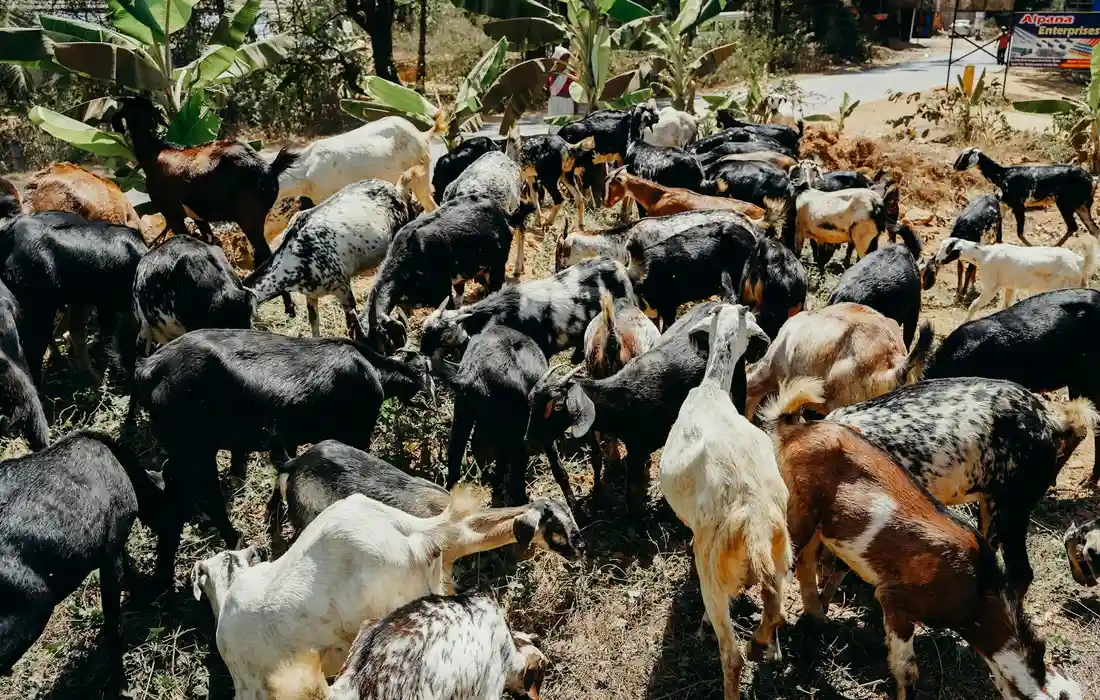
Now, just because a goat’s curiosity can lead them astray doesn’t mean we can’t steer them right. Good stewardship means setting up our homesteads so our animals can succeed. Think of it less as building a prison and more as creating a safe, engaging playground where the ‘bad’ snacks are simply out of reach. That same care translates to creating a safe, enriching environment for special needs goats, with tailored spaces and predictable routines that help them thrive. Simple enrichment features—easy access to feeding, gentle handling, and sensory-friendly spaces—make a big difference. I’ve spent many an afternoon reinforcing fences and rigging up feeders, and I can tell you, a little preventative work saves a world of worry later.
Step 1: Conduct a Hazard Sweep of Your Pens and Pasture
Before you let your herd into a new area, get down on their level. I mean it-get on your hands and knees. You’ll be shocked at what you see: a rusty washer glinting in the grass, a twist of baling wire, a forgotten nail near the shed. Your first and most powerful tool is a five-gallon bucket and a pair of heavy gloves for a thorough pasture pick-up. Do this sweep regularly, especially after high winds or when you’ve had work done around the property.
Pay special attention to these common troublemakers:
- Old fencing staples, nails, or screws around posts and buildings.
- Bits of plastic baling twine or netting.
- Canning jar lids, pull-tabs, or other small metal bits.
- Peeling paint chips from old outbuildings or fences.
- Any litter that may have blown in from your household trash area.
Step 2: Fortify Feeding and Living Areas
Goats are clever escape artists and even cleverer snack thieves. Your storage and feeding systems must be goat-tough, especially when it comes to treats and favorite foods.
Start with your feed. A metal trash can with a tight, locking lid is worth its weight in gold. Don’t just set the lid on top; secure it with a bungee cord. For grain feeders, use designs that minimize spillage onto the ground where it can mix with dirt and debris. I built mine with a slanted, slatted face-they can get their mouths in, but not their feet, which keeps the feed clean.
Your fencing is your best friend. For permanent perimeters, I swear by 12.5-gauge, 4-inch woven wire field fence, at least 4 feet tall. For trash enclosures or compost bins, consider something even sturdier, like cattle panels or wooden fencing. A secure, dedicated area for your household garbage and recycling, far from the goat yard, is non-negotiable for any homestead. An old shed or a raccoon-proof bin works wonders.
Step 3: Provide Goat-Centric Enrichment
A bored goat is a destructive goat. If you don’t give them good, hard work to do, they’ll invent their own projects, like dismantling your shed siding. The answer is to provide acceptable, engaging outlets for their need to browse and manipulate things with their lips and mouths.
I rotate these simple enrichments in my paddock:
- The “Cookie Tree”: I drill holes in a sturdy log or stump and plug them with tasty, healthy treats like alfalfa cubes or slices of beet. They’ll work for an hour trying to pry them out.
- Browse Bundles: I cut safe, leafy branches (maple, willow, blackberry) and hang them from a rope or place them in a sturdy holder. This mimics their natural foraging behavior perfectly.
- Sturdy Play Structures: An old cable spool, a low, solid platform, or well-anchored large rocks give them a place to climb and survey their kingdom, keeping minds and bodies active.
By satisfying their instinct to explore and chew with the right materials, you make that old tin can look a lot less interesting. It’s about offering a better choice, and trust me, a goat with a mouthful of fresh willow has no time for trash.
Beyond the Feed Bucket: Holistic Herd Husbandry
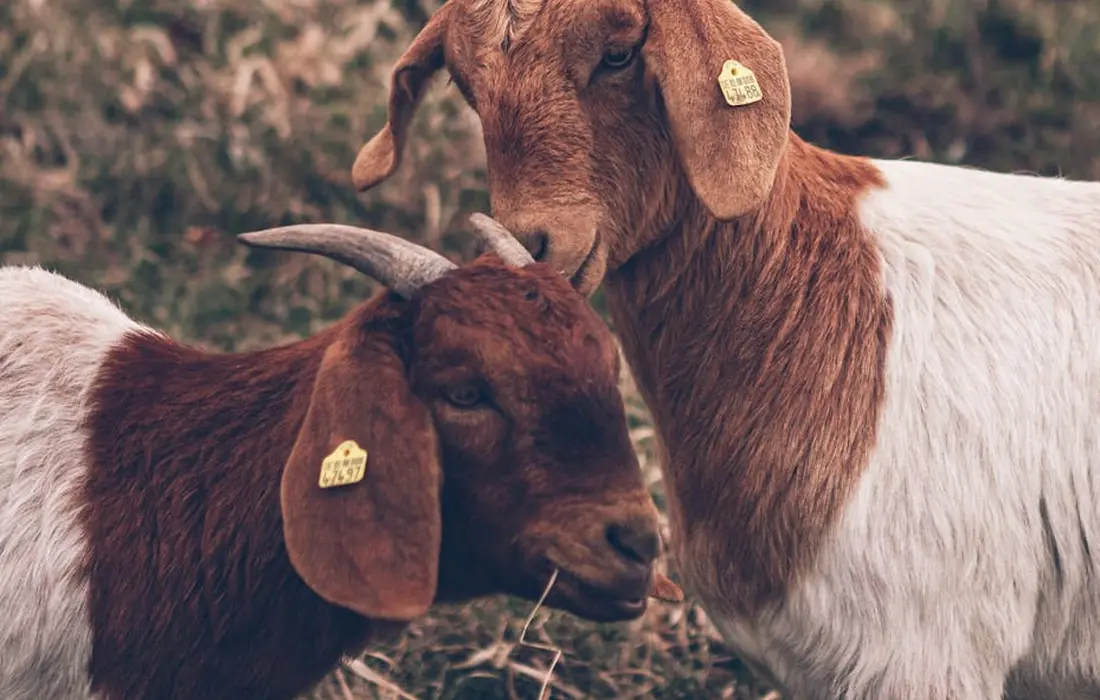
Now, proper feed is the cornerstone, but a healthy goat is about more than what’s in the trough. You have to see the whole picture-their environment, their behavior, and your own daily habits. True goat keeping is a constant, gentle conversation between you and the herd, where you’re listening more than you’re talking, especially when addressing behavioral and feeding issues.
Reading Your Goat’s Appetite and Health
Your goats will tell you everything, if you know the language. I’ve spent years deciphering it from my kitchen window. A healthy appetite for good forage is your best sign. But a sudden, frantic interest in unnatural items? That’s a bright red flag.
Look for these specific signs every single day:
- Eyes & Coat: Bright, alert eyes and a smooth, shiny coat. Dull eyes or a rough, standing coat whispers of internal trouble or poor nutrition.
- Rumen Rhythm: Watch their left side after they eat. You should see a steady, rolling motion every minute or so. No movement? That’s an emergency.
- Manure Matters: Pellet size and consistency are your daily report card. Firm, separate beans are perfect. Clumpy, pasty, or watery pellets signal a dietary imbalance or illness.
- Chewing the Cud: Content, resting goats should be rhythmically chewing their cud. A goat not cudding is a goat in distress.
I learned the hard way that a goat nibbling at a rusty bucket isn’t being “quirky”-it’s often screaming for minerals it’s desperately lacking. That’s why a plain white salt block isn’t enough. They need a quality loose mineral mix, formulated for goats, free-choice in a weatherproof feeder. A reliable goat mineral supplement guide covers essential nutrients and warnings about toxic levels. Knowing these basics helps you choose supplements that truly meet a goat’s needs.
The Steward’s Role in Myth-Busting
We bust these myths not by arguing, but by action. The old tale of the “tin-can-eating goat” persists because folks saw a bored, mineral-deficient animal in a trash-lot lot. Our job is to make that scenario impossible on our watch.
Your daily stewardship is your best defense. Here’s your actionable plan:
- Pasture Patrol: Walk your paddocks twice a week like a detective. Pick up any stray bits of wire, plastic, or litter that blew in. It’s a chore, but it’s cheaper than a vet call for hardware disease.
- Fortify the Perimeter: Goat-proof your storage areas. Use latches on feed room doors and secure lids on trash and recycling bins. A determined goat is a furry Houdini.
- Fence for Safety: Keep them out of trouble. I use 4-foot no-climb welded wire fencing for my main paddocks, with a hot wire on the inside at goat-nose level to discourage leaning and chewing. It keeps them in and keeps random debris out.
- Enrich Their World: A bored goat is a destructive goat. I hang sturdy treat balls or put their hay in slow-feed nets to make meals last. An old, clean pallet leaned against a tree makes a fantastic climbing toy. Mental stimulation is as vital to a goat’s diet as protein, and it keeps their curious mouths busy on appropriate things.
This stewardship builds a rhythm. You’ll find yourself noticing a loose fence staple before it falls, or spotting that one corner where the wind always piles up leaves and debris. It transforms you from just an owner into a true steward, reading the land and the animals as one interconnected whole.
##
Final Thoughts on Goats and Unusual Cravings
Do goats actually eat metal, or is it just chewing?
Goats do not intentionally eat metal to digest it. Their curious, browsing nature leads them to investigate and chew on unusual objects with their lips and teeth. This exploratory chewing is different from true consumption, which is rare and a sign of a serious issue like pica.
Can a goat safely eat a metal can or other metal object?
No, it is not safe. While a goat may crush a tin can, sharp edges pose a severe risk of internal cuts or blockages. Accidental ingestion of small, hidden metal pieces like nails is the real danger, potentially leading to hardware disease.
Why would a goat chew on metal furniture or fencing?
This behavior is a symptom, not a normal diet choice. It typically indicates a mineral deficiency (like copper or salt), boredom from a lack of mental stimulation, or learned behavior from herd mates. The solution is to address the root cause, not the furniture itself.
Is the “goat eating a tin can” just an old myth?
Yes, the image of a goat happily dining on a tin can is a persistent myth. It likely originated from people observing goats chewing and crushing cans with their strong jaws. This action was misinterpreted as eating, cementing the tall tale in popular culture.
What does it mean when people discuss this on forums like Reddit?
Online discussions often highlight real experiences from goat owners whose herds have chewed on inappropriate items. These anecdotes serve as valuable community warnings, emphasizing the importance of proper nutrition, enrichment, and diligent pasture proofing to prevent dangerous habits.
If my goat isn’t eating metal, why should I worry about it?
Even casual chewing can lead to accidental ingestion of sharp fragments or toxic materials like lead-based paint or zinc. Furthermore, the behavior itself is a critical alert from your animal that its dietary, mineral, or environmental needs are not being fully met, requiring your attention.
Shuttin’ the Gate
At the end of the day, our goats ain’t walking trash compactors. They’re clever, hungry explorers. The biggest lesson here ain’t about their stomachs, but about our responsibility as stewards. The surest path to a healthy herd is providing the right nutrition in ample amounts and then being downright vigilant about what they can get into when your back is turned. That includes goat health essentials—identifying and preventing common digestive issues. We’ll dive into how to spot signs of distress and keep their guts healthy in the next steps. Good feed, clean forage, and a tidy homestead beat any miracle cure.
I reckon if we listen to our animals and tend to their real needs, we get to spend less time worryin’ and more time enjoyin’ that sweet, simple life we’re all chasin’. Thanks for sittin’ a spell with me. Now get on out there and enjoy your critters-I’ll see y’all down the pasture road.
Further Reading & Sources
- Breaking Down the Goat Diet | MannaPro
- Debunking Myths: Understanding Goat Diet and Nutritional Needs – YouTube
- Concentrates Concentrates or grain should be fed to goats with higher
Caroline Mae Turner is a lifelong farm girl raised on red clay, early mornings, and the sounds of a bustling barnyard. With hands-on experience caring for everything from stubborn goats to gentle dairy cows and mischievous pigs, Caroline shares practical, tried-and-true advice straight from the farm. Her goal is to help folks keep their animals healthy, well-fed, and living their best barnyard life. Whether you're wrangling chickens or bottle-feeding a baby goat, Caroline brings a warm Southern touch and plenty of real-world know-how to every bucket in the barn.
Feeding Habits