Leafy Greens for Rabbits: A Surefire Guide to Safe Feeding and Happy Bunnies
Published on: June 22, 2026 | Last Updated: June 22, 2026
Written By: Caroline Mae Turner
Howdy y’all, the farmer’s fix is to introduce one new green at a time, and never let leafy portions exceed a cup per four pounds of your rabbit’s body weight each day. I learned this the hard way years ago when a generous bundle of spring greens left my favorite doe with a troubled tummy. Getting this right keeps your rabbits thriving and saves you a heap of worry.
What you’ll need:
- Fresh, washed leafy greens from your garden or a trusted source
- A reliable measuring cup or kitchen scale for portions
- Your rabbit’s unlimited timothy hay and clean water
- A few minutes of observation time at feeding
Let’s get this sorted so you can confidently tuck your rabbits in and move on to the next chore on your list.
The Root of It All: Greens in a Rabbit’s World
Let’s talk about where greens fit in your rabbit’s world. Unlike our chickens who thrive on grains and bugs, or pigs with their cast-iron stomachs, a rabbit’s digestion is a delicate, fiber-dependent engine. Their system is built for constant grazing on roughage, with a special hindgut that ferments food. That’s why unlimited grass hay is non-negotiable-it’s the fuel that keeps everything running smooth. Fresh greens step in as the vital supplement, bringing a burst of vitamins, minerals, and hydration that hay alone doesn’t provide. Think of greens not as the main course, but as the daily multivitamin and water-rich treat that supports overall health without upsetting their delicate gut balance. For a deeper dive into hay types, rabbit types, benefits, and feeding tips, see the ultimate guide. It’s a practical companion to tailor greens and hay to your rabbit’s needs.
I’ve seen the difference in my own herd. A bunny on just hay and pellets does fine, but add in proper greens and their coat shines brighter, they’re more active, and they have that sparkle in their eyes. But overdo it, and you’ll quickly learn about digestive slowdowns. Understanding how pellets compare with fresh greens helps you balance their nutritional needs for a healthier, happier diet. Moderation is the golden rule, as vital as a sturdy fence on a windy day.
A Basket of Safe Greens: From Garden to Hutch
Building your rabbit’s salad bowl is one of the joys of husbandry. You can grow these yourself, pick them up at the market, or forage responsibly. Always introduce any new green slowly, just a leaf or two at first, to see how your bunny takes to it.
Everyday Staples (Low in Oxalates/Calcium)
These greens are low in compounds that can cause issues in excess, making them safe for daily rotation. I keep a mix of these on hand for regular feeding.
- Romaine Lettuce: A crunchy favorite that’s high in vitamin A for good vision and immune health. Avoid iceberg, as it’s mostly water with little nutrition.
- Green or Red Leaf Lettuce: Another excellent base green, offering variety and a different texture they enjoy.
- Endive & Escarole: These slightly bitter greens are packed with fiber and vitamin K, which helps with blood clotting. My rabbits go wild for the crunch.
- Cilantro: This herb is a powerhouse of antioxidants and has a fresh scent that many bunnies adore. It’s a great way to add flavor and nutrients.
- Bok Choy (green parts): The leafy tops are a fantastic source of vitamin C and calcium, but feed it as part of a varied mix to keep calcium levels in check.
Weekly Rotations (Moderate in Oxalates/Calcium)
These greens are nutritious but contain higher levels of oxalates or calcium. Oxalates can bind to minerals, and too much calcium can lead to bladder sludge in some rabbits. They’re treats, not staples.
I reckon on offering these just two or three times a week, and never all at once. Rotate through them to give a broad spectrum of nutrients without overloading any single one.
- Kale: Dense in vitamins A, C, and K, but also higher in calcium. A leaf or two per serving is plenty.
- Spinach: Very high in iron and oxalates. It’s a once-in-a-while green, not an everyday one.
- Parsley (flat-leaf or curly): Mighty rich in vitamin C and iron. A few sprigs make a perfect weekly treat.
- Mustard Greens: They’ve got a peppery kick and are full of folate. Their strong flavor means a little goes a long way.
- Swiss Chard: Beautiful and nutritious, but like its cousins, best served sparingly due to oxalate content.
Foraged & Seasonal Treasures
Nothing thrills this old farmer more than providing free, seasonal fare. These weeds and leaves are often more nutrient-dense than anything you can buy. But listen close: absolute, positive identification is your first and most important step. I’ve spent a lifetime learning plant faces, and I still double-check with a guide.
Only harvest from areas you know haven’t been sprayed with herbicides or pesticides, and well away from busy roads. Wash everything thoroughly.
- Dandelion Greens (leaves & flowers): A superb whole-plant treat, acting as a gentle diuretic. They’re richer in vitamins than most garden greens.
- Raspberry & Blackberry Leaves: These are excellent, especially for does, as they’re believed to support uterine health. Pick them young and tender.
- Plantain (the broadleaf weed, not the fruit): This humble lawn weed is a soothing, fibrous green my rabbits seek out.
- Chickweed: A mild, succulent forage that pops up in cool weather. It’s a lovely seasonal snack.
- Apple Tree Leaves & Twigs: Safe, fibrous, and a great way to use prunings. Just ensure the tree hasn’t been sprayed.
Greens to Avoid: Protecting Your Flock
- Iceberg lettuce is a risky choice for your rabbits, y’all. It contains lactucarium, a milky sap that can cause severe diarrhea and dehydration. I’ve seen it turn a robust rabbit sluggish in a matter of hours.
- Rhubarb leaves are downright dangerous due to their oxalic acid concentration. This compound can lead to kidney damage and calcium deficiency. We grow rhubarb in the back forty, but those leaves never go near the animals.
- Tomato leaves and vines hold solanine, a potent glycoalkaloid toxin. It can disrupt your rabbit’s nervous system and digestion. After one of my young bucks sampled a tomato plant, I learned to keep the garden gate latched tight.
- Potato greens, including the leaves and stems, also carry solanine. Even small nibbles can result in weakness and confusion. I reckon it’s best to toss these parts deep into the compost, well away from curious noses.
- Ornamental plants from your home or landscape often hide grave threats. Common varieties like lilies, philodendron, and oleander are highly toxic. Make a habit of knowing every plant in your rabbit’s reach, and if you didn’t grow it for feed, don’t offer it. I keep a printed list of poisonous plants nailed right to the barn wall.
How Much is Just Right? Figuring Portion Sizes
Now, let’s talk amounts. This is where many folks, with the best intentions, can slip up. You see, a rabbit’s belly is only so big, and it needs to be filled first and foremost with that good, fibrous hay. Greens are the delicious supplement, not the main course. Getting the portion right keeps their digestion smooth, prevents waste, and honors that principle of thrifty stewardship we hold dear. It’s all about balance and understanding their needs.
The Handful Rule of Thumb
I’ve found the easiest way to measure, right there in the garden or kitchen, is with your own two hands. Forget the kitchen scale for a moment. For a standard-sized rabbit, think about what one of their daily servings of greens looks like. A generous, packed cup of mixed greens per two pounds of your rabbit’s body weight is a perfect daily target. That’s about one large adult handful. For my five-pound Dutch doe, that’s two good handfuls a day, split between morning and evening feedings.
- This measured portion is served in addition to an unlimited, endless supply of fresh grass hay, which should make up about 80% of what they consume.
- Packing the cup matters, as leafy greens are fluffy. You’re aiming for nutrient density, not just volume.
- This rule keeps things simple and visual, whether you’re picking dandelion greens from the yard or rinsing store-bought romaine.
Adjusting for Age, Size, and Condition
Just like you wouldn’t feed a newborn calf the same as a milking cow, your rabbit’s greens need to match their stage of life and body condition. This careful adjustment is the heart of good husbandry. Watching your animal and tailoring their diet is the mark of a true steward, and it saves you from tossing costly, uneaten produce into the compost. It’s crucial to know what you can safely feed your rabbit.
- Kits (Baby Rabbits): Hold off entirely until they’re at least 12 weeks old. Their delicate systems are built for mama’s milk and alfalfa hay. I introduce greens slower than molasses in January-just a single leaf or two of a mild green like romaine, once they’re past that three-month mark, watching closely for any soft stools.
- Large & Giant Breeds: A Flemish Giant or Continental can weigh over 15 pounds! They’ll need those proportionate handfuls. It might look like a salad bowl to you, but it’s just right for their bigger frame. Stick to that cup-per-two-pounds guideline.
- Overweight Rabbits: If your bunny is getting a bit round, cut back the greens slightly and double-check the quality of their hay. Increase their exercise space first, then reduce greens by about a quarter, replacing that volume with more hay. The goal is weight loss through increased fiber, not hunger.
- Active Breeding Does or Outdoor Rabbits in Winter: These animals have higher energy needs. You can nudge their portion up a bit, but always within reason. I’ll add an extra handful of a nutrient-dense green like kale or carrot tops for my winter colony, but the foundation remains that steady stream of hay.
The Right Way to Serve: Feeding Guidelines that Work
-
Step 1: Always Wash Thoroughly
You’d be surprised what clings to those lovely leaves. I always give my greens a good rinse under cool running water, scrubbing gently with my hands to loosen any soil. This simple act washes away not just dirt, but potential pesticides and harmful bacteria that could upset your rabbit’s delicate gut. If you’re lucky enough to pull greens straight from your own garden, going organic saves you a step and gives you peace of mind.
-
Step 2: Introduce One New Green at a Time
Patience is a virtue, especially with rabbit digestion. When I bring a new green to the hutch, I offer just a small handful and then wait a full 72 hours before adding anything else. This wait and see period lets you spot any signs of soft stools or bloating before a minor issue becomes a big problem. I learned this lesson years ago when I got too excited with my first litter of kits and gave them dandelion, cilantro, and parsley all at once. Let’s just say the cleanup was memorable, and the vet bill was a sharp teacher.
-
Step 3: Chop for Ease, Serve Whole for Enrichment
How you serve greens matters as much as what you serve. For young bunnies or when first offering a new type, I chop leaves into bite sized pieces to prevent choking and make eating easier. Once they’re accustomed, serving greens whole encourages natural foraging behavior and helps wear down those ever growing teeth on fibrous stems. I often hang whole romaine leaves or kale stems from the cage top, turning meal time into play time.
-
Step 4: Maintain the Hay and Pellets Balance
Never let leafy greens crowd out the staples. In my barn, hay is king, pellets are the loyal subjects, and greens are the cherished guests. Think of a rabbit’s daily plate like this: a big heap of grass hay should make up about 80% of what they eat, with fortified pellets around 10%, and fresh greens rounding out the final 10%. This balance keeps their digestive system humming and prevents nutritional shortages. Think of fresh food ratios for rabbits as a simple guide: hay first, veggies second, pellets third, with treats kept to a minimum. When you plan meals, these four components—hay, greens, pellets, and treats—fit neatly into those ratios.
Diet Component Percentage Grass Hay 80% Pellets 10% Fresh Greens/Vegetables 10%
Troubleshooting: When Greens Cause a Ruckus
Even with the best intentions, a rabbit’s digestion can sometimes throw a fit after greens. Seeing your bunny uncomfortable is a worry, but most times, a swift and simple correction will set things right. Let’s mosey through the common troubles, their likely causes, and what you ought to do.
-
Loose Stools or Diarrhea
You’ll spot this mess in the litter box first. This almost always means you’ve offered too much green too fast, or chosen a type with very high water content, like iceberg lettuce. It’s a classic case of a good thing gone overboard.
Your first step is to remove all greens from the hutch, immediately and completely. Offer nothing but unlimited grass hay and clean water for the next day or two. That coarse hay is the perfect medicine to soak up excess and get the gut back on schedule.
-
Gassiness and Bloating
A gassy rabbit may sit all hunched up, refuse treats, or have a belly that sounds like a tiny thunderstorm. This discomfort often traces back to the brassica family-kale, cabbage, broccoli leaves-which can ferment quickly in a sensitive gut. I’ve had more than one rabbit give me the stink-eye after a too-hearty helping of spring greens.
Stop feeding the suspect greens at once and encourage your rabbit to munch on plain hay. A soft belly rub can sometimes ease the pain, but if the discomfort lasts more than a few hours, it’s a sign to stick to simpler fodder for a while.
-
A Swollen or Hard Stomach
This is a more urgent sign you can’t ignore. A taut, distended belly can signal GI stasis, often triggered by a sudden rich meal or greens high in oxalates, like spinach or Swiss chard, binding up the system. It’s not common with careful feeding, but it does happen.
This situation calls for a veterinarian, plain and simple. While you’re waiting for help or traveling to the clinic, keep your rabbit warm and quiet with plenty of hay and water available. Do not try to force-feed any food or supplements, especially if your rabbit is not eating. It’s crucial to address appetite loss promptly, as it can be a sign of serious health concerns.
Let me be clear about the vet. If your rabbit stops eating all food, including hay, or produces no droppings for over 12 hours, that’s your signal to make the call without delay. A timely consultation is the thriftiest and kindest stewardship you can provide for your animal, especially when it comes to rabbit digestive health and eating habits.
Growing and Sourcing Greens on a Homestead Budget
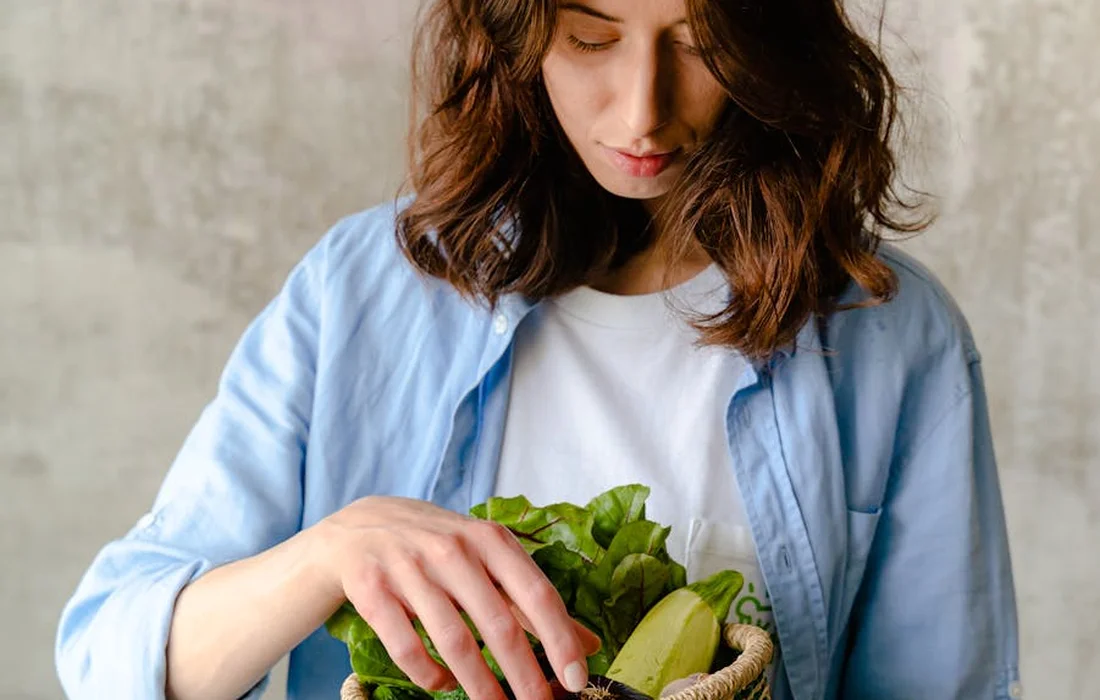
Keeping your rabbits in leafy greens doesn’t have to mean constant trips to the grocery store. With some smart planning and a bit of dirt under your nails, you can source most of their salad right from your own land or local community, all while watching your pennies. I’ve fed herds for decades this way, and it always comes back to good stewardship and a thrifty spirit. Knowing what to forage makes all the difference.
Planting a “Rabbit Garden” Patch
I always set aside a dedicated plot for my rabbits-it’s a game-changer for your feed bill and your peace of mind. This little patch ensures your bunnies get fresh, pesticide-free greens, and you get the satisfaction of a direct harvest.
- For easy, productive greens, you can’t beat arugula, collard greens, and kale. They’re rugged, fast-growing, and my rabbits clean them up every time. Arugula is ready in about 40 days, collards provide huge yields per plant, and kale’s cold tolerance gives you a longer harvest window.
- My best tip is to practice successive planting every two weeks during the growing season. Simply sow a new row of seeds alongside your maturing plants. This rhythm guarantees a continuous, cheap supply and prevents a feast-or-famine situation for your critters.
Bulk Buying and Storage Savvy
When your garden sleeps or you need to bulk up, turning to your community is the next smartest move. Buying in volume directly from a grower stretches your dollar farther than any store-bought bag ever could.
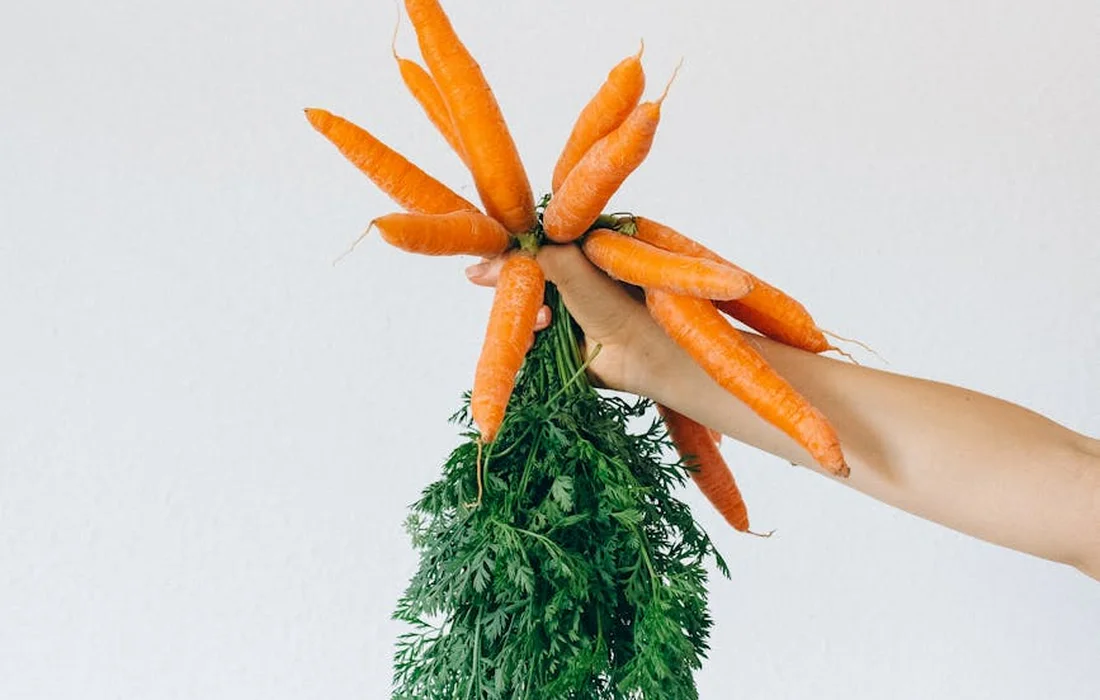
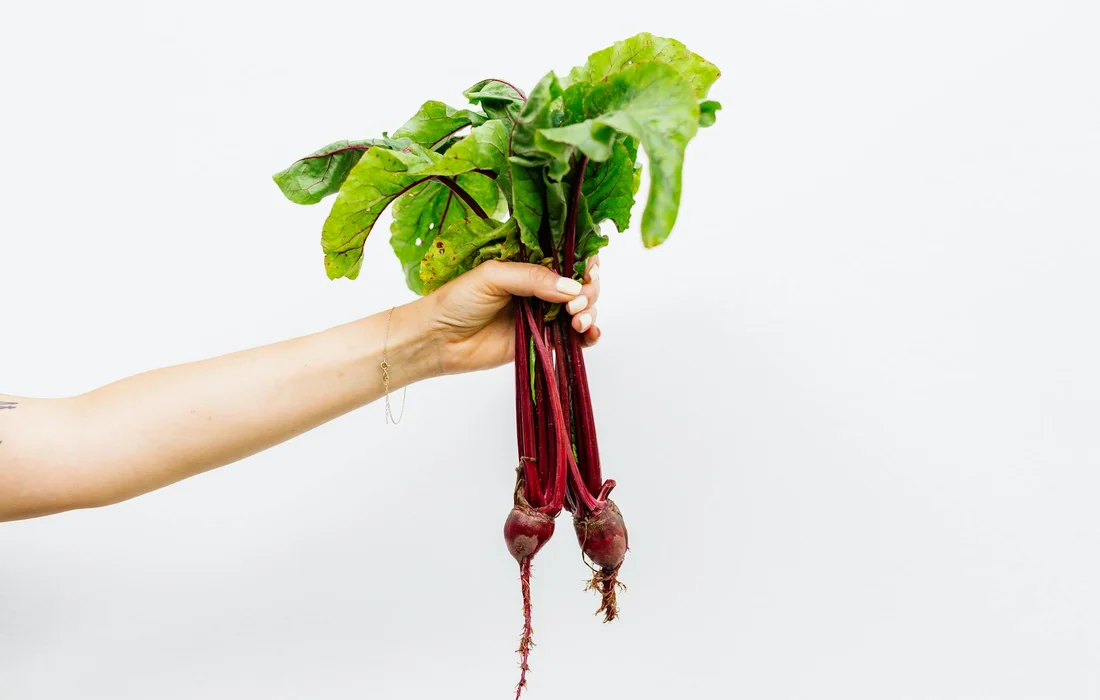
- Visit local farmer’s markets or agricultural co-ops and ask about “seconds” or bulk pricing on leafy bunches. I often get beautiful, oversized bundles of carrot tops or beet greens for a song because they’re not the main commercial crop. Building that relationship with a farmer is worth its weight in gold.
- Proper storage is key to making those bulk buys last. After a gentle wash and spin, I wrap the greens in a damp, clean kitchen towel and place them in the crisper drawer. This keeps them hydrated and crisp for well over a week, so nothing goes to waste.
Closing Tips
Can rabbits eat leafy greens every day?
Yes, rabbits can enjoy leafy greens daily, but focus on safe, low-oxalate staples like romaine lettuce and endive to avoid digestive upset. Remember to keep portions small, typically a cup per four pounds of body weight, and always prioritize unlimited hay as their main diet. For a quick reference on how much fresh vegetables rabbits should eat daily, see our vegetable portion guide.
What nutritional benefits do leafy greens provide for rabbits?
Leafy greens deliver vital vitamins, minerals, and hydration that boost a rabbit’s health, enhancing everything from coat quality to immune support. They act as a natural supplement to hay, offering nutrients like vitamin A and fiber without disrupting gut balance when fed in moderation.
How can I buy leafy greens for rabbits in bulk to save money?
To save on costs, purchase bulk greens from local farmers or co-ops, often as “seconds” like carrot tops or beet greens. Store them wrapped in damp towels in the crisper drawer to maintain freshness for over a week, reducing waste and trips to the store.
Where can I find bulk leafy greens for rabbits near me?
Look for bulk greens at nearby farmer’s markets, agricultural co-ops, or community-supported agriculture (CSA) programs. Connecting with local growers can yield affordable, pesticide-free options, and some may even offer delivery or pickup for convenience.
Does Walmart sell bulk leafy greens suitable for rabbits?
Walmart may carry bulk leafy greens in their produce section, but always check for freshness and opt for organic varieties to minimize pesticide exposure. Thoroughly wash all store-bought greens to remove residues before feeding them to your rabbits.
Are there any leafy greens that rabbits should never eat?
Absolutely, avoid toxic greens like rhubarb leaves, potato greens, and ornamental plants such as lilies, as they contain harmful compounds. For quick reference, a toxic vegetable list for rabbits can help you spot other hazards. Stick to verified safe lists and never forage from areas treated with chemicals to keep your rabbits healthy.
Shutting the Gate
You now have the know-how to turn your kitchen scraps and garden trimmings into a feast for your floppy-eared friends. The single most important key to their health is introducing just one new green at a time, in a small portion, and watching them for a full day before offering anything else. This simple habit of patience is your best defense against a troubled tummy.
I reckon the true joy of this life is found in these quiet, daily rituals-handing a sprig of mint through the wire and watching those noses wiggle with delight. Thank y’all for spending this time at the virtual fence line. Now go enjoy those happy munching sounds from your own rabbitry. Happy feeding, neighbors.
Further Reading & Sources
- What Are the Best Vegetables and Leafy Greens for Rabbits?
- Vegetables for Rabbits
- What are the best greens and foods for rabbits?
Caroline Mae Turner is a lifelong farm girl raised on red clay, early mornings, and the sounds of a bustling barnyard. With hands-on experience caring for everything from stubborn goats to gentle dairy cows and mischievous pigs, Caroline shares practical, tried-and-true advice straight from the farm. Her goal is to help folks keep their animals healthy, well-fed, and living their best barnyard life. Whether you're wrangling chickens or bottle-feeding a baby goat, Caroline brings a warm Southern touch and plenty of real-world know-how to every bucket in the barn.
Feeding Guidelines