Goat Foraging Safety: Your Guide to Identifying and Avoiding Toxic Plants & Trees
Published on: June 25, 2026 | Last Updated: June 25, 2026
Written By: Caroline Mae Turner
Howdy y’all. Your best defense against trouble is a simple, regular walk of your grazing areas to spot and isolate common dangers like oleander, rhododendron, and wild cherry before your curious goats ever find them. Nothing turns a good day sour faster than worrying over what those adventurous eaters might have gotten into.
What you’ll need:
- A reliable regional plant identification book.
- Time for a weekly pasture scout.
- Materials for temporary fencing or tree guards.
We’ll get this sorted step-by-step, so you can turn your herd out with confidence and get on with your day.
Understanding Goat Foraging and Plant Toxicity Risks
Goats are born foragers, not grazers. Their natural instinct is to browse, sampling leaves, twigs, bark, and weeds from knee-level to as high as they can stand. This adventurous palate means they’ll try a little bit of everything green and growing in their path. While this makes them excellent at clearing brush, it also exposes them to a wider array of potential toxins than a grass-focused cow ever encounters.
Plant toxicity worries us because a goat’s complex rumen can’t always break down certain defensive chemicals. What might cause a mild stomachache in one animal can trigger a deadly reaction in another, depending on the individual’s gut flora, age, and overall health. When pastures include bittersweet species or other toxic weeds, vigilance is essential to keep goats safe. Understanding each plant’s risks helps shape safer grazing plans and weed control strategies. You must remember that a goat’s curiosity does not come with built-in wisdom; it’s our job to be the wise stewards of their pasture.
Risk isn’t always straightforward. Several factors turn a plant from suspicious to dangerous:
- Plant Part: Berries, seeds, or bark are often more concentrated than leaves.
- Season & Growth Stage: Young, lush growth in spring can be more toxic than mature plants.
- Environmental Stress: Drought or frost can cause plants to produce more toxins as a defense.
- Animal Vulnerability: Kids, pregnant does, and sick goats have much lower tolerance levels.
The Goat’s Curious Palate
I recall a time when a new willow tree sprouted near our fence line. The goats spotted those tender leaves and made a beeline for them, stretching their necks through the woven wire. Now, willow is generally safe, even beneficial, but their eagerness was a perfect lesson. They weren’t thinking “medicine” or “food”-they were thinking “new and interesting.” That’s the browsing instinct in action. Sheep or cows would have kept their heads down, mowing the orchard grass. This fundamental difference is why you can’t manage goat pasture with the same plant list you’d use for other livestock, especially considering their varied diet. Their world is vertical, and so are their risks.
How Toxins Affect Your Herd
In simple terms, most plant poisons are either alkaloids or glycosides. Think of alkaloids as the plant’s bitter, chemical warfare-they can attack the nervous system or the heart. Glycosides often mess with cellular energy or release cyanide in the gut. Some villains, like the yew tree, are always armed and deadly. Others, like wild cherries, only become toxic when the leaves wilt, releasing their poison. Recognizing the difference between an always-bad plant and a sometimes-bad plant is a cornerstone of safe herd management.
Common Toxic Plants and Trees: Identification and Dangers
Highly Toxic Plants to Eradicate Immediately
These are the ones I treat like a snake in the henhouse. No compromise. If you see them, dig them out by the roots.
- Yew (all types): Needle-like evergreen leaves with red berries. The entire plant, especially the prunings, contains taxine alkaloids. Ingestion causes sudden death from heart failure, often with no warning signs.
- Oleander: Tall shrub with long, leathery leaves and pink, red, or white flowers. Contains cardiac glycosides. Even a few leaves can cause severe colic, tremors, and fatal heart abnormalities.
- Poison Hemlock: Tall, spotted stem resembling a purple-blotched celery stalk with fern-like leaves. Contains coniine alkaloids. Symptoms include trembling, salivation, lack of coordination, and respiratory paralysis.
- Castor Bean: Large, star-shaped leaves with spiny seed pods. The seeds contain ricin, a potent protein toxin. Causes severe vomiting, diarrhea, thirst, and convulsions.
Toxic Trees and Shrubs in Pastures and Woodlands
These often lurk on wood lines or are planted as ornamentals. Pay close attention to fallen branches after a storm.
- Rhododendron & Azalea: Glossy, oval leaves with showy spring flowers. Contain grayantoxins. Leads to excessive drooling, vomiting, weakness, and loss of coordination.
- Cherry Family (Wild Cherry, Chokecherry, Laurel): Wilted leaves, twigs, and pits release cyanide. Look for bright green leaves on a broken branch that has begun to wilt. Causes brick-red mucous membranes, labored breathing, and can be rapidly fatal.
- Laburnum (Golden Chain Tree): Distinctive hanging clusters of yellow flowers. All parts, especially the seeds, contain cytisine. Symptoms are intense sleepiness, vomiting, convulsions, and coma.
- Boxwood: Dense, small-leaved evergreen shrub common in landscaping. Alkaloids affect the nervous system, causing vomiting, diarrhea, and seizures.
- Privet: Common hedge plant with small, dark green leaves. Berries and leaves contain glycosides, causing gastrointestinal upset and nervous system disturbances.
Weeds, Vines, and Garden Escapees
These are the opportunists, springing up along fence rows, in overgrown corners, or from spilled birdseed.
- Nightshade Family (Deadly Nightshade, Black Nightshade): Purple or white star-shaped flowers with green or dark berries. Contain solanine glycoalkaloids. Causes dilated pupils, excessive salivation, and severe gastrointestinal upset.
- Datura (Jimson Weed, Angel’s Trumpet): Large, trumpet-shaped flowers and spiny seed pods. Packed with tropane alkaloids. Leads to frantic behavior, rapid pulse, tremors, and blindness.
- Foxglove: Tall spike of bell-shaped purple, pink, or white flowers. Contains digitalis glycosides, affecting the heart. Symptoms mimic oleander poisoning.
- Mistletoe: The green, parasitic clump you see in deciduous trees. Berries and leaves contain phoratoxin, causing acute gastrointestinal distress and cardiovascular collapse.
- Poison Ivy/Oak: “Leaves of three, let it be.” The urushiol oil causes severe skin dermatitis. If goats browse it, the oil can pass into their milk, posing a risk to sensitive humans who drink it.
- Buckthorn: Small tree or shrub with glossy, oval leaves and dark berries. The bark and fruit have a strong laxative effect, leading to severe dehydration and nutrient loss.
Recognizing Symptoms of Plant Poisoning in Goats
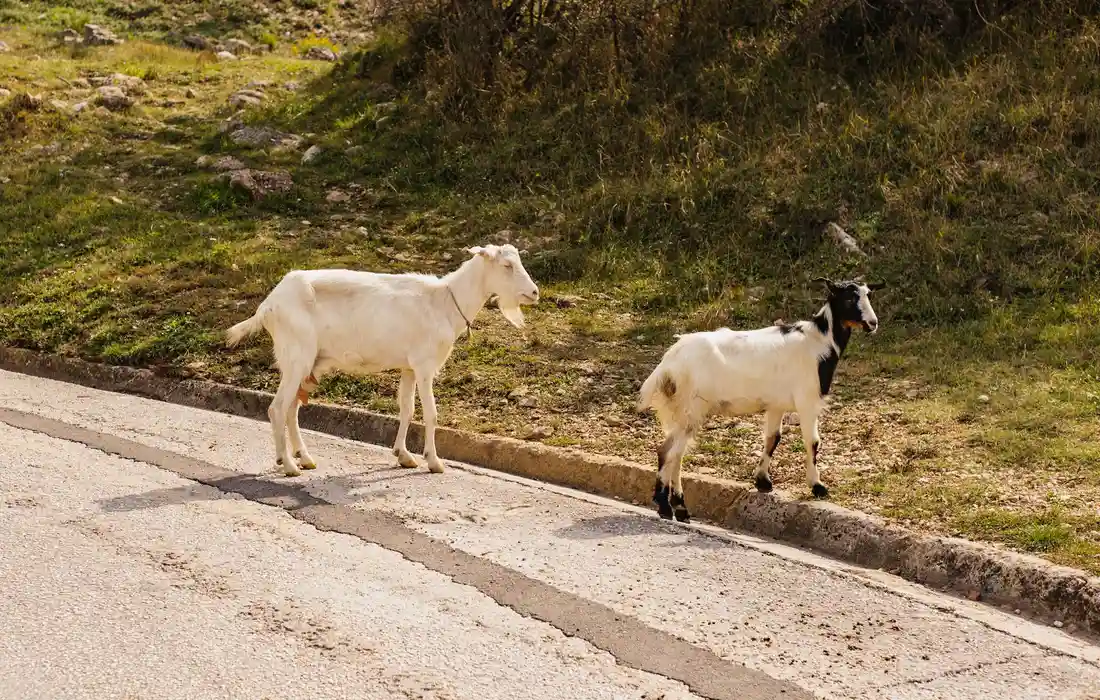
Spotting trouble in your herd requires a watchful eye, as symptoms can swing wildly depending on whether they ate a handful of oleander or have been nibbling bracken fern for weeks. You’ll save yourself a heap of worry and your goats a world of hurt by learning to tell the sudden, scary signs from the slow, sneaky ones.
I reckon the first rule of thumb is this: acute poisoning hits like a thunderclap, while chronic exposure is more like a slow drip wearing away a stone.
Signs of Acute Poisoning
When a goat gets into a seriously toxic plant, their body will tell you loud and clear that something is terribly wrong. This is no time for waiting-acute poisoning is a flat-out emergency that demands immediate intervention from you and your vet. I learned this the hard way years back when a curious doeling sampled some wilted cherry leaves; we moved fast, and thank goodness she pulled through.
- Sudden, excessive drooling or frothing at the mouth.
- Muscle tremors, staggering, or obvious weakness.
- Labored breathing, bluish gums, or gasping.
- Severe abdominal pain (colic): kicking at the belly, grinding teeth.
- Violent diarrhea, often with blood or unusual color.
- Rapid collapse, seizures, or sudden death.
Indicators of Chronic or Low-Level Exposure
This quieter danger often goes unnoticed until real damage is done. It’s what happens when goats regularly browse “iffy” plants like boxwood, privet hedge, or even some fescue grasses. Chronic poisoning undermines your animal’s health from the inside out, wasting your feed investment and their vitality. Stewardship means noticing the subtle changes before they become big problems.
- Gradual, unexplained weight loss despite good feed.
- A poor, rough, or patchy hair coat that lacks luster.
- Steady drop in milk yield for your does.
- Low energy, dullness, or just not acting like themselves.
- Subtle neurological signs: mild head pressing, slight clumsiness, or a vacant stare.
- Poor growth rates in kids and yearlings.
I keep a simple journal for each animal-just a few notes on condition and behavior-which has helped me spot these slow trends. Thriftiness in husbandry isn’t just about saving pennies; it’s about investing attention to prevent loss.
Emergency Response and First Aid for Poisoning
Even the most vigilant shepherd can face a scare. I’ve been there, heart hammering, scooping a wobbly kid away from a suspect bush. Having a plan drilled into your mind is the single greatest gift you can give your herd when seconds count. This isn’t about panic; it’s about prepared, purposeful action.
Immediate Steps to Take
When you suspect poisoning, your movements need to be swift and deliberate. Follow these steps in order.
- Secure the entire herd first. Move every goat out of that pasture or paddock and into a safe, familiar enclosure like a clean stall or a bare lot. Don’t just remove the one showing symptoms; others may have nibbled too.
- Grab a sample. Snip a branch with leaves, berries, or flowers-whatever was eaten. If you can’t get a sample, take several clear photos of the plant from different angles, including any nearby look-alikes.
- Make the call. This is why your vet’s number belongs in your phone and on the barn wall. Call them immediately. If you can’t reach them, call the ASPCA Animal Poison Control Center (888-426-4435). Have your credit card ready for the consultation fee; it’s worth every penny.
- Follow professional guidance only. The old barnyard advice of oil or eggs can do more harm than good, potentially hastening the absorption of toxins or causing aspiration. Wait for the expert’s directive before putting anything in that goat’s mouth.
Working with Your Veterinarian for Treatment
Your vet is your partner in this crisis. The quality of information you provide directly shapes the treatment. Be ready to report clearly.
- The suspected plant (show your sample or photo).
- Your best guess on how much was consumed and how long ago.
- Every symptom you’ve observed, from trembling and bloating to changes in gum color or stool.
- The number of animals exposed and which ones are symptomatic.
Based on the toxin, your vet will advise treatment, which often involves administering activated charcoal at the clinic to bind the poison, followed by intravenous fluids to support the kidneys and flush the system. They may provide medications to control seizures or pain. Your job is to get the goat to them quickly and be their eyes on the ground beforehand.
Preventing Exposure: Pasture Management and Safe Foraging
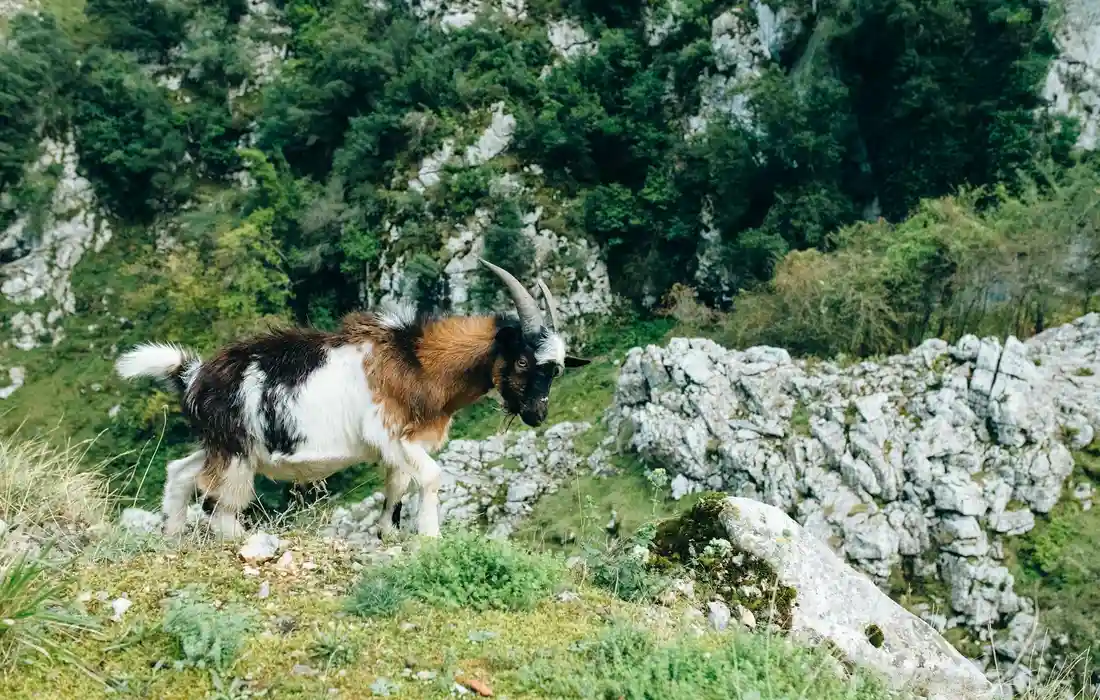
Y’all, keeping your goats safe starts long before they ever take a bite. It’s about thoughtful land stewardship. Good pasture management is a blend of vigilance and generosity-denying access to the bad while plentifully providing the good. That same care informs goat foraging pasture management best practices. We’ll dive into those in the next steps.
I keep costs down by working with the seasons, not against them. Here’s my annual checklist that won’t break the bank:
- Early Spring: Walk every paddock to spot young poison hemlock or milkweed. Pull them roots and all-this is when they’re easiest to defeat.
- Late Spring/Early Summer: Before the heat sets in, sow quick-growing, safe annuals like cowpeas to outcompete sneaky weeds.
- After Any Summer Storm: This is non-negotiable. I head out with a wheelbarrow to collect broken branches from wild cherry or oak before the herd finds them.
- Fall: Overseed pastures with a hardy clover mix. Its dense growth helps smother unwanted plants next year.
- Winter Planning: Sketch out next year’s browsing lanes. Order seeds for goat-safe shrubs; they’re cheaper as bare roots in dormancy.
Planting intentional, safe forage is the thriftiest trick I know. A pasture packed with delicious, goat-approved plants naturally crowds out the dangerous interlopers, saving you endless weeding time.
Conducting Regular Pasture Audits
Think of a pasture audit like visiting a neighbor-you do it often, and you look for changes. I do a formal walk-through each season, with my eyes at goat level. You’ll spot budding foxglove or a new castor bean seedling you’d never see from the tractor seat.
Post-storm checks are critical. Just last fall, a windstorm brought down a large limb from a wild black cherry tree right into the goat paddock. We got to it before the goats did. Here’s my method:
- Arm yourself with heavy gloves, a digging tool, and a sack for debris.
- Walk a slow, zig-zag pattern, covering the entire area. Look under logs and along fences.
- Dig out the entire root system of perennial poisons like jimsonweed to prevent regrowth.
- Dispose of toxic plants away from the pasture-burning or bagging for landfill is safest.
Fencing and Physical Barriers
A determined goat views a flimsy fence as a personal challenge. My rule is to build once, build right. Sturdy, 4-foot woven wire fencing with secure posts is worth every penny for perimeter lines, especially near ornamental gardens. Those beautiful azalea and rhododendron bushes are deadly snacks.
Fence line management stops trouble at the border. Vines like poison ivy use fences as a highway. I maintain a cleared, 2-foot barrier on both sides of the fence, which also makes repairs a sight easier. For small, particularly toxic ornamental trees like Japanese yew, I sometimes add a standalone panel of cattle panels in a circle around the trunk.
Planting Goat-Safe Forage and Browse
A goat with a full belly of tasty browse is a contented goat, not a curious one. I actively plant what I call “goat candy” in spare corners and along sun-drenched fencelines. Goat treats and favorite foods matter. Do goats like to eat apples, carrots, or leafy greens? Providing ample, preferred food sources is the single best way to reduce risky foraging behavior.
These are the workhorses in my pastures that my herd devours and that thrive with little care:
- Blackberry & Raspberry Brambles: They eat the leaves, canes, and fruit. I just manage the spread, and the thorns even create a natural barrier.
- Willow Saplings: I plant them in wet areas. Goats strip the bark and leaves, which have natural salicylic acid-it’s like aspirin on a stem.
- Mulberry Trees: Fast-growing, and every part is safe. They provide wonderful summer shade, too.
- Poplar and Alder: Great for coppicing. Cut them back, and they sprout fast, providing endless fresh browse shoots.
I interplant these with hardy herbs like oregano and thyme, which have natural antimicrobial properties. This layered approach doesn’t just feed them; it builds their health from the ground up.
A Barnyard Perspective: Toxicity in Other Farm Animals
Y’all, when you’re tending a mix of critters, you see firsthand that a plant one animal ignores can make another mighty sick. Understanding these differences is the bedrock of safe foraging and feeding for every animal on your place, from the pecking hens to the grazing herd. It’s especially crucial knowing whether goats can eat certain plants like cattails. It ain’t just about goats; it’s about stewarding the whole farm’s pantry.
Comparing Sensitivities: Goats vs. Chickens, Pigs, and Cows
Around here, we learn each animal’s quirks. What might give a goat a bellyache could knock a pig flat. Here’s a quick breakdown from my own fence-line observations:
- Oleander and Rhododendron: These are downright dangerous to most livestock. I pulled up every oleander on my property after a neighbor’s cow got into some trimmings. Goats, cows, pigs-none should ever touch it.
- Nightshades (e.g., black nightshade): Pigs seem to find the berries irresistible, but they pay a high price with severe digestive upset. Goats might browse a leaf or two without immediate issue, but I don’t let it stand. Chickens typically avoid it, but I’ve seen them peck a berry.
- Poison Hemlock and Water Hemlock: These are the great equalizers. There is no tolerance in any barnyard animal for hemlock; a handful of leaves can be fatal for a goat, a cow, or a pig. I scout my wet areas every spring without fail.
- Moldy Feed or Forage: Pigs and chickens might root or scratch up moldy grain, risking mycotoxin poisoning. Cows on moldy sweet clover hay can develop bleeding problems. Goats are a bit hardier, but it’s a risk I never take with any of them.
Shared Pasture Considerations
Running a mixed herd and flock means your pasture management has to be twice as smart. The biggest mistake I see folks make is thinking a “livestock-safe” pasture is safe for all livestock. You’ve got to plan for the most sensitive animal in the bunch.
- Species-Specific Rotation: I often run chickens after cows. They’ll scratch apart cow patties and eat larvae, but they won’t touch many broad-leaf weeds that could harm goats. Pigs can root out some problem plants, but only if those plants aren’t toxic to them first-so know your weeds!
- Strategic Fencing: If a pasture has a stand of something like johnsongrass (risky for goats after a frost but often okay for cows in summer), I’ll use temporary electric netting to keep the goats out while the cows graze it down. A simple physical barrier is the cheapest insurance policy you can buy.
- Know Your Clovers: This is a classic example. Lush white clover can cause bloat in cows and sheep, but goats are less prone. However, certain clovers like crimson clover are generally safe for all. You have to identify what’s growing underfoot and manage accordingly.
Frequently Asked Questions
1. Where can I find reliable pictures to help identify toxic plants for goats?
Your best resources are local Cooperative Extension service guides and reputable university agriculture websites. Invest in a regional field guide with clear photographs, as plant appearance can vary by location and season.
2. My goat ate a few leaves from an unknown bush. What should I do first?
Immediately remove the entire herd from the area and try to identify the plant by taking clear photos of its leaves, flowers, and growth pattern. Contact your veterinarian or poison control with these details; do not administer home remedies without professional guidance.
3. Are the plants toxic to goats also dangerous for my chickens, pigs, or cows?
Many are, but sensitivity varies. For example, plants like oleander, yew, and hemlock are lethal to virtually all livestock. However, some species like certain nightshades may affect pigs more severely than goats. Always manage for the most sensitive animal in your care.
4. Can I use pictures from a general plant ID app to check for toxicity?
While apps are helpful for initial identification, they are not infallible for toxicity information. Always cross-reference the app’s ID with a trusted livestock-specific resource or your local extension agent before declaring a plant safe.
5. What’s the most common mistake in identifying toxic plants from pictures?
The most common error is misidentifying a plant due to seasonal changes, like confusing young poison hemlock with wild carrot (Queen Anne’s lace). Always examine multiple features-stem, leaves, flowers, and growth habit-not just a single leaf.
6. If I remove a toxic plant, is it safe for goats to forage that area afterward?
You must remove all plant debris, including fallen leaves and berries, and monitor for regrowth from root systems. Some toxins can persist in the soil briefly, so it’s prudent to keep the area clear for a short period before allowing access again.
Final Pasture Management Tips
Consistency is your greatest tool. Schedule regular pasture walks with your identification guide in hand, and don’t hesitate to fence off unknown plants until you are certain of their safety. Building a diverse buffet of goat-safe plants is the most effective long-term strategy to curb their curiosity about dangerous plants.
Back to the Pasture
At the end of the day, keeping your goats safe from toxic plants boils down to one simple, daily practice: knowing your land. Your most powerful tool isn’t a herbicide; it’s your own two eyes and the habit of walking your pasture with a curious mind. Make a weekly stroll along your fence lines a non-negotiable ritual, looking for new sprouts and identifying every flower and leaf, especially toxic plants for goats like hemlock, hemp, and other poisonous weeds, because the best treatment for poisoning is the prevention you do yesterday. Pair that vigilance with providing plenty of good, clean forage, and you’ll build a foundation of health that gives you peace of mind every time you open the gate.
I reckon I’ll head back out to the barn now, where the sound of contented chewing is the finest kind of music. This life we’ve chosen, of watching over our creatures and our patch of earth, is a good one. May your own pastures stay green, your goats stay rotund and mischievous, and your heart remain full with the simple work of stewardship. Happy foraging, friends.
Further Reading & Sources
- Plants Poisonous to Livestock – Cornell University Department of Animal Science
- Toxic Plants Dangerous to Goats Florida
- Edible & Poisonous Plants for Goats
Caroline Mae Turner is a lifelong farm girl raised on red clay, early mornings, and the sounds of a bustling barnyard. With hands-on experience caring for everything from stubborn goats to gentle dairy cows and mischievous pigs, Caroline shares practical, tried-and-true advice straight from the farm. Her goal is to help folks keep their animals healthy, well-fed, and living their best barnyard life. Whether you're wrangling chickens or bottle-feeding a baby goat, Caroline brings a warm Southern touch and plenty of real-world know-how to every bucket in the barn.
Forage Options