
Can Chickens Eat Citrus? The Thrifty Homesteader’s Guide to Oranges, Tangerines & Peels
Published on: June 27, 2026 | Last Updated: June 27, 2026
Written By: Caroline Mae Turner
Howdy y’all, let’s cut through the confusion about kitchen scraps: your hens can peck at small bits of orange or tangerine flesh as a occasional treat, but you should skip the bitter peels and grapefruit altogether. I’ve learned from years in the coop that what seems like a handy snack can sometimes cause more fuss than it’s worth.
What you’ll need:
- Fresh citrus fruits like oranges or tangerines
- A knife to slice the flesh into chick-sized bits
- A clean feed dish to avoid spoilage
- Two minutes of your time for monitoring
Let’s walk through the details so you can handle those fruit scraps with ease and get on with your day.
The Straight Talk on Chickens and Citrus
Well now, let’s settle this coop gossip once and for all. Yes, your chickens can eat citrus fruits. I’ve been sharing winter oranges with my flock for near twenty years, watching them dash for those bright slices like they’ve found gold. The fear around citrus is older than my favorite barn cat, often blaming the oils and acidity. But from my porch to your pen, a little citrus won’t harm your birds. It’s all about the how and the how much.
Think of citrus as a treat, not a staple. Their main fare should always be a balanced layer feed, around 16-18% protein for most hens. Offering citrus is like handing out a Sunday dessert-it’s a welcome change, but it doesn’t replace the meat and potatoes of their diet. When it comes to treats for chickens, not all fruits are created equal; some, like melon and cantaloupe, are also crowd favorites. I recall one icy morning when I tossed out some mandarin orange segments; the hens turned it into a lively, pecking party that warmed my heart against the chill.
You can safely offer the flesh of most common citrus:
- Oranges (navels, Valencias, you name it)
- Tangerines and their easy-peel cousins
- Mandarin oranges, straight from the can or fresh
- Grapefruit, though its tartness means some flocks might turn up their beaks
Now, about those peels. This is where folks get nervous. The peels are safe, but they’re tough and packed with potent oils. My method? I only give peels if they’re from fruit I’ve washed myself, and I chop them into tiny, beak-friendly pieces. A few scattered bits in the scratch mix is plenty. Never dump a whole pile of thick peels in the run; that’s a sure way to invite picky eaters and wasted food.
How to Serve Citrus Without a Fuss
Follow these simple steps to keep your flock happy and healthy:
- Wash it: Scrub the fruit to remove any pesticide residue or wax.
- Moderate it: A few segments per bird, once or twice a week, is ample.
- Prepare it: Remove any large seeds and chop peels finely if you use them.
- Scatter it: Toss treats in the run to encourage natural foraging behavior.
A Pocket of Sunshine: Nutritional Perks of Citrus for Poultry
Beyond the sweet juice, citrus fruits bring a burst of nutrition that can give your birds a lift, especially when the green grass is sleeping for winter. It’s not about replacing their feed, but boosting their overall vigor with what’s on hand. This is where thriftiness meets stewardship-using kitchen scraps to nourish your flock is a win for your wallet and your waste bin.
Citrus is famously rich in vitamin C, though chickens make their own. The real benefit comes from the antioxidants and bioflavonoids that help their bodies manage stress. During the molt or a cold snap, a bit of orange can be a helpful supporter. Used safely and in moderation, oranges and other citrus can support a chicken’s immune health without replacing a balanced diet. Just be mindful of the rind and acidity, offering only small amounts as a treat. Think of it as a supplemental immune nudge, not a cure-all, but a friendly gesture of care from your kitchen.
Let’s break down what’s in that sunshine-colored fruit:
- Vitamin C: Aids in iron absorption and supports resilience.
- Soluble Fiber: Found in the pulp and pith, it promotes good gut motility.
- Potassium: Essential for nerve function and hydration balance.
- Citric Acid: In modest amounts, it can have a mild cleansing effect on the digestive tract.
I keep a mix of dried citrus peel in my pantry, added to winter warm-up snacks. It’s a trick from my grandmother, who believed a varied diet made for hardier birds. Chickens eat more than just their feed, so I offer small, safe extras as supplements. They also enjoy a range of treats in moderation, helping keep their nutrition balanced. Offering different foods, like citrus, mimics the diversity they’d find in a well-managed pasture, encouraging robust health from the inside out. You’re not just feeding chickens; you’re cultivating vitality.
Remember, balance is key. A chicken’s diet is a mosaic. Citrus is one colorful tile in that picture, alongside their grain, greens, grit, and bugs. Serve it with sense, and you’ll see your flock enjoy that pocket of sunshine just as mine does.
Mind the Pucker: Potential Risks of Feeding Citrus
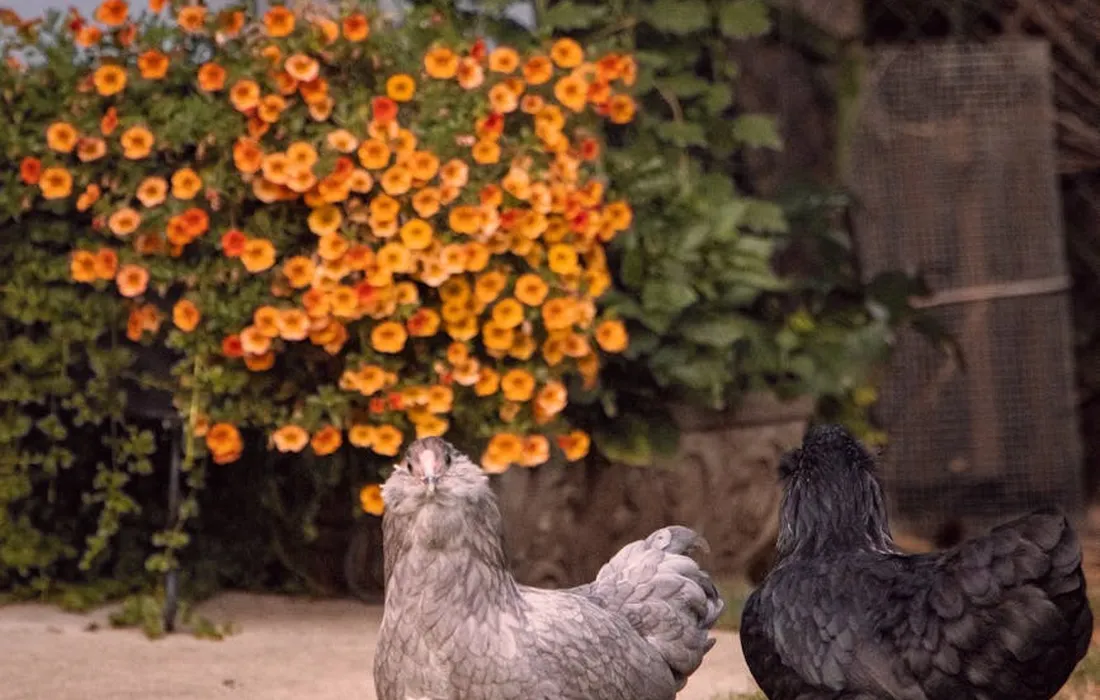
I’ve handed out orange slices on a hot afternoon, only to watch a hen take a curious peck and walk away with a shudder. That instinctive pause is your first clue that citrus isn’t always a barnyard favorite, and there are some genuine reasons for caution.
The Acid Test: A Delicate Gut in Question
A chicken’s crop and gizzard work hard to break down grains and bugs. Suddenly introducing high-acid foods, like grapefruit or oranges, can throw that system out of whack. I’ve seen it cause loose droppings or make a bird go off its feed. Their digestive pH is tuned for scratch grains, not citric acid, so moderation isn’t just a suggestion-it’s a rule for keeping your flock comfortable.
Peel Problems: More Than Just a Rind
Those bright peels seem like fun, but they’re a different beast. First, unless you’re scrubbing organic fruit, you’re likely introducing waxes and pesticide residues. Second, the tough, fibrous material is hard for them to process. I save peels for the compost pile where they belong, rather than risking a crop impaction in a eager pullet.
- Residue Risk: Conventional citrus skins can carry chemical traces your birds shouldn’t ingest.
- Digestive Challenge: The tough pith and peel offer little nutrition and can be a choking hazard or cause blockages if gobbled in large pieces.
- Mold Magnet: Leftover wet peels in the run can sprout mold faster than you can say “sour,” creating a health risk.
A Sour Note on Egg Laying
Now, this is where old-timers and new studies get chatty. Some folks swear citrus lowers egg production. While I haven’t seen a scientific paper penned in my henhouse, I have observed that a diet too high in acidic treats can disrupt a hen’s overall nutrient uptake. If a hen’s system is busy managing an acidic snack, it might not prioritize channeling those nutrients into eggshell formation. Stick to proven calcium sources like oyster shell for strong eggs.
The Balance of the Flock’s Buffet
Your birds need a steady 16-18% protein layer feed as their mainstay. Filling up on watery, sugary citrus means they eat less of that complete ration. Think of citrus as the candy bowl in the break room-a tiny bit is a fun diversion, but living on it makes for poor performance and poor health. I limit treats of any kind to no more than 10% of their daily intake.
Remember, what one chicken tolerates, another might not. Watch your flock closely when introducing any new food. Good stewardship means knowing when a thrifty kitchen scrap isn’t worth the potential pucker it brings to your birds.
How to Serve Citrus Safely: A Steward’s Step-by-Step Guide
Now, I reckon you’re wondering how to share these sunny fruits without causing a ruckus in the henhouse. Offering citrus safely is less about a strict recipe and more about mindful moderation and smart preparation. From my own flock, I’ve learned that a few simple steps can turn a potential worry into a wonderful, vitamin-rich treat. Let’s walk through it together.
Preparing Oranges and Tangerines
Your girls will likely gobble up sweet oranges and tangerines with gusto. Always start by giving the fruit a good scrub under cool water to remove any surface wax or residues, just like you would for your own family. I’ve found that peeling is the best policy, even if the peel is debated. Here’s my tried-and-true method.
- Peel the fruit completely, removing all the rind and as much of the white pith as you can easily manage.
- Break the fruit into individual segments. For larger oranges, I often tear each segment in half to make pecking easier.
- Scatter the pieces in their run or scratching area. Never just plop a whole fruit in the coop-it can rot and attract pests.
I serve treats like this no more than twice a week, and only a few small pieces per bird. This frequency ensures they still fill up on their balanced layer feed, which provides the crucial 16-18% protein their bodies need.
Preparing Grapefruit
Grapefruit requires a tad more care due to its stronger tartness and bitterness. The key with grapefruit is to use it sparingly and ensure it’s supremely fresh to avoid any digestive surprises. I once made the mistake of offering older grapefruit sections, and let’s just say my hens gave me a clear opinion by ignoring them completely.
- Peel the grapefruit thoroughly, removing all the thick rind and bitter pith.
- Separate the segments and carefully remove the thin membranes surrounding each juicy vesicle. This extra step makes it much more palatable for them.
- Consider mixing a few of these juicy bits with their favorite scratch grains or leafy greens. This dilutes the strong flavor and encourages them to try it.
Grapefruit is a “once in a blue moon” treat in my coop. Observing your flock’s reaction is your best guide-if they turn up their beaks, don’t force it; compost the rest and try another day.
The Lowdown on Peels, Pith, and Seeds
This is where most folks get tangled up, and my own experience has been a real teacher. While the juicy flesh is generally safe in moderation, the other parts of the citrus fruit demand more caution and common sense.
The peels, especially from conventional store-bought fruit, can harbor pesticides and are tough to digest. I firmly advise against feeding citrus peels to your chickens, as the essential oils and compounds can be harsh on their systems. Toss those in your compost pile instead—they make a fine addition there. For a practical rundown of which fruits are safe for chickens and which varieties to avoid, see the complete guide on fruits for chickens—safe and toxic varieties.
The white pith is bitter and fibrous. A little bit accidentally left on a segment won’t cause harm, but making a habit of feeding it can lead to picky eaters and wasted feed. Take the minute to trim it off.
Now, about those tiny seeds. Citrus seeds from common table fruits are not toxic, but they offer no nutritional value and can pose a minor choking risk if fed in large quantities. I simply don’t worry about picking out every last seed from an orange slice, but I do make a point to remove the larger, harder seeds from grapefruit.
Citrus for Other Barnyard Critters
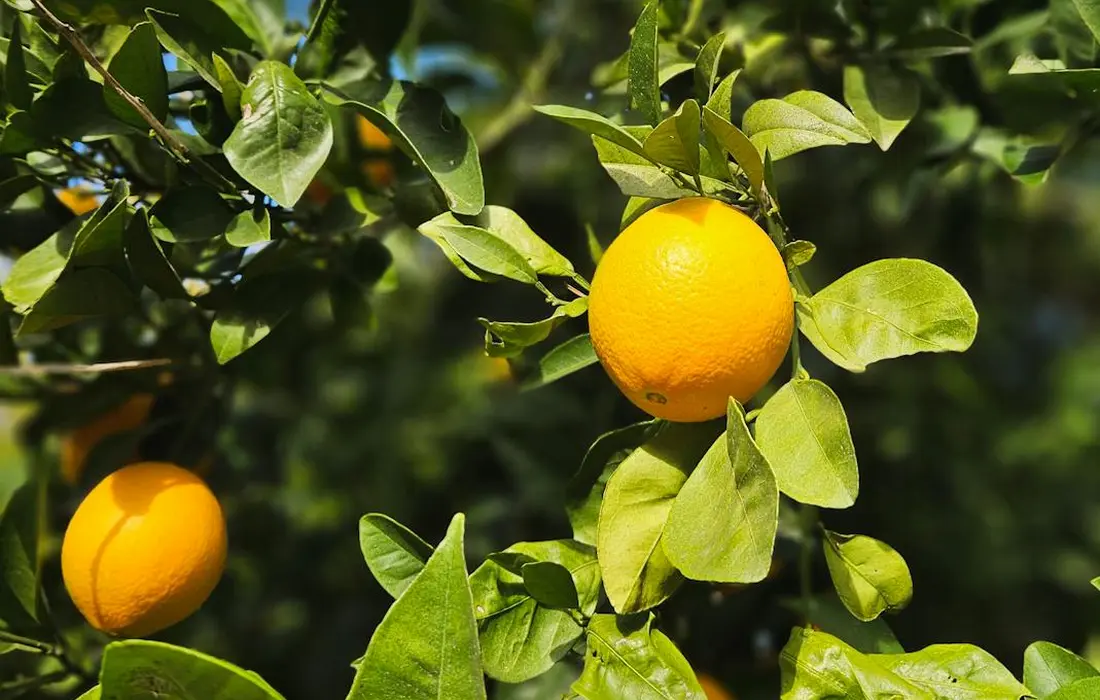
Now, while chickens might turn up their beaks, other animals on your place will see a bucket of citrus peels as a fine treat. It’s a handy way to reduce kitchen waste and add a little variety to their diet, but you’ve got to know which critter gets what. I’ve spent many an afternoon peeling oranges just for the pigs, I tell you what.
Pigs: The Ultimate Clean-Up Crew
Our porkers are the champions of citrus consumption. They’ll gladly eat the fruit and the peels, rinds and all. The acidity doesn’t bother their robust digestive system one bit. I often toss whole leftover grapefruit halves or orange peels into the pig pen and watch them crunched up with gusto. Oranges, raspberries, and other fruit scraps also find their way into the broader feed plan for pigs and other livestock on the farm. It helps turn the fruit bounty into nourishment across the barnyard. Some old-timers even swear that a bit of citrus acts as a gentle natural dewormer. My old sow, Bertha, would come a-runnin’ for a tangerine.
How to Feed Citrus to Pigs:
- Feed in moderation as a treat, not a staple.
- Whole soft fruits like oranges and tangerines are fine.
- For tougher grapefruit rinds, consider chopping them into smaller chunks.
- Always scatter treats to prevent bullying at the trough.
Cows & Goats: Proceed with Caution
Ruminants are a different story. A little bit of citrus flesh as an occasional snack is usually safe for a cow or goat. The bigger concern is the peel. Those oily rinds can interfere with rumen fermentation, the delicate process that lets them break down grass. Too much at once can cause digestive upset.
If you want to offer a slice of orange, keep it small and infrequent. For peels, I’ve had success with drying and grating a tiny amount into their feed as a flavor enhancer. But I reckon it’s simpler to just compost those peels and give your bovines an extra flake of hay instead.
Geese and Ducks: Best Avoided
Like their chicken cousins, waterfowl don’t have a taste for strong citrus. More importantly, they can be quite sensitive to the citric acid and essential oils. Feeding citrus to geese or ducks can lead to sour crop or other digestive disturbances, and it’s just not worth the risk. Stick to their favorite greens and grains, and save the orange slices for yourself.
A Quick Barnyard Citrus Guide:
| Critter | Citrus Fruit Flesh | Citrus Peels/Rinds |
|---|---|---|
| Pigs | Excellent treat | Great for cleaning up |
| Cows | Small, rare treat only | Not recommended |
| Goats | Tiny, occasional piece | Avoid or use dried/minced sparingly |
| Geese/Ducks | Avoid | Definitely avoid |
Beyond the Orange Slice: Other Fantastic Fruit Treats
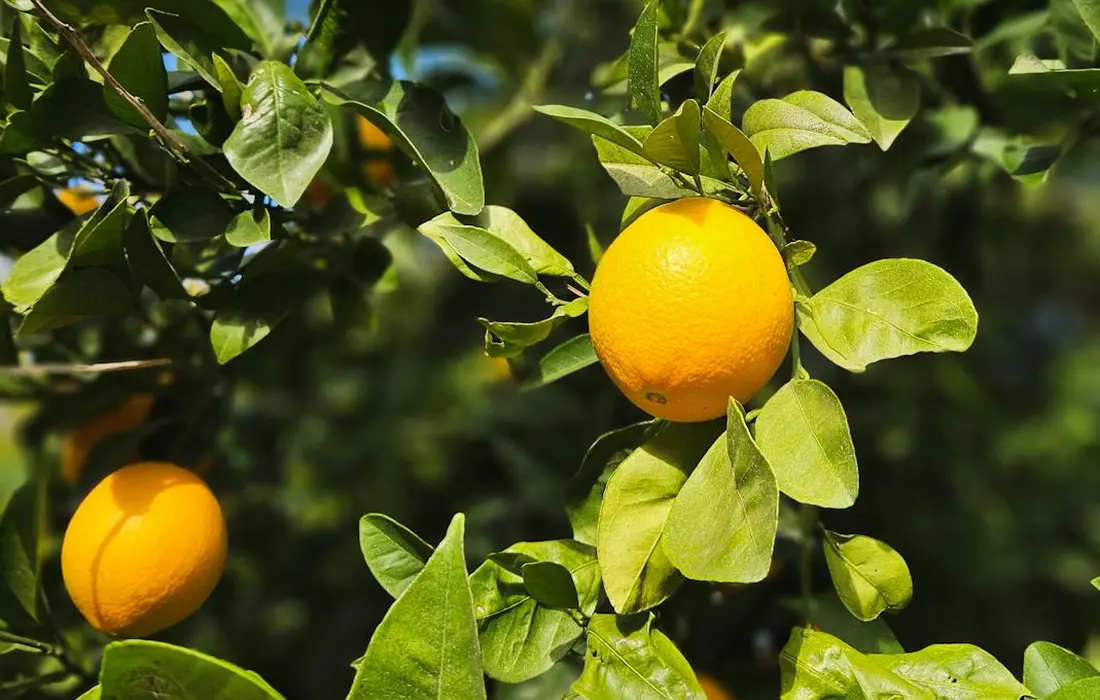
Now, while a bit of orange can be a fine diversion, your flock’s palate sure does appreciate variety. I’ve spent many an afternoon watching my hens turn kitchen scraps into joyful feasts, and I reckon y’all’s birds will do the same. Rotating through different fruit treats is a thrifty way to boost nutrition and prevent boredom, which can curb those pesky feather-pecking habits.
Soft Bites & Berry Delights
These fruits are usually a safe bet and get devoured quick. I keep a bowl on the counter for overripe bits that are past our liking but perfect for the hens. This practice cuts down on waste and lets me see exactly what my chickens fancy, which is often the softest, sweetest morsels first. Apricots, pears, and other stone fruits fit nicely into this routine. For a complete safety guide on feeding these fruits to chickens, including apricots, pears, stone fruits, and related tips, stay tuned.
- Berries: Strawberries, blueberries, raspberries-all are glorious. I scatter a handful in the dust bath area, and it becomes a festival. They’re rich in vitamins, and the seeds add a touch of grit.
- Bananas: My birds will fight over the mushy end of a banana. I feed them peel and all, but I chop the peel into small strips to make it easier for them. The potassium is a bonus.
- Stone Fruit Flesh: Peaches, plums, and nectarines are a summer hit. Always remove the pit first, as it can be a choking hazard and contains trace amounts of cyanide. The juicy flesh is hydrating and full of flavor.
- Grapes & Cherries: These are like chicken popcorn. I slice grapes in half and pit cherries to be safe. On a scorching day, I’ll freeze them for a cooling snack.
The Garden’s Bounty: Melons & More
When the garden runs over, my chickens reap the benefits. This is where sustainable stewardship shines, turning excess into eggs. Feeding rinds and hulls isn’t just about nutrition; it’s a form of enrichment that encourages natural foraging behavior.
- Melons: Watermelon, cantaloupe, and honeydew are phenomenal. After a family picnic, I toss the rinds right into the run. They’ll pick them clean down to the green skin, which provides fiber and moisture.
- Pumpkins & Squash: Come autumn, I split open pumpkins and let the flock have at the seeds and stringy guts. The seeds are believed to help with internal parasites, and it’s a sight to see them working for their meal.
- Tomatoes: Here’s a tip from my own patch: only give them ripe, red tomatoes. The green vines and leaves are part of the nightshade family and aren’t fit for chickens. The red fruit itself, though, is a tangy treat they love.
Crunchy Favorites: Apples & Pears
These require a tad more prep, but they’re worth it. I often hang cored apple slices from a string in the coop for a bit of pecking entertainment. This simple trick keeps them busy for hours and mimics the action of hunting for bugs in the grass.
Always remove the core and seeds from apples and pears. While a few seeds won’t likely cause harm, it’s best not to risk the cyanide compound they contain. I slice the fruit into wedges or chunks. My barred rocks seem to prefer the softer pears, while the leghorns go for the crisp apple pieces every time.
| Fruit | Best Way to Serve | Key Benefit & Note |
|---|---|---|
| Watermelon | Chunks with rind, or rind alone | Excellent hydration; seeds are safe. |
| Blueberries | Whole, fresh or frozen | Antioxidant boost; easy to scatter. |
| Apple | Cored and sliced or hung | Good fiber; always remove seeds. |
| Pumpkin | Split open, raw | Seeds may aid worm control; fun enrichment. |
| Banana | Mashed with chopped peel | High potassium; use overripe fruit for sweetness. |
Remember, fruits are treats, not staples. I limit them to about 10% of my flock’s total daily intake. This balance ensures their main feed-a complete layer ration-still provides the precise protein (around 16-18%) and calcium they need for strong shells and good health. Watching my chickens joyfully peck at a melon rind reminds me that good husbandry is about more than just feed bags; it’s about creating a rich and respectful life for our critters.
Closing Tips for Your Flock’s Treat Time
Can chickens eat citrus fruit?
Yes, chickens can eat the fleshy segments of oranges, tangerines, and mandarins as an occasional treat. Always offer these in small, bite-sized pieces and ensure their primary diet remains a complete layer feed. Unlike kiwi fruit skin, which should be avoided, the citrus segments are safe for them to consume.
Can chickens eat citrus peels?
It is not recommended to feed citrus peels to chickens. The peels are tough to digest, can contain pesticide residues, and their strong essential oils may upset a chicken’s digestive system. This is in contrast to other fruit skins and peels, like those from cucumbers, which are generally safe.
Can chickens eat citrus leaves?
No, you should avoid feeding citrus leaves to your chickens. The leaves contain concentrated oils and compounds that are not suitable for their digestion and could potentially cause illness.
Can chickens eat citrus seeds?
The small seeds found in common citrus fruits like oranges are not toxic, but they offer no nutritional value. It’s good practice to remove larger seeds when preparing fruit, but a few tiny seeds accidentally ingested are not a major concern.
Can chickens eat citrus pulp?
Yes, the juicy pulp and the attached white pith (in small amounts) from citrus segments are safe for chickens to eat. This pulp contains beneficial soluble fiber and nutrients, making it the best part of the fruit to offer—unlike the agricultural lime used in some citrus fruits, which should be avoided.
Can chickens eat citrus juice?
It’s best to avoid offering straight citrus juice. The concentrated acidity and sugar can disrupt their digestive pH and is not a natural part of their diet. Fresh fruit segments provide moisture and flavor without the intensity of pure juice.
Back to the Pasture
When it comes to sharing your orange slices, let common sense and observation be your guide. A few juicy segments here and there won’t hurt a soul and give your flock a fun, vitamin-rich peek at something different. The real trick to good husbandry is viewing any treat, citrus included, as just that-a small bonus on top of a complete and balanced layer feed that forms the bedrock of their health and egg production. Watch your birds, trust your gut, and you’ll keep your feathered ladies thriving.
I reckon that about covers the citrus question. I hope this little chat helps you feel confident at the coop gate. There’s nothing finer than sharing the bounty of the land with your animals and enjoying the simple, scratchin’-in-the-dirt joy they bring. Y’all take care out there, and give those girls a handful of scratch for me.
Further Reading & Sources
- Can Chickens Eat Oranges? – My Pet Chicken
- Effect of Dietary Orange Peel Meal and Multi-Enzymes on Productive, Physiological and Nutritional Responses of Broiler Chickens – PMC
- Can Chickens Eat Oranges? – Mranimal Farm
Caroline Mae Turner is a lifelong farm girl raised on red clay, early mornings, and the sounds of a bustling barnyard. With hands-on experience caring for everything from stubborn goats to gentle dairy cows and mischievous pigs, Caroline shares practical, tried-and-true advice straight from the farm. Her goal is to help folks keep their animals healthy, well-fed, and living their best barnyard life. Whether you're wrangling chickens or bottle-feeding a baby goat, Caroline brings a warm Southern touch and plenty of real-world know-how to every bucket in the barn.
Feed Recommendations