
What Do Baby Ducks Eat? Your Guide to Raising Healthy, Happy Ducklings
Published on: July 1, 2026 | Last Updated: July 1, 2026
Written By: Caroline Mae Turner
Howdy y’all, and welcome back to the barn! Staring down at a cheeping box of fuzzy ducklings, your first real chore is figuring out what in the world to put in their feeder. From day one, your ducklings need a high-protein starter feed, specifically formulated for waterfowl, not chicks, and served with shallow, clean water they can’t drown in. Get that right from the get-go, and you’re well on your way to a robust flock.
What you’ll need:
- The Right Grub: A bag of waterfowl starter crumble (18-20% protein).
- The Right Gear: A brooder with a heat lamp, shallow feed dishes, and a waterer designed for ducklings.
- A Little Space: A safe, draft-free area where they can eat, drink, and sleep without hassle.
Let’s walk through these essentials so you can get your little waddlers settled and get back to the rest of your homestead checklist.
The Foundation: What Baby Ducks Eat in Nature and at Home
Out in the pond, a mama duck leads her brood on a bug-hunting expedition, and that right there is nature’s perfect kitchen. Wild ducklings thrive on a bustling buffet of insects, tender aquatic plants, and tiny seeds they sift from the mud. In our barnyards, we aim to mirror that rich, protein-packed diet to fuel their whirlwind growth from fuzzball to feathered friend.
Your domestic ducklings have the same hearty appetite for life, but they’re counting on you to provide what they’d naturally forage. The cornerstone of any duckling diet is high protein-think of it as the building blocks for strong bones, sturdy wings, and all that energetic paddling. I recall one early season where my ducklings seemed a bit sluggish; a boost in their protein turned them into lively little pond scouts in no time. Curious how this translates to the wild or a backyard pond? Do wild ducks eat the same pond- and backyard-friendly foods as domestic ones?
If you’re letting them range or supplementing their feed, here’s what those curious beaks are naturally seeking:
- Insects and larvae: Mosquito wrigglers, gnats, and soft-bodied grubs are duckling delicacies.
- Aquatic greenery: Duckweed, pond algae, and soft water plants are packed with nutrients.
- Small grains and seeds: Bits of millet, cracked corn, and wild grass seeds.
- Earthworms and slugs: A juicy, protein-rich treat they’ll chase with gusto.
- Tiny snails and crustaceans: For calcium and minerals, straight from the shallows.
Offering a safe space to hunt these goodies encourages natural behavior and cuts down on your feed bill. Always ensure their forage area is free from pesticides and predators, because a safe duckling is a happy, growing duckling.
Choosing the Right Starter Feed for Your Ducklings
Now, while forage is wonderful, a reliable starter feed is your duckling’s daily bread. Selecting the right bag from the feed store is the single most important decision you’ll make for their early health. It needs to be formulated specifically for their rapid growth and unique nutritional needs.
Feed form matters too-ducklings do best with crumbles or fine pellets they can easily pick up and swallow. I avoid large pellets for the first few weeks, as those tiny bills can’t handle them and it leads to wasted feed. A shallow tray prevents mess and lets them eat comfortably. Troubleshooting common duck feeding issues often starts with ensuring the diet meets their nutrient needs to prevent deficiencies. Efficient waste management also follows from using the right feed form and maintaining a clean feeding area.
Duck Starter vs. Chick Starter: The Niacin Factor
Here’s where many new homesteaders slip up: using chick starter for ducklings. Chick feed lacks sufficient niacin, a B-vitamin ducklings require in much higher doses for proper leg and bone development. Without it, you might see weak, bowed legs or a duckling that sits too much. A dedicated duck starter has this niacin boost built right in. If you must use chick starter in a pinch, you’ll need to supplement with brewer’s yeast-about 2 tablespoons per cup of feed-but I reckon it’s simpler to get the right feed from the start.
Protein Percentages for Optimal Growth
Protein levels are your growth gauge, and they should change as your ducklings mature. Matching the protein to their life stage prevents issues like angel wing and supports steady, healthy development. Here’s a handy table to keep on your feed room wall, along with routine checklists for your flock’s nutrition.
| Duckling Age | Recommended Protein Percentage | Notes |
|---|---|---|
| Day 1 to Week 1 | 20-22% | Critical for initial burst of growth. |
| Weeks 2 to 4 | 18-20% | Maintains strong growth momentum. |
| Weeks 5 to 8 | 16-18% | Gradual reduction as feathering completes. |
| After 8 Weeks | 14-16% (Maintainer) | For maintenance until laying age. |
First Week: High Protein Needs
From the moment they hatch, ducklings are building muscle and frame at an astonishing rate. A starter feed with 20-22% protein in that first week fuels their internal engines for everything from thermoregulation to feather follicle development. I always keep their feeder full during this phase-they need to eat freely around the clock.
Weeks 2-8: Gradual Reduction
As their down gives way to feathers, you can slowly step down the protein. Switching to an 18% protein feed after week one, then to a 16% grower by week five or six, helps prevent developmental disorders while still supporting growth. Watch your flock; if they seem overly voracious or growth stalls, adjust your timeline based on their breed and condition.
Safe Treats and Dangerous Foods: What to Offer and What to Avoid
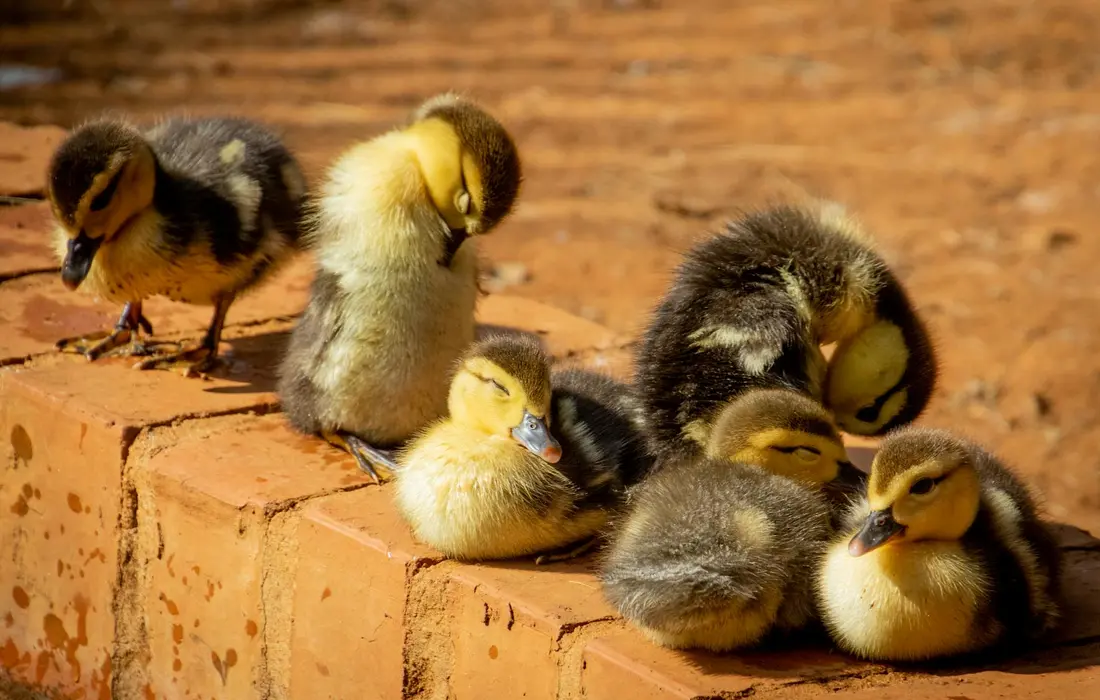
Sharing treats with your ducklings is a heap of fun, but it requires a cautious hand. I learned this the hard way my first season, when too many scratch grains led to some puny chicks. The golden rule is to let their specialized starter feed-packing 18-20% protein-do the heavy lifting for those first several weeks. That, combined with a proper feeding schedule tailored to their age, ensures they grow strong and healthy.
After that initial week, you can begin sprinkling in a few extras for enrichment and extra nutrients. Always introduce any new food slowly and in tiny amounts to let their delicate gizzards adjust.
To help y’all keep it straight, here’s a handy table I wish I’d had on my brooder wall:
| Safe Treats (Offer After Week One) | Dangerous Foods (Always Avoid) |
|---|---|
| Dandelion greens (mineral-rich) | Avocado (persin is deadly) |
| Fresh or frozen peas (protein punch) | Chocolate & caffeine (toxic stimulants) |
| Mealworms (great for growth) | Onions & garlic (cause anemia) |
| Chopped spinach or kale | Citrus fruits (hinders calcium) |
| Cooked, plain oatmeal | Moldy or spoiled food |
When to Introduce Greens and Insects
Mark your calendar for after day seven. That’s when I start offering a few nibbles of soft greenery or a couple of mealworms. The key is to think of treats as a supplement, not a substitute, for their balanced feed.
I scatter a pinch of chopped clover or dandelion in their brooder and watch their natural foraging instincts kick in. You’ll know you’ve given too much if their droppings turn runny-scale back right away.
Common Kitchen Scraps That Are Safe
Homestead thriftiness means putting good scraps to use. From my kitchen to yours, here are items my ducks gobble up safely. Chop everything finely to prevent choking and keep it to less than 10% of their daily eats.
- Cooked peas or corn: Thawed frozen peas are a perfect size.
- Leafy green tops: Carrot tops, beet greens, and romaine lettuce.
- Cooked grains: Plain rice, quinoa, or oatmeal (cooled).
- Soft fruits: Chopped berries, banana, or melon (no seeds).
- Vegetable peels: Finely grated cucumber or zucchini.
Foods That Are Toxic to Ducklings
Some common foods are pure poison to waterfowl. I make a habit of checking my pockets before heading to the brooder. When you’re unsure about a food item, the safest bet is to skip it altogether.
Here’s a list of the worst offenders I keep posted near my feed bin:
- Avocado skin, pit, and flesh: Contains persin, causing rapid heart failure.
- Chocolate, coffee, or tea: Theobromine and caffeine are lethal.
- Onions, garlic, and chives: Damage red blood cells over time.
- Citrus fruits like oranges or lemons: Can cause digestive upset and reduce calcium absorption for strong bones.
- Green potato skins or tomato leaves: Contain solanine, a potent toxin.
- Alcohol, salty snacks, or sugary sweets: Lead to severe dehydration and organ stress.
The Daily Routine: Feeding Schedule, Grit, and Water Needs
Raisin’ ducklings right is less about fancy equipment and more about a steady, dependable rhythm. They thrive on predictability. Your daily routine with them centers on three pillars: full bellies, proper digestion, and clean, safe water. Get this foundation solid, and you’ll watch those fuzzy butts grow like weeds after a spring rain.
How Often to Fill the Feed Tray
I’ve tried it both ways-strict schedules and free-choice-and for ducklings, I’m a firm believer in free-choice feeding. Some keepers also explore a duck feeding schedule to balance intake, since ducklings often need much feed during rapid growth. From day one until they’re feathered out, their feed should be available around the clock. Their metabolisms are little furnaces, burning hot and fast to fuel that incredible growth.
You simply keep a shallow tray or small feeder topped off at all times. Check it morning and evening without fail. I use an old baking sheet for the first week. It’s shallow enough for tiny bills and easy to clean. Dump out any wet or soiled feed promptly. Wet feed clumps together and can grow mold faster than you can say “spoiled,” which is a quick path to a sick duckling. Refill with fresh crumbles, and you’re good to go.
Some folks swear by pulling feed at night to encourage foraging later on, but I reckon that comes after the brooder stage. For now, let ’em eat. A hungry duckling is a loud duckling, and a full duckling is a quiet, growing duckling. Keeping a steady duck-feeding schedule helps growth. Many keepers feed a bit more during the brooder stage and adjust as they grow.
Why Grit is Non-Negotiable
Here’s a piece of advice I learned the hard way, and I’ll share it so you don’t have to: grit is not optional. Unlike chickens, ducklings won’t always pick up enough tiny stones on their own, especially in a brooder. Grit acts as their teeth, sitting in their gizzard to grind up all that feed into a digestible paste. Without it, the most expensive starter crumbles pass right through them, nutrients largely unclaimed.
You provide a separate, small dish of chick-sized grit or coarse sand starting at day two. Don’t mix it with their feed; let them take what they need. I use a tiny jar lid. They’ll peck at it curiously, and their bodies know what to do. Once they’re on pasture, if they have access to fine gravel or coarse dirt, you can phase out the supplemental grit. But in confinement, it’s a permanent fixture on the menu.
Water: More Than Just for Drinking
Water is life for a duck, but in the brooder, it’s also the biggest hazard. They need it to eat, to clean their eyes and nostrils, and for the sheer joy of it. Yet, a deep water dish is a drowning risk, and a soaked duckling chills dangerously fast. Your mission is to provide constant, clean, safe water.
I follow a simple, three-step setup for my brooders:
- Choose a waterer designed for chicks, with a narrow base that’s hard to climb into. The one-quart size is perfect to start.
- Place this waterer on a wire platform or a tray filled with large pebbles. This catches the inevitable splashes and dribbles.
- Keep the waterer on the opposite side of the brooder from the heat lamp. This keeps the splashed area cooler and discourages them from sleeping in a damp spot.
Refill with fresh, lukewarm water at least twice a day. Ducklings are messier than a toddler with a sippy cup. They’ll play in it, dip their food in it, and generally make a soup of it. Clean, abundant water is your single best defense against pasty butt and a host of other ailments. It’s worth the extra trips to the spigot. Trust me on this one.
Brooder Setup: Creating a Warm, Safe Nursery

Welcoming ducklings into the world is a joy, but it requires a proper nursery to get them started right. From my years on the farm, I can tell you that a well-planned brooder prevents a heap of problems and lets those babies focus on growing strong. Follow this numbered list to create a safe haven.
- Select a Sturdy Brooder Box: Use a plastic tote, wooden crate, or a corner of your barn penned with cardboard. I’ve repurposed old livestock troughs with great success. Just ensure the sides are high enough to contain ducklings but allow air flow.
- Install Your Heat Source: Hang a brooder lamp with a 250-watt infrared bulb securely above one end of the space. You must start the temperature at 95°F directly under this lamp for the first week of life. Use a thermometer placed at duckling level-don’t rely on guesswork.
- Lay Down Safe Bedding: Add a 2 to 3-inch deep layer of pine shavings or kiln-dried straw across the floor. Never use cedar shavings; their strong oils can irritate lungs. I once tried shredded paper, but it turns to slippery mush far too quick.
- Calculate Your Square Footage: Provide at least 1 square foot of floor space per duckling for the first week. This initial room lets them move freely to find heat, food, and water without piling on each other. Crowding is a fast track to illness.
- Set Up Special Duckling Feeders and Waterers: Use a shallow, tip-proof dish for water and a low-profile feeder for starter crumble. To keep bedding dry, I always set waterers on a brick or a wire grid. Ducklings make a glorious mess, so plan for it.
- Secure the Perimeter: Cover the brooder with hardware cloth to protect from pests and drafts. Check for any small gaps where a curious head could get stuck. A peaceful brooder is a safe one.
Temperature Guidelines from Hatch to Feathers
Getting the temperature curve right is your most important job after hatch. Begin at 95°F for week one, then reduce the heat by about 5 degrees each week. Watch your ducklings like a hawk-they are your best thermometer. If they’re all huddled under the lamp, they’re chilled. If they’re avoiding the heat and panting, it’s too hot. A comfortable bunch will be spread out, peeping and exploring. By week five or six, when their fluffy down is replaced by smooth feathers, they can handle normal room temps. I usually turn off the lamp entirely on a fair-weather day around that time.
Choosing and Changing Bedding
Your bedding choice soaks up the spills and cushions those tiny feet. Stick with large-flake pine shavings; they’re absorbent, affordable, and resist packing down. Straw is a good second choice, but change it often as it holds moisture. I steer clear of cedar, sawdust, and newspaper. Change the bedding whenever it feels damp, which for ducklings might be daily. A full clean-out of the brooder once a week with a vinegar-water scrub keeps bacteria at bay. A deep layer of dry bedding is a simple gift of comfort to your growing flock.
Space Per Duckling for Healthy Growth
Ducklings double in size before you know it, so plan for expansion from the start. Begin with that 1 square foot per bird, but increase to 2 square feet each by week three, and 3 or more by week five. If you start with a dozen ducklings in a 12-square-foot box, you’ll need a 36-square-foot pen by month’s end. Overcrowding causes stress, dampness, and uneven growth. I give my Pekins a bit more elbow room than my Calls. Generous space is the cornerstone of disease prevention and robust development.
From Brooder to Barnyard: Weaning and Outdoor Transition
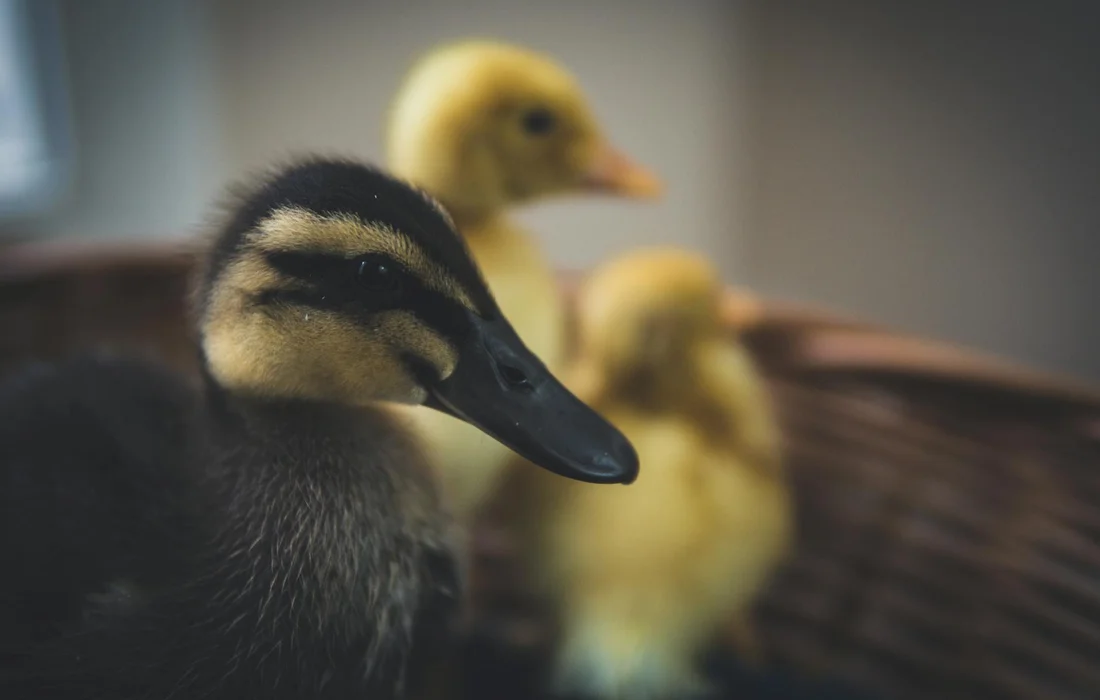
Watching those fuzzy cheepers grow into sturdy, feathered adolescents is one of the true joys of the homestead. Moving them from the security of the brooder to the great wide world is a milestone, but rushing it is the quickest way to heartache. I’ve learned through trial and a few errors that patience and a keen eye are your best tools here.
When Are Ducklings Ready for the Outdoors?
You can’t just flip a calendar. Readiness hinges on two things: feathers and weather. First, check their jackets. They need to be fully feathered, with no visible downy fluff poking through on their chests or backs. That down is a wonderful insulator in a draft-free brooder, but it’s useless in a cold rain.
Second, mind the mercury. Even fully feathered youngsters need gentle conditions for their first adventures. I never put mine out for their first full day unless the daytime temperature is consistently at or above 50°F (10°C) and the night forecast is mild. A sudden spring chill can knock ’em back faster than you can say “peep.”
Step-by-Step Process for Gradual Outdoor Access
- Start with Day Trips: On a warm, calm morning, place their brooder box or a secure crate in a protected, sunny spot in the run for just an hour or two. Supervise closely.
- Extend the Hours: Over the next week, gradually increase their outdoor time by an hour or two each day, always bringing them back to the warm brooder at night.
- Introduce the Coop: Once they’re used to full days outside, lock them in the secure coop for a night or two before giving them full run access. This teaches them where “home” and safety are.
- Full Integration: After they’re consistently returning to the coop at dusk, you can finally let them have full, unsupervised access to their secured run.
Introducing Water for Swimming
Ducks and water go together, but for ducklings, it’s a relationship you must manage. In the brooder, they only need drinking water that’s too shallow to get into. The big shift comes when you provide their first true swimming water outdoors.
Use a shallow tub or pan they can climb in and out of easily-nothing with steep, slippery sides. I use a low, wide livestock waterer. Always ensure they have an easy, textured ramp for exit; exhaustion and drowning are real risks for enthusiastic but clumsy babies. Never leave swimming water in their overnight coop, as damp bedding and chilly nights are a recipe for illness. Let them swim during the warmest part of the day and ensure they have a dry, draft-free place to preen and get completely dry afterwards.
Common Health Issues During Transition
The stress of new environments can reveal weaknesses. Watch your flock like a hawk during this period.
- Pasty Butt (Pasted Vent): This isn’t just a chick problem. Stress or diet changes can cause droppings to stick to the down around the vent, creating a deadly blockage. Check vents daily and gently clean any paste with a warm, damp cloth. Keeping their water close to their feed encourages drinking and helps prevent pastiness.
- Leg Problems (Spraddle Leg, Bumblefoot): Slippery surfaces in the brooder or a nutritional deficiency can cause splayed legs. Outdoors, sharp objects or wet, muddy ground can lead to cuts and infections that turn into bumblefoot. Provide textured surfaces like rubber shelf liner in early brooder days and keep their outdoor area clean and free of sharp rocks or debris. A balanced starter feed is critical for proper bone development.
- Respiratory Issues: Drafts in the coop or getting soaked and chilled can lead to sneezing, wheezing, and lethargy. Prevention is everything: ensure their sleeping quarters are draft-free but well-ventilated, and don’t let them swim so late they go to bed damp. A sick duckling needs warmth, isolation, and often, a vet’s care.
This transition is where your stewardship pays off. Taking it slow, observing their behavior, and preparing their environment are the acts of care that turn fragile ducklings into robust, waddling members of your barnyard crew.
Closing Questions on Duckling Care
How often should you feed ducklings?
Ducklings should have access to food around the clock, known as free-choice feeding. Ducklings may nibble on chicken starter feed, but for safety use a starter formulated for ducklings or baby ducks whenever possible. Keep their starter feed in a shallow tray topped off at all times, checking and refreshing it morning and evening to ensure it is clean and dry.
Do ducklings need grit to digest their food?
Yes, grit is essential. It acts like teeth in their gizzard to grind up feed for proper digestion. Provide a separate small dish of chick-sized grit starting around day two, especially if they are confined to a brooder without access to coarse dirt.
How much water do ducklings need and how do you provide it safely?
Ducklings need constant access to clean, shallow water for drinking and cleaning their bills. Use a chick waterer placed on a platform of pebbles to contain spills, and keep it far from the heat lamp to prevent damp bedding, which is a health hazard.
When can ducklings go outside?
Ducklings are ready for permanent outdoor living once they are fully feathered and nighttime temperatures are consistently mild. This is typically around 5-7 weeks of age, but always ensure their outdoor coop is secure from predators and the elements.
How do you introduce ducklings to water for swimming?
Provide a shallow, low-sided tub they can easily enter and exit during warm daytime hours. It is critical that they have a rough-textured ramp to climb out on to prevent exhaustion and drowning, and they must have a dry, draft-free space to preen and dry off completely afterward.
What are common health issues to watch for in ducklings?
Key issues include pasty butt (blocked vent), leg weaknesses like spraddle leg, and respiratory infections from drafts or dampness. Daily observation, a clean brooder, proper nutrition, and a dry sleeping area are your best tools for prevention.
Shutting the Gate
Look past the feed bag and the heat lamp, and watch your ducklings themselves. Their energy, their clean feathers, and their steady growth are your real report card. The single most important thing you can do is spend quiet time observing them; their behavior will tell you everything you need to know about their comfort and health. If they’re happily bustling about, your setup is right. If they’re huddled or listless, it’s time for a change. Keep an eye on when they eat—daylight versus night—because their eating habits and consumption patterns reveal comfort and appetite shifts. We’ll explore night feeding behavior in more detail in the next steps.
I’m mighty thankful y’all stopped by the digital fence line today. Raising these little peepers is one of the truest joys of the homestead, a gentle rhythm of care that roots you to the land. May your brooder be warm, your waterers clean, and your heart full of the simple contentment that comes from tending your flock. Now, get on out there and enjoy those precious critters.
Further Reading & Sources
- Feeding Ducklings: What to Feed Baby Ducks
- What to Feed Baby Ducks/Ducklings: A Complete Guide | Tractor Supply Co.
- CARE & FEEDING OF DUCKLINGS – Island Seed & Feed
Caroline Mae Turner is a lifelong farm girl raised on red clay, early mornings, and the sounds of a bustling barnyard. With hands-on experience caring for everything from stubborn goats to gentle dairy cows and mischievous pigs, Caroline shares practical, tried-and-true advice straight from the farm. Her goal is to help folks keep their animals healthy, well-fed, and living their best barnyard life. Whether you're wrangling chickens or bottle-feeding a baby goat, Caroline brings a warm Southern touch and plenty of real-world know-how to every bucket in the barn.
Diet Requirements