Can Chickens Eat Apples? The Safe, Thrifty Way to Treat Your Flock
Published on: July 2, 2026 | Last Updated: July 2, 2026
Written By: Caroline Mae Turner
Howdy y’all, and welcome back to the barn. You’re standin’ there with a bushel of fall windfalls or some kitchen scraps, lookin’ at your eager hens, and wonderin’ if it’s a help or a hindrance. Yes, your chickens can absolutely eat apples, and they’ll go plumb crazy for them, but you must always, always remove the seeds first.
- Fresh apples (or cores and peels from your kitchen)
- A sharp knife for choppin’
- A minute of your time for prep
We’ll get this sorted quick, so you can turn those extra apples into happy chickens and get on with your day.
The Core Question: Are Apples Safe for Chickens?
Well, neighbor, let’s settle this right out of the gate. Yes, your flock can absolutely enjoy apples. I’ve been tossing windfalls to my hens for nigh on thirty years. Apples are a safe and delightful treat when offered with a dollop of common sense.
What Makes Apples a Suitable Treat?
Think of an apple as a crunchy, hydrating supplement to your girls’ layer feed. They’re packed with goodies like vitamin C for immune support and a heap of fiber to keep digestion smooth. On a sweltering summer afternoon, I’ll chop a few cool apples into chunks. Watching the hens peck at those juicy pieces is a sure sign they’re getting a welcome refreshment. This bit of natural sugar and moisture can be a real pick-me-up, but it should never replace their balanced feed.
Here’s what makes that apple a wise choice:
- Hydration Helper: The high water content is a bonus, especially for birds who might be finicky drinkers.
- Fiber Fuel: That roughage aids their gizzards in grinding food properly.
- Vitamin Boost: While chickens make their own vitamin C, a little extra from treats doesn’t hurt.
I reckon treats, apples included, should stay below 10% of their total daily intake. A handful of slices for the whole flock is plenty.
The One Crucial Warning Every Keeper Needs
Now, don’t let this scare you, but you need to know about the seeds. Apple seeds contain a compound called amygdalin, which can release a tiny amount of cyanide when crushed. The genuine risk to a chicken is exceedingly low, as they’d need to consume a massive quantity of seeds to face harm. But why take a chance? Good stewardship means removing known hazards—especially when it comes to chicken’s diet and other stone fruits. I simply core the apple or chop it so the seeds aren’t a concentrated snack. It’s a thrifty, safe practice that lets everyone enjoy the fruit without a second thought.
Apple Anatomy: What Parts Can Chickens Eat?
Just like us, chickens can enjoy most of the apple, but some parts are better suited for their beaks. Let’s break it down, piece by piece.
Apple Flesh and Peels: The Green Light
The meat of the apple and its skin get two hearty thumbs up from the poultry yard. The flesh is sweet and soft, easy for them to eat. The peel is where a lot of the fiber and nutrients live. I always leave the peel on; it’s good for them and saves me the extra work. Just be sure to chop or slice the apple into manageable pieces. A whole apple is a big, slick puzzle for a chicken. I’ve seen my Barred Rocks bat one around the run like a soccer ball before they finally break into it!
For the best results:
- Wash the apple to remove any store-bought wax or field sprays.
- Chop it into bite-sized chunks or thin slices.
- Scatter the pieces in their run to encourage natural foraging behavior.
The Truth About Cores and Seeds
This is where folks get rightly concerned. The tough, woody core itself isn’t poisonous, but it’s a choking hazard and difficult for chickens to eat. The seeds are the real topic of conversation. While a chicken accidentally eating a seed or two buried in a slice is no cause for alarm, I make it a rule to remove the core and seeds altogether. It’s a simple step. When I’m prepping kitchen scraps, I cut the core right out and toss it in the compost pile. The seeds go with it. This way, the girls get all the good parts, and I sleep easy knowing I’ve managed their treat responsibly. It’s that respect for the animal that makes all the difference.
Preparing and Serving Apples to Your Flock
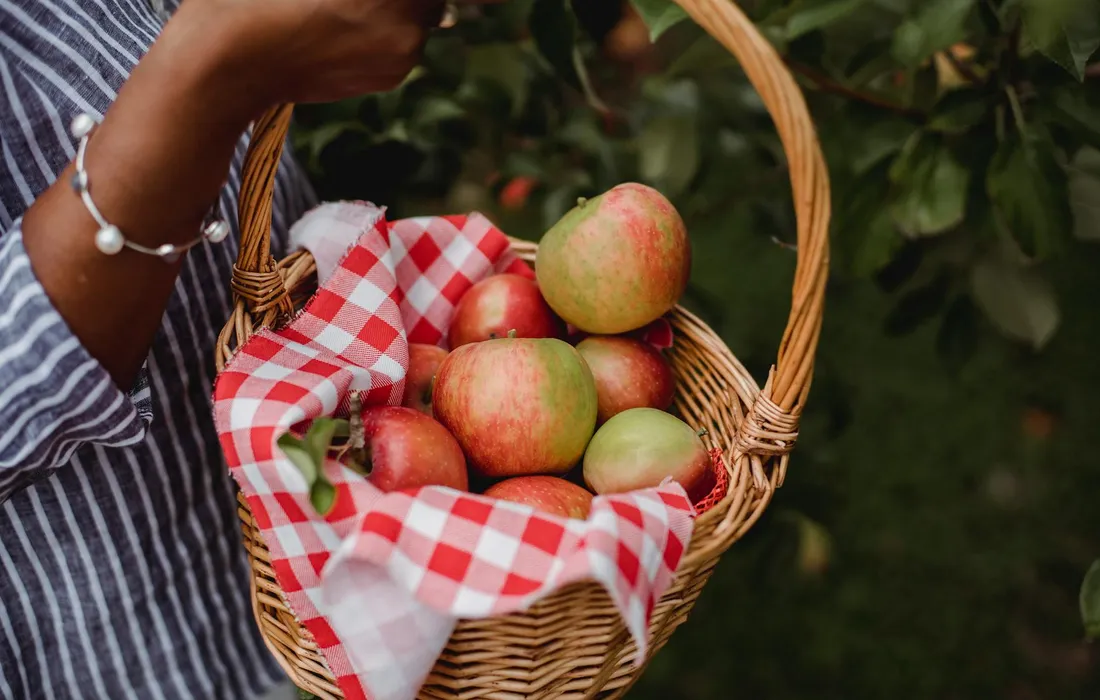
Now, I reckon you’re eager to share this orchard bounty with your birds, and with a few simple preparations, you can do so safely and thriftily. Feeding apples the right way turns a simple treat into an enriching activity that supports their natural pecking and foraging instincts.
Simple Prep Steps for Safe Feeding
Over by the scratching post, I’ve developed a reliable routine for getting apples ready that keeps my flock healthy and happy. A few minutes of prep prevents a world of worry and ensures every bite is a safe one.
- Start with a Clean Slate: Always rinse your apples under cool water. For store-bought fruit, I give them a firm scrub with a brush to remove any waxy coating or chemical residues. My homegrown apples just get a quick wash to shake off the field dust.
- Eliminate the Core Concern: You must remove the core and seeds. Apple seeds contain amygdalin, which can release cyanide when digested. While a chicken would need to eat a mighty heap of seeds for acute poisoning, I never gamble with my girls’ health. A sharp knife makes coring fast work.
- Size It Right for the Flock: Chop the fruit into manageable pieces. I aim for chunks roughly the size of a blueberry or pea for easy swallowing. This is especially important for smaller bantams or eager youngsters who might try to gulp down too much.
- Choose Your Serving Style: Scatter pieces in their run to encourage foraging, or place them in a shallow dish. I often spear a few chunks on a nail driven into an old fence post, creating a playful “apple picker” that keeps them busy for hours.
Applesauce and Cooked Apples: Do’s and Don’ts
When you have a bushel of bruised or windfall apples, cooking them down is a fine, frugal solution. Turning imperfect fruit into a warm mash or cool sauce can be a special comfort for your birds during molting season or a frosty morning.
Let me share the guidelines I follow in my own farm kitchen.
- Do cook apples plainly with just a little water, using no sugar, salt, spices, or fats. The natural sweetness is plenty.
- Do allow any cooked apples or applesauce to cool completely to room temperature before offering it. Serving it warm is fine, but never hot.
- Do use plain, unsweetened applesauce as a carrier for medications or supplements, like powdered probiotics or crushed oyster shell, by mixing a small amount in.
- Don’t ever use store-bought applesauce that contains added sugars, artificial sweeteners like xylitol, or cinnamon. These additives can upset their digestion or be toxic.
- Don’t serve soft foods in a deep bowl where it can cake on wattles and feathers. I use a flat ceramic plate or spread a thin layer on a clean stone.
- Don’t let leftovers linger. Remove uneaten cooked apples or sauce within a few hours to prevent spoilage and ant invasions.
My old hens particularly appreciate a tablespoon of cool, homemade applesauce mixed with their feed on a sweltering day-it’s a handy trick for upping their fluid intake.
How Much and How Often: The Treat Rule
Now, I reckon this is where many fine folks go astray. You can have the best intentions, but overdoing a good thing can lead to a coop full of picky eaters with poor nutrition. The golden rule on our farm is that treats, like apples, should never make up more than 10% of your flock’s total daily intake. The other 90% must come from their complete layer feed or balanced ration.
Recommended Serving Size for Hens
Think of an apple treat not as a meal, but as a snack or a engaging activity. For a standard flock, I keep it simple. A handful of chopped apple pieces is plenty for three to four hens to share and peck at. That usually breaks down to about a quarter cup of chopped fruit per bird, maximum, on a treat day.
I always prepare the apples in manageable pieces. A whole apple can cause a surprising ruckus and lead to bullying. Chopping it ensures every hen, even the lower girls in the pecking order, gets a fair chance at the goods. If you’ve got chicks or bantams, reduce that amount by half-their tiny digestive systems are more delicate.
Frequency and Seasonal Considerations
You don’t serve dessert every single night, and the same logic applies here. I stick to offering apple treats two, maybe three, times a week at most. This maintains their appetite for their nutritionally complete feed.
Seasonality plays a part, too. In the autumn, when apples are abundant and often windfallen, it’s tempting to toss them in the run daily. Resist that urge! Instead, I preserve that bounty. Dehydrated apple slices make a splendid winter treat that stores easily in a mason jar.
- During summer heat, a cold, chopped apple can be a hydrating, refreshing snack.
- In colder months, I might warm a bit of unsweetened applesauce and mix it with their oats for a comforting mash.
- Always reduce their regular feed slightly on heavy treat days to prevent obesity, especially in less active or confined flocks.
Watch your birds after introducing any new treat. If you see loose droppings, scale back immediately. Their digestion will tell you what’s right for your particular flock. Mine will holler for apples every time I walk by the orchard, but discipline, for both the farmer and the fowl, is a cornerstone of good husbandry.
Health Impacts: Benefits and Risks for Poultry
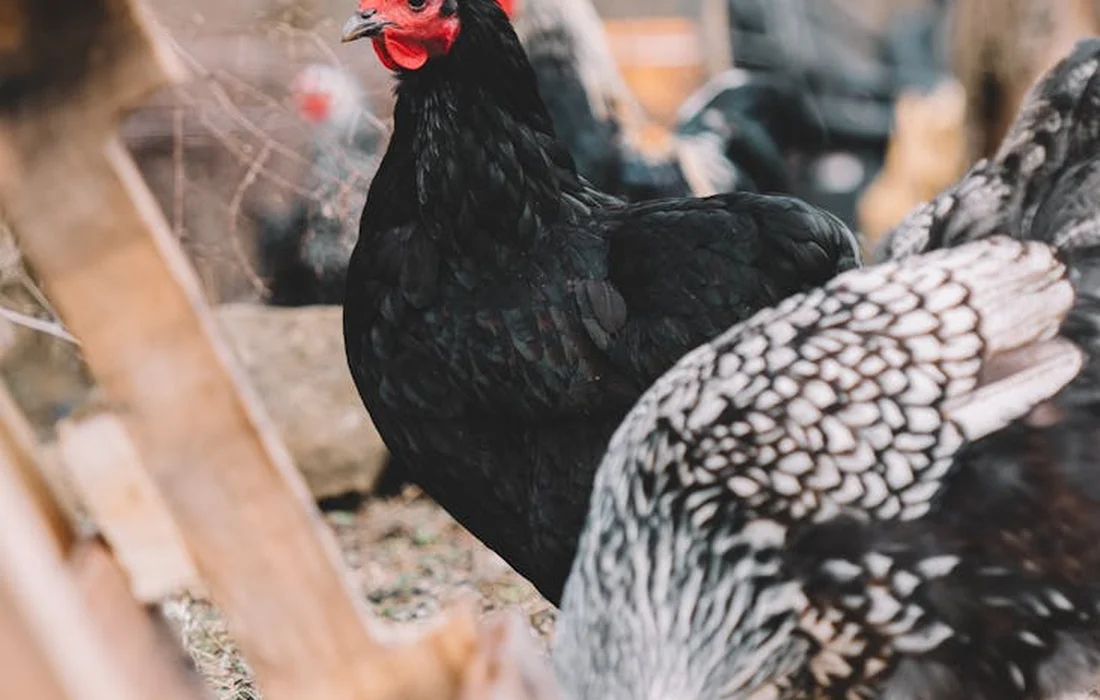
Watching your chickens chase a rolled apple across the yard is pure entertainment, but their health is the real prize. I’ve fed apples to flocks for decades, and I can tell you they’re a double-edged fruit. Balancing the natural sweetness with their everyday feed is the secret to reaping rewards without inviting hiccups in the henhouse.
Nutritional Perks for Egg Layers and Birds
That humble apple is more than chicken candy; it’s a bundle of nutrients that complements a grain-based diet. The soluble fiber, or pectin, is gentle on their digestive tract and can help regulate moisture. I’ve personally seen the sheen on feathers improve when apples are a regular, modest part of the menu, likely thanks to the array of antioxidants in the skin. For your layers, these nutrients support overall vitality, which translates to steady production. Here’s what your birds gain from a few pecks:
- Vitamin A & C: Supports strong vision and a robust immune system, crucial for birds facing seasonal changes.
- Dietary Fiber: Promotes healthy gut motility and can help prevent impacted crops, a common issue in eager eaters.
- Natural Hydration: Apples are about 85% water, offering a moist treat that aids hydration on hot days.
- Trace Minerals: Such as potassium, which aids in nerve function and muscle health for active birds.
Remember, an apple’s protein is negligible-less than 0.5%-so it can’t replace a quality layer ration with its 16-18% protein content. Think of apples as a vitamin supplement, not a staple, and you’ll keep your hens in prime laying condition. I save my less-perfect orchard drops for the flock, and it cuts down on waste while putting a spark in their step.
Potential Digestive Issues and How to Avoid Them
Give a chicken too much of any treat, and you’re asking for a digestive upset. Apples are high in sugar and fiber, which in excess can lead to sour crop or diarrhea. The seeds contain amygdalin, a compound that releases cyanide when digested. While a chicken would need to eat a massive number of seeds to be poisoned, I always err on the side of caution and remove them-it’s a thrifty habit that costs nothing but a moment of time. For a broader view that includes cherry pits and other seeds, our toxicity guide for chickens covers these risks. It helps you decide what treats are safe and what to avoid. Follow these steps to keep your flock safe and comfortable:
- Always Core and Seed: Simply slice the apple away from the core. It eliminates the seed risk and makes for easier eating.
- Strict Portion Control: Treats should never exceed 10% of daily intake. For a standard flock, one medium apple, chopped, shared 2-3 times a week is ample.
- Chop for Safety: Cut fruit into chunks smaller than a hen’s beak width to prevent choking, especially for eager younger birds.
- Never Feed Spoiled Fruit: Mold or fermented apples can produce mycotoxins that cause severe illness. If you wouldn’t eat it, don’t feed it.
- Provide Grit: Always ensure free access to insoluble grit. It helps them grind the apple flesh in their gizzard, preventing blockages.
I learned about moderation one brisk autumn after my geese cleaned up a bushel of windfalls. The ensuing loose droppings were a clear message that even natural sugars need to be introduced slowly and in balance with their core diet. Watch your birds after offering new treats; their behavior and droppings will tell you everything you need to know.
Apples for the Rest of the Barnyard
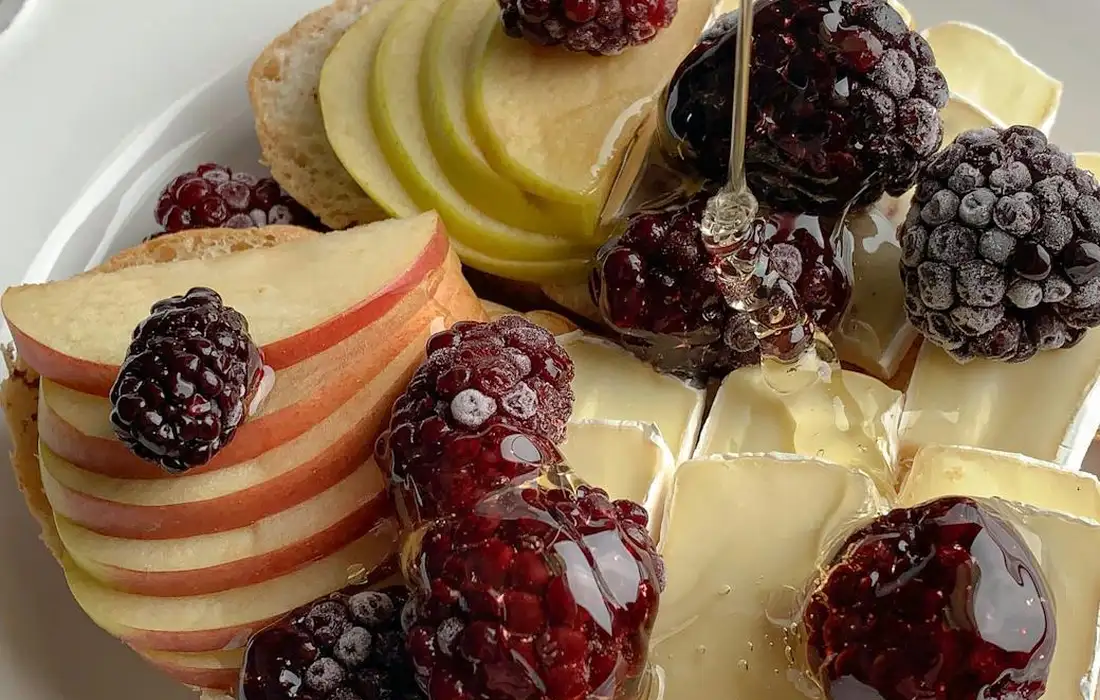
Now, while our feathered layers might be the first to come peckin’ at a treat, let me tell you, they ain’t the only ones with a taste for orchard goodness. Sharing your apple bounty across the farm is a mighty fine way to practice thrifty, sustainable stewardship, turning potential waste into wholesome nutrition. I’ve spent many an autumn afternoon watching different critters relish their share, and it sure does make for a contented barnyard.
Pigs, Goats, and Cows: Orchard Clean-Up Crew
If you’ve got a few windfall apples or a bucket of culls from the market, these three will happily turn your problem into their pleasure. My old sow, Bertha, considered a bushel of bruised apples the highest form of piggy currency, and she’d work harder for them than any store-bought snack. They each handle apples a bit different, though, so let’s break it down.
For pigs, apples are a near-perfect treat. They can handle whole fruits, cores, peels, and all. Their powerful digestive systems aren’t bothered by the seeds in reasonable quantities. I often toss them in whole to encourage natural rooting and foraging behavior. Just remember, apples are a supplement, not a staple; keep treats to less than 10% of their total daily diet to keep their nutrition balanced.
Goats will nibble apples with gusto, but you gotta be more cautious. Chop larger apples into chunks to prevent choking. Due to their sensitive rumens, limit apple treats to a handful per goat per day to avoid digestive upset from the sugars. I’ve found my Nubians prefer the tart green varieties over the sweeter ones, but they’ll rarely turn any down.
Cows can enjoy apples, but moderation is key here, too. I always slice or chop apples for my dairy cow to minimize any risk. A few pounds of chopped apples mixed into their regular forage is a fine way to add variety and use up what you have, but it shouldn’t replace their core diet of hay and pasture. They’ll make quick work of any peels or cores you share from the kitchen.
- For Pigs: Feed whole or chopped. Excellent for using bruised or spoiled fruit. Provides moisture and enrichment.
- For Goats: Always chop. Limit to 1-2 cups per animal daily. Avoid feeding moldy fruit at all costs.
- For Cows: Chop or slice. Best scattered in their feed trough to slow down eating. A great occasional energy boost.
Ducks, Geese, and Guinea Fowl
Our waterfowl and pest-patrol birds shouldn’t be left out of the apple festivities, but their needs are a touch different from chickens. Ducks and geese, with their flat bills, need a little help from you to enjoy this crunchy fruit safely. I recall my flock of Pekins waddling over in a line the moment they heard the chopping board on the porch.
For ducks and geese, you must chop apples into small, bite-sized pieces or even grate them. This prevents choking and makes it easier for them to swallow, as they don’t peck and tear food like chickens do. They can eat the peels and flesh happily. The seeds, while a minimal concern, I still scoop out for them just to be safe, especially for smaller flocks. Geese also eat other safe fruits for geese like grapes and bananas in moderation. This helps keep their fruit options varied and safe.
Guinea fowl are much more like chickens in their eating habits. They’ll peck at smaller chopped pieces or even thin apple slices. Their high metabolism and active lifestyle mean they can use the quick sugar energy, but offer it in the afternoon after they’ve filled up on insects and grains. A scattering of chopped apple in their run is a fine way to keep them entertained and supplement their diet.
- Chop all apples into pieces no larger than a pea for ducks and geese.
- Remove cores and seeds for waterfowl as a standard precaution.
- Offer applesauce sparingly; ensure it is plain, with no added sugar or spices.
- Always provide plenty of fresh water nearby, as apples have high moisture content.
Seeing the whole farm enjoy the harvest is one of my greatest joys. From the pigs cleaning up the orchard floor to the guineas snatching a diced piece, it’s a cycle of respect and resourcefulness that defines good husbandry. You’re not just feeding animals; you’re closing the loop on your homestead.
Closing Questions
Can chickens eat apples?
Yes, chickens can eat apples as a safe and enjoyable treat. Always remove the seeds and chop the fruit into small pieces to prevent choking and ensure easy eating. Be cautious with crab apples as they can be harmful to poultry.
Can chickens eat apple seeds?
No, chickens should not consume apple seeds due to the amygdalin content, which can release cyanide when digested. While the risk is minimal, it’s best to core apples before feeding them to your flock, especially when feeding any fruits for chickens.
Can chickens eat apples everyday?
Apples should not be fed to chickens daily to avoid nutritional imbalances. Limit apple treats to 2-3 times per week, ensuring their primary diet remains complete layer feed.
Can chickens eat apples and oranges?
Chickens can eat both apples and oranges as occasional treats. Prepare apples by coring and chopping, and peel oranges to remove any tough rinds that might be difficult to digest. Grapes can also be offered in small amounts as part of safe fruit combinations alongside apples.
Can chickens eat applesauce?
Chickens can eat plain, unsweetened applesauce without additives like sugar or spices. Serve it cooled and in small amounts to avoid digestive upset. Many keepers view applesauce as a simple, healthy treat for chickens and a popular snack idea. It’s one of the healthy favorites for chickens that you can rotate into treats to keep their diet balanced.
Can chickens eat apples in the winter?
Yes, apples can be fed to chickens in winter, such as by offering chopped pieces or warmed unsweetened applesauce. This provides variety and hydration during colder seasons.
Shutting the Gate
After all our chatter about orchard treats, here’s the plain truth from my coop. The single best thing you can do is remember that apples are a snack, not supper-always remove those seeds and tough core bits, chop the fruit into manageable pieces, and let your hens enjoy it in moderation alongside their complete feed. That’s the secret to keeping their diets balanced and their spirits high without any unnecessary tummy troubles.
I reckon y’all are set to share a few apple slices from your next pie-making venture or that bucket of windfalls. There’s a real pleasure in watching your flock peck and scratch at a fresh treat on a sunny afternoon. Thanks for leaning on the fence with me today. Now, go enjoy the simple rhythm of life with your feathered friends.
Further Reading & Sources
- Can Chickens Eat Apples? What About the Seeds?
- r/homestead on Reddit: Can Chickens Eat Apples? (Peel, Skin, Core, Seeds)
- Are apple seeds toxic to chickens? (chickens forum at permies)
Caroline Mae Turner is a lifelong farm girl raised on red clay, early mornings, and the sounds of a bustling barnyard. With hands-on experience caring for everything from stubborn goats to gentle dairy cows and mischievous pigs, Caroline shares practical, tried-and-true advice straight from the farm. Her goal is to help folks keep their animals healthy, well-fed, and living their best barnyard life. Whether you're wrangling chickens or bottle-feeding a baby goat, Caroline brings a warm Southern touch and plenty of real-world know-how to every bucket in the barn.
Treat Suggestions