
Baby Rabbit Diet: Your Step-by-Step Guide to Weaning and First Foods
Published on: June 28, 2026 | Last Updated: June 28, 2026
Written By: Caroline Mae Turner
Howdy y’all. The farmer’s fix is straightforward: begin introducing alfalfa hay and pellets to your kits at three weeks old, while they’re still nursing from their mama, to build a robust gut for life. I’ve sat by many a nesting box watching that careful first nibble, and getting this transition right is the surest way to raise vigorous, thrifty rabbits.
What you’ll need:
- High-protein alfalfa hay (or a rich orchard grass mix)
- Fresh alfalfa-based pellets (aim for 18% protein)
- A shallow ceramic dish for water
- Clean, dry bedding for their living space
- A keen eye for observing their eating habits
We’ll get this all mapped out clear as a bell, so you can tend to your hungry bunch and move on with your day.
The Weaning Process: From Milk to Munching
Out in the barn, watching a doe nurse her kits is a pure delight. But sooner than you think, those little ones get curious about the world beyond milk. Weaning is a gentle dance between nature’s schedule and our homestead management, aiming for healthy kits and a rested doe. I’ve found that rushing this stage spells trouble, but with patience, you’ll see those babies thrive.
Understanding the Weaning Timeline
In the wild, a kit might nibble greens as early as two weeks but relies on mom’s milk for a solid four to six weeks. On the homestead, we often let that full natural cycle play out. I never separate kits from the doe before four weeks of age, as their gut flora and immune systems are still building from her milk. Around five weeks, you can start the gentle shift, aiming to have them fully independent by seven or eight weeks old.
Look for these clear signs your kits are ready to explore solid fare. Their eyes are open and bright, they’re hopping around the nest box, and you’ll catch them nibbling on mom’s hay or pellets. That curious nibbling is your green light to begin introducing their own meals. If a kit is still mostly curled up and sleeping, give it a few more days with mama.
Step-by-Step: How to Wean Baby Rabbits Safely
Abrupt separation is a shock to kits and doe alike. I use a gradual method that has never failed me. Start by offering a shallow dish of fresh water and a handful of high-quality alfalfa pellets in the nesting area around week five. Keep the kits with their mother and littermates throughout this entire process-they learn by watching and mimicking. For the next two weeks, slowly increase the solid food while the doe continues to nurse. By week seven, the kits should be eating solids eagerly and drinking water well. That’s when I move them to their own clean pen, all together. This slow transition keeps their bellies full and stress low.
Keeping that litter together is about more than just company. Young rabbits learn vital social and foraging behaviors from their siblings, which sets them up for a calm, well-adjusted life. I’ve seen solo-weaned kits be more skittish and slower to take to new foods. A group wean is always smoother for everyone involved.
Introducing First Foods: Safe Starts for Young Rabbits
Once weaning starts, what you offer first shapes their health for life. Think simple and sturdy. The foundation of every young rabbit’s diet must be long-strand fiber, which means hay is not just food-it’s digestive machinery. I stack their rack with it before anything else hits the dish. Rabbits need hay—not just fiber, but the right types for digestion and dental wear. Understanding hay importance and overfeeding risks helps you portion safely as they grow.
The Role of Hay in Early Diet Development
From their first nibble, hay does the heavy lifting. I use a mix: primarily grass hay like Timothy for fiber, but for kits under six months, I include some alfalfa hay for its higher protein (around 17%) and calcium. This alfalfa boost supports their rapid bone growth without the need for expensive supplements. The constant chewing wears down their ever-growing teeth and keeps their gut moving, preventing deadly blockages. Always provide a generous pile that’s sweet-smelling and free of dust or mold. Choosing the right hay for their age and health is crucial.
Selecting and Introducing Fresh Greens
After a week on hay and pellets, you can introduce fresh greens. Start with one type at a time, and only a small, washed leaf per kit. Romaine lettuce, cilantro, and basil tops are my go-first greens because they’re gentle and enticing. Offer a new green every three days, watching for soft stools. If all is well, you can slowly expand their salad bowl.
Y’all must avoid common mistakes. Carrots and fruits are far too sugary for a young rabbit’s delicate system and should wait until adulthood, and even then, only as rare treats. Iceberg lettuce is a no-go-it’s mostly water and can cause digestive upset when what they need is nutrient-dense fiber. I learned this lesson early when a batch of kits got the runs from well-meaning but wrong choices.
To encourage natural behavior, I never just plop food in a bowl. I scatter some hay over the pen floor or tuck greens into a wire rack to make them forage and work a little. This mimics their natural feeding, keeps them busy, and promotes healthy chewing. It’s a thrifty way to enrich their day without buying a single toy.
Building a Balanced Diet: Hay, Pellets, and Greens
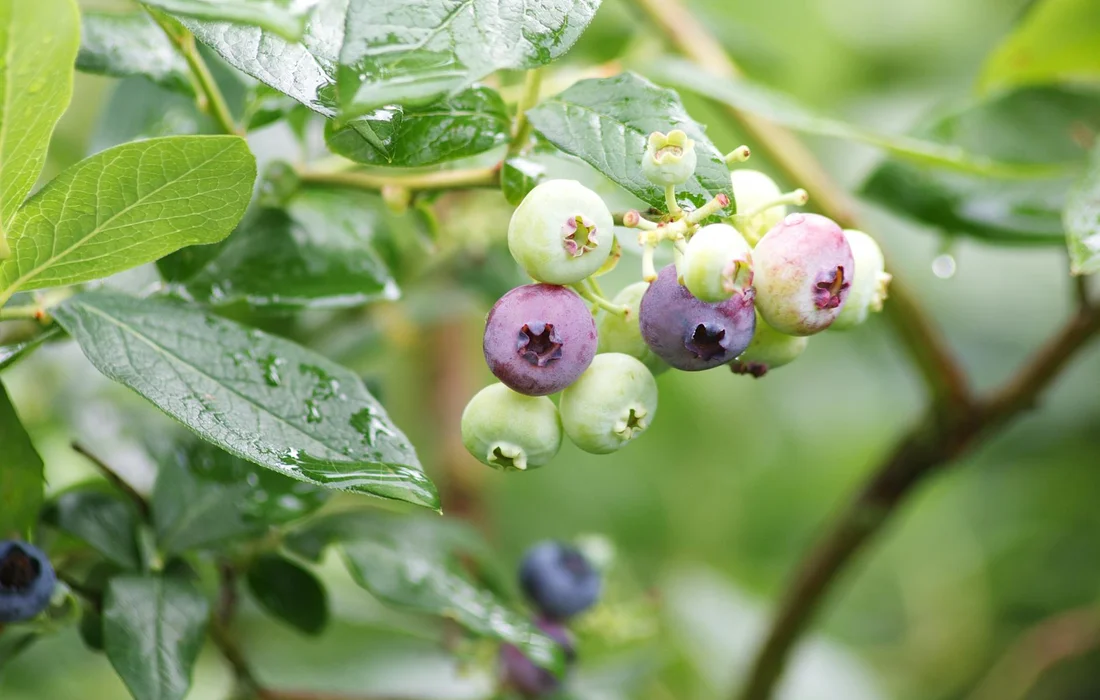
Think of a growing kit’s belly like a little engine that needs the right fuel mix to run smooth. Too much of one thing and it sputters; not enough of another and it stalls for good. Getting the balance of fiber, protein, and minerals right from the start sets your rabbits up for a lifetime of good health and steady growth. It ain’t just about filling a bowl; it’s about thoughtful stewardship.
Let’s break down the nutritional pieces. First, you’ve got fiber, mostly from hay. This is non-negotiable. A kit’s gut is a fermentation vat that must keep moving. Fiber keeps everything sliding along and prevents deadly blockages. Then there’s protein for building strong muscle and bone during that explosive growth phase. Finally, you have calcium for skeletal development, but here’s the kicker-too much can cause serious urinary issues down the road. It’s a delicate dance.
Choosing the Right Pellets for Growing Kits
Store shelves are lined with bags, but not all are fit for the nursery. Juvenile or “growth” formula pellets differ sharply from adult maintenance blends. You’re looking for a pellet with about 16-18% protein and 2.5-3.5% fat to support a kit’s development, compared to an adult pellet which may be 12-14% protein. I’ve made the mistake of feeding an all-flock pellet to weanlings and watched their coats go dull-learned that lesson in the barn real quick.
Stick with a plain, timothy-based pellet for most breeds. Avoid the “gourmet” mixes with seeds, corn, and colorful bits. Those are junk food. Kits will pick out the tasty, fatty bits and leave the nutritionally dense pellets behind, creating a picky eater and an imbalanced diet. A simple, high-quality pellet is your best and most frugal tool, especially when compared to relying on fresh food alone for nutritional balance.
Balancing Calcium and Fiber for Optimal Health
This is where many folks, meaning well, go astray. Young kits can handle, and even benefit from, the higher calcium and protein in alfalfa hay. But as they approach adulthood, that rich alfalfa can become a burden. Starting the transition from alfalfa to grass hay (like timothy or orchard grass) around 6-7 months of age is a critical step in preventing bladder sludge and kidney stones. Their growing bodies need that early boost, but mature systems don’t. An age-specific feeding guide for adult rabbits explains how to use alfalfa judiciously as they mature. Following it helps balance calcium and protein without overburdening mature systems.
Your daily feeding routine should look something like this:
- Unlimited Alfalfa Hay: From weaning until about 3-4 months old. This is their main fiber source and calcium provider.
- Limited Juvenile Pellets: Offer about 1/4 cup per pound of expected adult body weight daily. For a kit that’ll grow to a 5lb adult, that’s roughly 1 1/4 cups per day. Split this into two feedings.
- Introducing Greens: Start tiny at 12 weeks! A single basil leaf or a one-inch sprig of cilantro. Watch their droppings for 24 hours. No soft stool? You can slowly increase variety and amount.
- The Great Hay Transition (4-7 months): Start mixing grass hay in with the alfalfa. Week by week, increase the grass hay ratio until they’re fully on grass hay by 7-8 months old. Switch their pellets to an adult formula at this time, too.
Remember, water is the most vital nutrient. A heavy ceramic crock filled with fresh, clean water every single day is just as important as the finest hay. Watch those kits bloom, and you’ll know you’re on the right track.
Spotting Trouble: Common Digestive Issues and Warning Signs
A kit’s digestive system is a finely tuned machine, and when it sputters, things go downhill fast. Your most important job is to become a keen observer, noticing the small changes that signal big trouble. A quiet bunny is often a sick bunny, so trust your gut when something seems “off.”
Recognizing and Responding to GI Stasis
GI stasis isn’t just a tummy ache; it’s when the entire digestive tract grinds to a halt. I’ve seen a robust kit turn listless in a matter of hours. The earliest warning sign is often a sudden disinterest in food, especially their favorite greens or pellets.
- Key Symptoms: No fecal droppings for 12 hours, or producing very small, misshapen, or strung-together poops. A hunched, tense posture, teeth grinding (a sign of pain), and a hard, bloated, or gurgling belly. They may feel cool to the touch.
- Immediate Actions:
- Provide Warmth: Wrap a heating pad (on low) in a towel and place it under half their enclosure. A chilled rabbit cannot recover.
- Hydrate: Use a sterile syringe to offer plain, lukewarm water or unflavored electrolyte solution. Dehydration is the enemy.
- Simulate Feeding: If they won’t eat, mix their normal pellet dust with water or critical care formula into a slurry. Gently syringe-feed small amounts every few hours to restart gut motility.
- Contact Your Vet: This is non-negotiable. GI stasis is a veterinary emergency that often requires medication for pain, gut motility, and underlying issues.
Time is of the essence. I keep a “bunny emergency kit” with syringes, a heating pad, and my vet’s number on the barn wall, because digging for supplies wastes precious minutes.
Preventing Dietary Blunders That Harm Kits
Most digestive crises are preventable. They usually stem from a well-intentioned but harmful choice we make at the feed bucket. The golden rule is this: consistency and simplicity are your guiding lights during weaning and for several weeks after.
- No Sudden Introductions: Never offer a kit a food they haven’t seen their dam eating. Their gut flora is built from hers. Introducing kale, broccoli, or fruit without a slow, acclimation period is asking for a gas-filled, painful kit.
- Beware the “Treat” Trap: Store-bought yogurt drops, seed sticks, and bread are absolute poison to a young rabbit’s cecum. They disrupt the delicate bacterial balance and can cause fatal enterotoxemia.
- Hay is Non-Negotiable: Unlimited, high-quality grass hay (orchard, timothy) must make up 80% of their adult diet and should be their primary focus post-weaning. It’s the roughage that keeps their gut moving correctly.
- Water Access is Critical: A rabbit won’t eat if it can’t drink. Check water bottles and bowls twice daily. I use heavy ceramic bowls to prevent tipping and scrub them with vinegar weekly to prevent biofilm.
- Stick to a Schedule: Feed pellets and greens at the same times each day. A predictable routine reduces stress, and a calm kit is a healthy kit. Measure their pellets-overfeeding leads to obesity and a disinterest in hay.
Remember, you are their steward. Patience in dietary transitions is the cheapest and most effective medicine you will ever give your growing rabbits. Watch them close, keep it simple, and you’ll raise kits with guts as strong as their spirits. Next, we’ll guide you through transitioning your rabbits’ diet safely and introducing new foods gradually. This gentle, step-by-step approach helps you spot issues early and keep their tummies happy.
A Practical Feeding Schedule and Diet Chart
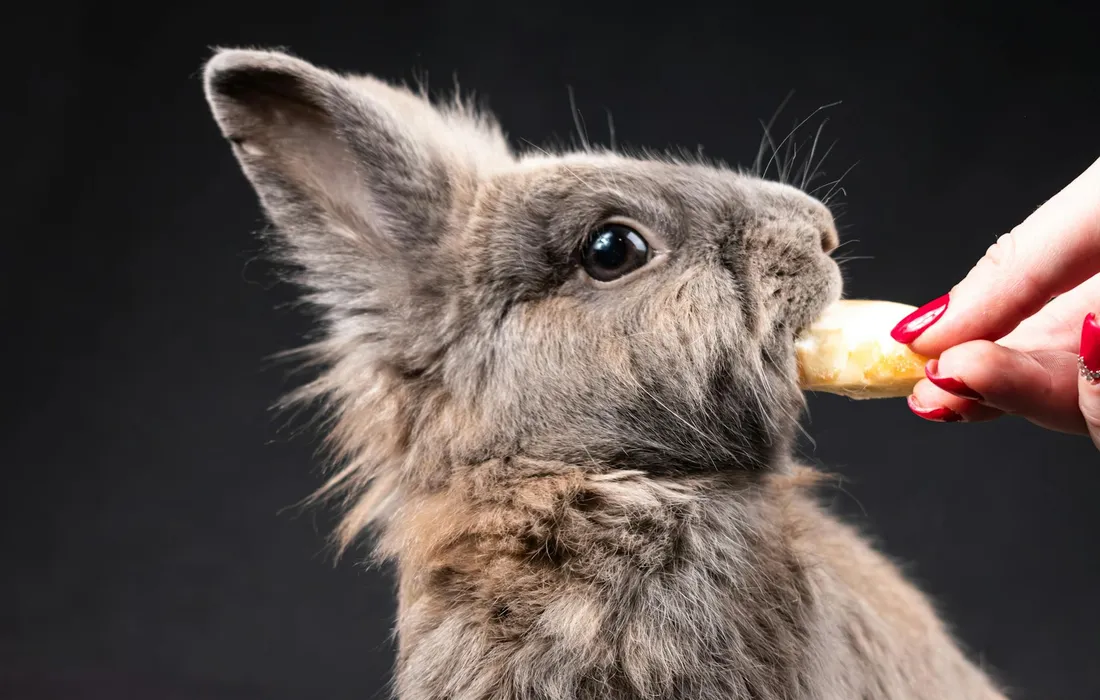
Figuring out what to feed those little wigglers and when can feel like a puzzle. I reckon the best approach is to mirror nature’s pace-slow, steady, and sensible. Rushing a baby rabbit’s diet change is the surest way to upset their delicate gut, so patience isn’t just a virtue here, it’s a requirement. In the wild, rabbits pace meals with day-night foraging rhythms. Domestic rabbits adapt to schedules, so timing really shapes their eating patterns. Let’s walk through those first crucial weeks together.
Weekly Guide: From Weaning to 12 Weeks
Weaning ain’t an on-off switch; it’s a gentle slope. Here’s how I’ve managed litters for years, watching each kit like a hawk.
- Weeks 4-5: This is the start of the transition. The kits are still heavily dependent on their dam’s milk. Your job is introduction. Place a handful of high-quality alfalfa hay and a shallow dish of alfalfa-based pellets in the nesting area. They’ll nibble and explore, mimicking mom. Their primary nutrition is still milk.
- Weeks 5-7: The big shift happens now. Milk intake drops significantly as solid food consumption rises. Keep that alfalfa hay available at all times-it’s the cornerstone. Increase pellets to about 1/4 cup per kit daily, split into two feedings. Watch their bellies; they should look round but not taut like a drum.
- Weeks 7-8: Weaning is typically complete. Kits are now eating like little pros. You can introduce one, single type of mild green, like a bit of romaine lettuce or an oat hay sprig. Give a piece no bigger than your thumb nail once a day. Watch their droppings for any sign of softness.
- Weeks 9-12: This is your expansion phase. Gradually increase the variety of greens, adding one new item every 3-4 days. Think cilantro, bok choy, or broccoli leaves. Their digestive systems are building resilience now, but a sudden salad bar will still cause trouble. Continue unlimited alfalfa hay and about 1/2 cup of pellets per rabbit daily.
Baby Rabbit Diet Chart: Quantities and Frequencies
This table is your quick-reference barn guide. Tuck it on the feed room wall. Remember, these are guidelines; a big, active Californian kit may need a touch more than a petite Netherland Dwarf.
| Age Range | Primary Food | Daily Amount | Feeding Frequency |
|---|---|---|---|
| 3 – 6 weeks | Dam’s Milk, Alfalfa Hay, Alfalfa Pellets | Milk on demand, Hay unlimited, Pellets: 1-2 tbsp | Hay always, Pellets 2x daily |
| 7 – 8 weeks | Alfalfa Hay, Alfalfa Pellets, 1st Greens | Hay unlimited, Pellets: 1/4 cup, Greens: a taste | Hay always, Pellets 2x daily, Greens 1x daily |
| 9 – 12 weeks | Alfalfa Hay, Alfalfa Pellets, Assorted Greens | Hay unlimited, Pellets: 1/2 cup, Greens: 1 cup | Hay always, Pellets 2x daily, Greens 1-2x daily |
Portion adjustment comes down to simple observation. A kit that cleans its dish instantly and seems eager for more might need a small bump, while one who leaves pellets behind is telling you it’s plenty. I once had a runt, Thistle, who needed her pellets dampened with a bit of water to eat enough to catch up. You work with what you’ve got.
The golden rule across all these weeks is consistency. Feed at the same times each day. Make hay changes gradual. Sudden swaps in pellet brand or hay type can stall a growing gut. Their world is changing fast; a dependable dinner plate provides a foundation for sturdy growth.
Supporting Healthy Habits: Water, Chew Toys, and Habitat
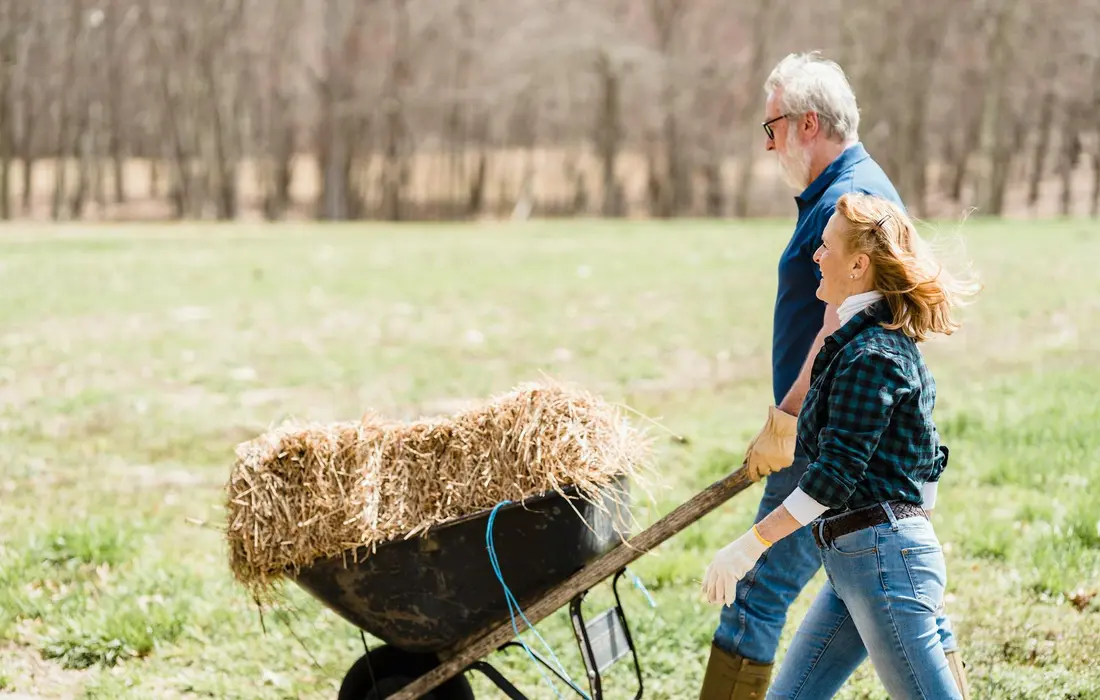
Now, getting those kits through weaning with the right grub is only half the story. Their overall thriving is stitched together from daily habits that support good eating, and I’ve seen many a well-fed bunny falter because a basic need was overlooked. Proper nourishment is deeply tied to their water, their need to chew, and the home you provide. If you’re after a practical path, I share a domestic rabbit diet guide that outlines what to feed daily. It’s a simple framework you can follow as you set up meals.
Think of it like setting a good table for a growing child; the environment matters. A bored rabbit or a thirsty one is a rabbit that won’t eat right, no matter how fine the feed. Here’s what else demands your attention alongside that first pile of alfalfa hay.
- Fresh water is the unsung hero of digestion. It’s absolutely critical, not optional, for moving new foods through their tender systems.
- Safe chew toys are a dietary supplement for their teeth. Without them, dental pain can stop a bunny from eating altogether.
- A pen designed for exploration encourages natural foraging. It turns mealtime into activity, promoting a healthier gut and mind.
- This holistic view is the heart of good stewardship. Respectful care means weaving nutrition into every part of their daily life, done with a thrifty and watchful eye.
Ensuring Constant Water Access
Listen close, because this might be the most important advice I give you today. A baby rabbit can go downhill faster from lack of water than from almost anything else. Their digestion, especially when transitioning to solids, is a water-powered engine. I keep a heavy ceramic crock in every nursery pen-it’s harder to tip than a light bowl and lets them drink naturally. This is crucial, especially when you feed them the right stuff.
You must check and refresh that water at least twice a day. In summer heat, I sometimes pop in a second ice-cold bowl in the afternoon to encourage sipping. If you use a bottle, test the nozzle with your finger every single morning to ensure it’s not clogged. A kit that isn’t drinking may simply need a different style of waterer; I’ve fixed many a “poor eater” just by swapping a bottle for a shallow dish.
Selecting Safe Chew Toys for Dental Health
A rabbit’s teeth grow constantly, and if they don’t wear down evenly, it leads to misery and starvation. Providing the right things to chew is not a luxury-it’s a direct part of their nutritional health plan. I save branches from my own untreated apple and willow trees, a free and perfect solution, and make sure to only feed safe parts to them.
Stay away from anything plastic, painted, or from trees like cedar or cherry which can be toxic. Your rule of thumb should be simple: if you can’t identify the wood or material with certainty, don’t put it in the pen. Here are my go-to, budget-friendly choices:
- Untreated hardwood sticks: Apple, willow, poplar, or aspen. Scatter a few around the pen to promote movement.
- Plain cardboard: Toilet paper tubes, small boxes, or egg cartons. They’ll shred it with joy and it’s harmless if ingested in small amounts.
- Compressed hay cubes or seagrass mats: These satisfy the urge to gnaw and are edible, doubling as a snack.
Rotate these toys every week or so to keep things interesting. A kit with a proper chew toy is a content kit, and a content kit eats with gusto and grows like a weed.
Final Thoughts on Raising Thriving Kits
Why would a baby rabbit die suddenly with its eyes open?
A sudden death with eyes open often points to acute trauma, severe shock, or an underlying congenital issue like heart failure. It can also occur from a massive internal event, such as a rupture, that provides no warning signs for a farmer to observe.
Can a baby rabbit really die from loneliness?
Yes, profound stress from isolation can lead to a failure to thrive, where a kit stops eating and drinking. This decline can rapidly result in fatal GI stasis or a weakened immune system, making them succumb to other illnesses.
What does a baby rabbit distress call mean?
A loud, piercing squeal or scream is a kit’s ultimate alarm for acute pain or terror. It demands your immediate attention, as it signals severe injury, a predator attack, or an acute medical crisis like a gut blockage.
Is GI stasis a common cause of sudden death in young rabbits?
Absolutely. GI stasis can escalate from slight lethargy to a fatal shutdown in under 24 hours, especially in weanlings. It’s often the final common pathway for many problems, from improper diet to stress, making vigilant observation of eating and droppings critical.
What should I do if a baby rabbit dies in my arms while squeaking and jumping?
This distressing event typically indicates a violent seizure or agonal response at the very end of life, often due to neurological trauma, toxicity, or severe organ failure. While you cannot reverse it, it underscores the importance of having a vet examine any suddenly ill kit.
Where can I find a reliable baby rabbit care details PDF?
Seek resources from reputable livestock extension services or established rabbit breeding associations. These organizations provide fact-based, peer-reviewed guides on husbandry that are far more reliable than general pet forums.
Back to the Hutch
Raisin’ those kits right boils down to watchin’ and waitin’. You watch their weight, their behavior, and what leaves their bodies. You wait for them to show you they’re ready for the next bite, the next step. The single most important thing you can do is make unlimited, high-quality grass hay the absolute cornerstone of their diet from the moment they peek out of the nest box; a properly functioning gut is the foundation of everything that follows. I still start my day with a quiet moment at the grow-out pens, just seein’ who’s eatin’ and who’s loungin’, and it tells me more than any chart ever could.
There’s a mighty fine satisfaction in hearin’ the quiet munch of a pen full of young rabbits, knowin’ you’ve guided them safely from milk to meadow. I reckon that’s what this life is all about-those small, steady rhythms of care. Thank y’all for lettin’ me share a bit of our rabbitry wisdom. Now go enjoy those growin’ bunnies and the simple, good work of raisin’ them well.
Further Reading & Sources
- Diet for baby rabbits: How to feed them – The Little Hay Company
- How to Feed Baby Rabbits: Milk Formulas, Weaning & More
- Diet for Young/Baby Rabbits
Caroline Mae Turner is a lifelong farm girl raised on red clay, early mornings, and the sounds of a bustling barnyard. With hands-on experience caring for everything from stubborn goats to gentle dairy cows and mischievous pigs, Caroline shares practical, tried-and-true advice straight from the farm. Her goal is to help folks keep their animals healthy, well-fed, and living their best barnyard life. Whether you're wrangling chickens or bottle-feeding a baby goat, Caroline brings a warm Southern touch and plenty of real-world know-how to every bucket in the barn.
Diet Requirements