
Can Chickens Eat Dairy? The Farmer’s Quick-Answer Safety Sheet
Published on: May 26, 2026 | Last Updated: May 26, 2026
Written By: Caroline Mae Turner
Howdy y’all! Wrestling with whether to share that bit of leftover milk or cheese with your scratching crew? In my years on the farm, I’ve found that a little plain yogurt or cottage cheese can be a perfectly fine snack for chickens, but the key is moderation and avoiding anything spoiled, salty, or rich. It’s a common homestead puzzle, and I reckon we can solve it together.
What you’ll need:
- A modest amount of fresh, plain dairy like yogurt, kefir, or curds
- A keen eye for spotting any mold or spoilage
- Less than five minutes to serve it and observe your flock
Let’s walk through the simple do’s and don’ts so you can handle those dairy scraps with confidence and get back to your day.
The Barnyard Truth About Chickens and Dairy
I remember one summer morning when a pail of fresh milk tipped over in the barnyard, and before I could mop it up, my hens were already pecking at the spill. Chickens are curious by nature, and they’ll often investigate any new scrap or puddle, dairy included.
For our purposes here, “dairy products” mean anything that comes from milk: think cow or goat milk, cheese, yogurt, whey, and butter. The barnyard truth is, yes, chickens can have dairy, but only in strict moderation and with some important caveats. You might wonder how dessert dairy, like ice cream, fits into this. We’ll cover that nuance next as part of the broader look at what dairy products chickens can safely eat.
Treat dairy like a rare indulgence for your flock-a small taste now and then is okay, but it should never become a regular part of their diet.
Milk for Chickens: Weighing the Benefits and Risks
Let’s talk plainly about pouring milk for your poultry. While a tiny amount isn’t immediately poisonous, milk poses a real problem because of its lactose sugar, similar to many dairy and sugary treats that chickens shouldn’t eat.
Lactose needs the enzyme lactase for proper digestion, and adult chickens just don’t make enough of it. This lack leads to a handful of issues you’d rather avoid in your coop.
- Digestive upset: Undigested lactose ferments, causing uncomfortable gas and bloating.
- Diarrhea: Watery droppings soil feathers, bedding, and can dehydrate your birds.
- Nutritional imbalance: Dairy fills their crops but lacks the complete nutrition of their proper feed.
It’s a lot like human lactose intolerance. Just as milk can unsettle a person’s stomach, it routinely does the same to chickens.
You should never, under any circumstances, feed spoiled or moldy milk to your flock in a misguided attempt at thriftiness. The dangers are far too great.
Is Fresh Milk a Friend or Foe?
When a chicken drinks fresh milk, the lactose moves through its system mostly untouched. Without sufficient lactase to break it down, that sugar ferments in the gut, leading to gas and almost guaranteed loose droppings.
Adult chickens are simply not built to digest dairy sugars effectively. If you offer them fresh milk, you are inviting a messy cleanup in the coop.
The Danger of Spoiled Dairy
Safe feed is the cornerstone of responsible animal care. Spoiled dairy, like sour milk or moldy cheese, is a breeding ground for toxins that can seriously harm your birds.
- Aflatoxins: These potent molds from spoiled feed can cause liver failure.
- Pathogenic Bacteria: Organisms like Salmonella or Listeria lead to severe, sometimes fatal, infections.
- Other Mycotoxins: Various molds can produce toxins that weaken immunity and damage organs.
The rule on my farm is absolute: when in doubt, throw it out immediately.
Always discard questionable dairy far away from your chickens’ foraging areas to keep them safe.
Cheese, Yogurt, and Other Dairy Products
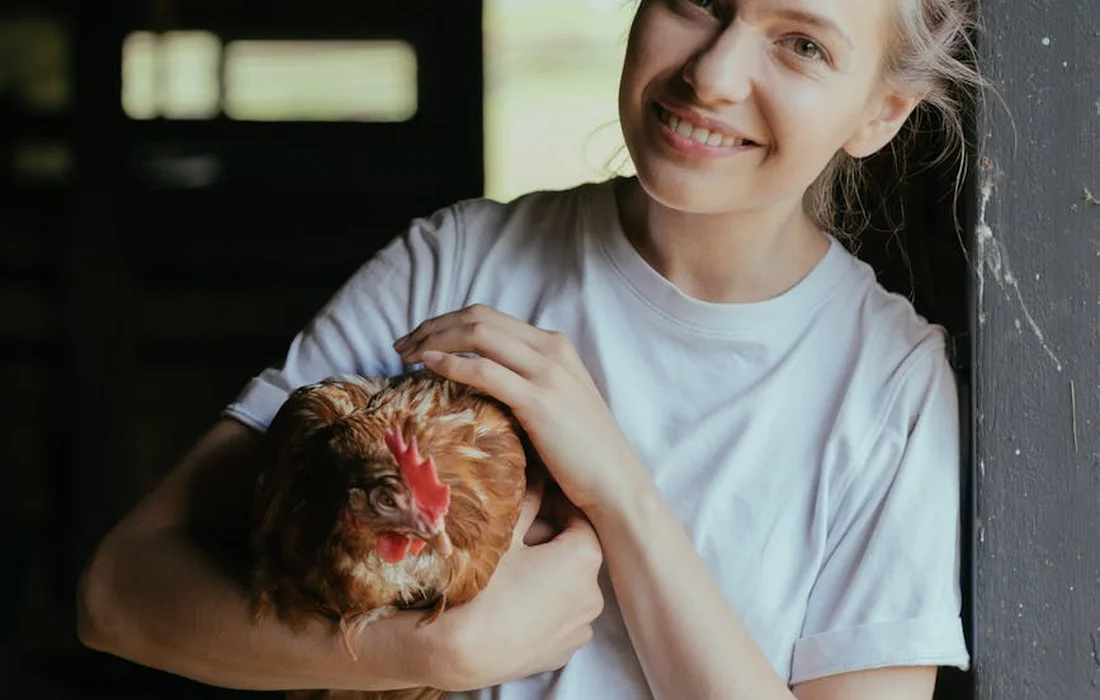
Now, let’s mosey on past the milk pail and see what else in the dairy aisle might catch a hen’s eye. Not all dairy is created equal for our feathered friends. The key factors to weigh are the lactose content and the fat level, which vary wildly from one product to the next. Here’s a quick, skimmable guide to help you sort the safe treats from the questionable ones.
| Dairy Item | Generally Safe? | Lactose Level | Fat & Notes |
|---|---|---|---|
| Hard, Aged Cheese (Cheddar, Swiss, Parmesan) | Yes, in strict moderation | Very Low | High in fat and salt. A tiny, crumbled treat only. |
| Plain Yogurt & Kefir | Yes, the best dairy option | Low (fermented) | Offers probiotics. Avoid added sugars or artificial sweeteners. |
| Cottage Cheese, Ricotta | Proceed with Caution | Moderate | Higher in lactose. Offer a scant teaspoon only if at all. |
| Soft, Mold-Ripened Cheese (Brie, Blue Cheese) | No | Varies | Harmful molds for poultry. Keep these for your own cracker. |
| Processed Cheese Slices or Spreads | No | Varies | High in salts, additives, and preservatives. Not suitable. |
| Ice Cream, Whipped Cream, Sour Cream | No | High | Extremely high in fat and sugar or lactose. A firm “don’t.” |
What Types of Cheese Can They Peck At?
If you’re gonna share a cheese crumb, make it the right kind. Hard, aged cheeses like a sharp cheddar, Swiss, or Parmesan are your safest bet. The aging process breaks down most of the lactose, making these cheeses far easier on a chicken’s digestion than a glass of milk. I’ll sometimes crumble a bit of leftover cheddar over their scratch grains as a rare winter warm-up.
You must steer clear of soft, mold-ripened cheeses like brie or camembert. The molds that make these delicious for us can be harmful to poultry. Highly processed cheese “food” or spreads are also off the menu-they’re loaded with salts and chemicals a hen’s body just doesn’t need. Remember, even safe cheese is a fatty, salty condiment, not a feed substitute; think of it as a rare bit of bacon on a salad, not the lettuce itself. Other everyday foods can be toxic to chickens, so knowing which items to avoid is essential. This is part of chicken diet safety—recognizing harmful foods helps keep your flock healthy.
The Probiotic Power of Yogurt and Kefir
This is where dairy can actually wear a little hero’s cape in the coop. Fermented dairy like plain, unflavored yogurt and kefir is typically well-tolerated. The active cultures (probiotics) have already done the work of digesting much of the lactose, and these good bacteria can give your flock’s gut health a welcome boost. I’ve used a dollop of yogurt mixed into feed during times of stress, like after introducing new birds or in extreme heat.
The critical word here is “plain.” You must avoid any yogurt with added sugars, fruits, or-heaven forbid-artificial sweeteners like xylitol, which is toxic. A simple, cheap container of plain active-culture yogurt is a fine homestead tool; a flavored one is a sugary problem waiting to happen. Offer it sparingly, perhaps a few tablespoons mixed into a quart of their feed, or smeared on a tough vegetable like kale for a fun, peckable snack.
How to Spot Dairy Intolerance in Your Flock
Just like people, chickens can have a mighty touchy time with lactose. Spotting a case of dairy discomfort relies on watching your birds like a hawk for any change from their normal, pecking-and-scratching routine. The signs usually show up pretty quick, within a few hours of them eating something they can’t handle, such as dairy-based foods like macaroni and cheese.
The most common red flag is a change in their droppings. You’re looking for watery, foul-smelling diarrhea that’s a far cry from the normal firm, brown-with-white-cap manure. A messy, pasted-up vent area is a sure sign their digestion is in an uproar and needs immediate attention. The bird might also seem off her feed, unusually lethargic, or just want to sit fluffed up by herself.
- Watery Diarrhea: This isn’t just a little wetness. It’s runny, often sticky, and can soil feathers quickly.
- Lethargy & Fluffing: A intolerant hen will often sit hunched, puffed up like a little feather duster, with little interest in moving or eating.
- Pasty Vent: Diarrhea dries around the vent feathers, creating a hard, crusty blockage that can be fatal if not cleaned.
- Reduced Appetite: She’ll likely turn her beak up at her regular layer feed, which is always a concern.
Now, I don’t just toss new kitchen scraps or leftovers to the whole flock and hope for the best. My method is to safety-test any questionable treat, especially dairy, on just one or two of my hardiest birds first. Here’s how I do it, plain and simple:
- Pick one or two robust, healthy-looking hens from your flock.
- Offer a very small amount-think a teaspoon of plain yogurt or a few tiny crumbles of dry cheese-separately from their main feed.
- Observe those specific birds closely for the next 12-24 hours. Watch their behavior, energy, and check their droppings.
- If they pass the test with flying colors-no pun intended-you can consider offering a limited amount to the whole group later.
If you see any of those worrisome symptoms, act fast. Immediately remove all traces of the dairy treat from their reach and provide fresh, clean water. I keep a stash of homemade electrolyte mix (just sugar, salt, and baking soda in water) for such occasions to help them rehydrate and recover. For a pasty vent, you’ll need to gently clean the area with warm water. If a bird seems truly poorly, isolating her in a quiet, warm infirmary pen lets her recover without stress from the flock. Most times, once the irritant is gone, they bounce back right quick. It’s all about paying attention and trusting what your eyes tell you.
Smart Feeding Guidelines: Moderation is Everything

When it comes to treats from the kitchen, I live by a simple rule I learned from my granddaddy: The main meal is for them, the scraps are for you. Their complete feed is formulated to keep them healthy and laying; everything else is just a bonus. Dairy fits firmly in that “bonus” category and needs to be handled with a light touch.
- Treats, including dairy, should never make up more than 10% of your flock’s total daily intake. The other 90% must be their proper layer feed or ration.
- Offer dairy products only once or twice a week at most. Think of it as a Sunday special, not a daily supplement.
- A “small amount” means about a tablespoon of plain yogurt or a few small cubes of cheese per bird for the whole flock. You don’t need to measure for each hen; just make sure there’s enough scattered for everyone to get a few pecks.
- Always serve dairy on a flat surface like a plate or a tray, or mixed right into their scratch grains. Never dollop it in a deep bowl where it can gum up beaks and wattles, creating a messy breeding ground for bacteria.
- Scatter the treats widely in their run. This encourages natural foraging behavior and keeps the boss hens from guarding the whole stash, letting the shyer girls get their fair share.
I’ve seen a pushy Barred Rock hoard a block of cheddar like it’s Fort Knox, and that’s a sure way to cause squabbles. How you serve is just as important as what you serve when keeping the peace in your poultry yard.
A Sample Safe Serving Plan
Let’s walk through exactly how I offer a bit of dairy to my gals. This method has never steered me wrong and keeps the whole operation clean and calm.
- Pick Your Product. I always start with the safest options: a dollop of plain, unsweetened yogurt or a few shreds of a hard, aged cheese like cheddar. These are low in lactose and less likely to cause upset.
- Prepare it Properly. I dice cheese into tiny, peck-sized crumbs or give the yogurt a good stir. You want pieces so small the chickens can’t run off with a big chunk. For yogurt, I sometimes let it thaw from frozen into a crumbly, cool treat in summer.
- Mix and Scatter. Here’s my favorite trick: I mix these dairy bits right into a handful of their evening scratch grains or scatter them over a patch of clean dirt in the run. This forces the flock to scratch and hunt, turning treat time into an engaging activity that prevents bullying.
- Watch and Learn. Don’t just walk away! I sit with my coffee for a spell and watch the flock after introducing any new treat. You’re looking for normal behavior-happy scratching, content clucking. If you see loose droppings or a hen off by herself, you’ll know that particular treat or amount doesn’t agree with them.
This careful observation after feeding is your most powerful tool for understanding what works for your unique flock. What my Rhode Islands handle with gusto might be different for your Silkies, so let the birds themselves be your guide.
Superior Alternatives to Dairy for Chicken Nutrition

While a splash of milk or a cheese crumb now and then ain’t likely to cause a crisis, I reckon your time and money are better spent on feeds that truly complement a chicken’s digestion. Over the years in my coop, I’ve learned that the safest path is to mirror what their bodies are built for: simple, natural foods they’d forage themselves. This approach saves you worry and supports their health from the inside out, especially when choosing safe treats and kitchen scraps.
For rock-solid eggshells, you need to provide calcium separately from their main feed. I keep a dedicated container in the run, filled with options my hens can peck at as they feel the need. Offering calcium free-choice lets each hen regulate her own intake, which is crucial for consistent shell quality without overdoing it. Here are my top picks:
- Crushed Oyster Shell: This is my steadfast go-to. It’s readily available, and the gritty texture aids their gizzard function.
- Limestone Grit: An affordable and effective option. I often use a mix of both oyster shell and limestone to give the girls variety.
- Crushed Eggshells: Save your own shells! Bake them at a low heat to dry, then crush them up. It’s the ultimate in thrifty, sustainable recycling.
When your flock needs a protein boost for molting, feather regrowth, or just extra vigor, skip the dairy and offer these powerhouse snacks instead. These are among the best treats and healthy snacks for chickens, and a few simple feeding tips can help you use them wisely. They fit neatly into a balanced feeding plan. I’ve watched a handful of dried soldier fly larva transform a listless, molting hen into a busy, pecking bird in mere minutes. Here are the treats my birds work for:
- Dried Mealworms or Black Soldier Fly Larvae: These are protein dynamos, often hitting over 50% protein. A little goes a long way.
- Scrambled Eggs: Yes, eggs for chickens! It sounds odd, but it’s a complete protein source. I scramble them plain, with no butter or oil, and let them cool.
- Sprouted Lentils or Seeds: Soak them overnight, then rinse until they sprout. It’s a living, vitamin-rich food that costs pennies.
- Garden Gleanings: Spotted tomatoes, zucchini ends, or spent lettuce-my girls clean up the garden scraps with gusto.
Never let treats, no matter how nutritious, make up more than 10% of their daily intake. The absolute foundation for a productive laying hen is a complete, balanced layer feed formulated with around 16-18% protein and all the necessary vitamins. I measure out their main feed first thing in the morning, so I know their nutritional base is covered before any snacks hit the ground. That’s the real secret to a healthy, yielding flock.
Closing Tips for Dairy in the Coop
Can chickens be lactose intolerant?
Yes, most adult chickens are effectively lactose intolerant. They lack sufficient amounts of the enzyme lactase needed to properly digest lactose, the sugar found in milk, which can lead to digestive upset.
What are the symptoms of dairy intolerance in chickens?
Watch for watery, foul-smelling diarrhea, pasty vent feathers, lethargy, and fluffing up. These signs typically appear within a few hours of consuming a problematic dairy product.
How much dairy can chickens safely consume?
Dairy should be a rare treat, offered no more than once or twice a week. A safe serving is about a tablespoon of plain yogurt or a few tiny cheese crumbles per bird for the entire flock at one time.
Are there any dairy products that are beneficial for chickens?
Plain, unsweetened yogurt or kefir can be beneficial due to their probiotics and lower lactose content. The active cultures can support gut health, especially during times of stress like molting or extreme heat.
What is the absolute safest way to introduce a new dairy treat?
Always conduct a safety test first. Offer a very small amount to just one or two healthy hens and observe them closely for 12-24 hours for any signs of intolerance before considering sharing with the whole flock.
What is the most important rule when serving any dairy?
Never serve spoiled, moldy, or overly processed dairy. Always scatter treats widely to prevent bullying and ensure all birds get only a small peck, never a large portion.
Shuttin’ the Gate
After all this talk of curds and whey, let’s herd our thoughts back to the barnyard basics. Treats, dairy included, are just the sprinkles on the cake of a good laying ration. The single most important thing you can do for your flock is to make sure their primary diet of a quality layer feed is never an afterthought, and to watch them like a hawk whenever you introduce something new. To keep this on track, revisit chicken diet basics for feeding your backyard flock. Understanding these basics helps you balance your layer feed with smart treats and supplements. A happy chicken is a chicken whose main nutritional needs are met without question.
I’m mighty thankful y’all stopped by to ponder this with me. There’s a profound peace in watching your birds scratch in the dirt, knowing you’re caring for them right. Now, go enjoy that simple satisfaction-and maybe share a tiny crumble of that cheddar with your most polite pullet. Hear that? Sounds like contented chickens. Sounds like home.
Further Reading & Sources
- Can Chickens Eat Dairy? – Welcome to The Hearty Hen House
- Feeding Chickens Cheese & Dairy Products – The Peasant’s Daughter
- Feeding Milk to Chickens – The Fertrell Company
Caroline Mae Turner is a lifelong farm girl raised on red clay, early mornings, and the sounds of a bustling barnyard. With hands-on experience caring for everything from stubborn goats to gentle dairy cows and mischievous pigs, Caroline shares practical, tried-and-true advice straight from the farm. Her goal is to help folks keep their animals healthy, well-fed, and living their best barnyard life. Whether you're wrangling chickens or bottle-feeding a baby goat, Caroline brings a warm Southern touch and plenty of real-world know-how to every bucket in the barn.
Diet Requirements