
Feeding Chickens Insects: Your Safe and Savvy Bug Guide
Published on: July 8, 2026 | Last Updated: July 8, 2026
Written By: Caroline Mae Turner
Welcome back to the barn. If you’ve watched your hens scratch and peck with gusto, you’ve likely wondered about all those bugs they’re snatching up. Your chickens can absolutely eat a wide variety of insects-from maggots to grasshoppers-and it’s a fantastic, natural part of their diet, but a little know-how keeps it safe and beneficial. I’ve spent many an afternoon watching my flock turn a pest problem into a protein snack.
What you’ll need:
- A basic eye for identifying common insects around your coop.
- Your flock’s complete, balanced feed as their nutritional backbone.
- A mindful approach to moderation, especially with fatty treats.
Let’s sort through the buzz and crawl so you can manage your flock’s foraging and return to the rest of your homestead chores with confidence.
Why Insects Are a Chicken’s Natural Buffet
You ever watch a hen in an open pasture? Her head cocks, she gives a quick scratch, then darts forward to nab something wiggly before it can escape. That ain’t just random behavior; that’s millions of years of programming at work. Every single chicken in your yard is the descendant of wild junglefowl who earned their keep by tirelessly hunting bugs, seeds, and greens on the forest floor. That scratching and pecking isn’t a hobby-it’s their career.
I reckon we’ve done our birds a disservice by thinking a bag of pellets is the whole story. Their instincts haven’t read the feed tag. Providing insects isn’t just a treat; it’s honoring their very design. Black soldier fly larvae offer premium insect feed for chickens, turning foraging into a rewarding, natural activity. This feeding aligns with their instinct to hunt and peck. It engages their minds and satisfies that deep-seated need to work for their food. A bored chicken is often a troublesome one, but a chicken on the bug hunt is a picture of contentment and purpose.
The Foraging Instinct in Action
From the moment a chick hatches, it’s looking for movement. That tiny peck at a speck of dirt or a piece of straw is practice for the grand game of bug hunting. On our farm, we let the broody hens raise their own clutches, and the education starts immediately. The mama clucks, scratches up a juicy beetle larva, and the babies learn: *that* is food. You can see the lesson click in their little eyes, and from then on, they’re hunters. It’s a beautiful cycle we’re meant to support, not suppress.
The Protein-Packed Goodness: Nutritional Perks of Bugs
Now, let’s talk straight numbers. That crumble you buy might run 16-18% protein. That’s good maintenance feed. But for growing pullets, molting hens, or a rooster keeping up with his flock, they need a boost. Insects are nature’s ultimate protein concentrate, often doubling or even tripling the protein found in standard ration. They’re also packed with healthy fats, vitamins, and minerals that get converted into richer yolks, stronger eggshells, and glossy feathers.
Beyond the feed bucket, this is about thrift and sustainability. Every grasshopper your hens catch is a bit less feed you have to buy and a bit more nutrition you didn’t have to process. Those bugs turn garden pests and compost into high-quality eggs and meat right before your eyes. I’ve always said a good laying hen is the most efficient little farmhand you’ll ever have.
A Pecking Order of Nutritional Stars
Not all bugs are created equal, but most are mighty beneficial. Here’s a quick rundown of some common catches:
- Black Soldier Fly Larvae (Calci-Worms®): These are my top-shelf recommendation. Not only are they around 42% protein, but they’re also incredibly high in calcium, which goes straight to making those eggshells rock-hard.
- Mealworms & Crickets: The classic favorites. Dried mealworms hover near 50% protein. They’re like chicken candy, perfect for training or a high-energy treat in winter.
- Grasshoppers & Crickets (wild-caught): A fantastic source of chitin, which can help support gut health and parasite resilience. They’re pure, lean, hopping protein.
- Earthworms: More than just protein, they’re a probiotic powerhouse from the soil, introducing beneficial microbes to your flock’s digestive system.
| Insect Type | Estimated Protein % | Key Benefit |
|---|---|---|
| Black Soldier Fly Larvae | 42% | High Calcium for Eggshells |
| Dried Mealworms | 48-52% | High-Energy Fat & Protein |
| Grasshoppers (whole) | ~40% | Chitin for Gut Health |
| Earthworms | ~35% | Soil-Based Probiotics |
Remember, variety is the spice of life and the cornerstone of good nutrition. Letting your flock chase down a diverse bug buffet ensures they get a wide spectrum of amino acids and nutrients that a single feed source can’t match. It’s the old-fashioned way to build a truly resilient and healthy bird from the inside out.
Understanding the Risks: Toxins, Pathogens, and Parasites
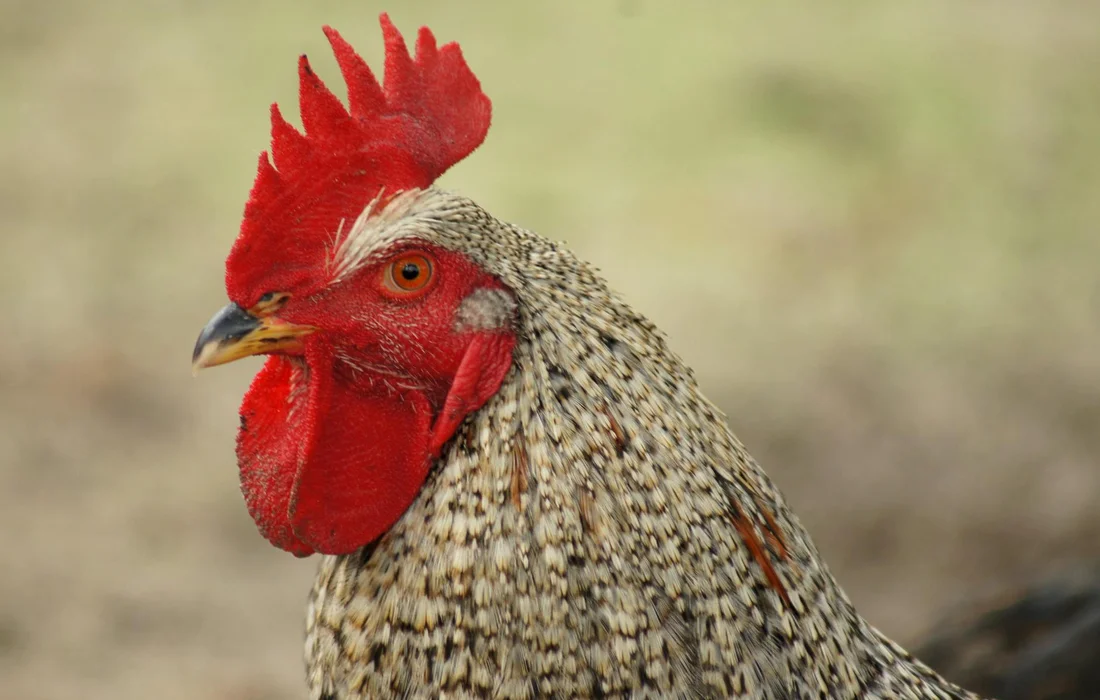
Now, don’t get me wrong, I’m all for free chicken snacks. But tossing any bug you find into the run is like serving a mystery casserole-you best know what’s in it. While insects are a natural part of a chicken’s diet, the dangers aren’t from the bugs themselves so much as what’s on or in them—especially compared to other potentially toxic or harmful foods for chickens. We’ve got three main culprits to watch for: toxins, pathogens, and parasites.
Toxins: When the Bug is the Problem
Some insects are just plain bad news because they produce or concentrate toxins. I learned this the hard way years back when a hay bale brought in some unwelcome guests. Blister beetles are public enemy number one; they contain cantharidin, a poison that can kill a chicken swiftly and with little warning. You’ll often find them in alfalfa hay. Fire ants are another risky business, as their stings and venom can overwhelm a curious bird. Always scout your forage areas and know what’s crawling around.
Pathogens: The Invisible Hitchhikers
This is where things get microscopic. Bugs feeding on rotting carcasses, manure piles, or other decaying organic matter can become mobile taxis for harmful bacteria like Salmonella and E. coli. A maggot from a forgotten roadkill possum is a far cry from a soldier fly larva you’ve cultivated in a clean bin; the source material dictates the risk. Your best defense is controlling the buffet. Encourage bugs from your compost, not from the trash heap.
Parasites: The Unwanted Guests
This one’s a sneaky cycle. Certain insects act as intermediate hosts for internal parasites. The classic example is the humble earthworm or slug carrying the larvae of gapeworm, which then matures in your chicken’s windpipe. Wild birds can drop parasite eggs in their manure, which are then picked up by insects your chickens later eat, completing a cycle you never invited. Maintaining a clean coop, rotating pastures, and regular flock observation are your best tools to break this chain.
Location, Location, Location: Where You Find Bugs Matters
You wouldn’t forage mushrooms from a chemical plant runoff ditch, and the same logic applies here. The safety of an insect is almost entirely defined by its environment. The golden rule is this: if you wouldn’t feel safe eating a vegetable grown in that soil, you shouldn’t let your chickens eat bugs from that spot. It all comes down to what the land has been exposed to.
Let’s talk specifics on places to avoid:
- Roadsides: Bugs here accumulate exhaust fumes, heavy metals from brake dust, and road salts. A grasshopper from a country roadside is a tiny toxin sponge.
- Conventional Crop Fields & Gardens: This is ground zero for pesticide, herbicide, and insecticide residue. These chemicals persist and concentrate up the food chain.
- Industrial Areas & Old House Sites: Soil can be contaminated with lead (from old paint), arsenic (from old pressure-treated wood), or other industrial pollutants.
- Stagnant Water Sources: Mosquito larvae from a scummy pond can carry diseases, and the water itself may harbor harmful bacteria or algal toxins.
So, where should you encourage bug hunting?
- Your Actively Managed Compost Pile: A hot, well-turned pile attracts beneficial decomposers like black soldier fly larvae and red wigglers in a clean, controlled setting.
- Rotational Pasture: Healthy, rested pasture grown without chemicals is a paradise of clean grasshoppers, beetles, and worms. This is the ideal.
- Inside Your Clean Coop Run: Sprinkling spent grain or scratching up the litter encourages chickens to find native bugs in their own safe domain.
| Insect Source | Risk Level | Why & The Better Way |
|---|---|---|
| Grasshoppers from a soybean field | High | Likely pesticide exposure. Instead, catch them in your untreated meadow or flower bed. |
| Maggots from a trash bin | Very High | Pathogen central. Instead, cultivate black soldier fly larvae in a dedicated farm composter. |
| Earthworms from a garden bed | Variable | Depends on your soil amendments. If you use organic practices, it’s a low-risk, high-reward treat. |
| Termites from an old stump | Low | Generally safe protein, but ensure the wood wasn’t chemically treated. A rotten stump in your woods is fine. |
At the end of the day, your land is your larder; stewarding it well ensures the bugs it produces are safe, nourishing, and free for the taking. It’s about working with nature’s pantry, not raiding a questionable cupboard. I reckon if you manage the land right, the land will help you manage your flock.
Bug-by-Bug Breakdown: Safety of Common Crawlers
Let’s walk through the pasture and look at some specific critters. Not all bugs are created equal in the coop, and a little know-how goes a long way. This hands-on experience is where your role as a steward truly shines, turning a simple question into a practical feeding strategy.
Can Chickens Eat Maggots?
Now, I reckon maggots make some folks squeamish, but to a chicken, they’re a wiggling, high-protein delicacy. The short answer is yes, chickens can and will eat maggots with gusto. The real concern isn’t the maggot itself, but where it came from.
Maggots from a controlled source, like a compost pile you’re managing or a black soldier fly larvae farm, are fantastic. They pack about 40-50% protein and healthy fats. I’ve cultivated them in a simple bucket system for years as a cheap supplement. However, maggots found festering on a dead animal or in rotting garbage can carry harmful bacteria or toxins. My rule is simple: if I don’t know the source, the girls don’t get it. Harvesting maggots from a managed compost operation is a brilliant way to recycle nutrients and feed your flock for nearly free.
Can Chickens Eat Grasshoppers?
This is one of nature’s perfect chicken snacks. Grasshoppers and crickets are not only safe but are a top-tier natural food. They’re loaded with protein-often over 60% on a dry matter basis-and watching your hens chase them through the tall grass is pure entertainment. A flock with good pasture access will decimate a grasshopper population, providing free feed and effective pest control. Armyworms are another common pest that chickens can help keep in check. Letting your flock forage turns pest control into a protein-rich snack for the birds.
The only caution I’ve ever had is with areas heavily treated with pesticides. If you’re spraying your fields, keep the birds out for a spell. Otherwise, let them forage. I’ve seen a single hen consume dozens in an afternoon, and it always reflects in the rich, orange color of her egg yolks later that week.
Can Chickens Eat Wasps and Bees?
This one surprises many new keepers. Yes, chickens will eat wasps, hornets, and bees. They are incredibly quick and will snatch them right out of the air or pick them off the ground. Their feathers provide good protection, and they usually manage to avoid being stung in the mouth or throat. My hens have kept the paper wasp population under my eaves in check for seasons now, working like diligent, feathered exterminators. Eggs can tempt chickens too, leading to egg-eating or cannibalism in some flocks. Understanding why this happens helps keepers prevent or manage it.
It’s not a major part of their diet, but it’s a beneficial service. The insects provide a protein boost. I don’t encourage them to raid a large, active hive or a big ground hornet nest—that’s asking for trouble. But for the occasional yellowjacket or carpenter bee? The flock handles it. I’ve never had a chicken show distress from eating stinging insects, but I always keep a watchful eye, just in case. Geese are also opportunistic foragers and will eat insects, worms, and even slugs when the opportunity arises. So while their diet is mostly plant-based, they can contribute to pest control as well.
Can Chickens Eat Termites?
Absolutely, and here’s a homesteader’s pro tip: chickens are excellent at finding and consuming termites. If you’re turning an old log or discover a termite-infested piece of lumber in the barn, toss it in the run. Your flock will have a feast, devouring both the workers and the protein-rich kings and queens, providing a natural solution to a wood-destroying problem.
Termites are another high-protein source, and chickens will scratch and peck until they’ve gotten every last one. It’s a safe, engaging activity that mirrors their natural foraging behavior perfectly. I’ve used my chickens to clean up old stump piles, and they work with an efficiency that’s downright impressive. Just be sure the wood hasn’t been treated with any chemicals before you give them access.
From Field to Feeder: Safe Handling and Storage of Insects
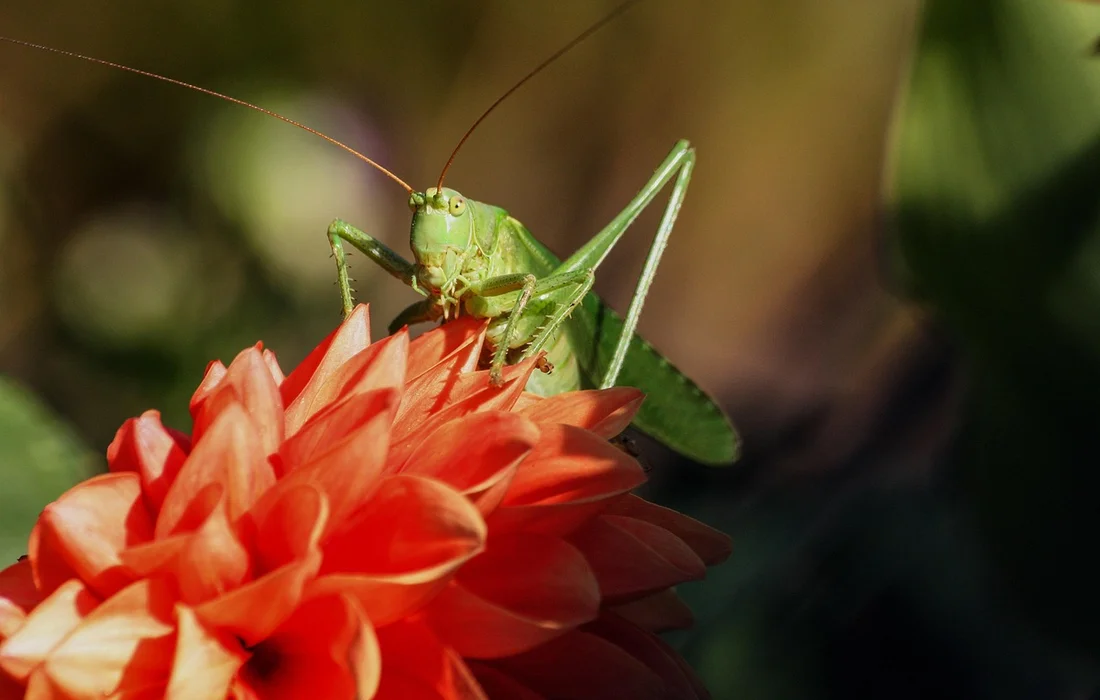
Now, y’all might reckon that tossing a few bugs to the chickens is as simple as it gets, but how you gather and keep those critters matters more than you’d think. Proper handling ensures your flock gets a safe, nutritious snack without any hidden hitches.
How to Gather Your Six-Legged Harvest
I’ve spent many an early morning in the dew-wet grass, collecting grasshoppers for the hens. The key is to source insects from areas you know haven’t been sprayed with chemicals or pesticides. That back field of yours, left wild for the pollinators? That’s prime hunting ground.
Here’s my tried-and-true method for safe collection:
- Timing is everything: Head out at dawn or dusk when many insects are less active and easier to catch.
- Use clean containers: I like a wide-mouthed jar with a few air holes poked in the lid, but a bucket works fine for larger hauls.
- Be selective: Avoid insects from roadsides or any that look sick or sluggish. Stick to lively, healthy-looking bugs.
- Wear gloves if you’re squeamish: It’s not just for comfort; it keeps any potential irritants off your hands.
When it comes to wasps or bees, I advise extreme caution. I never collect stinging insects live; instead, I scoop up any deceased ones I find under eaves or around the barn, using a small shovel. It’s a free protein source, but it’s not worth a trip to the emergency room.
Keeping Your Bug Bounty Fresh
You won’t always use your insect catch right away, and that’s where storage comes in. Improper storage can turn a nutritious treat into a moldy mess or a breeding ground for bacteria. I learned this the hard way with a batch of maggots I’d saved for too long in a warm shed.
For short-term storage, say a day or two, a well-ventilated container in a cool, shaded spot will do. But for longer periods, you have options:
- Freezing: This is my go-to method. Spread your insects on a baking sheet, freeze them solid, then transfer to a labeled bag or container. Frozen insects can be thawed and fed for months, locking in that precious protein.
- Drying: For beetles or grasshoppers, you can dry them in a food dehydrator on a low setting or in a very low oven. Dried insects become a crunchy, shelf-stable treat that’s perfect for winter months when live bugs are scarce.
- Meal Production: If you’re ambitious, you can grind dried insects into a fine powder. This homemade insect meal can be mixed into their regular feed, boosting protein content by 5% or more without commercial costs.
A Thrifty Storage Tip from the Barn
I save those plastic berry containers from the store-the ones with all the holes. They make perfect drying racks for smaller insects like termites or ants after a quick rinse and pat dry. Just set them in a breezy, shaded spot for a day or two, and you’ve got stored protein ready for a rainy day.
A Lesson from the Coop
I remember one summer when a termite swarm hit the old pine near the barn. Instead of panicking, I laid out shallow pans of water under the porch light; by morning, they were full of drowned termites. I scooped them up, gave ’em a rinse, and froze them in ice cube trays. The chickens pecked at those bug-filled ice cubes all week, staying cool and fed in the heat.
Handling and storing insects might seem like a small thing, but it reflects a larger truth about homesteading. It’s about respecting the resources we have, wasting nothing, and ensuring the health of our animals through mindful practice. A little care from field to feeder makes all the difference.
Practical Guidelines: Adding Insects to Your Flock’s Diet
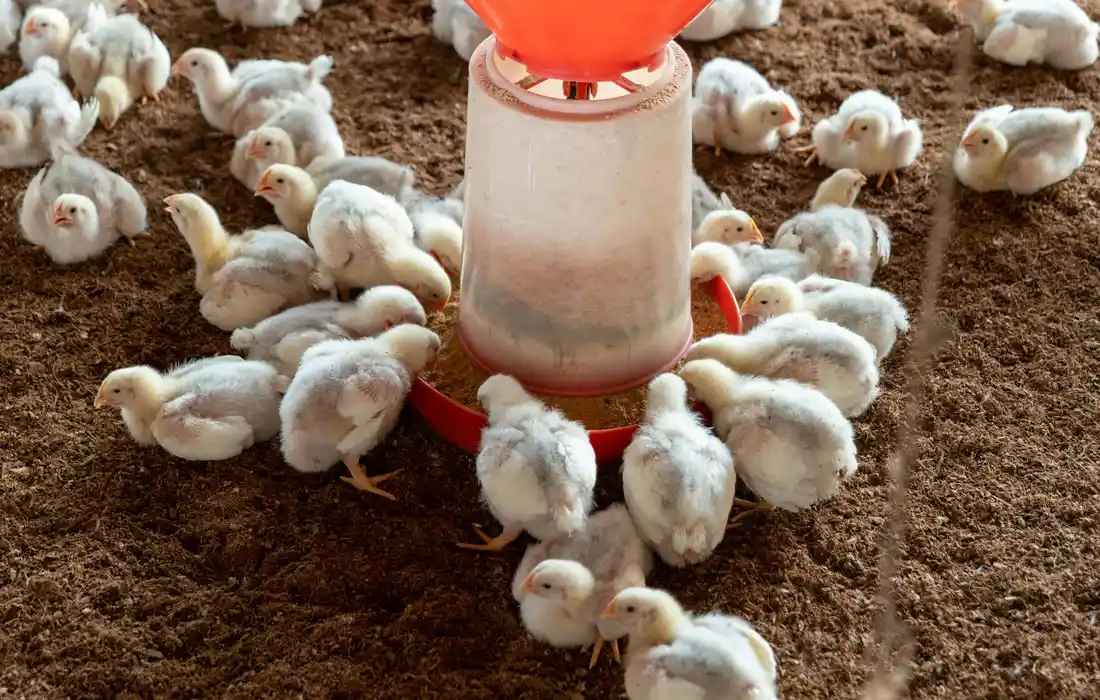
Well now, let’s roll up our sleeves and talk about the how-to, so you can put this knowledge to work in your own barnyard. I’ve found that introducing insects is less about fancy preparations and more about working with your chickens’ natural instincts.
Start With What’s Under Your Feet
You don’t need a store-bought bag to get started; your property is likely crawling with options. One of my favorite thrifty tricks is to let the chickens follow behind when I’m turning the compost pile-they’ll devour the grubs and larvae I uncover.
- Focus on clean sources: pasture, untreated garden soil, and healthy compost.
- Avoid areas near roads or where chemicals have been used.
- Early morning or late evening is prime time for collecting grasshoppers and beetles.
The Right Way to Introduce Bugs
Even though chickens are born to peck at moving things, a gradual introduction prevents waste and ensures everyone gets a fair share. I always offer new insects first thing in the morning when the flock is most active and curious.
- Begin by scattering a handful of insects across their run for every five hens.
- Observe their enthusiasm and any squabbles over the bounty.
- If they gobble them up, you can slowly increase the amount over several days.
- If they’re hesitant, try mixing a few bugs with their favorite scratch grains.
Handling Specific Insects Safely
Each type of bug comes with its own little consideration, much like different garden vegetables. My rule of thumb is to never feed anything I wouldn’t feel safe touching myself from a clean environment.
- Maggots: These are protein powerhouses, but source matters. I cultivate them in a separate bucket with kitchen scraps, never from animal carcasses. This controlled method ensures they’re a safe, 50%-protein snack.
- Grasshoppers & Crickets: Easy to catch in a sweep net, they offer about 40% protein. I freeze them for a few hours first to calm them down, making it easier for younger birds to catch.
- Wasps & Bees: Proceed with caution. I only allow hunting of aerial insects in a wide-open space. The chickens’ swift pecks usually avoid stings, but I don’t actively collect these from nests for safety.
- Termites & Ants: Let the birds do the work! I’ll place an old, infested log in the run. The chickens get hours of enrichment and a great fat and protein source from breaking it apart.
Balancing Act: Treats vs. Complete Feed
Insects are a supplement, not a staple. I limit bug treats to about a handful per bird per day, making sure it never replaces more than 10% of their total diet.
To make the most of it, I’ll often toss insects into their deep litter bedding. This encourages natural scratching behavior, which keeps them busy and reduces boredom-related pecking.
Signs of Success
When you get it right, your flock will tell you. You’ll see richer, orange-colored yolks and notice a new vigor during their daily scratch sessions.
- Improved feather sheen and faster regrowth during molts.
- Stronger eggshells, thanks to the extra minerals from insect exoskeletons.
- Noticeable reduction in external parasites, as busy chickens groom more effectively.
Closing Tips & Common Questions
Do chickens eat insects?
Absolutely. Chickens are natural foragers with a strong instinct to hunt and peck for insects, which are a vital source of protein and nutrients. This behavior is key to their mental stimulation and overall health, especially when foraging for grass and clippings in the lawn.
Do chickens eat insects and worms in the garden?
Yes, and they are excellent organic pest controllers. Chickens will eagerly consume garden pests like grubs, beetles, and caterpillars, along with earthworms, turning your pest problem into free nutrition for your flock. They’ll also chase down pests like ticks and roaches as they forage around the yard. That makes chickens a practical, all-in-one pest-control solution for your garden and coop.
Do chickens eat insects in the house?
While chickens would eat household insects like flies or ants, it’s not a common or recommended practice. For those exploring practical foraging ideas, a beetles-and-insects section in a complete bug-eating guide for chickens can offer helpful insights. It can point to safe, wholesome insect options to include in a supervised outdoor foraging plan. It’s better to manage household pests directly and focus their foraging on controlled, safe outdoor environments to avoid potential exposure to chemical cleaners or pathogens.
Do chickens eat insects or chickens?
Chickens are primarily insectivores and herbivores in their natural foraging. Cannibalism (chickens eating other chickens) is an abnormal behavior typically sparked by stress, overcrowding, or nutritional deficiencies, not a natural dietary preference.
What’s the benefit of chickens eating insects and worms?
Beyond protein, this diverse diet provides essential fats, vitamins, and minerals like calcium for strong eggshells. The act of foraging also keeps chickens active and engaged, reducing boredom and associated behavioral issues. Chickens also eat beyond their regular feed, taking in supplemental foods like kitchen scraps, grains, and greens. Treats, given in moderation, help round out their diet and keep them actively pecking during foraging.
I’ve seen debates online-are there any insects chickens should absolutely avoid?
Yes, always. The primary rule is to avoid insects from contaminated areas. Never allow your flock to eat insects from places treated with pesticides, herbicides, or from rotting carcasses and garbage, due to risks of toxins and pathogens.
Shutting the Gate
Watching your flock chase down a grasshopper or peck at a termite swarm is a pure joy of homesteading. It’s a sign of a healthy, active bird and a balanced ecosystem right in your yard. The final rule of thumb, straight from my own barnyard, is this: always view bugs as a powerful supplement, not the main course, and know exactly what you’re offering them to avoid any nasty surprises. Trust their instincts, but use your own good sense to steer them clear of pesticides and rotten fare.
So here’s to the simple, good work of keeping critters. May your hens be busy, your pastures be lively with bugs for the chasing, and your coffee on the back porch be sweet as you watch them do what they were born to do. Thanks for moseying along with me. Happy foraging, y’all.
Further Reading & Sources
- Insect meal as a feed ingredient for poultry – PMC
- Which Feeder Insects are Good for Chickens? – The Critter Depot
- r/Permaculture on Reddit: Is it possible to farm enough insects to sustain your own chickens diet (by feeding them the insects)? I have 2 chickens. Just thinking how I would feed them if grain prices went up
Caroline Mae Turner is a lifelong farm girl raised on red clay, early mornings, and the sounds of a bustling barnyard. With hands-on experience caring for everything from stubborn goats to gentle dairy cows and mischievous pigs, Caroline shares practical, tried-and-true advice straight from the farm. Her goal is to help folks keep their animals healthy, well-fed, and living their best barnyard life. Whether you're wrangling chickens or bottle-feeding a baby goat, Caroline brings a warm Southern touch and plenty of real-world know-how to every bucket in the barn.
Diet Requirements