Can Chickens Eat Pineapple? A Safe Scoop on the Fruit, Skin, and Core
Published on: February 13, 2026 | Last Updated: February 13, 2026
Written By: Caroline Mae Turner
Howdy y’all, and welcome back to the barn. You’re standing there with the kitchen scraps bucket, looking at that leftover pineapple and wondering if it’s a treat or trouble for your flock. Yes, your chickens can safely eat pineapple flesh, but you need to prepare it properly and serve it in strict moderation as a treat, not feed.
- Fresh Pineapple: Canned is too sugary; only fresh fruit will do.
- A Sturdy Knife: To remove the tough core and spiky skin.
- 5 Minutes of Time: For chopping it into beak-sized bits.
- A Handful of Scratch: To mix in and encourage pecking.
Don’t you worry a bit-we’ll walk through every prickly part so you can hand off that sweet scrap with confidence and get back to your other chores.
The Straight Answer on Pineapple and Poultry
Yes, your flock can absolutely enjoy pineapple. I’ve tossed plenty of leftover chunks to my eager hens over the years. This tropical fruit is a safe, vitamin-packed treat that brings a sweet note of variety to their foraging routine. Just like with any good thing, the secret lies in how you serve it. Moderation is your guiding principle, as the natural sugars in pineapple can lead to trouble if it becomes a staple instead of a surprise.
Breaking Down the Pineapple: Fruit, Core, and Skin
Not every part of this spiky fruit is created equal in the chicken yard. What we might toss in the compost can sometimes be a treasure for them, and what seems edible might need a second look. Offering pineapple responsibly means knowing exactly what you’re handing over the fence. Let’s peel back the layers, from the sweet flesh to the tough exterior.
Can Chickens Eat the Pineapple Flesh?
The juicy, yellow flesh is the prime part for sharing. My hens get downright chatty when they see me coming with a bowl of these bright chunks. It’s rich in vitamin C, manganese, and bromelain, an enzyme that can aid digestion. This soft, sweet meat is perfectly safe for them to peck at and is usually devoured with great enthusiasm. I always cut it into bite-sized pieces to prevent any squabbling and ensure everyone gets a taste.
- Serve It Fresh or Frozen: Thawed frozen chunks or fresh-cut pieces are ideal. Avoid canned pineapple packed in heavy syrup.
- Mind the Quantity: Pineapple should remain a treat, making up no more than 10% of their daily intake. A few small pieces per bird, once or twice a week, is plenty.
- Watch for Digestive Upset: Too much can cause loose droppings. If you see that, cut back on the portion size.
Can Chickens Eat the Pineapple Core?
That fibrous, tough core running down the middle requires some careful thought. While not toxic, its texture poses a real risk. A hard, cylindrical piece of core is a serious choking hazard and can potentially cause a crop impaction. I learned this lesson early on after finding a core piece a hen had struggled with. Now, I never hand it over whole.
- Grate or Grind It: The safest method is to grate the core finely or toss it in a food processor. Mixed into their mash, it adds fiber and nutrients without the risk.
- Cook It Soft: Boiling the core until it’s very soft, then chopping it, is another safe way to use it.
- When in Doubt, Compost: If you can’t prepare it safely, the compost pile is a fine place for the core. It’s better to be thrifty with your waste, but never at the expense of a bird’s health.
Can Chickens Eat the Pineapple Skin or Rind?
The prickly, leathery outer skin and the attached “eyes” are a definite no for direct feeding. It’s far too tough for them to peck through or digest properly. Feeding the raw rind is an invitation for a digestive blockage, and those sharp, pokey eyes can irritate their mouth and throat. I treat the outer skin strictly as barnyard compost material.
However, don’t just toss it all yet. There’s a bit of old-fashioned, thrifty wisdom here. The thick peel itself can be simmered to make a light pineapple peel tea. After boiling the clean peels in water for 20-30 minutes and letting it cool completely, you can offer this subtly sweet, vitamin-infused water as a refreshing drink for your flock on a hot day. It’s a wonderful way to use the whole fruit and provide a little extra hydration.
Why a Little Pineapple Can Be a Good Thing
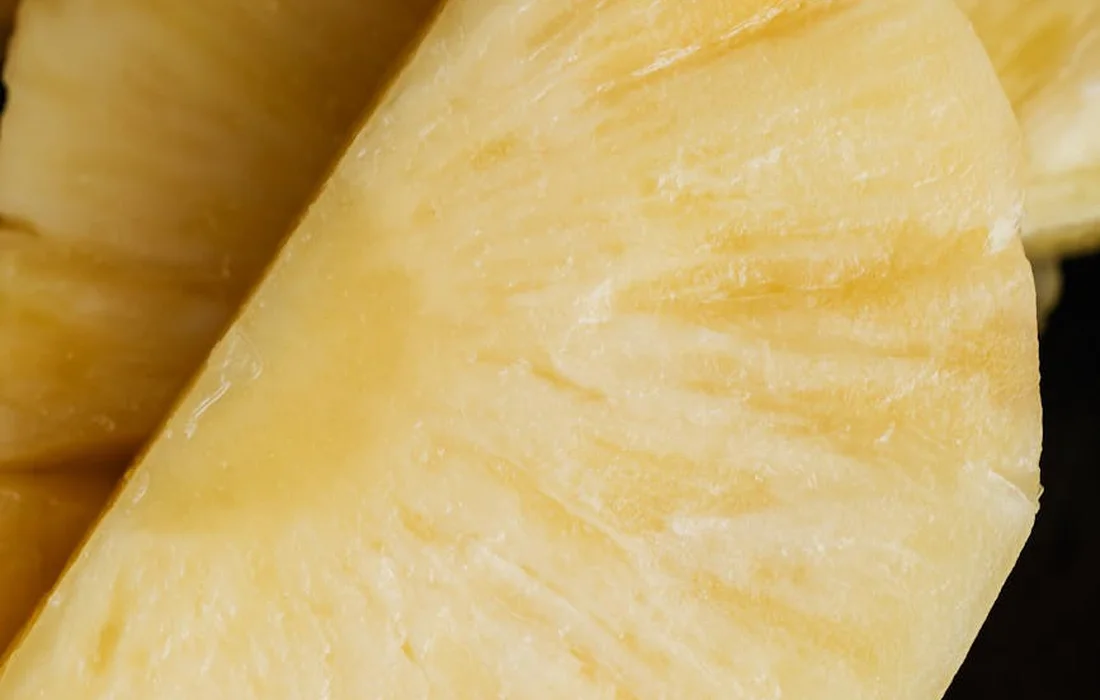
Now, I reckon the idea of feedin’ tropical fruit to chickens might seem a touch peculiar at first glance. Let me assure you, a modest portion of fresh pineapple can be a wholesome, enjoyable treat that adds a spark of variety to your flock’s routine. It’s all about seein’ the opportunity in what you might otherwise compost.
Beyond the simple joy of watchin’ hens chase a juicy chunk, pineapple offers tangible benefits. This fruit brings a welcome dose of hydration and natural sugars that provide a quick energy boost, especially on hot afternoons in the run. I’ve watched my own birds become more active and engaged when presented with such a novel snack.
A Peck of Nutrition in Every Bite
Let’s talk straight about what’s in that sunny fruit. Pineapple is rich in vitamin C and manganese, and it contains a special enzyme called bromelain. While chickens produce their own vitamin C, a dietary boost can gently support their immune function during molting or other stressful times, unlike some citrus fruits fed to chickens. That bromelain is the real interestin’ part, as it aids in breaking down protein.
In my experience, this can be a subtle helper for digestion. Offerin’ a few bits of the core after your birds have had a big feast of protein-rich grubs or meat scraps can assist their systems in processin’ it all, especially when you’re monitoring their diet for digestive health. Think of it as a natural digestive aid, not a staple food.
Thrift and Stewardship Go Hand-in-Hand
Here’s where my grandmother’s wisdom of “waste not, want not” truly shines. The parts of a pineapple we often discard are perfectly fit for the flock. I make a regular practice of saving the core and the inner flesh of the skin after preparin’ fruit for my family, turnin’ potential waste into a free flock delight. It’s a small act that honors both the animal and the resource.
Preparation is key to safety and enjoyment. Here is my simple, foolproof method:
- Give the whole fruit a good scrub under cool water to remove any surface residues.
- After slicin’ off the sweet flesh for your use, take the leftover core and chop it into dime-sized pieces or thin rounds.
- For the tough skin, use a knife to separate the outer spiky layer from the inner, fibrous pith. The hens can peck at the pith.
- Always mix pineapple bits with other healthy scraps, like grated squash or torn kale, to balance the treat.
This approach maximizes use and minimizes mess. Stick to the golden rule of treats: pineapple and other goodies should never replace more than 10% of their total daily feed intake. Their primary nutrition must come from a quality complete feed.
Addressing Parts: Core, Skin, and Flesh
Y’all often ask about the safety of each part, and I’m glad for the caution. The sweet, soft flesh of the pineapple is the easiest for chickens to eat and is perfectly safe in moderation. The core is edible but very fibrous; choppin’ it small is non-negotiable to prevent any issue. This ties into a complete guide on fruits chickens can safely enjoy, including which varieties are toxic. More details will be covered in the full guide.
The skin requires a bit of know-how. I feed only the thick, inner white pith after removin’ the rough outer shell and any residual prickly leaves, which could pose a poke hazard. My hens will work for hours, peckin’ every last bit of fruit flavor from it, which is splendid behavioral enrichment.
Feedin’ this way respects the animal’s need for stimulation and a varied diet. You are not just filling their crop; you are enriching their day and supporting their well-being through thoughtful, sustainable practices. Watch them enjoy it, and you’ll understand the simple goodness of a little pineapple.
The Right Way to Serve Pineapple to Your Flock
Offerin’ pineapple to your chickens is a fine idea, but like most things on the homestead, there’s a right way and a wrong way to do it. Your goal is to provide a safe, enjoyable treat that supplements their main feed without upsetting their delicate digestive balance can also be applied to other fruits like pawpaw. Let’s walk through the particulars so y’all can serve with confidence.
Preparing Fresh Pineapple for Chickens
Fresh, ripe pineapple is the best choice for your birds. I always pick one that smells sweet at the stem end and has a slight give-just like I would for my own family. Starting with a quality fruit means you’re giving your flock the most nutrition and flavor right from the get-go.
First things first, give that pineapple a good scrub under cool runnin’ water. You want to wash off any dirt or potential residues from its journey to your kitchen. A clean start prevents any unwanted chemicals from makin’ their way to your hens.
Here’s my tried-and-true method for preparation, honed from many an afternoon snack shared at the fence line:
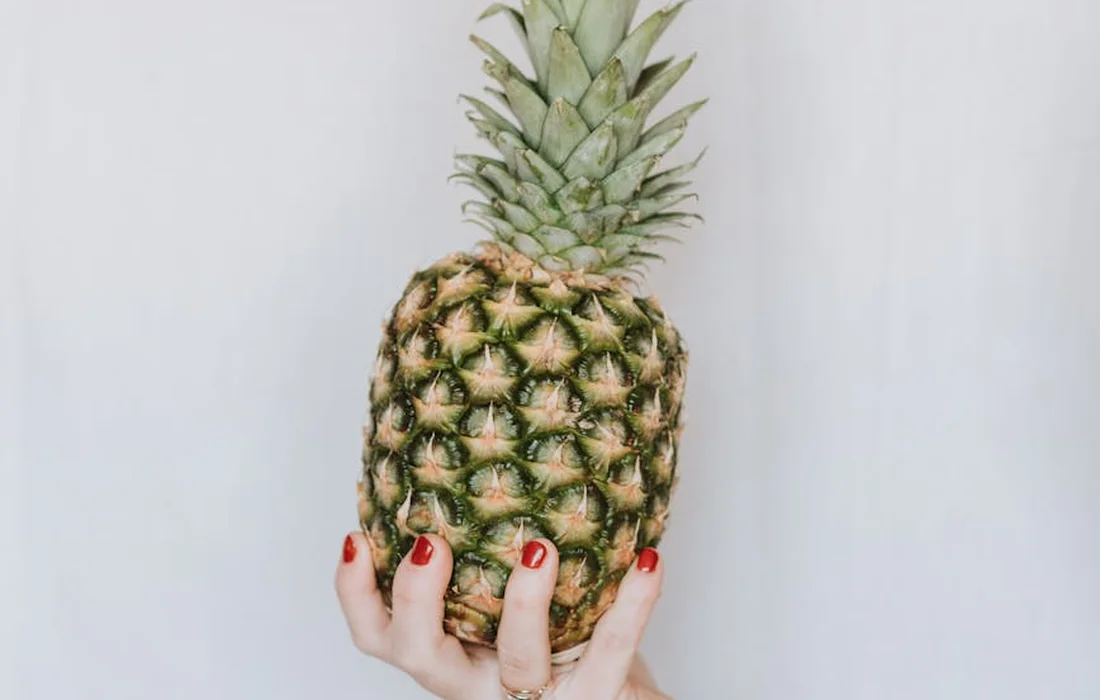
- Top and Tail It: Slice off the spiky crown and the base of the fruit.
- Remove the Skin: Stand the pineapple upright and carefully cut away the tough, prickly outer skin. Don’t feed this skin to the chickens-it’s too fibrous and can be hard for them to manage.
- Address the Core: Slice the fruit into rounds, then use a small knife or cookie cutter to pop out the tough, woody central core from each round. That core is a bit too much for even the most enthusiastic hen to handle, and it’s a common culprit for crop impaction.
- Chop the Fruit: Cut the remaining sweet, yellow flesh into small, bite-sized chunks or cubes. Think about the size of a pea or a small blueberry for bantam breeds, and maybe a dime for larger hens.
I scatter these pieces in their run or offer them in a shallow dish. Watching the flock peck and chase those juicy bits is a pure delight, and it encourages their natural foraging behavior. Remember, treats like this should never make up more than 10% of their daily intake-their complete layer feed is what keeps them in top production.
What About Canned Pineapple?
Now, I reckon we’ve all been in a pinch where the fresh fruit is gone, and all that’s in the pantry is a can of pineapple. Let’s talk straight about whether that’s a suitable backup. Canned pineapple can be fed in a real pinch, but you must be mighty selective about the kind you use.
Most canned pineapple is packed in heavy syrup, which is just a fancy word for loads of added sugar. That much sugar is no good for your chickens and can lead to obesity and upset the healthy bacteria in their gut. If you must use canned, seek out varieties packed in 100% fruit juice or water.
Here’s how I handle canned pineapple when I use it:
- Always drain the liquid completely.
- Give the fruit pieces a thorough rinse under cool water to wash away any clinging syrup or juice.
- Chop the pieces smaller if needed, as they can be quite soft.
- Serve it sparingly, as an occasional treat, not a regular fixture.
From a thriftiness and stewardship standpoint, fresh is generally the better value and certainly the healthier option. That canned fruit, even when rinsed, is a processed food, and we aim to keep our animals’ diets as whole and natural as possible. Save the canned stuff for your own dessert and share the real, fresh goodness with your feathered friends. They’ll thank you for it with their vigor.
When Pineapple Might Cause a Fuss: Risks and Moderation
Now, I reckon most folks know that too much of a good thing can lead to trouble, and that sweet pineapple is no different for your flock. Treating pineapple like the main event instead of the occasional dessert is where you’ll run into problems, plain and simple. I’ve seen it happen when a neighbor’s kid got overzealous with fruit scraps, and we had to course-correct a few gurgly crops.
The Main Culprits: Sugar and Acid
Fresh pineapple is packed with natural sugars and acids. A chicken’s digestive system isn’t built for a steady diet of either. Here’s what can happen if you overdo it:
- Digestive Upset: Too much acidity and sugar can throw off the delicate balance of their crop and gut, leading to sour crop or loose, watery droppings.
- Weight Gain and Lazy Layers: Empty calories from sugar can fatten up your hens without giving them the protein they need for strong egg production.
- Picky Eaters: Hens with a sweet tooth might start turning their beaks up at their proper, balanced feed. I always make sure their layer ration goes down first thing in the morning, before any treats even hit the ground.
Choking and Crop Impaction Hazards
This is where preparation is your best friend. Chickens don’t have teeth, and they’ll try to swallow just about anything that fits in their beak. Some keepers collect and crush clean eggshells to feed their flock, tapping into extra calcium benefits. Properly prepared eggshells support stronger eggs and healthier birds.
- The Tough Skin & Core: That fibrous, stringy outer skin and woody core are major choking hazards and can easily cause a crop impaction. It’s tougher than it looks.
- Proper Prep is Non-Negotiable: You must peel the fruit completely and cut the soft flesh into small, bite-sized pieces, no bigger than a blueberry for bantams or a grape for larger hens.
- My Barnyard Rule: If I can’t easily squish it between my thumb and finger, it’s too big and too tough for them to handle safely.
How Much and How Often: The Golden Rule
Moderation isn’t just a suggestion; it’s the cornerstone of good treat management. A treat, of any kind, should never make up more than 10% of your flock’s total daily diet. For a small backyard flock, that’s a tiny amount.
Here’s a simple table I follow for my standard-sized hens:
| Flock Size | Max Pineapple Treat (Weekly) | Serving Tip |
|---|---|---|
| 2-3 Hens | About 2 Tablespoons total | One small chunk each, once a week. |
| 4-6 Hens | About 1/4 Cup total | Scatter pieces to prevent bullying. |
| 7+ Hens | About 1/2 Cup total | A rare weekend treat, mixed with other safe scraps. |
I treat pineapple like I do cake at a family reunion-a little taste is a fine celebration, but you wouldn’t let anyone fill their plate with it. Observing your flock after introducing any new treat is the mark of a good steward; watch their behavior and their droppings for the next day to ensure all is well. If anything seems off, just pull it back and stick to their trusted feed. Their health is always worth more than the novelty of a treat.
Beyond Chickens: Pineapple for Other Barnyard Critters
Now, just because the hens are peckin’ at pineapple doesn’t mean the rest of the crew should miss out. I’ve shared this tropical fruit across the fence with most of my animals over the years. Sharing kitchen scraps wisely is a cornerstone of thrifty homesteading, turning potential waste into wholesome treats. Let’s mosey through the pasture and see who else might enjoy a bite.
Pigs: The Ultimate Cleanup Crew
If you’ve got pigs, you know they’ll eat most anything. Pineapple is no exception. I’ve tossed whole cores and tough skins into the pen after canning, and they vanish. The high fiber in the core and skin is actually good for their digestion, but always chop it into manageable chunks to prevent choking. Remember, their main diet should still be a balanced swine feed. Think of pineapple as a flavorful bonus, not a meal. It’s just one of many fruits you can offer them.
From my experience, sows with piglets especially appreciate the juicy fruit in summer. It helps with hydration. For a comprehensive guide on pig nutrition and what pigs eat, this fits into a balanced feeding approach. It highlights how fruit can be used judiciously. Just be mindful of the sugar content; too much can lead to pudgy pigs, so limit it to a few pieces per animal a couple times a week.
Cows and Steers: A Sweet Treat in Moderation
My dairy cow, Bessie, gets a little starry-eyed when she smells pineapple. For ruminants, pineapple can be a fun snack. The fruit flesh is safe, but I’m cautious with the skin and core. That tough, fibrous material can be hard on their complex stomachs if fed in large quantities. I stick to giving them the soft fruit only, and never more than a cup or two per animal as an occasional reward.
It’s a fine way to use up overripe fruit. I often mix a few pineapple chunks into their mineral supplement or scatter them in the hay to encourage natural foraging behavior. Always introduce any new food slowly to avoid upsetting their rumen.
Goats and Sheep: Nibblers with Sensitive Tummies
Goats are curious, but their digestion is delicate. Sheep are similar. They can eat pineapple flesh, but you must be more careful. I never give my goats the prickly skin or the woody core-it’s just too harsh and could cause impaction. I cut the fruit into small, bite-sized pieces. A quick guide on safe fruits and vegetables for goats helps you choose treats wisely. It keeps their digestion happy.
I recall my Nubian, Daisy, getting a bit of diarrhea after a few too many chunks. Lesson learned. For goats and sheep, pineapple is a “less is more” treat-a few small pieces per animal once a week is plenty. It’s a nice source of vitamin C and manganese for them.
- Safe Parts: Fresh fruit flesh only.
- Unsafe Parts: Skin, core, leaves.
- Serving Tip: Mix with their regular grain to slow down gobbling.
Geese and Ducks: Waterfowl Wonders
Our pond pals can enjoy pineapple too. Ducks tend to be more enthusiastic than geese in my yard. The soft fruit is easy for them to swallow and provides a good hydration boost, especially on hot days. I always ensure the pieces are small enough to prevent any issue with their bills and throats. For those curious about ducks eating pineapple flesh and whether the skin is safe, moderation and proper prep help keep ducks—and even chickens—healthy. Small, bite-sized pieces make it easy to enjoy without risk.
I avoid giving them any canned pineapple in syrup-that’s just pure sugar water. Stick to fresh, ripe fruit and scatter it in their water or on the ground to promote natural dabbling and pecking. They’ll make a happy mess, and it’s a joy to watch.
So, there you have it. With a little common sense and preparation, that leftover pineapple can bring a smile to every face in the barnyard, from the snout to the beak. It’s all about knowing your animals and practicing mindful stewardship.
Closing Tips
Can chickens eat pineapple daily?
No, pineapple should not be a daily food. It is high in natural sugars, which can cause digestive issues and weight gain if fed too frequently.
Is the pineapple core ever safe for chickens to eat?
Only when prepared correctly. Always chop or grate the core into tiny pieces to eliminate choking risks and prevent crop impaction.
Can chickens safely peck at pineapple skin?
No, the tough, spiky outer skin is hazardous. However, the inner white pith, after skin removal, can be offered as a fibrous treat.
What are the key safety rules for feeding pineapple to chickens?
Always serve fresh pineapple in small, bite-sized chunks. Avoid canned syrup-packed versions, and never let treats exceed 10% of their diet.
How can I tell if I’ve given my chickens too much pineapple?
Watch for loose droppings or reduced interest in their regular feed. These signs indicate digestive upset, so cut back immediately.
Are the risks of pineapple similar for other farm animals?
Yes, moderation is key for all. While pigs can handle more fibrous parts, animals like goats and cows should only have soft flesh sparingly to avoid stomach upset.
Back to the Pasture
At the end of the day, a few chunks of fresh pineapple are a fine, sunny treat. The golden rule of husbandry I live by is this: watch your hens’ reactions closer than you watch the weather, and let their vigor-or lack thereof-guide every treat you toss into the run. A happy flock is built on the steady foundation of a complete feed, with garden scraps and kitchen bits as the joyful garnish.
I’m mighty grateful y’all stopped by the virtual fence line today. There’s a deep satisfaction in sharing a slice of ripe fruit with a curious hen and knowing you’re doing right by her. Go enjoy those simple moments with your flock, and may your coops be full and your pineapples be sweet.
Further Reading & Sources
- Can Chickens Eat Pineapple? What About The Peel?
- Can Chickens Eat Pineapples? All You Need To Know | BackYard Chickens – Learn How to Raise Chickens
- What Fruits Can Chickens Eat?
Caroline Mae Turner is a lifelong farm girl raised on red clay, early mornings, and the sounds of a bustling barnyard. With hands-on experience caring for everything from stubborn goats to gentle dairy cows and mischievous pigs, Caroline shares practical, tried-and-true advice straight from the farm. Her goal is to help folks keep their animals healthy, well-fed, and living their best barnyard life. Whether you're wrangling chickens or bottle-feeding a baby goat, Caroline brings a warm Southern touch and plenty of real-world know-how to every bucket in the barn.
Treat Suggestions