Can Chickens Eat Popcorn? Your Quick Guide to a Safe, Fun Treat
Published on: February 14, 2026 | Last Updated: February 14, 2026
Written By: Caroline Mae Turner
Howdy y’all, and welcome back to the barn. You’re standing there with a bowl of leftover popcorn, your feathered ladies are giving you that hopeful side-eye, and you’re wondering if it’s okay to toss them a handful. Plain, air-popped popcorn, with absolutely no salt, butter, or flavorings, is a perfectly safe occasional treat for your chickens in small amounts. It’s not feed, but a snack, much like letting the kids have a cracker before supper.
- Your leftover plain, air-popped popcorn (no coatings of any kind).
- A good measuring scoop – like a humble cup – to keep portions small.
- Two minutes of your time to scatter it in their run for enrichment.
Let’s get this sorted right quick so you can get back to the rest of your chores with a clear conscience.
The Straight Talk on Popcorn and Poultry
Now, I’ve seen a lot of kitchen scraps go out to the hens over the years, from wilted lettuce to watermelon rinds. Popcorn sits in a peculiar category because it’s not inherently toxic, but it offers about as much nutritional value to a chicken as a cardboard box does to you. It’s pure carbohydrate, a filler, with little to no protein, vitamins, or minerals those laying hens desperately need to make your breakfast eggs. I treat it like the barnyard equivalent of candy-a tiny, occasional amusement, not sustenance.
Unpopped Kernels: A Hidden Hazard or Harmless Snack?
This is where we separate the safe treat from a potential problem. That unpopped, rock-hard kernel at the bottom of the bowl is a menace in a little package. A chicken’s digestive system is robust, but it’s not designed to grind teeth-shattering hard seeds, and that’s exactly what an old maids kernel is. I’ve had a hen gulp one down too fast and spend an uncomfortable afternoon looking sorry for herself before it passed. The risk of crop impaction or even a damaged tooth on the beak isn’t worth the gamble.
When a Kernel Might Be Okay
I don’t ever hand out raw, dry popcorn kernels. But with a little old-fashioned kitchen thrift, you can salvage those hard bits. The secret is to make that kernel soft and manageable, transforming a hazard into a harmless, mushy tidbit. Here’s how I’ve done it safely for my flock on a rainy afternoon.
- Soak Them Good: Take those unpopped kernels, cover them with water, and let them soak for a full 24 hours. They’ll swell up and soften considerably, losing their dangerous hardness.
- Cook Them Soft: After soaking, you can boil them briefly in fresh water until they’re tender, much like preparing corn for grits. Let them cool completely before serving.
- The Grinder Method: For the ultimate safety, run the dry, unpopped kernels through a grain mill or a very sturdy coffee grinder. This creates a coarse cornmeal you can mix sparingly into their scratch.
Remember, even prepared this way, it’s still just corn. This is a once-in-a-blue-moon diversion, not a substitute for their balanced layer feed or free-range foraging. Your chickens will peck at it with gusto, but their health comes from the good stuff you provide every day.
The Benefits of Plain, Popped Popcorn
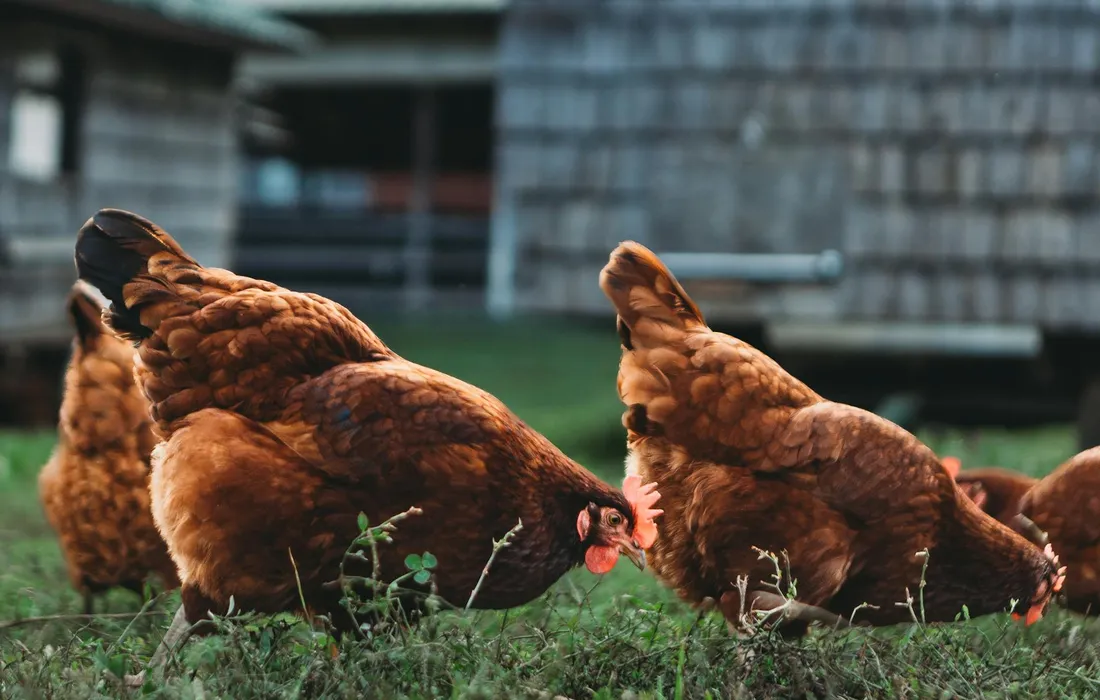
Now, plain popped popcorn-the kind with not a speck of salt, butter, or oil-can be a right fine little amusement for your flock. I’ve found that scattering a handful in the scratching area turns into a pecking party that keeps hens occupied and content for a good while. It’s a sight that never gets old, watching them dart and bob for those fluffy white morsels.
This treat offers more than just a fun distraction. On a brisk morning, those extra carbohydrates from popcorn can give your birds a quick burst of energy to help stay warm. It’s not a meal, mind you, but a supplement, like a biscuit with your gravy.
From a thrifty homesteader’s view, it’s a smart way to use up leftover plain popcorn. Wasting food goes against the grain out here, and turning your snack into their snack is a small victory for a sustainable kitchen. I’ve done it myself with kernels that got a bit stale in the pantry.
- Encourages natural foraging behavior and reduces flock boredom.
- Provides easily digestible carbohydrates for energy.
- Creates a simple, cost-free enrichment activity from kitchen leftovers.
A Note on Corn in a Chicken’s Diet
Y’all might know that cracked corn is a common sight in feed sacks. Whole corn is a solid energy source, but it’s low in protein, hovering around 8 to 10 percent. A laying hen’s complete feed needs to be nearly twice that, around 16 to 18 percent protein, for proper egg production and health. Cracked corn used as a supplement should be given with caution.
So, where does that leave our popcorn treat? Think of corn in any form as the biscuit of the chicken world-filling and good for energy, but it can’t be the whole supper. Relying on it too heavy will lead to nutrient gaps and pudgy, less productive birds. Even corn-based cereals provide limited nutrients.
My rule is to keep all treats, popcorn included, to less than one-tenth of their daily intake. Their main diet must always be a balanced, quality layer feed or a well-researched home mix, with plenty of greens and grit available. I learned this the hard way years back when my eggshells got weak from too many scratch grains.
Stewardship means knowing what your animals truly need. Offer popcorn as a occasional delight, not a staple, and you’ll have happy chickens without compromising their robust health.
The Real Risks: What Makes Popcorn Dangerous
Now, I don’t mean to scare you off from treat time altogether, but we’ve got to look this gift horse in the mouth. Plain, air-popped corn is one thing, but what most folks call “popcorn” is a different, more troublesome creature. It’s the additives and preparation that turn a simple grain into a real hazard for your flock.
Salt: A Tiny Grain with Big Trouble
That savory taste we love is a silent threat to chickens. Their bodies aren’t built to process much sodium. I learned this lesson years ago with a handful of salted crackers and a hen we ended up calling “Salty” for a week. She drank water like she’d crossed a desert and her droppings were a mess. Excess salt can lead to severe dehydration, kidney damage, and in bad cases, salt toxicity, which can be fatal. Symptoms to watch for include excessive thirst, weakness, and even seizures.
Butter and Oils: A Slippery Slope
That buttery coating is where we really run into problems. Chickens lack the gallbladder to efficiently process high levels of fat. I’ve seen what happens when a bird gets too much greasy food-it’s a quick path to digestive upset and sour crop. Added fats can coat the digestive tract, preventing proper nutrient absorption and promoting harmful bacterial growth. It can also lead to obesity, which puts a huge strain on their legs and overall health. Especially when you’re feeding them animal fats that aren’t suitable for poultry.
Unpopped and Partially Popped Kernels: The Hidden Chokers
This is the risk that keeps me up at night. Those hard, old-maid kernels are a major choking hazard and can cause crop impaction. A chicken’s crop is a delicate storage pouch, not a rock crusher. A hard kernel can lodge in the crop, creating a painful blockage that prevents food from moving to the gizzard. You’ll notice a firm, swollen crop that doesn’t empty overnight. It requires immediate intervention-often warm oil and gentle massage-or a trip to the vet.
Flavorings and Toppings: A Chemical Stew
Movie theater-style or bagged popcorn is the worst offender. Cheese powder, caramel, “butter” flavoring, and other seasonings are loaded with artificial chemicals, MSG, and sugars that a chicken’s system simply cannot handle. These unnatural additives can disrupt gut flora, cause inflammation, and lead to long-term health issues you’ll never trace back to that handful of treats. Stick to what nature provided, not what a factory concocted.
How to Prepare and Serve Popcorn Safely
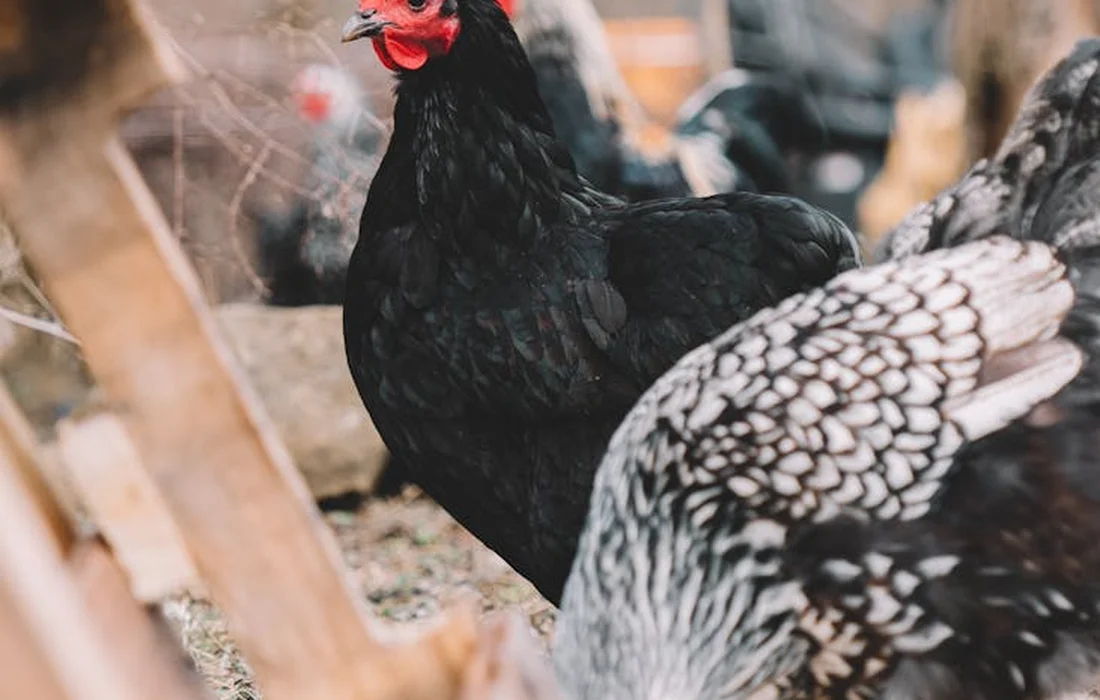
Now, I reckon if you’re fixin’ to share your snack, we need to talk about doing it the right way. It’s a bit like preparing a special dinner for a visiting cousin-you want it to be nice, but you sure don’t want to give ’em a stomachache. The popcorn you serve in the coop should not be the same buttery, salty kind you enjoy on the sofa.
Your best bet is plain, air-popped popcorn. I’ve used a hot-air popper for years, and the sound alone gets my hens clucking with anticipation from the yard. This method requires no oil, which keeps the fat content down and makes for a much cleaner, digestible treat for your birds. If you must use oil, a tiny dab of coconut or olive oil is my homestead choice, but it’s truly not necessary.
What you must leave in the kitchen is every single seasoning. That means:
- No salt. A chicken’s kidneys can’t process it like ours can.
- No butter or “fake” butter toppings. That’s just pure fat they don’t need.
- Absolutely no sweet or flavored powders. Onion, garlic, cheese, caramel-it’s all a hard no for your flock.
Let the popped corn cool completely before you even think about heading to the run. A warm, steamy kernel can be a choking hazard and might stick in a crop. I spread mine out on an old baking sheet for a few minutes. Taking these few extra minutes to cool the popcorn is a simple act of stewardship that prevents real trouble.
Portion Control for a Happy Flock
Here’s where many a well-meaning soul goes astray. We love to see them happy, so we toss out more and more. But a chicken’s digestive system is a finely tuned machine meant for layer feed, bugs, and greens. Popcorn is like carnival food-fun for a spell, but not the main event.
A good, thrifty rule I live by is the 10% Rule: treats should never make up more than 10% of your flock’s total daily intake. For popcorn, I’m even stricter. I view a few handfuls of plain popcorn as a weekly diversion, not a daily expectation. This keeps them eager for their proper feed.
My personal method is to treat it as a flock-wide event, not an all-you-can-eat buffet for each bird. For my standard flock of a dozen hens, a single cereal bowl’s worth of air-popped corn, scattered widely in their run, is a grand occasion. It encourages natural foraging behavior and keeps the boss hens from monopolizing the pile.
Watch your birds after you treat them. If you see a lot of leftover, uneaten layer feed later in the day, you’ve given too much. The true sign of good portion control is an empty feeder of their regular, nutritious ration by day’s end. Their main feed is where they get the protein, calcium, and vitamins to make those eggs and stay healthy; popcorn is just the windfall.
For smaller flocks or bantams, adjust way down. A couple of tablespoons scattered about is plenty. Remember, a chicken’s stomach is only about the size of a walnut! Feeding treats in moderation is the cornerstone of respect for the animal-it prioritizes their health over our amusement. I’ve seen coops where the birds are sluggish and the eggshells are weak, and nine times out of ten, it traces back to a dinner plate full of scraps and treats instead of proper feed.
Where Popcorn Fits in a Balanced Poultry Diet
Now, I reckon y’all are wonderin’ if a handful of popcorn can just be tossed into the daily mix. Well, let me set my feed bucket down and explain. Think of popcorn as the occasional slice of pie after a hearty supper-it’s a pleasure, not the main course. Your flock’s health hinges on that distinction.
On my place, we view treats through the lens of stewardship. Every scrap we offer either builds up our animals or chips away at their vigor. Popcorn, plain and air-popped, earns its spot as a harmless diversion, but it brings mighty little nutritional heft to the table. It’s mostly puff and carbohydrate, while your hens are workin’ hard to produce eggs that need protein and calcium.
Let’s talk brass tacks about what your birds truly need. Their balanced diet isn’t a suggestion; it’s the foundation.
- Core Layer Feed: This should be the workhorse, makin’ up 90% of their intake. For my laying hens, I stick with a crumble that’s 16-18% protein to keep eggshells strong and feathers glossy.
- Greens & Grubs: Free-ranging time for grass, bugs, and weeds provides vital vitamins and enzymes no bagged feed can fully match.
- Grit & Calcium: Always have oyster shell and granite grit available for digestion and shell formation.
- The Treat Sliver: This is where popcorn might wander in, but it should never exceed 10% of their daily food intake.
I learned this balance the hard way one summer when my girls got too fond of kitchen scraps. Their egg production dipped like a stone. Overdoing treats, even seemingly innocent ones, dilutes the critical nutrients in their specialized feed. A few popped kernels per bird, once or twice a week, is my firm rule. It’s plenty for a fun scratch in the coop yard.
So, how do you serve it right? Follow these simple steps to keep your flock safe and thrifty.
- Pop it plain. No butter, no salt, no cheese dust. Those additives can upset their crops and dehydrate them.
- Let it cool completely. I spread mine on a baking sheet for a spell to avoid any risk of burning a eager beak.
- Scatter, don’t pile. Tossing a scant cup for a dozen birds across their run encourages natural foraging behavior.
- Watch the clock. Offer treats in the afternoon, only after they’ve filled up on their proper feed first.
Beyond the feed bucket, consider popcorn’s role as a tool. On rainy days when the girls are cooped up, a scattered handful can stave off boredom and pecking order squabbles. This simple enrichment promotes mental well-being, which is just as important as physical health in a flock. It’s a frugal trick that costs pennies but pays in peace.
Remember, friends, what we feed is a direct reflection of our care. Popcorn fits in the small corner of the diet reserved for joy and connection, not for sustenance. If you’re curious about chicken-safe treats and healthy snack ideas, you’ll discover favorites that support their wellbeing. These ideas can be simple, tasty, and safe for your flock. Keep that perspective, and your chickens will thank you with vigor and plenty for years to come.
Healthier Treat Alternatives to Consider
Now, I reckon if you’re ponderin’ treats beyond popcorn, your heart’s in the right place-wantin’ to spoil your flock without spoilin’ their health. Focusin’ on whole, recognizable foods from the garden or kitchen is the cornerstone of sensible treat-giving. I’ve found that a varied diet keeps hens curious, content, and layin’ fine.
Garden Fresh & Kitchen Scrap Stars
My rule of thumb is simple: if it’s good enough for my supper plate, it’s likely a fine treat for the hens. Vegetable scraps are a brilliant way to reduce waste and boost nutrition, turning your compost dreams into chicken joy. I always keep a bucket on the porch for peelings and ends.
- Leafy Greens: Kale, spinach, and Swiss chard are packed with vitamins. My gals go into a frenzy for a hanging head of cabbage on a chilly day.
- Vegetable Favorites: Chopped cucumbers, zucchini, and bell peppers offer hydration. Cooked pumpkin or squash seeds, dried, can help with parasite control.
- Fruit in Moderation: Berries, apple cores (seeds are fine in small amounts), and watermelon rinds are summer delights. Too much fruit can upset their crop, so I offer it sparingly, like a Saturday special.
Protein-Packed Powerhouses
Especially during molt or cold snaps, extra protein is a gift. Offering animal-based proteins mimics the insects they’d forage, supporting feather regrowth and overall stamina. I’ve watched scraggly hens transform with a little targeted nutrition.
- Scrambled or Hard-Boiled Eggs: Yes, chickens can eat eggs! It’s an efficient protein recycle. I scramble them plain, with no oil or salt, and crumble the shells right back in for calcium.
- Mealworms or Soldier Fly Larvae: These are a high-value treat, often boasting 35-50% protein. I scatter a handful in the deep litter to encourage natural scratching behavior.
- Plain Yogurt or Curdled Milk: A dab of yogurt provides probiotics for gut health. In my experience, a shallow dish of clabbered milk from the dairy cow keeps everyone occupied and benefits their digestion.
Whole Grains & Seed Mixes
For a scratch feed alternative, whole grains are superior to processed snacks like popcorn. A handful of scratch grains tossed in the late afternoon gives them a warm belly for the night without unbalancing their main layer feed.
- Wheat, Oats, or Barley: These are excellent whole grains. I often ferment them in water for a day or two, which increases vitamin availability and makes ’em easier to digest.
- Sunflower Seeds: Black oil sunflower seeds are a favorite here, with good fat and protein. They’re a cost-effective boost when feathers are looking dull.
- Whole Corn: Unlike popped corn, dried whole corn kernels are a traditional winter energy feed. I limit it to a small scoop per flock, as it’s higher in fat and lower in protein than their balanced ration.
How to Offer Treats the Right Way
Even the healthiest treat can cause trouble if given without a mind for stewardship. Treats should never make up more than 10% of your flock’s total daily intake, or you’ll dilute the complete nutrition in their formulated feed. Here’s my method, honed over many a season.
- Timing is Everything: I offer treats in the late afternoon, after they’ve spent the day filling up on their layer pellets or mash. This ensures they eat their “main course” first.
- Presentation Matters: Scatter treats in their run to promote foraging, or use a hanging treat ball to stave off boredom. It keeps the peckin’ order squabbles to a minimum.
- Observe and Adjust: Watch how your flock reacts. If a new treat causes loose droppings, pull back. Every flock has its own preferences, much like people.
| Instead of This… | Try This Healthier Option | Key Benefit |
|---|---|---|
| Buttered, salted popcorn | Air-popped popcorn (plain, rarely) | Eliminates choking hazard & harmful additives |
| Bread crusts or crackers | Fermented whole grains or sprouted seeds | Higher digestibility & enzyme activity |
| Processed pet snacks | Fresh garden greens or chopped vegetables | Provides live vitamins, minerals, and hydration |
| High-sugar leftovers | Mealworms or chopped hard-boiled egg | Delivers crucial protein for egg production & molt |
At the end of the day, treatin’ your chickens is about enrichment, not just extra calories. The most sustainable treat is often the one you grow yourself, forging a direct link between your garden’s health and your flock’s vitality. I get more satisfaction from seein’ them devour bolted lettuce from my patch than from any bag bought at the store.
Frequently Asked Questions (FAQ)
Can chickens actually digest popcorn?
Yes, chickens can digest plain, air-popped popcorn. Their gizzard, a muscular part of their stomach, grinds up the soft, fluffy pieces effectively. However, hard, unpopped kernels pose a serious digestion risk and should be avoided or softened first. When feeding any type of snack, such as corn kernels, ensuring they are safe and appropriate is crucial.
Is popcorn a good treat for reducing boredom in the coop?
Absolutely. Scattering a small amount of plain popcorn in the run is excellent enrichment. It encourages natural foraging and pecking behaviors, keeping your flock active and engaged, especially during bad weather when they are confined.
How often is it safe to give my chickens popcorn?
Popcorn should be a rare treat, not a routine. Offering a small handful per flock once a week is a good guideline. Their primary nutrition must always come from a complete commercial feed to support their health and egg production.
What should I do if my chickens accidentally get into flavored popcorn?
Remove any remaining flavored popcorn immediately. Ensure they have plenty of fresh, clean water available to help dilute any salt or additives. Monitor them closely for signs of distress like excessive thirst or lethargy, and contact a veterinarian if symptoms appear.
Can other farm poultry like ducks or geese eat popcorn?
It is not recommended. Ducks and geese have different digestive systems and nutritional needs. Their diets should primarily consist of waterfowl-specific feed and greens, as treats like popcorn offer no nutritional value and can pose similar choking hazards. For more information on appropriate foods, check out safe foods for ducks and geese.
Will feeding popcorn change the taste or quality of my chickens’ eggs?
No, feeding a tiny amount of plain popcorn as an occasional treat will not affect the taste or quality of the eggs. Egg flavor and shell quality are determined by the hen’s main diet; consistent access to a balanced layer feed is the key to excellent eggs.
Final Flock-Friendly Reminders
When it comes to treats, simplicity and moderation are your best tools. Always prioritize your animals’ complete, species-specific feed for their core nutrition.
Using treats like plain popcorn for occasional enrichment strengthens your bond with the flock and promotes natural behaviors. Observing your animals after introducing any new food is the hallmark of responsible stewardship.
Shutting the Gate
After all this talk of corn and kernels, the simplest rule still stands tall. The foundation of good health isn’t found in the treat bucket, but in a steady diet of quality layer feed, clean water, and space to scratch-everything else is just a sprinkle on top. If you remember that, your flock will thrive.
I reckon I’ll head on back to the barn now. There’s a breeze coming in and the hens are making their contented evening sounds. I hope you get a moment today to just watch your birds be birds, popcorn treat or not. That’s the real joy of it. Thanks for visiting, neighbor-y’all take good care.
Further Reading & Sources
- Can Chickens Eat Popcorn? All You Need To Know | BackYard Chickens – Learn How to Raise Chickens
- Answers whether chickens can safely eat popcorn, what …
- r/chickens on Reddit: Can Chickens Eat Popcorn? Feathered Snack Facts
Caroline Mae Turner is a lifelong farm girl raised on red clay, early mornings, and the sounds of a bustling barnyard. With hands-on experience caring for everything from stubborn goats to gentle dairy cows and mischievous pigs, Caroline shares practical, tried-and-true advice straight from the farm. Her goal is to help folks keep their animals healthy, well-fed, and living their best barnyard life. Whether you're wrangling chickens or bottle-feeding a baby goat, Caroline brings a warm Southern touch and plenty of real-world know-how to every bucket in the barn.
Treat Suggestions