
Feeding Corn to Your Chickens: A Practical Guide to Raw, Canned, Whole, and On the Cob
Published on: January 17, 2026 | Last Updated: January 17, 2026
Written By: Caroline Mae Turner
Howdy y’all. Staring at a heap of corn and wondering what’s safe to toss to your eager flock? Corn is a perfectly fine feed for chickens, but think of it as a treat or a supplement, not the main course-keep it to less than 10% of their total daily intake to keep your birds in prime condition.
What you’ll need:
- Your chosen corn: fresh, canned, dried, or on the cob.
- A sturdy knife or hatchet for splitting cobs.
- A corn grinder or a strong blender for whole kernels.
- About ten minutes of your time.
Stick with me, and we’ll have your corn-feeding strategy squared away quicker than a hen snatches a bug.
The Straight Talk on Chickens and Corn
Now, let’s chat about feeding corn to your birds. I’ve seen folks toss everything from dried kernels to whole cobs into the run, and while chickens do love it, there’s a right way and a wrong way. Think of corn as the biscuit on your dinner plate-it’s a fine side, but it ain’t the meat and greens. From my own coop, I reckon the key is knowing which form to use and when.
Raw, dried corn is the standard. It’s cheap, stores easy, and my hens will scratch for it like they’ve found gold. You can scatter it to keep ’em busy. Just remember, a handful per bird is plenty as an afternoon scratch, not a meal replacement. I’ve used it for years to reinforce good foraging behavior without filling their crops with empty calories. If you’re curious about corn husks, silk, and cobs as part of a complete feeding guide for chickens, there’s more to cover in the next steps.
Whole corn on the cob is a sight to behold. I hang a cob in the run on a cold day, and it’s pure entertainment. It keeps pecking orders calm and beaks occupied. This method is thrifty and natural, letting them work for their food just like their wild ancestors did. Just ensure the cob is free of mold, which can sneak in if stored damp.
Canned corn? Well, I’ve used it in a pinch. It’s soft and easy for older birds or chicks. But you must get the no-salt-added kind, rinse it well, and serve it sparingly. That extra water content can lead to messy droppings if y’all overdo it, so I treat it as a rare moist treat, not a staple. Beyond corn, I rotate other vegetables for the flock—raw or lightly cooked, canned or frozen—so they get a varied diet. It keeps things interesting and supports overall health. My rule is simple: if I wouldn’t eat it from the can, my chickens shouldn’t either.
What’s Really in That Kernel? Corn Nutrition for Your Flock
Let’s crack open that kernel. Corn is mostly carbohydrate, with a bit of protein and fat. For your laying hens, that golden grain runs about 8% to 10% protein. That’s a far cry from the 16% to 18% protein they need daily to keep those eggs coming strong and steady. I’ve tested feeds on my flock for seasons, and a corn-heavy diet always shows in thinner shells and slower molts.
Here’s a quick list of what corn brings to the trough:
- Energy: Packed with calories for heat and activity.
- Fat: About 4% fat, which helps with feather sheen.
- Fiber: Good for digestive movement, especially from the hull.
- Vitamins: Some A and E, but it’s lacking in others like B12 and D3.
Compare that to a balanced layer pellet, which is fortified with calcium, vitamins, and amino acids. Mixing corn with peas or soybean meal can bump up the protein, a trick I use to stretch feed costs while keeping my gals healthy. Pasture management plays a role here, too; chickens on green grass get nutrients corn can’t provide.
Why Corn is a Winter Warm-Up, Not a Main Course
Come winter, I always increase the corn portion. The digestion of all those carbs generates internal body heat, like a furnace stoking itself. An extra quarter-cup per bird in the evening helps them roost cozy through a frosty night. I’ve walked many a morning to find content birds puffed up and warm, thanks to that last snack.
But that’s the seasonal trick. Making corn the main feed year-round is like feeding your children candy for breakfast. It leads to problems:
- Obesity: Fat hens lay fewer eggs and can have heart issues.
- Nutritional Gaps: Weak bones from lack of calcium and poor feathering from missing proteins.
- Wasted Feed: They’ll fill up on corn and ignore their balanced ration, which is a poor use of your money.
For sustainable stewardship, I use corn as a 10% mixer in their feed during cold months and less than 5% in summer. Respect for the animal means giving them what they need, not just what they want, and that’s a lesson from the barn I hold dear. Pair corn with free-range grazing or kitchen scraps for a varied diet that keeps thriftiness and welfare in harmony.
Safety First: What to Look For Before You Toss the Corn
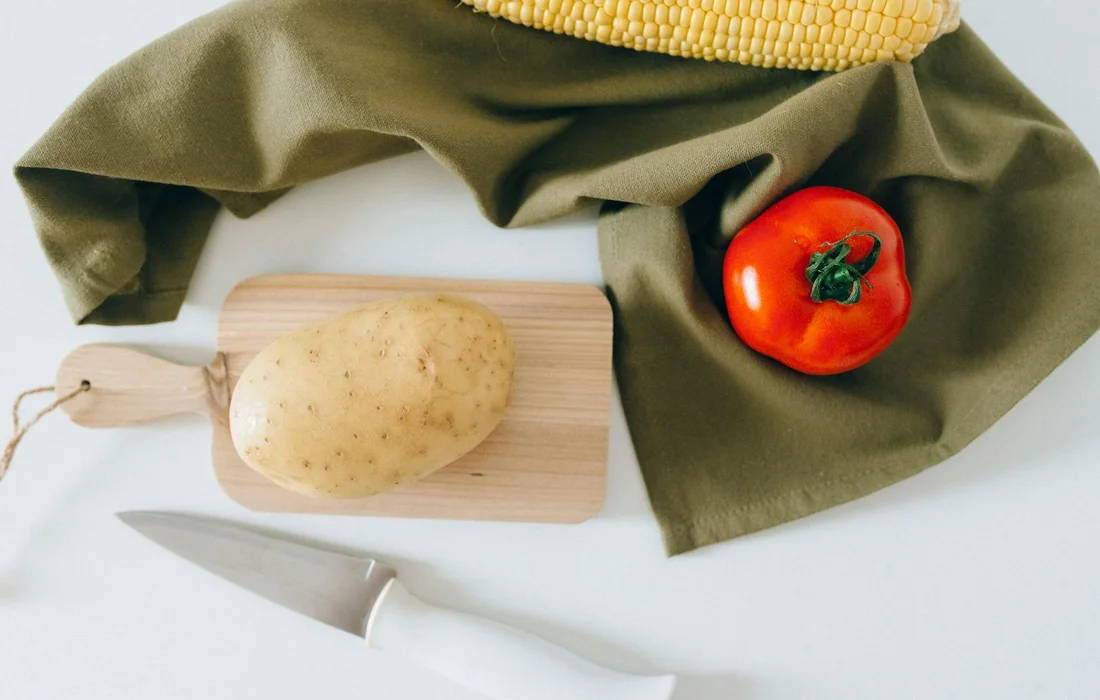
Now, I reckon we all get eager to treat our flocks, but hold your horses before you shower them with kernels. Your good intentions can go sideways in a hurry if you don’t inspect that corn like a hawk. I learned this the hard way years back, using up some older ear corn from the back of the barn that didn’t look quite right; within a day, my hens were off their feed and listless. It sobered me up to the fact that even a natural feed can harbor hidden troubles.
The Lowdown on Mold and Mycotoxins
That fuzzy gray or white growth you might see isn’t just a surface flaw. It’s a factory for mycotoxins, which are poisonous compounds that can wreak silent havoc on your birds’ health. Mycotoxins don’t cook out and they accumulate in a chicken’s system, leading to a slow decline you might not pin on the feed at first. Things like aflatoxin can damage their livers, suppress their immune systems, and cut egg production clean in half.
You’ve got to use your senses. Give that corn a good look and sniff before it ever hits the run.
- Look: Check for any discoloration-blue-green, pink, or black specks are a hard no. Look for clumping or a dusty powder, which can be mold spores.
- Smell: Good corn smells sweet and earthy. If you catch a musty, sour, or chemical odor, toss it straight to the compost, far from where your critters roam.
- Feel: Kernels should be hard and dry. Any softness, warmth, or moisture means trouble’s brewing inside.
If you find mold, don’t just scrape it off and feed the rest. The visible mold is just the bloom; the mycotoxins have likely spread through the entire cob or batch. I keep a dedicated bucket for condemned feed, so it never accidentally gets mixed back in. Your compost pile will thank you, but your chickens’ health is worth more than a few saved pennies.
Prevention starts at storage. Keep corn in a rodent-proof bin in a cool, dry place with plenty of air circulation. I use food-grade buckets with gamma seal lids for small batches, and for bulk, a metal bin raised off the concrete floor works wonders. Moisture is the enemy, so if you’re saving ear corn, make sure it’s cured fully and never stack it tight against a damp wall. A little vigilance here saves you a world of worry and vet bills later on.
From the Field to the Feeder: Your Corn Format Options
Y’all have choices galore when deciding how to serve corn to your chickens. The form you pick changes how they eat, play, and digest, so it pays to think it through like a good steward. I’ve tried every method in my years on the land, and each one has its own time and place.
Whole or Cracked: The Dry Grain Debate
This is a classic barnyard discussion. Whole corn is my go-to for winter scratch; its hard kernels make chickens work for their meal, generating precious body heat as they digest it slowly. I remember my granddaddy always tossing out whole kernels in the evening to keep the flock busy, unlike some of the processed cereals that are not ideal for them.
Cracked corn disappears from the feeder much faster. Its smaller pieces are easier for chicks, bantams, and older birds to manage, making it a kinder option for mixed flocks. You just lose some of that natural foraging activity. For ducks, oats and barley pair with corn, while scratch grains can be offered in moderation. Always keep portions moderate and follow safety guidelines for feeding grains.
- For Energy & Warmth: Use whole corn. Its slower digestion provides sustained energy, perfect for cold nights.
- For Easy Eating & Mixing: Choose cracked corn. It blends seamlessly into homemade mashes and is less wasteful.
- For Balance: Remember, corn is only about 8-10% protein. Always pair it with a protein boost like peas or bugs from the pasture to keep egg production steady.
The Joy of Corn on the Cob
Watching chickens tackle a whole cob is pure farm entertainment. Corn on the cob turns feeding time into an enrichment activity, satisfying their need to peck and work for food. I save our garden’s leftover ears just for this purpose. If you also keep rabbits, a quick cohabitation guide on safe foods for both can help keep everyone healthy.
You can offer it raw right from the stalk. The key is to secure the cob so it doesn’t just get buried in litter; I use a simple screw-eye in the run wall or hang it with string. This method keeps it clean and accessible.
- Check for mold or rot-never feed a spoiled cob.
- Anchor it firmly at hen-head height.
- Let them have at it; they’ll strip it clean in no time.
After the feast, that bare cob goes right into my compost pile. Nothing on this farm goes to waste if I can help it.
Canned Corn: A Convenient Treat
When the garden’s asleep or you’re in a tight spot, that can in the pantry might catch your eye. Canned corn is a perfectly fine occasional treat, but it requires a bit of prep to be safe for your flock. I keep a can for those bleak January days when fresh scraps are scarce.
Always, always rinse it under cool water first. The salty brine it’s packed in is hard on a chicken’s kidneys and can throw their hydration out of whack. I give my girls a small, rinsed handful as a surprise, not a staple.
It’s soft and easy to eat, so it won’t wear down their beaks. Think of canned corn like a Sunday dessert-special, sweet, and served sparingly.
Sweet Corn vs. Field Corn: A Taste Difference
Now, the corn type itself matters. Sweet corn, what you boil for supper, has higher sugar content and a tender kernel that chickens absolutely adore. They’ll run for it every time, unlike deer corn or other types that are typically used for feeding wildlife.
Field corn, or dent corn, is the rugged workhorse of the grain world. It’s starchier, less sweet, and typically higher in energy, making it the backbone of most commercial livestock feeds. I grow a stand of heirloom field corn every summer just for the animals.
For your flock, both are suitable. Using field corn as your primary dry grain is a thrifty, sustainable choice, while sweet corn (from the cob or can) is best reserved for those joyful treats. A mix keeps their diet interesting without spoiling them.
Building a Balanced Ration: How Much Corn is Just Right?
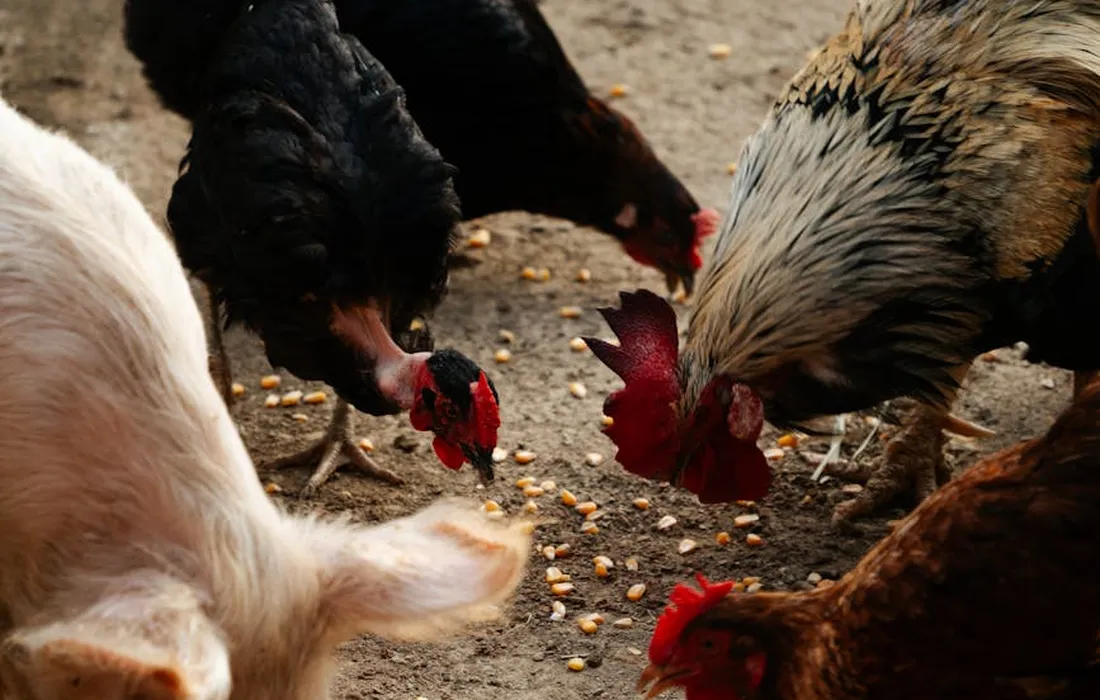
I learned about balance the year my hens’ eggshells got thinner than parchment paper. I’d been generous with the corn, thinking I was giving them a treat, but I was missing the big picture. Corn is a superb energy source, but it should never be the main event on your flock’s dinner plate. Think of it like biscuit for you-tasty and filling, but it won’t build strong bones or feathers on its own.
Your chickens need protein for eggs, growth, and repair, something plain corn is mighty short on. A good layer feed runs about 16-18% protein, while cracked corn sits around a mere 8-9%. For a balanced laying flock, I keep corn to no more than 10-20% of their total daily ration. In the deep winter, I might nudge that higher for extra warmth, but come spring, I dial it back to support robust egg production. It’s all part of understanding chicken diet basics.
Different critters have different needs. Here’s a quick guide from my own chore book:
| Bird Type | Corn in Total Ration | Key Reason |
|---|---|---|
| Laying Hens | 10-20% | Maintains energy without sacrificing egg quality. |
| Meat Birds (Broilers) | 25-30% | Boosts calories for fast growth; mix with high-protein feed. |
| Chicks (0-8 weeks) | 5% or less | Their starter feed (20% protein) is crucial; corn is just a tiny scratch. |
| Winter Flock (all types) | Increase by 5-10% | Provides extra calories to burn for body warmth. |
You can eyeball this by volume. If you scatter a quart of feed per bird per day, only a generous handful of that should be corn. Overdoing the corn leads to portly hens who’d rather nap than lay, and that’s a sorry sight for any homesteader. Watch their condition and egg output-they’ll tell you if the mix is right.
Mixing Your Own Scratch Grains
Now, mixing your own scratch is where thriftiness and stewardship shake hands. That bag of “scratch grains” from the store? You can make it better and cheaper yourself. Homemade scratch gives you control over the ingredients and lets you use what’s local and affordable. I’ve been mixing mine for decades, using a clean galvanized bucket that’s seen more grains than a country elevator.
Remember, scratch is a supplemental treat, not a complete feed. I never let it make up more than 10% of their daily intake. Feed it in the afternoon, after they’ve filled up on their balanced layer ration. Here’s my go-to, all-purpose scratch blend that my flock adores:
- 5 parts Cracked Corn: The energy base. I use local dent corn.
- 3 parts Whole Wheat: Adds protein and encourages natural foraging behavior.
- 1 part Whole Oats: Good for feather health and adds bulk.
- 1 part Barley or Milo: A cheap filler that diversifies their carbs.
- A few handfuls of Black Oil Sunflower Seeds: My secret for shiny feathers in winter.
Mixing it is simpler than pie. I just layer the grains in that old bucket, give it a hearty stir with a wooden dowel, and store it in a metal can with a tight lid to keep out moisture and mice. This custom mix costs me half the price of the store-bought stuff, and I know every ingredient that goes in. For a special winter warmer, I’ll sometimes add a sprinkle of dried chili peppers-it doesn’t heat the eggs, but it sure gets the birds moving on cold days.
If you’re feeling experimental, you can adjust the ratios. For meat birds, boost the corn. For layers in molt, increase the wheat and sunflower seeds for protein. The beauty of mixing your own is that you can tailor it to your flock’s needs and your pantry’s contents. Just always circle back to that golden rule: scratch is a snack, not the cornerstone of their diet.
Smart Sourcing and Storing for the Thrifty Homesteader
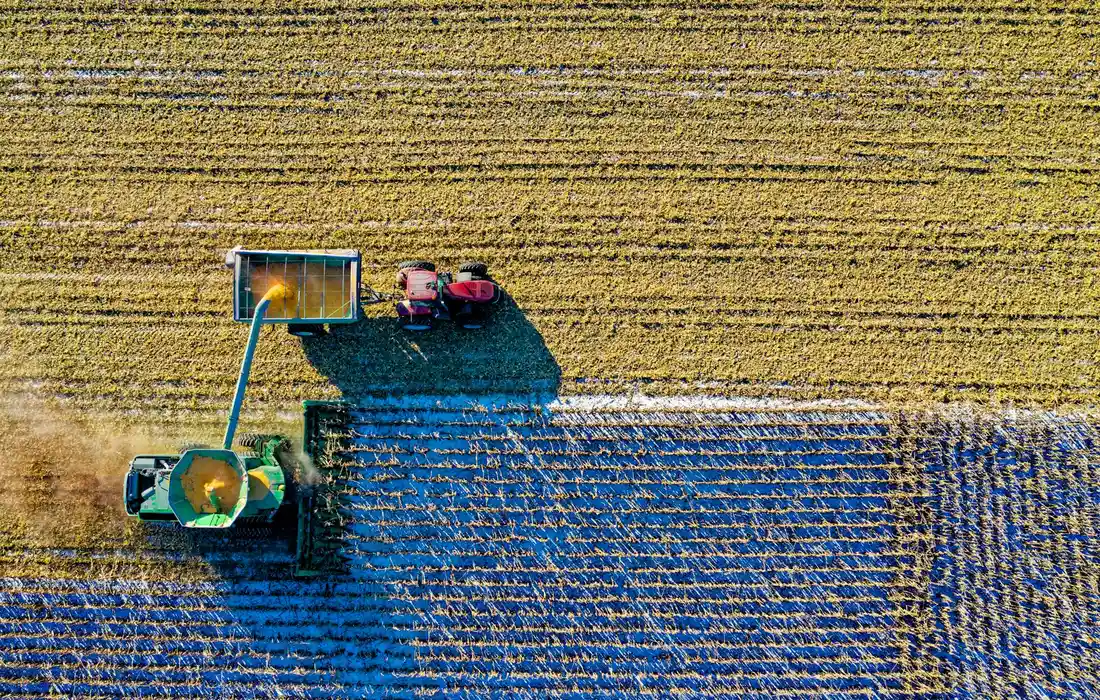
Finding good corn without breaking the bank is a skill we’ve all had to hone. Your best bet for both quality and price is almost always a local farmer with a gravity wagon full of field corn come harvest time. I’ve bought many a ton from my neighbor Bob, and shaking hands with the man who grew it gives you a real sense of where your feed comes from.
The Feed Store vs. The Farmer’s Field
You’ve got a couple of main paths to walk down, and your choice depends on your flock size and pocketbook.
- The Local Feed Mill: This is convenient and reliable. You can often buy cracked corn or whole corn by the bag or, better yet, by the 50-pound scoop from their bulk bins. It’s clean, dry, and stored properly, but you pay a premium for that service.
- The Crop Farmer Direct: This is where true savings live. In late fall, approach a farmer harvesting dent corn. They often sell “off-grade” corn perfectly fine for livestock at a fraction of the cost. You’ll need the means to haul and store it, but the savings can cut your winter feed bill in half.
- Your Own Back Forty: If you’ve got the land, growing a small patch of dent corn is a rewarding project. It teaches you the plant’s lifecycle and provides the freshest feed possible. Remember, sweet corn from the garden is a treat; dent corn is for steady sustenance.
Your Corn Quality Checklist
Before you hand over any cash, get your hands in that corn. Here’s what my Grandpa taught me to look for:
- Smell It: Good corn smells sweet and grain-like. If it smells musty, sour, or like a damp cellar, walk away. That mold is trouble.
- Feel It: Kernel should be hard and break with a snap. If they’re rubbery or soft, the moisture content is too high for safe storage.
- Look It Over: Check for excessive broken kernels, cob fragments, and foreign material like weed seeds. A little is normal, but you don’t want to pay corn prices for trash.
- Watch for Critters: Peek into the corners of a storage bin or the bottom of a bag. Signs of insects or rodents mean that corn is compromised and could infest your own stores.
Storing Your Golden Harvest
Poor storage turns good corn into a wasted, moldy mess. Your three mortal enemies are moisture, air, and pests. I learned this the hard way one humid summer with a sack left in the barn shed-loss was total.
| Storage Method | Best For | Key to Success |
|---|---|---|
| Food-Grade Barrels & Lidded Buckets | Smaller amounts, bagged feed | Use airtight gamma-seal lids. Add a cup of food-grade diatomaceous earth to the bottom to deter bugs. |
| Metal Garbage Cans | Medium homesteads, rodent-prone areas | Always use a tight-fitting lid. Place cans on pallets so air can circulate underneath and prevent rust. |
| Grain Bins & Bulk Bins | Buying by the ton from a farmer | Corn must be properly dried below 15% moisture. Keep bins sealed and check temperature regularly with a probe. |
No matter your container, store it in a cool, dark, and dry place. A cement floor in a cellar or dedicated feed room is far superior to a dirt-floor shed where dampness wicks up and condensation forms. Use older corn first and rotate your stock, just like you would your home-canned green beans. A little diligence here saves your investment and keeps your flock healthy.
Closing Questions
Can chickens eat corn, and how should I feed it?
Yes, chickens can eat corn as a treat or supplement, but it should not exceed 10% of their daily diet to avoid nutritional gaps. Always ensure it’s mold-free and served in moderation alongside their balanced feed. It’s similar to feeding them popcorn and corn kernels as snacks.
How do I feed corn to chickens in winter?
In winter, slightly increase corn portions to provide extra calories for body heat, such as a small handful per bird in the evening. However, maintain it as a supplement to prevent obesity and ensure they still eat their primary ration.
What is cracked corn, and is it good for chickens?
Cracked corn is whole kernels broken into smaller pieces, making it easier for chickens to eat, especially for chicks or older birds. It’s a convenient energy source but should be limited to avoid displacing protein-rich feeds. It’s important to understand the safety and proper feeding guidelines when introducing cracked corn to your flock.
Where can I find corn for chickens near me?
Source corn locally from feed stores, farmers’ markets, or agricultural co-ops; in areas like Austin, TX, check online forums or local farms for recommendations. Always inspect for quality and store properly to maintain freshness.
Is buying a 50 lb bag of cracked corn economical?
Buying a 50 lb bag can be cost-effective for larger flocks, but ensure you have airtight storage in a cool, dry place to prevent spoilage. Use it within a few months to avoid mold and maintain nutritional value.
What about mixed corn in a 20kg bag for chickens?
Mixed corn in a 20kg bag often includes grains like wheat or barley, providing variety as a scratch feed. Feed it sparingly as a treat, and check for freshness to ensure it complements a balanced diet without over-reliance.
Shuttin’ the Gate
Well, we’ve walked through the corn crib from one end to the other, haven’t we? From raw kernels to the cobbly treat, I reckon you’ve got the lay of the land. The golden rule, the one that’s kept my flocks thriving for decades, is to see corn as a treat or a supplement, never the main course. Your hens’ main fare should always be a balanced layer or flock raiser, packed with the protein and vitamins that shiny feathers and strong eggs are made of.
I’m mighty grateful y’all took this walk with me. There’s a deep satisfaction in watching your birds scratch and peck, knowing you’re fueling them right without breaking the bank. So, here’s to warm afternoons, the sound of contented scratching, and the simple joy of tossing out a handful of golden kernels. Go enjoy your critters, trust your own good sense, and may your coop always be full of happy cluckin’. Take care, neighbor.
Further Reading & Sources
- Can chickens eat corn? – The Good Life Backyard
- How to Feed Chickens Corn and Scratch Grains – Backyard Poultry
- Can chickens eat corn safely?
Caroline Mae Turner is a lifelong farm girl raised on red clay, early mornings, and the sounds of a bustling barnyard. With hands-on experience caring for everything from stubborn goats to gentle dairy cows and mischievous pigs, Caroline shares practical, tried-and-true advice straight from the farm. Her goal is to help folks keep their animals healthy, well-fed, and living their best barnyard life. Whether you're wrangling chickens or bottle-feeding a baby goat, Caroline brings a warm Southern touch and plenty of real-world know-how to every bucket in the barn.
Feed Types