
Corn Husks, Silk, and Cobs: The Practical Guide to Feeding Chickens and Cutting Waste
Published on: January 18, 2026 | Last Updated: January 18, 2026
Written By: Caroline Mae Turner
Howdy y’all. You can safely feed corn husks, silk, and cobs to your chickens as a supplemental treat, turning yard and kitchen waste into a source of enrichment and savings on your feed bill. I’ve relied on this thrifty practice every harvest since my granddaddy showed me how, and it’s a fine way to honor the whole crop.
- What you’ll need:
- Fresh, clean corn husks, silk, and cobs (never moldy or from treated corn)
- A sharp knife or a heavy-duty chopper
- A few spare minutes for preparation
- Your flock’s balanced main feed
Let me break down the simple how-to, so you can implement this today and get back to tending the rest of your homestead.
Understanding What’s on the Cob
Can Chickens Eat Corn Husks?
You bet they can. Those pale green wrappers are a perfectly safe, fibrous treat. I’ve tossed whole ears, husk and all, into the run and watched the flock have a grand time shredding them to pieces. The key is to offer them fresh and clean, free from any mold or heavy pesticide residue you can’t wash off. Think of husks less as a food and more as an activity. They provide entertainment and a bit of roughage, which is good for digestion.
Can Chickens Eat Corn Silk?
Absolutely, yes. Those fine, thread-like strands are harmless and often get consumed right along with the kernels. I reckon most chickens won’t go out of their way to eat just the silk, but they won’t avoid it either. There’s no notable nutritional punch here, but it’s a natural part of the whole corn experience for your birds. Just like with the husks, ensure it’s fresh and hasn’t started to rot or ferment in a damp heap. Chickens will sometimes peck at breakfast cereals like corn flakes or bran flakes if offered. For safety, offer plain, dry cereal in moderation and avoid sugar, salt, or chocolate; check for mold or spoilage to prevent fermentation.
Can Chickens Eat Corn Cobs?
This is where folks get cautious, and rightly so. A bare, spent cob is tough. Chickens can and will peck at the leftover bits of kernel and soft pith, but the woody core itself is not digestible. I let my birds work over fresh cobs straight from the garden, but I’m diligent about cleanup. Leaving hard, dry cobs in the run is a waste and can clutter up the bedding. Some folks grind dried cobs for mulch or compost, which is the thrifty homestead way.
The Good and The Simple: Nutrition and Mindset
What’s Actually in Those Leaves and Cobs?
We’re not talking about a protein powerhouse here. The real value is in the fiber. Corn husks and cobs are primarily insoluble fiber-think of it as a scrub brush for the gut. This fibrous material helps keep their digestive tract moving smoothly and can curb boredom by giving them a complex, time-consuming task. It’s about supplemental roughage, not replacement feed. The kernels offer the energy, but these other parts offer digestive support and mental stimulation.
Why This Matters for Your Flock’s Health
A healthy gut is the cornerstone of a healthy chicken. Providing safe, fibrous materials like clean corn husks encourages natural foraging behavior and aids in digestion. This practice aligns with a stewardship mindset: using what you have, reducing waste, and respecting the animal’s need to engage with its food. It’s not just about filling their crops; it’s about nurturing their instincts. From my own barnyard, I’ve seen flocks that get to work for their treats are more active and exhibit fewer vices like feather picking. A simple cob can be a boredom breaker.
Preparing Your Corn Scraps for Safe Pecking
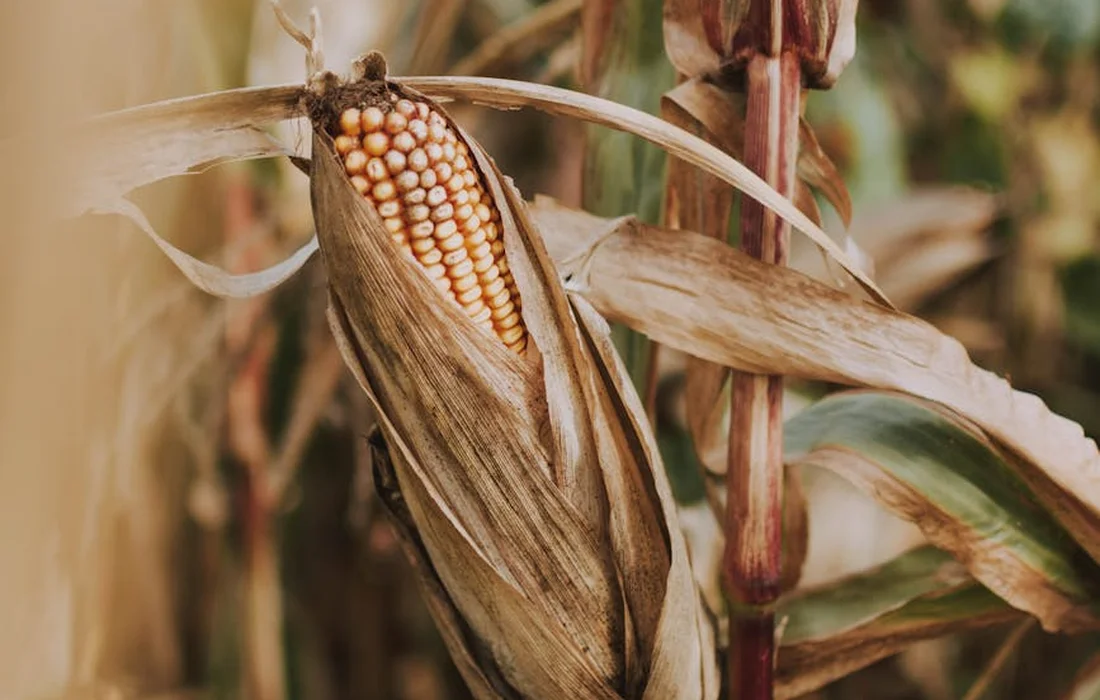
Y’all, that pile of husks, silk, and cobs after a summer cookout is pure gold for your flock, but you can’t just heave it into the run. A few simple steps of preparation make the difference between a healthy treat and a risky mess. If you’re considering cracked corn, a quick cracked corn safety feeding guide can help you keep portions and risks in check. Keep it small and watch how your birds respond. I’ve fed corn scraps to my chickens for decades, and taking the time to do it right honors the harvest and keeps your birds thriving.
The Golden Rule: Always Cook or Grind the Cob
Listen close, because this one’s non-negotiable. A raw corn cob is about as digestible to a chicken as a wooden dowel. You must either cook the cob until it’s soft or grind it into a manageable mash to prevent crop impaction. I remember one fall, thinking a tough old cob would keep the girls busy; it did, until my favorite Barred Rock needed help. Never again.
My method is straightforward. I collect cobs in a bucket until I have a batch, then simmer them in a big pot of water for a good, long while. Boiling for at least an hour breaks down the lignin and cellulose, turning a hazard into a fibrous, peckable snack. Let them cool completely before offering.
- Boiling: Submerge clean cobs in water and simmer for 60-90 minutes. They’re ready when you can easily pierce them with a fork.
- Grinding: For dry cobs, a sturdy grinder creates a coarse, sawdust-like filler. I mix a handful into their layer feed for extra fiber.
- Portion Control: Even prepared, limit cobs. One soft cob per four hens, two or three times a week, is plenty.
Handling Husks and Silk
Husks and silk are the easy-going relatives of the corn family. They’re generally safe to feed fresh and raw, but a little forethought makes them better. Those green husks and silky threads are fantastic for digestion and provide fun, shreddable enrichment. I often toss whole husks into the run and watch the hens scratch and debate over them like little prize ribbons.
If the husks are from drier, field corn or seem particularly tough, I’ll give them a rough chop with my knife. Always remove the very bottom of the husk where it gripped the stalk, as dirt and bacteria love to hide there. Silk can mat and hold moisture, so fluff it apart and ensure it’s dry before serving to prevent clumping in the crop.
Critical Step: Checking for Mold and Mycotoxins
This step is your duty as a steward. Mold on corn isn’t just a surface issue; it can produce invisible poisons called mycotoxins that attack a chicken’s liver and immune system. Any sign of blue, grey, green, or black fuzz means the entire piece, cob and all, is trash-bound for the hot compost pile. I hold every scrap up to the morning sun before it even touches my prep table.
Mycotoxins can be present without visible mold, especially in stored feed corn or last year’s leftovers. Source your extra corn or cobs from a supplier you trust, who keeps grain bone-dry and rodent-free. When in doubt, follow the old barnyard adage: if you wouldn’t eat it yourself, don’t feed it to your flock.
- Inspect Visually: Look for powdery spots, webbing, or any discoloration beyond the natural pale yellow or white.
- Use Your Nose: Take a deep whiff. Fresh corn smells sweet and earthy. Moldy corn has a distinct, damp, and musty odor.
- Compost with Heat: Contaminated scraps go in the active compost. A proper hot pile will neutralize toxins, turning danger into garden goodness.
How Much and How Often: A Sensible Feeding Guide
Figurin’ out portions for corn trimmings is more art than science, friends. I reckon a good rule from my granary is that treats like husks and silk should never top one-tenth of your flock’s daily intake. For a dozen hens, that’s about two handfuls of shredded husks or a couple of cobs’ worth of silk per day. Your birds’ mainstay must remain a complete layer feed, boasting that crucial 16-18% protein, to keep their egg production and health in fine fettle. Offer these corn parts as an afternoon diversion, a few times a week, not at every single meal.
Watch your girls closely when you introduce these fibrous goodies. If you notice any slow-down in egg laying or loose droppings, pull back right quick. My old leghorn, Mabel, taught me that an overindulgent hen is a less productive hen, and observing their behavior is your best measuring cup.
Keeping Treats in Their Place
It’s mighty easy to spoil your flock, but remember, corn husks and cobs are like candy for chickens-nutritious in a way, but filler if overdone. They’re rich in fiber but low in the protein and calcium your layers truly crave. Stick to the 90/10 rule: ninety percent balanced feed, ten percent treats and foraged scraps, to prevent nutritional shortfalls and keep your gals from gettin’ picky. I’ve seen a coop go off their feed from too many kitchen goodies, and it’s a headache to correct.
Respect the animal by viewing these scraps as supplemental enrichment, not sustenance. A thrifty steward knows that the true savings come from healthy birds that don’t require costly supplements or vet calls later on.
Simple Serving Methods That Work
Now, let’s get practical. How you serve these bits can make all the difference between a fun snack and a messy, wasted pile. Here are my three tried-and-true methods, straight from the run.
-
The Hungry Flock Method
Toss those corn husks and silk into the run right before you scatter their evening scratch grains. This works with their natural pecking order and curiosity, ensuring the treats get eaten promptly and don’t litter the ground. I like to do this in the late afternoon; it gives them something to work for and keeps ’em busy before roost.
-
The Chopped Salad Mix
Grab your kitchen knife and chop husks into inch-wide ribbons. Mix them with a handful of silks and other scraps like wilted lettuce or chopped zucchini. This “salad bar” approach mimics foraging, encourages gentle pecking, and makes tougher fibers easier to digest. Serve it in a wide, shallow pan to stop squabbles.
-
The Boredom Buster Bundle
Take a spent corn cob and wedge it firmly into the wires of the run or a sturdy holder. This simple act transforms a plain cob into a challenging puzzle that keeps beaks busy and minds active for hours, cutting down on feather picking and coop boredom. My barred rocks will work on one cob for half a day, and that’s a beautiful sight.
Mixing with Other Kitchen Scraps
Corn husks and silks play well with others from your kitchen, but you gotta be selective. Combine them with calcium-rich scraps like crushed eggshells or protein-packed bits like plain yogurt. Avoid mixing with other starchy treats like potatoes or bread in the same serving, as too many carbs can throw their diet out of whack. My favorite frugal mix is chopped husks, silks, herb stems, and a sprinkle of black soldier fly larvae.
Think of your scrap bucket like a mason jar salad-layered for balance. Start with a base of leafy greens, add your corn fibers for bulk, then top with a protein or calcium “dressing” to round it out nutritionally. This mindful mixing turns waste into a wholesome, varied supplement that honors your flock’s needs.
Smart Storage for Seasonal Abundance
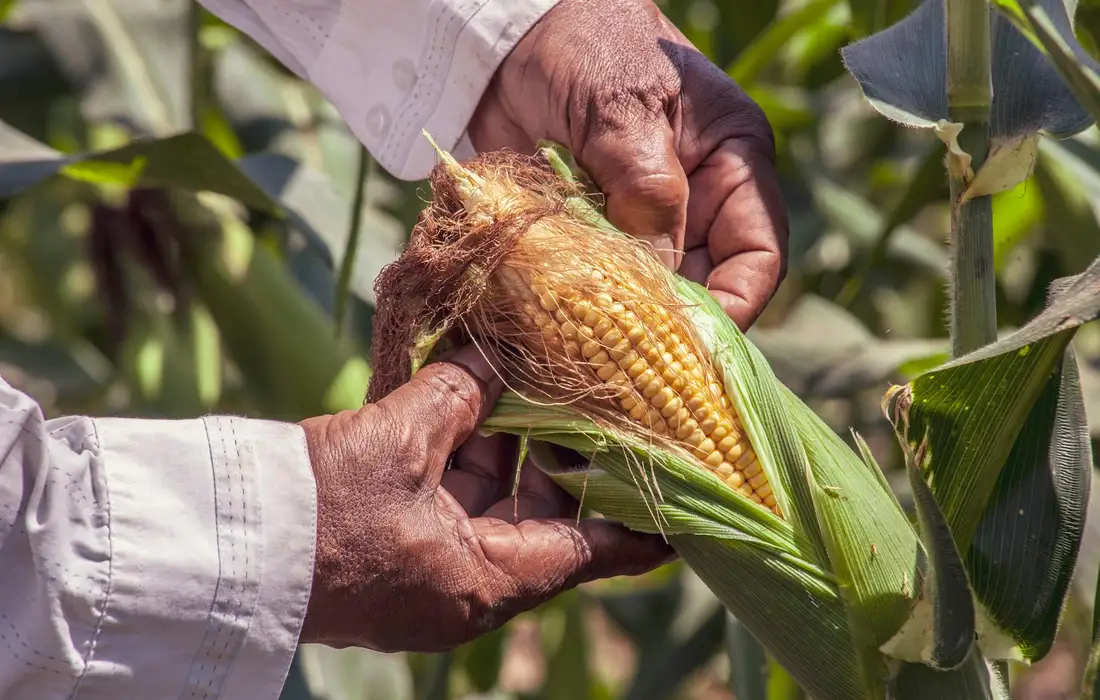
When that late summer bounty rolls in, you can feel overwhelmed with corn parts quicker than a hen spots a June bug. Proper storage turns that seasonal glut into a year-round resource, saving you money and providing your flock with familiar scratch long after the harvest moon has faded. I keep a couple of dedicated bins in the feed shed just for this purpose, and it’s saved my budget more times than I can count.
Drying for Later Use
Old-timers didn’t have freezers, and their methods still work a charm. Drying is my go-to for husks and silk because it preserves nutrients without using a watt of electricity. The key is getting them crackly-dry to prevent any mold, which can spoil a whole batch faster than a fox in a henhouse.
For husks, I spread them out in a single layer on old window screens propped up on sawhorses in my barn loft. Good airflow is your best friend here. Turn them once a day; they should be brittle and rattle when shaken in about a week, depending on your humidity.
Silk requires a gentler touch. I lay it on cheesecloth or fine mesh in a dark, airy spot. It dries quicker-often in just a few days. You’ll know it’s ready when it feels like fine, crinkly straw.
- Storage: Once fully dry, store husks and silk in paper feed bags or breathable cardboard boxes. Never use plastic bags, as trapped moisture will ruin your work.
- For Cobs: After the kernels are scraped off, I give the cobs a sun-bath for a day or two, then toss them into a large, open-weave basket in the barn. They need to be fully hard and dry before storage to avoid attracting pests.
- Test for Dryness: If you can snap a husk in half cleanly or a cob feels lightweight and hard, you’re in business. Any bend or flex means more drying time.
The Freezer Shortcut
Now, if your time is tighter than a new gate hinge, the freezer is a mighty fine helper. This is my preferred method when I’m processing a lot at once and the weather is too damp for reliable air-drying.
I simply pack clean, fresh husks and silk into gallon-sized freezer bags, press out all the air, and seal them tight. Freezing locks in the freshness at its peak, so the texture and appeal to the chickens remains high. For cobs, I freeze them on a baking sheet first so they don’t stick together, then bag them up.
- Blanch husks in boiling water for 60 seconds, then plunge into ice water. This stops enzyme actions and preserves color and texture better for long-term freezing. Dry thoroughly before bagging.
- Portion silk into “serving sizes” for your flock. A sandwich bag full is perfect for my dozen hens, so I don’t have to thaw a giant lump.
- Label everything with the date. While frozen goods last, I like to use them within a year for best quality.
Thawing is simple: just toss a frozen clump of husks or a cob right into the run on a warm day. The chickens will peck at it as it thaws, which provides cool enrichment. I’ve found that freezing is the best way to keep the cobs from becoming rock-hard, making them easier for the birds to break apart later. It’s a little bit of upfront work that pays you back all winter long.
Turning Waste into Worth on the Whole Farm
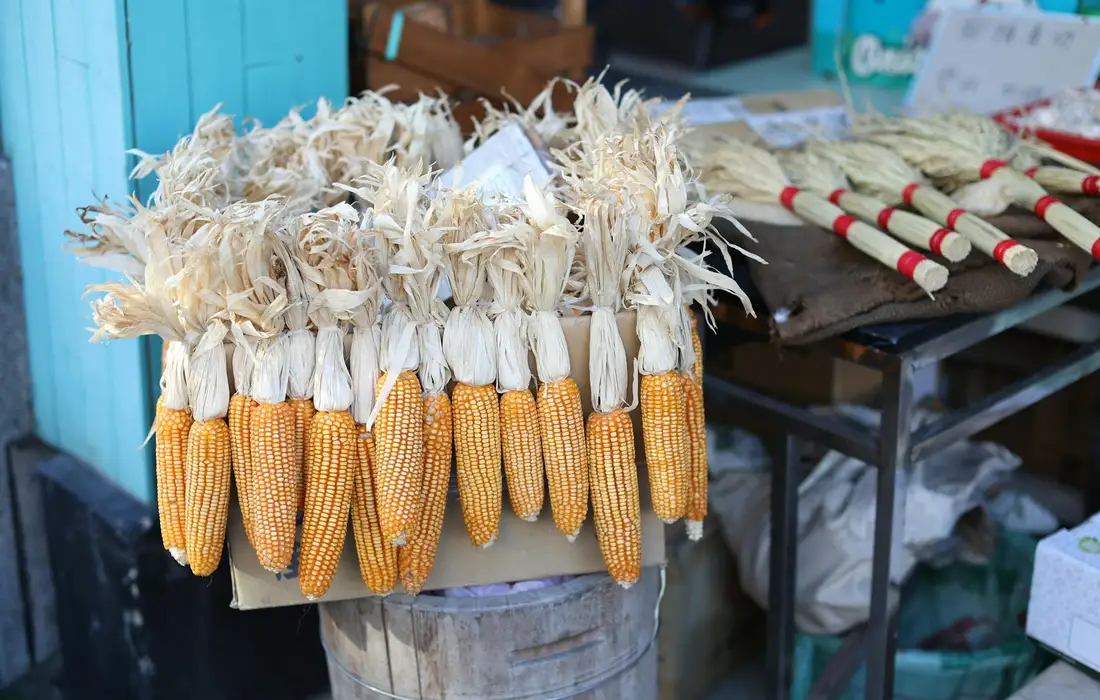
I’ve always said a truly efficient homestead sees the value in what most folks toss over the fence. Those corn husks, silks, and cobs you’re saving for the hens are just the start of a beautiful, thrifty cycle that can benefit nearly every critter on your place. It’s about seeing the whole picture, where one animal’s leftover is another’s lunch, and your wallet gets a rest.
Beyond the Chicken Run
Your chickens are fantastic starters for this waste stream, but don’t stop there. I’ve fed these corn parts to other livestock for decades, each with their own particular manners at the table. Even when feeding scraps to chickens, it’s important to know what’s safe.
Pigs are the ultimate clean-up crew and will root for and devour every bit of soft corn husk and silk you give them. Toss whole cobs into the pig pen, and you’ll be entertained for an hour watching them crunch and munch. The fiber is good for their digestion, and it keeps them busy, which is a blessing for your fence lines – but make sure to feed corn properly.
For ruminants like cows and goats, think of corn husks as a handy forage extender. Dried, crumbled husks can be mixed into their daily ration of hay, especially useful in late winter when the pasture is sleeping and the hay loft is looking thin. They’ll pick through it happily. Avoid the cobs for these folks; a cow’s rumen is a marvel, but a hard, woody cob is a challenge it doesn’t need.
Even your compost pile gets a boost. Chopped cobs are a fantastic “brown” material, creating air pockets as they break down slowly. Layering corn waste into your compost builds a richer, more balanced soil amendment for next year’s garden, closing your farm’s loop right there.
The Homesteader’s Bottom Line
Let’s talk practical savings, because I know that feed bill hits hard every month. When you divert kitchen and garden waste to your animals, you’re directly cutting costs. That bag of scratch grains or handful of leftover hay you didn’t have to feed? That’s money staying in your pocket. Moreover, there are cost-effective feed alternatives for chickens and cows that can help reduce expenses without sacrificing nutrition.
Here’s a simple table my grandpa taught me to keep in mind:
| Corn Part | Best For | How to Serve | Thrift Value |
|---|---|---|---|
| Husks (Green) | Chickens, Pigs, Goats | Shredded or whole | Replaces 5-10% of fresh forage/greens |
| Silks | Chickens, Pigs | Fresh, scattered | Adds variety, encourages natural foraging behavior |
| Cobs (Spent) | Pigs, Compost | Whole for pigs, chopped for compost | Excellent enrichment; reduces bedding/compost material costs |
The real wealth isn’t just in the dollar saved, but in the resilience you build by not relying solely on the feed store. I reckon I save a good 15% on my laying flock’s supplemental feed during corn season by letting them work over the leftovers. For the pigs, it’s even more. That adds up to real money by year’s end, money that can fix a tractor tire or buy a new fruit tree.
More than that, it’s stewardship. You’re reducing what goes to the landfill, improving your animal’s diet with variety, and teaching the next generation to see resources, not rubbish. That mindset of making do and using it up is the heart of homesteading, and it starts with something as simple as a corn cob.
Closing Questions
Can chickens eat corn husks from both sweet corn and field corn?
Yes, chickens can safely consume husks from both sweet and field corn varieties. However, field corn husks are typically tougher, so chopping them can make digestion easier and prevent waste. It’s also important to feed chickens properly prepared corn kernels as treats.
What should I watch for if my chickens eat too many corn husks?
Overindulgence may cause crop impaction or reduce their intake of balanced layer feed. Look for signs like lethargy, loose droppings, or a drop in egg production, and promptly limit treat portions.
How do corn husks specifically support egg-laying hens?
The insoluble fiber promotes healthy digestion, aiding in nutrient absorption from their primary feed. Additionally, the shredding activity reduces boredom, which can minimize stress and support consistent laying.
Is it safe to feed corn husks to chicks or pullets?
Avoid feeding husks to chicks under 8 weeks old due to their sensitive digestive systems. For older pullets, introduce small, finely chopped pieces gradually to monitor tolerance.
Can I feed corn husks from corn treated with pesticides?
No, it’s risky due to potential chemical residues that can harm chickens. Always use husks from organic or untreated corn, and thoroughly wash them if sourcing is uncertain—especially when using them as an alternative to popcorn treats for chickens.
How can corn husks be used in winter when fresh greens are scarce?
Dried husks stored from harvest can be offered as a fibrous treat to maintain gut motility and foraging behavior. They provide enrichment and supplement roughage when pasture or garden scraps are unavailable.
Shutting the Gate
After all this talk of husks, silk, and cobs, the simplest truth from my barnyard is this: these treats are a delightful supplement, but they’re the side dish, not the main course. Your flock’s health hinges on a complete, balanced layer feed or grower ration making up the vast majority of their daily diet. Think of corn trimmings as the occasional biscuit on your plate, not the meat and potatoes that keep you going.
I’m right grateful y’all stopped by to chat about feeding our feathered friends. There’s a deep satisfaction in watching a flock contentedly scratch and peck at a treat you’ve provided, turning our kitchen leftovers into rich eggs and joyful clucking. Here’s to your homestead thriving, your hens staying plump and sassy, and the simple, good life we’re all building out here, one scrap bucket at a time.
Further Reading & Sources
- r/chickens on Reddit: At what age would it be considered safe to feed chickens corn om the cob/canned corn?
- Can Chickens eat Corn Husks? All You Need To Know | BackYard Chickens – Learn How to Raise Chickens
- Can you feed your chickens corn husks? | BackYard Chickens – Learn How to Raise Chickens
Caroline Mae Turner is a lifelong farm girl raised on red clay, early mornings, and the sounds of a bustling barnyard. With hands-on experience caring for everything from stubborn goats to gentle dairy cows and mischievous pigs, Caroline shares practical, tried-and-true advice straight from the farm. Her goal is to help folks keep their animals healthy, well-fed, and living their best barnyard life. Whether you're wrangling chickens or bottle-feeding a baby goat, Caroline brings a warm Southern touch and plenty of real-world know-how to every bucket in the barn.
Feed Composition