A Farmer’s Guide to Feeding Pumpkin to Your Flock
Published on: February 16, 2026 | Last Updated: February 16, 2026
Written By: Caroline Mae Turner
Howdy y’all, and welcome back to the barn. Got a pile of post-holiday pumpkins staring you down from the porch and wondering what’s useful for your hens? Your chickens can absolutely eat pumpkin-the flesh, the seeds, even the stringy guts-and it’s a fantastic, nutritious treat they’ll gobble right up.
What you’ll need:
- Your leftover pumpkin (jack-o’-lantern, pie pumpkin, or decorative gourd)
- A sturdy knife or cleaver
- Your eager flock of feathered clean-up crew
Let’s break down the whole squash, from the stem to the seeds, so you can feed it with confidence and get back to the rest of your chores.
The Short and Sweet Answer
Yes, chickens can and absolutely should eat pumpkin. I’ve been tossing pumpkins to my flock every autumn for nigh on thirty years, and it’s a sight they truly relish. You can feed them the whole affair-flesh, guts, seeds, and even the stringy pulp. Think of a pumpkin as nature’s seasonal supplement pack, wrapped in a tough orange shell. For safety, pick fresh ornamental whole pumpkins and inspect them for spoilage. With proper handling, these can be included in their diet as part of a seasonal treat.
Here’s the quick breakdown of what parts are fair game:
| Pumpkin Part | Feed It? | How & Tips |
|---|---|---|
| Raw Flesh & Guts | Yes | Chop or crack it open. They’ll devour the soft insides first. |
| Seeds | Yes, and highly recommended | Feed raw. Known to help with internal parasites. |
| Stringy Pulp | Yes | They love picking through it. No need to clean it out. |
| Whole, Uncracked Pumpkin | Yes, but… | Great entertainment, but you must crack the shell first for them to access the goodness inside. | Stem & Hard Skin | Not really | Too tough and fibrous. They’ll peck but largely ignore it. Toss it on the compost. |
Why Your Flock Will Thank You for Pumpkin
Beyond being a festive treat, pumpkin is a powerhouse of nutrition and practical barnyard benefits. I reckon if chickens could write thank-you notes, pumpkin season would bring a flurry of them. Pumpkins can be shared with multiple farm animals—ducks, goats, pigs, and more—giving each a tasty boost. Used wisely, pumpkin season becomes a communal feeding moment on the farm.
A Trove of Vital Nutrients
That bright orange color tells you something good is inside. Pumpkin is loaded with beta-carotene, which their bodies convert to Vitamin A. This vitamin is a cornerstone for strong immune systems, sharp vision in the dim coop light, and healthy tissue growth. It’s also a good source of Vitamin E, potassium, and iron. For hens, these nutrients translate directly into vibrant yolk color and robust overall health.
Natural Deworming Support
This is the old-timer’s wisdom that modern keepers are rediscovering. Pumpkin seeds contain a compound called cucurbitacin. In my experience, regularly feeding raw pumpkin seeds seems to make the gut environment less hospitable for worms. I view pumpkin seeds as a helpful, natural part of a integrated parasite management plan, not a standalone cure. I always keep a bag of dried seeds in the feed room to crush and sprinkle on their ration year-round.
Molting Season Relief
When your hens look like they’ve been through a feather pillow fight, protein is their greatest need. Pumpkin seeds are about 30% protein. The flesh provides moisture and vitamins to support new pin feather growth. During the fall molt, a cracked pumpkin in the run is better than any store-bought “stress pack” I’ve ever used. I watched my old girl Henrietta one tough molt season-she parked herself by the pumpkin half for days, pecking steadily, and she feathered out smoother and quicker than the others.
Hydration and Digestive Health
Pumpkin flesh is about 90% water. On those crisp fall days, it’s an extra source of hydration. The fiber in the flesh and pulp aids in digestion and can help keep things moving smoothly. A flock with good gut motility is a flock that utilizes its feed efficiently, saving you money in the long run.
Enrichment and Foraging Joy
Never underestimate the value of a chicken’s boredom relief. Tossing a whole, cracked pumpkin into the run turns them into a feathered wrecking crew. They’ll peck, scratch, tear, and work for their meal for hours. This kind of natural foraging behavior keeps them active, reduces stress, and staves off the pecking order squabbles that come from idleness. It’s stewardship of their instincts, and it’s plain fun to watch.
Preparing Pumpkin for Your Hens: From Whole to Scraps
Feeding Whole Pumpkins as Flock Entertainment
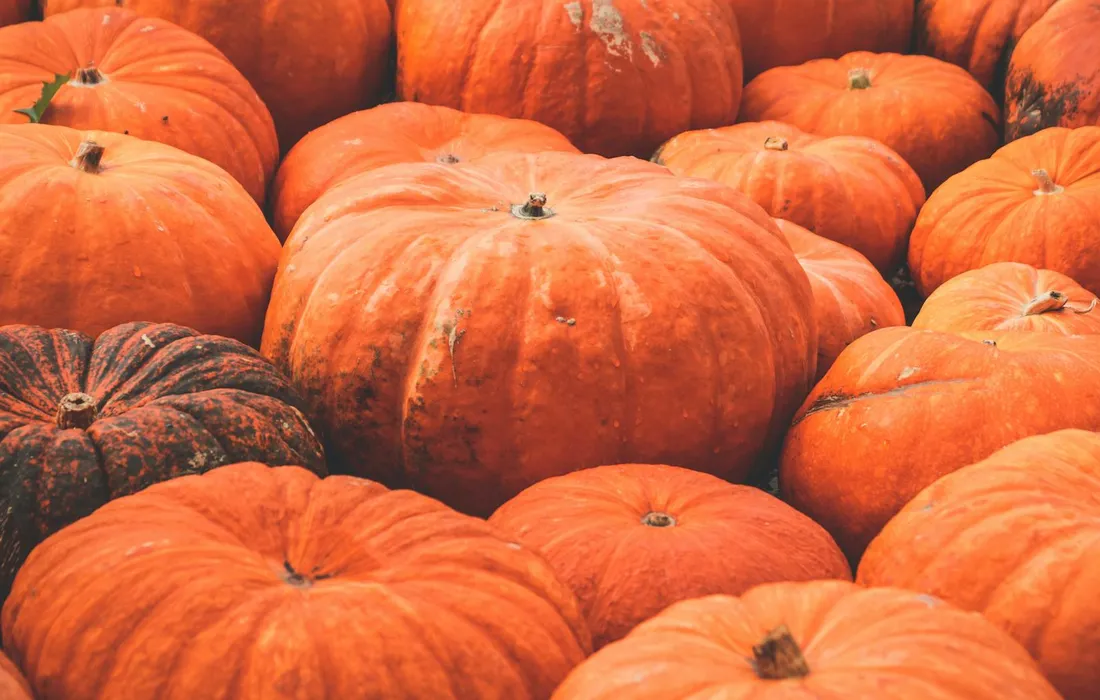
I like to kick off the fall season by rolling a few whole pumpkins right into the chicken run. It’s a sight that never gets old. Using a whole pumpkin as a boredom buster is one of the thriftiest and most effective forms of enrichment you can provide your flock.
Choose pumpkins that are small enough for your birds to maneuver around. If the shell is particularly hard, I’ll take a hatchet and split it once or twice to get the goodness started. This simple act transforms a simple gourd into a cooperative pecking project that strengthens the flock’s social dynamics.
You don’t need any special tools. Here’s how I do it on my farm:
- Select a sound, uncarved pumpkin free of soft spots.
- Place it directly in their run or pasture during the day.
- Watch as they peck through the rind to devour the flesh and seeds inside.
It cleans up easy, too. Once they’re done, you’re left with little more than a flat piece of rind to compost, completing a perfect cycle of no-waste stewardship.
Handling Raw Pumpkin: Guts, Flesh, and Skin
After Halloween, my kitchen counter is often covered with pumpkin guts from our jack-o’-lanterns. Every bit of that can go straight to the hens. Feeding raw pumpkin is perfectly safe and packs a hydration boost along with vitamins A and C, unlike some other bones you might feed to livestock.
The stringy guts and soft flesh are an immediate hit. I simply scrape the insides into a trough or scatter them on the ground. This raw, moist flesh is easier for them to eat than the hard skin and provides a welcome texture variety in their diet.
The skin, or rind, is edible but tough. My birds will peck at it once the inside is gone, especially if it’s cracked. For younger chicks or smaller bantams, I might chop the rind into smaller, manageable pieces. Always ensure any raw scraps are fresh and haven’t been sitting out to ferment or mold, which can cause digestive upset.
The Special Case of Pumpkin Seeds: Nutrition and Natural Deworming
Now, let’s talk about the real treasure inside: those slippery seeds. I dry and save mine all season long. Pumpkin seeds are a powerhouse snack, offering a solid plant-based protein punch-around 30% protein by weight-and healthy fats.
Many folks, myself included, believe in their natural deworming properties. The compound cucurbitacin in the seeds may help paralyze intestinal parasites. While pumpkin seeds are a fantastic supportive health treat, they are not a substitute for a veterinary-approved deworming program if you have a heavy infestation.
Here’s my method for preparing seeds:
- Rinse the seeds to remove most of the stringy pulp.
- Spread them in a single layer on a baking sheet to air-dry for a day or two. I don’t add salt or oil.
- Once dry, I store them in a jar and offer a handful to the flock a few times a week.
You can feed them whole or crushed. Grinding the seeds slightly makes those beneficial oils and compounds even more accessible to your birds’ digestive systems.
When and How to Cook Pumpkin for Chickens
Cooking pumpkin isn’t necessary, but I do it for a couple of good reasons. If I have a pumpkin that’s a bit past its prime or a particularly fibrous variety, cooking softens it up. Steaming or baking pumpkin breaks down the cell walls, making it easier for very young, old, or molting chickens to digest and absorb the nutrients.
It’s a simple process. I cut the pumpkin into chunks, remove the seeds for drying, and bake the flesh until it’s soft. This cooked pumpkin can be mashed and mixed right into their regular feed, creating a moist, enticing meal that wastes nothing.
Never add butter, sugar, spices, or salt. Plain is perfect. Here’s my go-to approach:
- Preheat your oven to 350°F.
- Cut the pumpkin into large sections and place them flesh-side down on a baking sheet.
- Bake for 45-60 minutes until a fork slides in easily.
- Let it cool, then scoop the soft flesh from the skin for your hens.
The cooked skin can be offered too, as it’s much softer. Using cooked pumpkin is a wonderful way to hydrate your flock’s food in the winter when their waterer might be less appealing.
Smart Feeding: Moderation, Risks, and What to Avoid
Now, I reckon we’ve all seen our birds go plum crazy for a pumpkin treat, but smart stewardship means knowing when to hold back. Even the best treats can cause trouble if they throw your flock’s balanced diet out of whack. I remember one season where I got a bit too generous with the gourd scraps, and my egg layers’ production dipped because they were filling up on pumpkin instead of their layer feed.
Practicing Prudent Moderation
Think of pumpkin as the dessert of the chicken world—a delightful bonus, not the main course. Pumpkin and its seeds should never make up more than 10% of your flock’s total daily food intake. Their primary nutrition must always come from a quality complete feed.
- For a standard flock of six hens, a generous handful of cubed flesh or a tablespoon of seeds per bird, two or three times a week, is a safe benchmark.
- Always scatter treats in the run to encourage natural foraging behavior and prevent bossy birds from hogging it all.
- If you’re feeding whole small pumpkins, one pumpkin for every 8-10 birds is a good limit, and always smash it open first.
Understanding the Hidden Risks
Pumpkin is wholesome, but it’s not a perfect food for poultry. The high moisture and fiber content can lead to wet, messy droppings if your chickens overindulge on raw flesh. This isn’t just a coop cleanup issue; it can signal digestive disturbance when feeding pumpkin to chickens and ducks.
- Nutritional Deficiencies: Pumpkin flesh is low in protein and calcium. Relying on it can weaken eggshells and slow growth in young birds.
- Mold and Mycotoxins: This is the silent danger. Any pumpkin with soft, discolored spots or fuzz must go straight to the compost, not the coop.
- Seasonal Overload: In autumn, it’s easy to overwhelm them with squash varieties. Rotate pumpkin with other safe treats like kale or apples.
What to Absolutely Avoid Feeding
Being thrifty means using parts wisely, but some things aren’t worth the risk. Never, ever feed your chickens pumpkins that have been used for decoration, as they are often coated with toxic wax, paint, or preservatives.
- The Stem and Vine: These are tough, fibrous, and a potential choking hazard. They offer no nutritional value and should be discarded.
- Rotten or Frozen-Thawed Pumpkin: Decomposing flesh breeds harmful bacteria. Once a pumpkin has frozen and softened, it’s only fit for the compost heap.
- Canned Pumpkin Pie Filling: This is not the same as plain canned pumpkin. It contains sugars, spices, and additives that can upset a chicken’s digestive system.
Y’all, the key is to watch your flock. If you see them ignoring their regular feed after a pumpkin party, it’s time to cut back on the gourds. I keep a close eye on the feeder and always serve treats in the afternoon, after they’ve had their fill of the good, balanced stuff. That way, everyone stays happy, healthy, and productive.
Storing Your Pumpkin Bounty for Winter Months
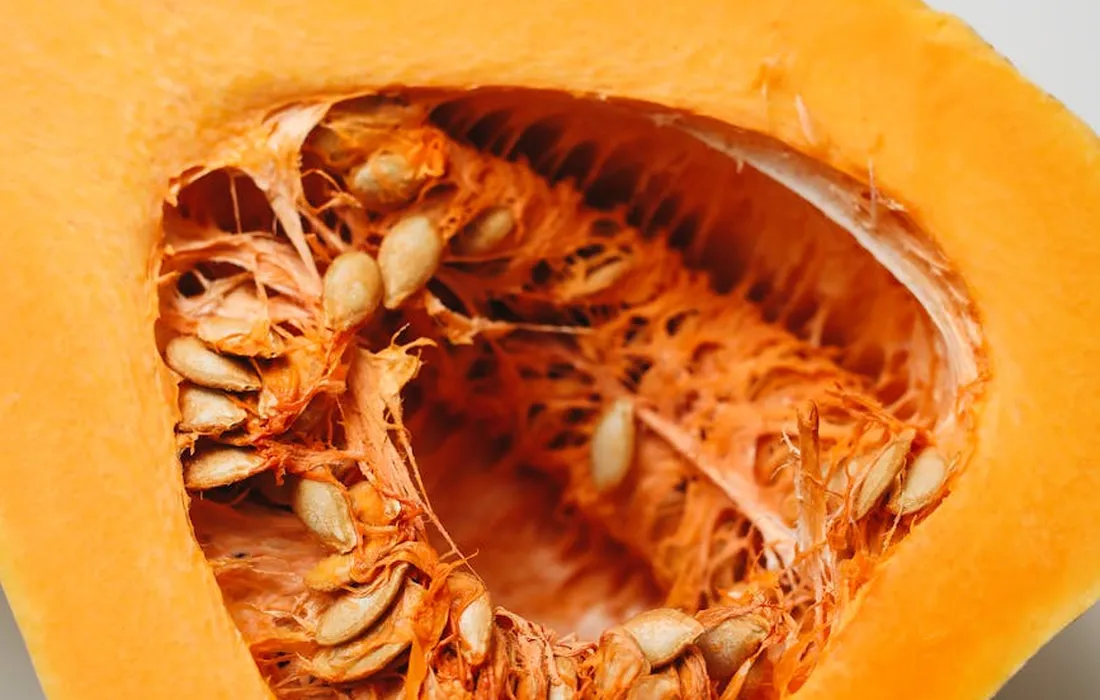
You’ve got a pile of orange gold from the patch or the market, and a chill is settlin’ in the air. The good news is, with a little know-how, you can keep your flock in pumpkin delights long after the first frost. Proper storage turns a seasonal windfall into a year-round nutritional supplement for your birds.
Keeping Pumpkins Whole and Sound
An uncarved, healthy pumpkin is a marvel of natural packaging. I keep a dozen or so on the shelf in my root cellar every year. The keys are choosing the right fruit and giving it the right home.
- Select for Storage: Only keep pumpkins that are completely free of soft spots, bruises, or breaks in the skin. The stem should be intact and firm. A single blemish is an invitation for rot that will spread.
- The Cure and The Cool: Let them “cure” in a warm, dry spot (about 80°F) for a week to toughen the skin. Then, move them to your storage area. They need it cool (50-55°F is ideal), dry, and with decent air circulation.
- Check Often: Give each pumpkin a gentle once-over every couple of weeks. If one starts to go soft, it’s not a loss-immediately chop it up for the chickens or process it for freezing.
Cutting and Freezing for Easy Feeding
This is my go-to method for prepped pumpkin. It’s thrifty and saves time on a busy morning. I simply scoop out the “guts” and seeds for separate processing (more on that in a bit), then cut the firm flesh into chunks.
- Scrub the outer skin clean with a vegetable brush.
- Cut the pumpkin into manageable sections and remove seeds and stringy pulp.
- Cut the flesh into 1 or 2-inch cubes-no need to peel.
- Spread the cubes in a single layer on a baking sheet and flash-freeze for a few hours.
- Transfer the frozen cubes to airtight freezer bags or containers.
Frozen pumpkin cubes are a fantastic hot-weather treat, and they’ll keep their quality for a good 8 to 10 months in a deep freeze. Toss a handful into the run on a scorchin’ afternoon and watch the girls peck at the cool, juicy chunks.
Dehydrating for Shelf-Stable Treats
If you own a dehydrator, you’ve got a golden opportunity. Dehydrated pumpkin is a lightweight, non-perishable snack. I make pumpkin “jerky” strips for my birds and powder the scraps.
- For Treat Strips: Cut peeled pumpkin into 1/4-inch thick strips. Dehydrate at 125°F for 8-12 hours until leathery and brittle. Store in a mason jar.
- For Powder: Puree cooked pumpkin and spread thinly on dehydrator fruit leather sheets. Dry until it flakes. Grind the flakes into a fine powder you can mix into their feed or yogurt. A teaspoon of homemade pumpkin powder is a potent boost of vitamins you can add to their daily scratch.
Canning Pumpkin Puree for Livestock
Canning is more work, but it creates ready-to-use, shelf-stable pumpkin. I only recommend this for the homesteader already comfortable with pressure canning-it’s the only safe method for pumpkin. You can’t water-bath can pureed pumpkin. Follow a tested recipe from a source like the National Center for Home Food Preservation to the letter for processing times. The result is convenient, cooked pumpkin you can simply open and serve straight from the jar on a cold winter day.
Don’t Forget the Livestock Scraps!
Your storage prep creates its own bounty for the animals. As you process, keep three buckets handy:
| Scrap Bucket | Contents | Best For |
|---|---|---|
| Seed & Pulp | All the stringy guts and seeds | Chickens (feed fresh or dry seeds) |
| Peel & Trim | Tough outer skins & stem ends | Pigs, Goats, Cattle |
| Soft & Spoiled | Any sections starting to rot | Pigs or Compost ONLY |
Nothing from the pumpkin patch needs to go to waste if you’ve got a mix of livestock to appreciate the different textures and parts. My pigs get mighty vocal when they see me walkin’ to the pen with a bucket of peels and soft bits-they know a good thing is coming.
Pumpkin on the Rest of the Homestead: Geese, Pigs, Goats & Cows
Now, don’t go thinkin’ pumpkins are just for the chickens. Why, that orange bounty is a welcome treat for most every critter in the barnyard. I’ve been tossin’ pumpkins to my flock and herds for nigh on thirty years, and I reckon it’s one of the thriftiest ways to add variety to their diet while cleaning up the garden. Using every last bit of your harvest for feed is the heart of good stewardship, turning potential waste into wholesome nutrition for goats and sheep alike.
Geese: The Garden’s Clean-Up Crew
My gaggle of Embdens acts as my lawn crew, but they’ve got a mighty fondness for pumpkin come fall. They’ll peck at the flesh and seeds with gusto. Geese can handle raw pumpkin just fine, but I always split a larger fruit open with my boot heel so their flat bills can get at the soft insides easier. The seeds pass through without issue, and that extra vitamin A does wonders for their eye health and feather condition. Just remember, pumpkin is a supplement, not a main course-keep it to about a handful per goose per day, alongside their good grass and grain.
Pigs: The Ultimate Recycling Bin
If you want to see pure joy, roll a whole pumpkin into the pig pen. They’ll root it, crush it, and devour every morsel-skin, guts, seeds, and all. Pumpkin’s high fiber content is excellent for a pig’s digestion, and it’s a cheap way to add bulk to their ration, stretchin’ your feed budget further. I’ve fed whole, uncarved jack-o’-lanterns to my Berkshires for weeks after Halloween. There’s old talk about pumpkin seeds acting as a dewormer, but I don’t rely on it for that; I use a proper rotational grazing plan instead. For a 250-pound hog, a few pounds of pumpkin a day makes a fine, hydrating treat.
- Feed whole, cracked, or chopped-pigs aren’t picky.
- Seeds are safe and provide healthy fats.
- Mix pulp with their soaked grains for a hearty mash.
Goats: Curious Nibblers
My Nubians are sometimes skeptical of new foods, but pumpkin usually wins them over. They prefer the flesh and seeds, often leavin’ the tougher skin behind. Goats benefit from the vitamins and minerals, but introduce pumpkin slowly to avoid upsettin’ their delicate rumen balance. I give my adult goats a chunk about the size of their fist daily. Avoid feedin’ the prickly stems and vines, as they can be bitter and sometimes cause mouth irritation. For dairy does, that extra beta-carotene can even add a richness to their milk. Pumpkin is just one of the treats they enjoy.
Cows: A Palatable Pasture Supplement
For cattle, pumpkin is more of an occasional snack than a staple. My beef herd sees it as a fun diversion. The high water content can be useful in dry fall weather. Always chop pumpkins into manageable pieces for cows to prevent any risk of choking, especially with larger, harder-skinned varieties. I’ll often run a few pumpkins through the manure spreader to crush them up before tossin’ them out in the pasture. The seeds are harmless, and the pulp mixes well with their hay. For a 1,000-pound steer, a couple of pounds of pumpkin is plenty-it’s low in protein compared to their alfalfa, so it won’t replace good forage.
- Use a sharp spade or tractor bucket to smash pumpkins for safe consumption.
- Scatter pieces in the pasture to encourage natural foraging behavior.
- Monitor intake to ensure they’re still eatin’ their primary roughage.
Closing Tips for Your Pumpkin Feeding Routine
Can I make pumpkin a regular part of my chickens’ diet?
Yes, pumpkin can be a wonderful seasonal supplement. For a balanced approach, offer it as a treat a few times a week, ensuring their primary nutrition still comes from a complete poultry feed.
How should I prepare pumpkin seeds to support my flock’s health?
For the best results, feed pumpkin seeds raw. You can rinse and air-dry them, then offer them whole or lightly crushed to make the beneficial compounds more accessible for your birds.
Are pumpkin leaves and vines safe for my chickens to eat?
While the flesh and seeds are excellent, the tough vines and leaves are not ideal. They are very fibrous and offer little nutritional value, so it’s best to compost them or offer them to goats or pigs instead.
Do I need to remove the tough pumpkin skin before feeding?
You do not need to remove it, especially if the pumpkin is cracked open. The skin is edible but very tough; your flock will likely peck out the soft insides first and may nibble on the softened rind afterward.
My chickens found jumping worms in a pumpkin patch. Is it safe if they eat them?
Chickens will eagerly eat insects and worms, including jumping worms. This is generally safe and provides protein, but ensure the pumpkins themselves are fresh and haven’t been compromised by excessive decay from pest activity. It’s also important to distinguish them from armyworms or other pests that might harm plants.
What is the single most important thing to remember when feeding pumpkin?
Always practice moderation. Pumpkin is a treat, not a staple. Observe your flock after feeding to ensure they are still consuming their regular, balanced feed, which is essential for their health and egg production.
Shuttin’ the Gate
So, can chickens eat pumpkin? You bet your boots they can. The single most important thing to remember is this: pumpkin is a wonderful supplement, not a replacement for their balanced feed. Think of the orange flesh, the stringy guts, and those roasted seeds as a delicious, nutrient-packed treat that supports their health from comb to claw, especially when the seasons turn. Pumpkin seeds provide their own unique nutritional benefits that can be particularly beneficial.
I’m mighty glad we had this chat. There’s a special kind of satisfaction in watching your flock peck and scratch at a shared pumpkin, knowing not a single part went to waste. It’s a small, good thing we can do for our birds. So next time you’re carving a jack-o’-lantern or cleaning out the pie pumpkins, give your gals a holler and share the bounty. Here’s to happy hens, rich yolks, and the simple, good work of stewarding our little patches of earth. Y’all take care now.
Further Reading & Sources
- Feeding Your Chickens Pumpkins for a Fall Treat
- Can chickens eat pumpkins? Benefits, seeds and feeding tips.
- Can Chickens Eat Pumpkin Seeds? Truth + Safe Feeding Tips
Caroline Mae Turner is a lifelong farm girl raised on red clay, early mornings, and the sounds of a bustling barnyard. With hands-on experience caring for everything from stubborn goats to gentle dairy cows and mischievous pigs, Caroline shares practical, tried-and-true advice straight from the farm. Her goal is to help folks keep their animals healthy, well-fed, and living their best barnyard life. Whether you're wrangling chickens or bottle-feeding a baby goat, Caroline brings a warm Southern touch and plenty of real-world know-how to every bucket in the barn.
Treat Suggestions