The Farmer’s Guide to Pumpkins: Safe Feeding From Gourd to Guts
Published on: February 17, 2026 | Last Updated: February 17, 2026
Written By: Caroline Mae Turner
Howdy y’all. Staring down a pile of leftover autumn pumpkins and wondering if they’re just more yard waste? Let me settle your mind right now: your flock can absolutely eat pumpkin, and they’ll likely go wild for it. It’s a fantastic, thrifty way to use up what you’ve got and give your girls a nutritious treat.
What you’ll need:
- Fresh pumpkins (carving leftovers, pie types, or even ornamental gourds)
- A sturdy knife or cleaver
- Access to your flock
We’ll have those pumpkins turned into poultry pleasure in no time, so you can get back to the rest of your chores.
The Short Answer: Yes, Chickens Can Eat Pumpkin
-
Let me settle this straight away: pumpkin is a safe and mighty beneficial snack for your chickens, provided you prepare it with a little common sense. Offering pumpkin is a thrifty way to boost their nutrition and provide enrichment, turning waste into a flock favorite. There’s concise guide on how chickens eat pumpkin—raw, guts, seeds, and whole pumpkins—coming in the next steps. It will help you apply these tips with your flock.
-
I’ve seen my own hens, a mix of Rhode Island Reds and Easter Eggers, go plumb wild over a halved pumpkin. They’ll peck the interior clean down to the rind in an afternoon, leaving nothing but a hollow shell and happy birds. That personal experience in the coop reinforces that this is a treat they naturally enjoy and thrive on.
-
This guide will walk y’all through the safe handling of every common type, from the fresh pie pumpkins you bake with, to the ornamental gourds on your doorstep, and even whole pumpkins straight from the patch.
Pumpkin Safety: Navigating Fresh, Ornamental, and Whole Varieties
Fresh Pumpkin Flesh, Seeds, and Pulp
-
Raw, fresh pumpkin meat is an excellent feed. Always select pumpkins that are firm and free of soft spots or visible mold, which can make your birds sick. A good sniff test works wonders-if it smells sweet and earthy, it’s good; if it smells sour or musty, toss it in the compost.
-
Pumpkin seeds often get praised for their natural deworming properties, thanks to a compound called cucurbitacin. While not a substitute for a proper veterinary wormer, feeding raw seeds in moderation is a good supportive practice and poses a low choking risk if the flock has plenty of grit to help grind them.
-
Don’t you dare scrape out that stringy pulp and throw it away. That messy pulp is perfectly safe and packed with fiber, which aids in digestive health and helps keep your hens’ gut movements regular.
The Truth About Ornamental and Decorative Pumpkins
-
Here’s where you must be cautious. Many store-bought ornamental pumpkins are coated with pesticides, waxes, or preservatives to make them last and look shiny. If that pumpkin has a slick, artificial feel or a painted-on sheen, it is not safe for your critters and should stay as decoration only.
-
Plain, untreated ornamental gourds are technically not toxic, but they’re often bred for looks, not taste. They can be rock-hard and less palatable, so your chickens might ignore them unless you help out. As you plan their treats, keep chicken diet safety in mind to avoid toxic or harmful foods. Knowing which items to avoid helps keep your flock healthy.
-
Follow this simple three-step check before offering any decorative gourd:
- Check thoroughly for any coatings, paints, or glitters. If present, it’s a hard no.
- Ensure there’s no rot or mold, especially on the bottom where it sits.
- Smash it with a hammer or cut it open to make the interior accessible and appealing.
Taking these steps turns a potential risk into a safe, peckable boredom buster for the flock.
Feeding Whole Pumpkins to Your Flock
-
A whole pumpkin is safe, but chickens can’t break through that tough skin on their own. You must create an opening, or you’ll just have a lonely pumpkin sitting in your run, frustrating your birds. Feeding pumpkins to chickens and ducks requires a bit of preparation.
-
The method is simple: either drop it from a modest height to crack it open, or use a knife to cut a few hefty wedges or holes. This cracking-open step is crucial to prevent the interior from fermenting or spoiling unseen, which could lead to digestive upset.
-
The rind itself is tough but edible. As they peck away at it, the rind provides valuable dietary fiber and hours of entertainment, which is just as important for their well-being as the food itself.
Why Pumpkin is a Poultry Powerhouse: Nutritional Benefits
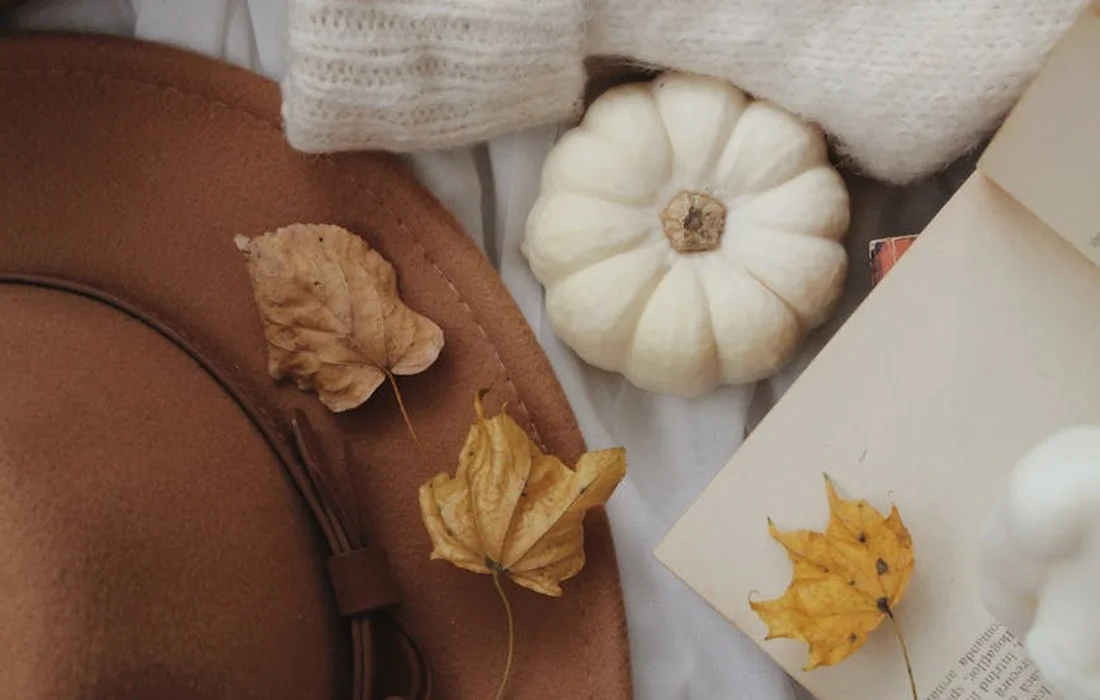
Well now, let’s talk about why that gourd is so good for ’em. I’ve been tossing pumpkins into the run for years, and the sight of a flock happily pecking away is a sure sign of healthy, entertained birds. Pumpkin offers a brilliant bundle of nutrients that complements a balanced layer or broiler feed perfectly, acting like a daily vitamin boost straight from the garden. Think of it as their seasonal superfood.
The bright orange flesh is where a lot of the magic happens. It’s loaded with beta-carotene, which their bodies convert into Vitamin A. This is crucial for strong eyesight, especially as the days get shorter, and for supporting a robust immune system. You’ll also find a wonderful dose of soluble fiber in that flesh, which acts like a gentle broom for their digestive tract. For birds that scratch and peck at everything, a little internal cleanup is always welcome.
Key Nutrients in Your Pumpkin Bounty
- Vitamin A (from Beta-Carotene): Supports sharp vision for spotting treats (and predators!), and maintains healthy respiratory and immune function.
- Dietary Fiber: Aids in smooth digestion and can help keep their crops moving properly. It’s especially useful if you suspect they’ve been eating too many leafy greens.
- Potassium & Other Minerals: Helps with nerve function and overall cellular health. It’s a supporting player that keeps their internal engine humming.
- Antioxidants: Fights cellular stress, keeping your hens feeling spry. I reckon a vibrant hen often starts with a vibrant diet.
- Cucurbitacin (in Seeds): This is the secret weapon. This compound is mildly antiparasitic. While it’s no replacement for a proper wormer from your vet, many of us old-timers believe regular access to pumpkin seeds helps create an unwelcoming environment for internal parasites.
Pumpkin vs. Regular Feed: A Barnyard Balance
Here’s where good sense comes in. No matter how much they love it, pumpkin is a supplement, not the main course. Their complete commercial or home-mixed feed is meticulously formulated to be the cornerstone of their diet, providing the exact right balance of protein, calcium, and other nutrients they need to lay, grow, and thrive. Pumpkin is the delicious, nutritious extra. I never let treats, pumpkin included, make up more than about 10% of their daily intake. Too much of a good thing can lead to nutritional gaps or, ahem, some very loose droppings.
A Peck at the Numbers: Flesh vs. Seeds
To give you a clearer picture of what you’re serving, here’s a simple breakdown. Remember, these are general figures-nature has her own recipes-but they show why both parts of the pumpkin have a place in your poultry feeding program.
| Pumpkin Flesh (per 100g, approx.) | Pumpkin Seeds (per 100g, approx.) |
|---|---|
| High in Vitamin A & Antioxidants | Excellent Source of Protein & Healthy Fats |
| Rich in Dietary Fiber | Contains Minerals like Zinc, Iron, and Magnesium |
| Contains Potassium | Source of Dietary Fiber |
| Very Low in Protein | Contains Cucurbitacin (antiparasitic compound) |
| High Moisture Content | Lower Moisture Content |
As you can see, the flesh is a hydrating vitamin boost, while the seeds pack a more concentrated, protein-rich punch. Offering the whole pumpkin, seeds and all, lets your flock self-select what their bodies might need most at that moment, which is a beautiful example of natural husbandry. Just crack it open and let them have at it.
How to Serve Pumpkin: Preparation, Portions, and Practical Tips
Now that we know pumpkin is a safe and nutritious treat, let’s talk about the how-to. Getting the serving part right turns a good intention into a healthy, mess-free snack your flock will cluck for. I’ve fed pumpkins to my birds for years, and a little know-how saves a lot of cleanup.
Raw vs. Cooked: Which is Better?
This is a common question around the feed store. From my barnyard experience, both ways work, but I usually keep it simple. Feeding raw pumpkin is my go-to method because it locks in all the natural vitamins and enzymes without any extra work from me. The hens’ beaks are plenty strong enough to break into it. This approach also translates to feeding pumpkins to multiple farm animals. Goats, pigs, and ducks can enjoy them too.
- Raw is perfectly fine and preserves nutrients. Cooked pumpkin is softer and easier to eat but offers no major advantage.
- Advise against adding salt, sugar, or spices if cooking. I reckon plain is best for our feathered friends-their digestive systems don’t need our seasonings.
I might boil a batch if I have some overly tough gourds or a hen with a soft beak, but most times, I just wash, chop, and toss.
Serving Sizes and Frequency
Moderation is the golden rule with any treat. Pumpkin should complement their balanced layer feed, not replace it. Think of it like a slice of pie after supper-a little is a delight, but too much spoils the main meal.
- Offer pumpkin as a treat, not a meal. Limit to a few handfuls per flock, a couple times a week.
- For whole pumpkins, one small pumpkin can entertain a standard flock for a day or two. I’ll often set a small, cracked jack-o’-lantern in the run and let them have at it.
- Always remove uneaten portions after 24 hours to prevent spoilage risk. In warm weather, I check sooner to keep mold and pests away.
Step-by-Step Preparation for Safety
A quick prep makes all the difference. Taking these simple steps ensures your chickens get the good stuff without any hidden dirt or harmful bacteria. It’s just part of good stewardship.
- Wash the pumpkin’s exterior to remove dirt. A quick scrub under the hose does the trick, especially for field pumpkins or decorative gourds.
- Cut it open and scoop out the seeds and pulp. You can feed the seeds separately-they’re a great natural dewormer.
- Chop the flesh into bite-sized chunks or smash it. For older hens, I sometimes grate it fine to make it extra easy.
- Scatter in the run or place in a sturdy feeder to minimize mess. I use a flat pan to keep it off the ground and make cleanup a breeze.
Risks, Precautions, and Common Mistakes
Spoilage and Mold: The Hidden Danger
I once lost a fine hen to a moldy cantaloupe rind before I knew better, and that lesson sticks with me every harvest season. Mold on pumpkin isn’t just unsightly; it can produce mycotoxins that cause severe digestive upset or even life-threatening toxicity in your flock. You must inspect every piece you offer, turning it over in your hands like a dubious egg.
- Moldy pumpkin can swiftly cause illness. Teach yourself to spot the danger signs: any fuzzy growth, especially in white, blue, or black patches, or areas that are sunken, slimy, or smell sour.
- Never feed your chickens pumpkins that were carved for decoration and left sitting out. Those jack-o’-lanterns collect bacteria and mold as they decompose, making them a hazardous treat days later.
Moderation is Key: Preventing Digestive Issues
Your birds might gobble pumpkin like it’s candy, but their digestion tells the real story. Feeding too much pumpkin, thanks to its high fiber, is a fast track to loose, watery droppings that can dehydrate a bird and disrupt their nutrient absorption. I limit treats to what the flock can finish in about twenty minutes, once or twice a week.
- Excess pumpkin fiber can lead to digestive trouble. It should only ever complement a balanced base of quality commercial feed, which provides their essential proteins and vitamins.
- Always monitor your flock’s digestion when introducing pumpkin. Watch their droppings and behavior for a day or two after to ensure they’re tolerating it well before making it a regular snack.
Pumpkin for Other Barnyard Animals: A Quick Note
- Now, your chickens aren’t the only ones at the party! Geese, pigs, and cows can all enjoy pumpkin too. I’ve fed many a leftover pumpkin to my pigs, and they adore ’em whole and smashed-it’s a thrifty way to clean up the garden and fill their bellies.
- For your cattle, pumpkin is a fine occasional treat, but always in moderation. Remember, the same safety rules from the chicken coop apply here: never feed moldy pieces or pumpkins with paint, wax, or other coatings to any of your critters. Good stewardship is universal on the farm.
Closing Questions
Can chickens eat pumpkin?
Yes, chickens can eat pumpkin as a safe and nutritious treat. It should be offered in moderation to complement their regular feed without causing dietary imbalances. You can also feed them pumpkin seeds for added nutrition.
Is fresh pumpkin flesh safe for chickens?
Fresh pumpkin flesh is safe and beneficial, providing vitamins and fiber. For a complete feeding guide with safety tips on feeding pumpkins to sheep, consult our resource. Always inspect it for mold or rot before feeding to ensure it’s healthy for your flock.
Are pumpkin seeds okay for chickens to eat?
Pumpkin seeds are safe and may offer mild deworming benefits due to cucurbitacin. Feed them raw and sparingly, ensuring chickens have grit to aid digestion. Some keepers also consider small amounts of ground cumin as a spice. However, always follow poultry spice safety guidelines before introducing cumin to the flock.
Can chickens eat ornamental pumpkins from decorations?
Ornamental pumpkins are only safe if untreated and free from coatings like wax or paint. Check for any additives and crack them open to make the interior accessible.
Is feeding a whole pumpkin to chickens safe?
Whole pumpkins are safe, but you must crack or cut them open first. This prevents internal spoilage and allows chickens to peck at the flesh and seeds easily. For ducks, pumpkin flesh and seeds can be a snack when prepared safely. A brief safety guide on feeding pumpkins to ducks covers proper portions and handling.
What should I avoid when giving pumpkin to chickens?
Avoid moldy, carved, or coated pumpkins, as they can cause illness. Also, limit portions to prevent digestive issues from excess fiber, and always remove uneaten pieces promptly.
Shuttin’ the Gate
The finest rule of thumb out here is a simple one: if it’s fresh, plain pumpkin flesh or seed, you can’t go wrong offerin’ it to your flock. Stick to the basics you’d eat yourself-the unadorned meat and seeds of a pie or carving pumpkin-and you’ll be providin’ a wholesome, joyous treat that does your birds a world of good. Just be sure to check out our guide on pumpkin for rabbits to ensure it’s safe for all small critters.
I reckon I’ll see y’all out there, savorin’ that crisp air and the contented chatter of well-fed hens. There ain’t much better than sharin’ the season’s bounty with your feathered crew. Enjoy these simple rhythms, friends.
Further Reading & Sources
- How to Keep Pumpkins Safe for Wildlife | U.S. Fish & Wildlife Service
- Can Dogs Eat Pumpkin? Benefits, Risks, and Feeding Tips | PetMD
- Is it safe for livestock to consume pumpkins after fall festivities are over? – Texas Farm Bureau
Caroline Mae Turner is a lifelong farm girl raised on red clay, early mornings, and the sounds of a bustling barnyard. With hands-on experience caring for everything from stubborn goats to gentle dairy cows and mischievous pigs, Caroline shares practical, tried-and-true advice straight from the farm. Her goal is to help folks keep their animals healthy, well-fed, and living their best barnyard life. Whether you're wrangling chickens or bottle-feeding a baby goat, Caroline brings a warm Southern touch and plenty of real-world know-how to every bucket in the barn.
Diet Requirements