Can Ducks Eat Vegetables? A Homesteader’s Guide to Peas, Corn, Beans & Greens
Published on: January 23, 2026 | Last Updated: January 23, 2026
Written By: Caroline Mae Turner
Howdy y’all. Got a handful of garden extras or wilting greens from the fridge and a flock of feathered friends eyeing you up? You can absolutely share most vegetables with your ducks, turning kitchen scraps into nutritious, cost-effective treats that they’ll gobble right up.
- A mix of veggies: Think leafy greens, sweet corn, shelled peas.
- A good knife and cutting board: For chopping things into duck-bite-sized pieces.
- Clean water for dunking: Ducks need water to swallow, so it’s non-negotiable.
Don’t you worry-we’ll sort the prime produce from the problem plants so you can feed with confidence and get on with your day.
Understanding the Duck’s Vegetable Appetite
Now, y’all might be wonderin’ if those web-footed critters in your pond truly hanker for greens. From my years watching ducks patrol the garden edges, I can tell you their appetite for vegetables is as natural as rain. A duck’s digestive system is built to handle a varied menu, and offerin’ veggies mimics their wild foraging for aquatic plants and tender shoots. Think of it as supplementing their layer feed with fresh, livin’ food that boosts health and cuts down on feed costs. I’ve always reckoned a duck with access to greens is a duck with vibrant feathers and sturdy eggshells.
But you can’t just toss out any scrap. Their love for veggies comes with a need for balance. Vegetables should be treats or supplements, makin’ up no more than 10-15% of their daily intake, so their main nutrition still comes from a complete commercial or homestead-mixed feed. I learned this the hard way when my Pekins got a bit too fond of lettuce and started skimping on their protein. Always chop or shred tougher veggies to prevent choking, and serve them afloat in water to encourage natural dabbling behavior.
Spotlight on Favorite Vegetables: Peas, Corn, Beans & Leafy Greens
Let’s mosey on through the garden and see what’s best for your flock. These four categories are duck-yard favorites, but each has its own particulars.
The Joy of Peas: A Protein-Packed Snack
Fresh or frozen peas are a celebration in my flock. They’re little powerhouses, often packin’ around 5-6% protein, which is a fine boost for growin’ ducklings and layin’ hens. I always keep a bag of frozen peas in the freezer; they’re a thrifty, year-round treat that doubles as a cool snack on hot summer days. Just thaw ’em in a bucket of water. You can serve ’em whole-ducks adore pluckin’ ’em up. Avoid canned peas due to the high sodium, which isn’t good for any barnyard animal.
- Best served: Thawed frozen or fresh garden peas.
- Frequency: A handful per duck, 2-3 times a week.
- My tip: Scatter ’em in their pool to turn snack time into enrichment.
Corn: The Energy-Boosting Treat
Corn is pure carbohydrate energy, great for puttin’ weight on birds or givin’ ’em a calorie lift in winter. Remember, corn is a treat, not a staple; too much can lead to fattiness, especially in less active ducks. I use it sparingly, like a sprinkle of cheer on a chilly mornin’.
Fresh Corn on the Cob
This is pure duck entertainment. Nail a whole cob to a post or float it in their water. Watching ducks strip a corn cob clean is a lesson in efficient, joyful eating. It keeps ’em busy for hours and helps wear down their beaks naturally. Just ensure the cob is fresh and free from mold.
Kernels and Cracked Corn
For a quicker feed, I’ll offer dried kernels or cracked corn. Soak cracked corn in water overnight before serving to make it easier to digest and to prevent any crop impaction. A quart of soaked cracked corn can be mixed into their regular feed for a flock of five, but not every day. It’s a fine, cheap way to stretch your feed store haul.
Beans: Always Cooked, Never Raw
This is the one rule you never bend. Raw beans, especially kidney or lima beans, contain lectins that are downright harmful to ducks. I parboil any garden beans-green beans, shelled beans, you name it-for at least 10 minutes to neutralize those compounds. After that, they’re a safe, fiber-rich addition. My ducks gobble up cooled, chopped green beans. They’re a brilliant way to use up a garden surplus.
- Safe beans: Green beans, black-eyed peas, cooked chickpeas.
- Always: Cook thoroughly. Let cool completely.
- Never: Feed raw bean sprouts or dried, uncooked beans.
Leafy Greens: Nature’s Vitamin Boost
This is where ducks truly shine. Leafy greens are loaded with vitamins A, C, and K, crucial for immune health and strong bones. I make a ritual of takin’ my harvest basket to the garden, specifically for gatherin’ duck greens-it connects their diet to the land’s rhythm. Rinse greens well to remove dirt and potential pesticides.
Top Picks: Lettuce, Kale, and Dandelion Greens
Romaine or leaf lettuce is a hydrating, mild choice. Kale is a nutrient superstar, but chop it fine. My absolute favorite is free-for-the-pickin’ dandelion greens from an unsprayed yard; they’re bitter, packed with minerals, and ducks relish ’em. Tear these greens into duck-bite pieces to prevent tangling and waste.
Understanding Oxalates: Spinach and Chard
Now, spinach and Swiss chard contain oxalates, which can bind to calcium if fed in excess. You can feed these, but do it occasionally-think once a week in small, chopped handfuls-so it doesn’t interfere with eggshell formation. Variety is your best strategy here. Rotate your greens to give a broad spectrum of nutrients without overdoing any one compound.
The Safe Kitchen: Preparing Veggies for Your Flock
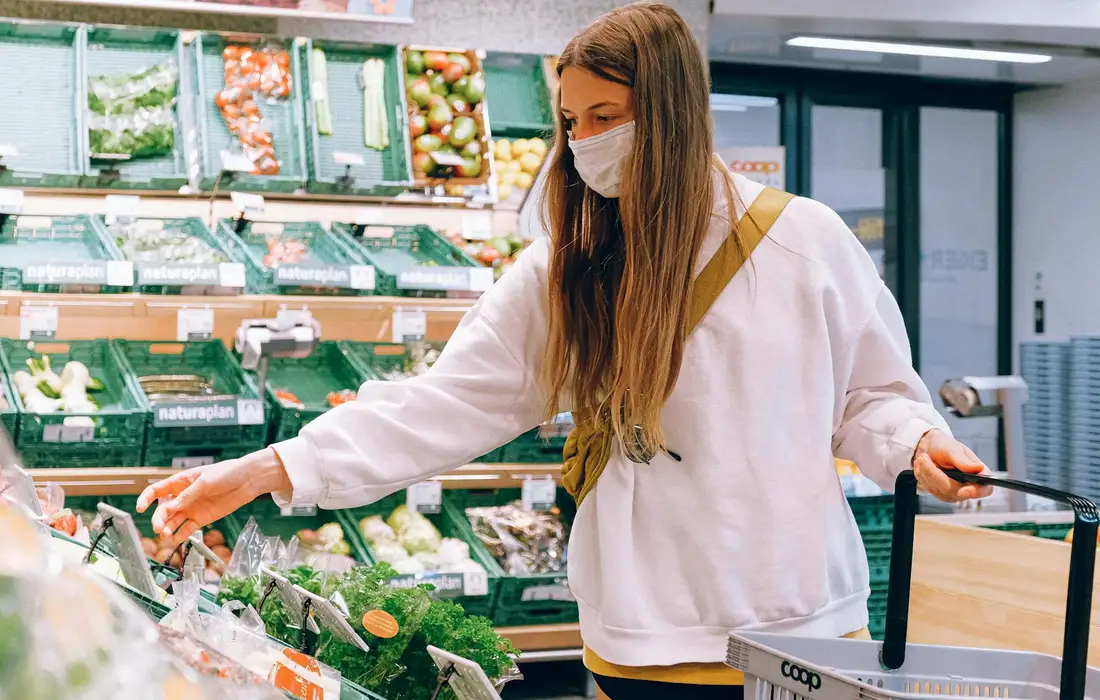
Y’all might reckon that tossing veggie scraps to the ducks is as simple as it gets, but a little care in the kitchen can make all the difference for their health and your peace of mind. Proper preparation turns your garden surplus or kitchen odds-and-ends into a safe, nutritious treat that supports your flock instead of unsettling their digestion, especially when it comes to feeding them meat or other scraps.
Your First Step: The Cleanup Crew
I never feed my ducks anything straight from the field without a rinse, no matter how eager they look. Washing vegetables under running water removes soil, wild bird droppings, and any chemical residues that might linger from neighboring fields. For store-bought or waxy produce, I use a soak of one part white vinegar to four parts water for five minutes, then a good rinse.
- Scrub root vegetables like carrots or beets with a brush to get dirt out of the crevices.
- Dry leafy greens in a salad spinner after washing to prevent them from spoiling too fast in the feed dish.
- Always cut away any bruised, moldy, or rotten spots completely-these can harbor toxins that upset a duck’s system.
Size Matters: Chop, Shred, or Mash
Ducks will try to swallow most anything, but large chunks can lead to trouble. Chopping vegetables into pieces no bigger than a pea ensures easy eating and prevents choking, especially for eager ducklings. I keep a dedicated cutting board and a sharp knife right by my sink for this very purpose.
My Muscovies once ignored whole green beans until I sliced them lengthwise; now they’re a prized snack. For hard veggies like carrots or beets, a coarse grater saves time and makes the nutrients more accessible for your birds.
The Heat Decision: Raw vs. Cooked
Most vegetables are fine served raw, but a bit of heat can unlock more nutrition for your flock. Light steaming or boiling softens tough fibers, making it easier for ducks to digest cellulose and absorb vitamins. It’s a thrifty way to use up older, tougher garden produce that might otherwise go to waste. Of course, make sure to only feed them foods that are safe for ducks and geese.
Remember, cook plain. Never add salt, fats, spices, or seasonings, as a duck’s liver isn’t designed to process them. Here’s my rule of thumb for the cooking pot:
- Always Cook: Dried beans (like kidney or cannellini) must be thoroughly cooked to destroy harmful lectins. Raw beans are poisonous.
- Better Cooked: Potatoes, sweet potatoes, pumpkin, and winter squash. Cooking neutralizes solanine in potato skins and softens the flesh.
- Fine Raw: Peas, corn kernels, cucumber, zucchini, and most leafy greens like lettuce and Swiss chard.
Navigating the No-Go Zones
Even safe vegetables have parts that don’t belong in the duck run. Always remove pits from stone fruits and seeds from apples, as they contain trace amounts of cyanide. The leaves and stems of tomatoes, potatoes, and rhubarb contain oxalates and alkaloids that can cause illness.
I keep a separate bowl on my counter for these discards, which head straight to the hot compost pile. Onions and garlic in large, repeated quantities can cause hemolytic anemia in birds, so I use them sparingly, if at all.
My Prep Table for Common Veggies
| Vegetable | Preparation Method | Barnyard Tip |
|---|---|---|
| Peas (fresh or frozen) | Thaw if frozen; serve raw. No need to chop. | I toss them in their swimming water. It encourages natural foraging and keeps them busy. |
| Corn (on the cob or kernels) | Raw kernels are fine. For cobs, scrape or cut off kernels. | A great high-energy feed in winter. Balance with their regular layer feed to maintain protein intake around 16-18%. |
| Green Beans | Chop into half-inch pieces. Steam if they’re old and stringy. | Remove the tough string from garden varieties first. It can wrap around a beak or tongue. |
| Leafy Greens (kale, spinach) | Wash thoroughly, tear into shreds, and serve raw. | Feed in moderation to avoid loose stools. I mix a handful into their grain as a binder. |
Thrifty Stewardship: Using What You Have
Preparing duck treats is a perfect chance to practice frugality on the homestead. That half-wilted lettuce, the outer leaves of cabbage, or the tops of your carrots are all golden opportunities to reduce waste and nourish your flock. I store prepped veggie bits in a sealed container in the fridge for up to three days.
Just last week, I turned a pile of overgrown bok choy into a duck feast. Respecting the animals means giving them food that’s as clean and thoughtfully prepared as what we’d serve at our own table.
How Much is Too Much? Feeding with Moderation
I reckon the heart of good husbandry ain’t just knowing *what* to feed, but knowing *when* to stop. Treats are a joy, but they’re called treats for a reason.
The golden rule on my farm is that any vegetable or treat should never make up more than 10% of your duck’s total daily diet. The other 90%? That needs to be a balanced waterfowl or poultry feed. That pellet or crumble is the foundation that keeps their protein, vitamins, and minerals in check. A complete duck diet guide with nutrition, feeding tips, and daily requirements walks you through portions, timing, and the best feeds for different life stages.
The 10% Rule in Your Hand
What does 10% look like in the real world? For an average laying duck, that’s about a handful of chopped veggies per bird, per day. I visualize it as a side salad, not the main course.
- A few tablespoons of thawed peas or corn per duck.
- A couple of lettuce leaves, torn up.
- A few green bean pods, chopped.
I scatter treats in their water or on the ground to encourage natural foraging behavior. It keeps ’em busy and happy.
Nutritional Pitfalls of Overindulgence
Go beyond that handful, and you can stir up trouble. It’s not about being mean; it’s about keeping their systems running smooth.
Leafy Greens & Watery Vegetables (Lettuce, Cucumber, Zucchini)
These are mostly water. Too much leads to, well, watery droppings. A messy coop is one thing, but nutrient dilution is the real concern-they fill up on water-logged greens and don’t eat enough of their complete feed. I’ve seen egg production dip and feather condition suffer when the girls filled up on cucumber scraps all week.
Starchy Vegetables (Corn, Peas, Cooked Beans, Squash)
Ducks adore these, but they’re richer in carbohydrates. Think of corn like duck candy. A little is a fine energy boost, especially in cold weather. A lot leads to weight gain. An overweight duck is a poor layer and can develop serious leg and joint issues trying to carry that extra load. For peas and beans, which have higher protein, overfeeding can also throw their precise calcium-to-phosphorus ratio out of balance, impacting eggshell strength.
High-Oxalate Greens (Spinach, Swiss Chard)
These are fine as an occasional tiny bit of variety. But fed in large, frequent quantities, the oxalic acid can bind to calcium and prevent its absorption. For a laying duck, calcium is non-negotiable for strong eggshells and her own bone health. I might offer a single spinach leaf as a rare treat, but it’s not a regular feature. Some readers also want to know how ducks eat eggshells as a calcium source. Our ‘ducks eat eggshells calcium supplementation guide’ outlines safe practices for supplementing calcium to maintain strong eggshells and bones.
Signs You’ve Crossed the Line
Your ducks will tell you if the treats are getting out of hand. You just have to listen with your eyes.
- Leftover Base Feed: If you see their primary pellets or crumble sitting uneaten in the feeder come evening, you’ve filled ’em up on the good stuff.
- Changes in Droppings: Excessively loose, watery, or oddly colored waste is a classic sign of dietary imbalance.
- Drop in Egg Production or Quality: Thin, rubbery, or misshapen shells are the hens’ way of saying they’re missing vital nutrients from their main feed.
Moderation is the secret ingredient. It keeps treats special, your ducks healthier, and your feed bill from going to waste. It’s a simple act of respectful stewardship.
Vegetables That Spell Trouble for Waterfowl
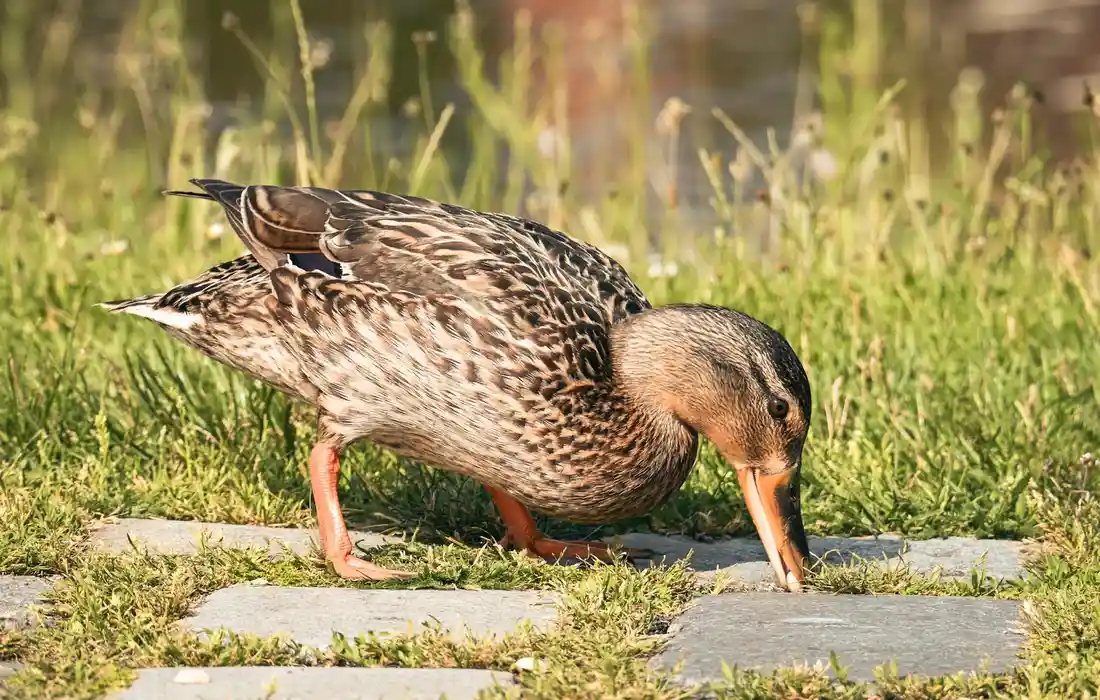
Now, I reckon it’s time for some plain talk about the garden goods that can land your ducks in a pickle. Feeding ducks from the garden requires a sharp eye, because some common vegetables harbor toxins that waterfowl simply cannot process. I’ve nursed a few birds back to health after well-meaning but mistaken treats, and I aim to help y’all steer clear of the same mishaps.
Onions and Garlic: Hidden Saboteurs
Alliums like onions and garlic, whether raw, cooked, or powdered, contain thiosulphate. This compound can cause hemolytic anemia in ducks, quietly destroying their red blood cells and sapping their energy. I once had a duck sneak some cooked onion from our picnic scraps, and her sluggish recovery taught me to be mighty careful with kitchen leftovers.
The Absolute No-Go: Avocado
Every part of the avocado-the flesh, skin, and especially the pit-contains persin, a fungicidal toxin. For ducks, even a small amount of avocado can lead to respiratory distress and heart failure, with no antidote available. This is one fruit we never bring near the barnyard, no matter how plentiful the harvest.
Raw Potatoes and Green Sprouts
White potatoes, along with their cousins tomatoes and eggplants, are part of the nightshade family. The green parts and sprouts contain solanine, a glycoalkaloid poison that attacks the nervous system and can be fatal. If you want to share potatoes, they must be fully cooked, with all green spots and eyes completely removed.
Rhubarb Leaves: A Deceptive Danger
While the stalks are fine for people, rhubarb leaves concentrate soluble oxalates. Ingesting these leaves can cause a rapid drop in calcium levels in a duck’s bloodstream, leading to kidney failure and tremors. My compost pile for rhubarb leaves is fenced off and far from where the birds forage, just to be safe.
Dry, Raw Beans: A Lectin Hazard
Uncooked kidney, black, or navy beans contain high levels of phytohaemagglutinin, a lectin that disrupts cellular function. As little as a few raw beans can cause severe digestive upset and poisoning in waterfowl. I always soak and boil any beans for my flock until they are mushy soft, which neutralizes the lectins completely.
Spinach and Swiss Chard: Moderation is Key
These leafy greens contain oxalic acid, which binds to calcium and other minerals. Feeding large, frequent handfuls can contribute to nutritional deficiencies and thin eggshells in laying ducks. I use spinach as a very occasional treat, mixing just a leaf or two into a broader salad of safer greens like romaine or chopped kale. For poultry, including chickens and ducks, spinach can fit into a balanced nutrition plan in small, infrequent portions. Used sparingly, it adds variety to greens without compromising mineral balance.
A Quick-Reference Table of Troublesome Vegetables
| Vegetable | Problem Compound | Safer Alternative Practice |
|---|---|---|
| Onions & Garlic | Thiosulphate | Avoid entirely. Use chives or herbs like parsley for flavor. |
| Avocado | Persin | Complete avoidance. Dispose of pits and skins securely. |
| Raw Potato & Greens | Solanine | Feed only cooked, non-green potatoes without skins. |
| Rhubarb Leaves | Soluble Oxalates | Compost deeply away from birds. Stalks are safe for people only. |
| Dry Raw Beans | Lectins | Feed only after thorough soaking and boiling until very soft. |
| Spinach/Chard | Oxalic Acid | Offer sparingly-once a week in small, chopped amounts. |
Good stewardship means knowing the line between a treat and a threat. Your ducks’ vibrant health is built not just on what you provide, but on what you prudently withhold. When you’re eyeing the garden basket, a little caution preserves a whole lot of happy quacking.
Why Vegetables Make Your Ducks Thrive
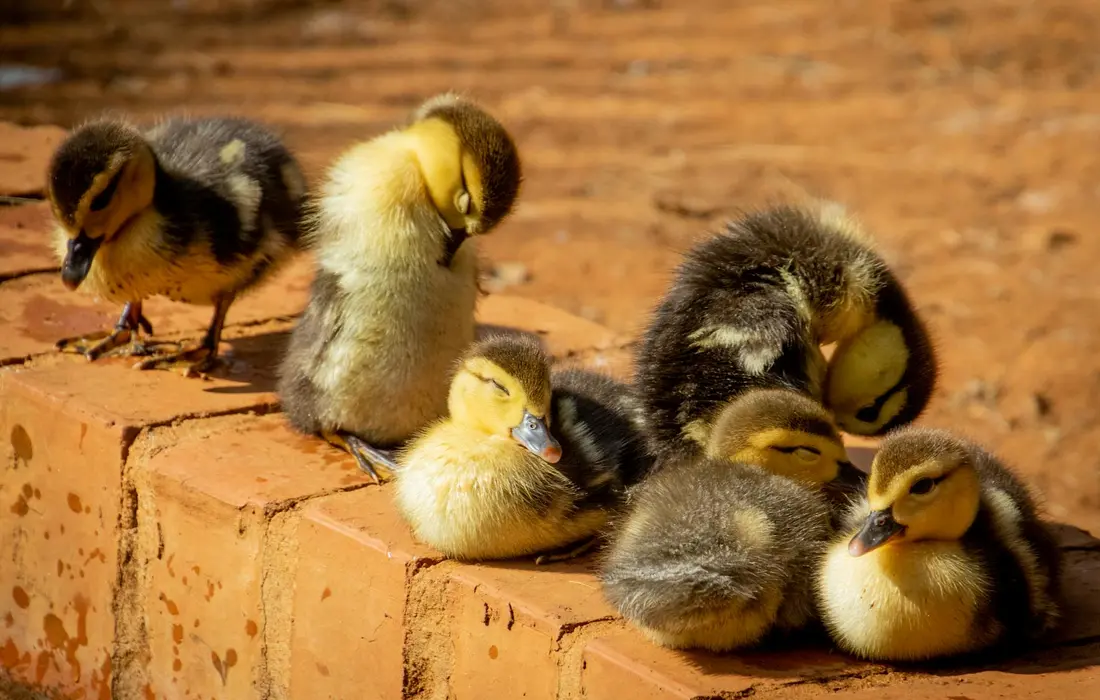
Folks, it’s not just about tossing a few scraps to see the ducks waddle over. There’s a real science and art to it, born from watching my own flock over the years. Vegetables are more than a treat; they’re a cornerstone of robust health. Feeding vegetables isn’t just supplementing their feed; it’s actively building their resilience from the inside out, especially when offering leafy greens like spinach, kale, and lettuce.
A Powerhouse of Vitamins and Minerals
Commercial feed provides a solid base, but think of veggies as nature’s multivitamin. Each color and type brings a different strength to your birds. Dark, leafy greens like kale and Swiss chard are loaded with calcium and Vitamin A, vital for strong eggshells and keen eyesight. That bright orange in a carrot top or a slice of squash? That’s beta-carotene, which their bodies convert for immune support and vibrant yolk color.
I’ve seen it myself. My Pekins that get regular access to chopped greens and peas seem to shake off the damp chill of early spring far quicker than any flock ever did on pellets alone. This direct-from-the-garden nutrition fills in the tiny gaps that even the best bagged feed can miss.
Fiber for a Happy Digestive Tract
A duck’s digestion is a marvelous, messy thing. They need grit to grind their food, and they need fiber to keep everything moving smoothly. Vegetables provide that crucial roughage. The fibrous structure of green bean strings, celery ribs, and lettuce hearts acts like a internal broom.
It helps prevent impacted crops and keeps their gut flora in a healthy balance. You can think of vegetable fiber as the necessary roughage that scours their system clean, ensuring they absorb every last bit of nutrition from their main feed.
- Leafy Greens (kale, romaine): High in soluble fiber for gut health.
- Stringy Vegetables (green beans, celery): Provide insoluble fiber that adds bulk.
- Peas and Corn (in moderation): Offer a softer fiber alongside carbohydrates.
The Ultimate Hydration Helper
We all know ducks love water on the outside, but keeping them hydrated on the inside is just as critical, especially in summer. Many vegetables are over 90% water. A cucumber slice or a chunk of watermelon isn’t just a snack; it’s a juicy, hydrating boost.
On scorching afternoons, I’ll often freeze pea pods or chopped zucchini in a block of water. The ducks will peck at it for hours, getting fluids and entertainment. This is a brilliant, low-cost trick to prevent heat stress and ensure your flock stays actively hydrated beyond their waterer.
Enrichment and Natural Foraging Behavior
A bored duck is often a mischievous duck. Throwing a whole cabbage head or scattering a mix of chopped veggies in their run sparks their natural instinct to dabble and forage. This mental stimulation cuts down on feather picking and other vices.
It’s about respecting their nature. Letting them sort through different textures and tastes-the crunch of a snapped pea pod, the tear of a lettuce leaf-keeps their minds sharp and their days interesting. Providing vegetables this way turns a simple feeding into a stimulating activity that honors their wild instincts.
So y’all see, it’s a cycle of goodness. The vitamins fortify them, the fiber cleanses them, the moisture cools them, and the very act of eating it fulfills them. When you integrate vegetables thoughtfully into their diet, you’re not just feeding ducks; you’re cultivating vitality.
Closing Notes & Common Curiosities
Do ducks eat vegetables?
Yes, ducks can and do eat a wide variety of vegetables. In the wild and on the homestead, vegetables like leafy greens, peas, and corn mimic natural forage and provide essential vitamins and fiber to supplement their primary feed. For a complete vegetable feeding guide, you can explore which greens are safest and how to balance portions. It also covers seasonal options and prep tips to maximize nutrition.
Should ducks eat vegetables every day?
Vegetables should be given daily only in strict moderation, as a treat. They should not exceed 10% of a duck’s total daily diet to ensure they still consume enough of their nutritionally complete main feed for optimal health.
Can I cook vegetables for my ducks in duck fat?
No, you should never cook vegetables for your ducks using fat, salt, or seasonings. A duck’s digestive system is not designed to process added fats or salts, which can lead to serious health issues. Always serve their veggies plain and as part of a diet appropriate for ducks. Understanding what ducks eat can help you make healthier choices for them.
What is a simple duck fat roasted vegetable recipe?
A classic recipe involves tossing root vegetables like carrots, potatoes, and parsnips in rendered duck fat, salt, and herbs, then roasting until caramelized. This is a delicious way for *you* to use fat from your home-raised birds, not a meal for them.
Are “duck fat vegetables” a French recipe?
Yes, cooking vegetables like potatoes or mushrooms in duck fat is a celebrated technique in French cuisine, particularly from the Gascony region. It’s a method for creating incredibly flavorful and crispy side dishes for your own table.
How do I render duck fat for cooking?
Slowly cook the fatty skin and trimmings from your ducks in a pot with a little water until the fat melts out and the skin crisps into cracklings. Strain and store the clear fat in the refrigerator; it’s a superb, flavorful cooking fat for homestead kitchens.
Shutting the Gate
After all this talk of peas and greens, remember this one old rule: A varied diet, rooted in their natural foraging habits, is the single greatest gift you can give your flock for vibrant health and rich, orange yolks. Observe your birds at the treat dish; their enthusiasm and their droppings will tell you more than any book ever could.
I reckon my favorite part of the evening is scattering a handful of kitchen scraps and watching the waddle begin. It connects us to the simple, good rhythm of the land. I hope your garden and your ducks bring y’all the same deep joy. Now, go enjoy those happy quacks.
Further Reading & Sources
- What Ducks Can and Can’t Eat: The Ultimate List
- What do ducks eat? Six things you can feed ducks
- r/YouShouldKnow on Reddit: YSK you should feed ducks vegetables and fruits rather than bread.
Caroline Mae Turner is a lifelong farm girl raised on red clay, early mornings, and the sounds of a bustling barnyard. With hands-on experience caring for everything from stubborn goats to gentle dairy cows and mischievous pigs, Caroline shares practical, tried-and-true advice straight from the farm. Her goal is to help folks keep their animals healthy, well-fed, and living their best barnyard life. Whether you're wrangling chickens or bottle-feeding a baby goat, Caroline brings a warm Southern touch and plenty of real-world know-how to every bucket in the barn.
Diet Requirements