Can Geese Eat Corn, Oats, and Rice? Your Quick Homesteader’s Guide
Published on: January 28, 2026 | Last Updated: January 28, 2026
Written By: Caroline Mae Turner
Howdy y’all. You’re standing there with a scoop of scratch grains, watching those eager geese honk, and you just need a straight answer. Yes, they can, but only when it’s done the right way to keep your flock hearty and your feed bill smart. I’ve fed my share of both from a bag and from my own field, and there’s a world of difference between a treat and a balanced meal.
What you’ll need:
- A clear eye for what’s in your feed scoop
- Your common-sense knowledge of your own flock
- An understanding of corn, oats, and rice as part of the whole picture
We’re going to walk through each grain, so you can feed with confidence and get back to the rest of your chores.
Understanding a Goose’s Natural Diet and Grain’s Place in It
Out in the field, a goose is a graceful eating machine built for grazing. Their primary diet consists of tender grasses, succulent aquatic plants, and the occasional protein-packed insect they snap up while roaming. I’ve watched my own flock for hours, their heads down in the clover, perfectly content. This scene connects to wild goose diet in nature and their foraging habits. How do geese adjust their meals with the seasons?
- In their natural state, geese spend most of their day foraging on lush pasture, pond weeds, and small invertebrates, which provides a balanced mix of fiber, protein, and nutrients.
- Whole grains like corn, oats, and rice step in as a valuable, energy-dense supplement when fresh forage is scarce, during deep winter, or for birds with limited range. I always keep a sack of scratch grain handy for those bleak January days when the ground is frozen solid.
- The core principle every keeper must remember is this: grains are a supplement, not the main course. Relying on them too heavily leads to nutritional shortfalls and unhealthy birds.
Feeding Corn to Geese: A High-Energy Winter Treat
Nutritional Pros and Cons of Corn for Waterfowl
Corn is like a stove log for your geese-it burns hot and fast. Its high carbohydrate and fat content delivers quick energy, which is a blessing when temperatures plummet and birds need fuel to stay warm. But you’ve got to know its limits.
- The primary benefit is that burst of calories, but corn is lower in protein, sitting at about 9%, which isn’t enough for growth or year-round maintenance.
- It also has a notable calcium-to-phosphorus imbalance, which can interfere with strong bone and eggshell development if corn isn’t balanced with other feeds.
- Think of corn as a dietary accelerator, not the engine itself-it gives a boost but won’t carry the whole nutritional load.
How to Serve Corn Safely to Your Flock
I’ve fed corn to my Embden geese for years, and the key is in the preparation and portion. You want to offer it in a form that’s easy for them to eat and digest without causing waste or harm.
- Suitable forms include cracked corn, whole kernels for mature geese with strong bills, and even fresh sweet corn as a seasonal tidbit. I avoid finely ground meal as it can gum up their beaks.
- Feed in strict moderation. A good rule of thumb is a small handful per bird, scattered to encourage natural foraging behavior, and only a few times a week outside of severe cold snaps.
- I never let corn make up more than a quarter of their daily intake. Exclusive corn feeding creates serious nutritional gaps and can lead to a condition called angel wing in fast-growing goslings.
Offering Oats to Geese: The Gentle Grain for Digestive Health
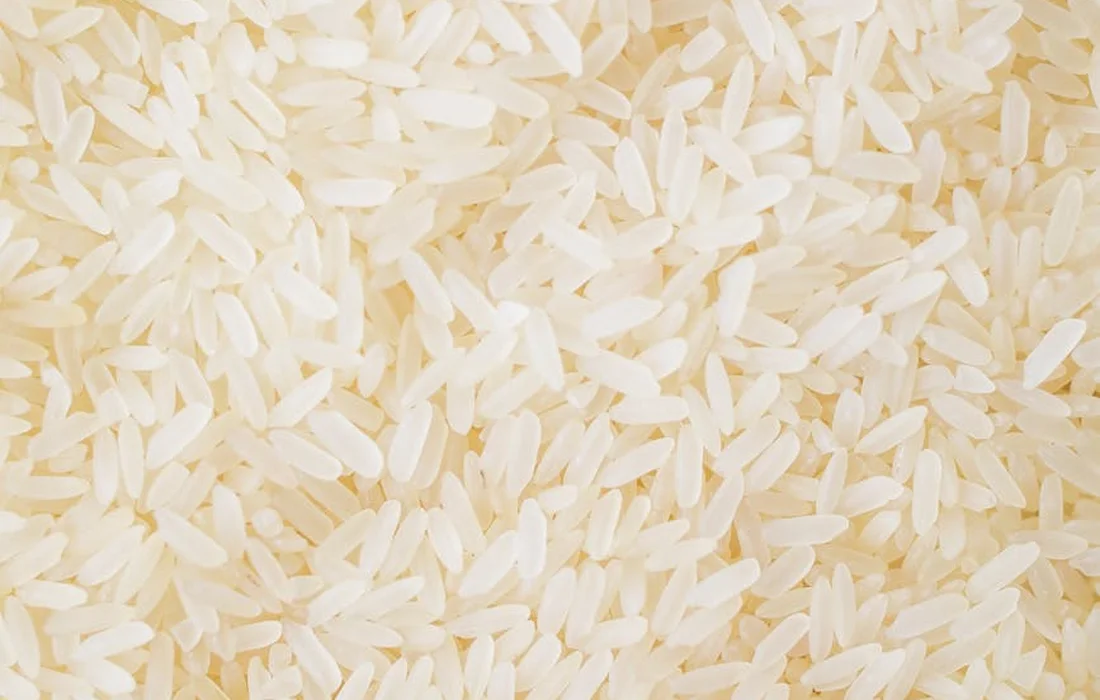
Now, let’s talk about oats, a grain I’ve relied on for years to keep my flock in good spirits and even better health. Oats are the dependable workhorse of the homestead feed room, offering a kindness to a goose’s system that sharper grains sometimes lack. I’ve watched goslings thrive and older birds maintain their vigor on a sensible oat ration, all while keeping my feed costs in check.
Why Rolled or Whole Oats are a Stellar Choice
Where corn is pure energy, oats bring a balanced meal to the trough. Their real value shines in the details of their makeup, providing substance where other grains fall short. Let’s look at what makes them so reliable.
- Higher fiber and solid protein: Oats typically pack between 11-17% protein, outpacing corn, and carry a hearty load of fiber. This combination supports steady growth and robust feathering without the rush.
- Digestive harmony: That extra fiber acts like a gentle broom in the gut, promoting regular movement and helping prevent issues like impacted crop. It’s the difference between a rich dessert and a satisfying, wholesome meal.
- A wealth of minerals: Oats offer a better overall mineral profile, including important phosphorus for strong bones. This means your geese aren’t just filling up; they’re building themselves up from the inside out.
Practical Tips for Feeding Oats
Feeding oats isn’t complicated, but a little know-how from the barnyard makes all the difference. How you prepare this grain can turn a good feed into a great one that every bird in your yard will relish. Here’s how I’ve done it for a long while. From oatmeal to rolled oats or ground oats, the form matters for chickens. The right preparation and oat type can improve how readily your birds eat it.
- Choose rolled oats for ease: Especially for goslings or smaller breeds, rolled oats are the way to go. They’re simply steamed and flattened, making them tender and easy for those bills to manage without losing any nutritional punch.
- Soak them for a palatable mash: On cold mornings or for birds needing extra hydration, I soak rolled oats in water until they soften into a thick, porridge-like mash. It’s a comforting meal that’s easy to digest and never goes to waste.
- Use oats as your mix foundation: When I whip up a homemade grain blend, oats are my go-to base. They mix beautifully with a little corn, some sunflower seeds, and a handful of peas for a complete, scratch-made feed that feels right.
Can Geese Eat Rice? Settling the Debate
Let’s settle this common barnyard question once and for all. I’ve watched many a well-meaning neighbor toss a scoop of raw rice into the pen, thinking they’re doing their geese a favor. From my experience, geese can enjoy rice, but the preparation makes all the difference between a safe treat and a digestive headache.
The Golden Rule: Always Cooked, Never Uncooked
Here’s the plain truth from the coop: cooked rice is the only way to go. Brown or white, it doesn’t matter-once it’s been boiled or steamed, it’s perfectly safe and easy for geese to digest. I always use cooled leftovers from our own supper, mixing a handful into their evening scratch for a bit of variety they peck at with gusto. It’s important to ensure that any grains, like oats or rice, are properly prepared to avoid any digestive issues (grain safety and preparation).
That soft, swollen grain poses no risk because it’s already expanded before it reaches their gizzard. Dry, uncooked rice is another matter entirely. Those hard little kernels can soak up moisture in the digestive tract, leading to uncomfortable swelling and potential blockages. I reckon it’s just not worth the risk when a simple cooking step prevents all that trouble.
- Cooked rice is safe and digestible: The heat from cooking breaks down the starches, making both brown and white rice a gentle, palatable option.
- Risks of dry, uncooked rice: Feeding raw rice invites digestive upset. In a worst-case scenario, it can cause impaction, especially in younger birds.
- Debunk common myths: You might have heard the old tale that uncooked rice will make birds explode. That’s an exaggeration, but the core warning is valid-it’s a needless gamble. Another myth is that rice has no place in a bird’s diet; as an occasional item, it’s just fine.
Stick to this golden rule, and your flock will thank you. Proper preparation turns a simple grain into a harmless pleasure, not a veterinary emergency.
Feeding Rice as an Occasional Scraps Meal
View rice through the lens of thriftiness and waste reduction. It’s a classic kitchen scrap, not a feed bin staple. Overreliance on rice creates a filler diet that crowds out the proteins and vitamins geese get from their pasture and balanced feed.
I keep a dedicated “scraps bucket” by the sink for plain, cooked rice and other suitable leftovers. This habit saves money and gives the birds a fun foraging activity without compromising their nutrition.
- Treat it as a “kitchen scrap”: Offer rice only when you have leftovers. This makes it a sporadic treat, not an expectation.
- Emphasize plain rice-no salt, butter, or seasonings: Geese process salts poorly, and added fats can lead to messy droppings. I rinse any seasoned rice thoroughly with water before serving.
- Give clear portion control advice: Limit rice to about a handful per goose, no more than once or twice a week. For my flock of ten, I’ll scatter a single cooked cup across their run. This small amount prevents them from filling up and ignoring their greener, more nutrient-dense offerings.
Managing treats with a careful hand is a mark of good stewardship. Respecting the balance of their diet ensures your geese stay robust and productive for seasons to come. Budget-smart feeding can include cost-effective diets and affordable supplement options.
The Non-Negotiable Safety Guide for All Grain Feeding
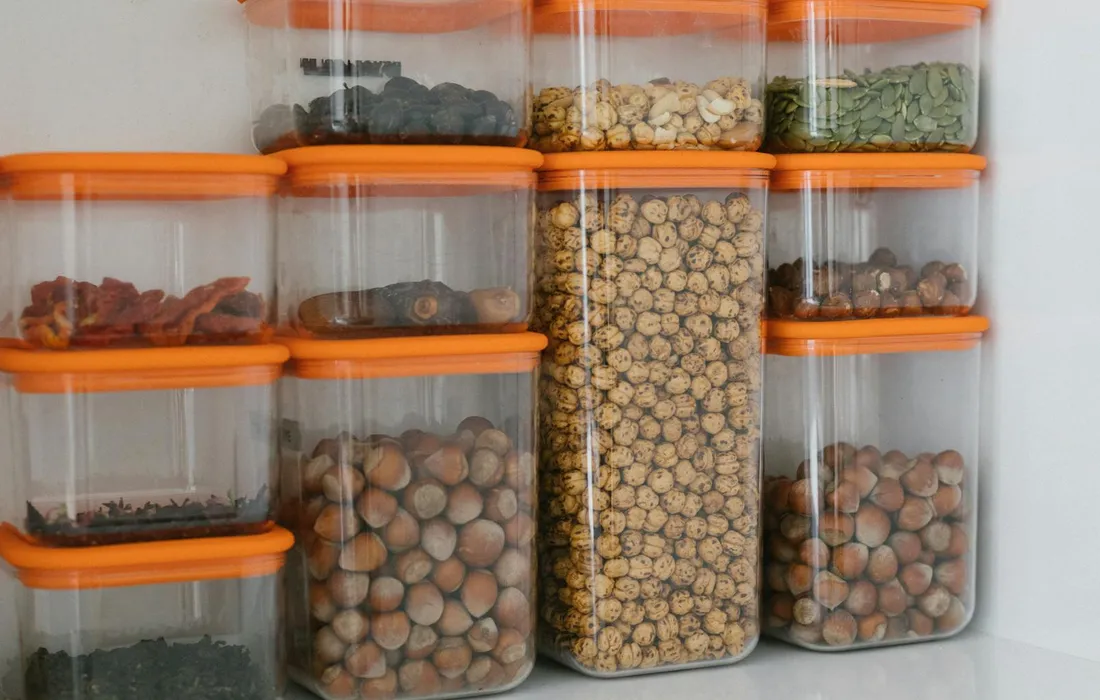
Now, giving your geese a scoop of grain is a simple pleasure, but doing it safely is a responsibility. Good stewardship means looking past the treat itself to the details of storage, digestion, and the water that washes it all down. Let’s walk through the must-dos.
Vigilance Against Mold and Aflatoxins
I learned this lesson the hard way with a damp bag of feed years back. Mold in grain isn’t just unsightly-it’s a silent poisoner. Your nose and eyes are your best tools: give that corn, oats, or rice a good sniff before it ever hits the feed pan. If it smells musty, sour, or just “off,” toss it without a second thought. Look for discoloration, dusty spores, or any clumping that suggests moisture got in.
The real danger you can’t see is aflatoxins, a poison produced by certain molds. Aflatoxins attack the liver, and in birds, even a small amount can cause catastrophic damage or be fatal. There’s no fixing it once it’s eaten. Prevention is your only cure. Always store all grains in a cool, bone-dry place, sealed up tight in metal bins or sturdy food-grade containers. This keeps moisture out and deters mice and rats, who can contaminate feed with their droppings.
The Critical Role of Grit and Minerals
Geese don’t have teeth. They have a magnificent muscular organ called a gizzard that does the chewing for them, but it needs tools to work. Grit is those tools-it’s small, insoluble bits of granite or flint that the bird swallows and stores in its gizzard. When whole grains go in, the gizzard muscles contract, grinding the grain against this hard grit to break it down for digestion.
If you offer any whole grains, offering grit is non-negotiable. Without a steady supply of fresh grit, whole grains can pass through largely undigested, robbing your bird of nutrition and potentially leading to digestive upset. Chicken grit is essentially small rocks or stones that help grind the feed in their gizzards. Keep a dedicated dish of coarse granite grit available free-choice, and they’ll take what they need. For your laying hens in the mixed flock, remember to provide a separate dish of oyster shell for the extra calcium they require for strong eggshells.
Hydration is King: The Fresh Water Mandate
Never, ever offer dry grain without also offering plentiful fresh water. Geese need water to help swallow dry feed safely and to initiate the digestive process. That parched corn or oats needs to soften and begin to break down, and a well-hydrated goose makes that happen smoothly.
Dehydration is a fast track to serious trouble. A dehydrated bird eating dry grain risks a condition called crop impaction, where a mass of dry feed gets stuck and can’t move forward, which is a veterinary emergency. Their water source must be as reliable as sunrise. Clean it daily, keep it from freezing in winter, and ensure every bird can access it easily. The water is just as important as the feed itself.
Building a Balanced Feeding Routine for Thriving Geese
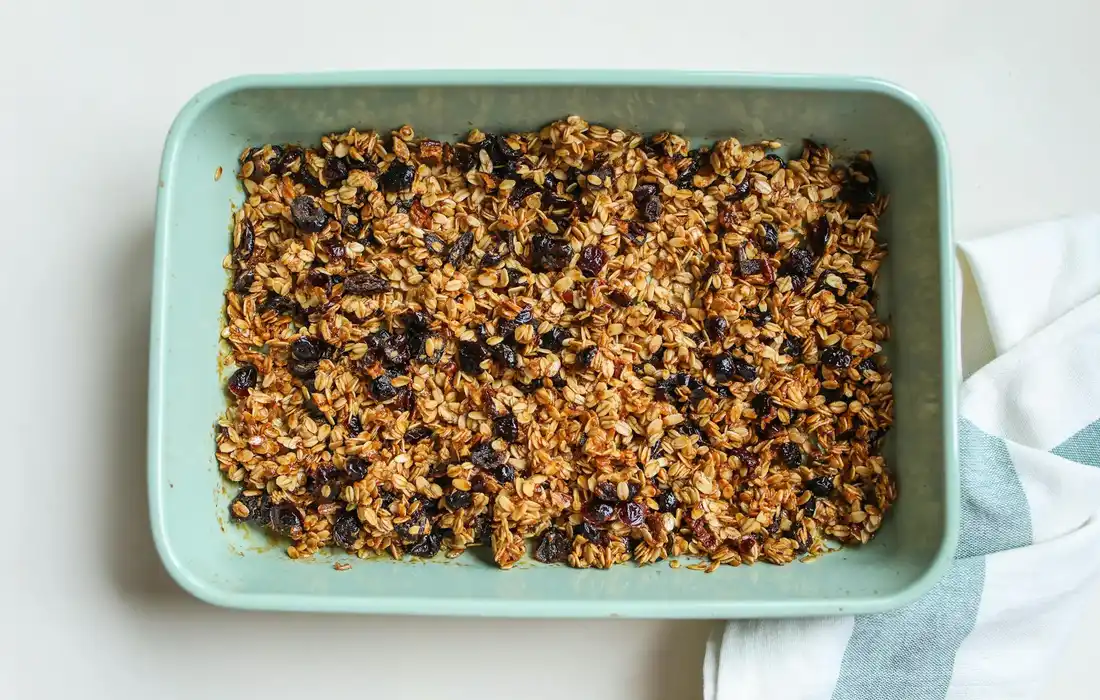
Feeding isn’t just about what you give ’em, but when and how you offer it that turns good food into great health. A thoughtful routine works with a goose’s natural instincts, preventing waste and keeping your flock in top form. Keep a steady feeding schedule to guide portion sizes and how often you feed. Small, regular portions prevent waste and overeating, helping your geese stay in top shape.
Crafting a Supplemental Feeding Schedule
Geese are daylight foragers by nature. I’ve watched mine from the kitchen window for years, their heads down in the grass from sunup. That’s why the golden rule on my farm is to offer grains in the late afternoon, just before they tuck themselves in for the evening. This practice does two wonderful things: it rewards them for a day of honest foraging, and it ensures they have a full crop to keep them warm and content through the night.
Your schedule will dance with the seasons. Here’s a simple, proven rhythm to follow:
- Spring & Summer (Abundant Pasture): A scant handful per bird, 3-4 times a week. Your goal is mere supplement, not a main course.
- Fall (Pasture Drying Up): Increase to a moderate handful per bird, daily. This bridges the gap as natural greens fade.
- Winter (Snow Cover, No Forage): A generous handful per bird, twice daily. This becomes their primary energy source, so don’t skimp.
You must watch for the signs that you’re being too generous with the grain bucket. A goose carrying too much weight will waddle more than walk and can develop serious leg issues. Other clear warnings include them turning up their beaks at lush grass or leaving behind piles of uneaten grain-that’s your signal to cut back immediately.
Mixing Grains with Greens and Protein for Complete Nutrition
Never just dump a pile of corn on the hard ground. I always scatter our grains over a fresh bed of chopped kale, lettuce, or even freshly pulled weeds from the garden. This makes them work for it, mimicking natural foraging, and ensures they ingest fiber-rich greens with every bite of starch.
While geese aren’t as protein-hungry as chickens, they have critical needs, especially during their annual molt in late summer. A boost of protein helps them regrow strong, weatherproof feathers in time for winter’s chill. I’ll offer a small side dish of plain poultry pellets or a sprinkle of dried mealworms during this time, which they take to with gusto.
For a truly balanced, scratch-made feed, here’s my go-to “Homesteader’s Mix.” I make this by the bucket and store it in a metal bin to keep the mice out:
- 4 parts Whole Oats (for fiber and safe energy)
- 3 parts Cracked Corn (for winter warmth and calories)
- 1 part Standard Poultry Layer or Flock Maintainer Pellets (for vitamins, minerals, and that protein backbone)
This mix gives you control, saves money over boutique feeds, and provides a complete nutritional profile that supports everything from egg production to healthy digestion across the seasons.
Closing Questions
Can geese eat corn as their main food?
No, corn should never be a goose’s primary diet. It is a high-energy supplement best reserved for winter or as an occasional treat. Relying on corn leads to serious nutritional deficiencies and health issues like angel wing.
Are oats a healthier grain choice for geese than corn?
Yes, oats are generally a more balanced option. They provide higher fiber and protein than corn, which supports better digestion and steady growth. Their mineral profile also contributes to overall health more effectively.
Is it ever safe to feed geese uncooked rice?
No, you should never feed geese dry, uncooked rice. The grains can swell in the digestive tract, posing a risk of impaction. Always serve rice thoroughly cooked, cooled, and plain. There are safe and unsafe foods for geese. Dandelions are generally safe, while onions should be avoided.
What is the single most important safety rule for feeding grains?
Always provide abundant fresh, clean water alongside any dry grain. Hydration is critical for safe swallowing and proper digestion, preventing life-threatening crop impaction.
Why is offering grit so important when feeding whole grains?
Geese require grit to mechanically grind down whole grains in their gizzard. Without access to insoluble grit like granite, they cannot properly digest whole kernels, leading to poor nutrient absorption.
How can I quickly tell if my grain has gone bad?
Trust your senses. Visibly inspect for mold, clumping, or discoloration, and smell the grain for any musty or sour odors. When in doubt, discard the grain to avoid the risk of aflatoxin poisoning.
Back to the Pasture
After all this talk of corn, oats, and rice, bring your mind back to the basics I learned from my own gaggle. The single most important thing you can do is to treat every handful of grain as a supplement, never the main event, ensuring your geese always have access to lush pasture or fresh greens first. Their health hinges on that balance in their diet.
I’m right grateful you spent some time here. Now, go on and enjoy the simple rhythm of your land-the honking, the grazing, the whole peaceful spectacle. There’s pure joy in watching contented critters thrive.
Further Reading & Sources
- 3 Ways to Feed Geese Safely – wikiHow
- r/geese on Reddit: Feeding local geese
- What to Feed Geese – Grange Co-op
Caroline Mae Turner is a lifelong farm girl raised on red clay, early mornings, and the sounds of a bustling barnyard. With hands-on experience caring for everything from stubborn goats to gentle dairy cows and mischievous pigs, Caroline shares practical, tried-and-true advice straight from the farm. Her goal is to help folks keep their animals healthy, well-fed, and living their best barnyard life. Whether you're wrangling chickens or bottle-feeding a baby goat, Caroline brings a warm Southern touch and plenty of real-world know-how to every bucket in the barn.
Diet Requirements