Can Rabbits Eat Clover? Your Quick Pasture Guide
Published on: March 22, 2026 | Last Updated: March 22, 2026
Written By: Caroline Mae Turner
Howdy y’all. Out checking the morning pasture and wondering if those patches of clover are a safe snack for your rabbits? Yes, rabbits can safely enjoy clover from your pasture or garden, but it must be introduced carefully and fed in moderation as part of a balanced diet.
What you’ll need:
- Fresh, untreated clover (white, red, or crimson).
- A keen eye for identifying safe forage.
- A few minutes to understand portion sizes.
Let’s walk through the how, when, and which types, so you can feel confident letting your bunnies graze.
The Straight Talk on Rabbits and Clover
Now, let’s get down to the root of the matter. Can rabbits eat clover? The short answer is a resounding yes, but with the same thoughtful caution you’d use when introducing any new feed to your herd. Clover is a legume, kin to alfalfa, and that family brings high protein and rich nutrients to the table. In my pastures, I’ve watched rabbits nibble clover for generations, and it’s a fantastic, free-range supplement when managed with sense.
You must balance its richness. A diet too heavy in fresh clover, especially for adult rabbits, can lead to a gassy, uncomfortable belly-a condition called bloat that can turn serious. I reckon it’s like us eating nothing but rich gravy; a little is wonderful, but a steady diet causes trouble. The golden rule is to make clover a treat or a pasture component, never the main course. Always introduce it slowly over a week, and ensure your bunnies have constant access to quality grass hay to keep their delicate digestive systems moving smoothly.
Common Clover Types: Which Ones Are Bunny-Safe?
Not all clover in the field is created equal. Knowing which type you’re offering is a big part of responsible stewardship. Here’s my barnyard breakdown of the most common varieties you’ll likely encounter.
Red Clover (Trifolium pratense)
You’ll spot this one by its tall, fuzzy stems and that beautiful pinkish-purple flower head. It’s a hardy perennial I often sow in pasture mixes. Red clover is perfectly safe for rabbits and is a nutritional powerhouse, often testing at 14-18% protein. Its loftier growth makes it easy to harvest a handful by hand for a controlled treat. Just be mindful of the stage; very young, lush red clover is extra rich. I let mine mature a touch in the field before the rabbits get full access, mixing it with grasses to dilute its potency naturally.
White Clover (Trifolium repens)
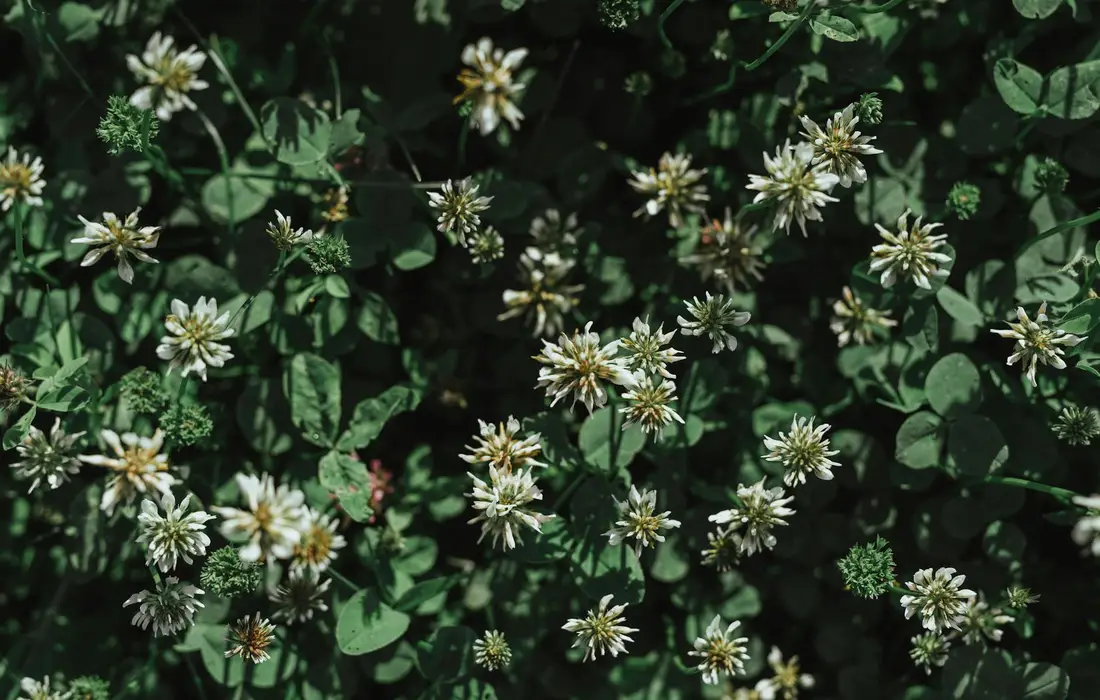
This is the low-growing, creeping clover that forms dense mats in your lawn and pastures, topped with small white flower balls. It’s a staple here. White clover is generally lower in protein than red clover, making it a superb and steady grazing option for rabbits with a run on mixed pasture. Its spreading habit means it’s resilient and provides consistent forage. The main watch-out isn’t the clover itself, but the environment-ensure the area hasn’t been treated with herbicides or pesticides, as white clover’s low profile soaks up everything.
Alsike Clover (Trifolium hybridum)
Now, here’s the one that requires your full attention. Alsike clover looks like a pale pink blend of red and white. While it’s a fine forage for many livestock, it carries a specific risk for rabbits (and horses) that every homesteader should know. Under certain stress conditions like drought or frost, alsike clover can produce toxins that may cause photosensitization-a severe skin reaction to sunlight. I’ve seen the scabs and discomfort it can cause on other animals. My personal rule is simple: I don’t intentionally feed it to my rabbits. If it pops up in a diverse pasture, the dilution from other plants usually mitigates risk, but I keep a wary eye out and mow it down if it gets too prevalent. When in doubt, stick to red and white.
The Good and the Bad: Clover’s Role in Rabbit Health
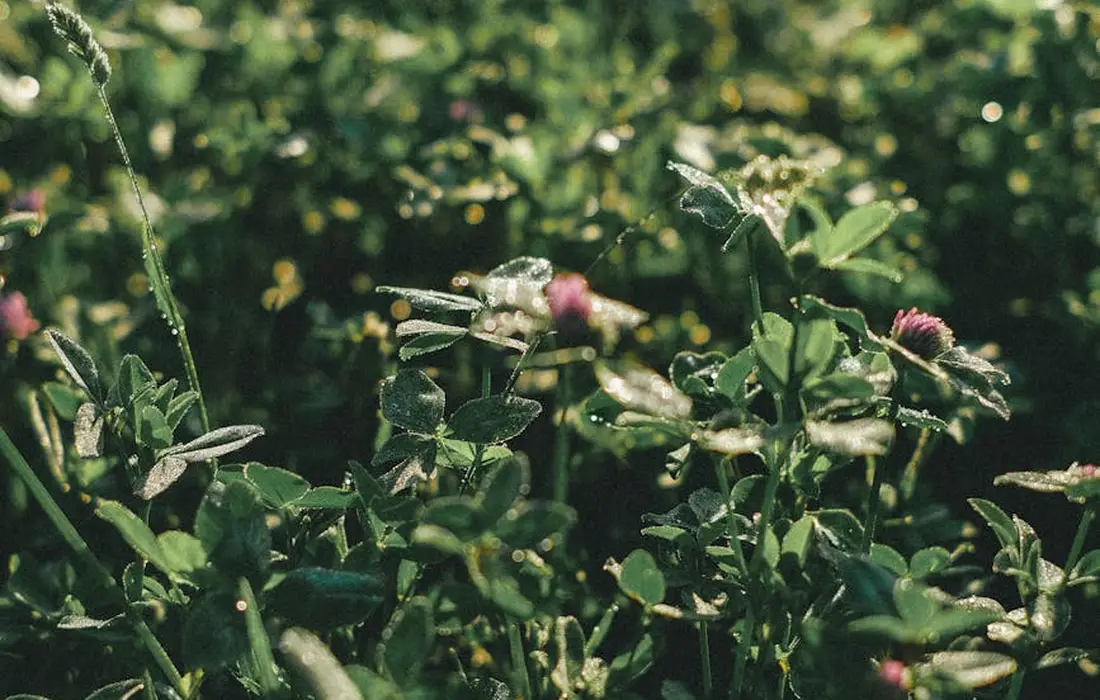
Now, let’s get down to brass tacks. Is clover a friend or foe to your floppy-eared crew? The truth is, it’s a bit of both, and that line is drawn by your careful management. Used wisely, clover is a powerhouse pasture plant that can enrich your rabbits’ lives; used recklessly, it can cause some real barnyard bellyaches.
Benefits of Adding Clover to the Diet
I’ve watched my own rabbits’ coats get that extra sheen when they’ve had access to good clover. It’s more than just a tasty treat. When you let them nibble it fresh from a safe pasture or offer it dried, you’re providing a fantastic nutritional boost.
- Protein Punch: Clover, especially the red and white varieties we see everywhere, is packed with digestible protein. We’re talking 15-20% protein content, which is superb for supporting growth in youngsters and maintaining condition in breeding does and bucks.
- Fiber with Flavor: While not as high in fiber as timothy hay, clover provides a different structure of roughage that aids in gut motility. A varied fibrous diet keeps the digestive highway moving smoothly, preventing dangerous stalls.
- Vitamin Vault: It’s a natural source of vitamins A, C, and K, along with minerals like calcium and phosphorus. This helps round out the nutrients they get from their primary grass hay.
- Enrichment & Foraging: Tossing a handful of fresh, clean clover into their run stimulates their natural foraging instincts. It’s a simple joy to watch them hunt for the best leaves and blossoms.
Risks and How to Manage Them
Don’t let the benefits make you careless. I learned the hard way one damp spring with a batch of young kits. The two main culprits with clover are bloat and urinary issues, but both can be headed off at the pass.
The primary danger is pasture bloat, or gastrointestinal stasis. Fresh clover, particularly wet clover from rain or morning dew, is lush and ferments quickly in the gut. This can create a painful, dangerous gas buildup. The other concern is the moderately high calcium and oxalate levels in some clovers. For rabbits prone to urinary sludge or stones, overdoing it isn’t wise. It’s important to know which plants are safe for rabbits before feeding them any clover.
Here’s my barn-tested protocol for safely offering clover:
- Dry it Out: The single best thing you can do is wilt or sun-dry clover for 24 hours before feeding. This dramatically reduces the moisture content and fermentation risk, making it as safe as a good hay.
- Start Slower Than Molasses: Introduce any new green, including clover, in a quantity no larger than your thumbnail at first. Watch their droppings for two days.
- Mix Your Greens: Never feed clover alone. Always blend it with other forages like broadleaf plantain, dandelion, or grasses to dilute its potent effects. A mixed handful is a safe handful.
- Know Your Source: Only pick clover from areas you know haven’t been sprayed with herbicides or pesticides, and are far from road pollution.
- Skip the Sprouts: I don’t recommend feeding clover sprouts from the jar. The growth stage and conditions can concentrate compounds we want to avoid.
| Risk Factor | Why It Happens | My Management Fix |
|---|---|---|
| Bloat / GI Stasis | Rapid fermentation of wet, lush clover in the cecum. | Feed only wilted or dried clover. Never fresh-picked and wet. |
| Urinary Issues | Calcium & oxalate content in some clovers. | Limit to a treat, don’t make it a staple. Ensure plenty of fresh water always. |
| Pesticide Contamination | Foraging from unsafe zones. | Harvest only from your own chemical-free pasture or trusted land. |
Feeding Clover: A Step-by-Step Homesteader’s Method
Now, I reckon if you’re readin’ this, you’ve got some clover in the pasture or garden and a bunny lookin’ hopeful. It’s a fine match, but like introducin’ any new neighbor, you’ve got to do it with some sense and ceremony. From my hutch to yours, here’s how I’ve kept my rabbits happily nibblin’ for years.
Introducing Clover to New Rabbits
You never hand a critter a whole new feast and walk away. A rabbit’s gut is a delicate balance, and sudden change is the quickest path to trouble. Start slow, like a gentle sunrise.
- Pick It Fresh: Gather young, vibrant leaves and flower heads. Avoid anything near roads, yellowed, or with visible mildew. A morning harvest, after the dew dries, is perfect.
- The First Offering On the first day, give just one or two small sprigs, about the size of a rabbit’s ear. Mix it right into their usual pile of hay. This lets them explore it naturally.
- Watch Close For the next 12 hours, keep an eye on their droppings and behavior. Firm, round pellets and normal energy mean all is well. Soft droppings or a quiet, hunched posture means you stop immediately and go back to just hay.
- The Slow Build If all looks good, you can offer a slightly larger amount every other day for a week. This cautious introduction is your best defense against digestive upset, letting their gut flora adjust peacefully.
- Know the Risk I must tell you, wet clover-especially the lush, first-cut hay or dew-covered plants-can cause bloating. I always let it wilt for a few hours in the shade before feeding if it’s extra succulent.
Determining the Right Portion Size
Clover is a treat, not the main course. Think of it as the garden-fresh side salad to their all-you-can-eat hay buffet.
For a standard-sized rabbit, a good handful of clover (stems, leaves, and flowers) 2 to 3 times a week is a splendid supplement. That’s about the size of their own head, loosely gathered.
I follow a simple ratio system in my barn. At least 80% of their daily intake should always be that unlimited, high-quality grass hay-timothy or orchard grass are my staples. The remaining 20% is for everything else: pellets, garden greens, and treats like clover.
- For a 5 lb rabbit: 1 cup of mixed fresh greens daily. Clover might make up a quarter of that cup on feeding days.
- Always feed clover as part of a diverse mix. Pair it with broader-leaf greens like romaine, dandelion, or kale to balance nutrients.
- Season matters. In spring, when clover is tender and rich, I’m more sparing. In the heat of summer, it becomes a more frequent, fibrous part of the mix.
- Pull back entirely if stools soften, and restart the introduction process once their system is steady again on plain hay.
Portion control is the heart of good stewardship. It prevents selective feeding, where they pick only the sweet stuff and leave the hay that keeps their teeth and gut moving. A thrifty homesteader knows that the right amount of a good thing keeps the vet away and the rabbit thriving.
Answering Your Barnyard Questions: Sprouts, Flowers, and More
Y’all have sent in some mighty fine questions about feeding clover to your bunnies, so let’s get right to the root of it. I’ve spent many an afternoon in the rabbitry, observing what keeps those long ears happy and healthy. When it comes to forages like clover, the details in how you serve it make all the difference for your flock and herd.
Can Baby Rabbits (Kits) Eat Clover?
Now, I love a kit’s curiosity, but their tummies are tender as a spring shoot. I reckon you should hold off on introducing fresh clover until they’re a good 12 weeks old. Their digestive systems are still building the right gut flora, and rich legumes can cause gas and bloating quicker than a rainstorm rolls in. I stick to a simple diet of alfalfa-based pellets and timothy hay for kits until they’re nearly three months old, then introduce greens slower than molasses in January.
I learned this patience after a bout with a litter years back; gave ’em a handful of young clover too early and spent a worrisome evening with a bloated baby. Start with just a leaf or two of clover once they’re past that 12-week mark, mixed in with their regular hay. Watch their droppings closer than you watch a hawk near the chicks.
Can Rabbits Eat Clover Flowers and Sprouts?
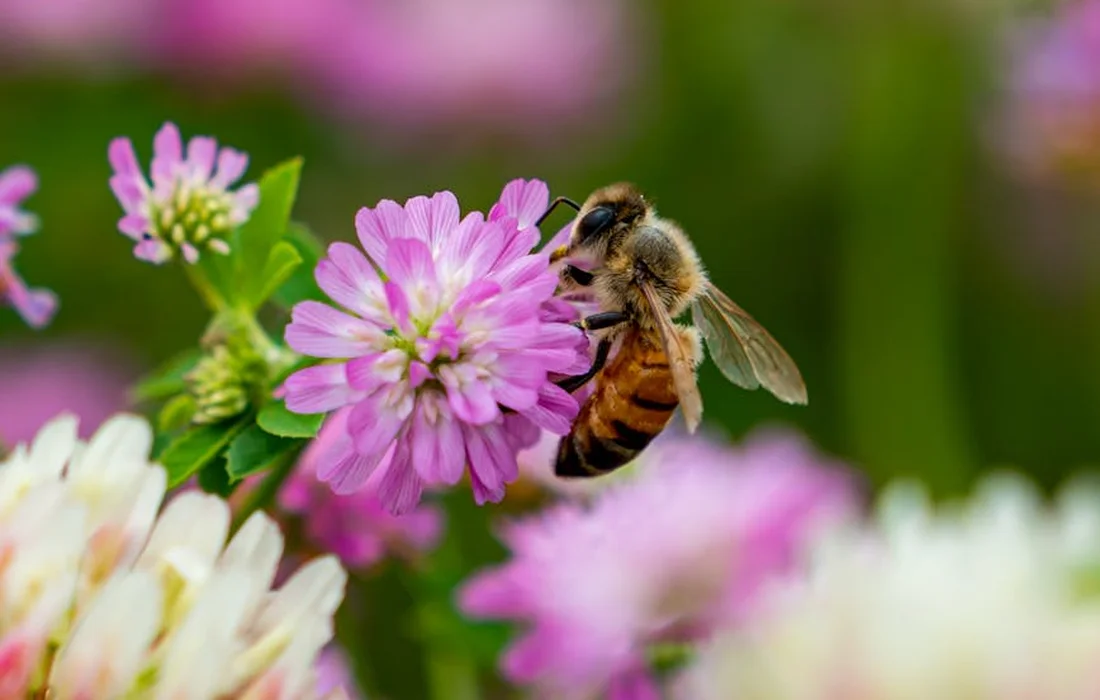
Yes indeed, both the flowers and the sprouts can be a tasty treat, but they’re not quite the same in your rabbit’s bowl. Clover flowers, like those from red or white clover, are perfectly safe and often a favorite. They’re a bit sweeter, so I treat them like candy-a small pinch per rabbit, a few times a week at most. Sprouts, however, require more caution as they can sometimes cause digestive issues. These flowers can add variety to their diet, but they shouldn’t replace the foundational grass hay that keeps their teeth and guts in working order.
Sprouts, now, are a different matter. I’m talking about young clover plants grown from seed. They’re tender and packed with nutrients, but also higher in moisture and protein. You can feed them, but do so sparingly. Too many sprouts at once can lead to loose stools.
- Red Clover Sprouts: Higher in protein, around 18-20%. A teaspoon-sized amount per adult rabbit is plenty.
- White Clover Sprouts: Milder. Still, limit to a couple of sprouts per feeding.
- Always Source Cleanly: Grow your own sprouts to avoid any bacterial contamination, just like I do for my chicken sprouts.
I often scatter a few clover flowers in the run for enrichment, watching the rabbits nibble with delight. It’s a sight that never gets old.
Is Dried Clover Safe for Rabbits?
Absolutely, and it’s a thrifty way to use your summer bounty. Dried clover, when cured properly like hay, is a safe and excellent source of fiber and extra protein for adult rabbits. I make my own mixed hay every season, bundling grass hay with about 10-15% dried clover leaves and flowers for a nutrient boost that doesn’t break the bank. If you’re planning a broader plan, the ultimate guide on hay for rabbits covers types, benefits, and feeding tips to help tailor mixes. Just ensure it’s bone-dry and stored away from mold, which can be deadly.
You can use it as part of their daily hay allocation. Compared to straight timothy hay, which runs about 8-10% protein, dried red clover can push 15-16%. That’s good for does in kindle or molting rabbits, but for your average loafing buck, too much can lead to weight gain.
Sourcing and Serving: From Field to Hutch
Gatherin’ forage is one of the real joys of husbandry, connectin’ you to the land that sustains your critters. I’ve spent many an early mornin’ with a basket, pickin’ greens before the dew burns off, and that direct care builds a bond no bag of pellets ever could. But just like you wouldn’t shop at a dirty grocery store, you must be mighty particular about where you harvest.
Where to Safely Pick Clover
Your rabbits depend on you to be their scout. Not every patch of clover is created equal, and a bad choice can lead to a bellyache or worse. The golden rule is this: if you wouldn’t feel safe eating it yourself, don’t feed it to your rabbits. Their systems are even more delicate.
I stick to three trusted zones on my own place:
- Your Own Pastures: This is the gold standard. You control what goes on this land. My laying hens scratch through the clover in my orchard, and I feel good snatching some for the rabbits right beside them.
- Trusted Neighbor’s Land (With Permission!): A fellow homesteader who doesn’t spray herbicides is a treasure. Always ask, and be clear what you’re gatherin’ for.
- Deep Woodland Edges or Untouched Meadows: Places far from road runoff, farm fields, or industrial areas. Get a good 50 feet back from any paved road to avoid salt and exhaust fumes.
Places to avoid outright? Ditch banks along county roads (sprayed for weeds), public parks (dog contamination, unknown chemicals), and the edges of conventional crop fields where drift from pesticides is a real threat. A little extra walkin’ to find a clean source is always worth the peace of mind it brings.
Preparing Clover for Your Rabbits
You’ve brought in a lovely, fragrant bundle. Now, let’s get it ready for the hutch. Rushed introductions to rich forage are a common cause of digestive upset. We go slow.
My preparation routine hasn’t failed me yet:
- Wash and Soak: Submerge the clover in a clean tub of cool water. Swirl it around to loosen any dust or tiny bugs. I let mine sit for about ten minutes. This also helps revive any slightly wilted leaves.
- Dry Thoroughly: This step is non-negotiable. Lay the clover out on an old clean towel or in a salad spinner. Wet forage can ferment quickly in a rabbit’s gut, leadin’ to dangerous gas and stasis. Pat it down until no moisture clings.
- Mix and Introduce: Start with a modest amount-one or two stalks per rabbit, chopped and mixed into their usual hay. This dilutes the richness and lets their microbes adjust.
- Observe: Watch their droppings for the next 12 hours. If they stay normal, firm, and plentiful, you can offer a bit more next time.
I reckon of it as a treat or a supplement, not a main course. A good limit is a handful of clover per rabbit, two or three times a week, always alongside their unlimited grass hay. That balance lets them enjoy the benefits without riskin’ bloating from overindulgence in this tasty legume.
Closing Questions
Can rabbits eat clover?
Yes, rabbits can eat clover as a safe and nutritious forage when managed correctly. It should be introduced gradually and fed in moderation alongside their staple grass hay to prevent digestive issues. Beyond clover, rabbits may nibble a variety of weeds and wild plants. Some are safe, but others can be unsafe or toxic, so it’s helpful to know which ones are okay.
What types of clover can rabbits eat?
Rabbits can eat red and white clover, which are common in pastures and provide valuable nutrients. Always avoid alsike clover due to its risk of causing photosensitization and other health problems in rabbits.
Is clover safe for rabbits to eat?
Clover is safe for rabbits if sourced from untreated areas and fed in controlled amounts. However, overfeeding can lead to bloat or urinary concerns, so it’s best offered as a supplement, not a main feed.
How much clover can a rabbit eat?
An adult rabbit can have a handful of clover 2-3 times weekly, making up no more than 20% of their diet. Ensure they always have unlimited grass hay to maintain digestive health and balance.
Can baby rabbits eat clover?
No, baby rabbits (kits) should not eat clover until they are at least 12 weeks old. Their developing digestive systems are sensitive and require a simpler diet of alfalfa pellets and grass hay initially. As they approach weaning, you’ll want to explore first foods and overall nutrition for young rabbits. These topics help guide safe transitions and healthy growth.
Where is the safest place to pick clover for my rabbit?
The safest sources are your own chemical-free pastures or trusted, uncontaminated land away from roads and sprays. Always wash and dry clover thoroughly before feeding to reduce fermentation risks. For a clover cattle complete guide covering benefits, risks and toxicity, see our in-depth resource. It helps you balance pasture quality with cattle safety.
Back to the Pasture
When it comes to sharing your clover patch with your rabbits, the biggest lesson from my years in the barn is that variety and vigilance keep bunnies bouncing. I remember one season where I got a bit too generous with the fresh red clover, and my old doe, Mabel, let me know with a day of less-than-peppy behavior. For safe, happy rabbits, always make grass hay the mainstay of their diet and treat clover as a occasional garnish, introduced in small handfuls to let their digestive systems adjust. That steady hay is the anchor that lets them savor those wild greens without a tummy ache.
There’s a pure satisfaction in watching your flock of rabbits hop through a diversified pasture, nibbling here and there on nature’s buffet. Homesteading is about these quiet, good partnerships with the land and the critters in our care. I’m right grateful y’all are here, learning and tending alongside me. Now, go on out and enjoy the simple pleasure of a healthy, hopping rabbit-it’s one of life’s finest sights.
Further Reading & Sources
- Rabbit Care Guide | What to Feed Your Bunny for Health
- Be cautious with sweet clover | Rabbit Talk – Meat Rabbit & Farming Forum
- r/Rabbits on Reddit: Can my little dude eat clover and dandelion greens until winter?
Caroline Mae Turner is a lifelong farm girl raised on red clay, early mornings, and the sounds of a bustling barnyard. With hands-on experience caring for everything from stubborn goats to gentle dairy cows and mischievous pigs, Caroline shares practical, tried-and-true advice straight from the farm. Her goal is to help folks keep their animals healthy, well-fed, and living their best barnyard life. Whether you're wrangling chickens or bottle-feeding a baby goat, Caroline brings a warm Southern touch and plenty of real-world know-how to every bucket in the barn.
Diet Requirements