Can Rabbits Eat Sprouts? Your Quick-Start Safety Guide
Published on: March 19, 2026 | Last Updated: March 19, 2026
Written By: Caroline Mae Turner
Howdy y’all. Standing there with a handful of fresh sprouts, wondering if they’re a treat or trouble for your bunnies is a common homestead quandary. Yes, rabbits can enjoy many sprouts safely, but the green light comes with a big asterisk-you must know which sprouts and how to serve them, because a few common varieties can cause serious digestive upset. It’s not as simple as just tossing your leftover sandwich toppings into the pen.
What you’ll need:
- A clear list of which sprouts are friend or foe for your fluffle.
- A sharp knife or kitchen shears for chopping.
- A few extra minutes for observation after their first taste.
Stick with me, and we’ll get this sorted faster than a rabbit snatches a dandelion, so you can get back to the rest of your critter chores with confidence.
Understanding Sprouts in a Rabbit’s Diet
Now, sprouts are simply young plants, the first tender shoots from a germinated seed. For our rabbits, they’re a bit of a homestead luxury, a fresh, living green to supplement their core diet. Think of sprouts like a vitamin-packed garnish on top of the main course, which must always be unlimited, high-quality grass hay. That hay is non-negotiable; its long-strand fiber is what keeps their unique digestive systems grinding along smoothly and wears down those ever-growing teeth.
I’ve grown many types in my kitchen over the years, from alfalfa to radish, but for our bunnies, we have to be selective. Not all sprouts are created equal for our lagomorph friends, and the key is always in the variety and the portion. We’ll focus on the common ones a homesteader might have on hand, but remember, even a good thing can cause trouble if it pushes the foundational hay out of the menu.
Bean Sprouts for Rabbits: Safety and Serving Tips
The classic bean sprout, like from mung beans, is what most folks picture. Can rabbits eat them? In my barn, the answer is a cautious “yes,” but with more rules than feeding a square of hay. These sprouts are low in oxalates, which is a plus, but their higher moisture and different fiber structure can lead to a soupy mess in the cage if you get overeager. They offer a nice hydration boost and a sprinkle of vitamins like C and K, but their protein content, around 3-4%, reminds us they are a legume product and should be treated as such—especially when compared to other bean varieties fed to rabbits.
Are Bean Sprouts Safe for Rabbits?
Their safety hinges entirely on moderation. I reckon they’re generally safe for a healthy, adult rabbit when introduced with sense. Unlike some legumes we might ferment for the chickens or pigs, rabbit systems are far more delicate and can’t handle a sudden dump of novel, wet food. The primary risk is digestive upset-soft cecotropes or outright diarrhea-if you offer too much too fast. They are a treat, not a trough-filler. To simplify safe feeding, consult the ultimate rabbit food safety guide, which offers a complete list of safe and toxic foods and practical guidance on portions.
How to Feed Bean Sprouts Properly
Feeding them right is how you keep a happy bunny. Here’s how I’ve done it for years without a hitch:
- Source Wisely: Pick the freshest, crispest sprouts you can find. I prefer organic when possible to minimize any lingering chemical rinses.
- Wash Thoroughly: Rinse them under cool, running water like you’re washing garden lettuce. This removes any potential surface contaminants or hulls.
- Portion with Care: For a first-time introduction, a single teaspoon-sized amount is plenty. For a regular treat, a tablespoon mixed into other greens is my ceiling for a standard-sized rabbit.
- Mix and Serve: Never offer sprouts alone. Toss that small portion right into their usual salad of romaine, cilantro, or kale.
- Watch Closely: This is the most important step. Monitor their next few droppings. If stools are soft or smaller than usual, pull the sprouts and stick to hay and drier greens for a few days.
This careful process respects their digestion and lets you safely share the bounty from your sprouting jars. It’s a small ritual that embodies good stewardship.
Brussels Sprouts: A Cabbage Family Treat
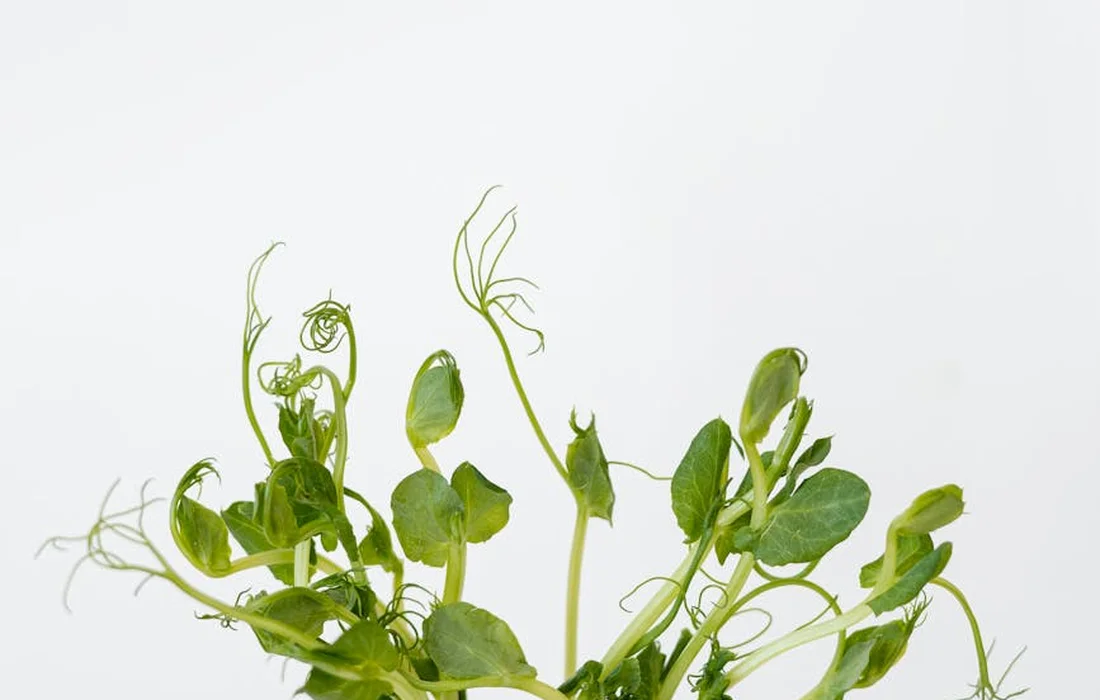
Now, let’s mosey on over to the miniature cabbages that either make folks’ eyes light up or make ’em wrinkle their nose. For your rabbits, Brussels sprouts are a safe garden treat, but you must mind the quantity with a careful hand. They belong to the cruciferous family, which means they pack goitrogens-substances that can meddle with thyroid function if fed by the bushel. I’ve found my rabbits fancy the individual leaves more than the whole, dense sprout. Tear or chop a few outer leaves for them; it’s easier on their digestion and prevents them from trying to hoard a whole, fist-sized veggie in the corner.
Safety Considerations for Brussels Sprouts
The main trouble with Brussels sprouts, much like their cousins broccoli and cauliflower, is their potential to cause a mighty uncomfortable gas buildup. A rabbit’s digestive system wasn’t built for a cruciferous feast. The golden rule is to treat Brussels sprouts as a weekly delicacy, not a daily side dish. Start with just one or two small leaves per rabbit to see how their belly takes to it. If you’ve got a rabbit with a known sensitive gut, I reckon it’s best to skip these altogether. And no, you never need to cook them for your bunny; raw and fresh is the way nature intended.
Nutritional Benefits of Brussels Sprouts
When fed with sense, these little orbs offer a powerful punch of good things. They’re swimming in Vitamin C, which bolsters a rabbit’s immune system, and Vitamin K, which is a silent partner in good bone health and proper blood clotting. That fiber we keep talking about is present here too, working to keep the gut moving at a steady, healthy pace. I view these nutrients as a bonus, a little boost to their core diet of hay and greens. It’s part of a thrifty, whole-farm mindset-using what you grow to build resilient animals from the inside out.
Alfalfa Sprouts: Protein Power or Problem?
Now, let’s mosey on over to alfalfa sprouts, a topic that always reminds me of weaning time in the spring. I’ve seen these tiny greens work wonders for some rabbits and cause trouble for others, so let’s get it right. The central thing to know is that alfalfa sprouts are a concentrated source of protein and calcium, which makes them a double-edged sword in your rabbit’s diet.
You see, in my barn, I treat alfalfa sprouts much like I do that rich alfalfa hay we feed to growing livestock-it’s powerful stuff. For a young, sprouting kit or a mama doe pouring all her resources into her litter, that extra nutritional oomph can be a real blessing. But for a full-grown rabbit, that same richness can lead to a buildup of urinary stones, which is a painful predicament we surely want to avoid. When it comes to feeding rabbits, it’s crucial to know which hay is appropriate for their needs, especially for adult rabbits. Proper hay selection helps prevent such health issues.
- Alfalfa sprouts are densely packed with protein and calcium, crucial for bone growth and milk production.
- They are best reserved for juvenile rabbits (kits) and lactating does who have higher nutritional demands.
- For adult rabbits, regular feeding can disrupt the calcium balance, increasing the risk of bladder sludge and stones.
- Think of them akin to alfalfa hay in your sheep or goat feed-a valuable tool for specific life stages, not an everyday staple for all.
When to Feed Alfalfa Sprouts
Timing is everything, just like knowing when to plant your garden. I keep a simple chart pinned in my feed room to remember who gets what and when. Your safest bet is to offer these sprouts primarily to rabbits under seven months old, while their bodies are building muscle and bone.
For an adult rabbit, an alfalfa sprout is a rare delicacy, not a dietary staple. If you do share a few with your grown-up bunny, moderation is your best friend. I reckon a good rule of thumb is that alfalfa sprouts shouldn’t make up more than one-tenth of the fresh greens you offer in any given week, especially when compared to the amount of timothy hay or alfalfa hay they consume daily.
- Ideal for: Growing kits up to 7 months old and nursing does to support lactation.
- For Adults: Only as an occasional treat, strictly limited in quantity.
- Simple Ratio: For adult rabbits, keep alfalfa sprouts to 10% or less of their total fresh greenery intake.
- Always introduce any new green, sprouts included, slowly over a week to watch for any soft stool.
Comparing Alfalfa Sprouts to Alfalfa Hay
It’s easy to think a sprout and hay from the same plant are nutritional twins, but they’re more like cousins. I’ve fed both for years, and the difference in the rabbitry is clear. While both come from the alfalfa plant, the sprout is all about concentrated nutrients and moisture, while the hay provides the essential, long-strand fiber a rabbit’s gut requires. As rabbits age, their hay needs shift with life stage. An age-specific feeding guide helps you tailor alfalfa hay for adult rabbits.
Alfalfa hay is a common foundation in feeds for young stock like calves and foals, and it serves a similar purpose for young rabbits. But those sprouts? They’re about 85% water, which is great for hydration, but they can’t hold a candle to the fiber content of hay. Your rabbit’s digestive system runs on fiber, and nothing should ever replace that rough, dusty hay at the core of their diet – especially when considering timothy hay versus alfalfa hay for rabbit diets.
- Moisture Content: Sprouts are very high in water, while hay is dry, promoting dental wear.
- Fiber Profile: Alfalfa hay is a superior source of crude fiber, critical for healthy gut motility and preventing GI stasis.
- Diet Foundation: Hay must remain 80-90% of a rabbit’s diet; sprouts are only ever a hydrating supplement or a targeted nutrient boost.
- Think of it this way: Hay is the main course and sprouts are a condiment-use them to flavor the diet, not to build it.
How to Safely Introduce Sprouts to Your Rabbit
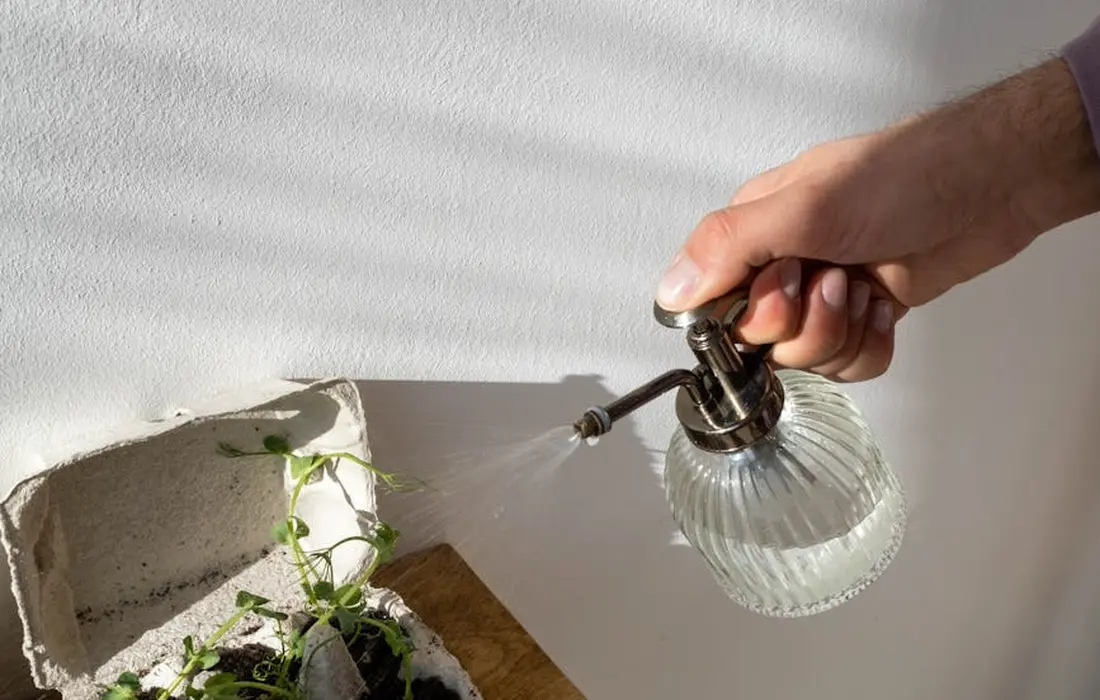
- You must always start with pristine, fresh sprouts. I’ve pulled many a slimy bean sprout from the store tray and tossed it straight to the compost. Your rabbit’s supper should look as good as your own.
- A thorough rinse under cool, running water is non-negotiable. This simple act washes away soil bacteria and reduces risk, something I do for every green thing that comes from my garden to the barn.
- Introduce any new sprout at a snail’s pace to avoid digestive turmoil. A rabbit’s gut flora is a delicate balance, and rushing new foods is asking for trouble.
- Your most important job is to watch and learn over the next day or two. Quiet observation tells you more than any book ever could about what agrees with your particular bunny.
Step-by-Step Introduction Process
- Select only fresh, crisp sprouts with no hint of spoilage. If you’re growing your own, harvest them just before feeding. That thrifty habit ensures peak nutrition and safety.
- Rinse the sprouts gently under cool tap water in a colander. I give mine a little shake to shed excess moisture, mimicking a morning dew they might find in the pasture.
- Offer a single, tiny piece no larger than a thumbnail. Place it atop their usual hay at breakfast time. This modest start lets their system adjust without shock.
- Watch for signs of gastrointestinal upset for 24 to 48 hours. Lethargy, mushy cecotropes, or a turned-up nose at dinner are your cues to pause and revert to a plain hay diet.
- If tolerance is clear, gradually increase the serving size. A prudent limit is roughly one tablespoon per two pounds of body weight, served as a weekly treat. This measured approach honors their health and prevents waste.
Potential Risks and How to Avoid Them
Offering sprouts to your rabbits is a fine idea, but it pays to be mindful of a few hitches that can come with it. Through trial and error with my own herd, I’ve seen how a simple treat needs a dash of caution to keep things running smooth in the hutch.
Choking is a real concern, especially with stout Brussels sprouts or thick bean shoots. You’ll want to chop all sprouts into pieces no larger than a pea to ensure your bunny can manage them safely. I once had a young buck get a bit too eager with a Brussels sprout stalk, and it was a reminder to always take my time with the knife.
Bacterial contamination from spoiled sprouts is a silent threat you can’t ignore. Sprouts can harbor nasty bugs like Salmonella if they’re left warm or damp, so keep them refrigerated and feed them fresh within a couple days of sprouting. If they’re slimy or smell funky, toss ’em straight to the compost-your rabbits will thank you.
Digestive upset from overfeeding is common when folks get too generous. Start with a scant teaspoon for a medium-sized rabbit and observe their droppings for any softening before offering more. A rabbit’s gut is a delicate ecosystem, and flooding it with new greens is a sure way to cause a rumble.
Now, let’s chat about oxalates and goitrogens, which sound complicated but are just natural compounds in some plants. Oxalates, found in alfalfa sprouts, can bind to calcium if fed in large amounts, while goitrogens in Brussels sprouts may interfere with thyroid function over the long haul. This isn’t a reason to avoid these sprouts altogether, but it’s a powerful nudge to practice variety in your feeding.
If your rabbit shows signs like lingering bloating, low energy, or refusing food after eating sprouts, don’t wait it out. My rule is to call my veterinarian at the first sign of something persistent, as they can give advice specific to your animal’s health history. A good vet is worth their weight in gold for peace of mind on the homestead.
Identifying and Preventing Problems
Here’s a quick-reference guide to sidestep common pitfalls when feeding sprouts. Keeping this list in mind has saved me many a worried trip to the barn in the middle of the night.
| Risk | Prevention Tip | Why It Matters |
|---|---|---|
| Choking on large pieces | Chop sprouts into small, pea-sized bits before serving. | Rabbits may gulp food; small pieces prevent dangerous blockages. |
| Bacterial contamination | Store sprouts in the refrigerator and use within 3-4 days. Discard if spoiled. | Pathogens thrive on damp sprouts and can cause severe digestive illness. |
| Digestive upset from overfeeding | Limit sprouts to a tablespoon per 2 lbs of body weight, 2-3 times a week maximum. | Overloading the gut leads to gas, diarrhea, and discomfort for your critter. |
| Mineral imbalances from oxalates | Rotate alfalfa sprouts with low-oxalate greens like cilantro or celery tops. | Variety prevents oxalates from tying up calcium, which is vital for bone health. |
| Dehydration | Always provide fresh, clean water, especially when introducing any new food like sprouts. | Proper hydration supports kidney function and helps the digestive system process fiber. |
Healthy Alternatives to Sprouts for Rabbit Nutrition
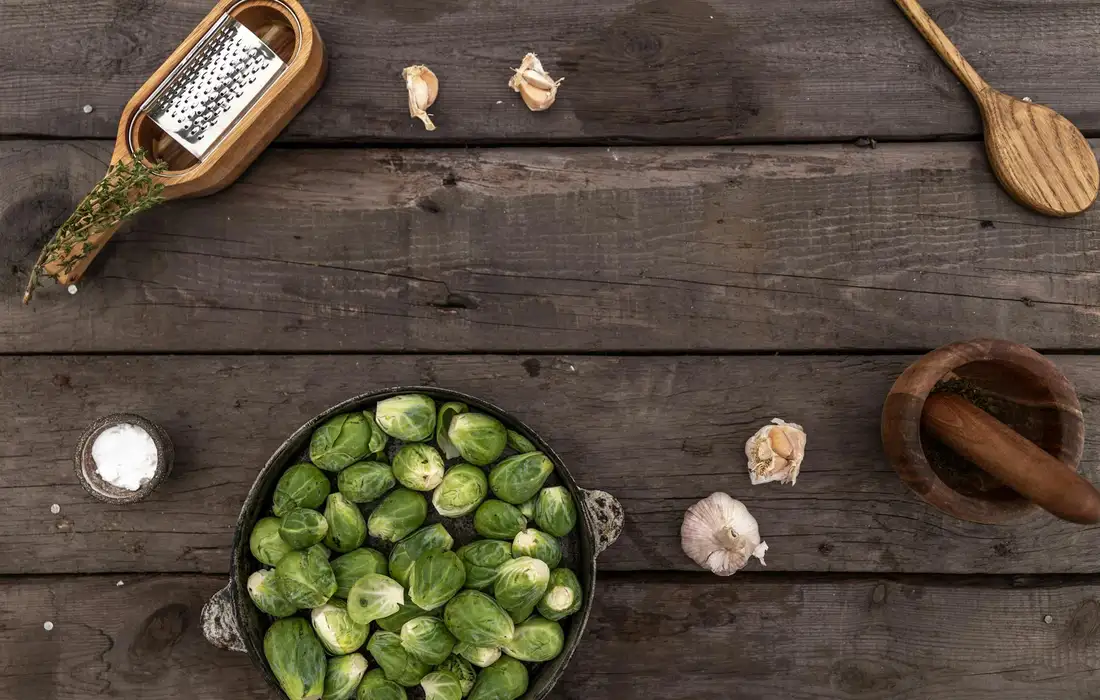
Now, I reckon the safest path is to skip the sprouts altogether and focus on the wide, wonderful world of greens your bunny can safely enjoy. Variety isn’t just the spice of life for us; it’s the cornerstone of robust health for your rabbits, mimicking the diverse forage they’d find in the wild. On the homestead, we work with the seasons, and your rabbit’s salad bowl should reflect that spring dandelion flush or that autumn kale bounty. Choosing leafy greens that are safe for rabbits and offering them in sensible portions helps keep their guts happy. We’ll also outline safe leafy green varieties and simple feeding guidelines to help you plan balanced bunny meals.
Think of building their daily fresh food portion like you’re rotating crops in your garden. You wouldn’t plant lettuce in the same spot year after year, and you shouldn’t feed the same single green day after day. This rotation prevents the buildup of any particular compound and ensures a broader spectrum of vitamins and minerals over time. It keeps those clever critters interested in their meals, too.
List of Rabbit-Safe Greens and Vegetables
Here’s a trustworthy list of go-to greens I’ve relied on for generations of happy, healthy rabbits. Feed a good-sized handful per 2 lbs of body weight daily, mixing at least three different types for balance. Want to know exactly how much fresh veggies your rabbit should eat daily? Our quick daily vegetable portion guide breaks it down by weight and variety.
- Romaine Lettuce (Daily): A fantastic base green, high in water content and generally well-loved. I avoid the lighter iceberg variety, as it’s mostly water with little nutritional punch.
- Cilantro (Daily/Occasional): A fragrant favorite that’s usually a hit. It’s gentle on their system and a good source of antioxidants.
- Dandelion Greens (Daily): Don’t weed them-feed them! These powerhouse greens from your chemical-free yard are rich in calcium and vitamin A. I grab these by the basketful in early spring when they’re tender and sweet.
- Green Leaf/Red Leaf Lettuce (Daily): Another excellent staple green, similar to romaine in its benefits and reliability.
- Parsley (Few times a week): Curly or flat-leaf, it’s a digestive aid and packed with flavor. I treat it as a nutrient-dense supplement, not a daily base.
- Kale (Occasional, 1-2 times weekly): Rich in vitamins but also goitrogens, which can interfere with thyroid function in excess. A few leaves make a wonderful, hearty addition in moderation.
- Carrot Tops (Daily): If you’re growing carrots, the fluffy greens are a perfect rabbit treat! They’re often more nutritious than the carrot root itself.
- Bok Choy (Occasional): A nice, crunchy change of pace. Use the leafy green parts freely, but go easy on the thick, white stalk which can be gassier.
- Mint, Basil, Oregano (Occasional): These aromatic herbs are fun for enrichment and offer different phytonutrients. My rabbits always seem to enjoy a sprig of mint on a hot afternoon.
Closing Tips for Your Rabbit’s Sprout Safety
Can rabbits eat bean sprouts?
Yes, rabbits can eat mung bean sprouts in strict moderation. They are a hydrating, low-oxalate treat, but their high moisture content means overfeeding can quickly lead to digestive upset like soft stools. Unlike root vegetables such as beets, which should be fed sparingly, sprouts provide a different nutritional profile.
Can rabbits eat Brussels sprouts?
Yes, rabbits can eat Brussels sprouts, but only the leaves sparingly as a weekly treat. The whole sprout is dense and gassy, so offering a few torn outer leaves is safer to minimize the risk of painful bloating.
Can rabbits eat alfalfa sprouts?
Yes, but primarily for specific rabbits. Due to very high protein and calcium, they are best suited for growing kits and nursing does. For healthy adult rabbits, alfalfa sprouts should be a rare, tiny treat to avoid urinary issues. It’s also important to ensure that any alfalfa used is rabbit-safe and not from horse feed.
Are bean sprouts safe for rabbits?
Bean sprouts are generally safe when introduced slowly and fed in tiny amounts. Their safety hinges on this careful moderation, as their different fiber and high water content can disrupt a rabbit’s delicate digestive balance if fed recklessly.
Are Brussels sprouts safe for rabbits?
Brussels sprouts are conditionally safe. The cruciferous vegetable contains goitrogens and is notorious for causing gas, so it must be fed infrequently and in very small quantities to avoid gastrointestinal discomfort and long-term thyroid interference.
Are alfalfa sprouts safe for rabbits?
Alfalfa sprouts are safe only when fed with clear purpose and limitation. Think of them like rich feed for young livestock-beneficial for growth and lactation but risky for maintenance-phase adults due to the potential for calcium-related health problems.
Shutting the Garden Gate
When all’s said and done, the secret to feeding sprouts-or any new green-isn’t just in the what, but in the how. The single most important tool in your husbandry kit is patient observation; watch your rabbit closer than you watch the weather, especially in those first 24 hours after introducing a new treat. A happy belly means a bright-eyed, curious bunny, and that’s what we’re all aiming for.
I reckon that’s about the size of it. I hope this little chat helps your furry folks thrive at your place. There’s a deep, simple joy in caring for our critters well. From my homestead to yours, I’m wishing you happy homesteading and many contented binkies in the sun. Thanks for reading, neighbor.
– The Gentleperson Farmer @ `{website_name}` (`{home_link}`)
Further Reading & Sources
- r/Rabbits on Reddit: Are sprouts safe for bunnies?
- Can Rabbits Eat Brussels Sprouts? Safety Facts & FAQ
- Can Rabbits Eat Brussels Sprouts? Unraveling the Leafy Greens Mystery – Central Victoria Hay
Caroline Mae Turner is a lifelong farm girl raised on red clay, early mornings, and the sounds of a bustling barnyard. With hands-on experience caring for everything from stubborn goats to gentle dairy cows and mischievous pigs, Caroline shares practical, tried-and-true advice straight from the farm. Her goal is to help folks keep their animals healthy, well-fed, and living their best barnyard life. Whether you're wrangling chickens or bottle-feeding a baby goat, Caroline brings a warm Southern touch and plenty of real-world know-how to every bucket in the barn.
Diet Requirements