Can Rabbits Eat Mint? Your Practical Guide to Safe Herb Feeding
Published on: December 24, 2025 | Last Updated: December 24, 2025
Written By: Caroline Mae Turner
Howdy y’all! Standing there with a sprig of mint and a curious bunny at your feet? Yes, rabbits can absolutely eat fresh mint like peppermint and spearmint, but always offer it as an occasional treat, not a meal replacement. I’ve fed mint to my own herd for years, and that moderation is the key to happy, healthy tummies.
What you’ll need:
- Fresh, washed mint leaves from a pesticide-free source.
- A clean spot in the hutch or a feed dish to prevent soiling.
- About the same time it takes to sip your morning coffee for observation.
Let’s get straight to the details so you can handle this task quickly and get back to the rest of your homesteading day.
Mint and Rabbits: Is It a Safe Pairing?
Well, let me settle your nerves straight away: yes, mint is safe for your rabbits to eat, as long as you practice moderation. I’ve kept rabbits for decades, and a little fresh mint from the garden has always been a cherished treat in my hutches, just like sweet peppers from the garden for rabbits.
I recall a summer evening when I first offered mint to my old Belgian doe, Hazel. She gave it a thoughtful sniff before crinkling her nose and taking a dainty bite, a ritual that soon became our little tradition.
Now, safety hinges on a few simple tenets every homesteader should know:
- Mint is non-toxic, but it’s not a food staple for your bunny.
- It must never displace the hay that is the cornerstone of their diet.
- Just like folks, every rabbit is unique, so watch for individual allergies.
Think of mint like you would other safe, aromatic greens such as cilantro or basil. It’s a flavorful garnish for their diet, not the main event.
On my farm, a “treat” means a tiny, occasional offering used for bonding or enrichment. The golden rule is that 80% of what your rabbit eats must be high-fiber grass hay, day in and day out (type and tips matter).
Stay vigilant after introducing any new food. Immediate signs of intolerance include soft stools, a sudden disinterest in their hay, or unusual quietness. If you spot any of these, pull the mint right away and return to their trusted routine.
Can Rabbits Eat Mint?
Rabbits can certainly eat fresh mint leaves. I view it as an occasional, flavorful bonus, never a dietary staple you rely on. When considering other food options, it’s important to know what rabbits eat, especially in terms of safe and unsafe plants.
This herb adds a nice bit of variety to their menu. You must always introduce new foods at a snail’s pace to let their sensitive digestive systems adjust.
Is Mint Safe for Rabbits?
When I say “safe,” I mean mint that’s grown without pesticides, offered fresh and clean, and fed in tiny amounts. Your rabbit’s well-being starts with knowing exactly where their food comes from.
Contrast that with the risks: store-bought herbs with chemical residue or wilted, moldy leaves from poor storage. The volatile oils in the whole leaf are generally safe, but concentrated forms like essential oils are far too potent and should be avoided entirely.
Which Mint Varieties Can Your Bunny Munch?
Most common garden mints are suitable for your rabbits, though their potency can differ. In my experience, a bunny’s preference for mint can be as varied as a person’s taste in tea.
Here’s a simple guide to a few familiar types:
| Mint Variety | Flavor Strength | Rabbit Appeal Notes |
|---|---|---|
| Peppermint | High | Strong menthol kick; use most sparingly. |
| Spearmint | Mild to Medium | Perfect starter mint; widely accepted. |
| Apple Mint | Very Mild | Gentle, fruity notes; often a safe bet. |
When you’re ready to introduce mint, follow these steps:
- Begin with the mildest variety, which is usually spearmint.
- Offer just one small, washed leaf.
- Monitor your rabbit closely for a full 24 hours.
- Only if there’s no trouble should you gradually offer other types.
Can Rabbits Eat Peppermint?
Peppermint is safe for rabbits. Because its menthol content is higher, you should give even smaller portions compared to spearmint. A piece of leaf half the size of your thumbnail once a week is ample.
Some of my bunnies have relished the strong flavor, while others turned up their noses. It’s a good reminder to let your individual animal guide you.
Can Rabbits Eat Spearmint?
Spearmint is the ideal mint for a rabbit’s first taste. Its milder profile is less likely to surprise or put off a cautious bunny.
The same husbandry rules apply here for portion and frequency. Stick to a leaf or two as a rare delight, and you’ll be practicing good, sustainable stewardship.
How to Feed Mint: Portions, Frequency, and Preparation
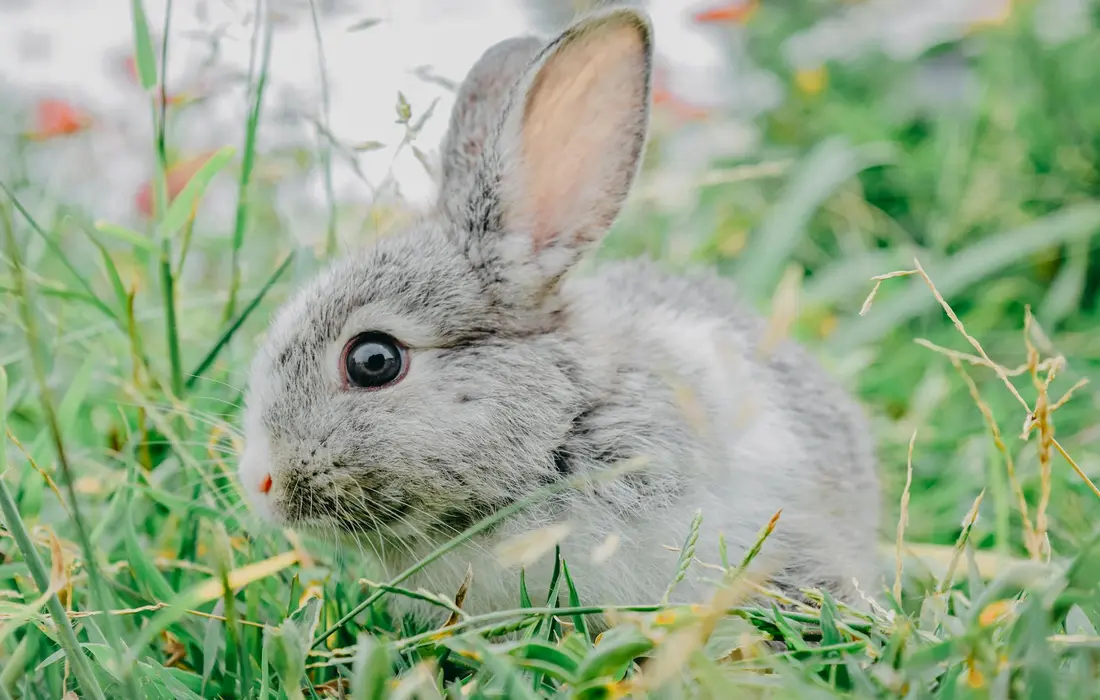
Let’s get down to the brass tacks of serving size. You gotta think of mint like a piece of hard candy after supper-a little sweet surprise, not the main meal. In all my years tending rabbits, I’ve learned that treating mint as a nutritional bonus, not a requirement, keeps their digestion running smooth as butter.
Size matters here, folks. A Flemish Giant and a tiny Jersey Wooly don’t eat the same supper, and their treats should match. Here’s my barn-tested portion guide.
- For a 2 lb rabbit (like a Netherland Dwarf): 1-2 small leaves.
- For a 5 lb rabbit (think a standard Rex): 2-3 leaves.
- For a 10+ lb rabbit (your big breeds like Flemish): 3-4 leaves, but never more than a single, small sprig.
Now, on to frequency. I reckon moderation is the cornerstone of good husbandry. Offer this fragrant treat no more than 2 to 3 times a week, and make sure you skip a day in between. This prevents their gut flora from getting overwhelmed and keeps that minty fresh moment something special they look forward to.
How Should I Prepare Mint for My Rabbit?
Proper prep is where good stewardship shines. It ain’t just about plucking and passing it over. Taking these simple steps ensures your rabbit enjoys their treat without any hidden hitches from dirt or chemicals.
- Source or pick fresh, organic mint. I grow my own spearmint in a raised bed, well away from where I spray anything. If you’re buying, organic is the way to go to avoid those pesticide residues.
- Rinse each leaf thoroughly under cool, running water. This isn’t a quick splash. I gently rub the leaves to dislodge any soil or tiny pests you can’t readily see.
- Pat the leaves completely dry with a clean towel. Damp leaves can make a mess in the feeding dish and promote unwanted moisture in the living space.
- Offer leaves whole or torn into manageable pieces. The tender, green stems at the very top are acceptable, but any thick, woody stem gets snapped off and tossed in my compost pile.
Can Rabbits Eat Mint Leaves and Stems?
This is a fine question, and the answer has nuances. The lush, aromatic leaves are the prime part you want to feed. Leaves provide the flavor and safe, digestible fiber that makes mint a enjoyable snack for your bunny.
Young, flexible stems-the kind that bend easily and are still green-won’t harm them in small amounts alongside the leaves. Truth be told, these tender stems offer less nutritional value than the leaves themselves, but they add a nice bit of texture.
You must draw the line at tough, mature stems. I compost every one of those woody stems I find, as they are a genuine choking risk and far too difficult for a rabbit’s teeth to process safely. When in doubt, if it doesn’t snap easily, it doesn’t belong in your rabbit’s treat bowl.
The Good and The Bad: Benefits and Risks of Mint
Now, I reckon most things on this farm have two sides, much like our old mule Bessie who was sweet as pie but could kick a post clean in two if she took a notion. Mint’s no different. To offer a balanced diet, you must weigh the gentle perks against the very real pitfalls of overindulgence.
What Are the Benefits of Mint for Rabbits?
A few fresh mint leaves are a far cry from a nutritional powerhouse, but they do bring a little something special to the hutch. Think of it as a seasoning, not the main course.
- Trace Vitamins: It provides a whisper of vitamins A and C, which support good vision and a healthy immune system, though your rabbit should get the bulk of these from dark leafy greens.
- Mental Spice: For a creature whose day revolves around eating, a new scent and taste is a grand adventure. Offering dietary variety is a simple kindness that keeps a rabbit’s mind engaged and content.
- Appetite Wake-Up Call: That potent aroma can sometimes spark interest in a bored or finicky eater. I’ve used a sprig to tempt a doe who was off her feed after a loud thunderstorm.
- Nutritionally Neutral: Unlike some treats, mint isn’t packed with problematic protein or calcium. This makes it a safer occasional choice than, say, alfalfa hay for an adult rabbit.
Are There Any Risks of Feeding Mint to Rabbits?
Here’s where my tone turns a mite more serious, friends. A rabbit’s digestion is a finely tuned engine, and the wrong fuel will bring it to a grinding, dangerous halt.
- Cecal Chaos: The biggest threat is to the gut. Overfeeding any new food, mint included, can disrupt the delicate balance of bacteria in the cecum. This imbalance is the primary precursor to gastrointestinal stasis, a silent and deadly emergency for rabbits.
- Oil Irritation: While the mint in your garden is perfectly safe in small amounts, the concentrated essential oils are too strong. Never offer mint oil or extracts.
- The Prime Peril: Pesticides: This is my foremost warning. Mint from a store or an unknown garden may carry chemical residues. I never, ever feed my rabbits anything I haven’t grown myself or isn’t certified organic for animal consumption. The risk of toxicity isn’t worth it.
Watch your rabbit close after introducing mint. If you see soft stools, diarrhea, a bloated belly, or unusual lethargy, remove the mint immediately and offer plenty of hay and water. When in doubt, a quiet rabbit is often a rabbit in trouble.
Special Cases: Kits, Dried Mint, and Digestive Health
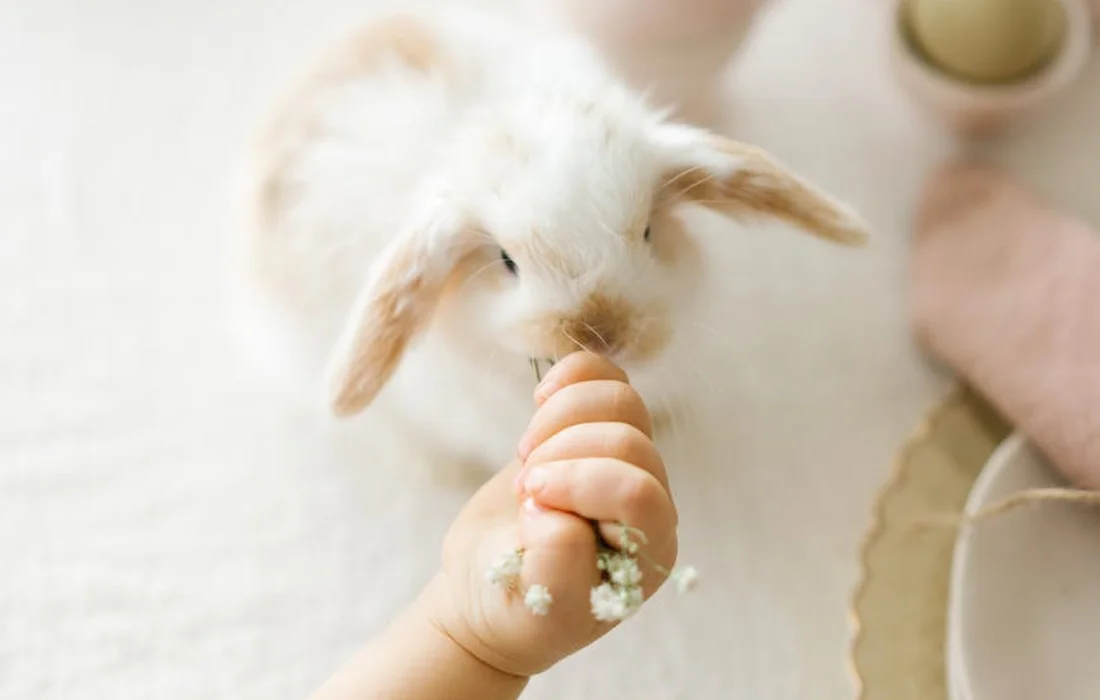
Now, I find homesteaders often have a few specific questions that don’t quite fit the general rules. These special cases around young rabbits, dried herbs, and belly health deserve our gentle attention, much like checkin’ a fence line for weak spots. Let’s walk through ’em together.
Can Baby Rabbits Eat Mint?
I need to be plain as day on this one, friends. Do not feed mint-or any leafy green-to baby rabbits, called kits, before they reach 12 weeks of age. Their delicate digestive systems are designed solely for their mother’s milk and then, gradually, plain grass hay. I learned this early on watchin’ a doe care for her litter; introducin’ anything else too soon can lead to severe digestive stasis, a dangerous condition.
After weanin’, you can begin to introduce greens, but mint should wait until later. Start with one simple green at a time, like a single romaine leaf, and wait a full 48 hours before offerin’ another to monitor for soft stools. This patience is a cornerstone of good husbandry, ensurin’ those young ones grow up strong.
Is Dried Mint Safe for Rabbits?
That jar of last summer’s dried mint poses a different consideration. The dryin’ process removes all water, concentratin’ the essential oils and compounds into a much more potent form. What was a gentle leaf fresh from the garden becomes powerful in its dried state.
So, can they have it? In tiny amounts, yes. A scant pinch, no bigger than your thumbnail, sprinkled over their hay once a week is the absolute limit I’d recommend. But beware: dried mint can be dusty and irritate their respiratory tract. For hydration, nutrition, and safety, nothin’ beats a fresh sprig. It’s the thrifty, stewardly choice to use what your garden gives you fresh.
Can Mint Cause Digestive Issues in Rabbits?
If your rabbit gets a upset gut after mint, don’t blame the herb itself right off. Properly dosed mint is rarely the direct cause of digestive distress in a healthy rabbit. The issue almost always stems from quantity-offerin’ a handful when a leaf or two would do.
The true fix is foundational. Unlimited, high-quality grass hay must constitute about 80% of your rabbit’s diet to keep their complex gut flora balanced and their digestion moving smoothly. Mint is a treat, a flavor, a enrichment. To translate this into daily practice, see our guide on how much hay a rabbit should eat each day. I’ve always said, keep the hay rack full first, and you’ll prevent a world of problems before they ever start.
Growing and Sourcing Safe Mint for Your Herd

Let me tell you, the most satisfying way to source mint is to grow it yourself. I’ve always been a believer in using what the good Lord provides right outside your door. Growing a little patch is the ultimate act of thrifty, sustainable stewardship, putting you in full control of what your animals consume. You know exactly what’s gone into that soil and onto those leaves, and that peace of mind is worth its weight in gold.
Now, mint is a survivor. I’ve seen it come back after a hard frost and spread like gossip at a church social. That vigor is a blessing, but it needs a firm hand. You must plant it with intention, or you’ll have a mint yard instead of a herb garden.
Steps for a Successful Mint Patch
- Plant in a Container. This isn’t a suggestion; it’s a rule from the school of hard knocks. Use a dedicated pot, a sunken bucket, or a separate raised bed. Mint sends out runners that will conquer any shared garden space before you can say “jackrabbit.”
- Use Good, Organic Soil. Don’t just scoop up dirt from the barnyard. A bag of decent potting mix or well-composted garden soil gives your mint a clean, nutritious start. You’re feeding your rabbits through this plant, so invest in its foundation.
- Harvest Sprigs as Needed. The beauty of mint is its “cut-and-come-again” nature. Use your fingers or scissors to pinch off the top few inches of a stem, just above a set of leaves. This encourages the plant to grow bushier, giving you more for your effort.
- Wash Before Feeding. Even from your own garden, give those sprigs a good rinse under cool water. This washes away any dust, stray insects, or bird… well, you get the idea. Shake off the excess and pat dry with a towel before serving.
If you’re in an apartment or just don’t have the space, a sunny windowsill and a humble clay pot will do the trick beautifully. A single thriving plant can provide plenty of occasional treats for a pair of rabbits, and the fresh scent in your kitchen is a lovely bonus. If you’re curious about what do rabbits like to eat, including their favorite foods and treats, there’s plenty to explore.
Where Can I Buy Safe Mint for My Rabbit?
Not everyone has a green thumb or the space, and that’s perfectly alright. You can still find safe mint if you know where to look. My pecking order for sourcing goes like this.
- Your Own Garden (or a neighbor’s): Nothing beats the homegrown option. If a gardening neighbor has an organic patch, see if you can barter a dozen eggs for a handful of herbs. That’s how community is built.
- Local Organic Farmers Markets: This is my next-best recommendation. You can often talk directly to the grower. Ask them plainly, “Was this sprayed with any pesticides or chemicals?” A trustworthy farmer will look you in the eye and give you a straight answer.
- Organic Produce Sections: Some larger stores carry living herbs in pots or packaged organic sprigs. Check the labels carefully for certification. It’s more expensive than growing your own, but it’s a reliable option in a pinch.
I urge caution with standard, non-organic supermarket mint bunches. The risk isn’t the mint itself, but the unknown cocktail of systemic pesticides and preservatives often used on conventional produce, which can linger on the leaves. When in doubt for your critters, it’s better to go without. Building a relationship with a local grower ensures you have a trusted source for not just mint, but a wealth of seasonal rabbit-safe greens.
Final Considerations for Your Flock
How Often Can Rabbits Eat Mint?
For a barnyard rabbit, think of mint as a special seasoning, not daily feed. Offering this aromatic treat 2 to 3 times a week at most, with days off in between, helps maintain their sensitive digestive balance.
How Much Mint Can I Give My Rabbit?
Portion size should be scaled to your rabbit’s breed, much like adjusting feed for different livestock. A good rule is 1-2 small leaves for a smaller breed, and never more than a single, small sprig for your largest Flemish Giants.
Can Mint Cause Digestive Issues in Rabbits?
When fed correctly in tiny amounts, mint itself is rarely the culprit. Digestive trouble almost always stems from overfeeding, which can disrupt their crucial gut flora, so always prioritize their unlimited hay first.
Is Dried Mint Safe for Rabbits?
Dried mint is much more potent and should be used with extreme caution. A scant pinch no bigger than your thumbnail, sprinkled over hay once a week, is the absolute limit, as the drying process concentrates the oils.
Can Baby Rabbits Eat Mint?
No, you should not feed mint to kits. Wait until they are at least 12 weeks old and fully weaned onto hay before introducing any greens, starting with simpler options like romaine long before considering mint.
Where Can I Buy Safe Mint for My Rabbit?
The safest source is your own pesticide-free garden. If buying, seek out local organic growers at a farmers’ market where you can ask about their practices, as conventional store-bought herbs may carry chemical residues.
Shutting the Gate
After decades of raising rabbits, I’ve seen how a little knowledge prevents a lot of worry. Always remember that mint is a fragrant bonus, not a foundation-your rabbit’s health hinges on unlimited grass hay, with every leaf of peppermint or spearmint served as a modest, occasional delight. Beyond mint, many rabbits also enjoy sage, sorrel, and other garden herbs in moderation. A varied, herb-rich menu can complement that hay, though some plants—like comfrey—are best avoided or fed sparingly. This careful balance keeps their digestion steady and their spirits high.
I’m right grateful you stopped by for this chat. There’s a deep satisfaction in nurturing our critters with a mindful hand. So here’s to your thriving homestead, to the contented munching of happy bunnies, and to the peace found in these simple, good rhythms. Take care now, y’all.
Further Reading & Sources
- Benefits of Mint for Rabbits!
- Can Rabbits Eat Mint Leaves? Vet-Reviewed Safety Facts & FAQ | PangoVet
- Can Rabbits Eat Mint? Unveiling the Fragrant Herb for Your Bunny – Central Victoria Hay
Caroline Mae Turner is a lifelong farm girl raised on red clay, early mornings, and the sounds of a bustling barnyard. With hands-on experience caring for everything from stubborn goats to gentle dairy cows and mischievous pigs, Caroline shares practical, tried-and-true advice straight from the farm. Her goal is to help folks keep their animals healthy, well-fed, and living their best barnyard life. Whether you're wrangling chickens or bottle-feeding a baby goat, Caroline brings a warm Southern touch and plenty of real-world know-how to every bucket in the barn.
Herbal Supplements